
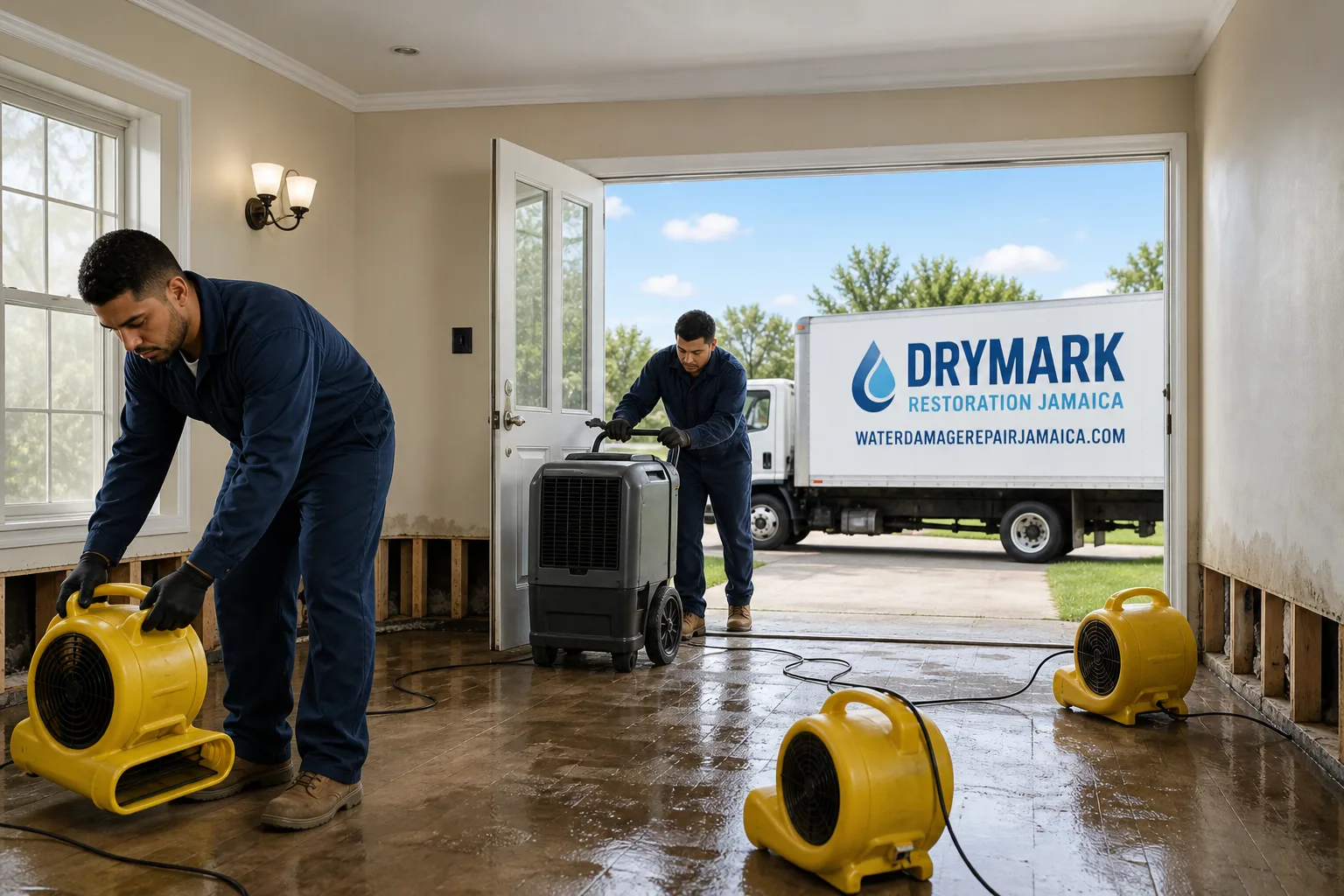
Free visual inspection and a written scope of work before any mitigation begins - photos, moisture readings, and drying logs go in your claim file
The scope we write is the scope we bill. Anything new gets shown to you, in writing, before we touch it.
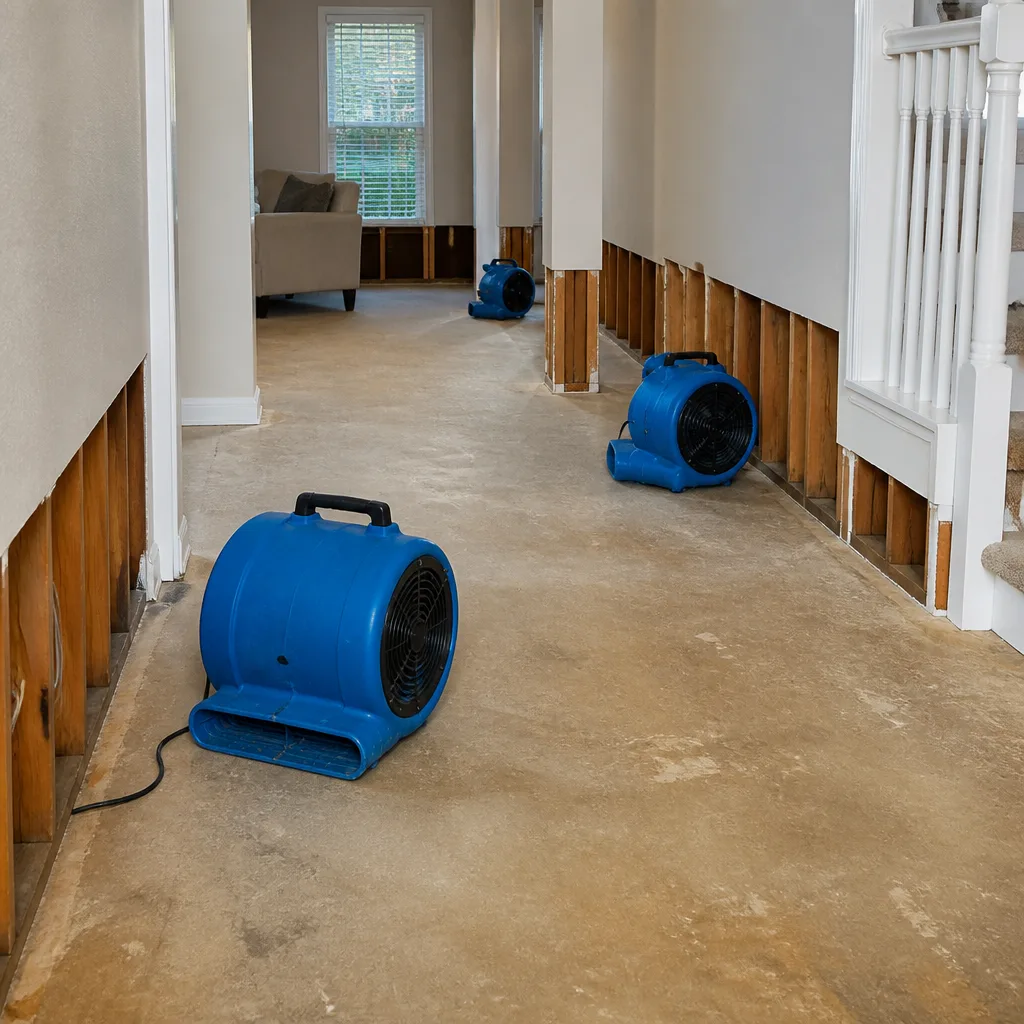
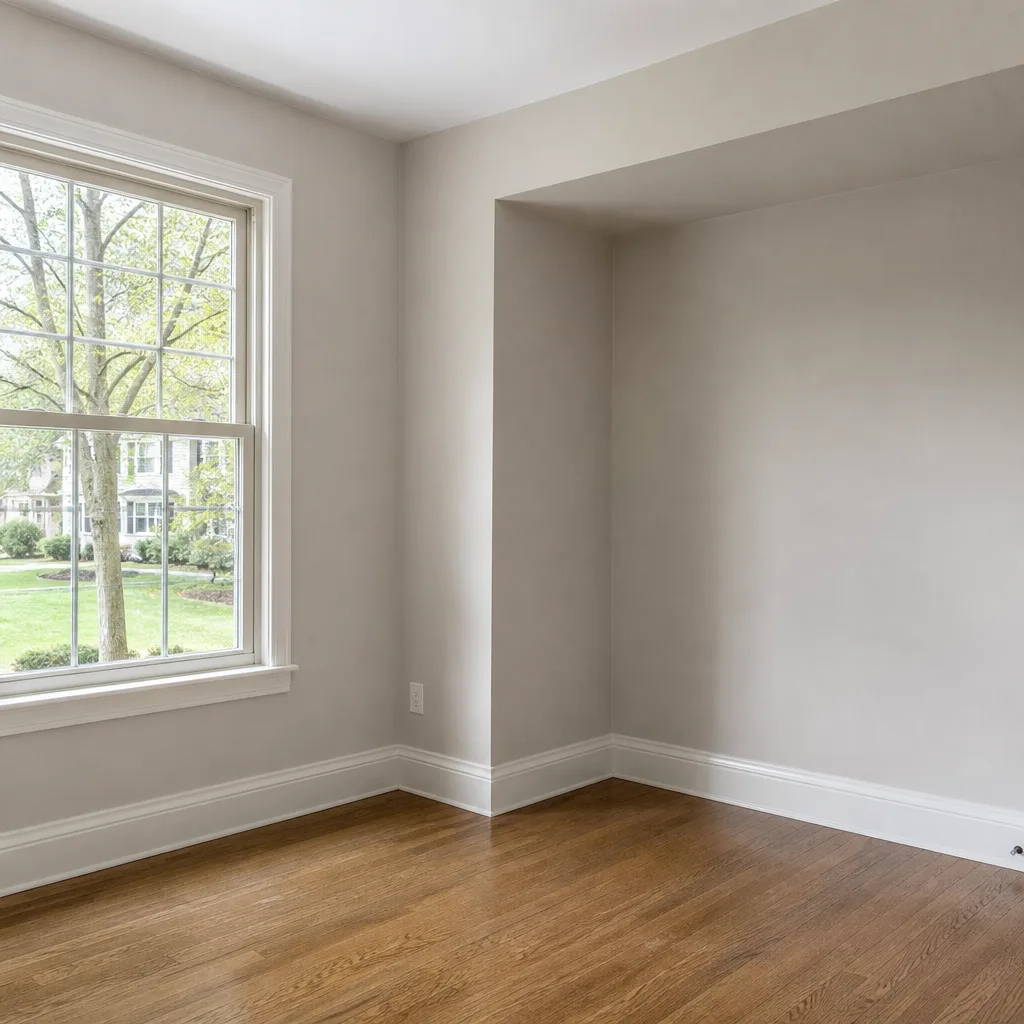
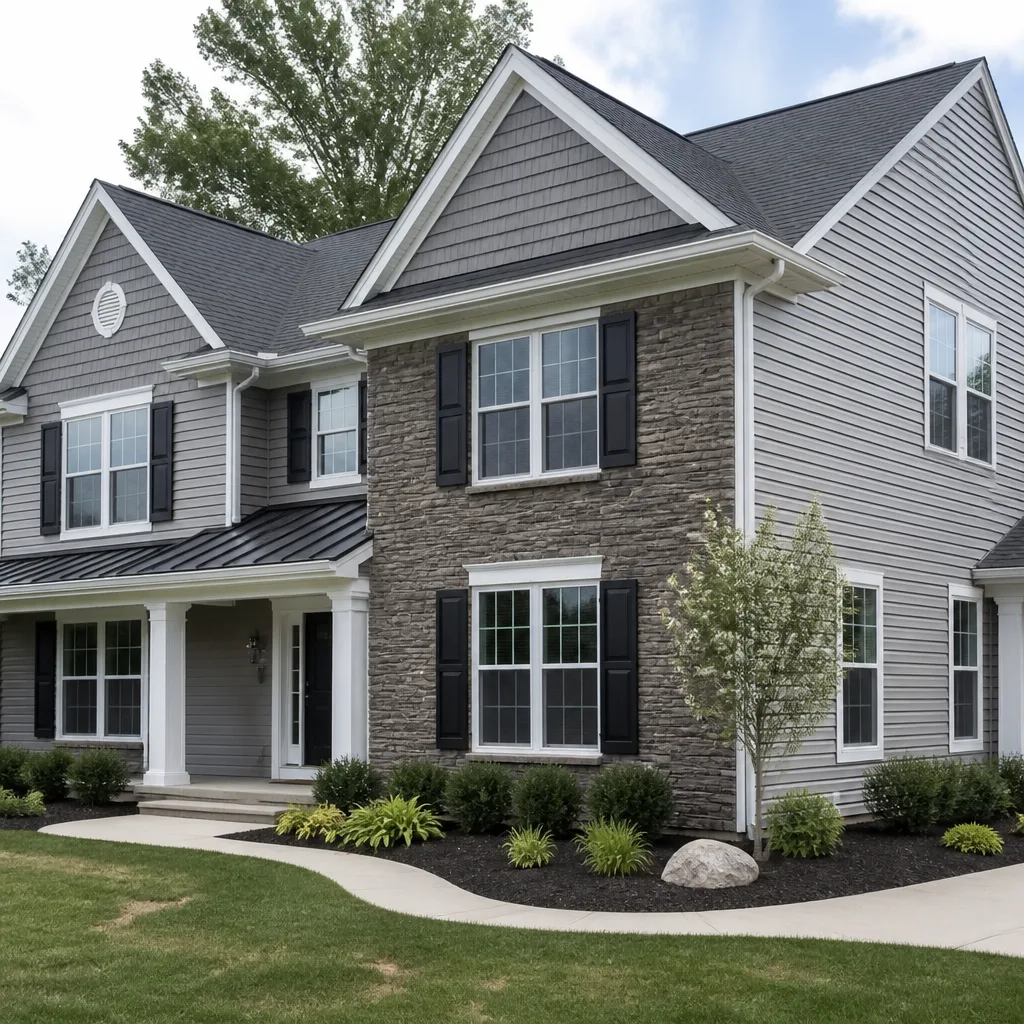
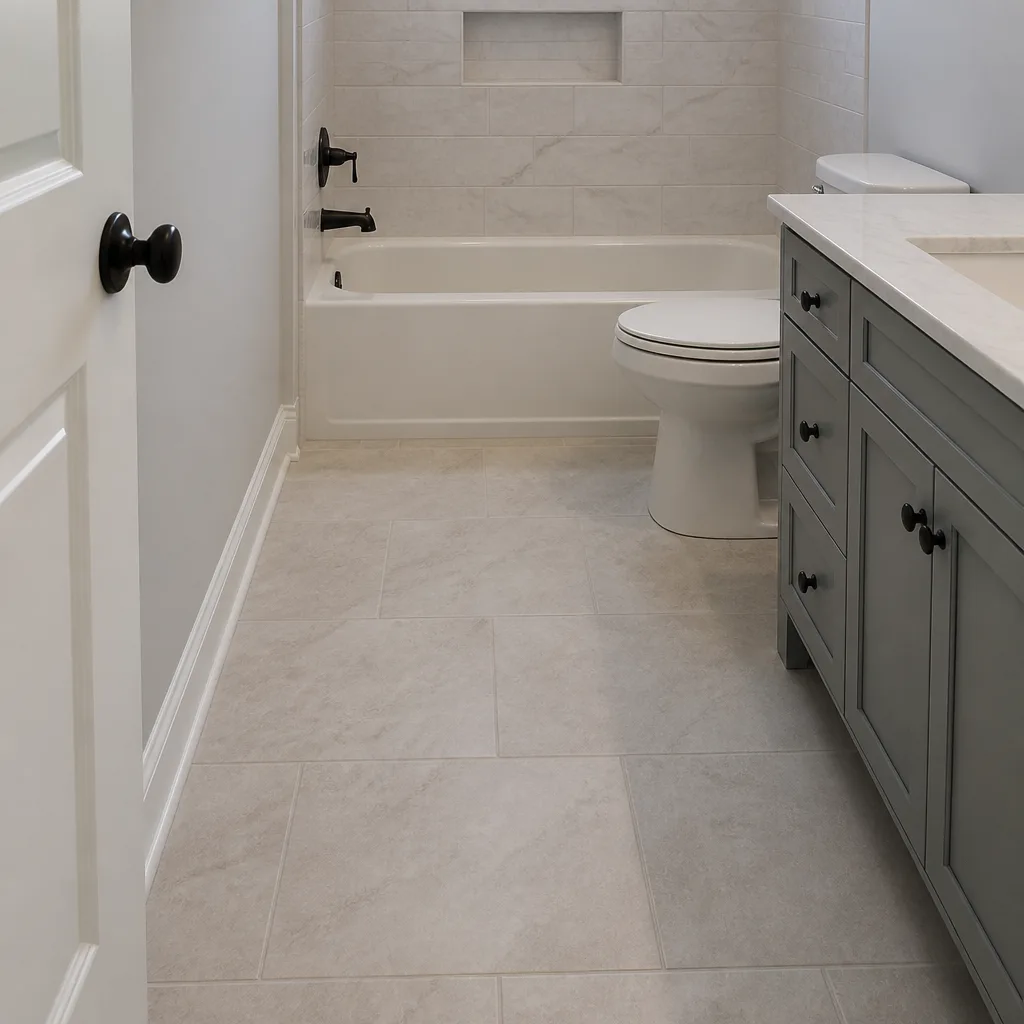
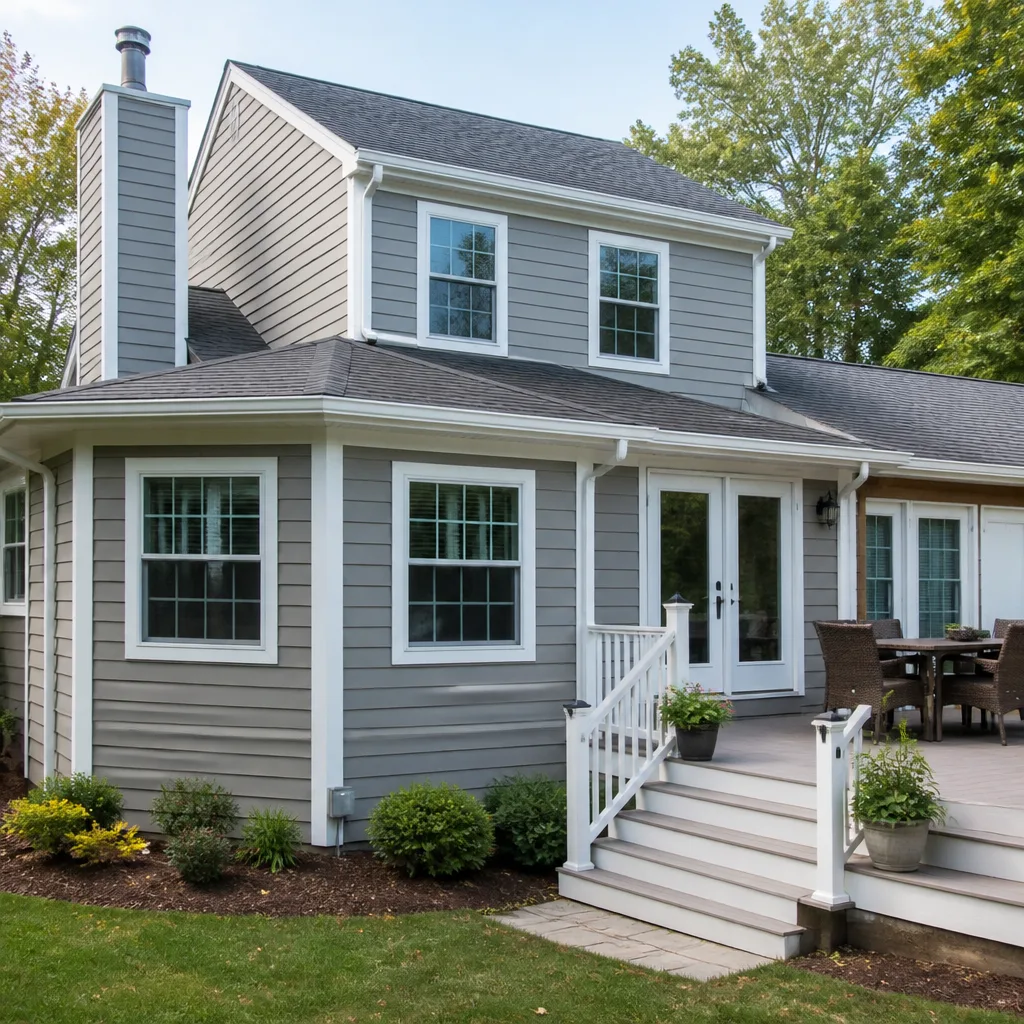
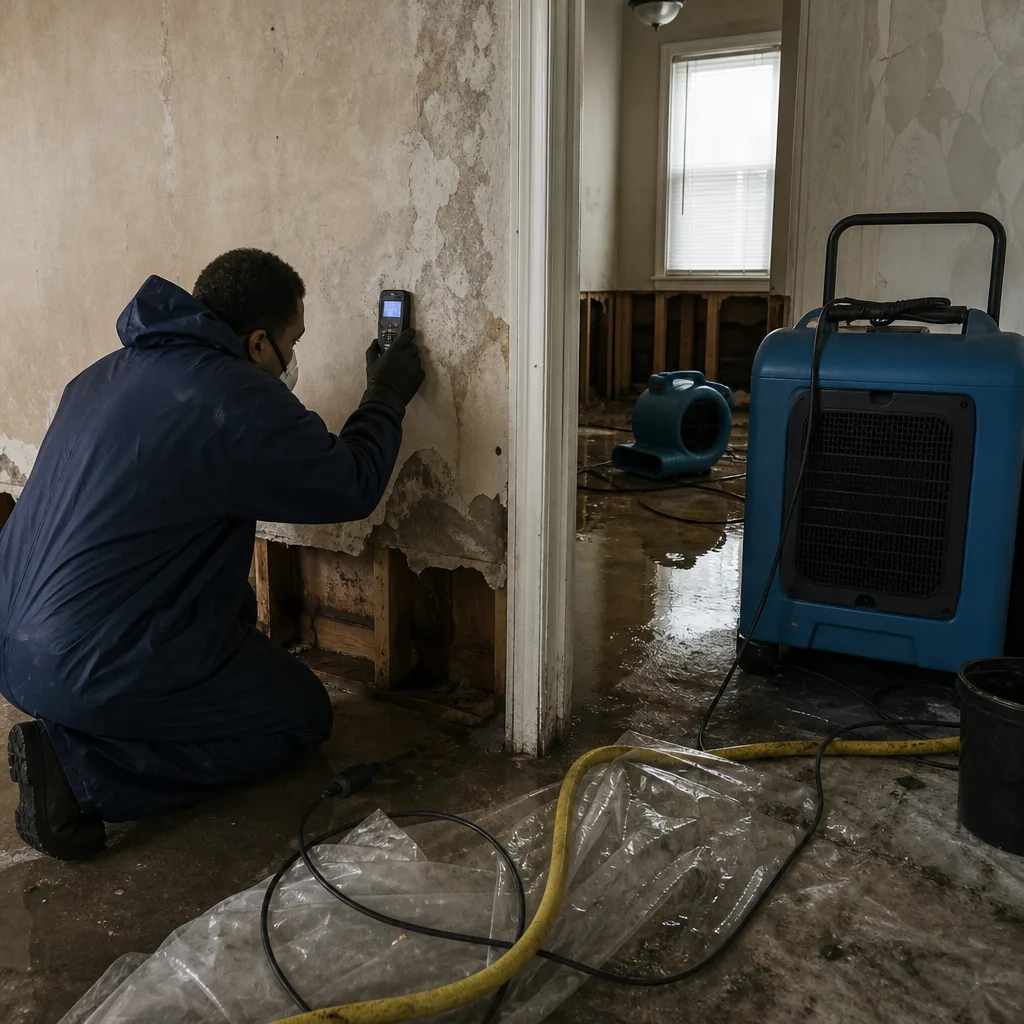 Before
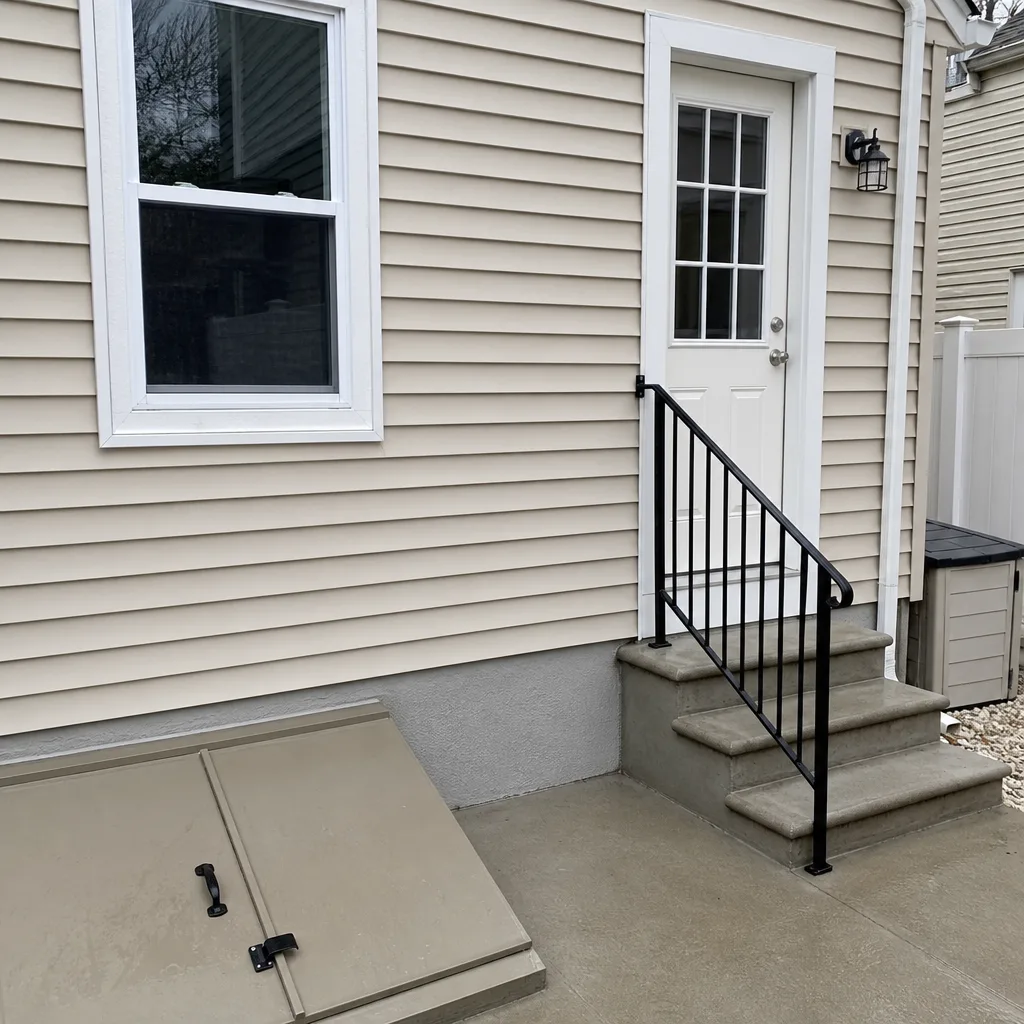 After
After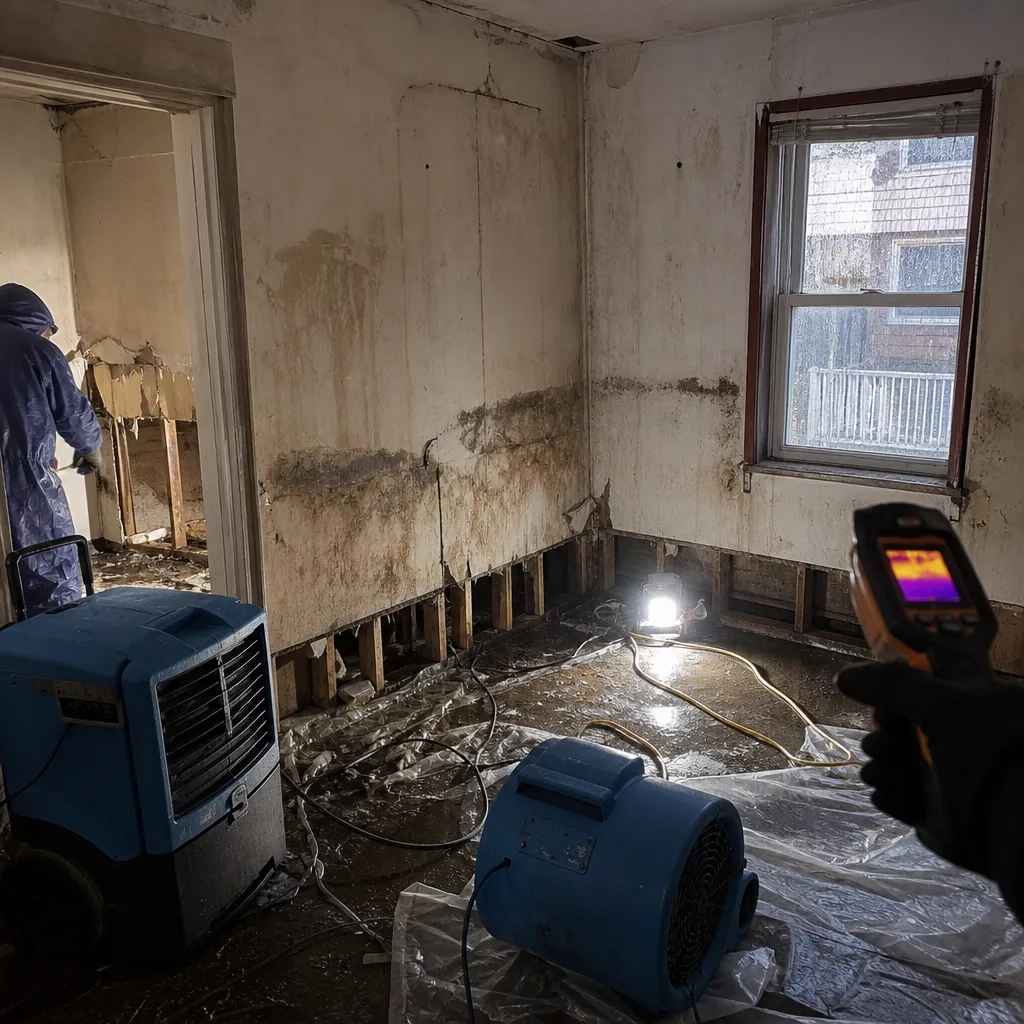 Before
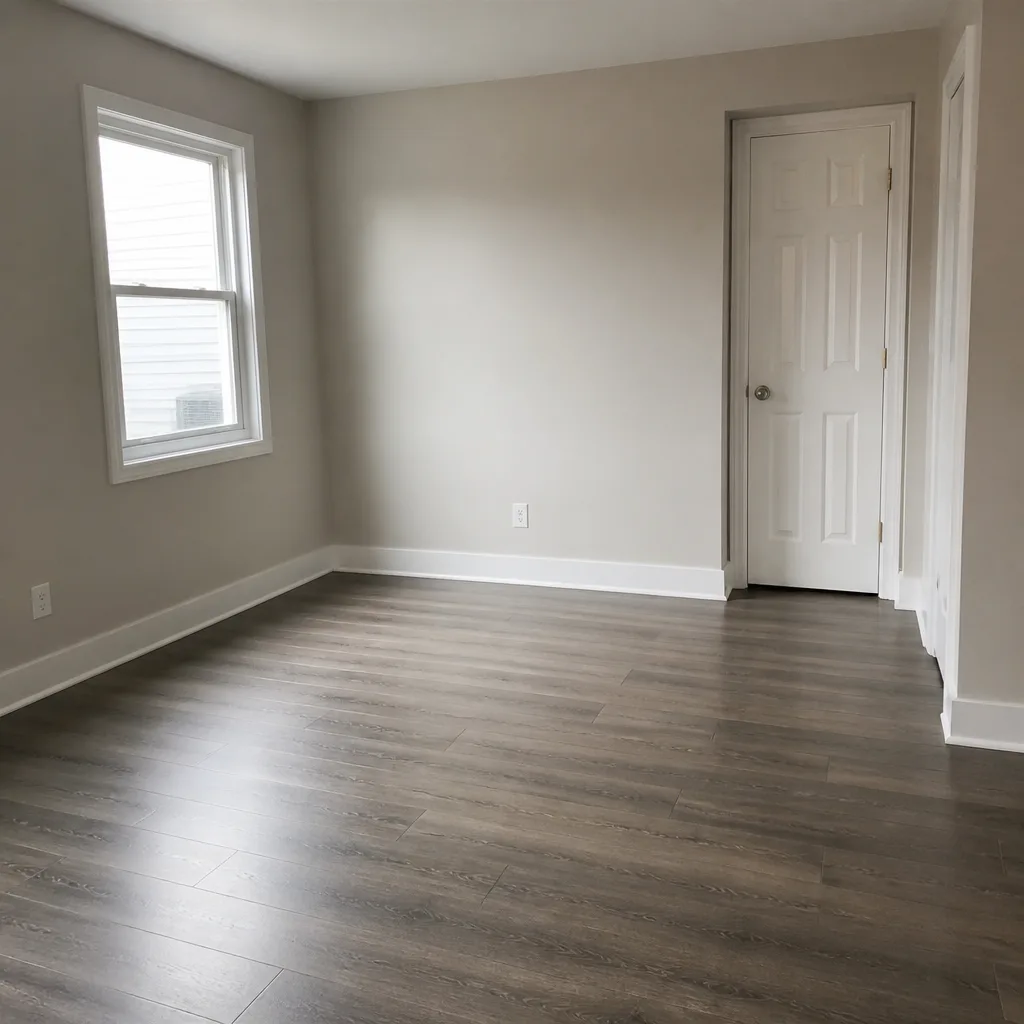 After
After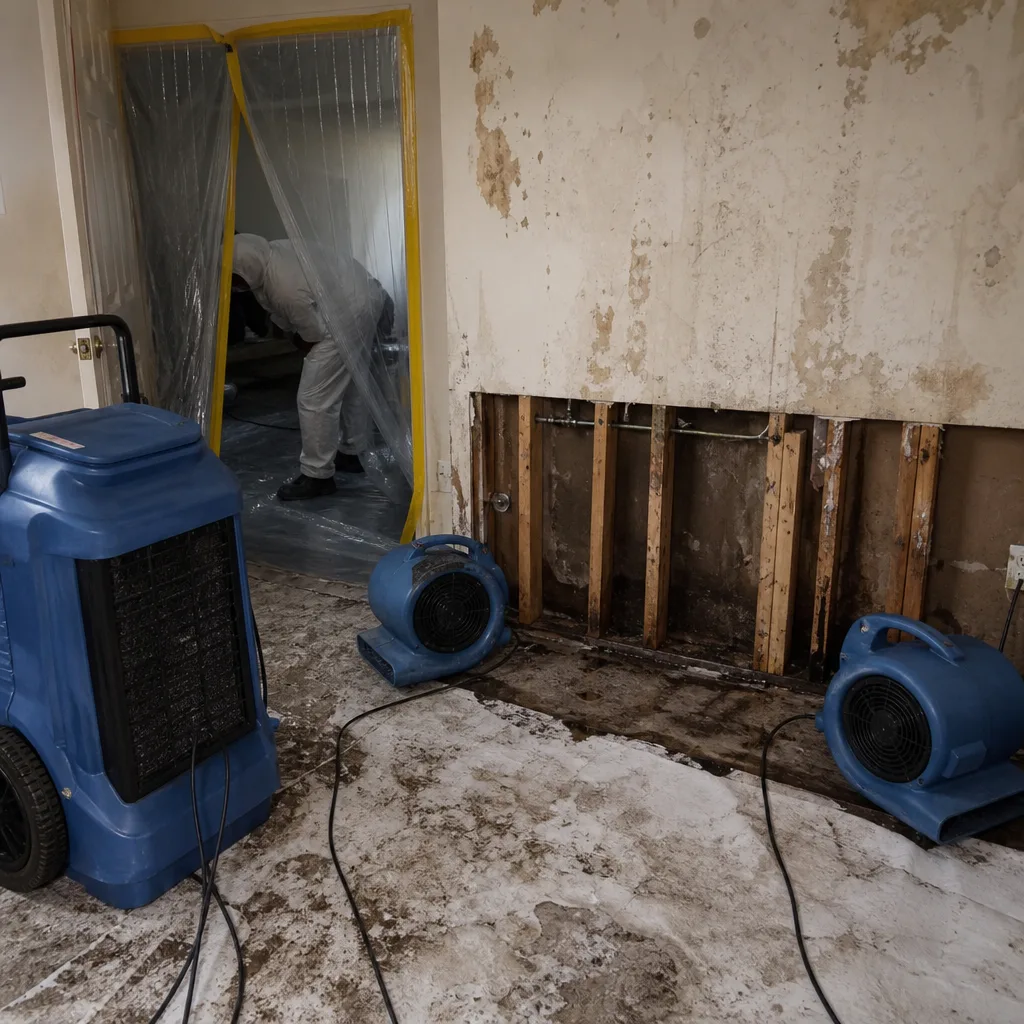 Before
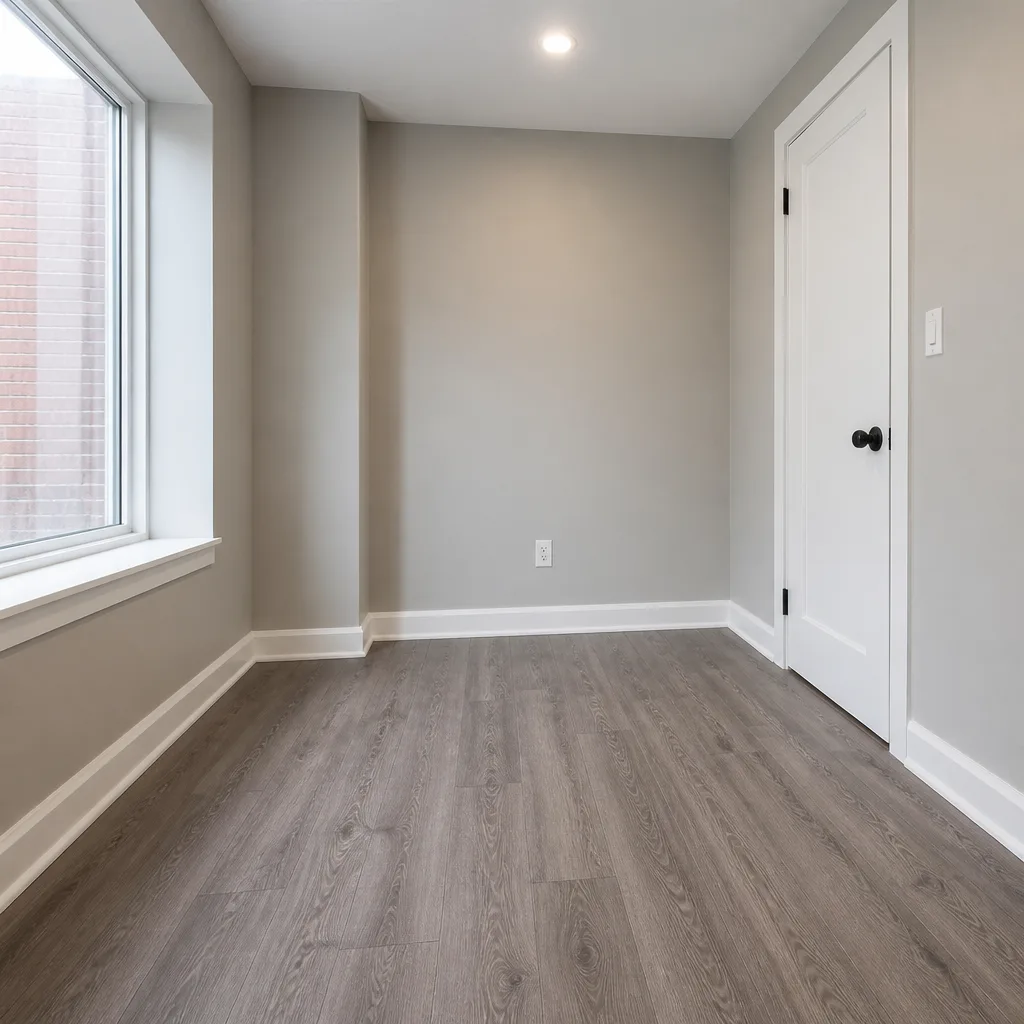 After
AfterFast, Reliable Water Damage Restoration Across Ozone Park
Water damage restoration in Ozone Park typically runs $2,800-$6,500 for a standard residential job, with emergency extraction starting at $450 and full structural drying averaging $1,800-$3,200. Most Ozone Park homeowners see our crew within 60-90 minutes of calling (516) 240-9735, because we dispatch from our New York City office and know the local street grid from Liberty Avenue down to the bay.
We’ve restored homes in South Ozone Park, Woodhaven, and along the Broadway Junction corridor. The brick row houses here, built mostly between the 1920s and 1950s, don’t behave like modern construction when they get wet. Plaster-over-lath walls hold moisture long after drywall would read dry. Basements sit at or near the high water table. And in Howard Beach and Hamilton Beach, Jamaica Bay storm surge leaves salt in framing that changes everything about how you dry a house. That’s why local experience isn’t a marketing angle here. It’s the difference between a wall that stays mold-free and one that doesn’t.
Why DryMark Restoration Jamaica Is Ozone Park’s Preferred Water Damage Restoration Company
Our reputation in Ozone Park is built on documentation, not promises. Alicia Brennan founded this company in 2011 after working as a claims adjuster and watching homeowners lose coverage because restoration crews couldn’t produce drying logs or photo records. We’ve restored over 12,000 homes since then, every one with a written price before work started and a documented record when we left.
Ozone Park customers find us because they read the three-star reviews on every company they’re considering. They want to see what happens when something goes wrong. Our 365-Day Done Right Promise, backed by The Haven Standard, gives them a written guarantee with an address: if it’s not done right, we make it right. Not a verbal assurance. A signed document.
Response time to Ozone Park averages under 90 minutes. We don’t use voicemail trees. A live person answers every call, 24 hours a day, 7 days a week. When water is still moving through your house, waiting until business hours isn’t an option.
We know the local conditions that change the scope of work. The FEMA Special Flood Hazard Areas in Howard Beach and Hamilton Beach. The impervious surface runoff from the JFK Airport buffer zone. The way groundwater rises across southwestern Queens after nor’easters, flooding basements miles from open water. This isn’t generic Queens knowledge. It’s Ozone Park-specific, and it affects how we classify water, what we remove, and how long we run equipment.
Our Water Damage Restoration Services in Ozone Park
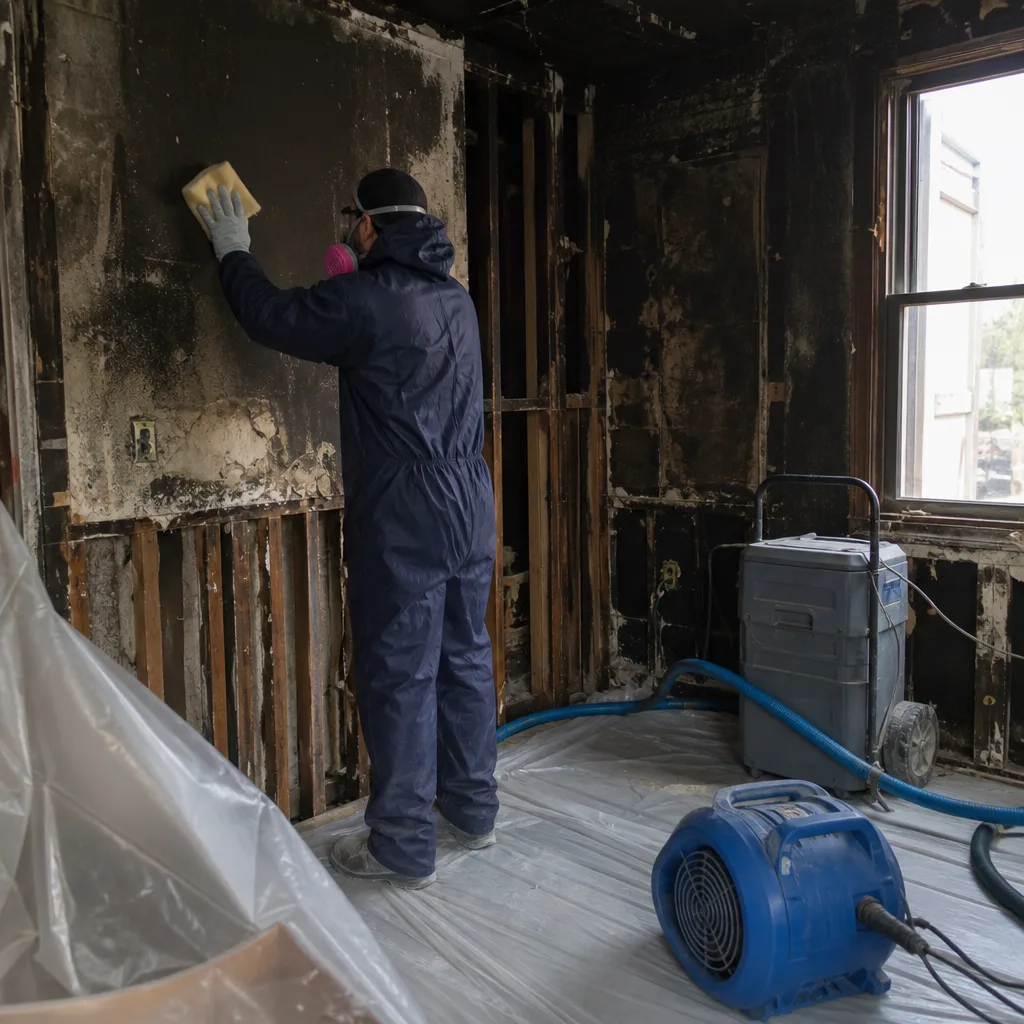
Emergency Water Extraction
We extract standing water from Ozone Park homes using truck-mounted and portable systems, then classify what we’re dealing with before anyone starts demolition. A burst pipe in a Cypress Hills row house is Category 1. Groundwater seepage in a South Ozone Park basement, pushed up by the high water table, is Category 2 or 3 and requires different removal protocols. In Howard Beach and Hamilton Beach, Jamaica Bay storm surge is Category 3 every time, carrying sediment and salt that change what must come out and what can stay.
Our crews document pre-loss conditions with photos before touching anything. Haven Standard, Clause 1: written price before work begins. No exceptions.
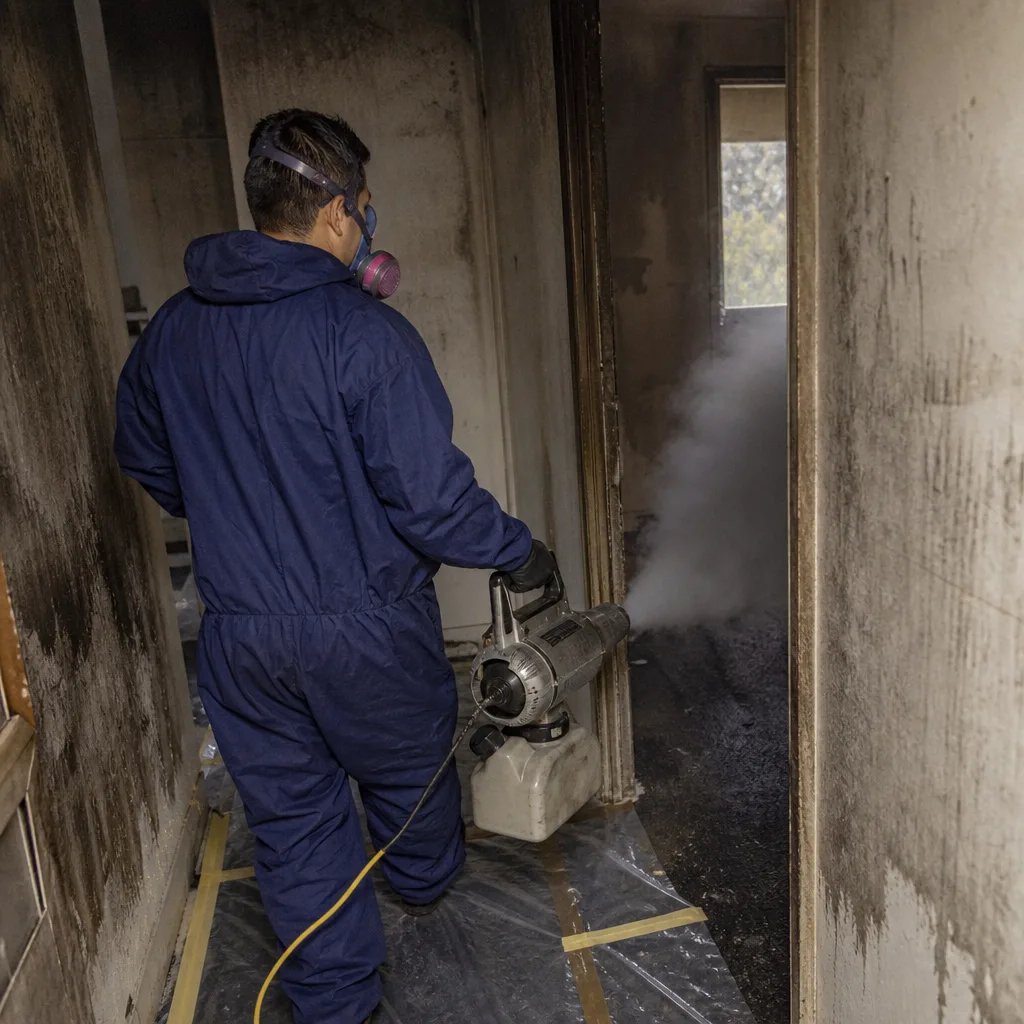
Structural Drying & Dehumidification
Ozone Park’s plaster-over-lath walls dry on a different timeline than modern drywall. The lath holds water in its channels long after the plaster surface reads dry. A pin meter showing 12% on the surface can miss 80% moisture content behind the lath. We run Dri-Eaz and Phoenix air movers with vapor pressure differential control, pulling moisture from the material, not just the air. Psychrometric data, logged daily, tracks specific humidity, temperature, and grain depression so we know when the assembly is actually dry, not just when it feels dry.
After bay surge, we add chloride testing. Salt-laden framing stays hygroscopic, wicking moisture from normal air humidity even when a standard moisture meter reads pass. In Hamilton Beach, we’ve seen walls test dry on conventional equipment and fail chloride tests weeks later. We don’t sign drying logs until both numbers confirm it.
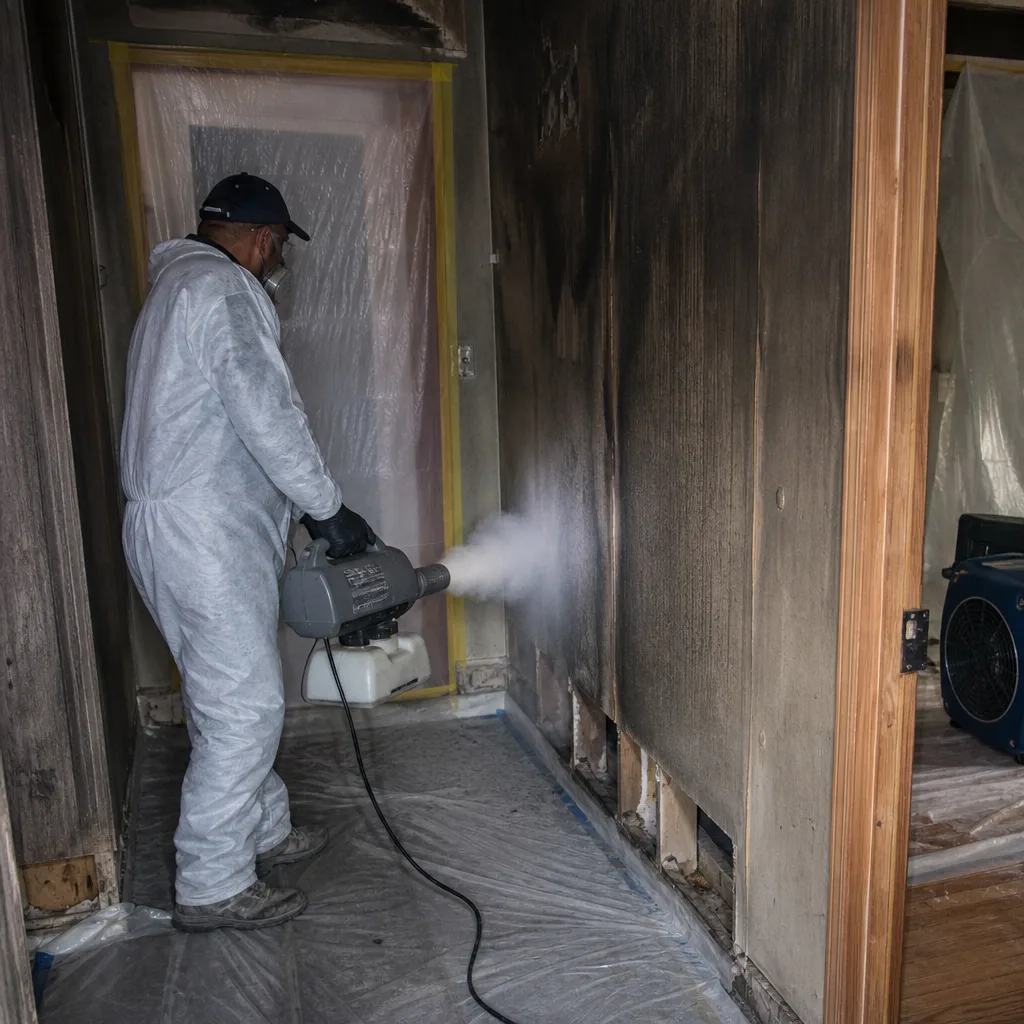
Flood Cleanup
Flood cleanup in Ozone Park means different things depending on which side of Liberty Avenue you’re on. Inland flooding from overwhelmed storm drains or JFK runoff is freshwater, treated with standard extraction and drying. Coastal flooding from Jamaica Bay is saltwater intrusion, and it requires flushing, chloride testing, and often antimicrobial treatment of framing that freshwater jobs don’t need.
Many Howard Beach and Hamilton Beach homes flooded more than once since Hurricane Sandy in 2012. Hidden moisture damage layers from multiple events stack inside the same walls. We map the damage with thermal imaging and moisture meters, then scope removal by what we find, not by what we assume.
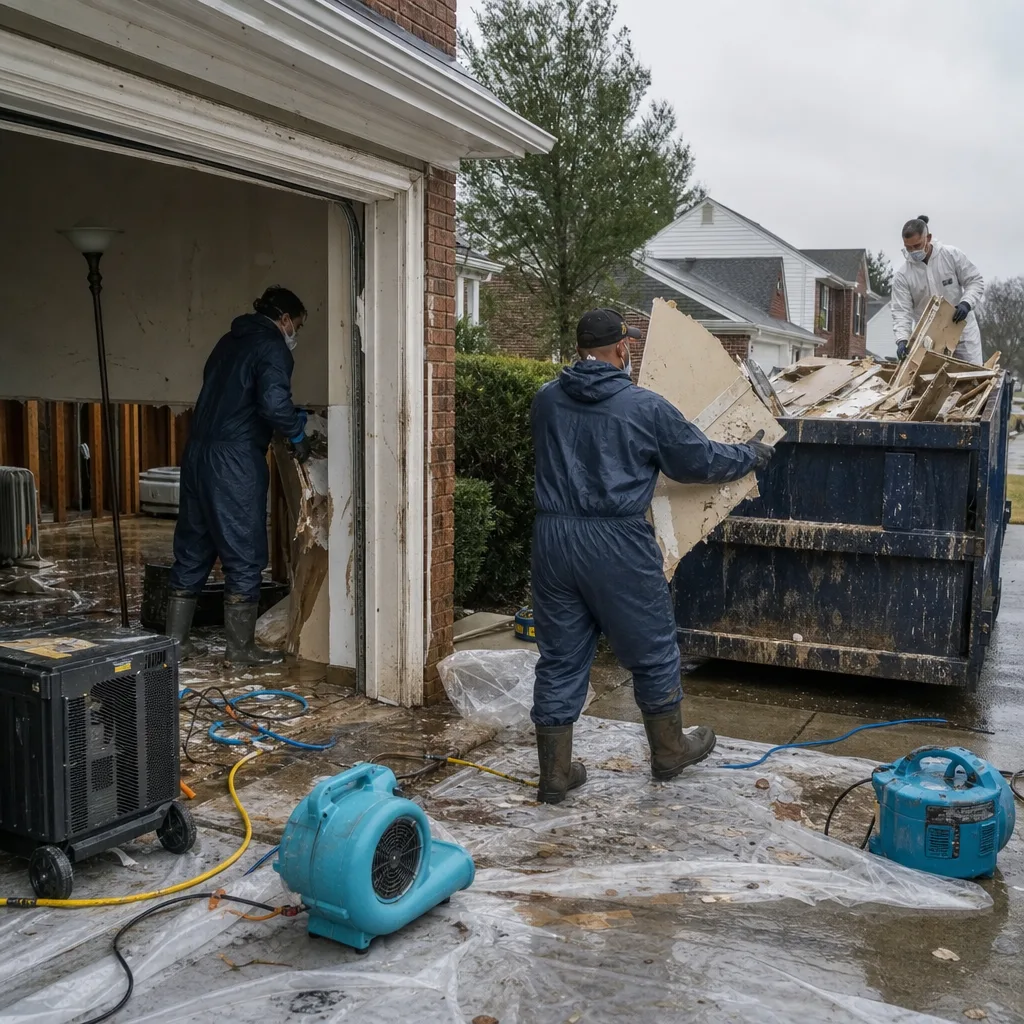
Burst Pipe Restoration
Burst pipes in Ozone Park’s older housing stock often happen in exterior walls with minimal insulation, or in basements where freeze-thaw cycles stress original copper or galvanized lines. We extract, dry, and document for insurance, but we also photo-document the pipe condition before any plumber touches it. Insurance adjusters need to see the failure point to confirm coverage. We make sure they get the shot.
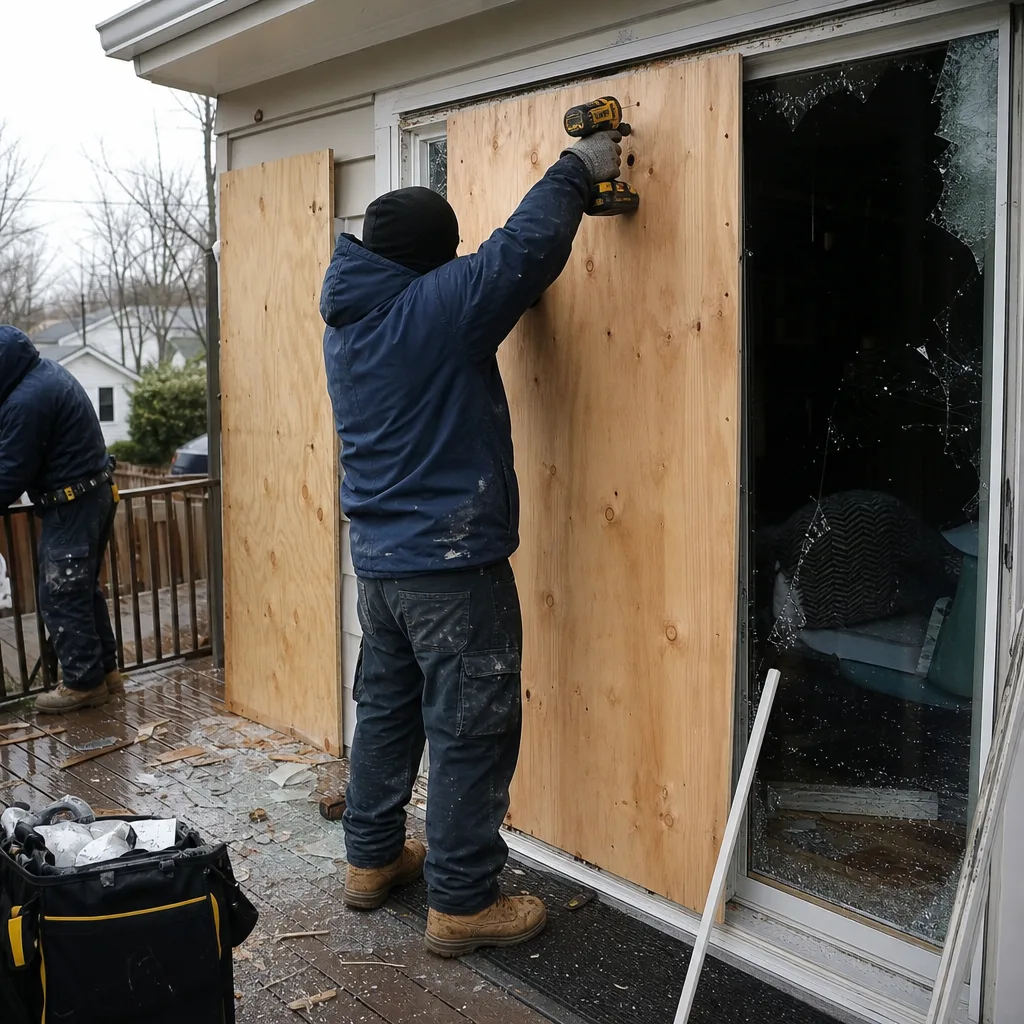
Basement Water Removal
Basement water removal is one of our most called-for services in Ozone Park proper, and it’s rarely straightforward. The high water table means seepage that looks like a leak is often groundwater pressure. Category 2 or 3 water, not Category 1. That changes what gets removed, what gets treated, and what the drying timeline looks like. We test and classify before we pump, not after.
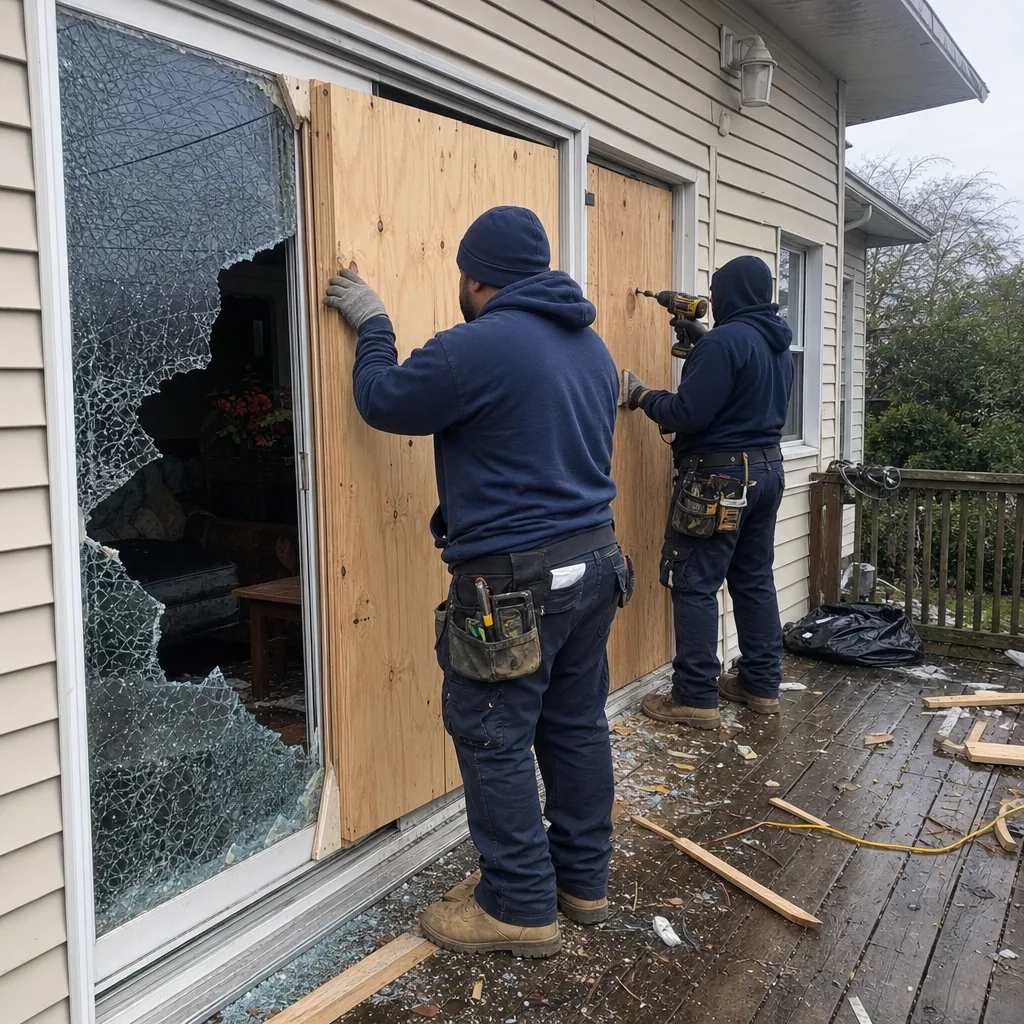
Ceiling & Roof Leak Water Damage
Flat roofs and aging parapet walls on Ozone Park’s row houses channel water into ceiling cavities that travel far from the entry point. We trace the migration with moisture mapping, then dry the full affected area, not just the visible stain. Plaster ceilings in these homes can hold surprising water weight before they fail. We catch them before they do.
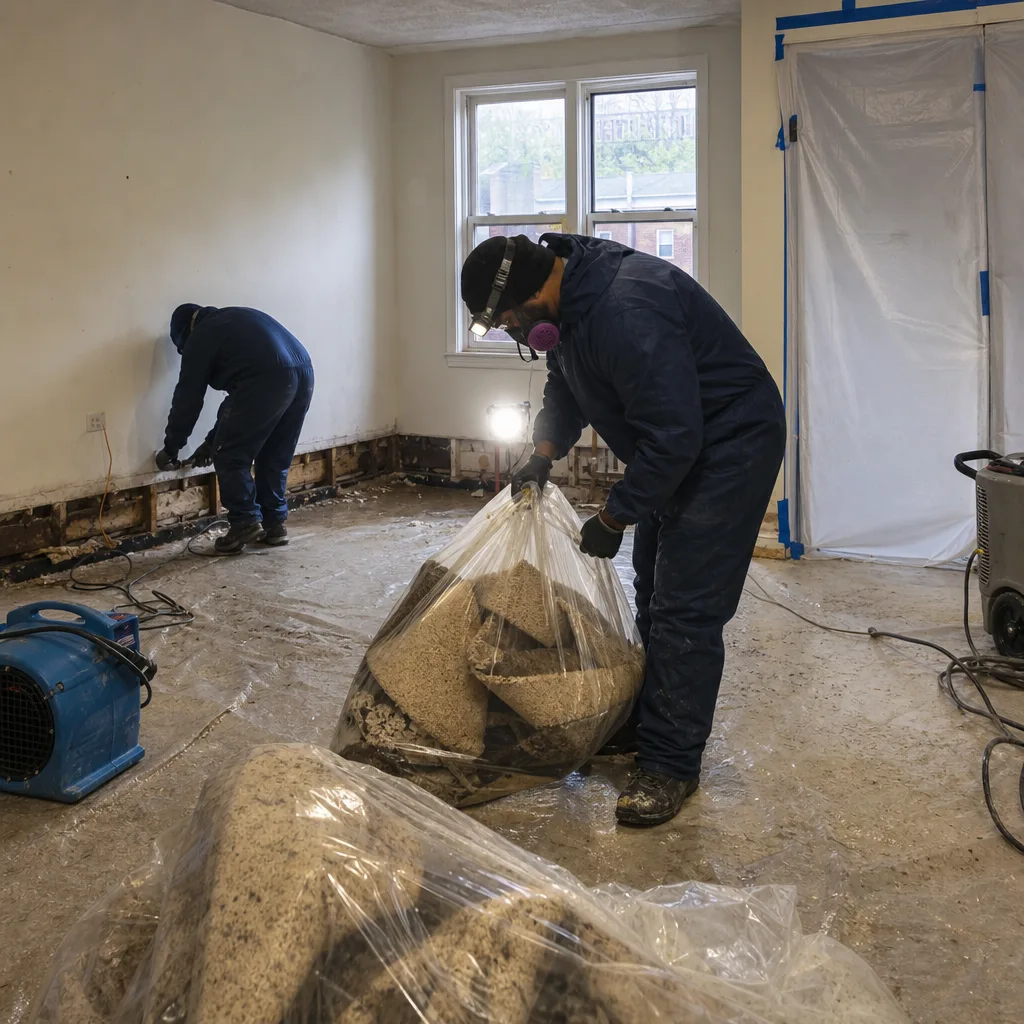
What happens when you call
- 1
A real person answersNo phone trees - you reach a local pro.
- 2
You get an upfront price rangeHonest numbers before anyone is dispatched.
- 3
A background-checked tech heads outLicensed & insured, dispatched right away.
- 4
You approve before work beginsNothing starts until you say go.
BeforeAfterTrusted Brands We Service in Ozone Park
We deploy professional-grade drying systems from Dri-Eaz, Phoenix, and XPOWER on Ozone Park jobs, documented to IICRC, RIA, and IFA standards. These aren’t brand names for marketing copy. They’re the equipment that produces the daily drying logs, psychrometric readings, and vapor pressure differentials that turn restoration invoices into claims insurers pay without a fight. We stock local parts and replacement units, so if a dehumidifier fails on day three of a drying cycle in South Ozone Park, we’re not waiting on a warehouse in another state. The equipment stays running, the logs stay continuous, and the timeline stays intact.
Common Water Damage Restoration Problems We See in Ozone Park Homes
- Drying plaster-over-lath on a freshwater timeline. The lath channels hold water long after the surface reads dry. Crews that pull equipment at 48 hours leave hidden moisture that supports mold growth within days. We run tertiary drying protocols and don’t pull until the lath reads dry, not just the plaster face.
- Skipping salt-content checks after Jamaica Bay surge. Salt-laden framing in Howard Beach and Hamilton Beach stays hygroscopic, wicking moisture from normal humidity and corroding hardware. A standard moisture meter won’t catch it. We test chloride levels on every bay-surge job and flush assemblies until they pass.
- Misclassifying basement seepage on high-water-table properties. Groundwater pushed through foundation walls in Ozone Park’s two-family brick row houses is Category 2 or 3, not Category 1. Treating it as clean water means insufficient removal, no antimicrobial treatment, and mold problems six months later.
- Ignoring stacked damage in repeat-flood homes. Since Sandy, many Howard Beach and Hamilton Beach properties have flooded multiple times. Each event leaves a layer of hidden damage. We map the full history with thermal imaging and moisture profiling, then scope removal to address every layer, not just the most recent.
Pricing for Water Damage Restoration in Ozone Park, NY
Here’s what water damage restoration costs in Ozone Park’s market:
| Service | Typical Range |
|---|---|
| Emergency water extraction | $450-$950 |
| Structural drying & dehumidification | $1,800-$3,200 |
| Flood cleanup (freshwater) | $2,200-$4,500 |
| Flood cleanup (saltwater/bay surge) | $3,500-$6,500 |
| Burst pipe restoration (full job) | $2,800-$5,200 |
| Basement water removal | $1,600-$3,800 |
| Ceiling/roof leak damage repair | $1,200-$3,500 |
What moves you within these ranges: square footage affected, water classification (Category 1, 2, or 3), whether plaster-over-lath removal is needed, salt-flushing requirements after bay surge, and whether the job requires full reconstruction or just drying. Every job gets a written price before work begins, Haven Standard, Clause 1. No scope-creep additions once our crew is inside. We also offer a Free Second Opinion on any competitor’s written estimate. Bring their quote, we’ll review it at no charge.
Call (516) 240-9735 for your exact quote. Estimates are free.
We Also Serve Cities Near Ozone Park
Our crews work throughout southwestern and central Queens, including Water Damage Restoration in Ozone Park and neighboring Howard Beach, Jamaica, Forest Hills, and Middle Village. Dispatch and scheduling are coordinated from our New York City office. Whether you’re in a flood corridor near the bay or dealing with basement seepage inland, our Water Damage Restoration team brings the same documentation standards and written pricing to every job.
Serving Ozone Park, NY - Our Local Coverage Area
We’re based in the Ozone Park area and know this community well. Use the map below to see our service coverage - if you’re nearby, we can almost certainly help.
FAQs - Water Damage Restoration in Ozone Park
Your basement floods because the groundwater table in Howard Beach and Hamilton Beach sits high year-round, and it rises sharply after nor’easters and coastal storms even when local rainfall is moderate. The flat, low-lying topography of southwestern Queens means water has nowhere to drain. We classify this seepage as Category 2 or 3 groundwater, not Category 1 clean water, which changes what must be removed and how we dry the space. Call (516) 240-9735 for a free assessment and written scope.
Bay storm surge carries salt, sediment, and contaminants that make it Category 3 water every time, while a burst pipe in a Cypress Hills or Glendale row house is typically Category 1. Salt residue keeps framing hygroscopic, so it wicks moisture from normal air humidity long after drying appears complete. We run chloride tests and flush assemblies before signing off. A burst pipe doesn’t require this protocol. The drying timeline and documentation differ significantly.
Within 24 hours. Plaster-over-lath walls wick water into the lath channels immediately, and mold colonization begins in 48-72 hours on organic material at sustained moisture levels above 16%. The lath holds water longer than drywall, so the visible surface can look manageable while hidden cavities are already compromised. We start extraction and set drying equipment the same day we get the call. Speed matters, but so does running equipment long enough to dry the lath, not just the plaster face.
They matter enormously in the Jamaica Bay flood corridor. In Hamilton Beach, we responded to a 1950s brick semi-detached where storm surge pushed through an impact-rated sliding door that had sand-packed tracks and sill pans. The panel never sealed properly. Water saturated plaster-over-lath walls and the original oak subfloor. We classified it Category 3, extracted, applied antimicrobial treatment, ran Dri-Eaz and Phoenix equipment, then re-tested every cavity for chloride before signing the drying logs. Proper reinforcement and maintenance of wind-rated assemblies prevents the breach that causes the water damage in the first place. We documented the pre-loss condition and scoped reinforcement for re-install.
Sometimes, but only if we classify the water correctly and catch it early. Groundwater seepage in Cedar Manor basements is typically Category 2 or 3, which means porous materials like drywall, insulation, and carpet pad usually must come out. Non-porous materials like concrete and tile can often stay, with proper extraction and antimicrobial treatment. We make this determination with moisture readings and water classification testing, not guesswork. Every removal is documented with photos, and nothing comes out before you see a written price. Call (516) 240-9735 for an exact scope.
Water damage in Ozone Park doesn’t follow the same rules as inland Queens. The salt surge from Jamaica Bay, the high water table beneath the brick row houses, the plaster-over-lath walls that hide moisture for weeks, these conditions change how a job gets scoped, how long equipment runs, and what documentation an adjuster needs to see. We built our company around that documentation gap. Every job gets a written price before work begins, a photo record on every visit, daily drying logs with psychrometric data, and a 365-Day Done Right Promise backed by The Haven Standard. If it’s not done right, we make it right.
Call (516) 240-9735 now for a free estimate. A live person will answer.
Written by Alicia Brennan, Owner at DryMark Restoration Jamaica, serving Ozone Park since 2011.