
Last updated September 23, 2026
Free visual inspection and a written scope of work before any mitigation begins - photos, moisture readings, and drying logs go in your claim file
The scope we write is the scope we bill. Anything new gets shown to you, in writing, before we touch it.
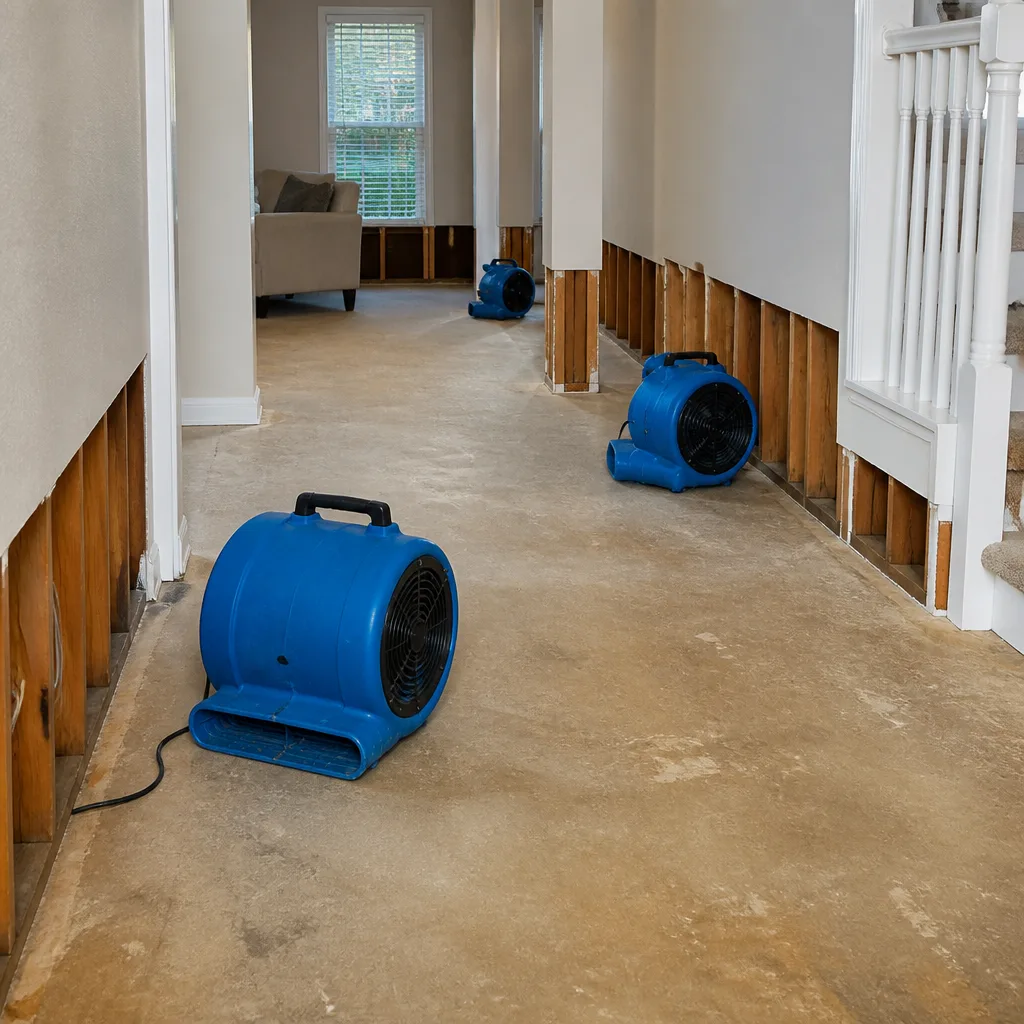
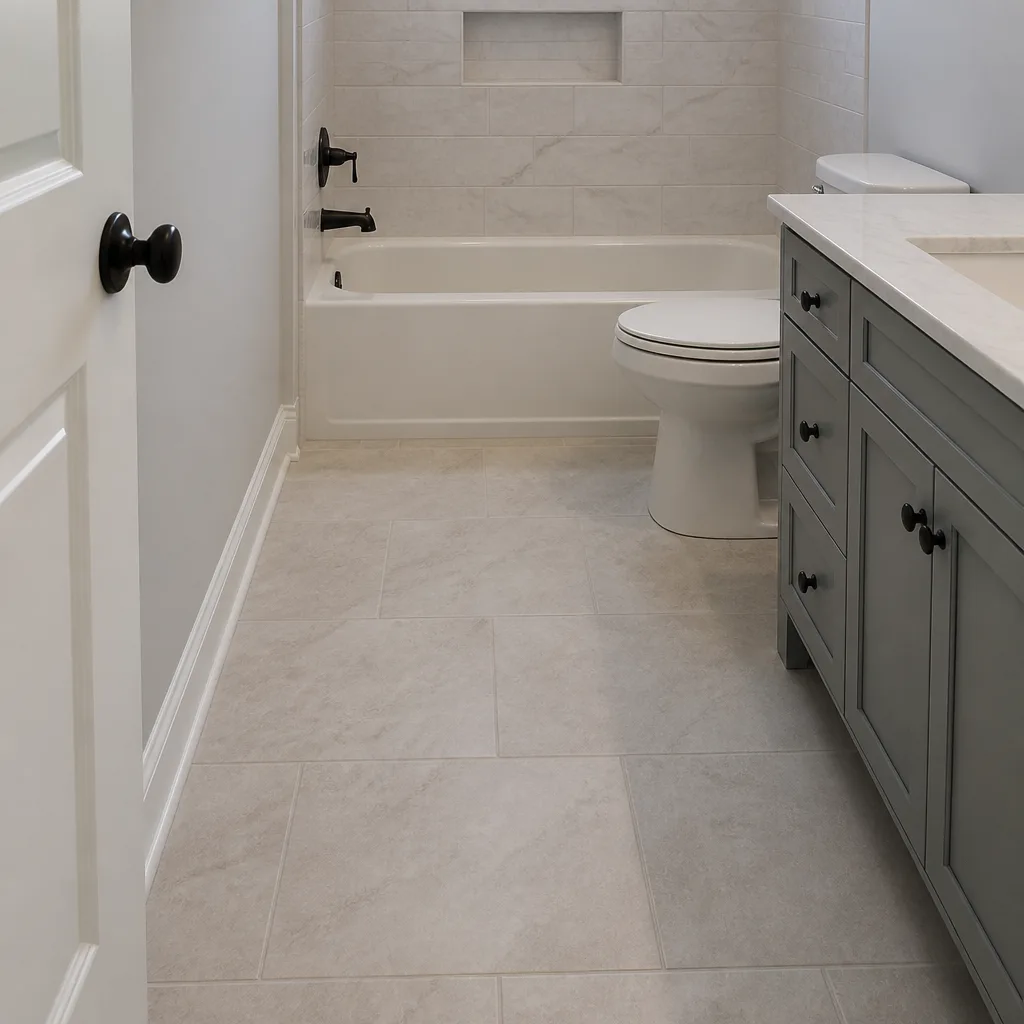
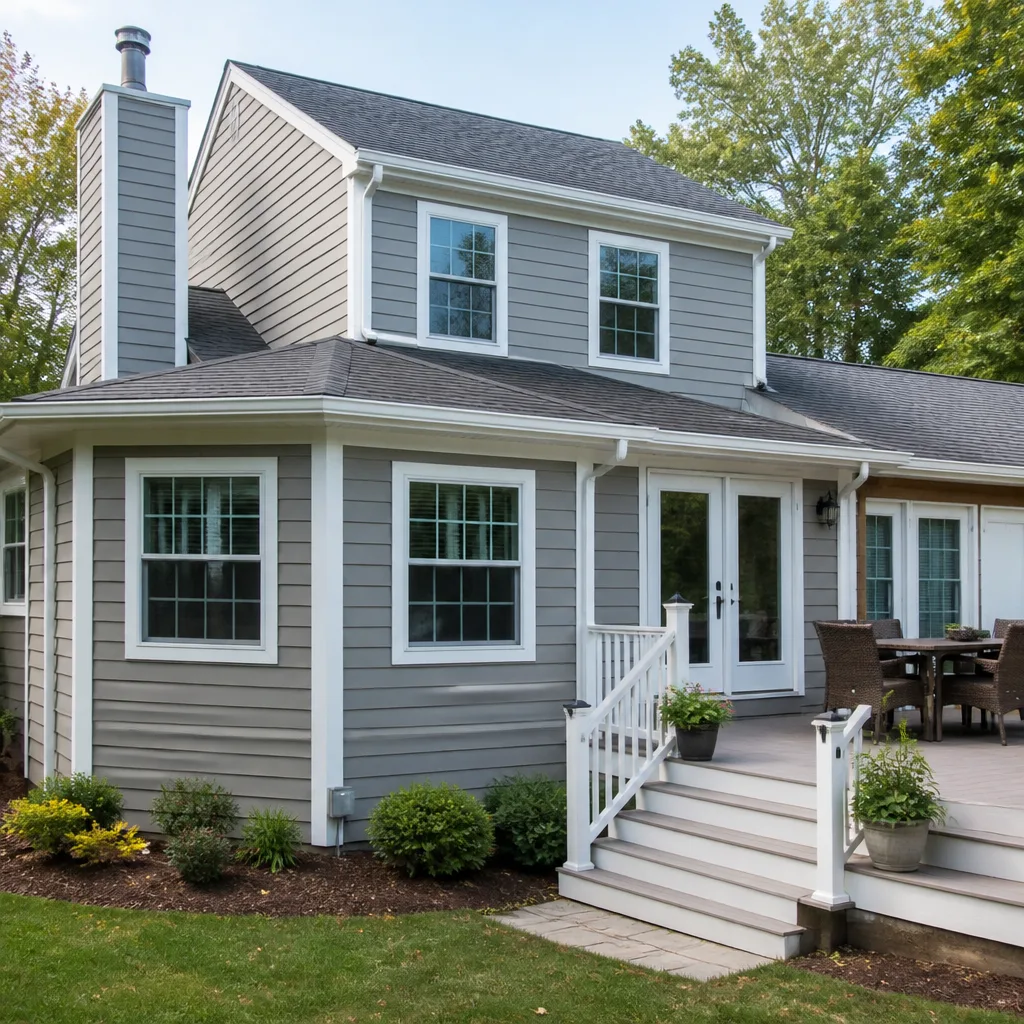
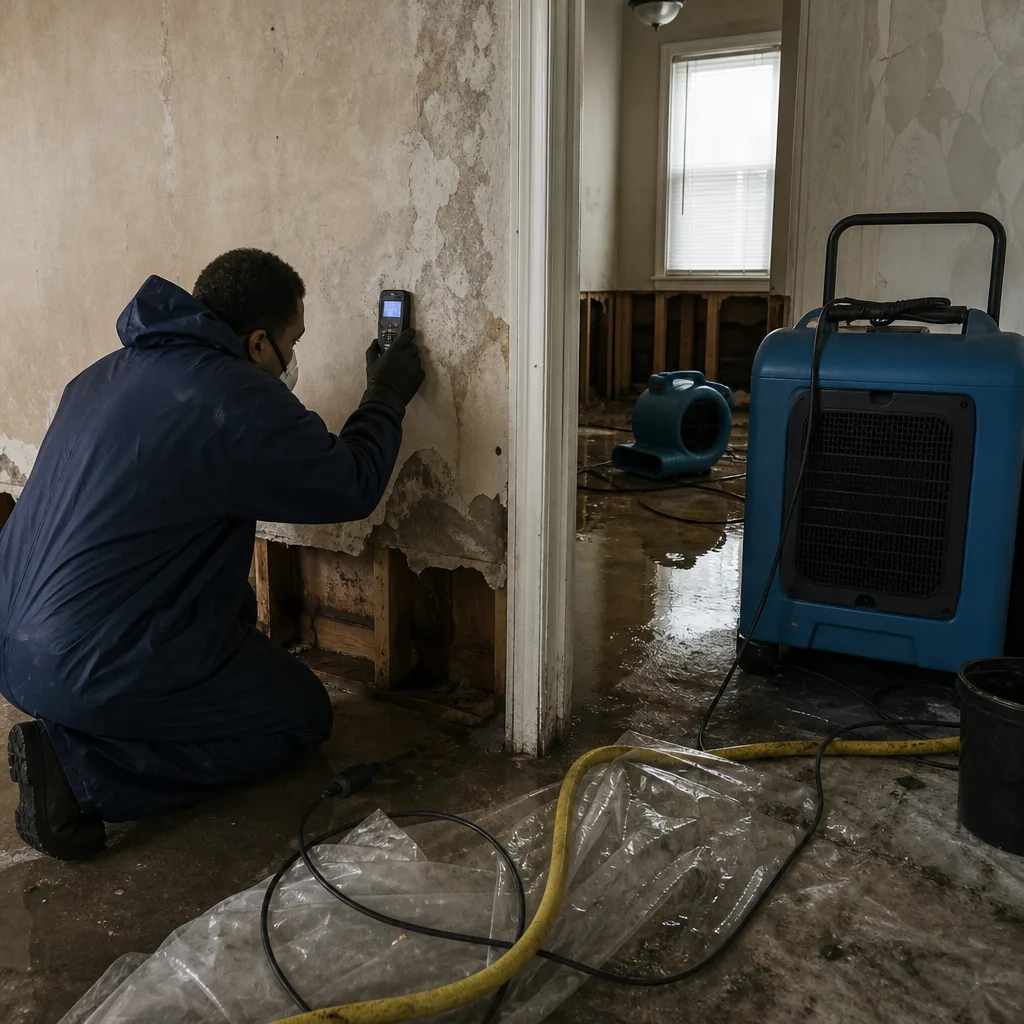 Before
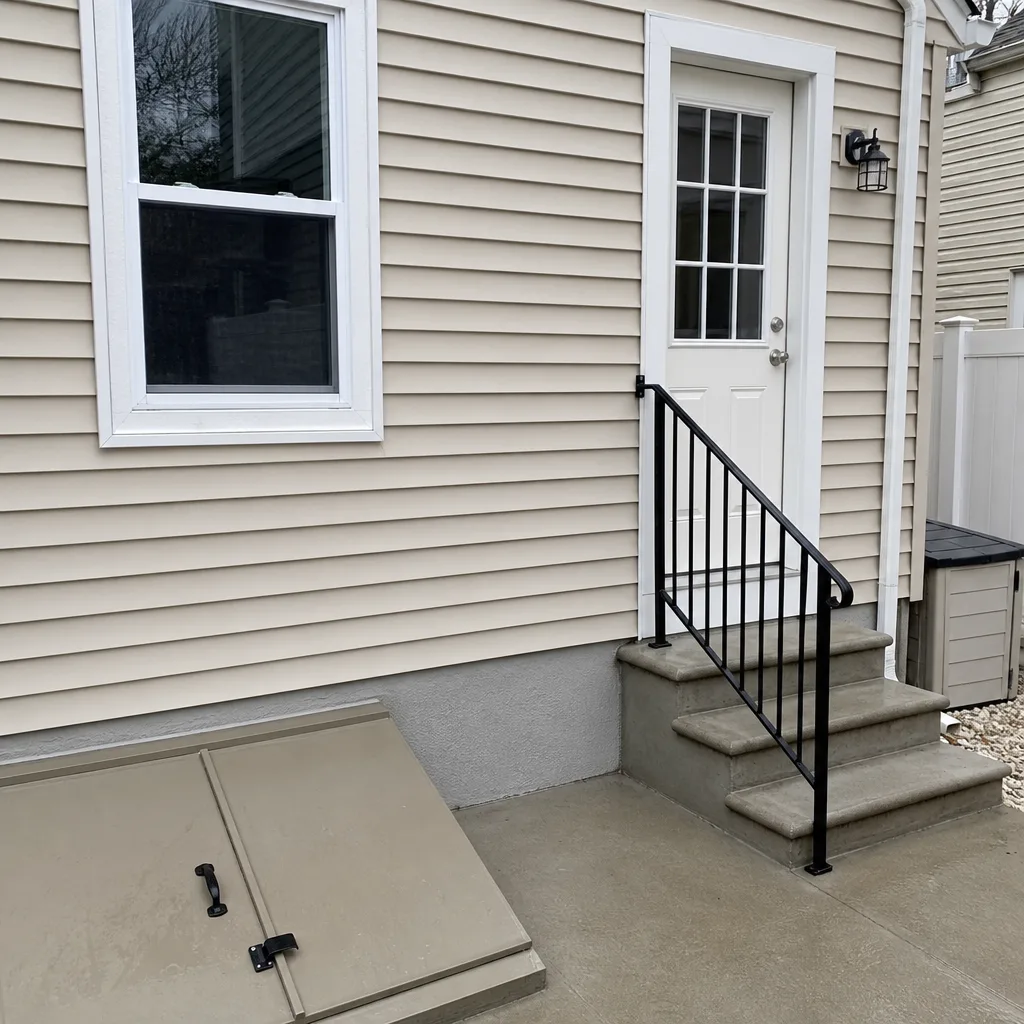 After
After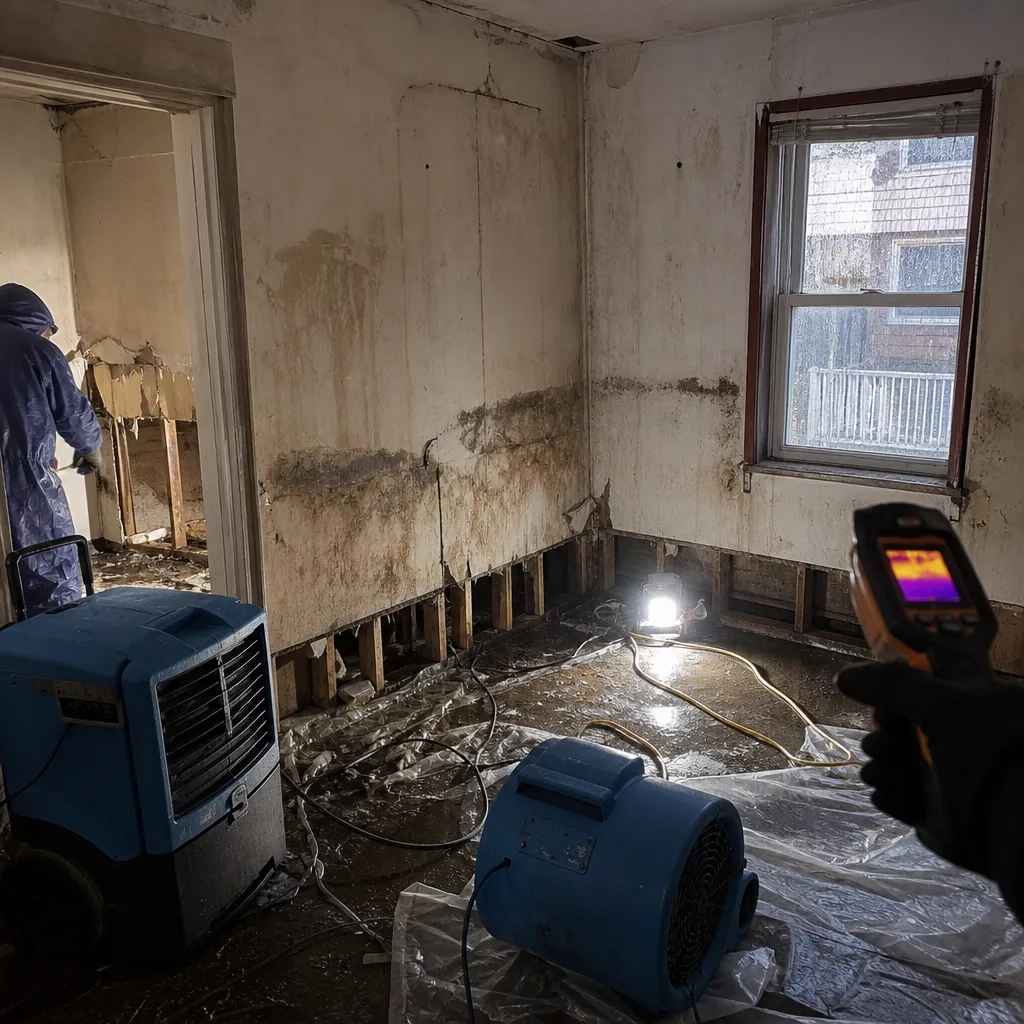 Before
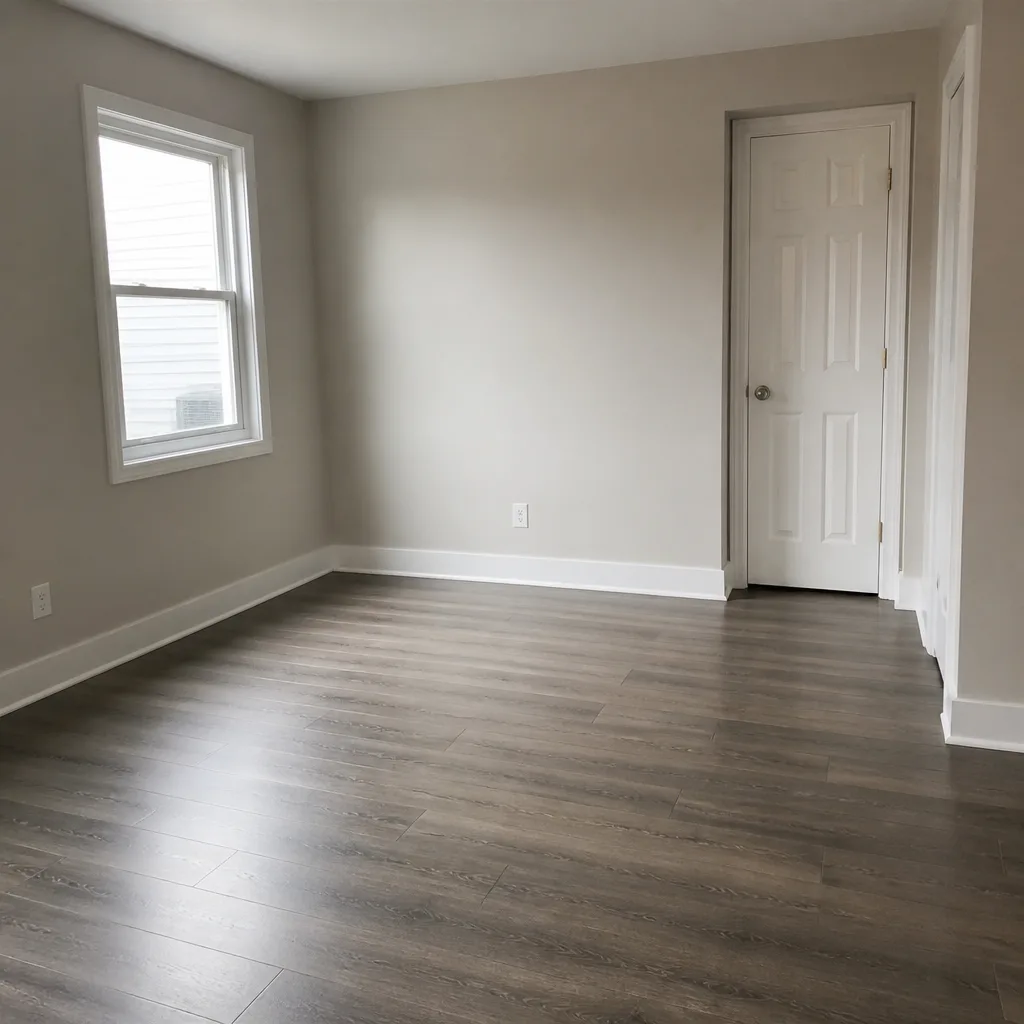 After
After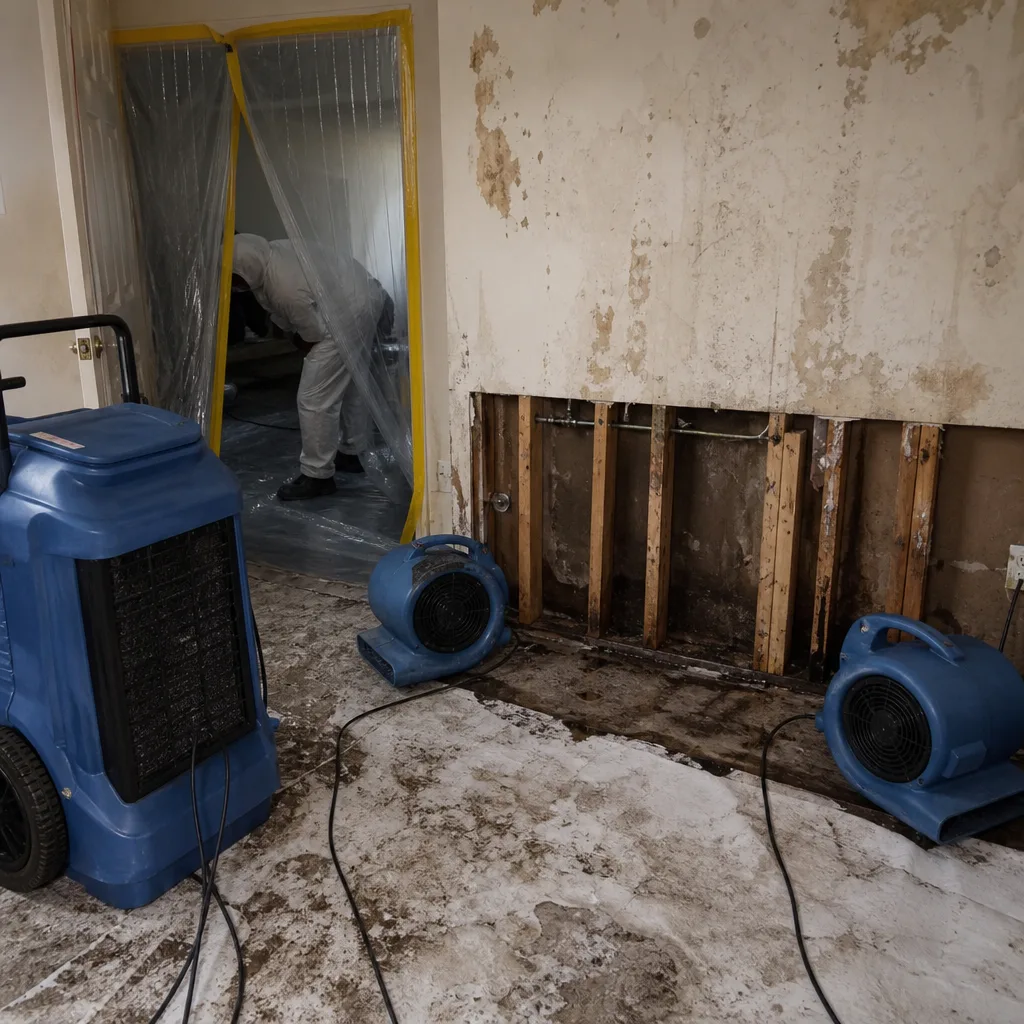 Before
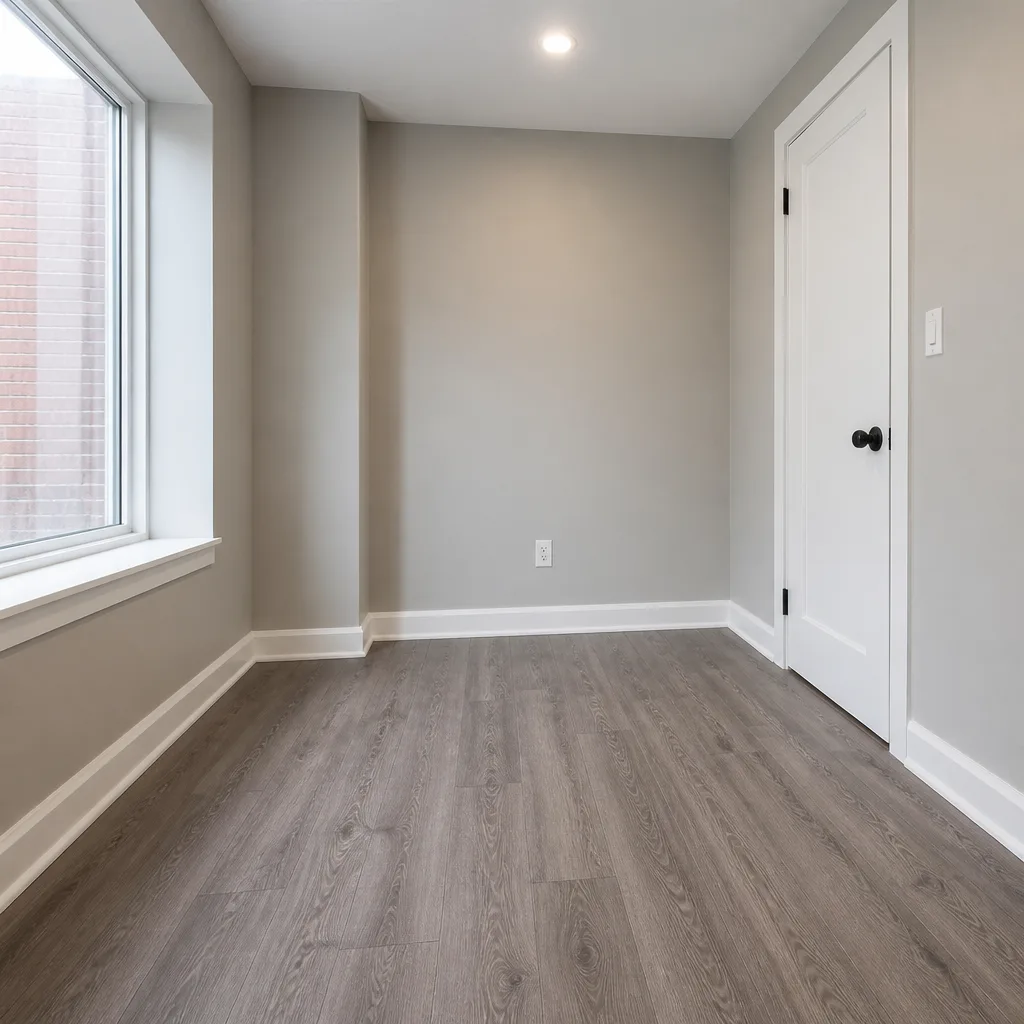 After
AfterHow to Hire a Damage Restoration Contractor in Jamaica: A Step-by-Step Guide
Here’s what most Jamaica homeowners discover too late: the contractor who arrives fastest after a flood or fire is rarely the one who leaves your insurance claim intact. In our experience across Queens since 2011, the single most predictive indicator of whether a restoration job ends with a paid claim or a denied one is not equipment quality or review stars. It’s whether the contractor produces a written scope with line-item pricing before any work begins. Most will resist doing so. This guide and our complete guide to damage restoration in Jamaica show you exactly how to protect yourself, what documents to demand, and which red flags to spot before the first dehumidifier starts running.
Quick Answer
To hire a damage restoration contractor in Jamaica, demand four documents before signing anything: a written scope of work, a line-item estimate, proof of New York contractor registration, and a certificate of insurance listing your property as the job site. Verify IICRC certifications are current for your specific damage type, confirm the contractor’s license standing through the NY Department of State lookup, and never authorize work based on verbal pricing or a “direction to pay” form alone.
Table of Contents
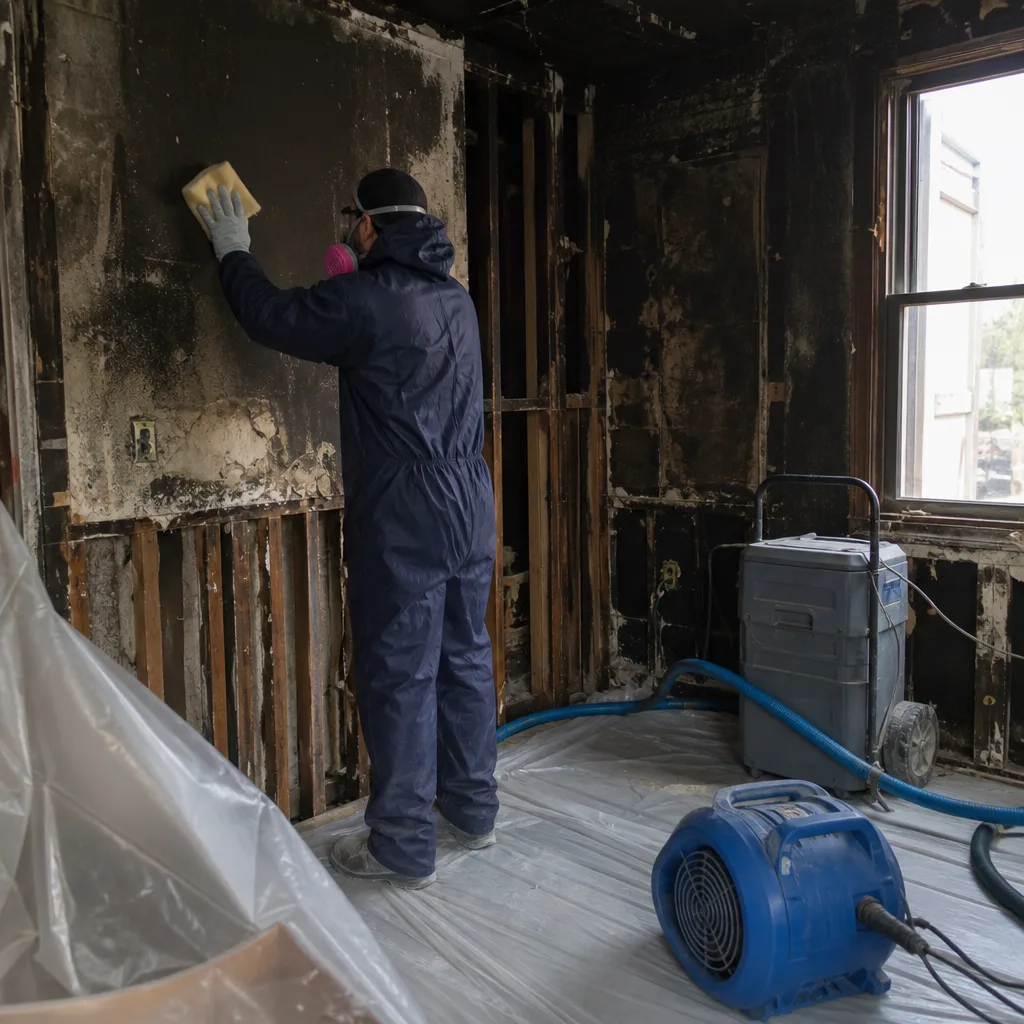
- Why the Written Scope Matters More Than Speed
- The Four Documents to Demand Before Work Starts
- How to Verify IICRC Certifications (And Why One Isn’t Enough)
- How to Spot Estimate Language Designed for Supplementing
- The Subcontractor Trap in Jamaica Restoration Jobs
- How to Verify a Contractor’s NY License Before the Truck Arrives
- Common Mistakes to Avoid
- When to Call a Professional
- Frequently Asked Questions
- The Bottom Line
BeforeAfterWhy the Written Scope Matters More Than Speed
Water doesn’t stop moving while you compare contractors. In Jamaica’s dense housing stock, from the pre-war brick row houses near Jamaica Avenue to the post-war frame homes in St. Albans, a Category 2 water loss can escalate to Category 3 in 48 hours. That pressure to act fast is exactly what unscrupulous operators exploit.
The first document a high-volume storm-chasing crew will push across your kitchen table is a “direction to pay” or “assignment of benefits” form. Sign it, and you’ve transferred financial control of your property to a contractor whose incentive is to maximize billable hours, not to minimize your out-of-pocket cost. We’ve reviewed hundreds of claims files where homeowners signed these forms under duress, then watched their insurers deny coverage because the contractor’s invoice lacked the documentation the policy required.
Here’s what a proper written scope actually contains:
- Room-by-room identification of affected areas, with square footage measured, not estimated
- Material classification by trade name (e.g., “Class 4 wetting in plaster/lath assembly per IICRC S500”)
- Equipment specifications: dehumidifier pint capacity, air mover CFM, negative air machine ACH
- Daily monitoring protocol: moisture content readings in affected and unaffected materials, relative humidity, specific humidity, and dew point (the psychrometric data that proves drying progress)
- Line-item pricing for each phase: extraction, demolition if required, drying, verification, and reconstruction
- Timeline with start date, projected completion, and conditions that would trigger an amendment
At DryMark Restoration Jamaica home, we deliver this scope before work starts on every job. Haven Standard, Clause 1: written price before work begins. No exceptions. The scope is not an estimate to be revised later. It is the estimate, and it is binding.
The difference matters in dollars. A verbal “around three thousand” can become $7,400 on the final invoice when the crew discovers “additional moisture” behind baseboards they never planned to remove. A written scope with line-item pricing forces the contractor to identify those baseboards in advance, price their removal specifically, and justify any deviation with a written amendment you approve before the additional work proceeds.
The Four Documents to Demand Before Work Starts
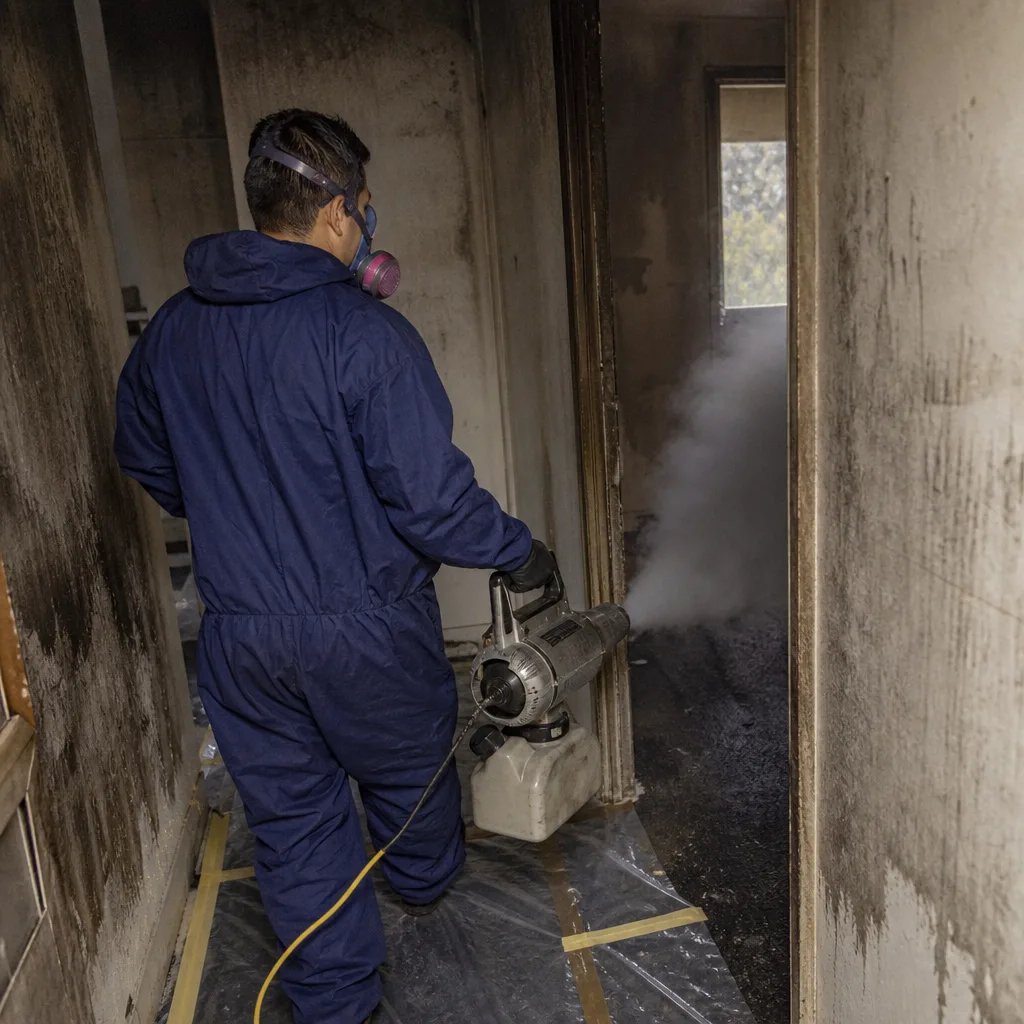
Every Jamaica homeowner should treat these four documents as non-negotiable. A contractor who cannot produce them immediately is not prepared to handle your claim professionally.
Document 1: Written Scope of Work
This is the narrative description of what will be done, where, and in what sequence. It should reference the standard of care (IICRC S500 for water damage, S520 for mold, S700 for fire and smoke) and specify the drying goal, typically returning affected materials to within 4 percentage points of their dry standard moisture content. In Jamaica’s climate, where summer humidity routinely exceeds 70% RH, achieving this goal requires equipment sizing calculations that should appear in the scope.
Document 2: Line-Item Estimate
Not a lump sum. Not a “not to exceed” figure with open-ended language. A true line-item estimate breaks costs into discrete, measurable units:
| Line Item | Unit | Quantity | Rate | Total |
|---|---|---|---|---|
| Water extraction, standing | sq ft | 450 | $0.85-$1.20 | $383-$540 |
| Dehumidifier, LGR, commercial | day | 3 | $85-$125 | $255-$375 |
| Air mover, axial | day | 6 | $25-$40 | $150-$240 |
| Moisture mapping and daily readings | visit | 3 | $150-$225 | $450-$675 |
| Antimicrobial application, Category 2 | sq ft | 450 | $0.45-$0.65 | $203-$293 |
These ranges reflect Jamaica’s market as of 2024-2025. A contractor who will not commit to line-item pricing is planning to supplement. Supplementing, in restoration billing, means adding charges after work begins that were not in the original estimate. Some supplementing is legitimate: hidden damage discovered during controlled demolition. Most is not: equipment left on-site longer than necessary, charges for “specialty” services that standard drying would have addressed, or inflated unit costs applied retroactively.
Document 3: Proof of NY Contractor Registration
New York requires home improvement contractors to register with the Department of State. The registration certificate should show the business name, the registration number, and the expiration date. In New York City, contractors performing work valued at $200 or more must also hold a Home Improvement Contractor (HIC) license from the Department of Consumer Affairs. For work involving structural repairs, a Department of Buildings permit and a licensed general contractor may be required.
Ask to see the physical certificate or a current digital copy. Do not accept “we’re registered, don’t worry about it.” The registration is your proof that the contractor has met minimum bonding and insurance requirements and can be located if something goes wrong.
Document 4: Certificate of Insurance
This certificate must name your specific property address as the job site. A general certificate showing the contractor has insurance somewhere is insufficient. The certificate should show:
- General liability coverage of at least $1,000,000 per occurrence
- Workers’ compensation coverage if the contractor has employees (mandatory in NY)
- Your property address listed in the “Description of Operations” or “Additional Insured” section
- Expiration dates that extend through the projected completion of your job
We’ve seen Jamaica homeowners held liable for worker injuries when uninsured subcontractors were brought in without their knowledge. The certificate with your address on it is your shield.
How to Verify IICRC Certifications (And Why One Isn’t Enough)
The Institute of Inspection, Cleaning and Restoration Certification (IICRC) sets the standards that most insurers recognize for restoration work. But “IICRC certified” is nearly meaningless without specificity. The certification that matters depends entirely on your damage type.
| Damage Type | Required IICRC Certification | What It Covers |
|---|---|---|
| Water damage, flooding, leaks | WRT (Water Damage Restoration Technician) | Extraction, drying science, psychrometry, Category 1-3 water |
| Fire and smoke damage | FSRT (Fire and Smoke Restoration Technician) | Soot removal, odor control, structural cleaning, contents restoration |
| Mold contamination | AMRT (Applied Microbial Remediation Technician) | Containment, air filtration, antimicrobial application, clearance testing |
| Advanced water losses | ASD (Applied Structural Drying) | Complex drying scenarios, hardwood, plaster, concrete subfloors |
A crew carrying only WRT certification is not qualified to perform mold remediation. A crew with only FSRT should not be drying your flooded basement. We’ve encountered contractors in the Jamaica area who send the same two-person crew to every call regardless of damage type, figuring the homeowner won’t know the difference until the claim is denied.
To verify a certification is current:
- Ask for the technician’s full name and IICRC certification number
- Visit the IICRC verification portal at iicrc.org and enter the certification number
- Confirm the certification status shows “Active” and the expiration date has not passed
- Cross-reference the certification type against your damage type using the table above
- If the technician cannot produce a certification number, refuse to allow them to begin work
At DryMark Restoration Jamaica, our technicians hold current certifications appropriate to each job type, and we provide certification numbers on request. Documentation to IICRC, RIA, and IFA standards is how we produce the daily drying logs that turn restoration invoices into payable insurance claims.
How to Spot Estimate Language Designed for Supplementing
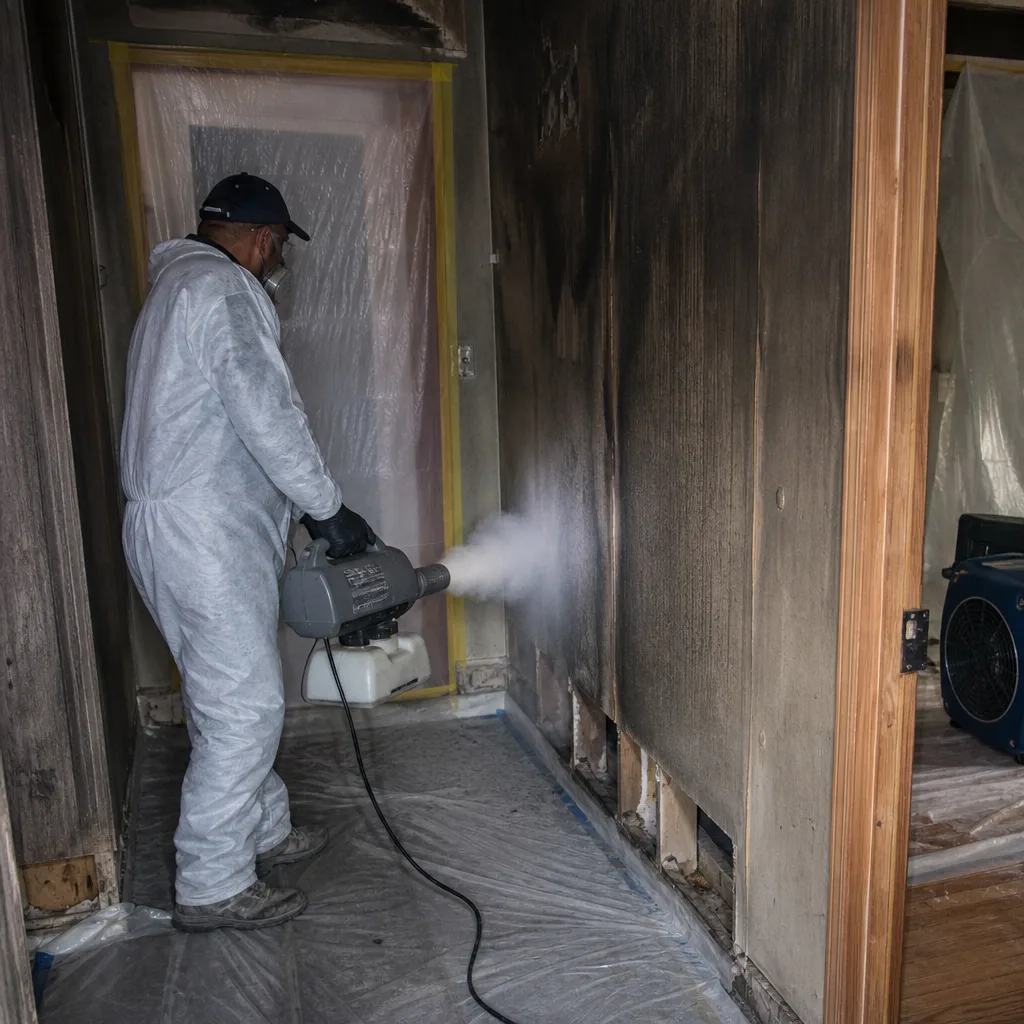
The supplementing game is subtle. A contractor who plans to inflate your bill after work begins uses specific linguistic traps that appear innocent to the untrained reader. Here are the phrases that should trigger immediate rejection:
“Estimate subject to change based on actual conditions” - Every estimate has some flexibility for hidden damage. But this phrase, without defined limits, allows unlimited revision. The proper alternative: “Estimate subject to amendment only for conditions not visible during initial inspection, with written approval required before additional work proceeds.”
“Time and materials basis” - In restoration, this means the contractor has no incentive to work efficiently. The longer the job takes, the more they earn. A fixed line-item estimate with defined unit costs rewards efficiency and protects you.
“Not to exceed” without line items - A ceiling price with no floor and no breakdown tells you only the worst case, not the expected case. It also gives the contractor room to bill right up to that ceiling regardless of actual work performed.
“Includes initial dry-out; reconstruction to be quoted separately” - This is legitimate only if the reconstruction scope is defined with equal specificity and a firm quote is provided before demolition begins. Too often, the initial contractor demolishes more than necessary, then quotes reconstruction at inflated rates because you’re now a captive customer.
Missing equipment specifications - An estimate that says “dehumidifiers and air movers as needed” without quantities, capacities, or rental rates is planning to leave equipment on-site longer than the drying science requires. The IICRC S500 standard defines equipment sizing by cubic feet of affected space and class of water loss. A professional estimate references these calculations.
In Jamaica’s competitive restoration market, we’ve reviewed competitor estimates that contained three or more of these red flags. Our Free Second Opinion service exists precisely for this situation: bring us any written estimate, and we’ll identify the language that could cost you thousands in uncontrolled supplementing.
The Subcontractor Trap in Jamaica Restoration Jobs
This is the detail most homeowners never think to ask about, and it’s where Jamaica restoration jobs routinely go wrong. The contractor who signs your estimate may never set foot on your property after day one. Instead, they dispatch an unlicensed, uninsured subcontractor crew whose work the primary contractor cannot legally warranty.
New York law is clear: a home improvement contractor is responsible for the acts of subcontractors they engage. But responsibility and enforceability are different things. If your ceiling collapses six months after a water damage repair because the subcontractor used inadequate fasteners, and that subcontractor has dissolved their LLC and started a new one under a different name, your recourse against the primary contractor depends entirely on what your original contract specified about subcontractor use and warranty coverage.
Questions to ask before signing:
- Will your employees perform all work, or will subcontractors be used for any phase?
- If subcontractors are used, are they licensed, insured, and background-checked under the same standards as your employees?
- Will the certificate of insurance cover subcontractor activities at my property?
- Does your warranty cover subcontractor work, and for what duration?
- Can you provide the names and license numbers of any subcontractors who will be on-site?
The honest answer from a legitimate contractor is straightforward: “We use employees for most work. When we do use specialists, for example for electrical or plumbing connections during reconstruction, they are licensed tradespeople with their own insurance, and we warrant their work under our guarantee.” Any evasion, any “we’ll see what the job requires,” any refusal to commit in writing is a signal to walk away.
At DryMark Restoration Jamaica, our technicians are background-checked, uniformed, and named on your job documentation. When licensed specialists are required for reconstruction, their credentials appear in your written scope before work begins. The 365-Day Done Right Promise, backed by The Haven Standard, covers all work performed under our supervision, regardless of who executes it.
How to Verify a Contractor’s NY License Before the Truck Arrives
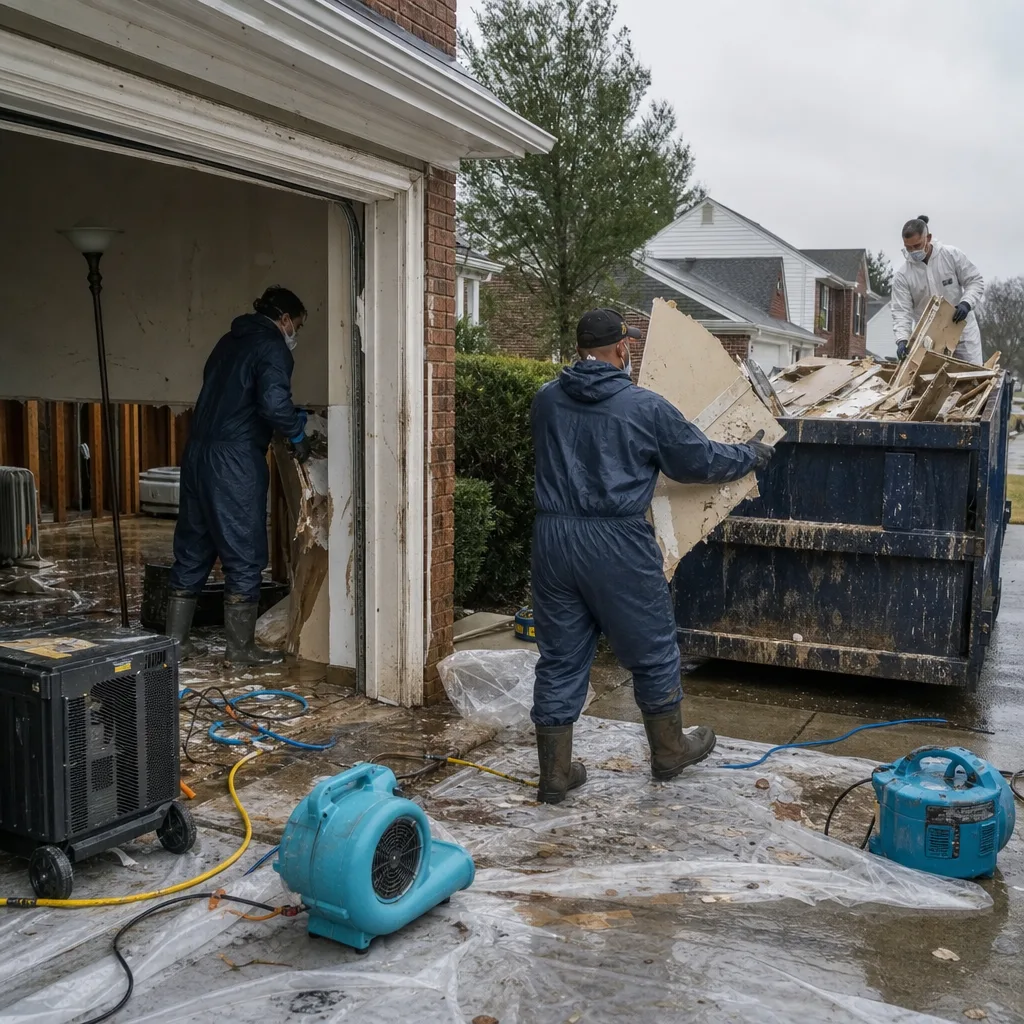
The New York Department of State maintains a public database of registered contractors. Verification takes three minutes and can save you from a common Jamaica-area scam: the contractor who uses a valid registration number on their website but has allowed their registration to lapse, or who operates under a registration belonging to a different business entity.
Step-by-step verification:
- Navigate to the NY Department of State Division of Corporations website
- Select “Search by Entity Name” or “Search by Department of State ID”
- Enter the contractor’s exact business name or the registration number from their certificate
- Review the search results for: current status (should show “Active”), registration expiration date, and registered business address
- Cross-check the registered address against the contractor’s stated location; a Jamaica contractor with a registered address in Florida or a PO box in another state warrants additional scrutiny
- Note the “Current Officers” section; the name listed should match the person you’re dealing with, or they should be able to explain the relationship
For New York City-specific work, also check the NYC Department of Consumer Affairs license search. A contractor performing home improvement work in Jamaica without a valid DCA license is operating illegally if the job value exceeds $200.
Red flags in the search results:
- Status showing “Inactive,” “Dissolved,” or “Suspended”
- Multiple business entities with similar names at the same address (possible shell game)
- Registration expiration within 30 days of your job start (they may not renew)
- History of administrative dissolution and reinstatement (suggests chronic compliance failures)
We encourage every homeowner to perform this verification on DryMark Restoration Jamaica as on any competitor. Our standing is current and verifiable. The documentation-first approach we apply to every job begins with our own credentials.
Common Mistakes to Avoid
- Signing a direction-to-pay under pressure. The contractor who insists you sign before you’ve read the estimate is not helping you expedite your claim. They’re securing payment priority over your interests. Read every document. Initial each page if required. Never sign blank forms.
- Accepting verbal pricing for emergency work. “We’ll figure it out after we get started” means you’ll figure it out when the invoice arrives. Emergency work in Jamaica follows the same documentation standards as scheduled work. Demand a written price before any work starts.
- Failing to photograph the damage before the contractor arrives. Your insurance adjuster needs pre-mitigation documentation. The contractor’s photos serve their interests, not necessarily yours. Walk through with your phone, date-stamp enabled, and capture every affected room from multiple angles.
- Neglecting to ask about the drying goal and verification method. A contractor who cannot state a specific moisture content target and the instrument they’ll use to verify it is planning to remove equipment based on guesswork, not science. The standard is within 4 points of dry standard, verified with calibrated penetrating or non-penetrating moisture meters.
- Assuming the contractor will handle insurance communication. Some will, competently. Others will submit incomplete documentation that delays or denies your claim. Establish at the outset: who prepares the proof of loss, who submits drying logs, who coordinates the adjuster inspection, and in what timeframe. Get it in writing.
- Not checking if the estimate allows for unlimited “administrative fees.” Some Jamaica-area contractors add 10-20% “job management” or “coordination” fees on top of line items, effectively double-charging for supervision that should be included in unit pricing. Scrutinize the estimate for these add-ons.
When to Call a Professional
Certain damage scenarios in Jamaica require immediate professional response regardless of your DIY capabilities. Category 3 water (sewage backup or ground surface water intrusion) presents genuine health hazards and requires antimicrobial protocols beyond household cleaning. Sewage cleanup in Jamaica demands specific containment and disposal procedures regulated by NYSDEC.
Fire and smoke damage, even from small kitchen fires, involves acidic soot that continues etching surfaces until properly neutralized. Fire & smoke damage restoration in Jamaica requires FSRT-certified technicians and specialized cleaning agents matched to the combustion source.
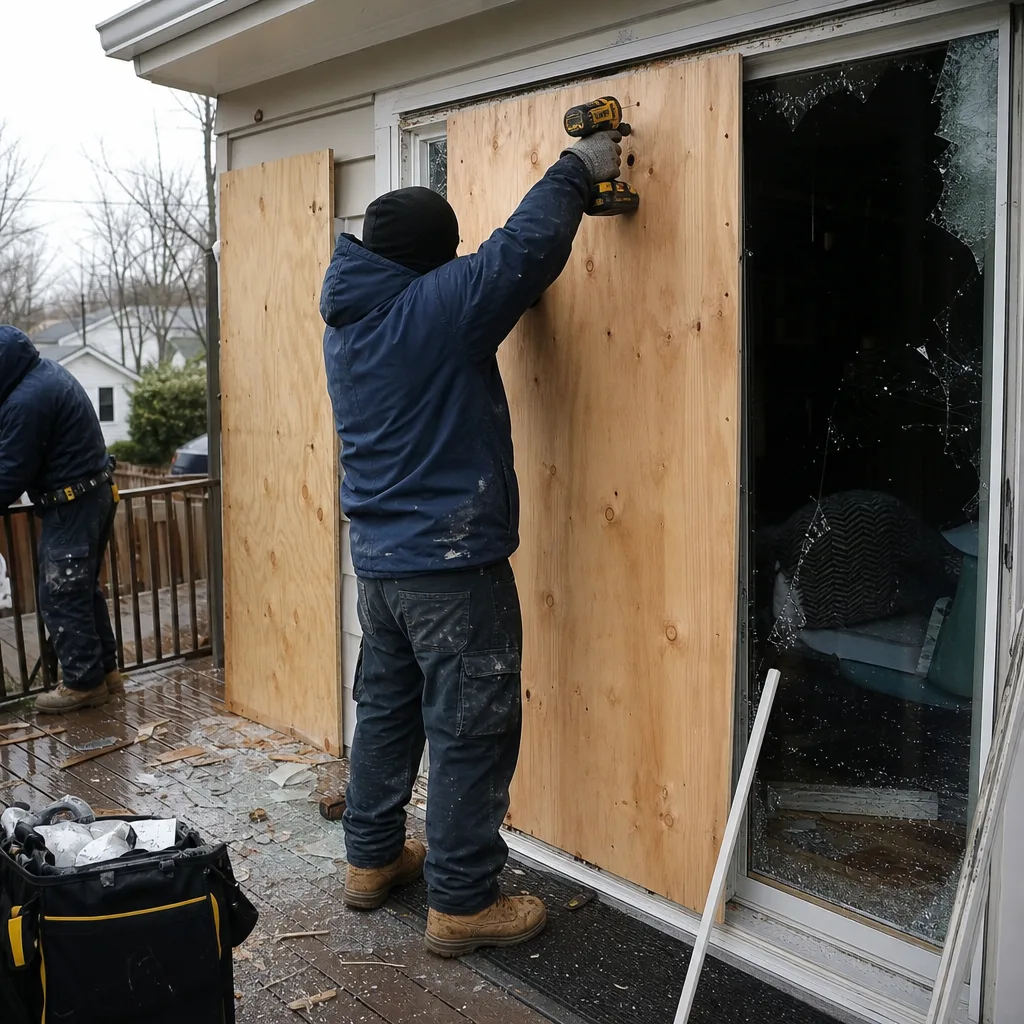
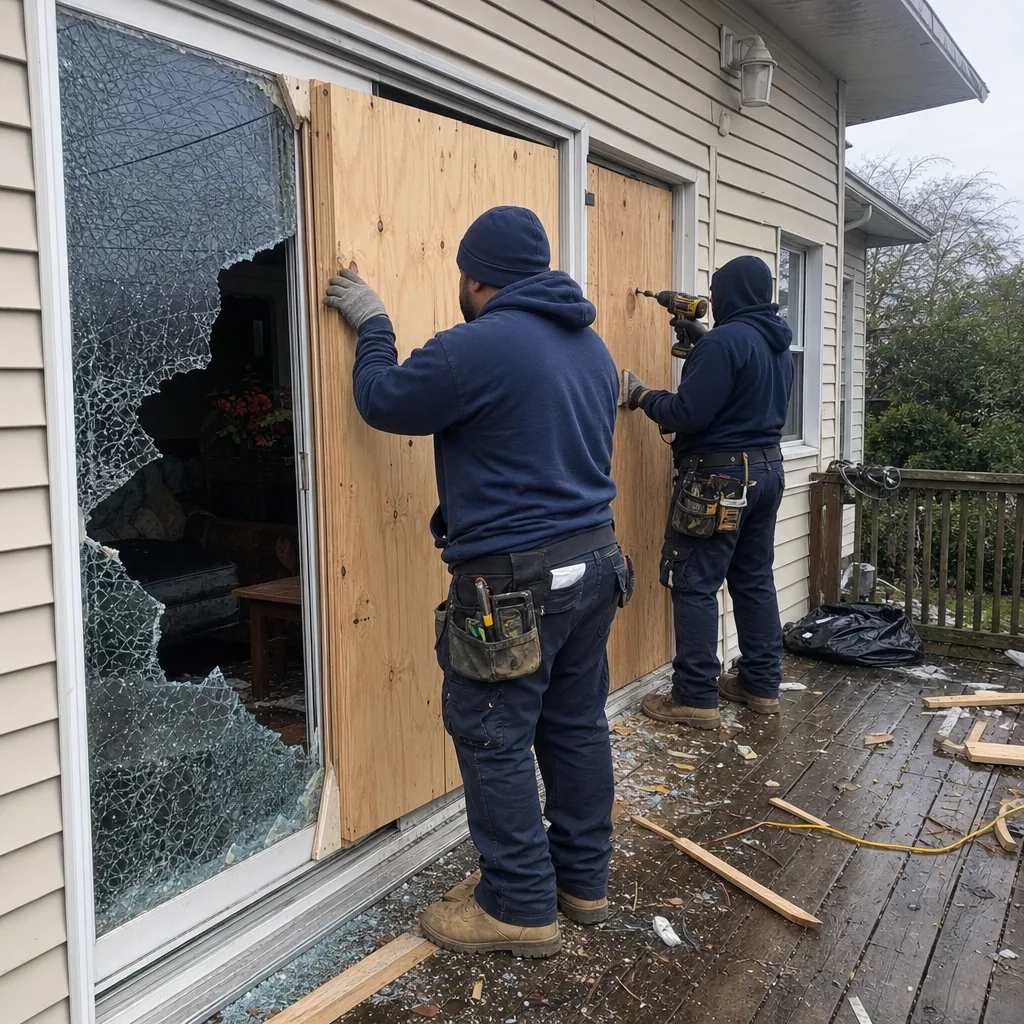
Storm damage with structural compromise, including roof openings or compromised electrical systems, should not be addressed by homeowners. Storm & disaster restoration in Jamaica often involves emergency board-up and temporary weatherproofing that must be documented for insurance purposes from hour one.
Mold contamination exceeding 10 square feet of visible growth, or any mold resulting from Category 2 or 3 water damage, requires professional remediation under IICRC S520 with containment and negative air pressure. Disturbing large mold colonies without proper containment spreads spores throughout the HVAC system.
DryMark Restoration Jamaica offers free estimates in Jamaica. Our live phone coverage is available 24 hours a day, 7 days a week with no voicemail on emergency lines. Call (516) 240-9735 for a written scope and line-item estimate before any work begins.
Frequently Asked Questions
Water damage restoration in Jamaica typically ranges from $1,200 for a contained Class 1 loss in a single room to $8,500+ for a Class 3 or 4 loss affecting multiple floors with plaster or hardwood involvement. Fire and smoke restoration starts around $3,000 for light soot cleaning and extends to $25,000+ for structural repairs with contents restoration. Mold remediation averages $15-$30 per square foot of contained area, with minimum project sizes often applying. These ranges reflect our 2011-2025 experience across Queens. For an exact quote on your specific damage, call (516) 240-9735. Estimates are free.
Most homeowners policies cover sudden and accidental water damage, fire and smoke damage, and storm damage, subject to your deductible and policy limits. Coverage exclusions commonly apply to gradual leaks, maintenance-related issues, and flood damage from outside rising water (which requires separate flood insurance). The single biggest factor in claim approval is documentation: dated photos, moisture logs, a written scope, and proof that mitigation began promptly. A contractor who produces daily drying logs to IICRC standards significantly improves your approval odds. Call (516) 240-9735 and we’ll review your policy language with your estimate.
For true emergencies, established Jamaica contractors with local equipment depots can typically dispatch within 60-90 minutes during normal hours, 2-3 hours overnight. Response time depends on crew availability, equipment readiness, and current storm demand. Be wary of contractors promising 15-minute arrival times; this often means they’re sending an estimator, not a mitigation crew, or they’re driving unsafely to beat competitors. What matters more than arrival time is what they do upon arrival: a thorough moisture inspection with documented readings, a written scope, and immediate extraction if standing water is present. Call (516) 240-9735 for current dispatch availability.
For Category 1 water (clean source, minimal area, caught within 24 hours) with no structural materials affected, DIY extraction and drying may suffice if you own commercial-grade dehumidification and can verify drying to IICRC standards. For Category 2 or 3 water, fire or smoke damage, mold exceeding 10 square feet, or any damage involving HVAC systems, professional remediation is necessary for health safety and insurance compliance. The risk of inadequate DIY mitigation is secondary damage: mold growth within 48-72 hours, structural decay, or denied insurance claims due to insufficient documentation. When in doubt, our Free Second Opinion service will evaluate your situation at no charge.
Responsibility varies by contractor and should be specified in writing before work begins. At DryMark Restoration Jamaica, we prepare all documentation for adjuster review: the written scope, daily moisture logs with psychrometric data, photo records from every visit, and itemized invoices. We coordinate adjuster site visits and respond to documentation requests. However, the policyholder remains the insured party; we advise, document, and advocate, but we do not sign settlement agreements or cash claim checks on your behalf. This preserves your control over the claim. Ask any contractor: “Will you submit documentation directly to my adjuster, and will I review it first?”
For a standard water damage job, expect low-grain refrigerant (LGR) dehumidifiers rated at 80-130 pints per day, axial or centrifugal air movers at 2,000-4,000 CFM each, and penetrating or non-penetrating moisture meters for documentation. Advanced jobs may require desiccant dehumidifiers, negative air machines with HEPA filtration, Injectidry hardwood drying systems, or thermal imaging cameras to trace moisture migration. The specific equipment should be listed in your written scope with quantities justified by the affected square footage and class of water loss. Brand names like Dri-Eaz and Phoenix indicate commercial-grade equipment; unidentified “industrial” units may be inadequate consumer models.
Standard water damage drying requires 3-5 days for Class 1-2 losses, 5-7 days for Class 3, and 7-10+ days for Class 4 or specialty materials like plaster and hardwood. Fire and smoke restoration timelines depend heavily on structural damage extent, ranging from 1-2 weeks for light soot cleaning to 2-4 months for reconstruction-involved losses. Mold remediation typically completes in 3-7 days for contained areas. These are drying and remediation timelines only; reconstruction adds additional weeks depending on material procurement and permit requirements. Your written scope should specify both the drying/mitigation timeline and the reconstruction schedule if applicable.
The Bottom Line
Hiring a damage restoration contractor in Jamaica comes down to documentation discipline. The contractor who produces a written scope with line-item pricing before work begins, who verifies IICRC certifications on request, who names their technicians and warrants their work in writing, and who documents every visit with photos and moisture logs is the contractor who will protect both your property and your insurance claim. Speed matters in mitigation, but not at the cost of signing away financial control. Demand the four documents. Verify the license. Question the estimate language. And never authorize work based on a verbal price that can be revised without limit.
At DryMark Restoration Jamaica, we’ve built our practice around these standards since 2011. Our 365-Day Done Right Promise, backed by The Haven Standard, applies to every job we perform. We deliver a written price before work starts, document every visit with a photo record, and coordinate directly with adjusters to produce the documentation your claim requires. For a free estimate or a Free Second Opinion on any competitor’s written quote, call (516) 240-9735. Our phones are answered live, 24 hours a day, 7 days a week.
Written by Alicia Brennan, Owner at DryMark Restoration Jamaica, serving Jamaica since 2011.