
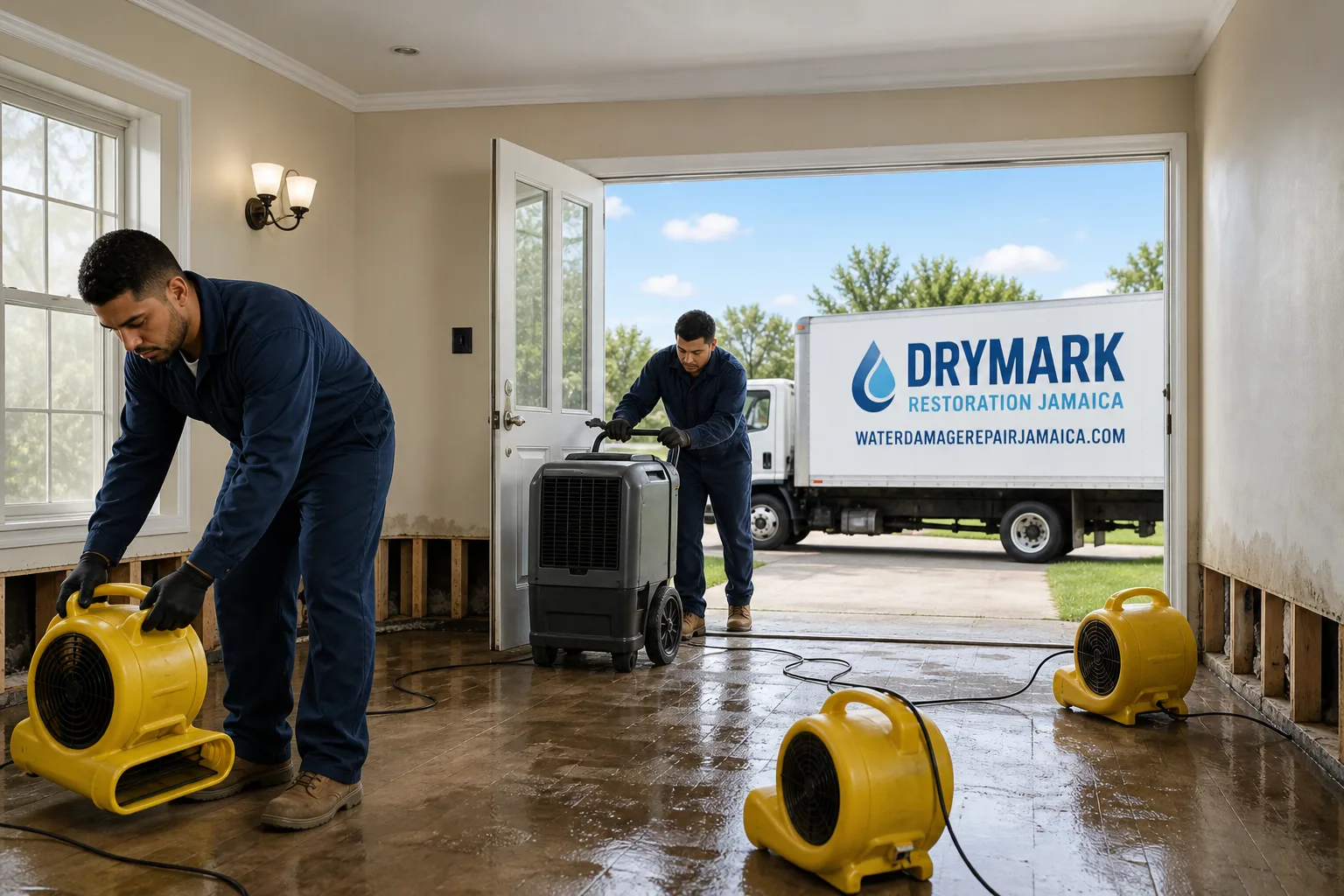
Free visual inspection and a written scope of work before any mitigation begins - photos, moisture readings, and drying logs go in your claim file
The scope we write is the scope we bill. Anything new gets shown to you, in writing, before we touch it.
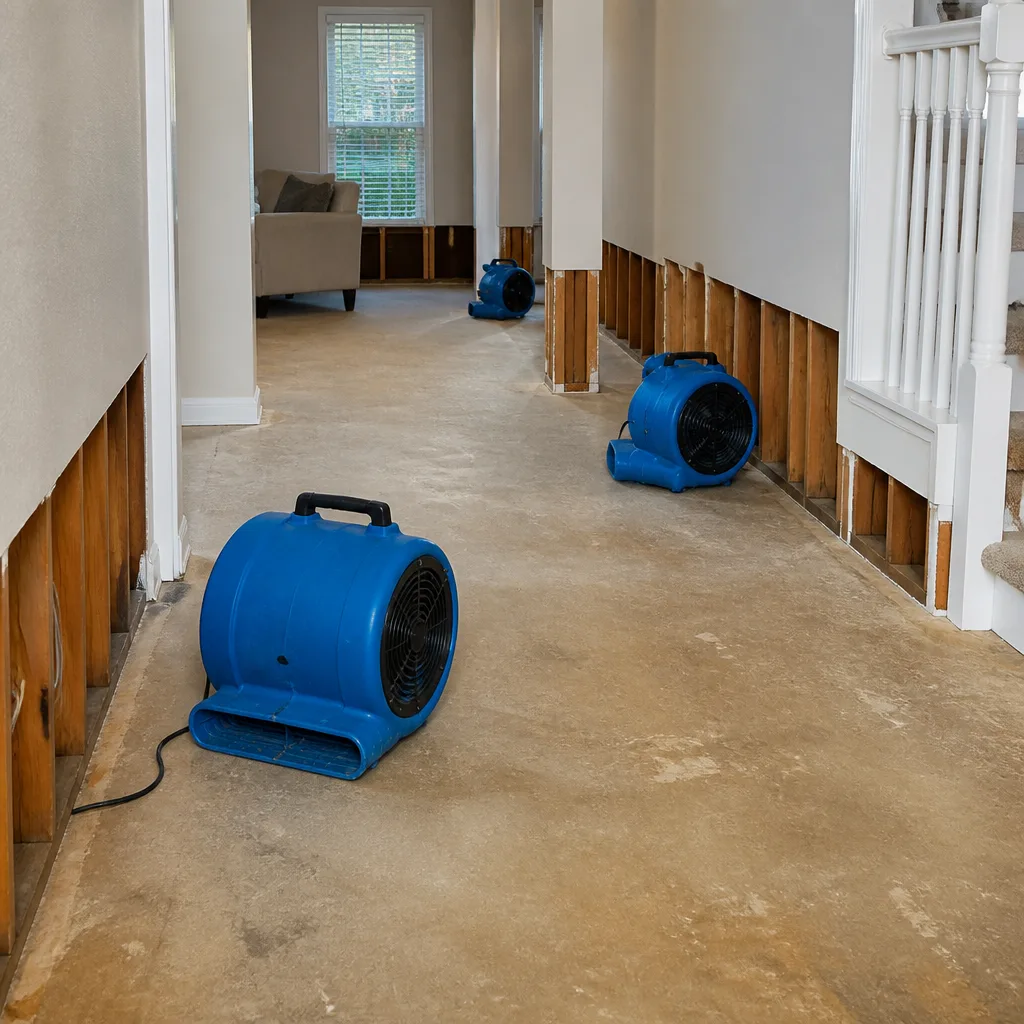
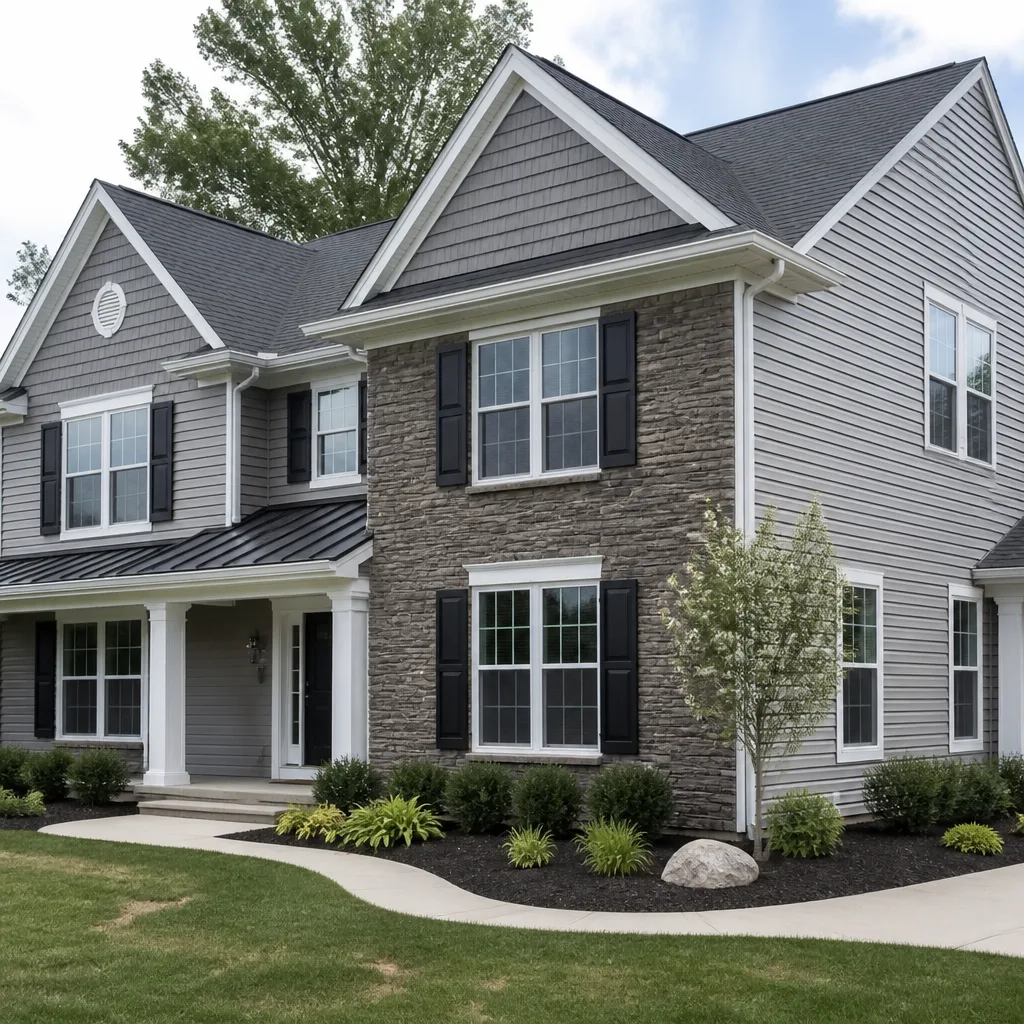
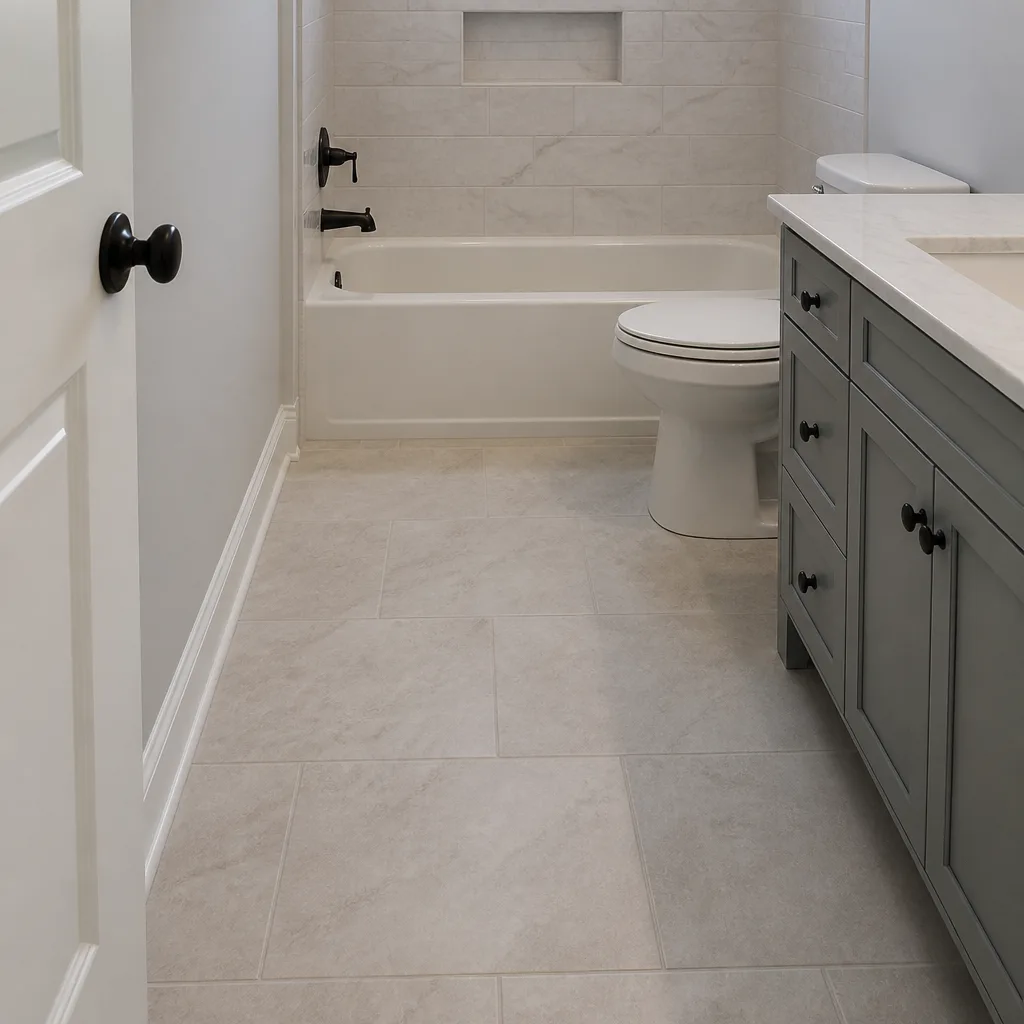
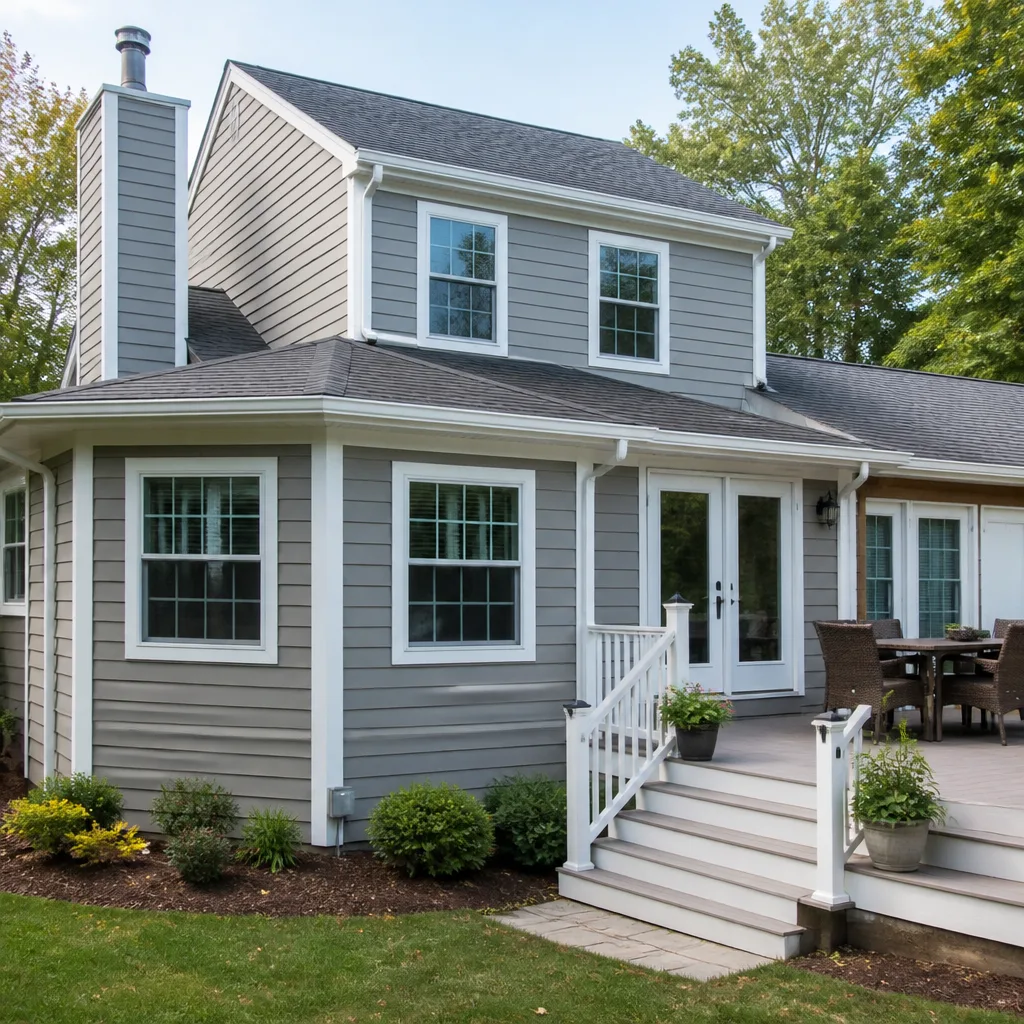
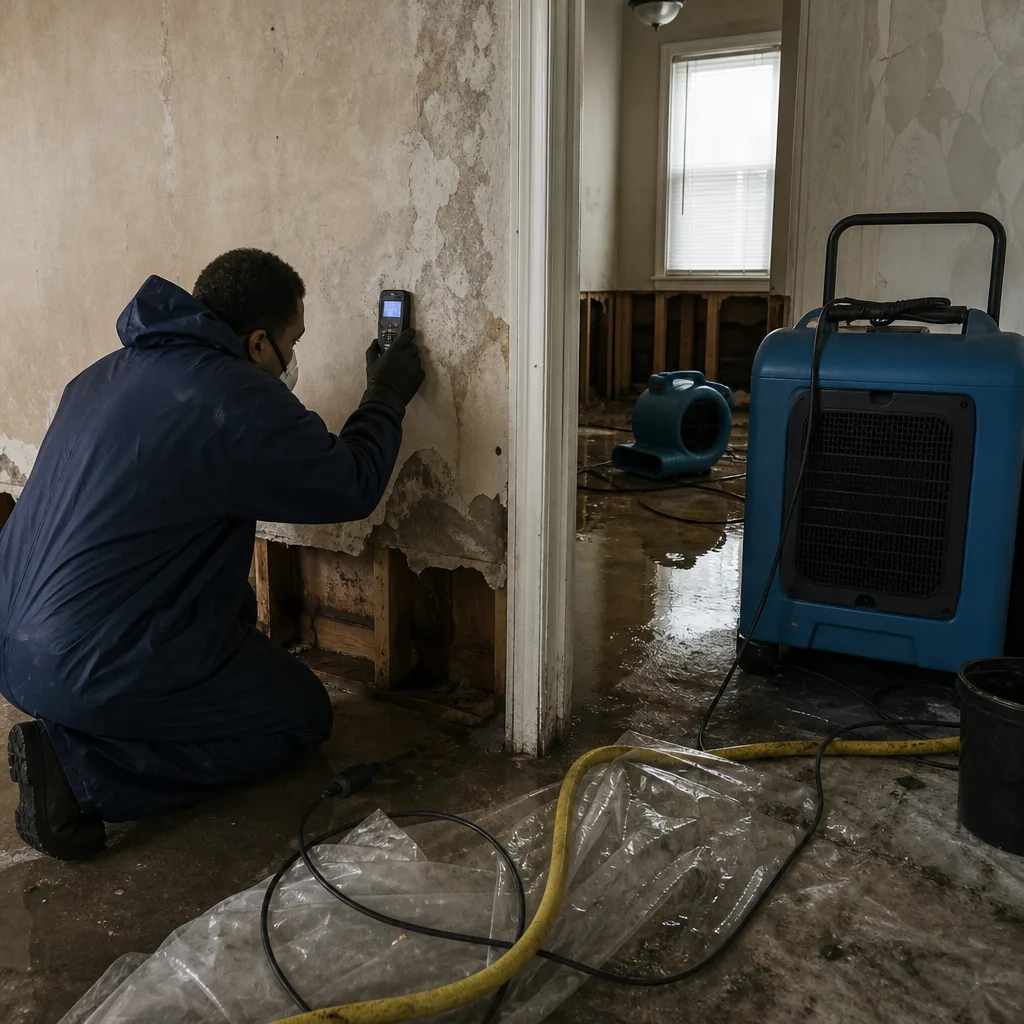 Before
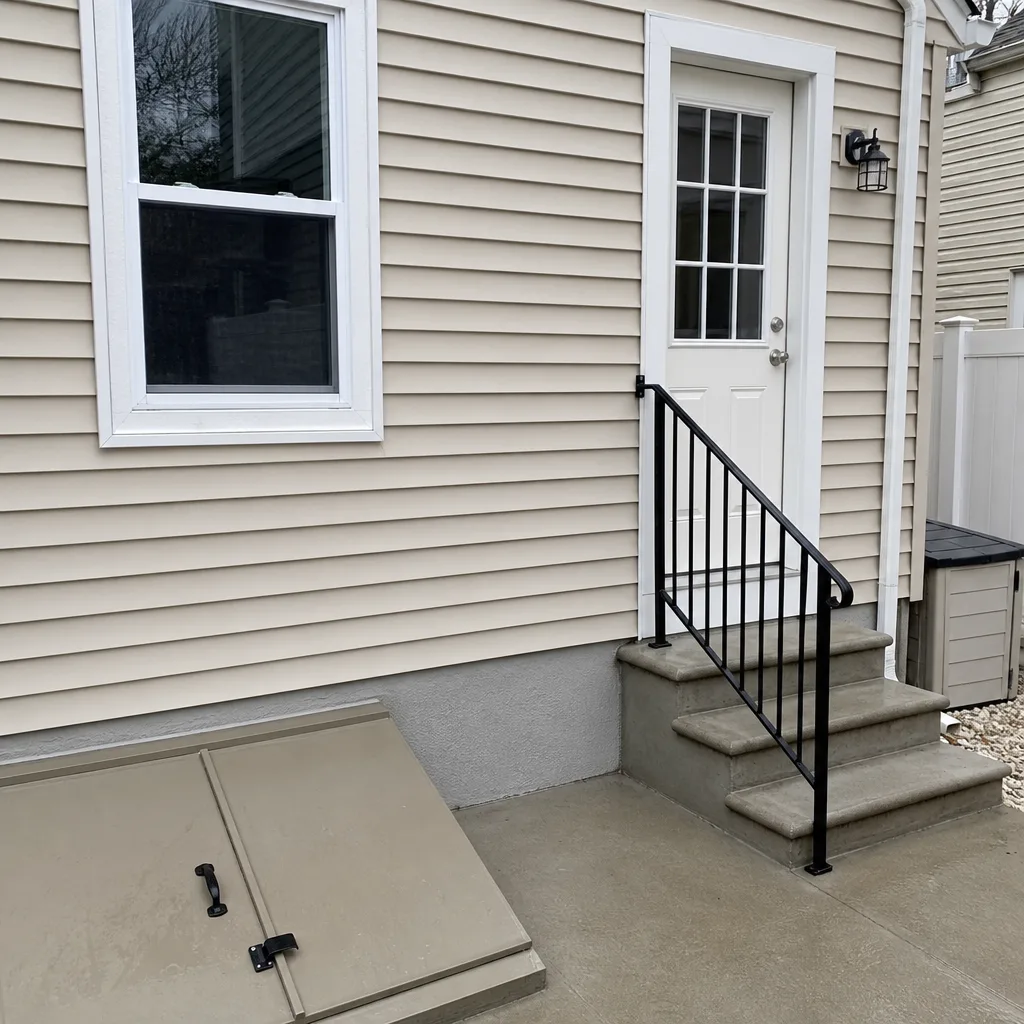 After
After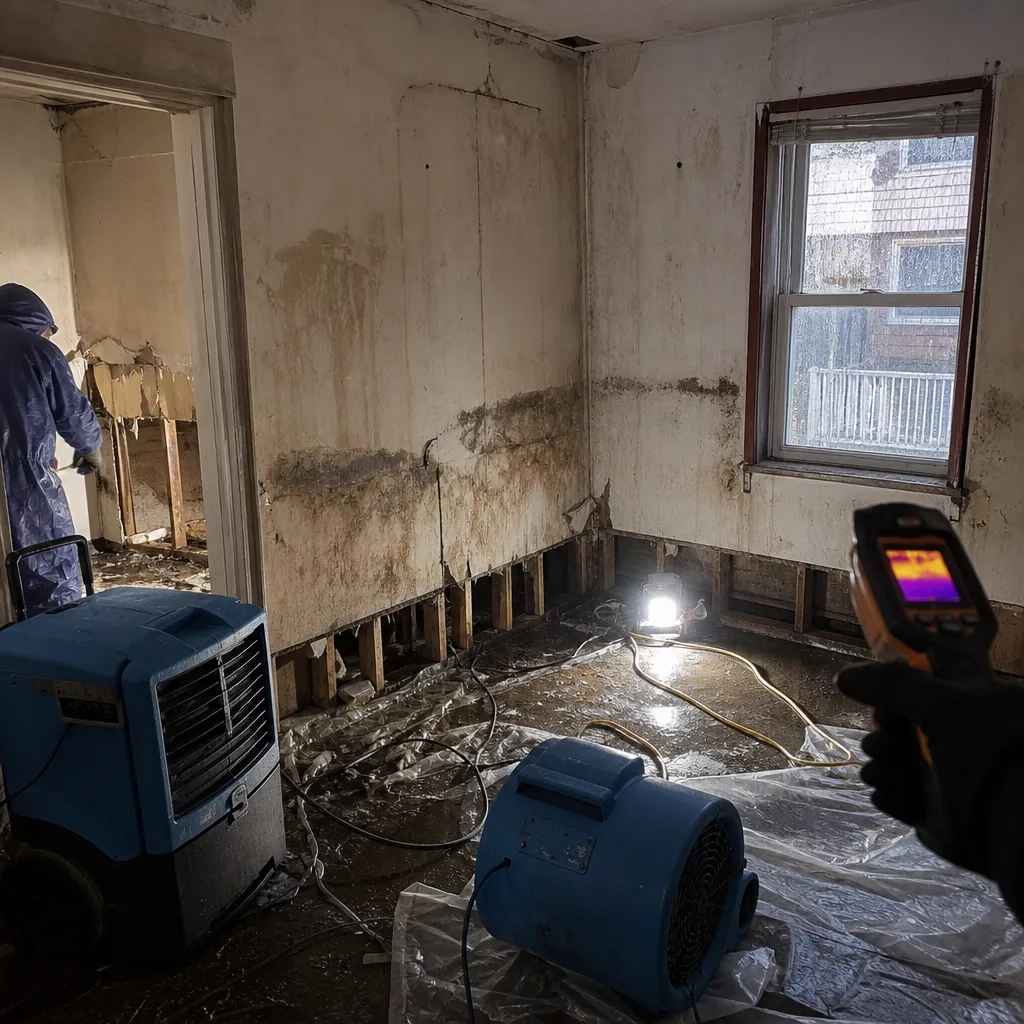 Before
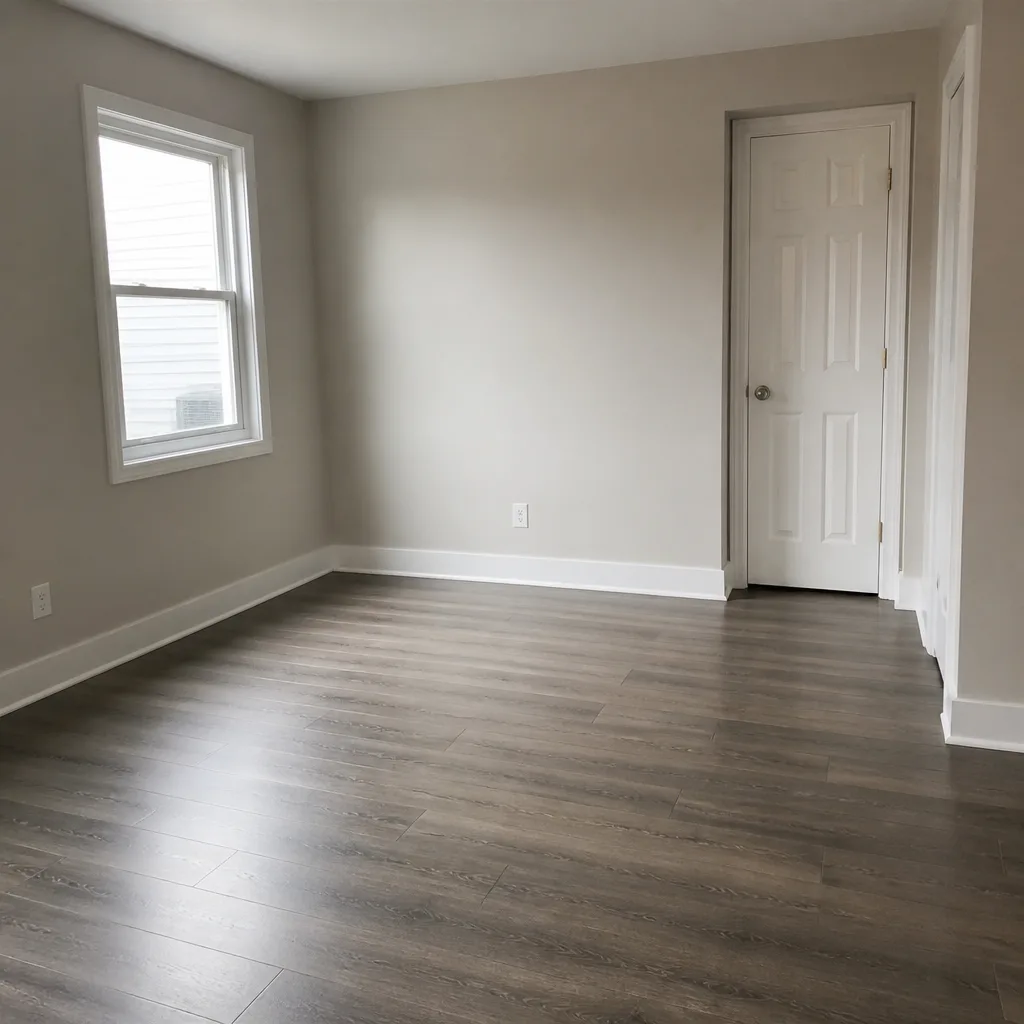 After
After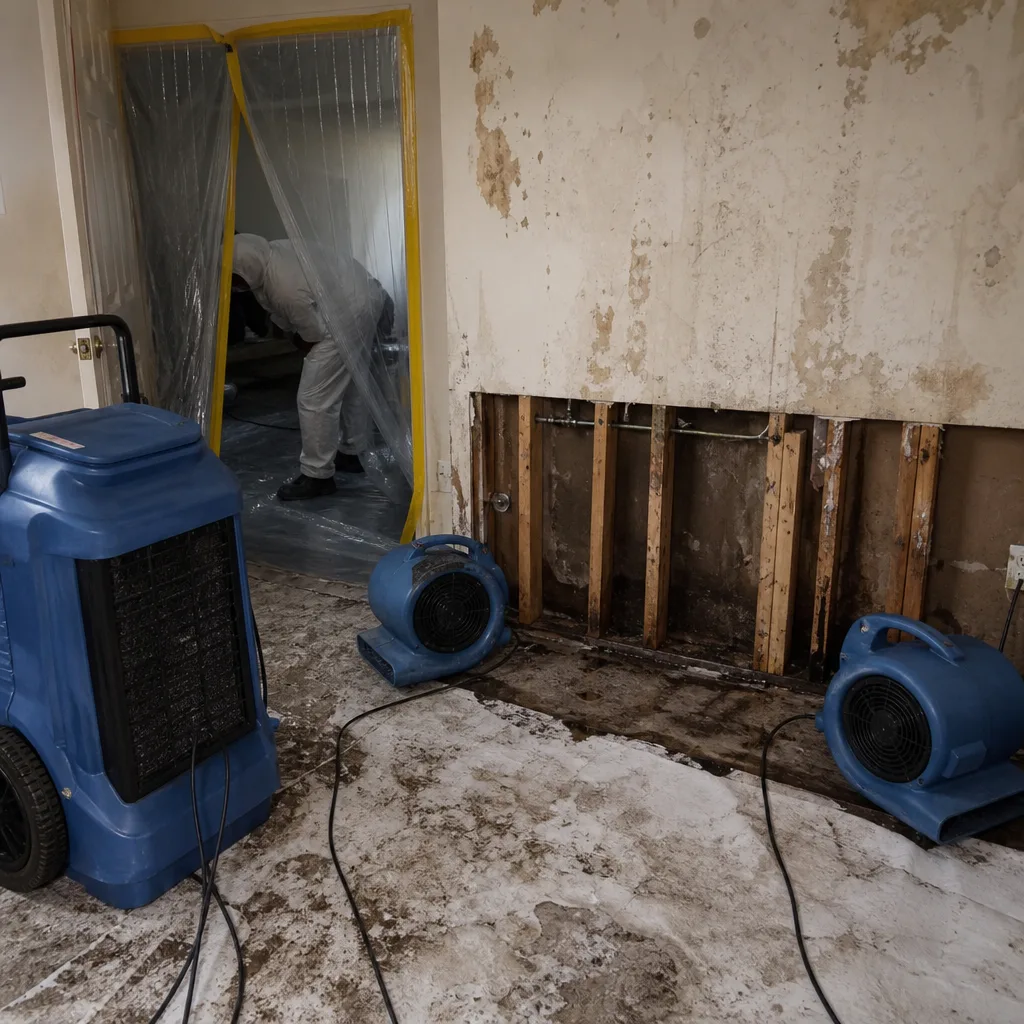 Before
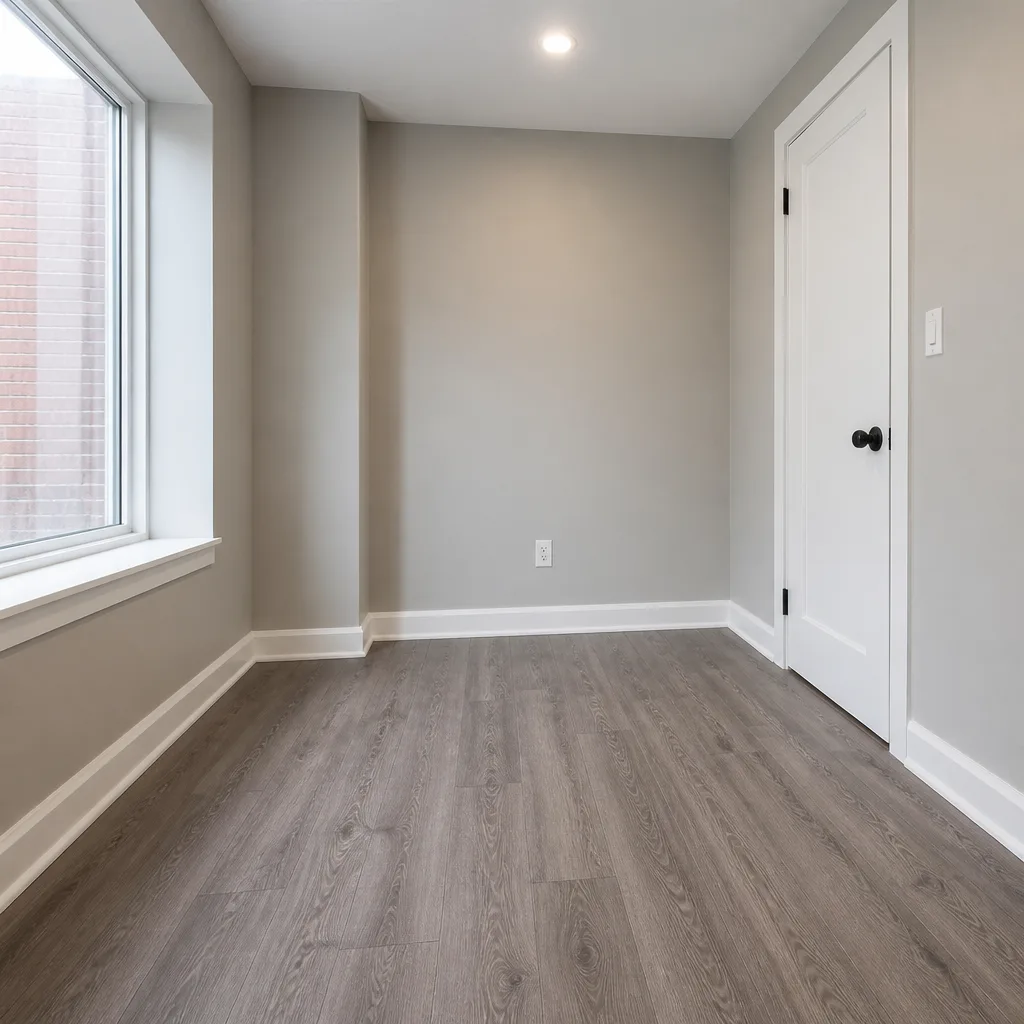 After
AfterFast, Reliable Fire & Smoke Damage Restoration Across Rego Park
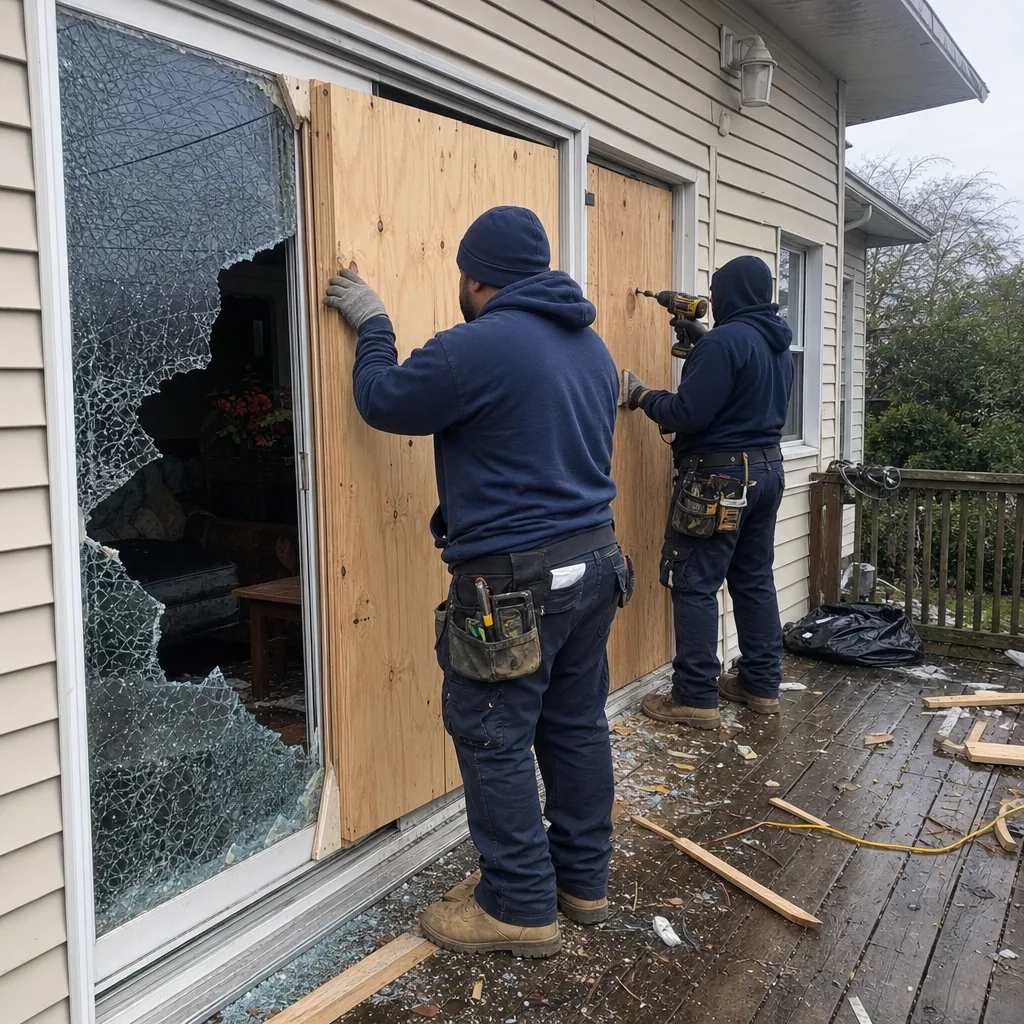
Fire and smoke damage restoration in Rego Park typically runs $2,800-$8,500 for a standard co-op unit, with multi-unit jobs climbing to $15,000-$35,000 depending on stacked-floor migration. Most emergency board-ups and tarping in Rego Park are completed within 60-90 minutes of dispatch. Call (516) 240-9735 now for a written estimate before any work begins.
We know Rego Park’s buildings. The six- to twelve-story co-op towers lining Queens Boulevard, 63rd Drive, and the streets between Yellowstone and the Long Island Expressway were built fast in the postwar boom, and they share riser chases, plaster ceilings, and narrow service entrances that turn a single-unit kitchen fire into a four-unit mitigation before the FDNY trucks leave. Our crews have staged equipment at the alley-load doors behind the Queens Center-adjacent blocks, negotiated rolling-code lobby entries with building supers, and documented moisture migration through original plaster ceilings that no one thought to check. Dispatch and scheduling are coordinated from our New York City office; crews serve Rego Park locally and carry the documentation protocols that co-op boards and their insurers expect.
Why DryMark Restoration Jamaica Is Rego Park’s Preferred Fire & Smoke Damage Restoration Company
Back to Dry Restoration, led by Alicia Brennan, has restored 12,000+ homes since 2011. Every job opened with a written price before work started and closed with a documented photo record. That origin, a former claims adjuster building a company around the documentation gap that costs homeowners their settlements, is why Rego Park co-op boards and their property managers call us back.
Our response time to Rego Park averages 45-70 minutes from dispatch, faster to the Queens Boulevard corridor and the blocks between 63rd Drive and Alderton Street where our crews have repeat access codes. We do not ask you to call for a quote. Haven Standard, Clause 1: a written price is delivered before anyone starts work, every time, with no scope-creep additions once the crew is inside.
We have worked the postwar co-ops here long enough to know which buildings on Saunders Street still run original galvanized risers, which supers prefer Russian-language communication, and which co-op corporations require IICRC-compliant drying logs before they’ll release master-policy funds. That local specificity is not marketing. It is the difference between a job that closes in ten days and one that stalls for three weeks while the board waits for paperwork it does not understand.
Our Fire & Smoke Damage Restoration team carries the 365-Day Done Right Promise on every Rego Park job, backed by The Haven Standard, not a verbal assurance. If it is not done right, we make it right.
Our Fire & Smoke Damage Restoration Services in Rego Park
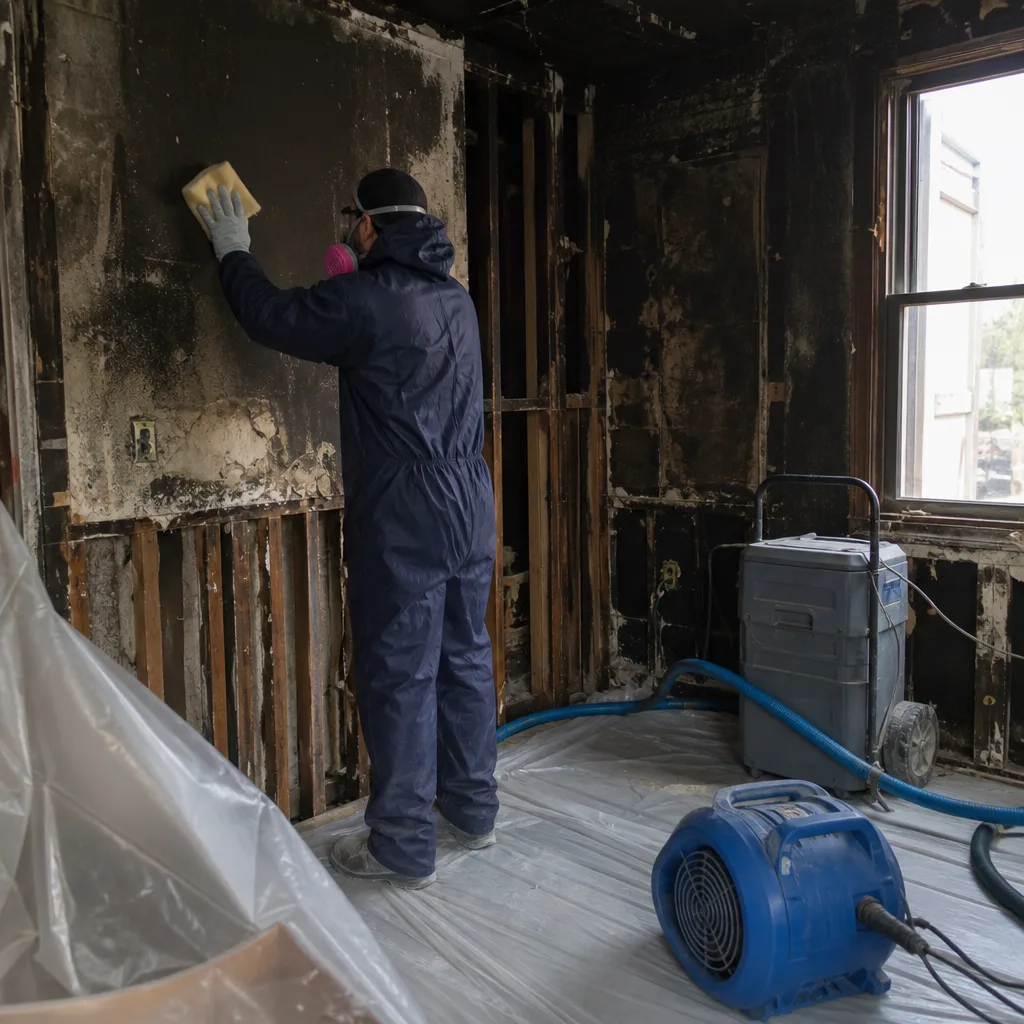
Fire Damage Cleanup
A kitchen fire in a Rego Park co-op is rarely one unit. The suppression water hits original plaster and lath, finds the riser chase, and travels down to the unit below while smoke pushes up through the same chase and tags ceilings two floors above. Our fire damage cleanup begins with containment, moisture mapping, and documentation that separates the co-op corporation’s master policy scope from each shareholder’s HO-6 coverage. We have cleaned fire-damaged units in the towers along 98th Street and the walk-ups near the Rego Park Library, and we know which buildings have asbestos-containing plaster that requires abatement before demolition starts.
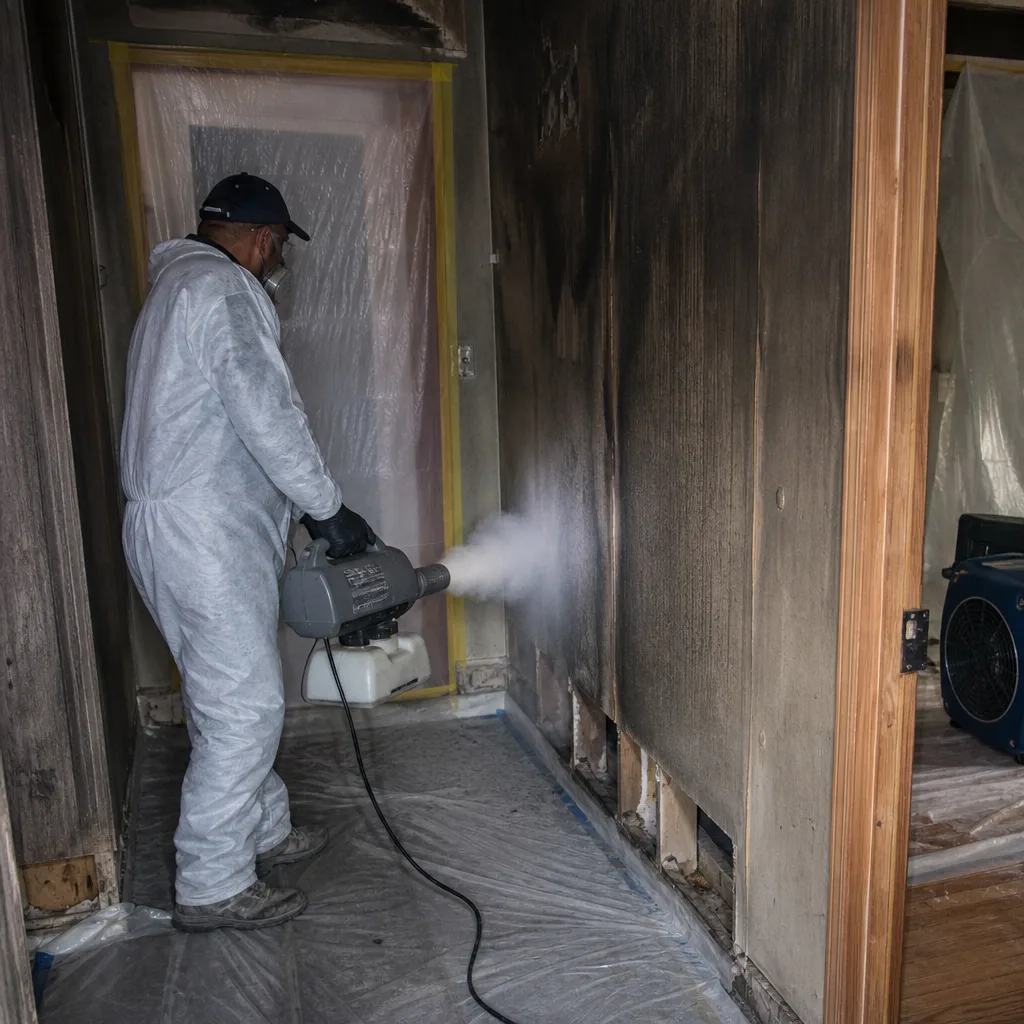
Smoke & Soot Removal
Smoke and soot in Rego Park’s postwar buildings behave differently than in single-family homes. The tight floor plans, shared HVAC risers, and original plaster surfaces create surfaces where acidic soot etches paint and bonds into porous material within hours. Our techs use HEPA vacuuming, dry-sponge cleaning, and chemical sponges on finished surfaces, then seal unaffected areas with polyethylene containment before aggressive cleaning begins. We document every surface with pre- and post-cleaning photos, and we test for pH residue on metal fixtures because unneutralized soot corrodes brass and chrome fittings common in these 1950s and 1960s buildings.
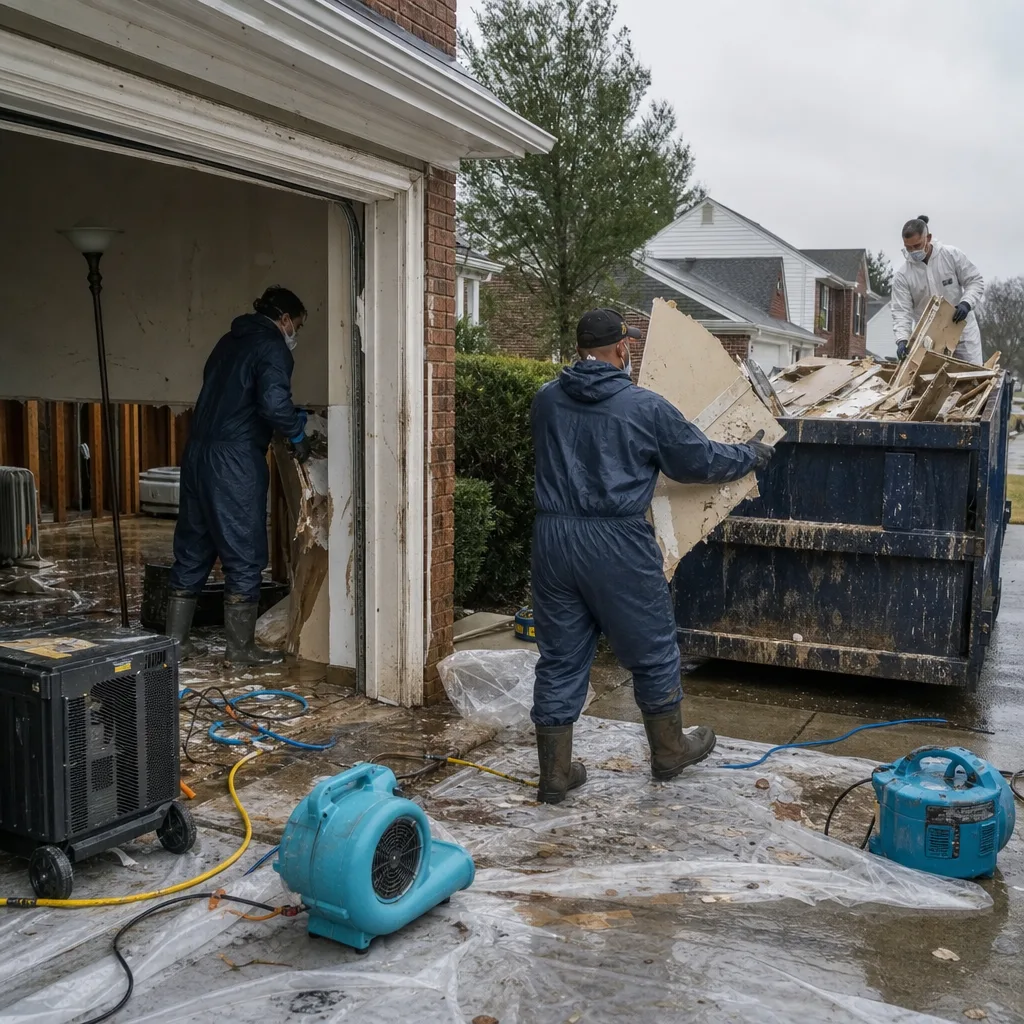
Odor Removal & Deodorization
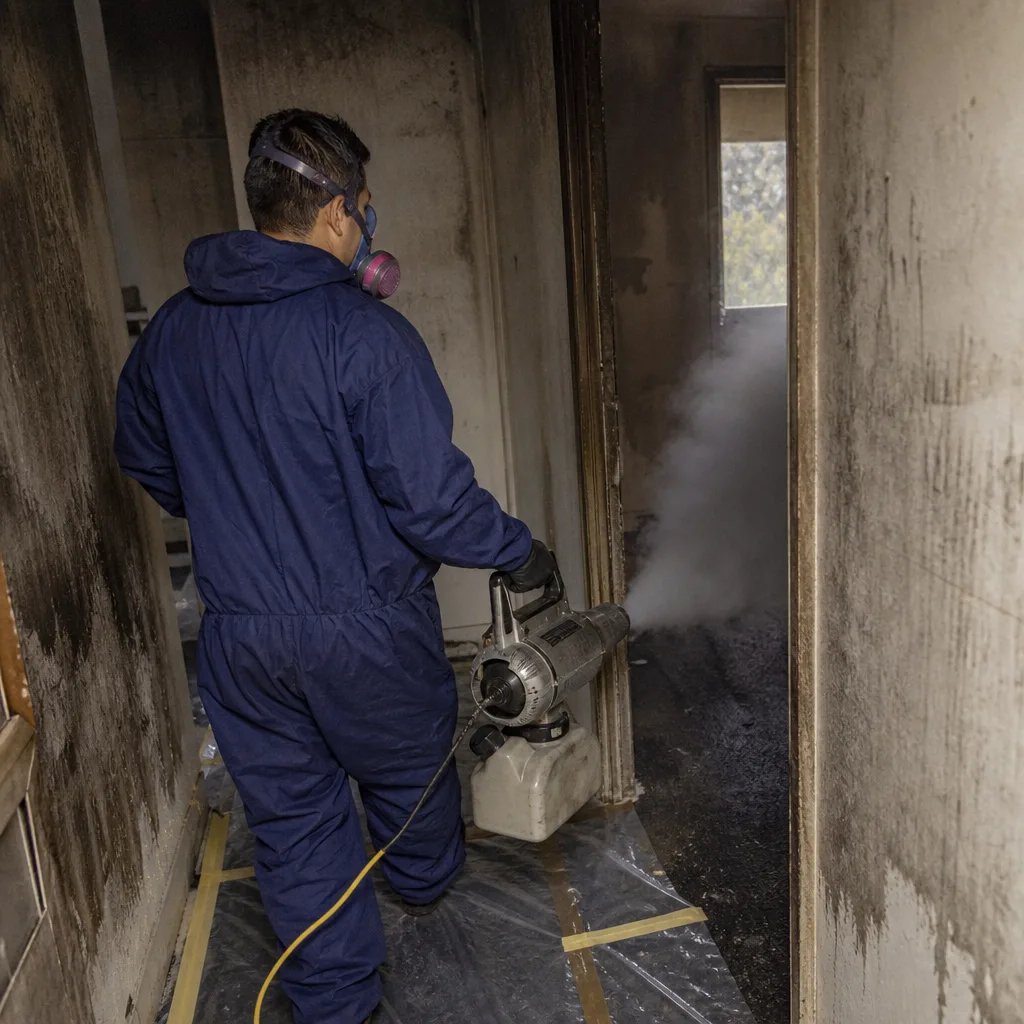
Smoke odor in Rego Park co-ops persists because the source is hidden. It is in the riser chase, behind the medicine cabinet, in the wool carpet pad that absorbed pyrolysis products before anyone called for help. Our odor removal combines thermal fogging, ozone treatment (with documented safe re-entry times), and hydroxyl generation for occupied spaces. We run vapor pressure differential calculations to determine whether the odor is coming from the material surface or has migrated into the substrate, then we target the source rather than masking it. In buildings near Queens Boulevard where traffic exhaust already loads the indoor air, we account for competing odor loads so our deodorization protocols do not get blamed for pre-existing conditions.
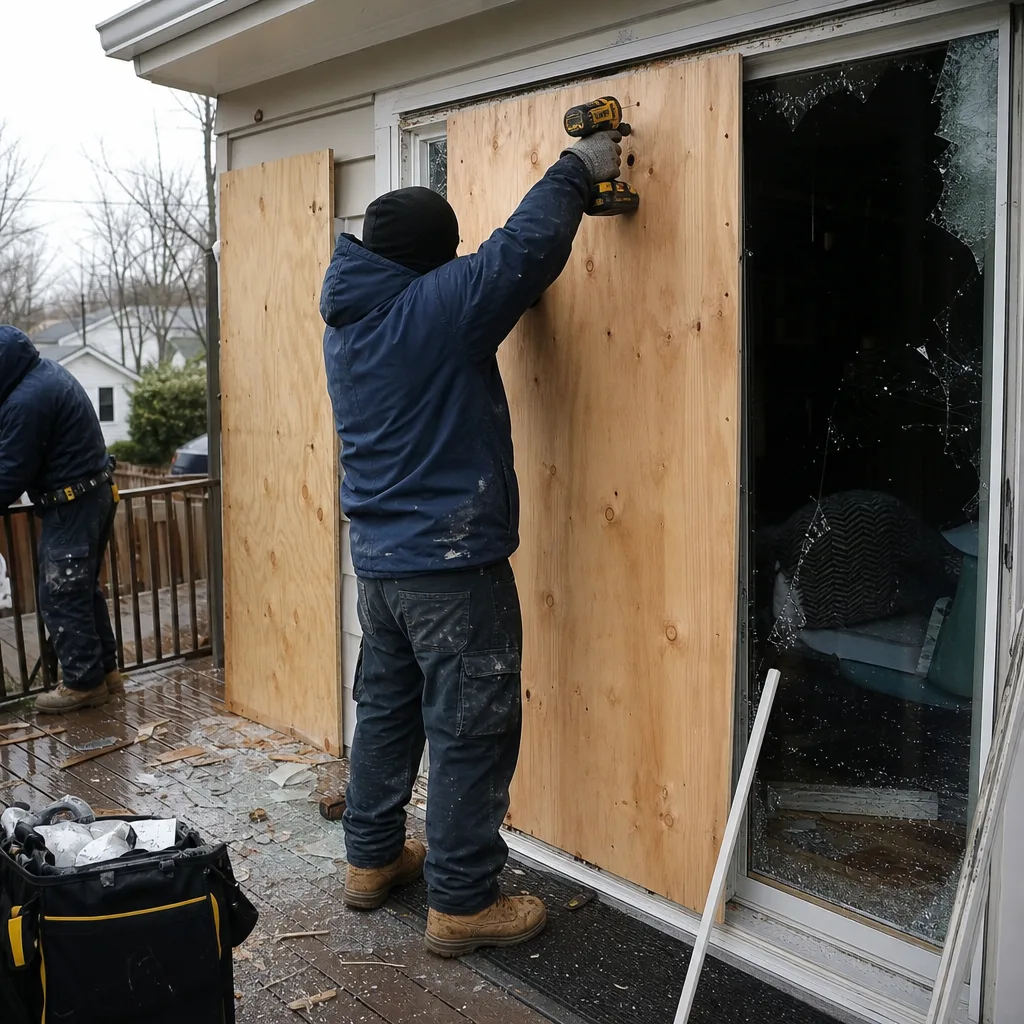
Contents Cleaning & Pack-Out
Rego Park’s co-op shareholders often have high-value contents accumulated over decades, and the HO-6 policy covering those contents is separate from the master policy covering the building. Our contents cleaning and pack-out service inventories every item with photo documentation, separates salvageable from non-salvageable with written justification, and stores cleaned contents in a climate-controlled facility while structural fire repair proceeds. We have packed out Russian-language libraries, vintage furniture collections from Forest Hills-bound emigres, and entire kitchens where the shareholder’s policy covers replacement but the board’s master policy does not. Every inventory sheet is bilingual when needed, and every cleaning method is documented to IICRC standards for the adjuster who will review it.
What happens when you call
- 1
A real person answersNo phone trees - you reach a local pro.
- 2
You get an upfront price rangeHonest numbers before anyone is dispatched.
- 3
A background-checked tech heads outLicensed & insured, dispatched right away.
- 4
You approve before work beginsNothing starts until you say go.
BeforeAfterTrusted Brands We Service in Rego Park
We deploy professional-grade drying and air-scrubbing equipment from Dri-Eaz, XPOWER, and B-Air on Rego Park jobs, with Injectidry systems for wall-cavity drying when fire suppression water has migrated behind plaster. These machines are not rented for the occasion. They are ours, maintained to manufacturer spec, and logged with hour-meter readings on every job file. That documentation matters when a co-op board’s engineer questions whether drying was adequate before reconstruction begins. We stock HEPA filters, antimicrobial treatments, and odor-counteractant formulations sized for the square footage of Rego Park’s typical co-op units, so we do not lose a day to supply runs while soot continues to etch.
Common Fire & Smoke Damage Restoration Problems We See in Rego Park Homes
- Stacked-floor smoke migration through shared riser chases. A fire on the fourth floor of a 1950s co-op off 63rd Drive sends smoke up the plumbing and electrical chase, tagging ceilings on the fifth and sixth floors before anyone smells it. Crews who treat this as a single-unit job miss the migration and get called back two weeks later for odor complaints the board will not pay for twice.
- Suppression water category confusion. The FDNY’s water is Category 1 when it hits the floor, but it becomes Category 2 or 3 within hours as it mixes with soot, kitchen grease, and aging building materials. We test and document the category on day one because the master policy and HO-6 policy have different coverage thresholds for contaminated water.
- Tight street access delaying equipment staging. Rego Park’s side streets, alley-load service entrances, and courtyard-access co-op lobbies require crews who know where to park, how to run hoses without blocking the super’s access, and which buildings have freight elevators that fit a Dri-Eaz dehumidifier. Soot sets in 72 hours. Access delays are not cosmetic problems.
- Policy-split documentation gaps stalling approval. Without a written scope that clearly separates the co-op corporation’s master policy responsibilities from each shareholder’s HO-6 coverage, the board’s insurance counsel sits on approval and contents pack-out waits. We write that separation into our scope from the first site visit.
Pricing for Fire & Smoke Damage Restoration in Rego Park, NY
Fire and smoke damage restoration pricing in Rego Park reflects the reality of postwar co-op construction: most jobs involve multiple units, shared systems, and two insurance policies where single-family neighborhoods have one house and one policy.
| Service | Typical Range in Rego Park |
|---|---|
| Emergency board-up and tarping | $450-$1,200 |
| Single-unit smoke and soot cleanup | $2,800-$5,500 |
| Multi-unit smoke migration mitigation | $8,500-$22,000 |
| Contents pack-out and cleaning | $1,800-$6,500 |
| Odor removal and deodorization | $1,200-$3,800 |
| Structural fire repair (per unit) | $4,500-$15,000 |
What moves a job to the higher end: stacked-floor migration requiring containment on multiple levels, asbestos-containing plaster requiring abatement, high-value contents needing specialized cleaning, and jobs where the co-op board requires engineer review before releasing master-policy funds. What keeps costs controlled: fast containment that prevents soot etching, accurate moisture mapping that avoids unnecessary demolition, and documentation that gets insurance approval moving without back-and-forth.
Haven Standard, Clause 1: the written price we deliver before work begins is the price you pay. No exceptions. We also offer a Free Second Opinion on any competitor’s written estimate, at no charge, because we have seen too many Rego Park homeowners accept scopes that miss the policy split entirely. Call (516) 240-9735 for your written estimate.
We Also Serve Cities Near Rego Park
Our crews respond from the same New York City coordination office to Rego Park and the surrounding Queens neighborhoods: Forest Hills with its garden-apartment and single-family mix, Elmhurst’s denser prewar stock, Middle Village’s detached homes with entirely different policy structures, and Jackson Heights’ large co-op buildings that share Rego Park’s stacked-floor challenges. Each area gets documentation protocols matched to its building types, not a generic scope copied from a template.
Serving Rego Park, NY - Our Local Coverage Area
We’re based in the Rego Park area and know this community well. Use the map below to see our service coverage - if you’re nearby, we can almost certainly help.
FAQs - Fire & Smoke Damage Restoration in Rego Park
Smoke traveled through the shared riser chase that runs vertically through your building’s original construction, carrying pyrolysis products and soot particles that deposited on ceilings and in wall cavities above the fire floor. We see this in virtually every postwar co-op fire in Rego Park, especially in the six- to twelve-story buildings along Queens Boulevard and 63rd Drive where risers were never sealed to modern standards. Our protocol is containment, air-scrubbing, and moisture mapping on every floor the chase touches, with documentation for each unit’s insurer. Call (516) 240-9735 and we will scope the full vertical migration, not just the fire unit.
We write two separate scopes from day one: one for the co-op corporation’s master policy covering building elements, and one for each shareholder’s HO-6 policy covering unit interiors and contents. Our documentation separates these clearly, with photo records tagged to each policy’s coverage limits, so the board’s insurance counsel and each shareholder’s adjuster can approve their portion without waiting for the other. We have closed four-unit jobs in Rego Park in ten days because the paperwork was right the first time. Call (516) 240-9735 for a written scope that addresses both policies before any work starts.
Yes. Our crews have staged at alley-load doors behind the Queens Center blocks, run hoses through courtyard entrances on Saunders Street, and navigated freight elevators in buildings where the lobby ceiling is too low for standard dehumidifier height. We pre-walk access with the super when possible, and we carry compact XPOWER and B-Air units sized for tight clearances without sacrificing drying capacity. Soot sets in 72 hours and suppression water degrades to Category 2 within 48, so access planning is part of our emergency response, not an afterthought. Call (516) 240-9735 and we will confirm access protocol for your specific building.
We document, contain, and test. Photo record of every surface in its pre-disturbed state. Polyethylene containment sealing unaffected areas. Moisture mapping with penetrating and non-penetrating meters to find suppression water migration behind plaster and in subfloors. Asbestos testing on original plaster if the building was constructed before 1975. Only after documentation is complete and hazards are identified do we begin controlled demolition. Demolition first, documentation later, is how co-op boards lose their master policy coverage and shareholders lose their HO-6 claims. Haven Standard, Clause 1 applies here too: the written scope defines what gets demolished and why, before anyone picks up a pry bar. Call (516) 240-9735 for an assessment.
Yes. Rego Park has one of the largest Russian-speaking and Bukharan Jewish populations in New York City, concentrated in the same postwar co-op buildings where we do most of our fire restoration work. We have Russian-speaking project managers and technicians who can walk supers through equipment staging, explain drying logs to co-op boards, and translate scope details for shareholders who need it. We closed a four-unit pack-out on 63rd Drive specifically because the super and two unit owners could review the scope in Russian, ask questions, and approve work the same day. Language access is not an upsell. It is standard on Rego Park jobs where it applies. Call (516) 240-9735 and request Russian-language coordination if your building needs it.
Written by Alicia Brennan, Owner at Back to Dry Restoration, serving Rego Park since 2011 under The Haven Standard.