
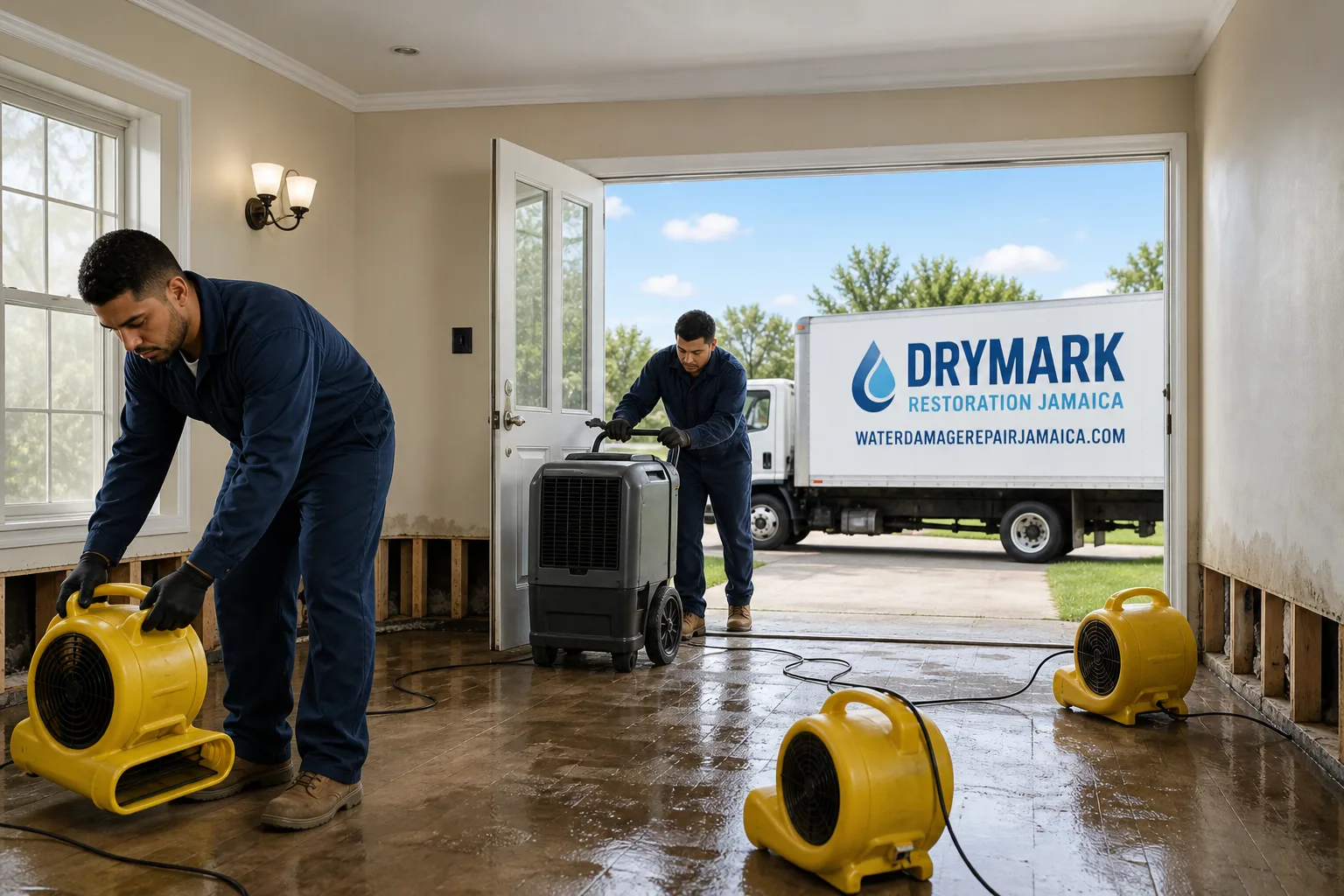
Free visual inspection and a written scope of work before any mitigation begins - photos, moisture readings, and drying logs go in your claim file
The scope we write is the scope we bill. Anything new gets shown to you, in writing, before we touch it.
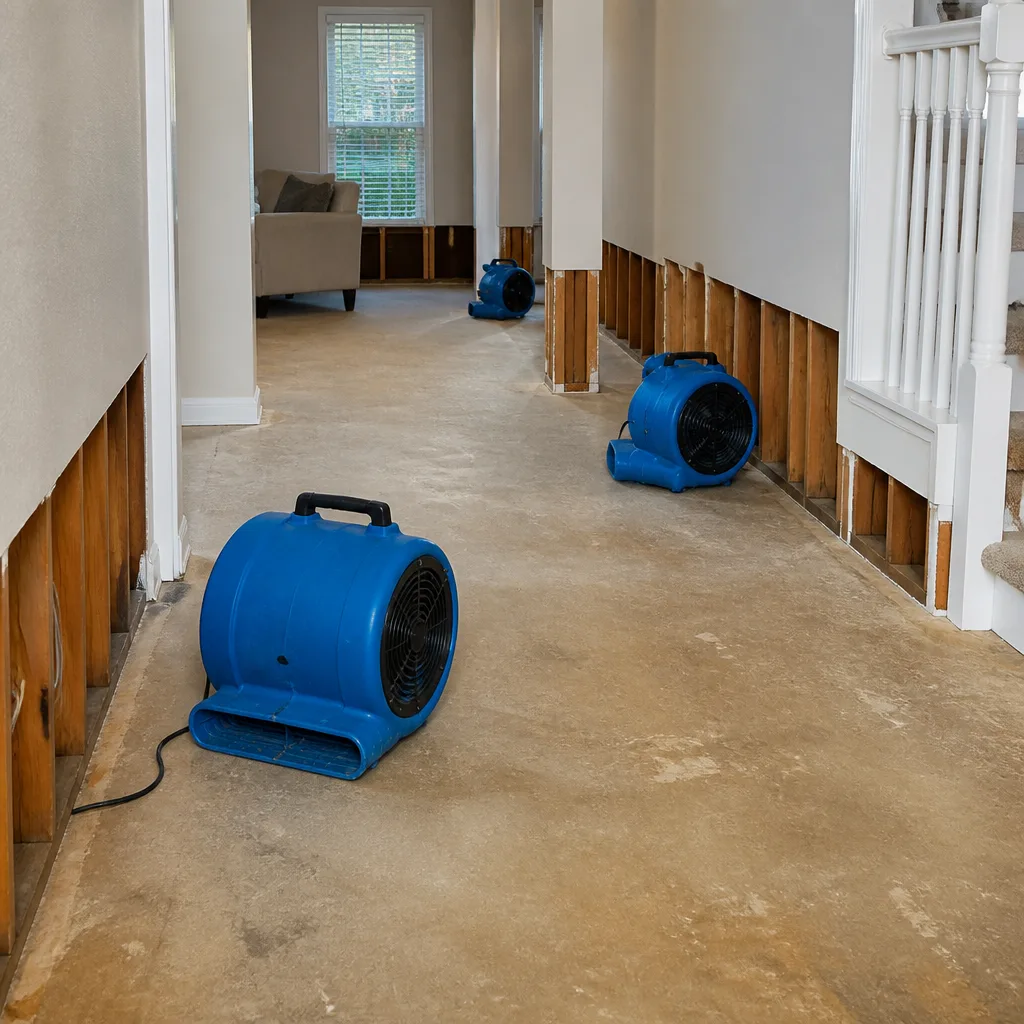
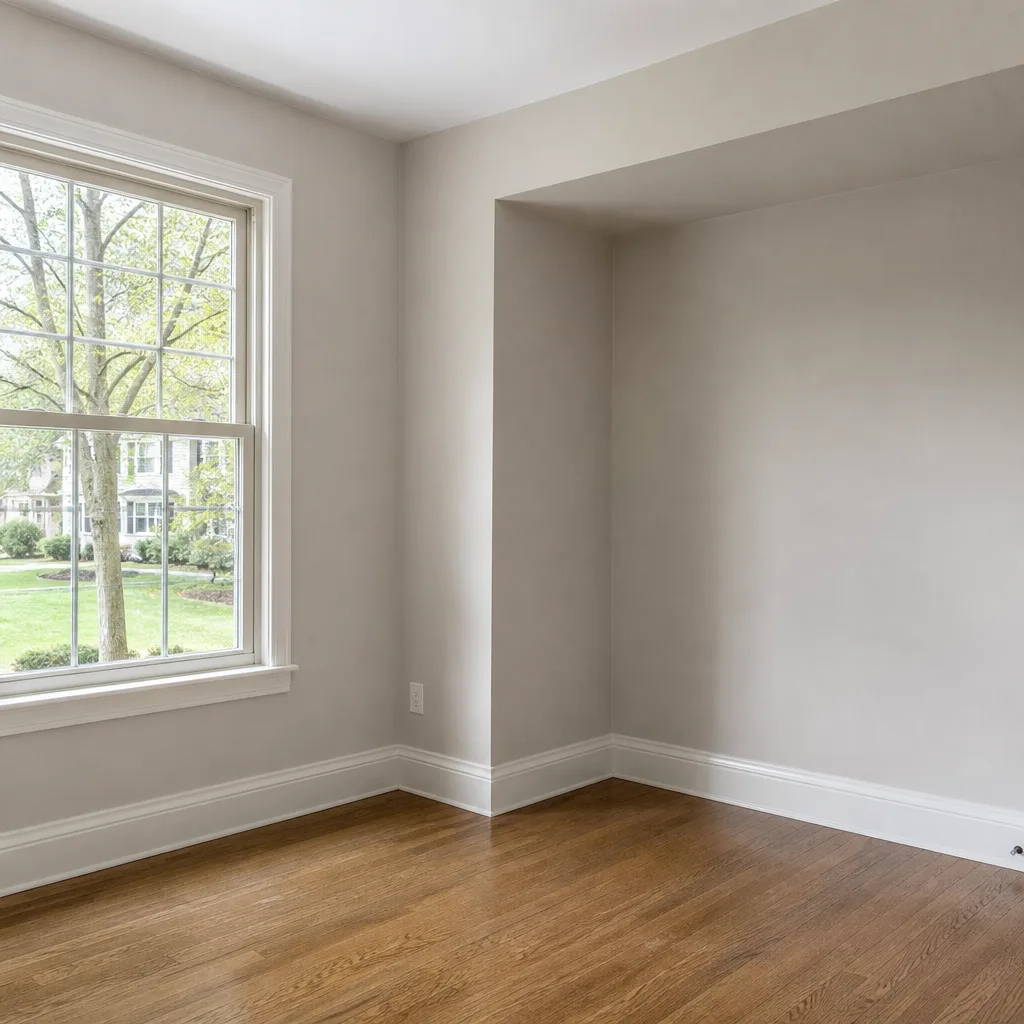
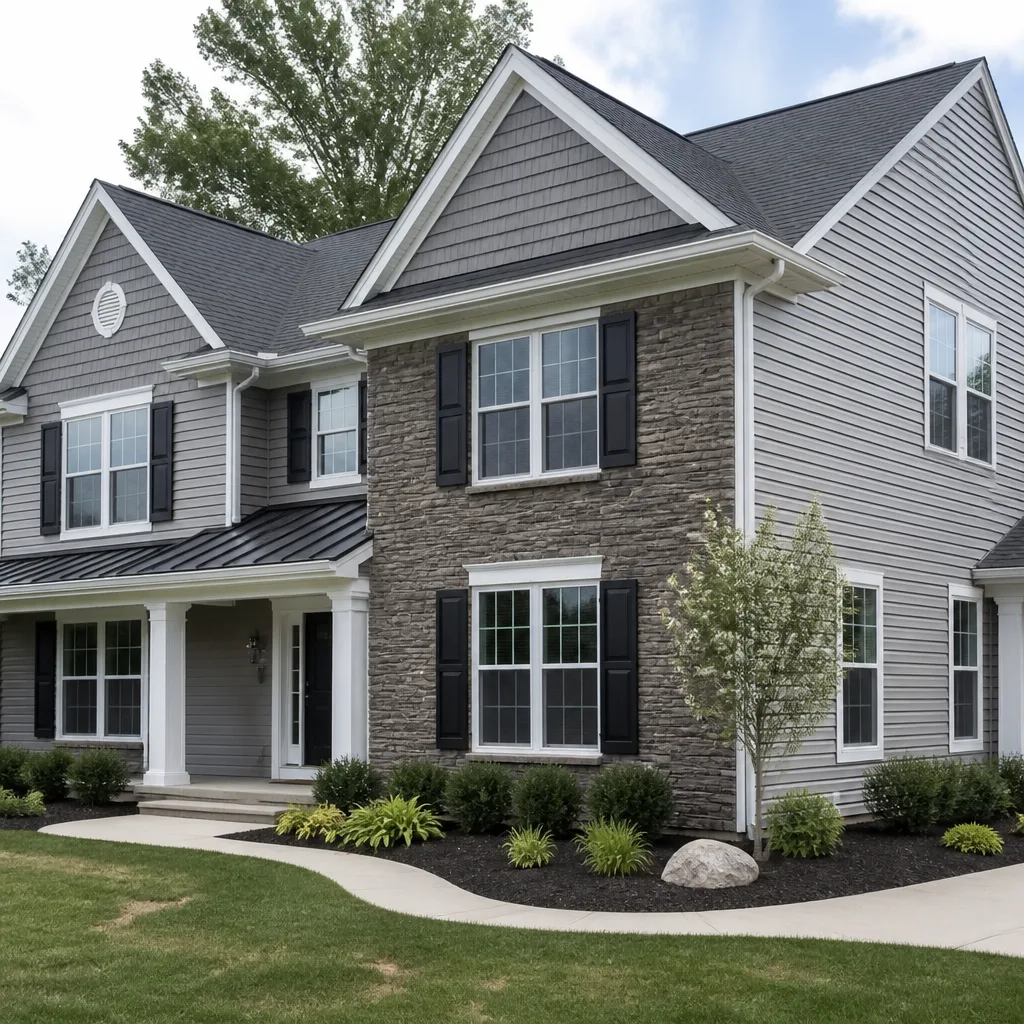
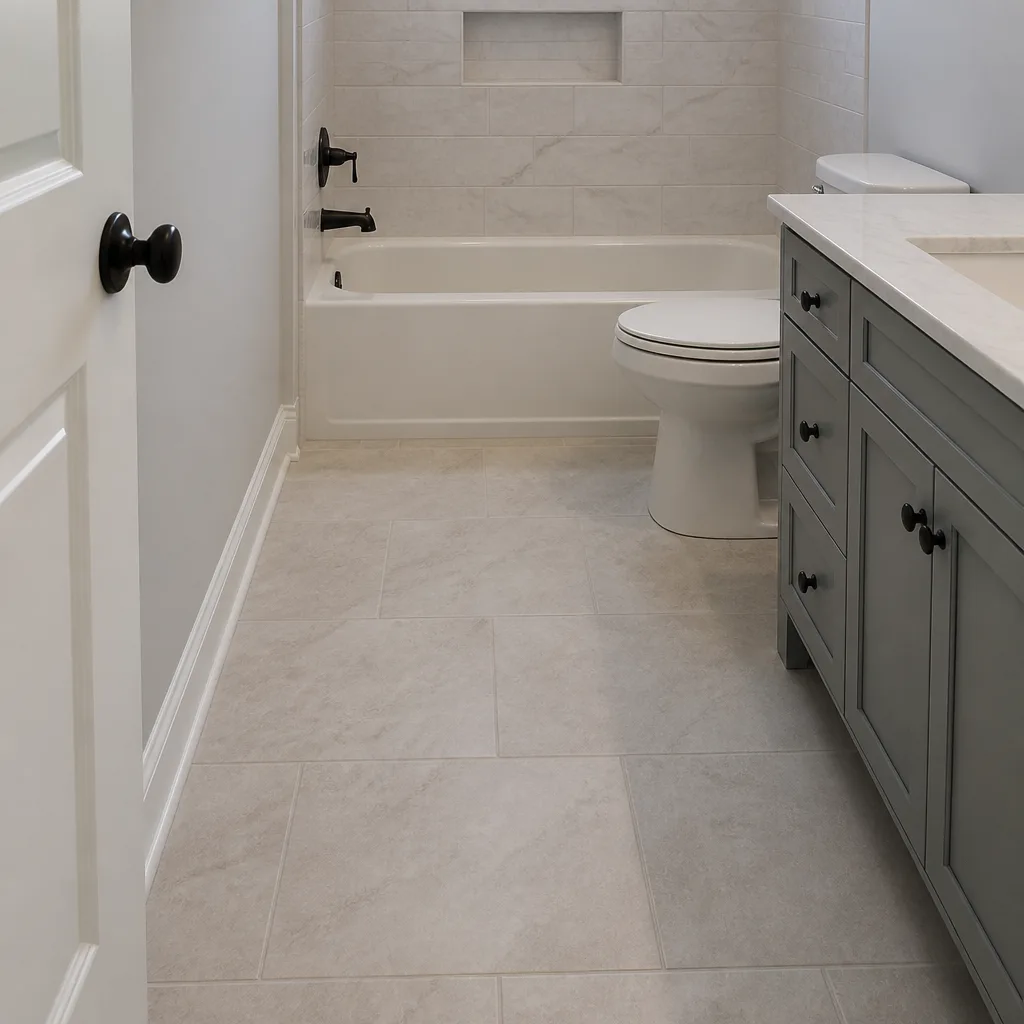
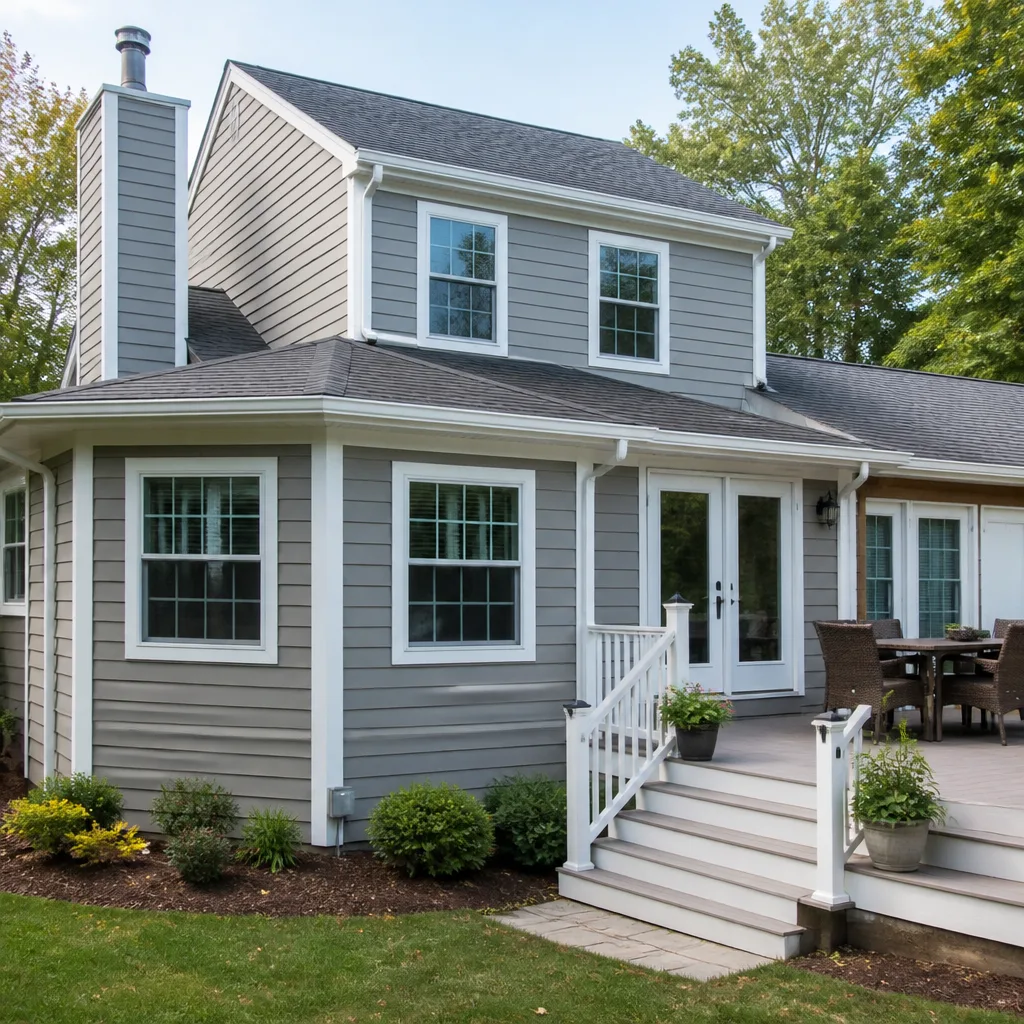
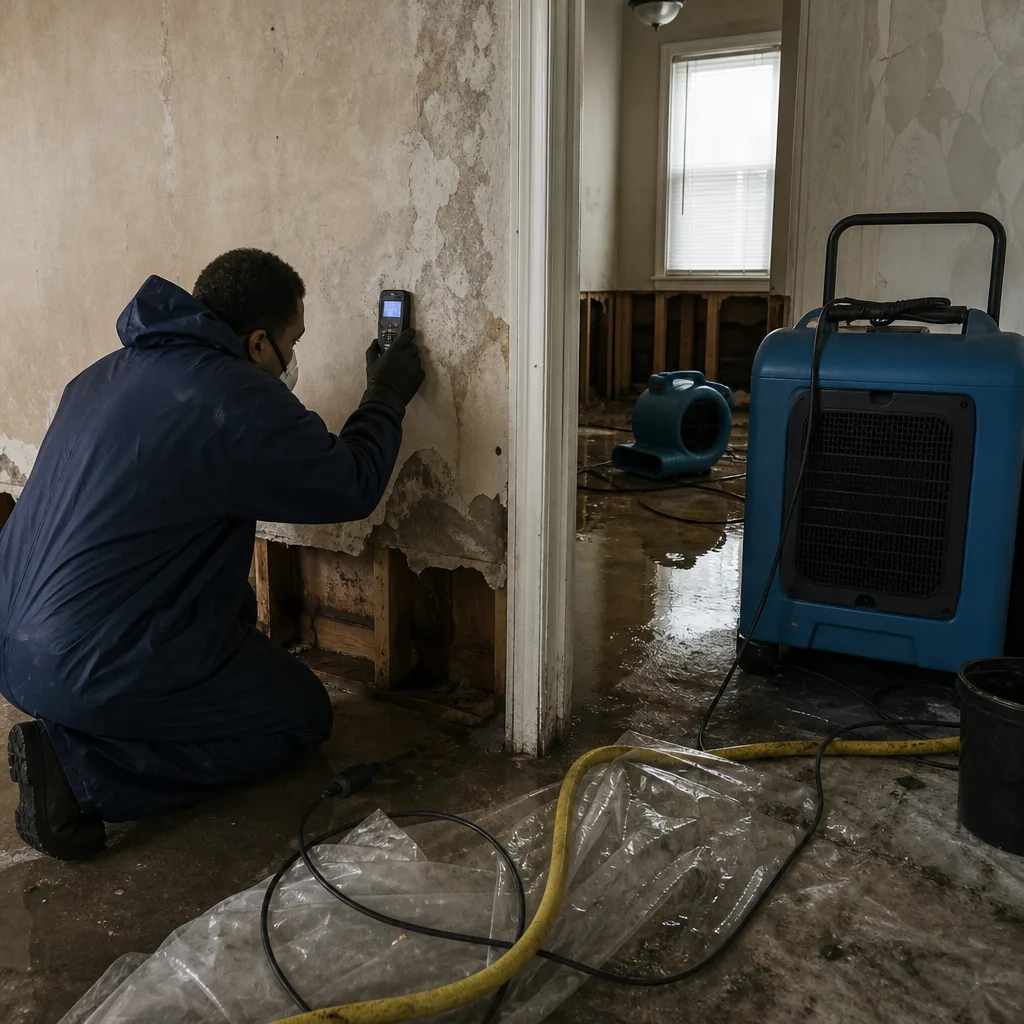 Before
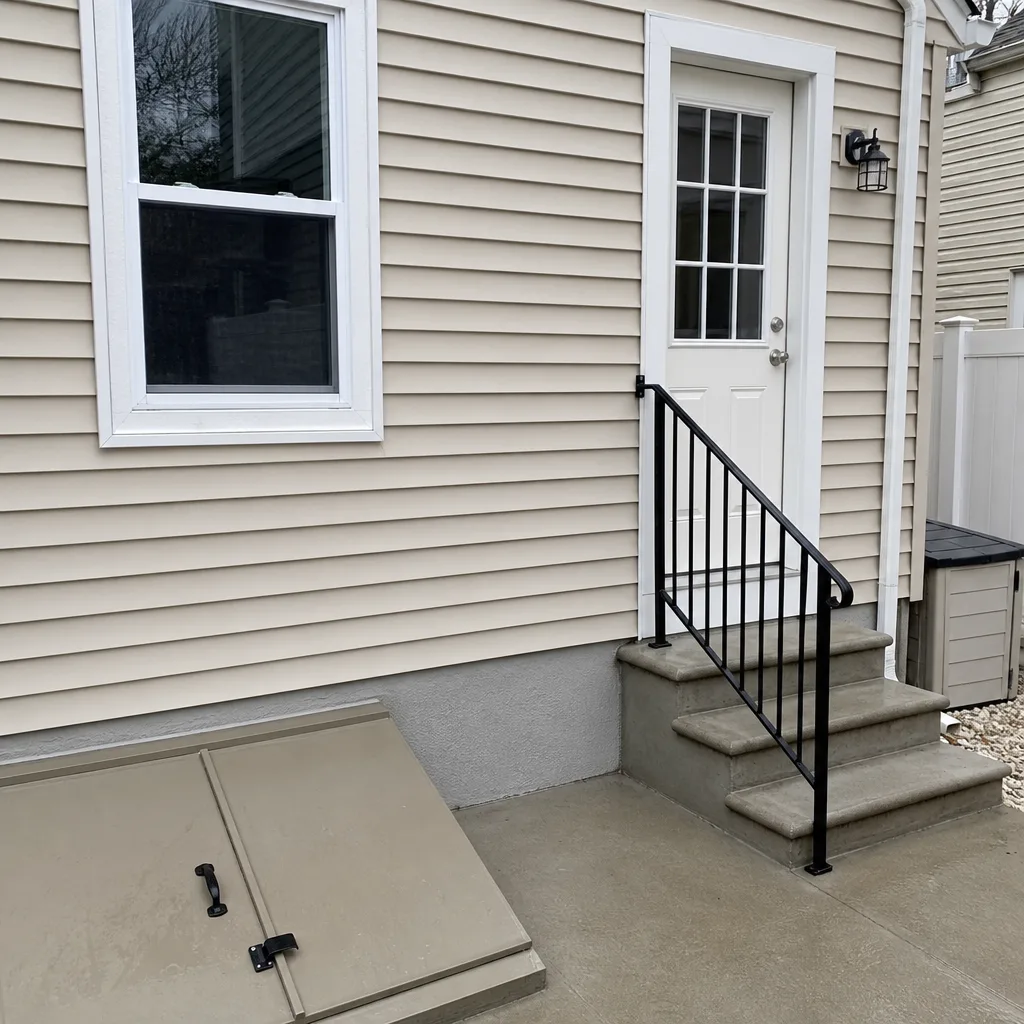 After
After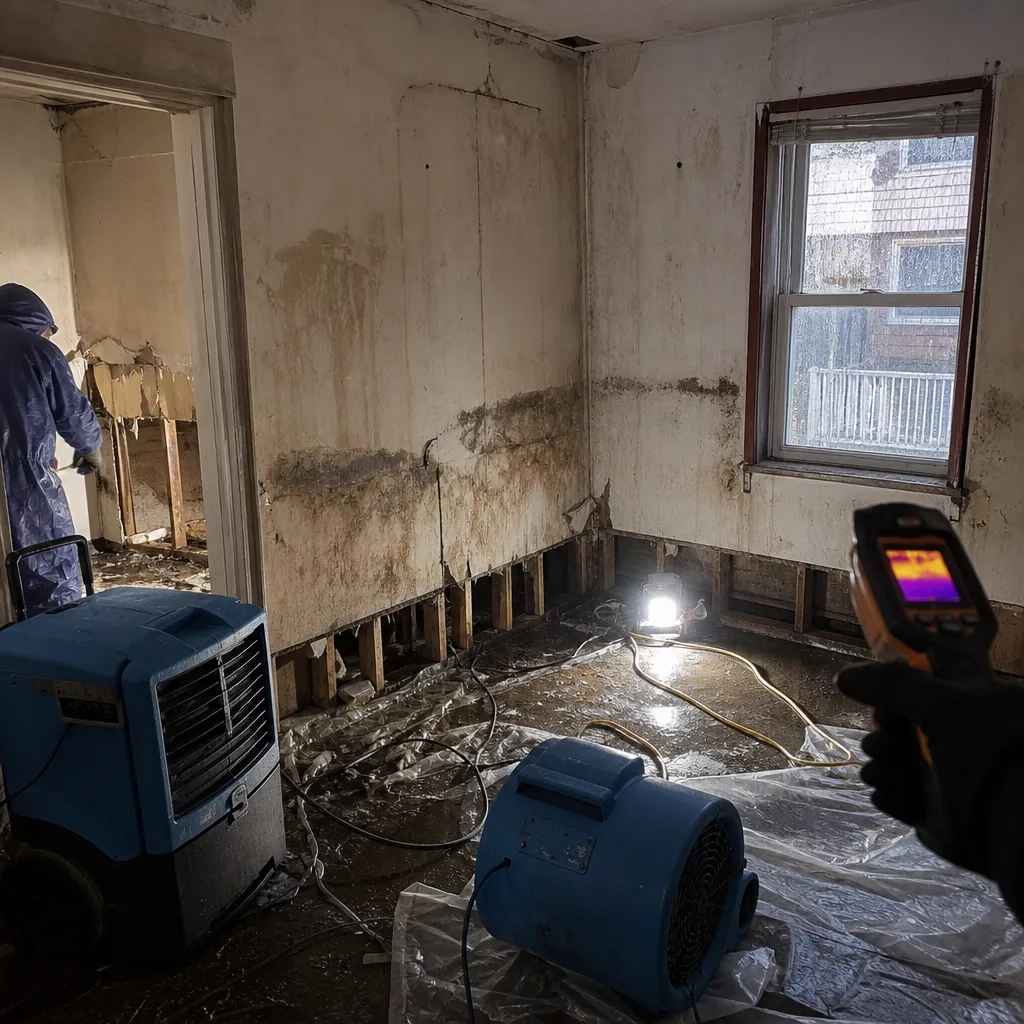 Before
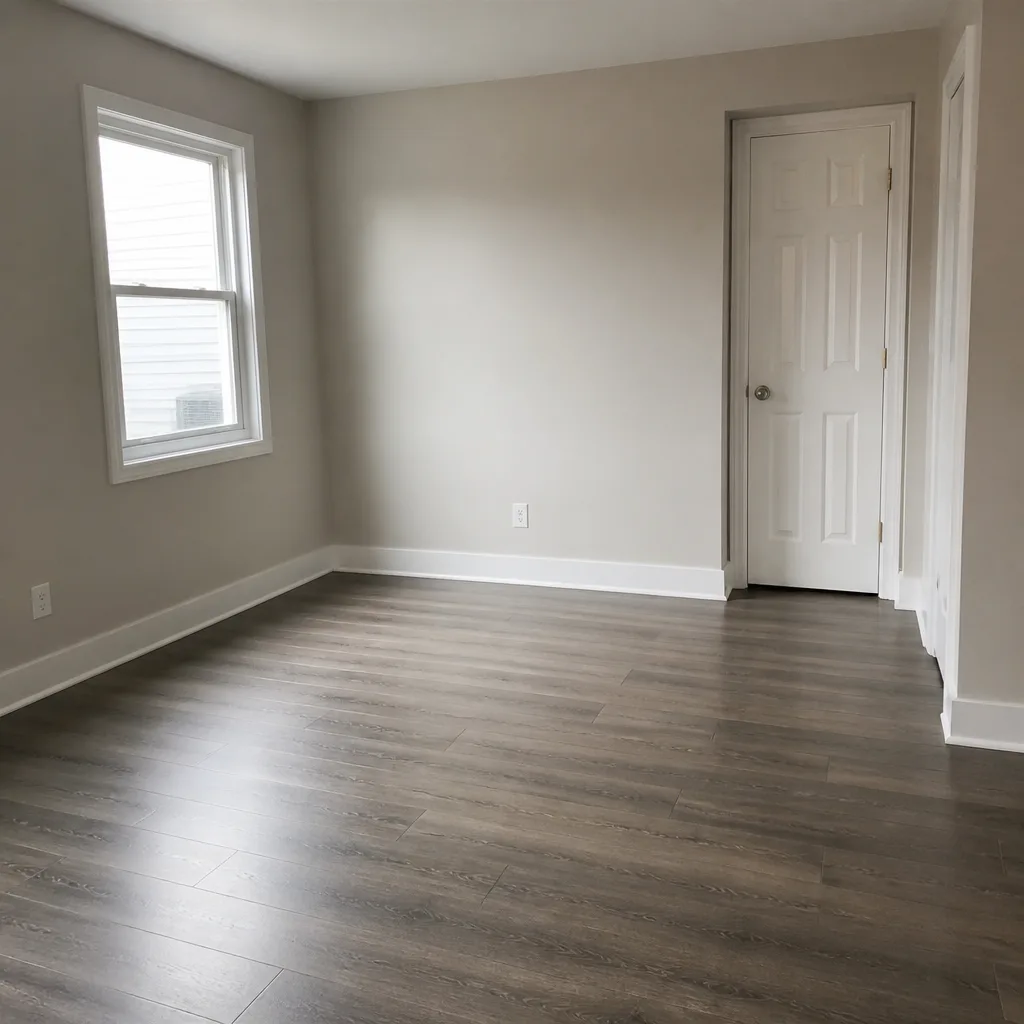 After
After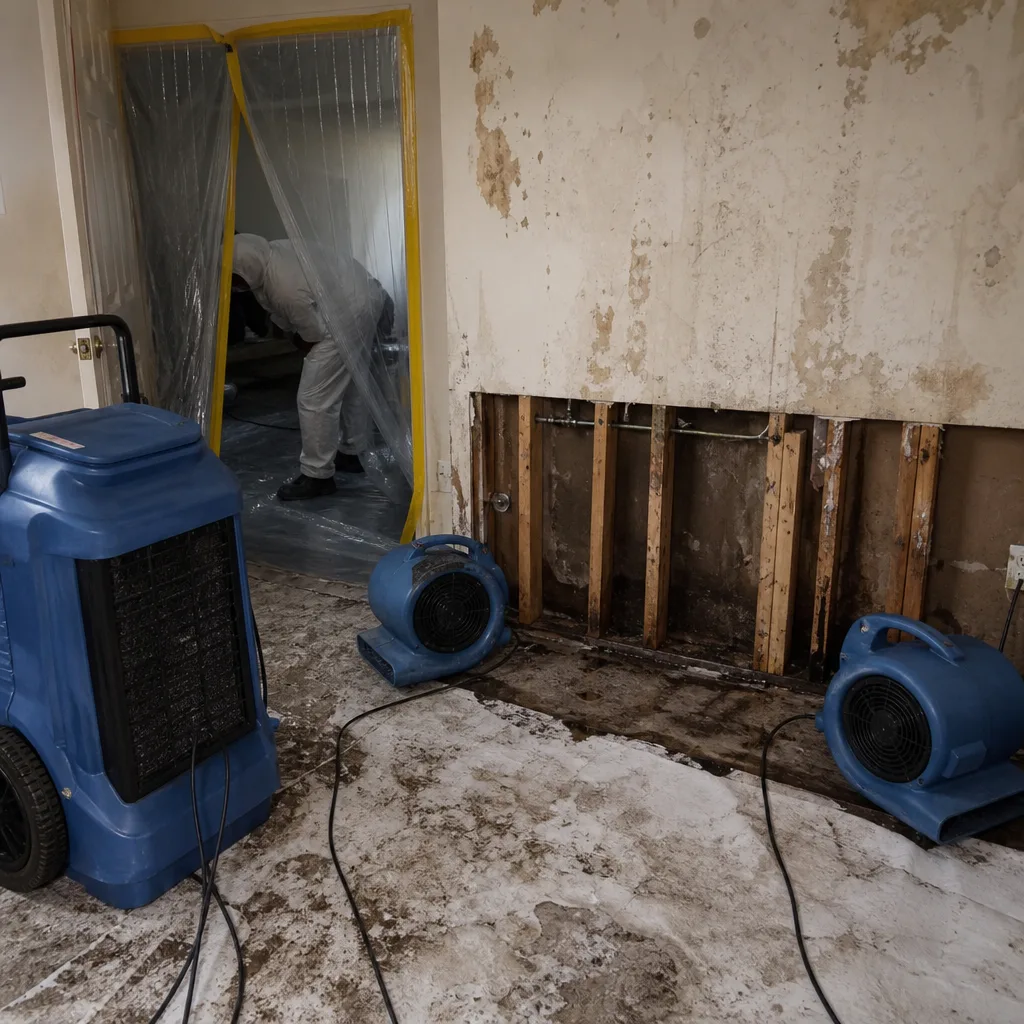 Before
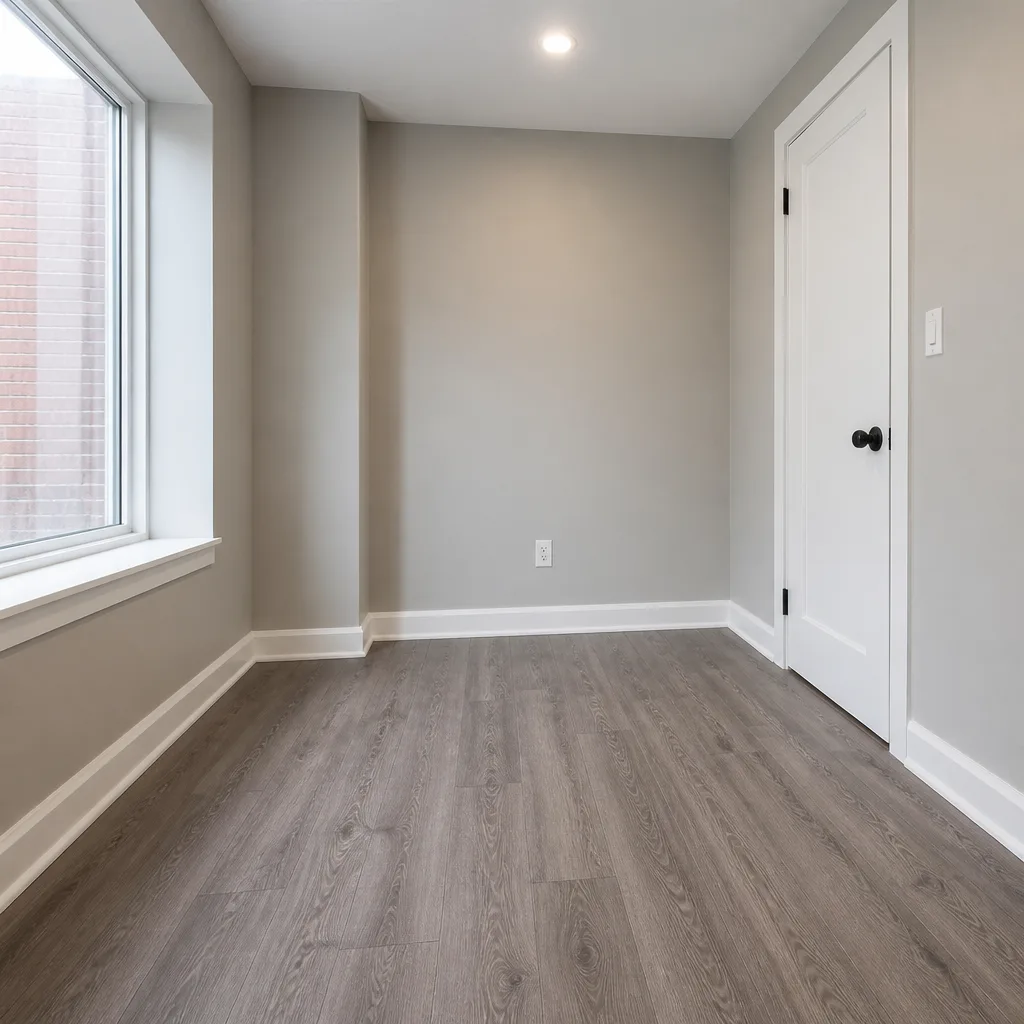 After
AfterFast, Reliable Water Damage Restoration Across Jackson Heights
Water damage in a Jackson Heights co-op doesn’t wait for board meetings, and neither do we. Our crews are dispatched from our New York City office and typically reach Jackson Heights addresses within 45 minutes to an hour on emergency calls. We know the difference between a single-family response and a pre-war cooperative building where the managing agent holds the keys to the riser closet, and we build that into every dispatch plan.
Call (516) 240-9735 now. A live person answers, 24 hours a day, 7 days a week. No voicemail trees while water is still moving through your walls.
Why DryMark Restoration Jamaica Is Jackson Heights’s Preferred Water Damage Restoration Company
We’ve restored water damage in Jackson Heights since 2011, and the pattern is consistent: the buildings that take the longest to dry are the ones where someone called the unit owner first and the managing agent second. Our Water Damage Restoration team trains specifically on Queens cooperative protocol - building management contact, board authorization timelines, and the HO-6 versus master-policy documentation that adjusters expect.
Our reputation in Jackson Heights is built on documentation that holds up in claims review. Every job receives a written price before work begins, a photo record on every visit, and daily moisture logs produced with equipment calibrated to IICRC standards. Alicia Brennan founded Back to Dry Restoration in 2011 after years as a claims adjuster watching homeowners lose coverage over incomplete drying records. That origin shapes every file we open in Jackson Heights.
We’ve restored 12,000+ homes since 2011. Each one had a written price before the first air mover was placed. Each one left with documented proof of dry.
Our Water Damage Restoration Services in Jackson Heights
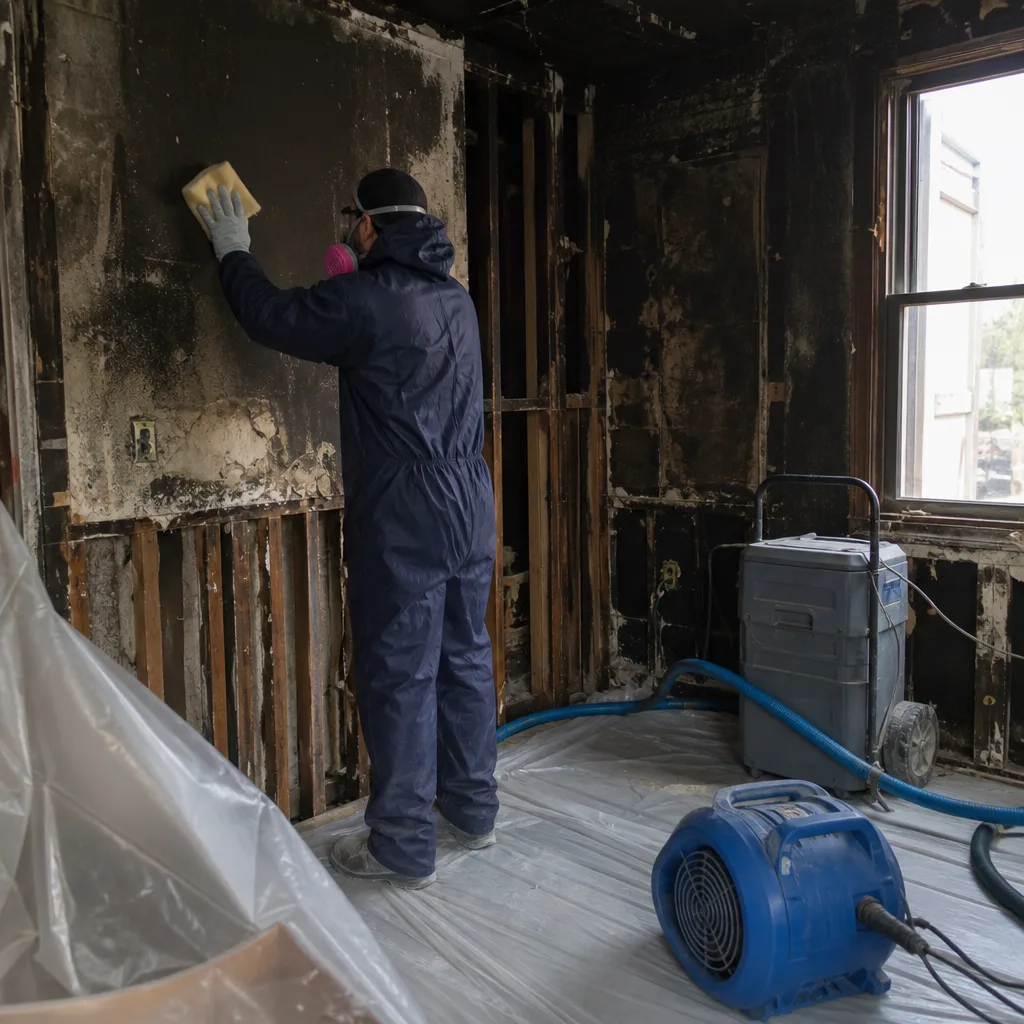
Emergency Water Extraction
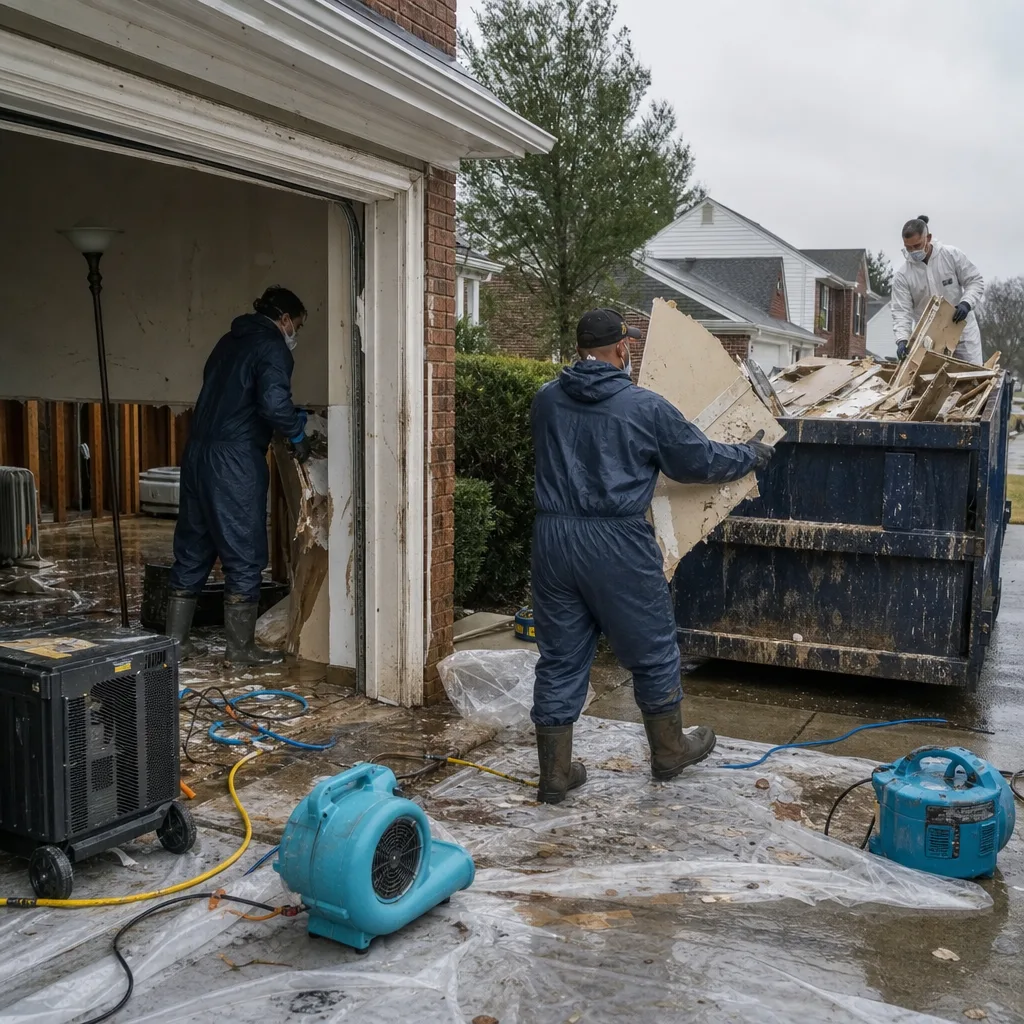
When a galvanized supply line lets go inside a shared wall near Linden Hill, water doesn’t respect floor boundaries. Our emergency extraction crews carry portable flood pumper units and truck-mounted extraction systems sized for Jackson Heights’s tight service corridors and smaller elevator cabs. We extract standing water first, then map migration paths through subflooring and wall cavities. In a typical Jackson Heights co-op extraction, we’re working with the managing agent to access common areas while simultaneously documenting affected square footage for both the shareholder’s HO-6 carrier and the co-op’s master policy.
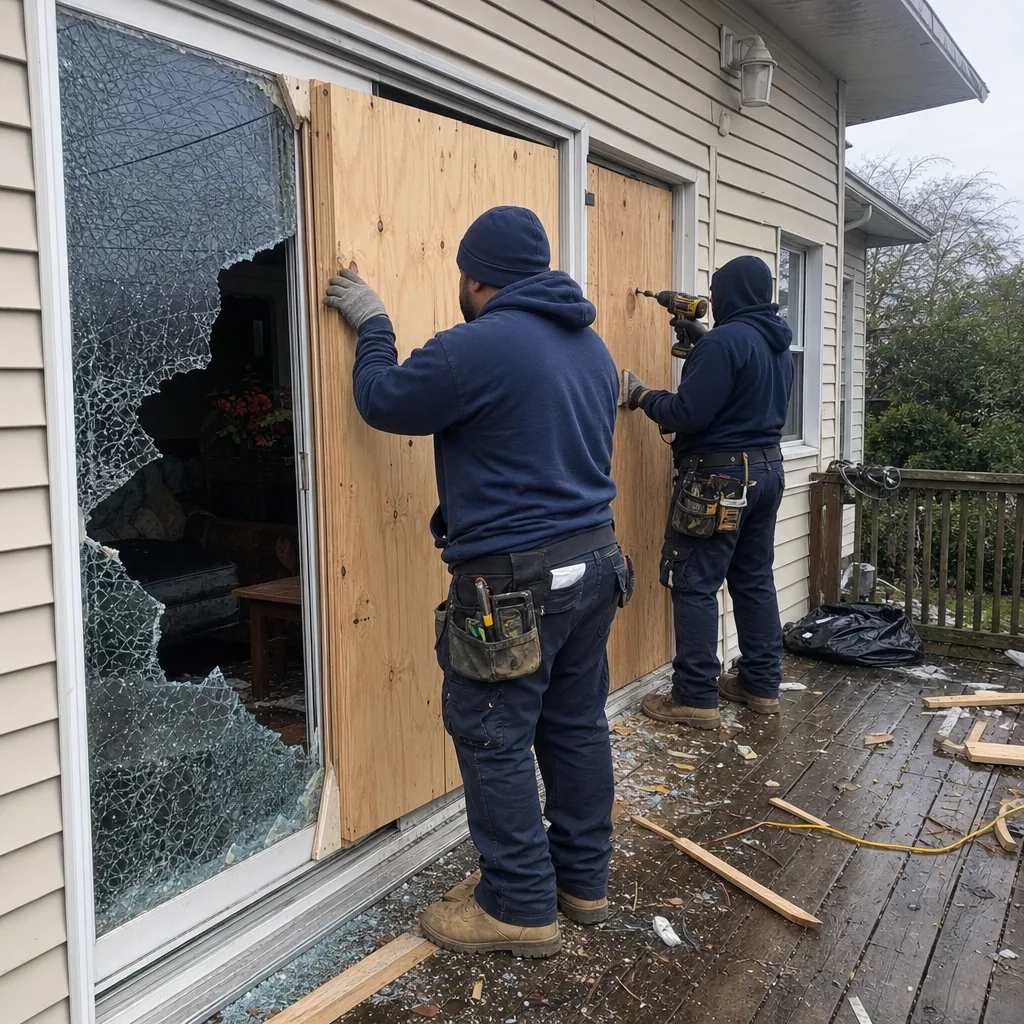
Structural Drying & Dehumidification
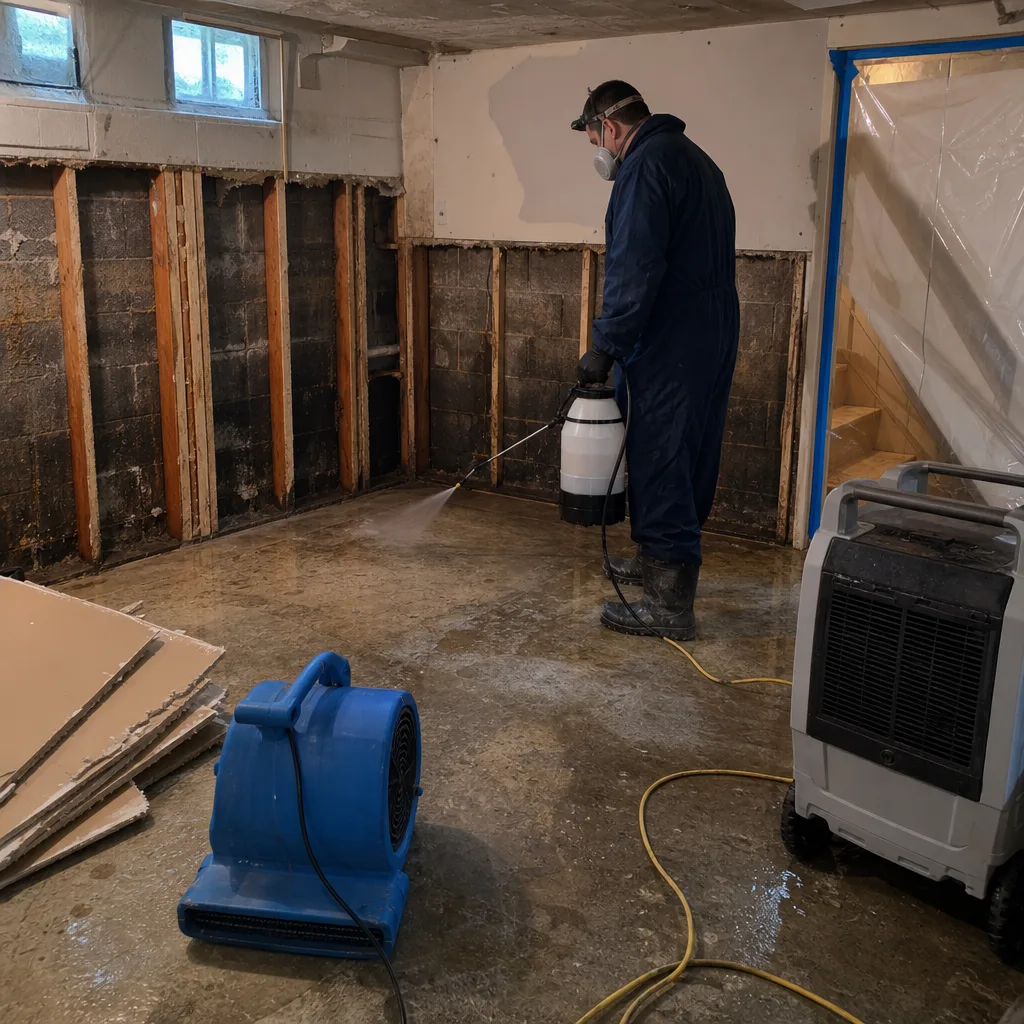
Pre-war plaster and lath in Jackson Heights’s six-story elevator co-ops holds moisture differently than modern drywall. Our drying strategy uses psychrometric data - measurements of temperature, relative humidity, and vapor pressure differential - to force moisture out of dense masonry and plaster assemblies without causing secondary damage. We deploy Phoenix dehumidifiers and Dri-Eaz air movers in calculated ratios based on cubic footage and material class, then log readings every 24 hours. These logs become part of your claim file, not our internal notes. Documentation to IICRC standards means your adjuster sees exactly when materials reached dry standard and why equipment stayed or moved.
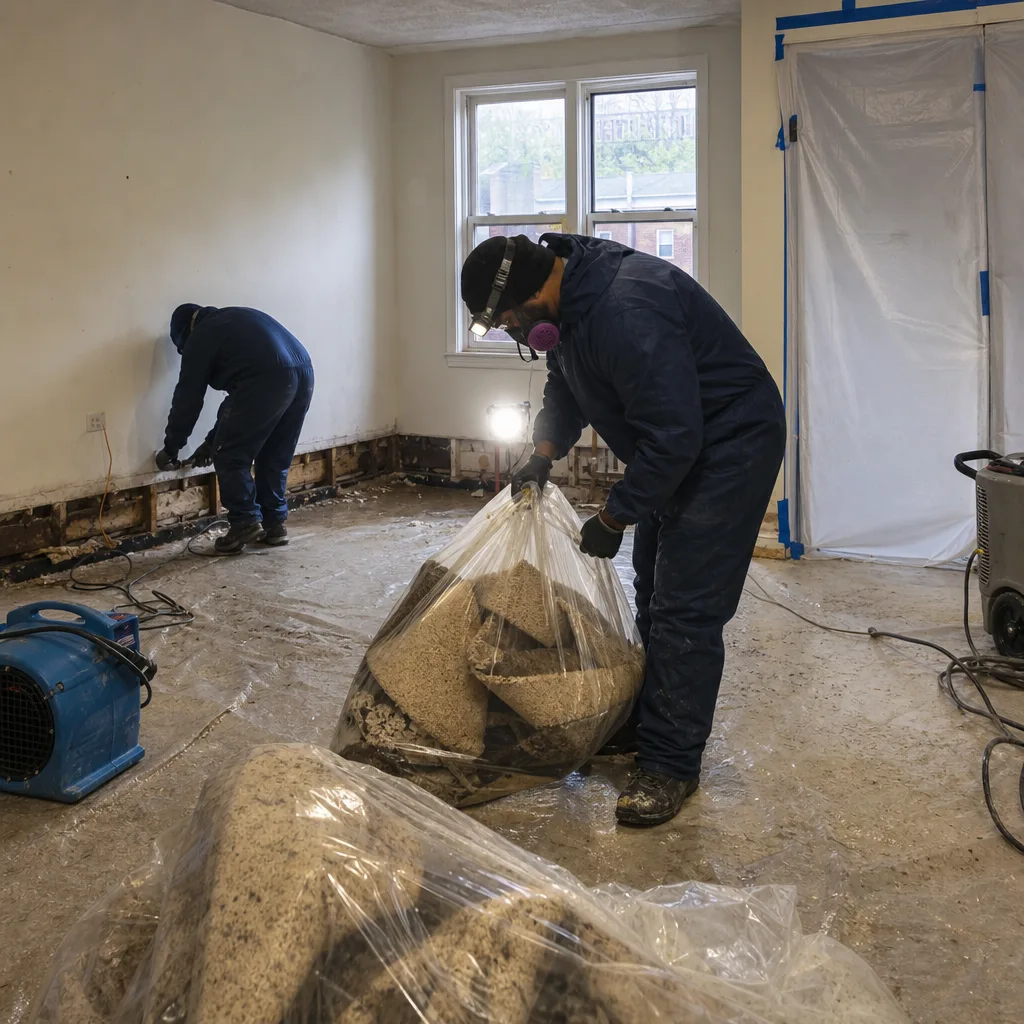
Flood Cleanup
Jackson Heights’s aging brick facades and decades of freeze-thaw cycling create a specific flood risk many homeowners miss. Wind-driven rain infiltrates through spalled mortar and compromised wythes, saturating wall cavities from the outside in. We’ve responded to dozens of “plumbing leaks” in buildings near Flushing Greens that were actually facade infiltration. Our flood cleanup includes source identification using thermal imaging and moisture meters, because drying a wall without stopping the exterior water path is wasted equipment time. When the source is facade-related, we document it as such - protecting your claim from the “maintenance exclusion” adjusters apply to long-term building envelope failure.
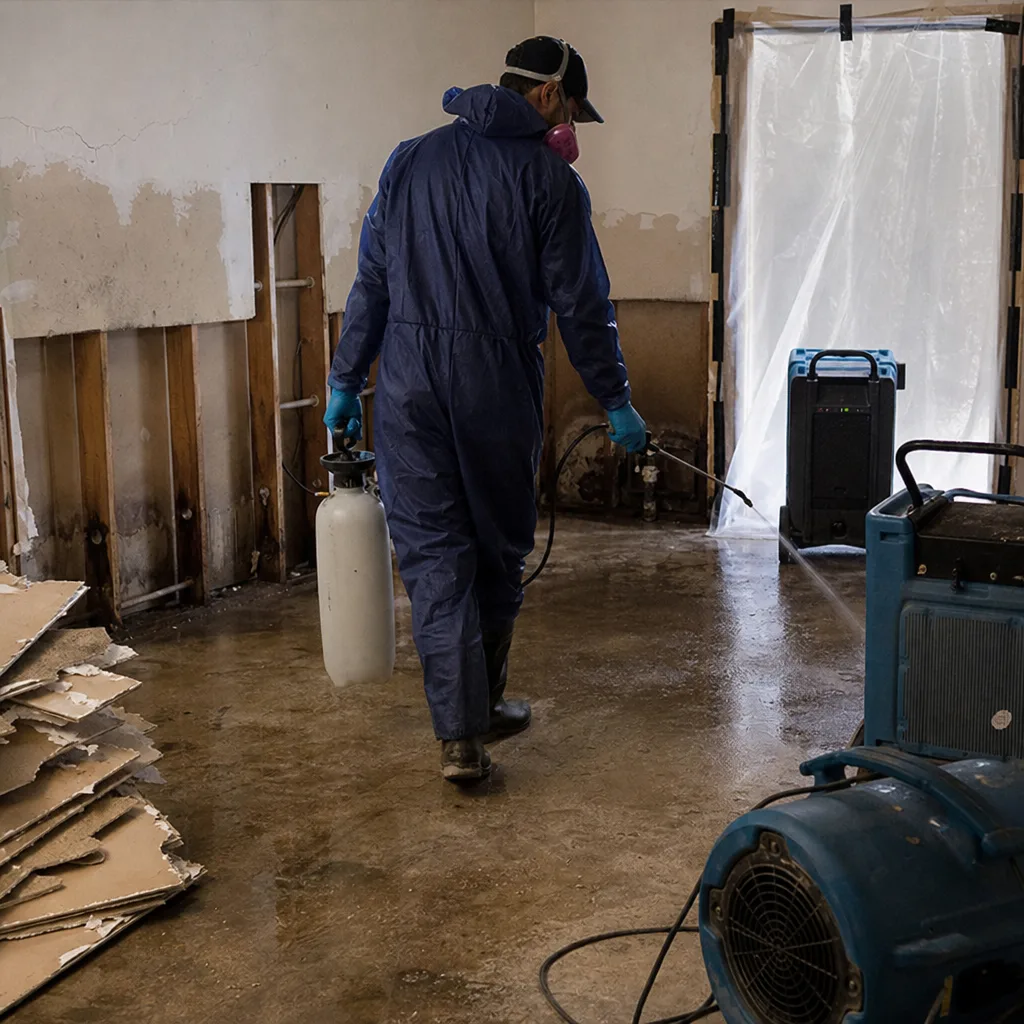
Burst Pipe Restoration
A burst pipe in a Jackson Heights co-op is never just one unit’s problem. Shared plumbing stacks mean pressure failures cascade vertically through four or five stacked units before anyone notices the first stain. Our burst pipe protocol starts with the managing agent, not the unit owner, because only building management can access riser shutoffs and common-area drying points. We locate the branch failure, contain the active leak, then map moisture across all affected units before any equipment is placed. This coordination prevents the 48-hour delays we’ve seen when crews arrive unprepared for cooperative access requirements. Our written scope addresses both individual unit damage and common-area restoration, with clear separation for HO-6 and master-policy billing.
What happens when you call
- 1
A real person answersNo phone trees - you reach a local pro.
- 2
You get an upfront price rangeHonest numbers before anyone is dispatched.
- 3
A background-checked tech heads outLicensed & insured, dispatched right away.
- 4
You approve before work beginsNothing starts until you say go.
BeforeAfterTrusted Brands We Service in Jackson Heights
We deploy professional-grade drying systems from Dri-Eaz, Phoenix, and XPOWER on every Jackson Heights job - equipment selected for the tight clearances and power constraints of pre-war cooperative buildings. These aren’t consumer-grade units rebranded for restoration. Dri-Eaz and Phoenix dehumidifiers are built to run continuously in occupied structures, with documented CFM and grain-depression specs that feed directly into our daily drying logs. XPOWER air movers stack efficiently in service elevators and narrow hallways common to Jackson Heights’s garden apartment complexes. We stock replacement filters, hoses, and ducting locally so a burned-out dehumidifier doesn’t add a day to your drying schedule.
Common Water Damage Restoration Problems We See in Jackson Heights Homes
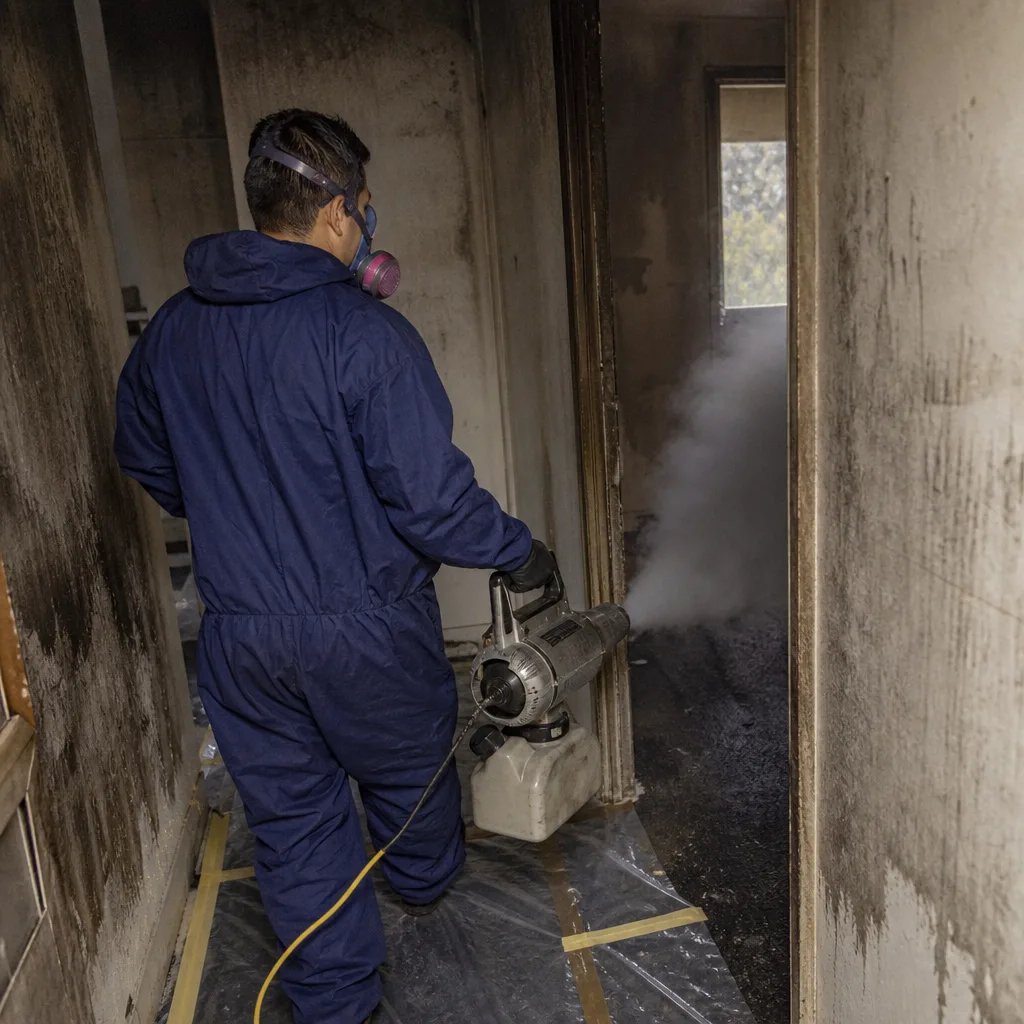
- Co-op board authorization delays. Crews who call the unit owner first often lose 48 hours waiting for building management to approve common-area access. We make the managing agent our first call, every time.
- Facade infiltration misdiagnosed as plumbing failure. Spalling brick from decades of Queens freeze-thaw cycles lets wind-driven rain into wall cavities. The stain looks like a pipe leak, but the source is exterior. We verify with thermal imaging before writing the scope.
- Landmarks-designated materials rejected mid-job. Jackson Heights Historic District interiors require period-matching masonry, moldings, and window surrounds. Using standard replacement materials triggers LPC review and scope rejection. We identify Landmarks status before ordering materials.
- Galvanized pipe corrosion in shared plumbing chases. Pre-war cooperatives throughout Jackson Heights still run original galvanized supply lines inside walls shared by multiple units. One concealed weep can damage four or five vertically stacked apartments before anyone calls it in.
Pricing for Water Damage Restoration in Jackson Heights, NY
Water damage restoration in Jackson Heights typically runs higher than comparable work in Maspeth or Middle Village due to cooperative access complexity, Landmarks material requirements, and the multi-unit documentation that adjusters demand. Here’s what we see in this market:
| Service | Typical Range in Jackson Heights |
|---|---|
| Emergency water extraction (single unit, co-op) | $850 - $1,600 |
| Structural drying & dehumidification (3-5 day protocol) | $1,800 - $3,400 |
| Flood cleanup with source identification | $1,200 - $2,800 |
| Burst pipe restoration (multi-unit coordination) | $2,400 - $5,200 |
| Basement water removal (where accessible) | $1,100 - $2,200 |
| Ceiling & roof leak water damage (interior dry-out only) | $950 - $2,100 |
These ranges reflect actual Jackson Heights jobs we’ve scoped. Final pricing depends on affected square footage, material classification (plaster/lath versus drywall, hardwood versus subfloor), and whether Landmarks-matching materials are required. Haven Standard, Clause 1: your written price is delivered before anyone starts work, with no scope-creep additions once the crew is inside. Bring a competitor’s written estimate and we’ll review it at no charge - our Free Second Opinion policy.
Call (516) 240-9735 for your written estimate. Estimates are free.
We Also Serve Cities Near Jackson Heights
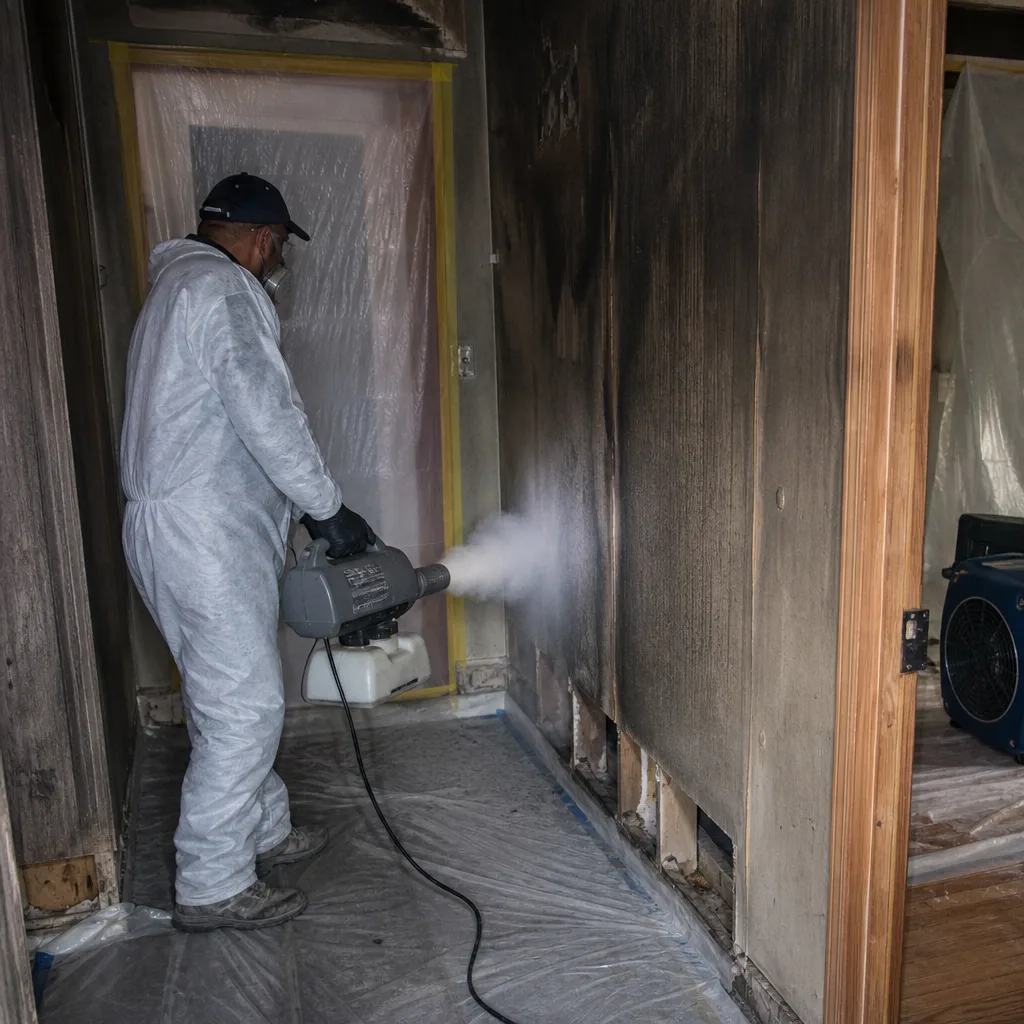
Our crews work throughout western Queens, including Jackson Heights and neighboring Elmhurst, Rego Park, Middle Village, and Forest Hills. Each market has distinct building stock and insurance protocols - co-op density in Jackson Heights, single-family homes in Middle Village, mid-century high-rises in Forest Hills - and we scope accordingly.
Serving Jackson Heights, NY - Our Local Coverage Area
We’re based in the Jackson Heights area and know this community well. Use the map below to see our service coverage - if you’re nearby, we can almost certainly help.
FAQs - Water Damage Restoration in Jackson Heights
Call the building managing agent first. Only the managing agent can access riser shutoffs, boiler rooms, and common-area drying points in Jackson Heights cooperatives, and crews who start with the unit owner typically lose 48 hours waiting for board authorization. We coordinate directly with your managing agent before dispatch, then document all access requests for your claim file. Call (516) 240-9735 and we’ll walk you through the exact questions to ask your building management.
It could be either, and we’ve seen both misdiagnosed in Jackson Heights. Queens’s freeze-thaw cycles degrade mortar in pre-war brick facades, creating spalling that lets wind-driven rain infiltrate wall cavities; interior stains from this path are often mistaken for plumbing failures. We use thermal imaging and moisture meters to distinguish between active pipe leaks and facade-driven infiltration before writing any scope. The difference matters for your claim - exterior envelope failure may trigger a maintenance exclusion that a plumbing failure does not. Call (516) 240-9735 for source identification.
Mold colonization begins in 48 to 72 hours on organic materials like plaster, wallpaper adhesive, and residual dust in wall cavities - the exact materials found in Jackson Heights’s pre-war construction. Dense plaster and lath dry slower than modern drywall, extending the window of risk. Our structural drying protocols target below 16% moisture content in wood framing and 12% in plaster within 72 hours, with daily logs proving we hit those numbers. Call (516) 240-9735 for emergency extraction if you’re inside that window.
Send them our written scope, which includes equipment placement plans, electrical load calculations, and proof of general liability and workers compensation coverage. We also provide a letter identifying our IICRC-certified technicians by name and license number, plus our certificate of insurance naming the co-op corporation as additional insured upon request. Haven Standard, Clause 1 means the scope includes your written price before work begins, so the board sees total cost alongside equipment specs. Call (516) 240-9735 and we’ll prepare board package documentation within two hours.
Yes. Category 1 clean water from a supply line can often save plaster, hardwood, and custom millwork in Jackson Heights’s pre-war interiors. Category 2 gray water or Category 3 black water - common when leaks originate in shared waste stacks or when facade infiltration carries exterior contaminants - typically requires removal of porous materials and more extensive documentation for health and safety compliance. Our moisture readings and material classifications determine salvageability, and we photograph every decision for your adjuster. Call (516) 240-9735 for category assessment and a written salvage plan.
Written by Alicia Brennan, Owner at Back to Dry Restoration, serving Jackson Heights since 2011.