
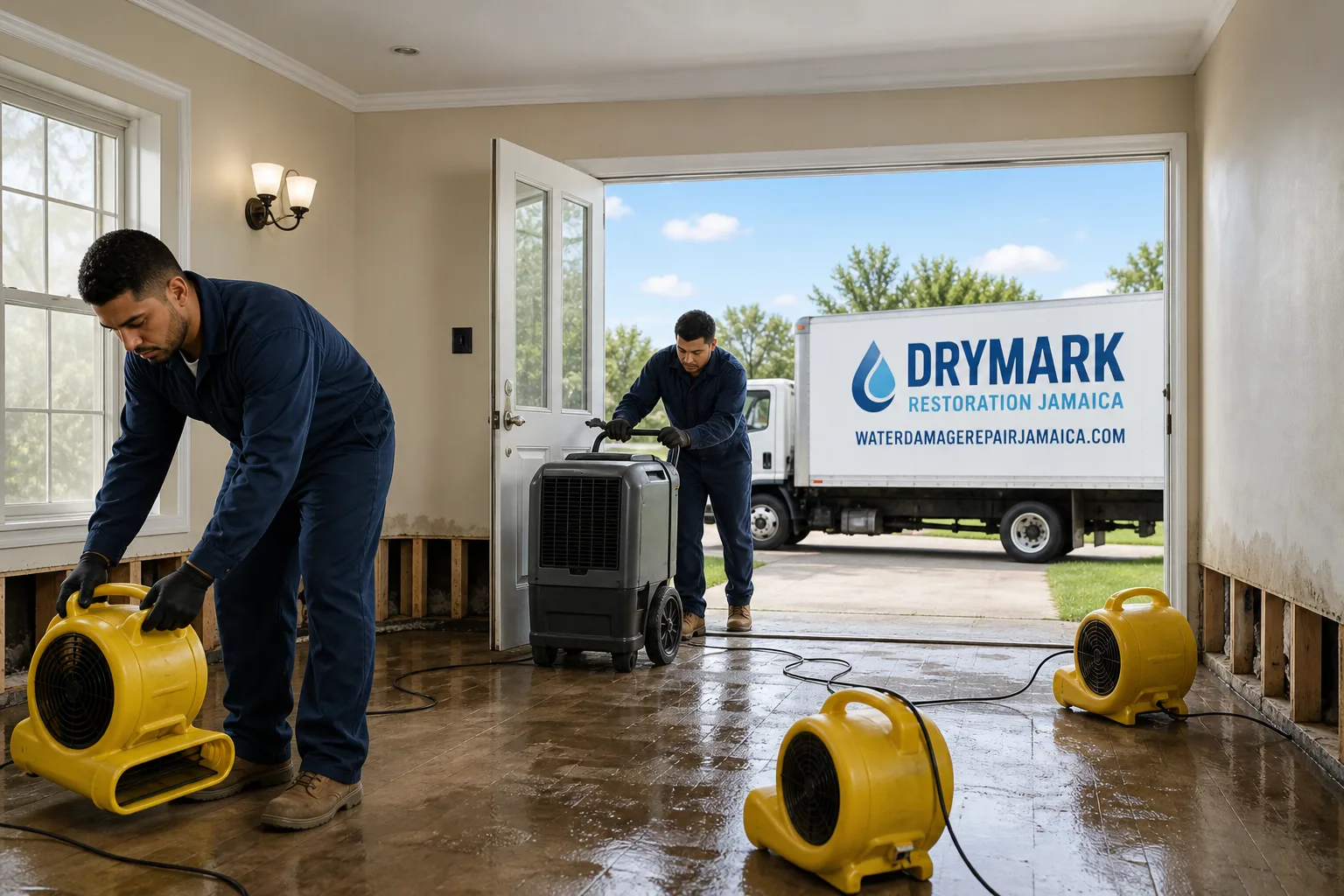
Free visual inspection and a written scope of work before any mitigation begins - photos, moisture readings, and drying logs go in your claim file
The scope we write is the scope we bill. Anything new gets shown to you, in writing, before we touch it.
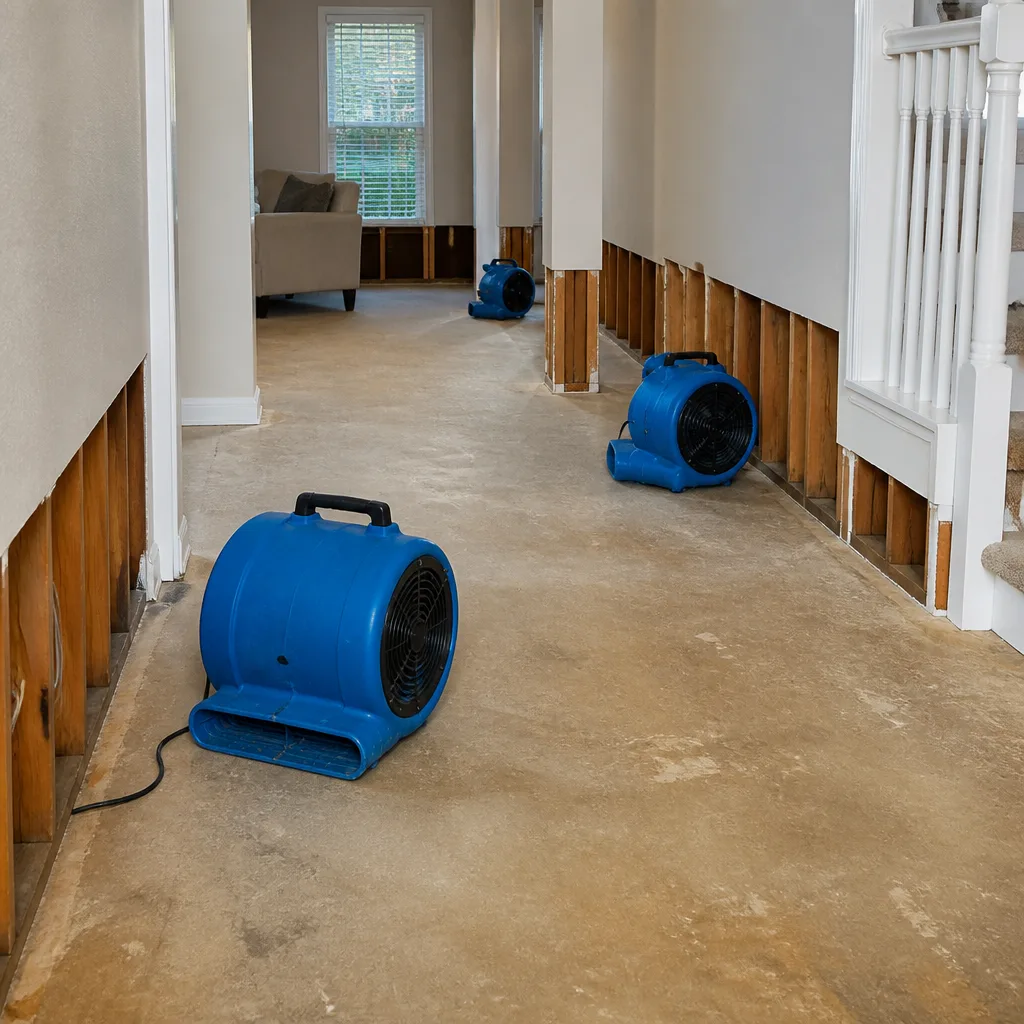
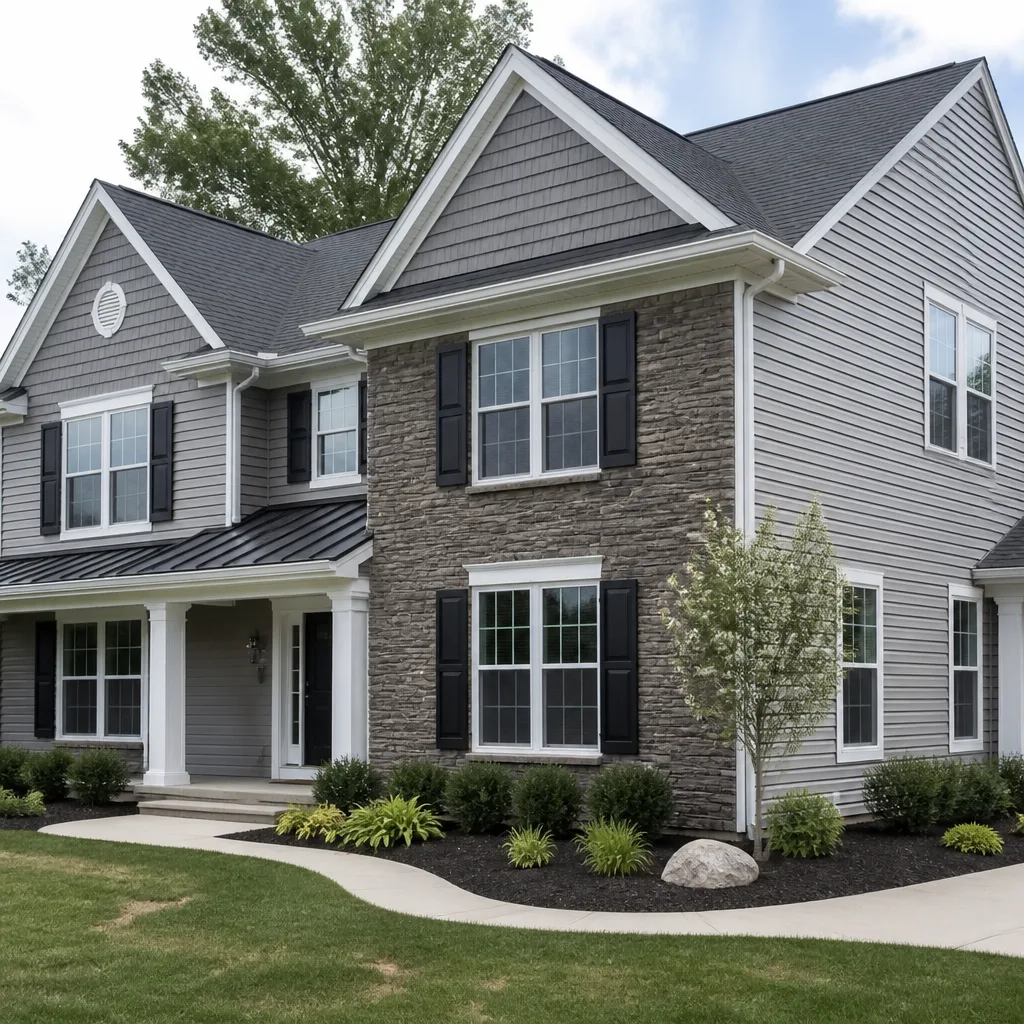
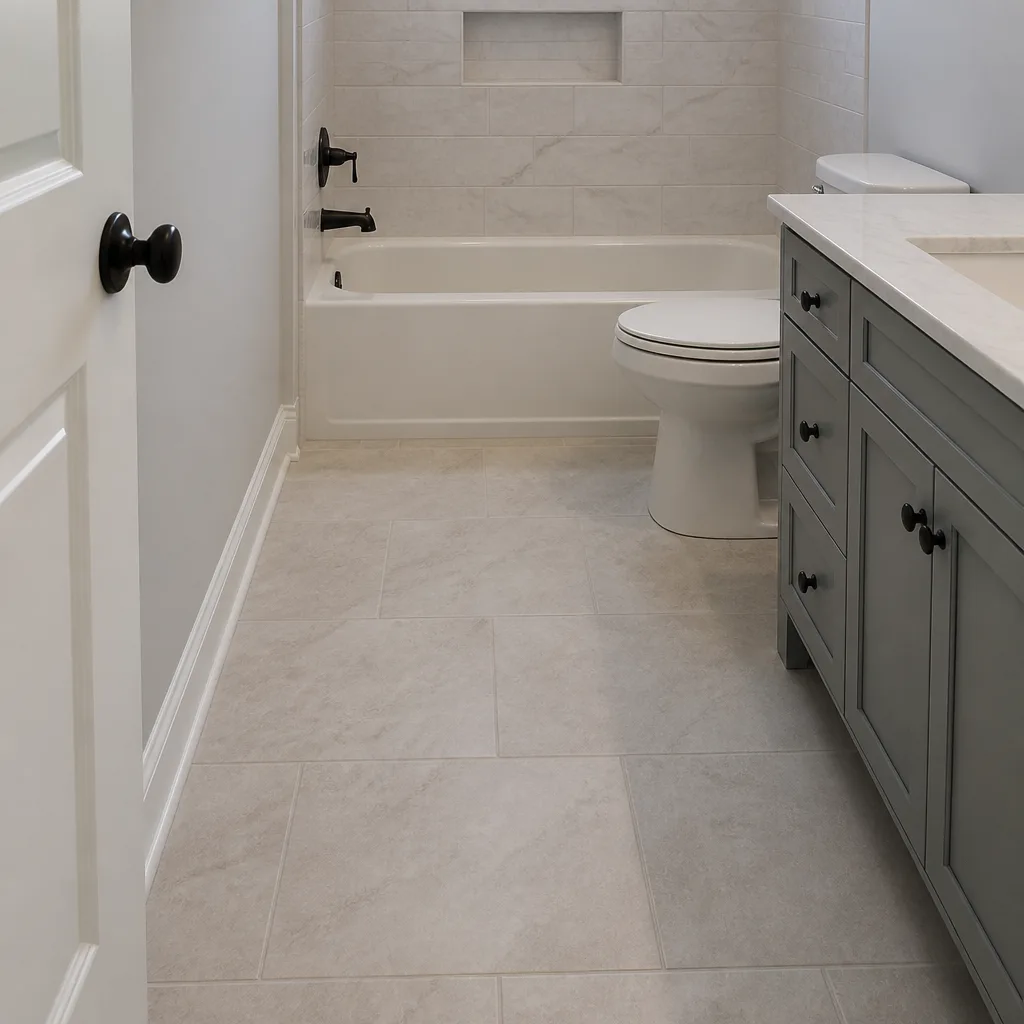
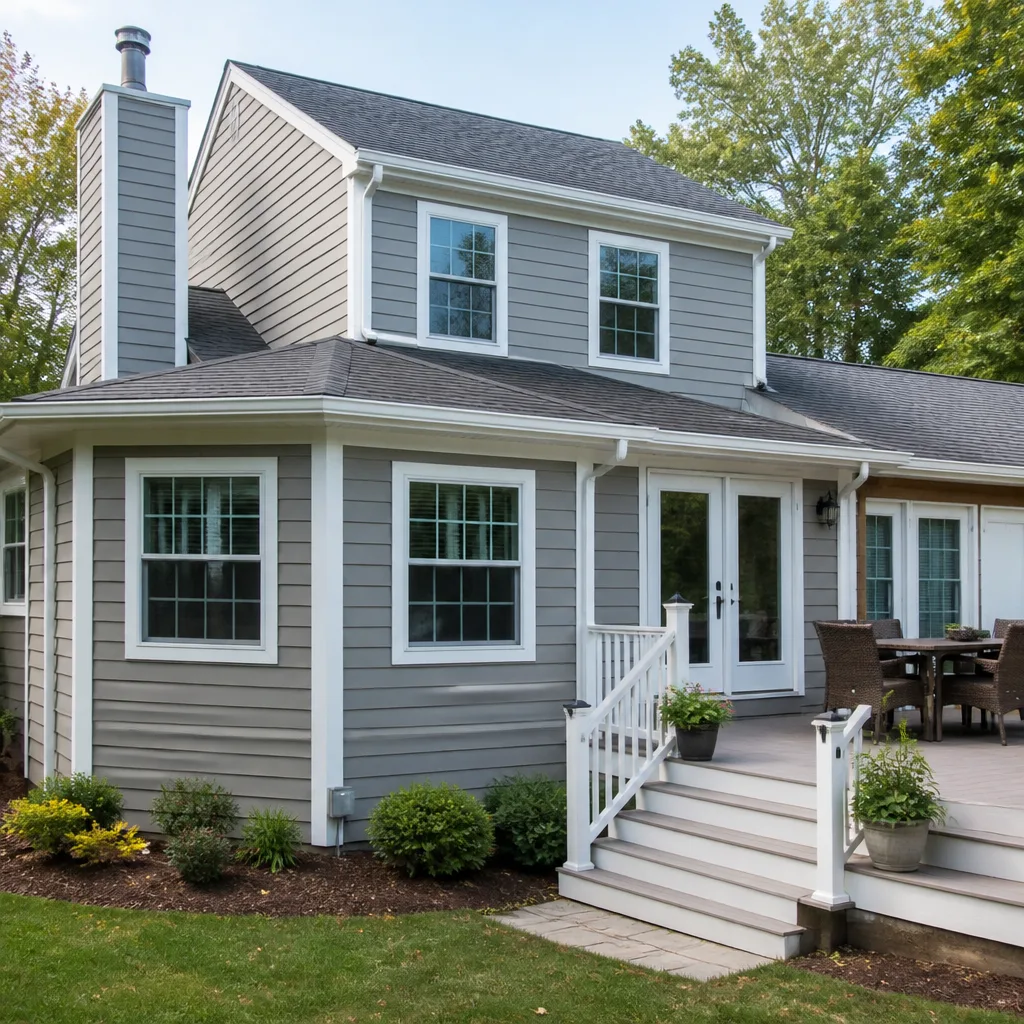
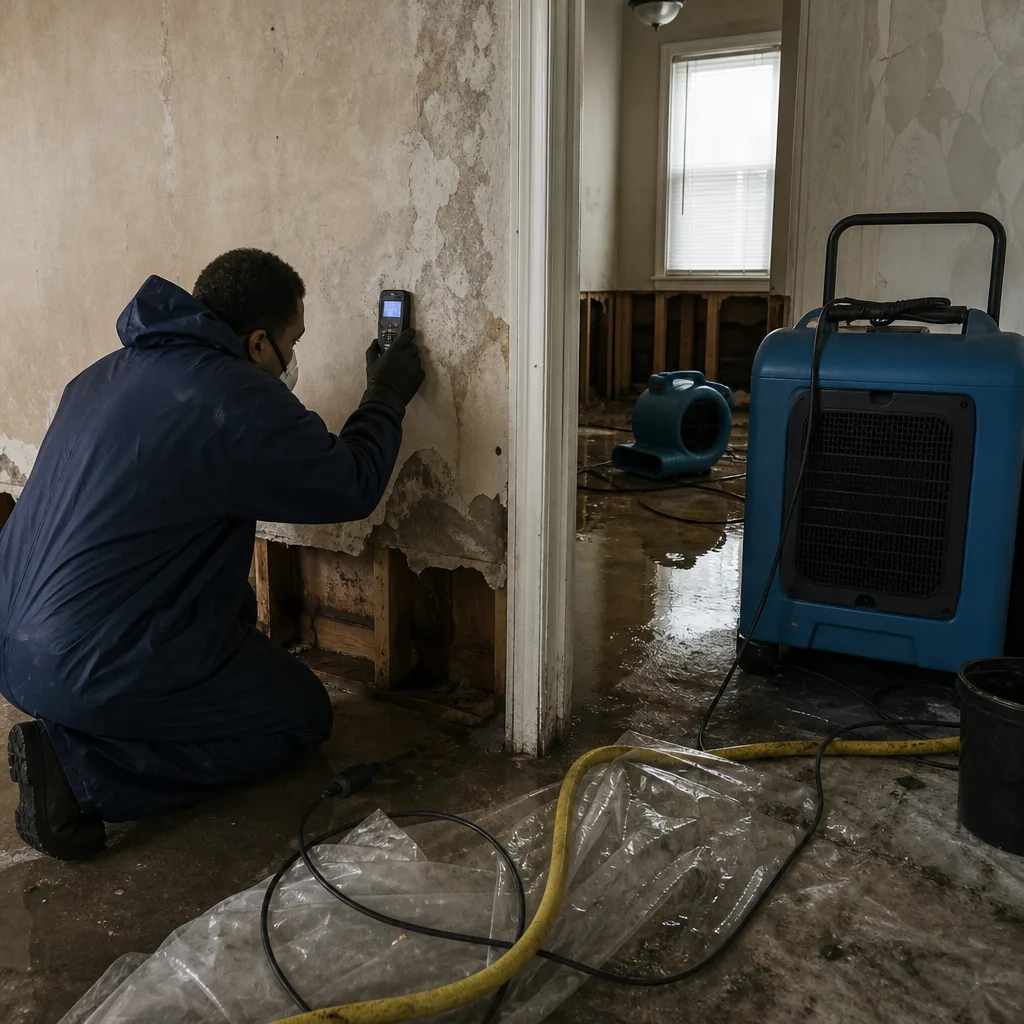 Before
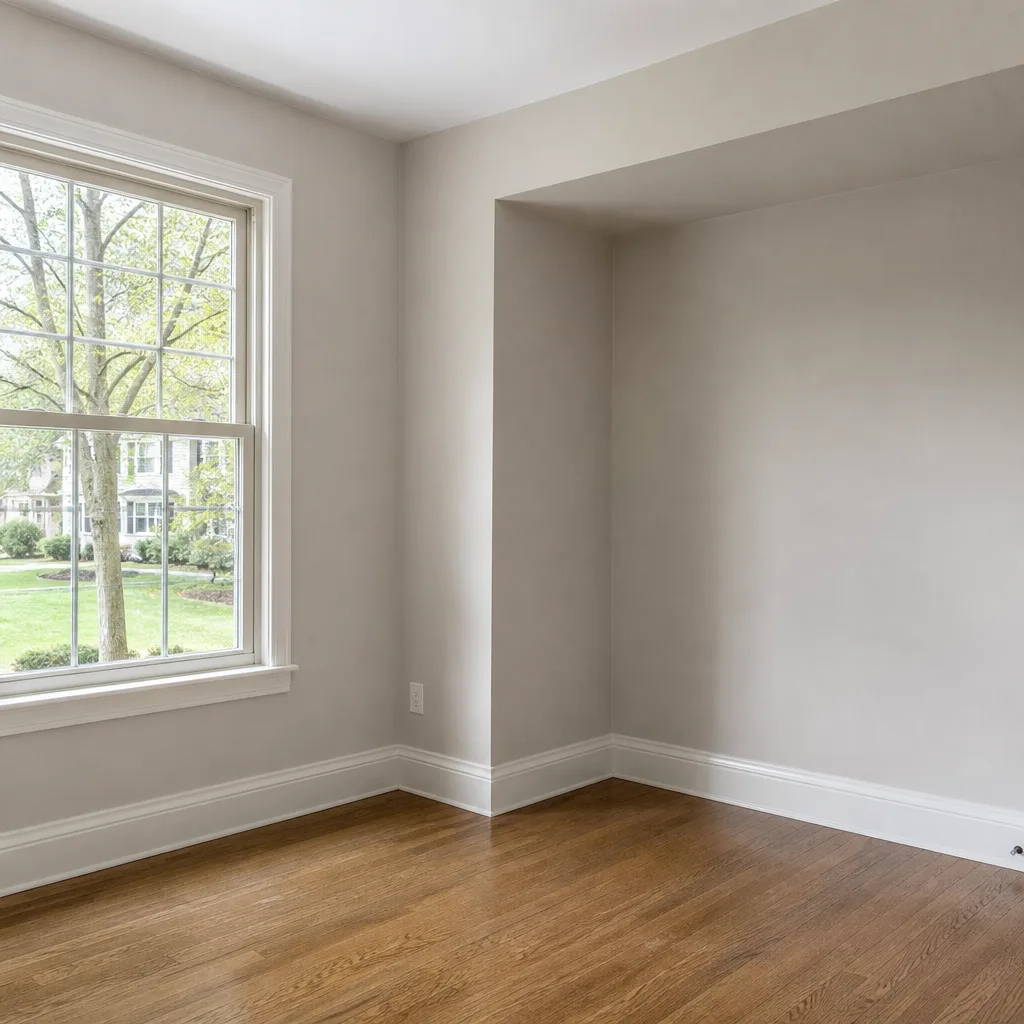
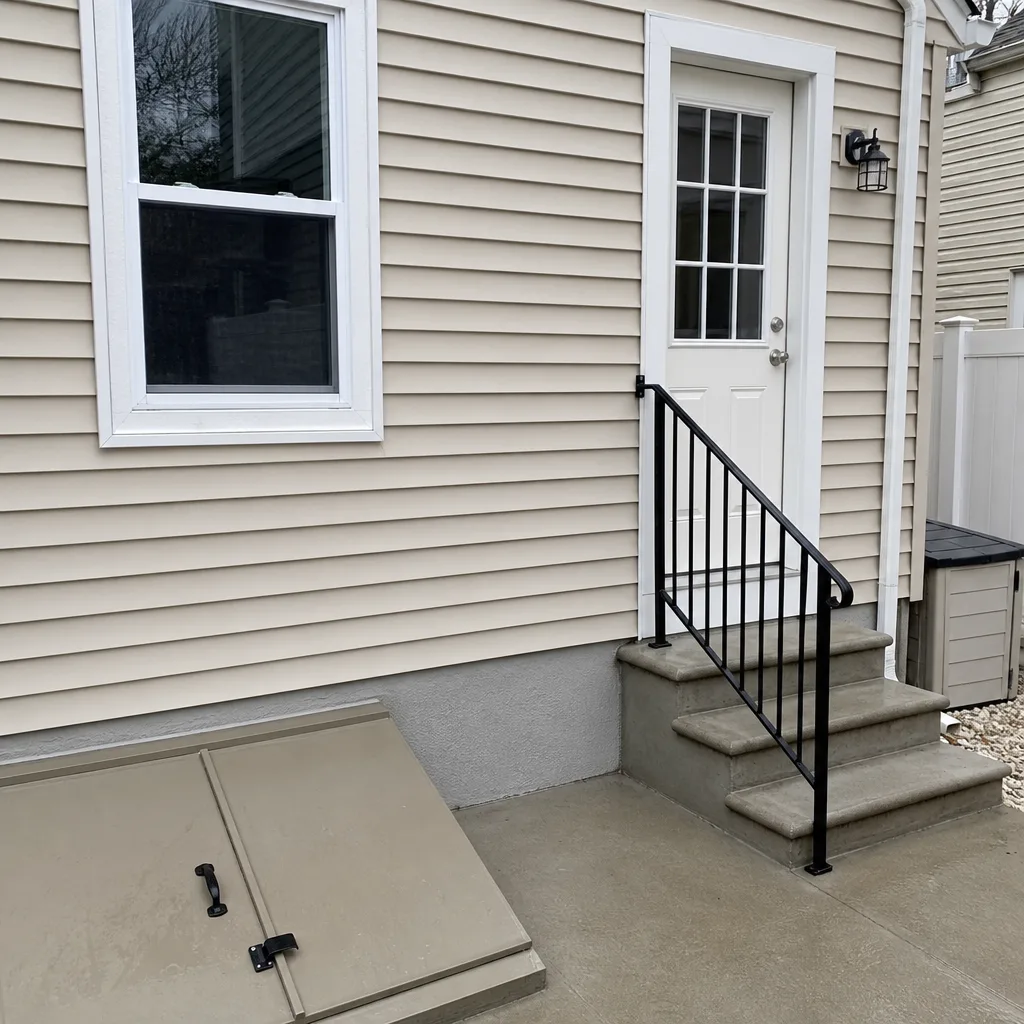 After
After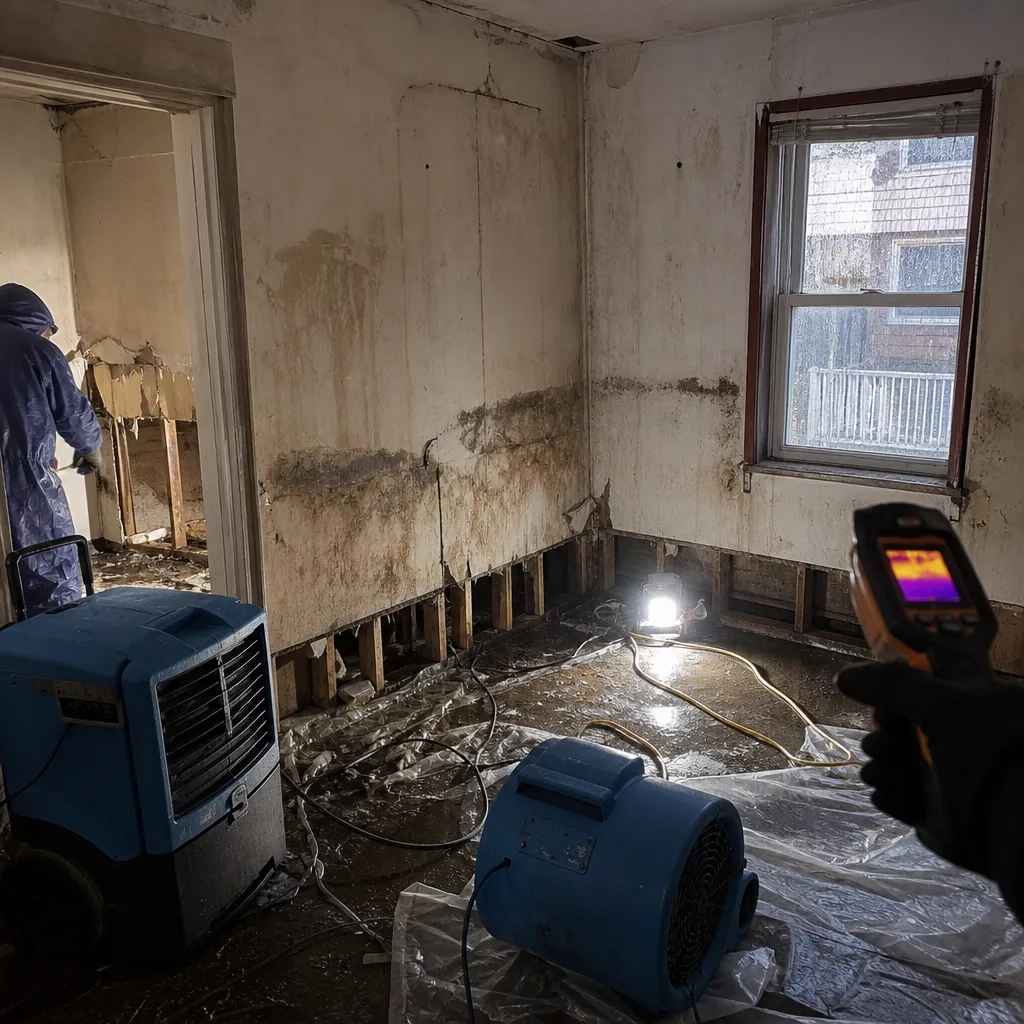 Before
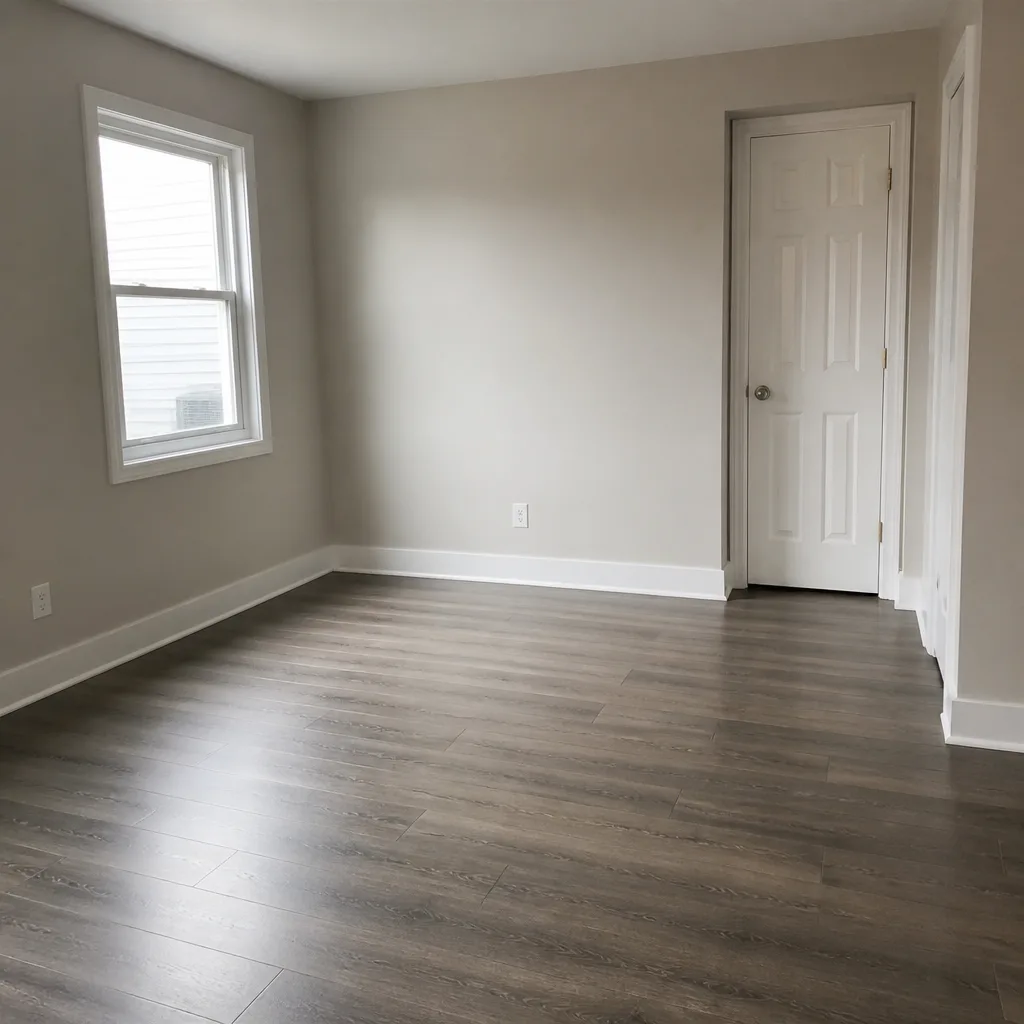 After
After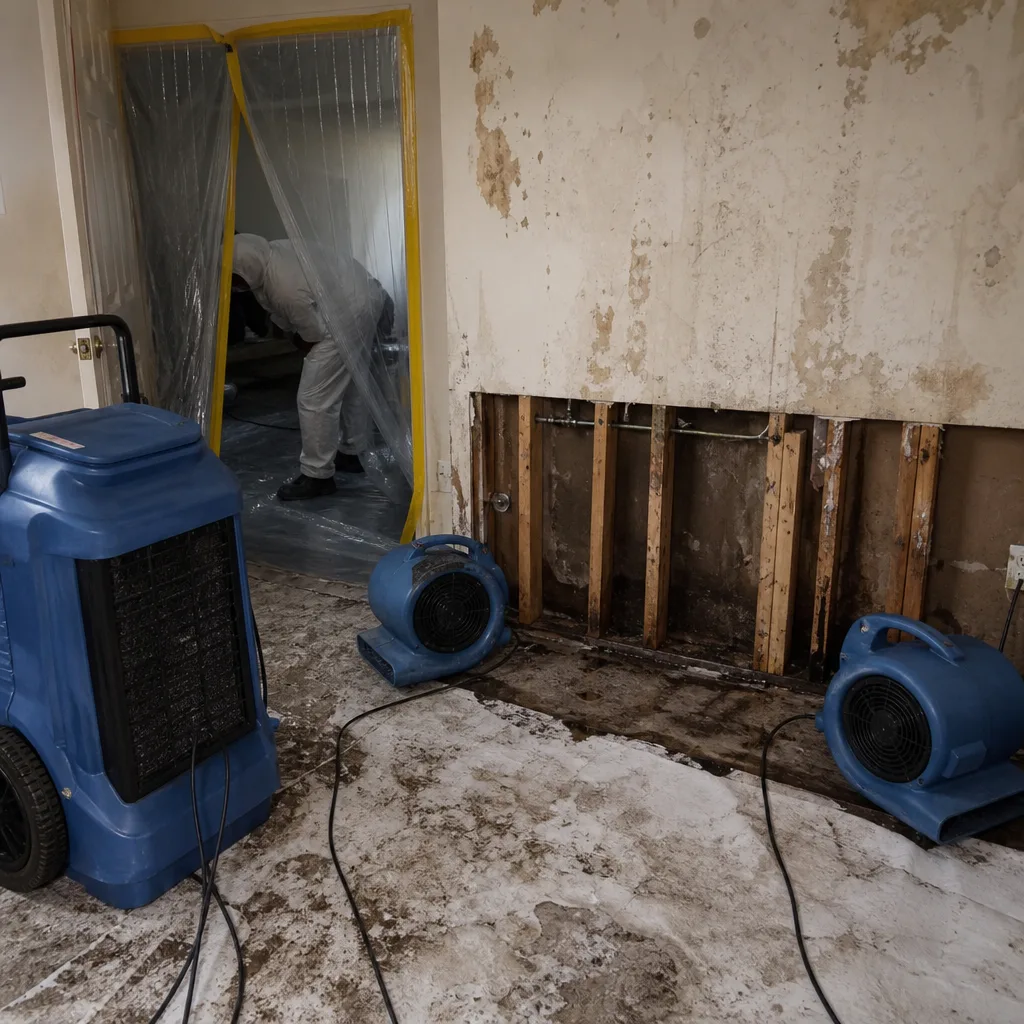 Before
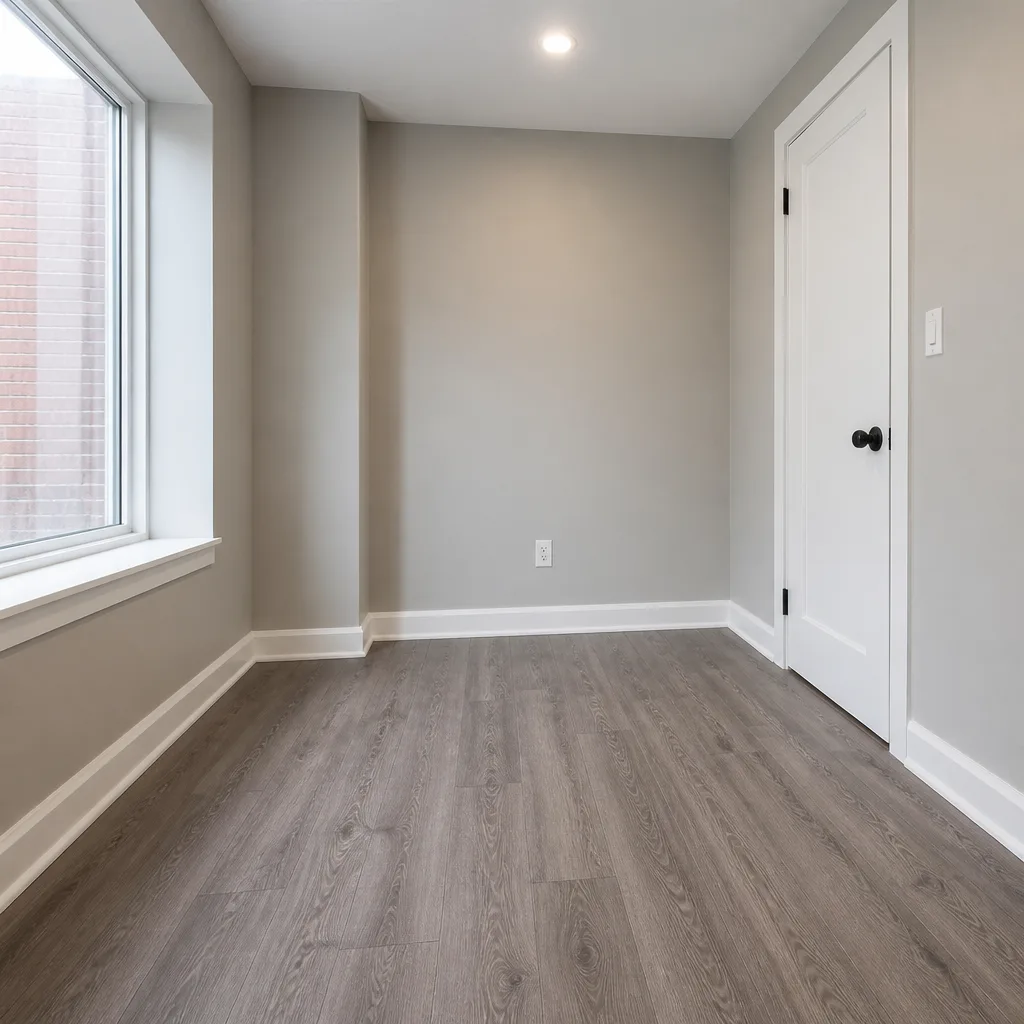 After
AfterFast, Reliable Water Damage Restoration Across Jamaica
Water damage restoration in Jamaica, NY typically costs $2,800-$7,500 for a standard basement flood with extraction and drying, and our crews are usually on site within 60-90 minutes of your call. We’re the Water Damage Restoration team that knows why Jamaica basement floods are different from water damage anywhere else in Queens.
Our New York City office dispatches crews directly to Jamaica around the clock. We serve the full neighborhood grid from Hillside Avenue down to Linden Boulevard, the residential blocks around Jamaica Avenue, and the South Jamaica blocks near Baisley Boulevard. Every job starts with a written price before anyone touches your property, documented to Haven Standard, Clause 1. Call (516) 240-9735 and a live person answers, 24 hours a day, 7 days a week. No voicemail trees while water is still moving.
Why DryMark Restoration Jamaica Is Jamaica’s Preferred Water Damage Restoration Company
We’ve restored water-damaged homes in Jamaica since 2011, and our reputation here is built on documentation that survives adjuster review. Alicia Brennan founded Back to Dry Restoration after working as a claims adjuster and watching homeowners lose legitimate payouts because crews couldn’t produce drying logs or photo records. That gap is what we close on every Jamaica job.
Our Jamaica customers leave reviews mentioning the written scope they received before work started, the daily moisture readings they could forward to their insurers, and the photo documentation that settled coverage disputes without argument. We’ve restored over 12,000 homes since 2011, every one with a written price before work began and a documented record when the crew left.
Response time to Jamaica averages under 90 minutes because our crews stage from the New York City metro office with Dri-Eaz, Phoenix, and Injectidry equipment already loaded. We don’t send out-of-area contractors who need a map to find the Van Wyck Expressway or who’ve never seen a combined-sewer backup before.
The local knowledge that matters most: Jamaica’s low-lying drainage basin next to Jamaica Bay, its 1920s-1950s brick row houses with shared party walls, and its post-Sandy flood zone remapping. A crew that doesn’t understand these three conditions will scope your job wrong, miss adjacent-unit damage, and produce documentation that your insurer rejects.
Our Water Damage Restoration Services in Jamaica
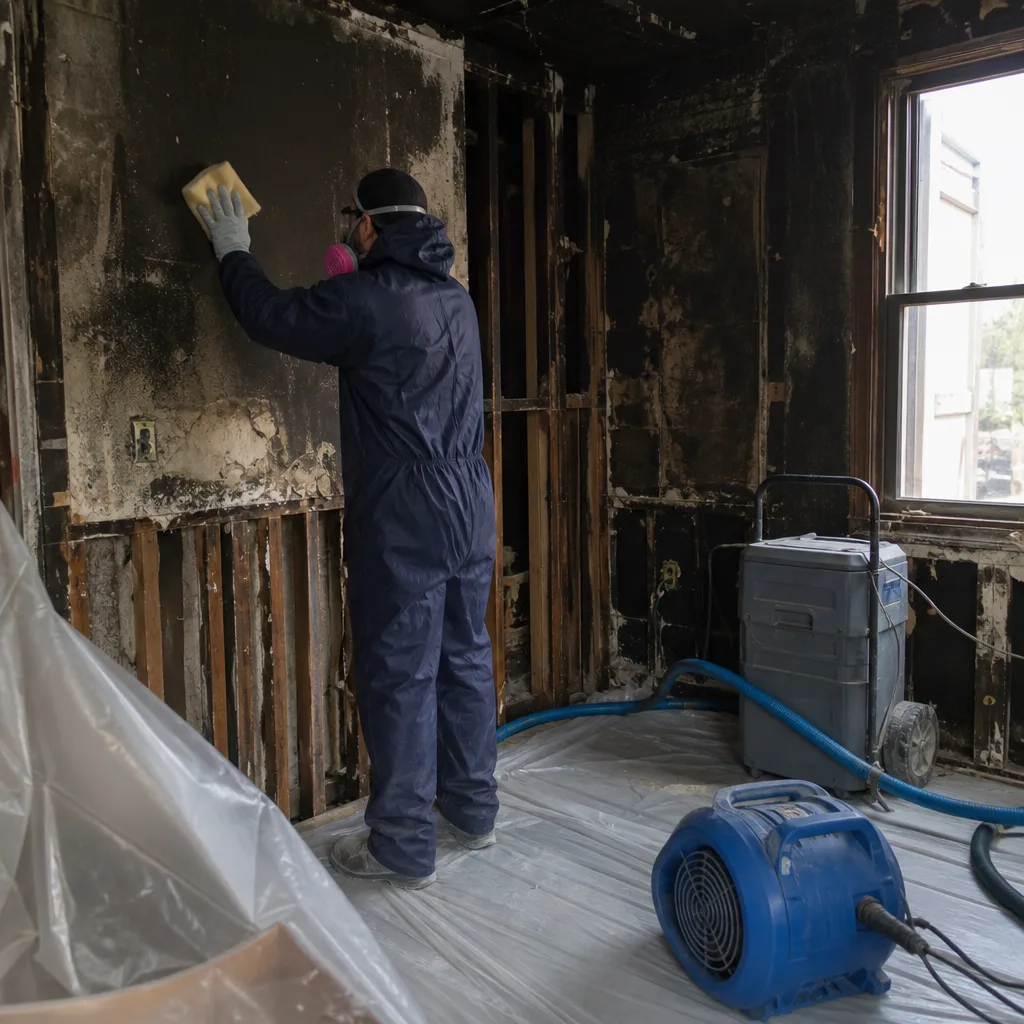
Emergency Water Extraction
When a Jamaica basement backs up, the first 4-6 hours determine whether your contents are salvageable and whether mold establishes in wall cavities. We arrive with truck-mounted extraction units and portable XPOWER and B-Air submersibles sized for the tight access points common in Jamaica’s older row houses. On a recent South Jamaica call near 160th Street, we extracted 18 inches of blackwater from a basement utility room, set containment, and had antimicrobial treatment applied before the homeowner’s adjuster arrived the next morning.
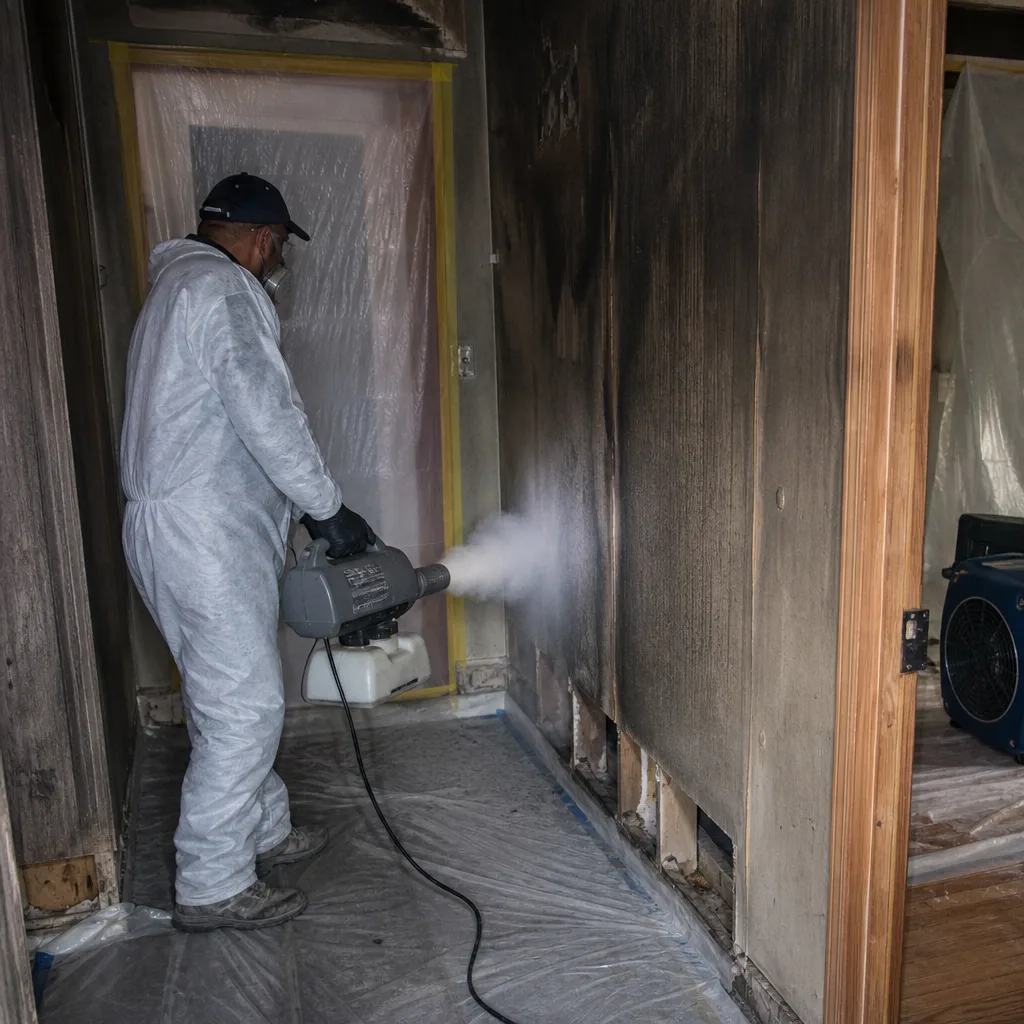
Structural Drying & Dehumidification
Jamaica’s attached and semi-detached brick construction creates drying challenges that detached suburban homes don’t face. Shared masonry party walls wick moisture laterally, and plaster-on-lath assemblies common in pre-1950s Jamaica housing hold water differently than modern drywall. We deploy Dri-Eaz and Phoenix LGR dehumidifiers with calculated air changes per room, and we document psychrometric data - temperature, relative humidity, and vapor pressure differential - in daily drying logs that satisfy IICRC standards and adjuster review. Vapor pressure differential is simply the force that drives moisture from wet materials into the air; we measure it to prove the drying is actually progressing, not just running equipment.
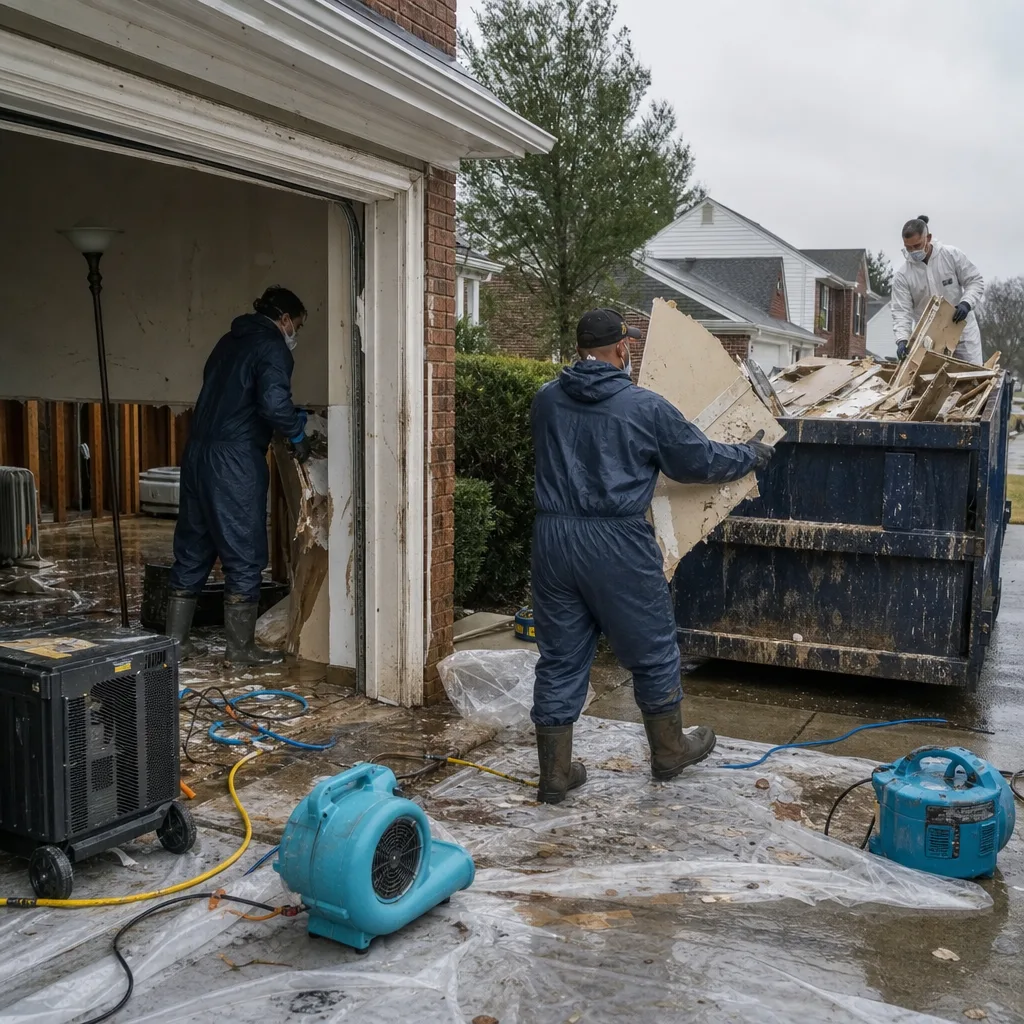
Flood Cleanup
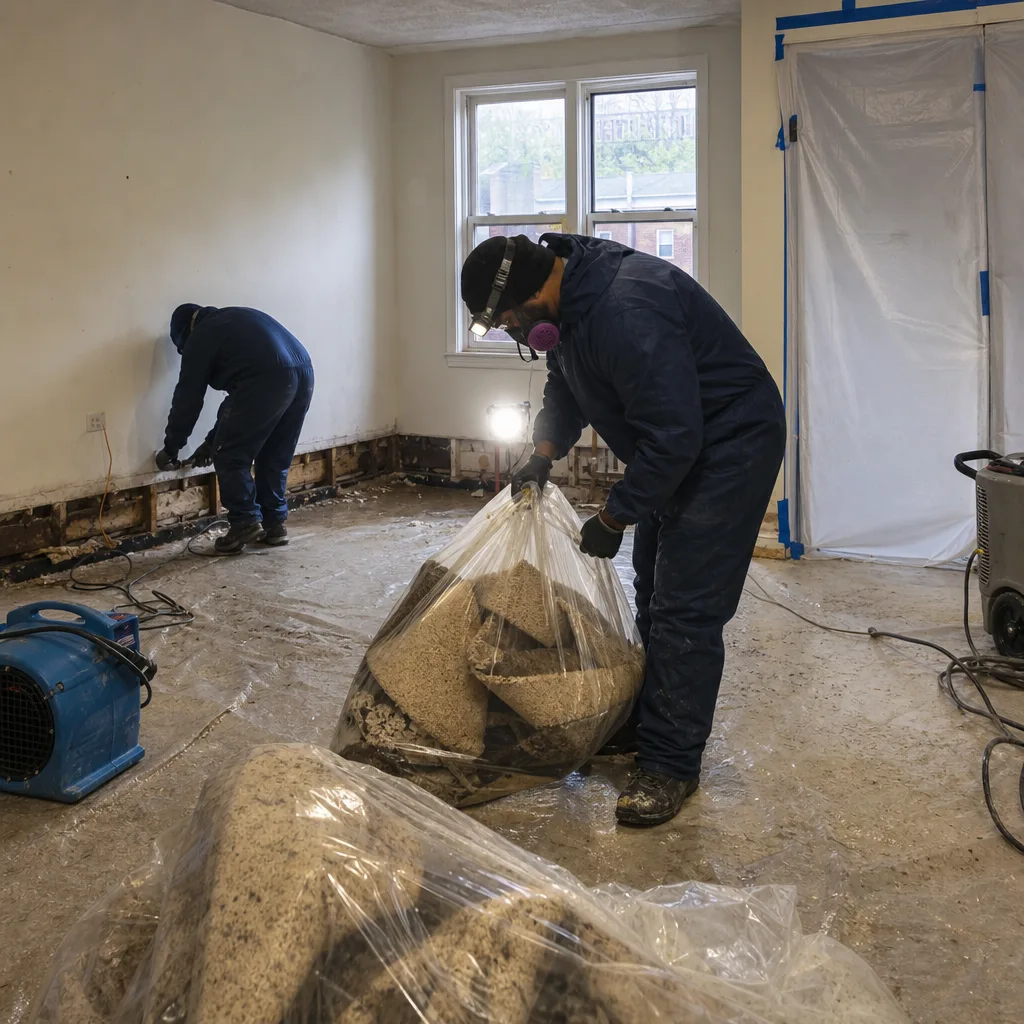
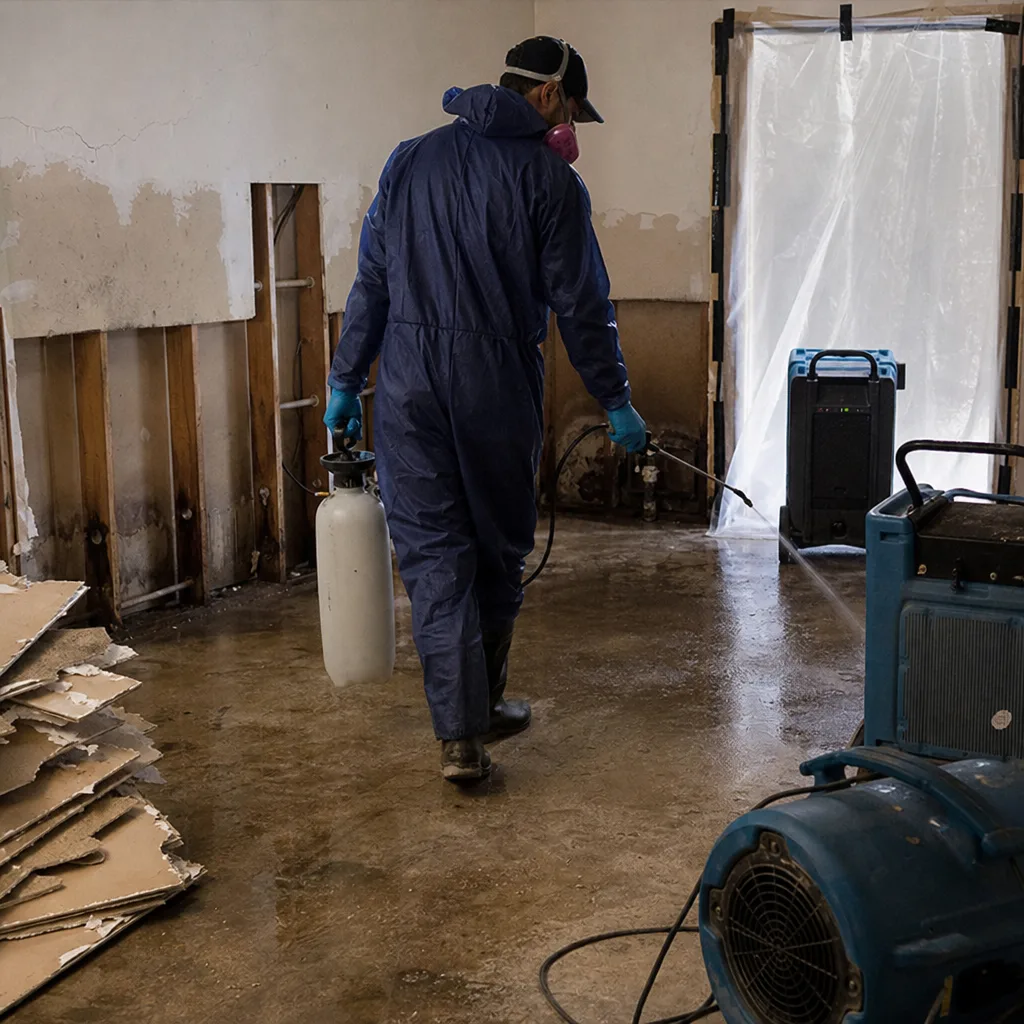
Flood cleanup in Jamaica is rarely clean water. NYC’s combined storm-and-sanitary sewer system, built in an era before Jamaica’s current population density, routinely pushes raw sewage back through basement floor drains during heavy rain. This makes most Jamaica basement floods Category 3 blackwater under IICRC standards, requiring full biohazard remediation: removal of porous materials, antimicrobial treatment of non-porous surfaces, and HEPA air scrubbing. Crews that treat this as Category 1 or 2 and try to dry carpet or drywall in place are creating a health hazard and a claim that will be denied. We scope every Jamaica flood for sewage contamination first, document the classification with photos, and build the remediation plan from there.
Burst Pipe Restoration
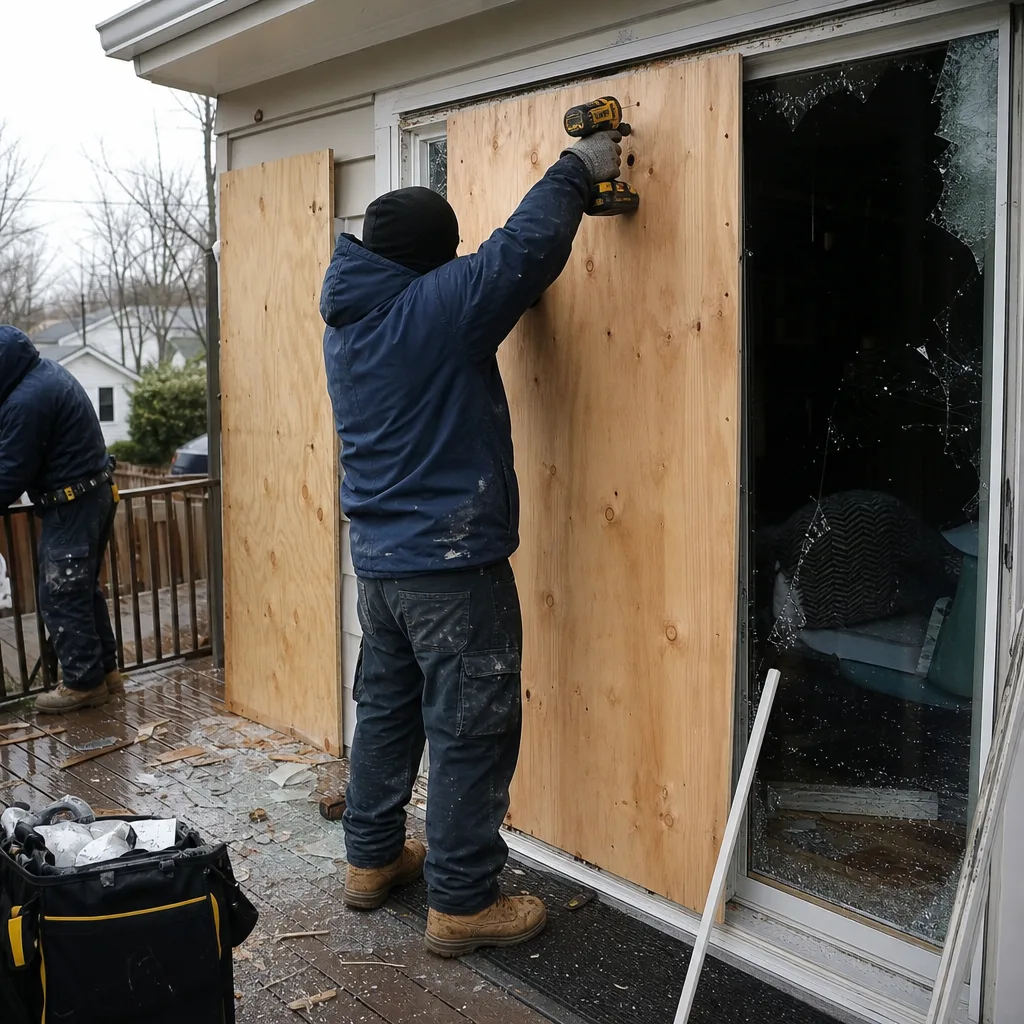
Jamaica’s aging copper and galvanized distribution lines, many original to 1920s-1950s construction, fail at fittings and at the point where municipal supply enters the foundation. Winter freeze events on exposed lines in Jamaica’s below-grade utility areas compound the problem. We extract standing water, map the moisture migration with thermal imaging, and deliver a written scope that separates water damage restoration from plumbing repair so your adjuster can parse coverage correctly. If the burst occurred in a shared wall of a semi-detached or attached row house, we inspect adjacent units for lateral migration - a step that out-of-area crews routinely skip.
Basement Water Removal
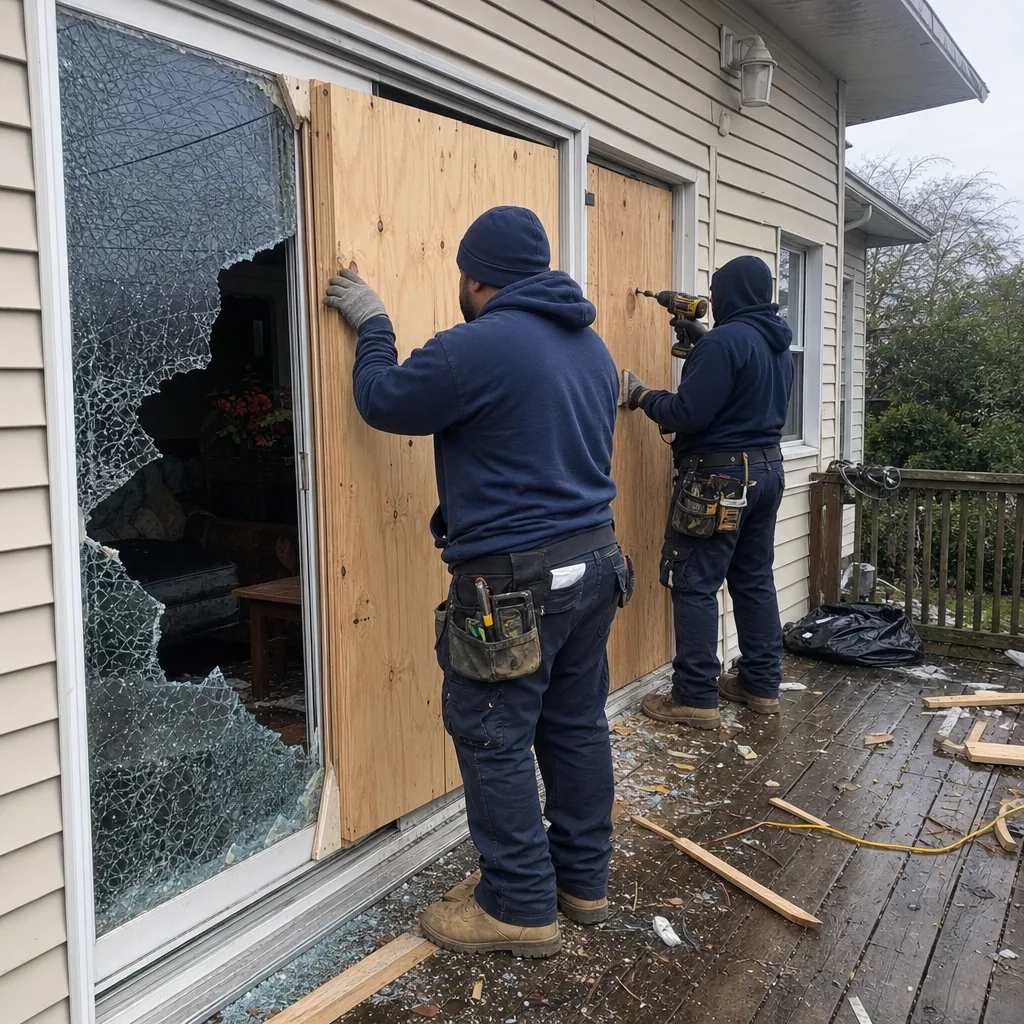
Basement water removal is the service we perform most often in Jamaica, and it’s the one where local expertise matters most. South Jamaica’s 1930s-era homes have original poured-concrete basement slabs that absorb sewage-backup water rather than pooling it on the surface. A surface moisture meter reads dry while the slab interior remains Category 3 contaminated. We core the slab - extract a small cylindrical sample - to test the interior moisture content and contamination level. This single step prevents the two-week mold bloom that destroys restoration jobs and insurance claims alike. On a 1940s brick row house block in South Jamaica, after a heavy rain event our tech found sewage had backed up through the floor drain and wicked into the original poured-concrete slab - a surface moisture reading looked dry, so we cored the slab and confirmed Category 3 contamination. We set containment, ran antimicrobial treatment, extracted with Dri-Eaz and Phoenix units, packed out salvageable contents, and used Injectidry to dry the slab edges - then documented drying logs for both this unit and the two attached neighbors, since the party-wall construction let water migrate laterally into their basements too.
Ceiling & Roof Leak Water Damage
Flat-roof sections common on Jamaica’s row house additions and porch roofs pond water and leak at parapet walls and drains. We trace the water path through ceiling assemblies, document the affected square footage and material classification, and scope drying or removal based on what we find, not a predetermined package. Plaster ceilings in pre-war Jamaica homes can often be dried in place with Injectidry mat systems; newer drywall assemblies may require controlled demolition. The written scope specifies which approach and why.
What happens when you call
- 1
A real person answersNo phone trees - you reach a local pro.
- 2
You get an upfront price rangeHonest numbers before anyone is dispatched.
- 3
A background-checked tech heads outLicensed & insured, dispatched right away.
- 4
You approve before work beginsNothing starts until you say go.
BeforeAfterTrusted Brands We Service in Jamaica
Our Jamaica crews deploy professional-grade drying systems from Dri-Eaz, Phoenix, and XPOWER - equipment we stock locally for same-day deployment, not rental units trucked in from a depot. Dri-Eaz Revolution LGR dehumidifiers and Phoenix 200 MAX units handle the high moisture loads of Jamaica’s blackwater extractions. XPOWER air movers fit the narrow basement staircases and tight utility rooms common in Jamaica’s row house stock. We maintain this inventory specifically for the Queens market, which means no waiting for equipment delivery while your structure continues to absorb water.
Common Water Damage Restoration Problems We See in Jamaica Homes
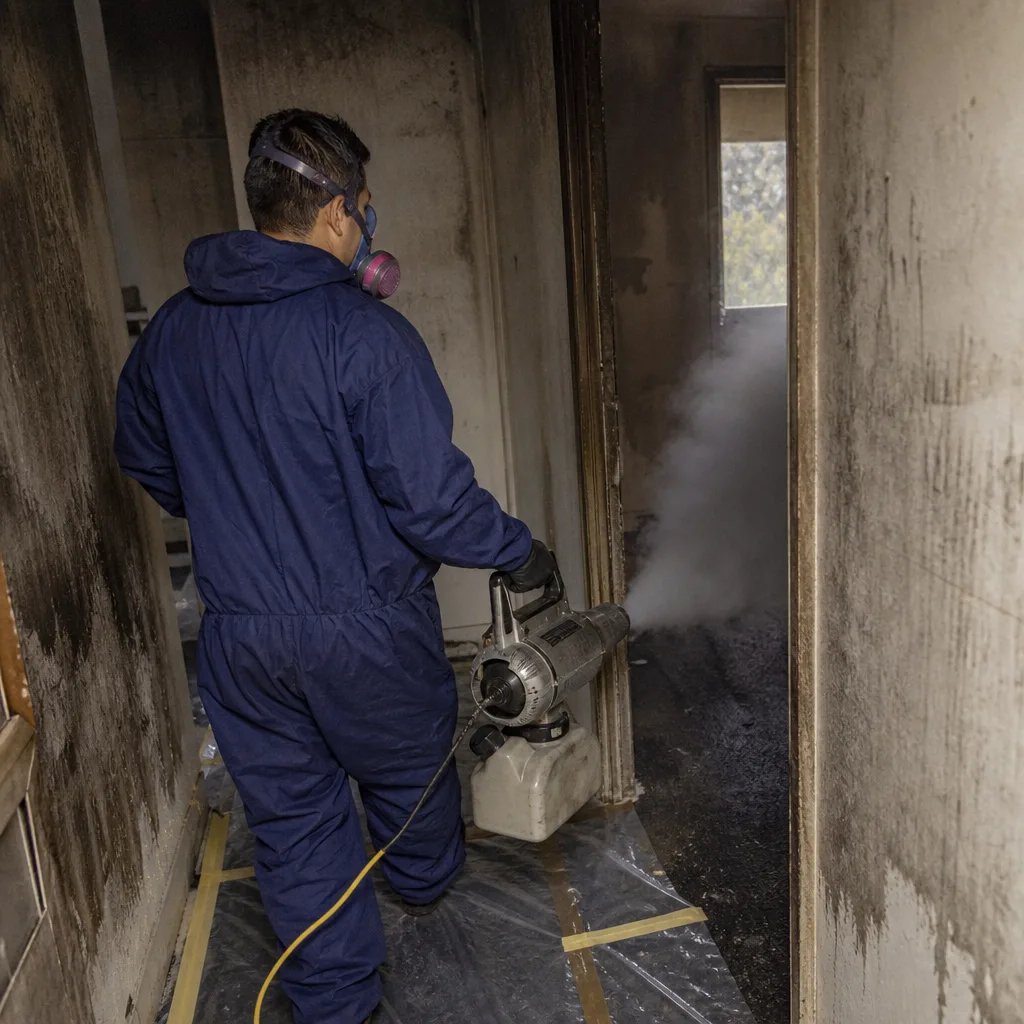
- Combined-sewer backflow masquerading as clean water. Out-of-area crews probe the surface of a Jamaica basement, see clear water, and classify the job as Category 1. NYC’s combined sewers mean that “clear” water has likely carried raw sewage. We test and document contamination before any drying begins.
- Surface-dry slabs hiding Category 3 contamination. In South Jamaica’s 1930s homes, sewage-backup water wicks upward through original poured-concrete basement slabs rather than pooling on top. Crews that probe only the surface pass a moisture meter reading and miss a contaminated slab that will mold out within two weeks. We core the slab to test interior moisture and contamination.
- Single-unit scoping on multi-unit buildings. Jamaica’s semi-detached and attached brick row houses share party walls that transmit water laterally. A scope that stops at your property line misses damage to adjacent units and creates liability exposure. We inspect and document neighboring conditions on every shared-wall job.
- Post-Sandy flood zone non-compliance. FEMA remapping placed portions of Jamaica and South Jamaica in Zone AE flood hazard areas. Rebuild work must account for freeboard elevation requirements and flood-vent specifications that don’t apply to higher-ground neighborhoods. We scope rebuilds to these standards so your restoration passes inspection and your insurer releases rebuild funds.
Pricing for Water Damage Restoration in Jamaica, NY
Water damage restoration pricing in Jamaica runs $2,800-$7,500 for typical residential basement floods requiring extraction, drying, and limited material removal. Category 3 blackwater remediation with full biohazard protocols, slab coring, and antimicrobial treatment ranges $5,500-$12,000 depending on square footage and whether adjacent units are affected. Structural drying and dehumidification alone, where no contaminated materials require removal, typically falls at $1,800-$3,200 for a standard Jamaica basement.
What moves the price: the contamination category (clean water vs. sewage), whether the slab requires coring and testing, the number of affected rooms, whether party-wall migration requires multi-unit documentation, and whether post-Sandy flood zone rebuild standards apply. Every job receives a written price before work begins, Haven Standard, Clause 1. We also offer a Free Second Opinion on any competitor’s written estimate - bring their scope and we’ll review it at no charge. Call (516) 240-9735 for a written estimate; estimates are free.
We Also Serve Cities Near Jamaica
Our crews respond throughout central and southern Queens from the same New York City staging point. We regularly perform Water Damage Restoration in Jamaica and the surrounding communities of Howard Beach, Ozone Park, Middle Village, and Forest Hills. Each area has distinct housing stock and flood risk profiles, and we adjust our scoping and documentation accordingly.
Serving Jamaica, NY - Our Local Coverage Area
We’re based in the Jamaica area and know this community well. Use the map below to see our service coverage - if you’re nearby, we can almost certainly help.
FAQs - Water Damage Restoration in Jamaica
Because Jamaica sits in a low-lying drainage basin next to Jamaica Bay, and NYC’s aging combined storm-and-sanitary sewer infrastructure routinely pushes raw sewage back through basement floor drains during heavy rain. That backflow makes the water Category 3 blackwater under IICRC standards, which requires removal of porous materials, antimicrobial treatment, and HEPA air scrubbing rather than simple extraction and drying. Crews that treat it as clean water create health hazards and produce claims that insurers deny. Call (516) 240-9735 and we’ll classify your water category on arrival, documented with photos.
Because sewage-backup water wicks upward through original poured-concrete slabs rather than pooling on the surface. A surface moisture meter reads dry while the slab interior remains Category 3 contaminated and will mold out within two weeks. Coring extracts a small cylindrical sample to test interior moisture and contamination directly. It’s the only way to know whether the slab requires antimicrobial treatment or replacement. We document the core sample and test results in your photo record. Call (516) 240-9735 if you’ve had a recent backup and want the slab tested properly.
Yes. Jamaica’s semi-detached and attached brick row houses share masonry party walls with no moisture barrier. Water migrates laterally through these walls routinely, and we’ve documented cases where a single backup affected three adjacent units. Restoration scoping that stops at your property line misses this damage, leaves your neighbors with hidden moisture, and creates liability exposure. We inspect adjacent conditions on every shared-wall job and document findings for all affected property owners. Call (516) 240-9735 and we’ll assess the full migration pattern.
Within 4-6 hours for water extraction, and within 24-48 hours for full remediation scope to prevent mold establishment. After that window, mold colonization in Jamaica’s humid coastal climate becomes likely, especially behind plaster-on-lath assemblies where it isn’t visible. Speed matters most on Category 3 sewage backups, where bacterial contamination amplifies with time. Our crews average 60-90 minutes to Jamaica properties, 24 hours a day, 7 days a week. Call (516) 240-9735 for immediate dispatch.
Yes. FEMA remapping placed portions of Jamaica and South Jamaica in Zone AE flood hazard areas, which triggers freeboard elevation requirements and flood-vent specifications for rebuild work. Contractors who don’t account for these standards produce scopes that fail municipal inspection and delay insurance fund release. We build Zone AE compliance into every Jamaica rebuild estimate, documented with code references. This applies to finished basement restoration, electrical relocation, and any structural repair below the base flood elevation. Call (516) 240-9735 for a rebuild scope that passes inspection the first time.
Ready for a written estimate? Call (516) 240-9735 now. A live person answers every call, 24 hours a day, 7 days a week. We’ll dispatch a crew to your Jamaica property, assess the damage, and deliver a written price before any work begins - Haven Standard, Clause 1. Every job includes a documented photo record, daily drying logs, and our 365-Day Done Right Promise backed by The Haven Standard. Bring a competitor’s written estimate and we’ll review it free.
Written by Alicia Brennan, Owner at Back to Dry Restoration, serving Jamaica and Queens since 2011.