
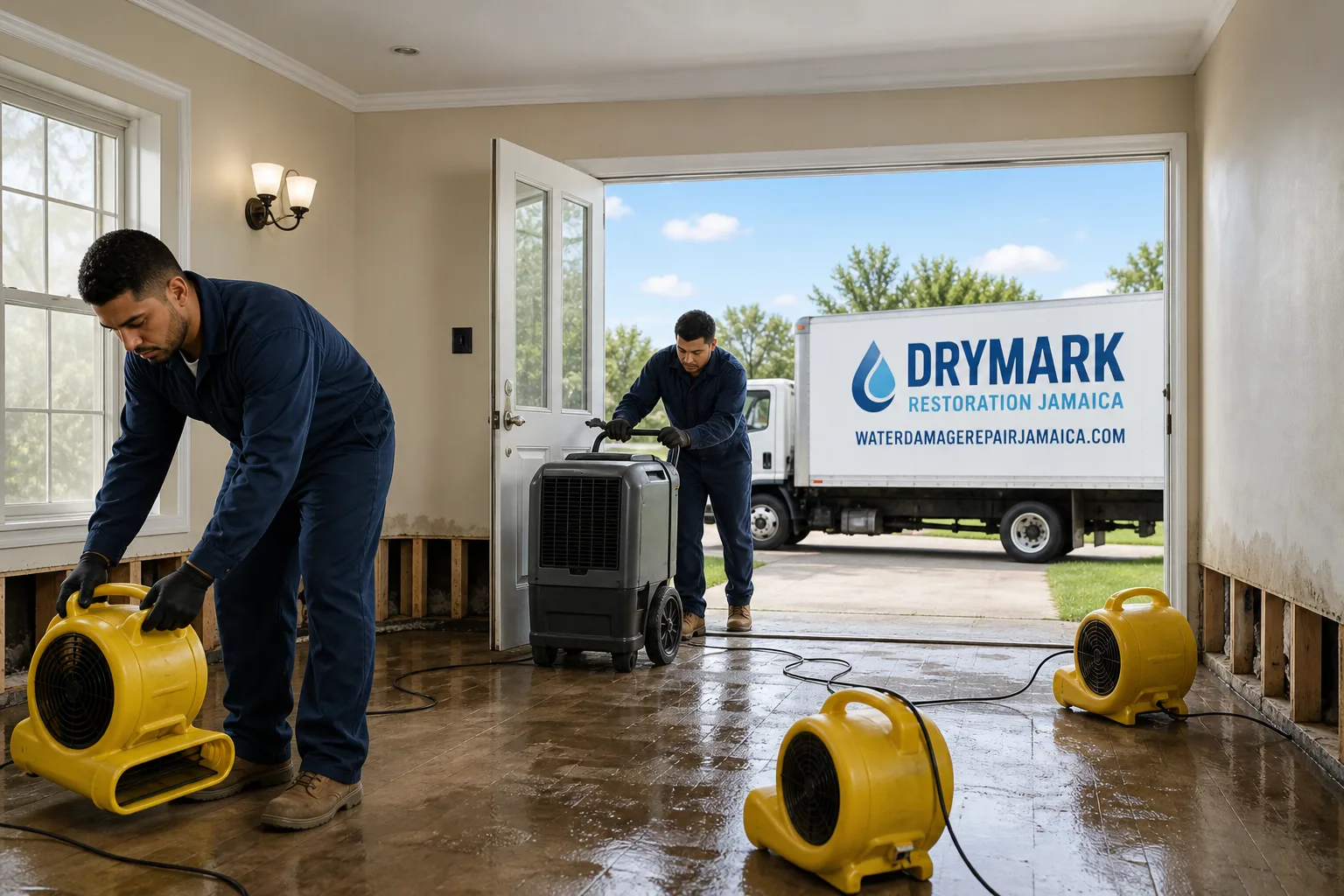
Free visual inspection and a written scope of work before any mitigation begins - photos, moisture readings, and drying logs go in your claim file
The scope we write is the scope we bill. Anything new gets shown to you, in writing, before we touch it.
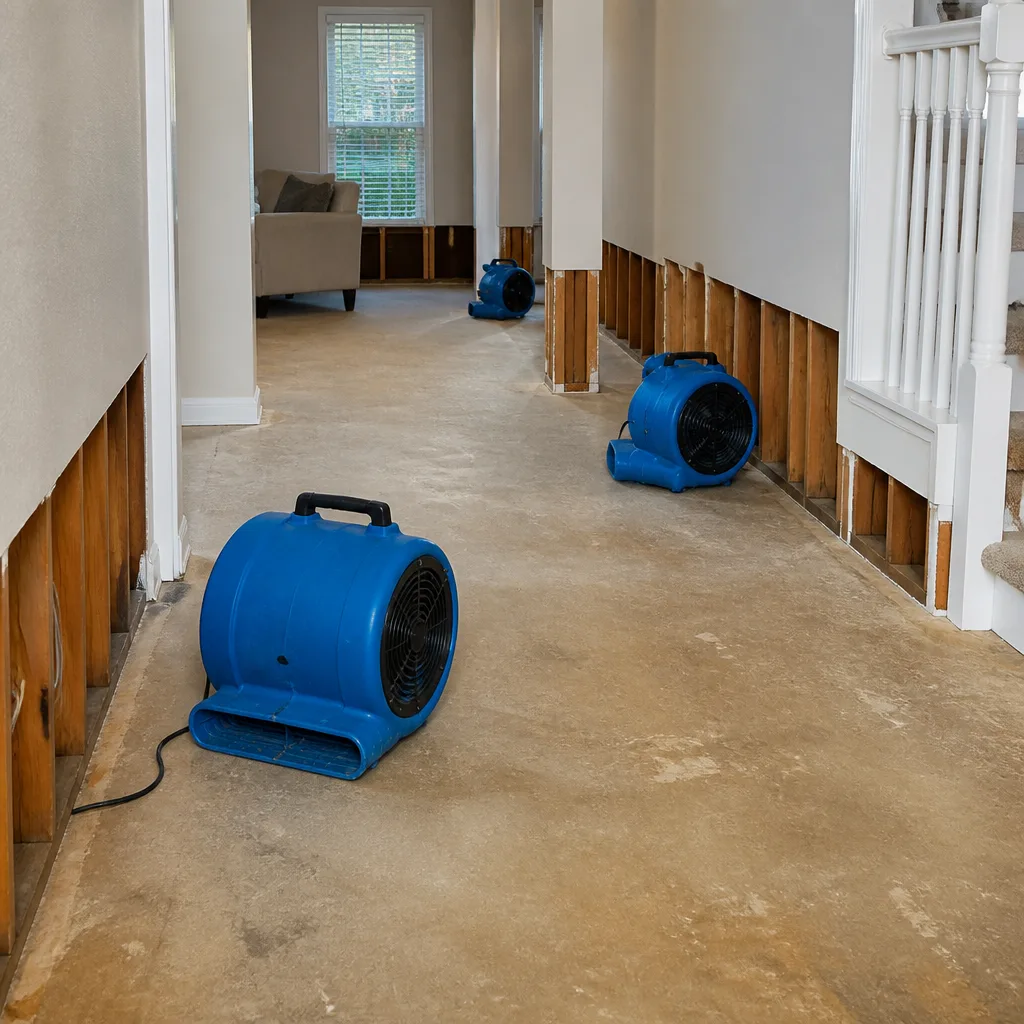
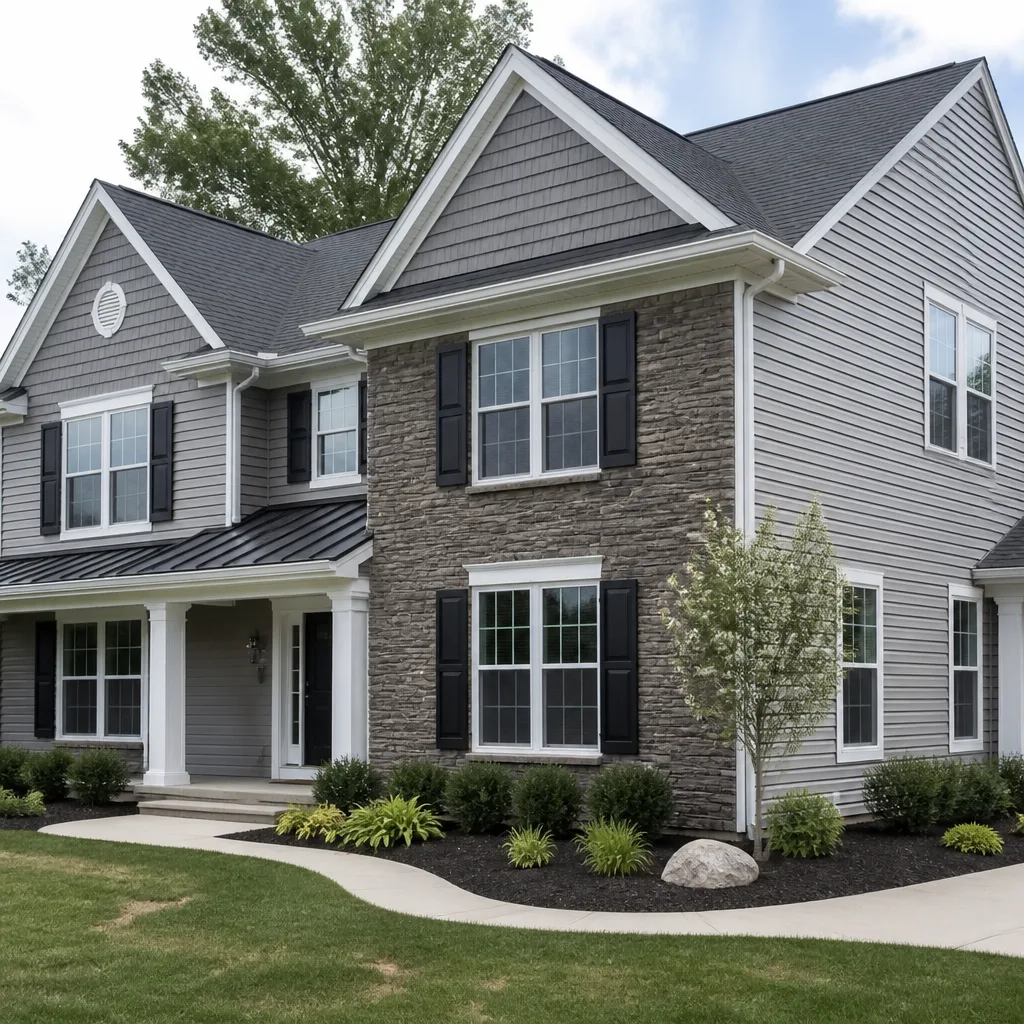
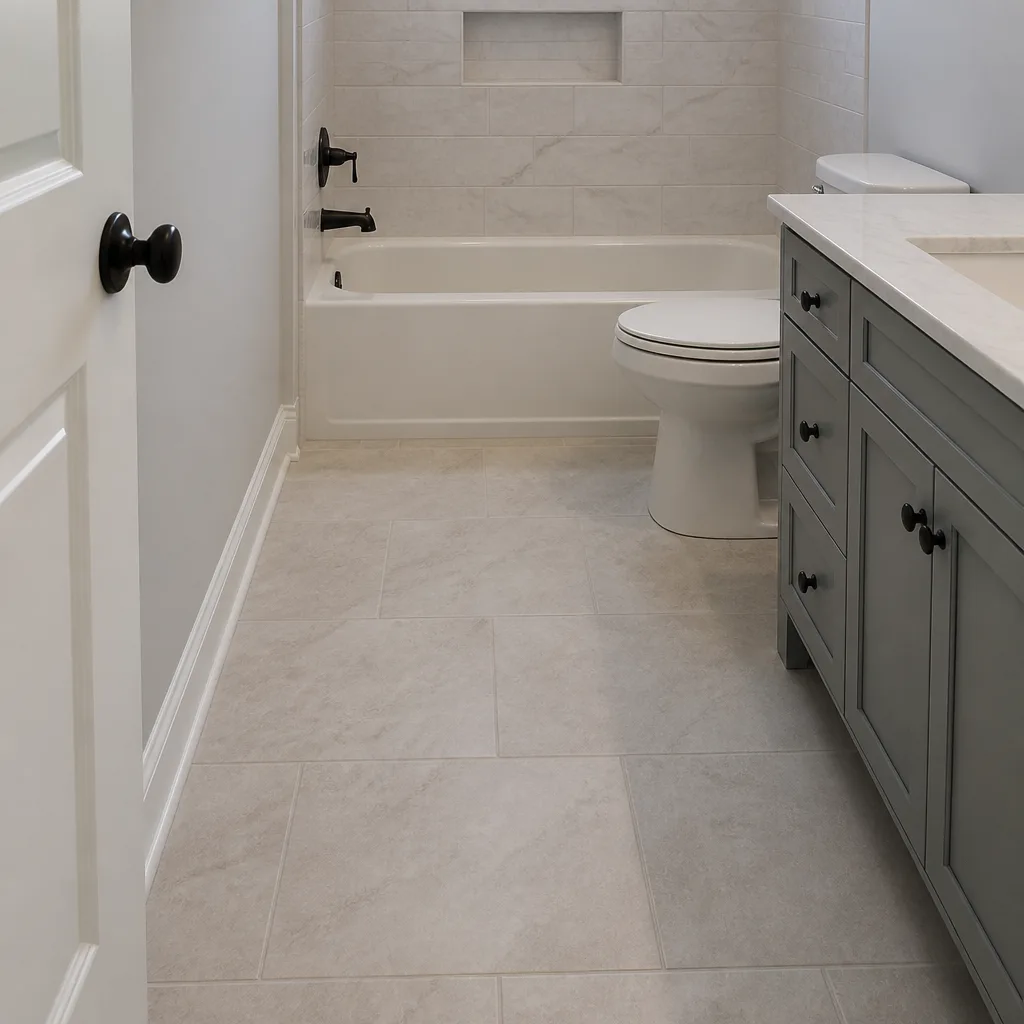
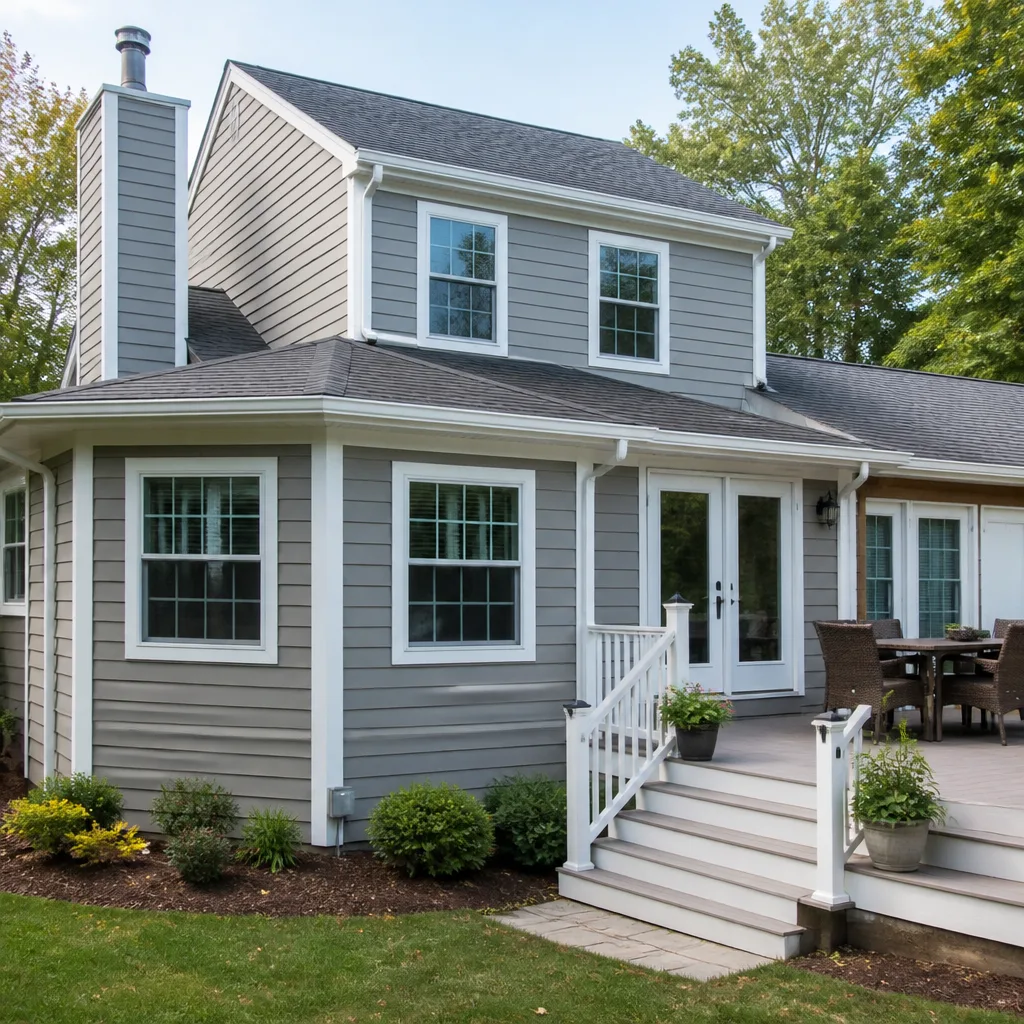
 Before
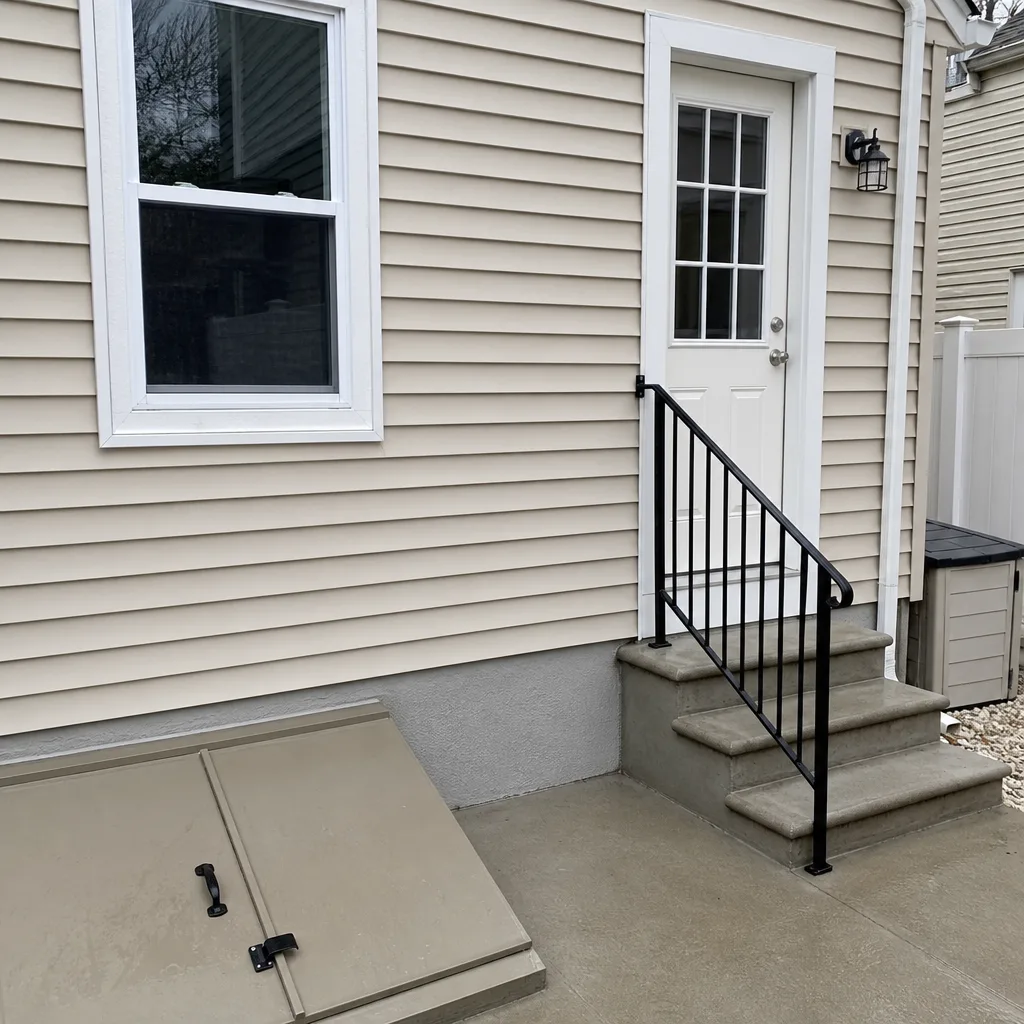 After
After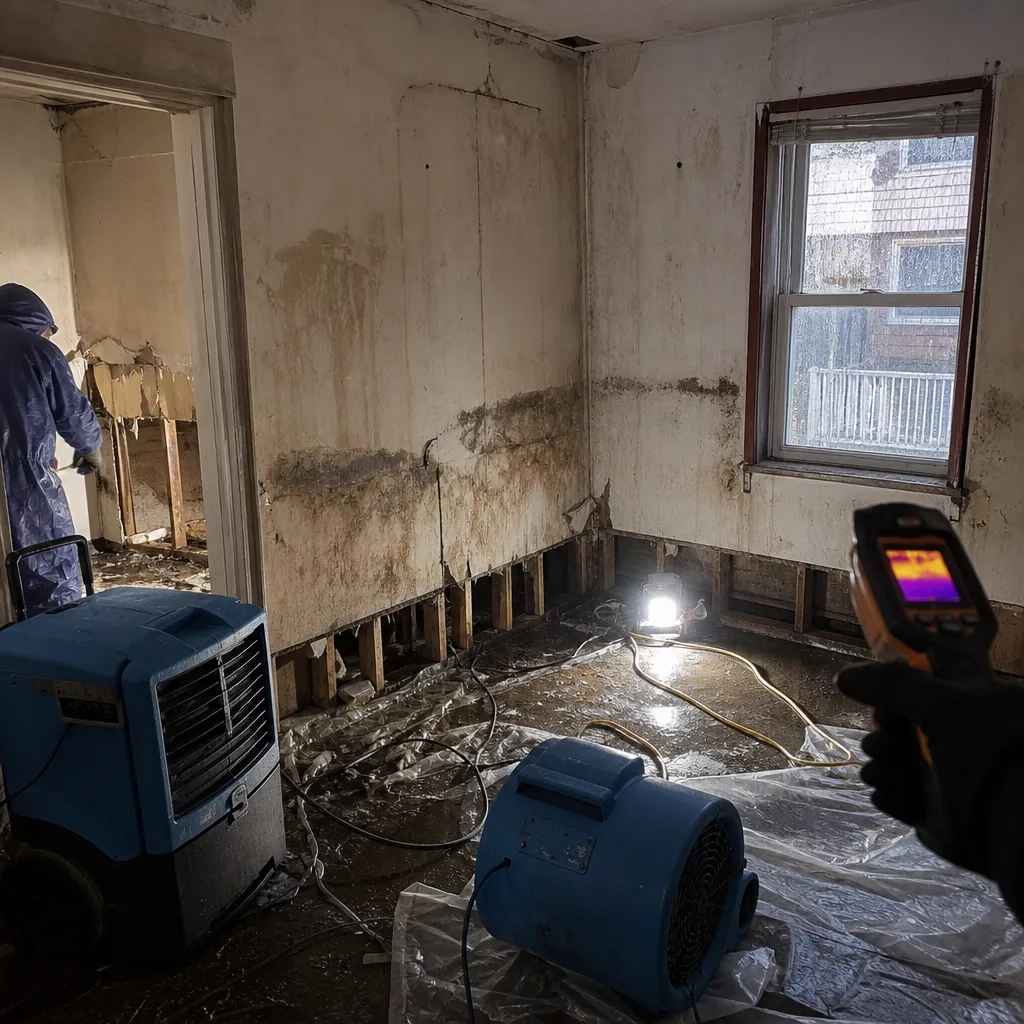 Before
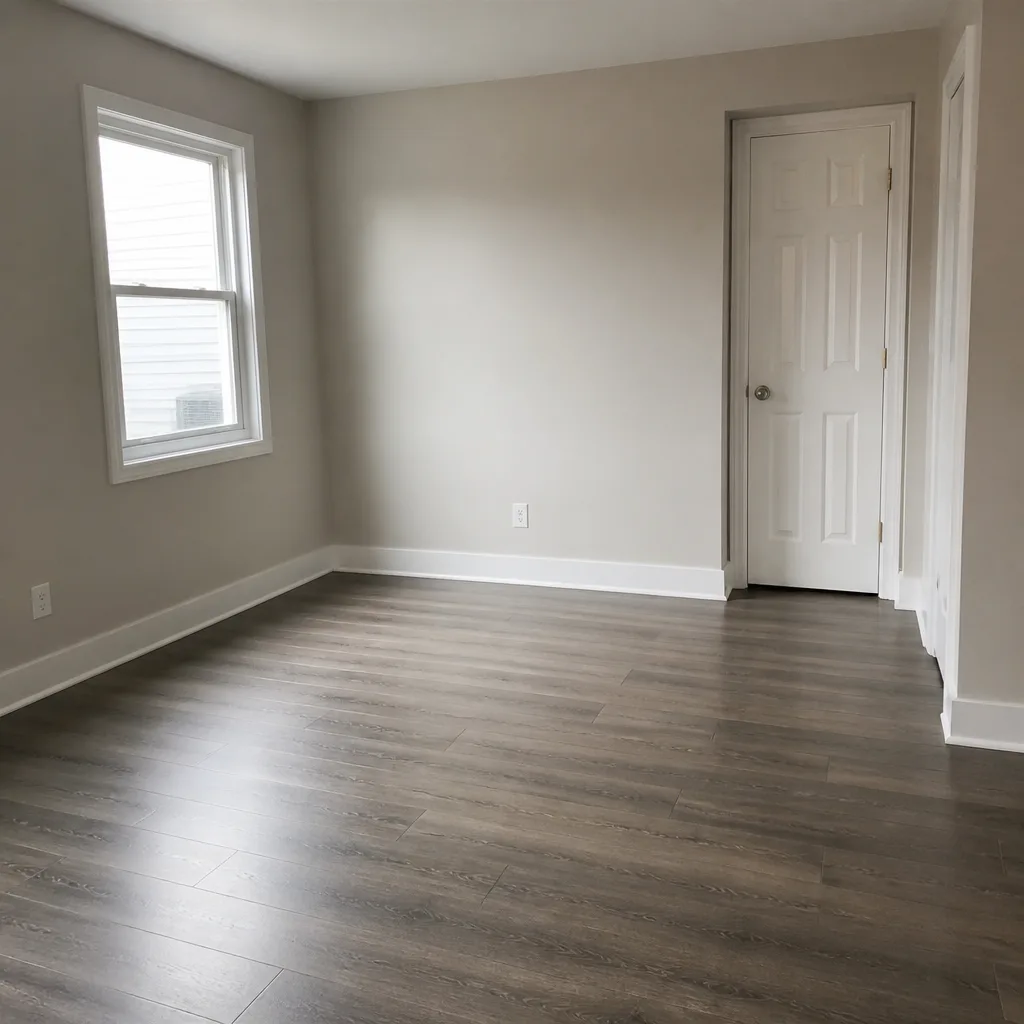 After
After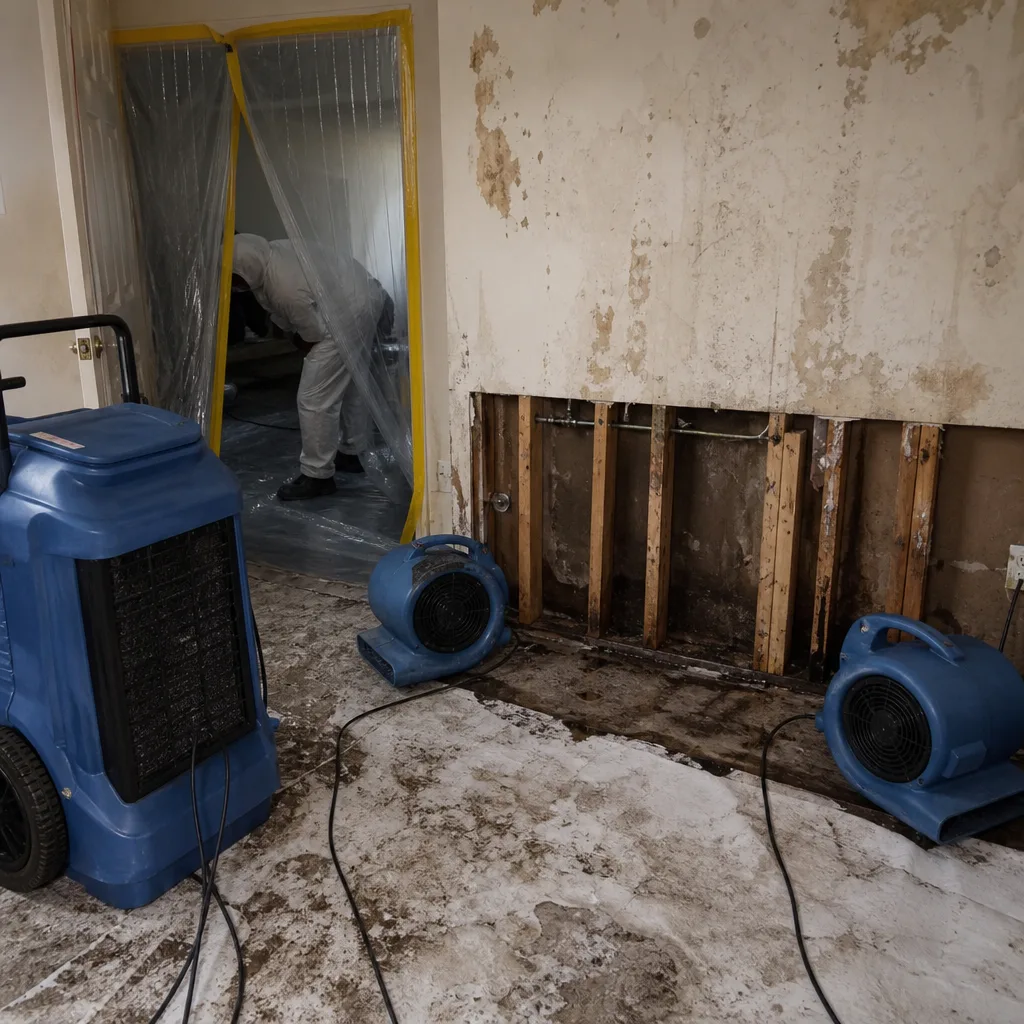 Before
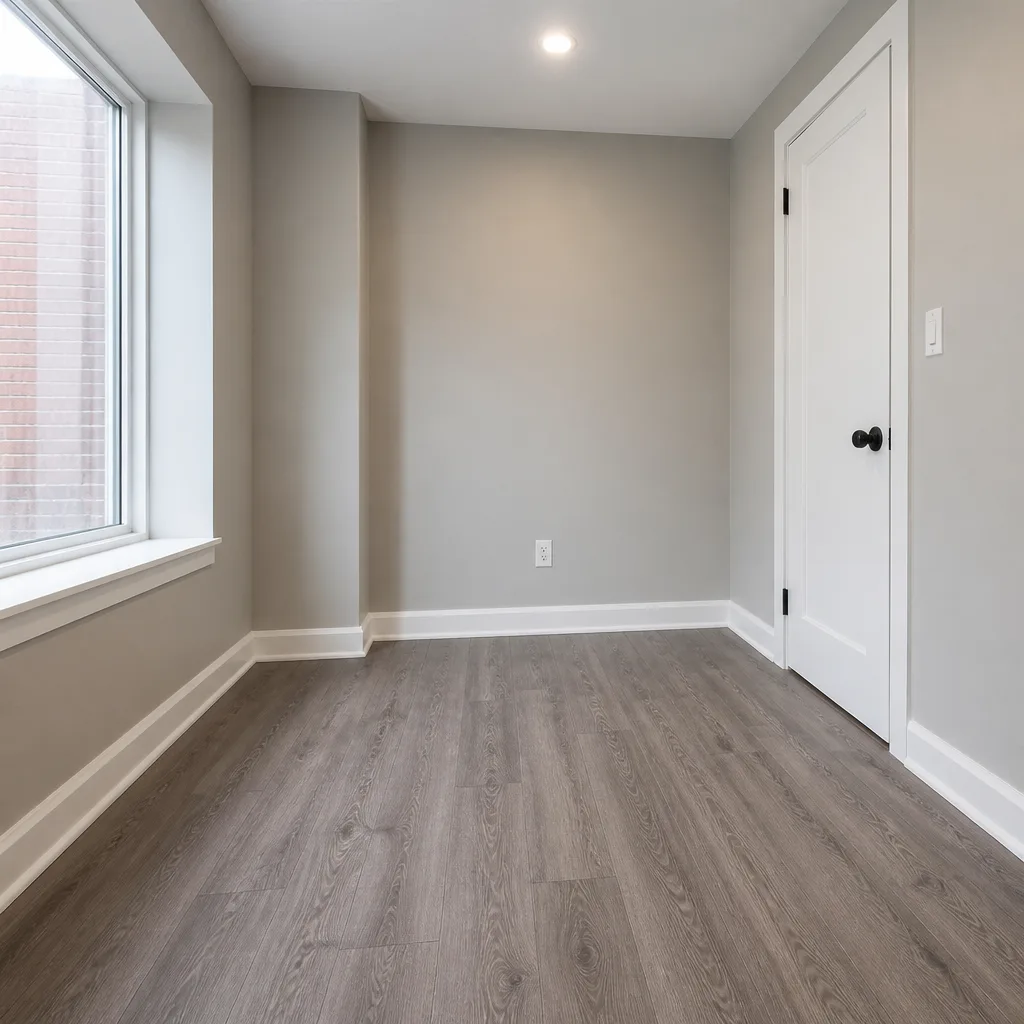 After
AfterFast, Reliable Mold Remediation Across Rego Park
Mold remediation in Rego Park typically costs between $1,800 and $6,500 depending on whether the job stays within one co-op unit or cascades through multiple floors, and our crews can usually inspect same-day when a shared building system is involved. We’re familiar with the postwar co-op towers along Queens Boulevard and Yellowstone Boulevard, the corroded galvanized risers that fail every winter, and the roof drain backups that send water through four to six units before anyone calls. If you smell mustiness after a leak in your building, call (516) 240-9735. We’ll send a technician with moisture mapping gear, a written scope, and the documentation your co-op board and HO-6 adjuster both need.
Why DryMark Restoration Jamaica Is Rego Park’s Preferred Mold Remediation Company
We’ve restored more than 12,000 homes since 2011, and a significant share of those jobs have been in Queens co-ops where one failed supply line becomes a multi-unit restoration project. Our Mold Remediation team understands the split between master policy and HO-6 coverage that defines every Rego Park co-op job.
Our response time to Rego Park averages under 90 minutes for active water intrusion, because mold colonies establish within 24 to 72 hours of moisture contact and speed matters for documentation as much as for health. Every technician is background-checked, uniformed, and licensed, with license numbers available on request.
We speak Russian. In Rego Park’s Russian-speaking and Bukharan Jewish co-op buildings, that means we coordinate directly with supers and board members without waiting for translators or playing phone tag across time zones. Jobs close faster. Claims get paid faster. Shareholders refer us to their neighbors.
Our reviews from Rego Park customers consistently cite two things: the written price before work starts (Haven Standard, Clause 1), and the photo-documented drying logs that their adjusters accepted without dispute. No scope creep. No verbal estimates. No missing paperwork.
Our Mold Remediation Services in Rego Park
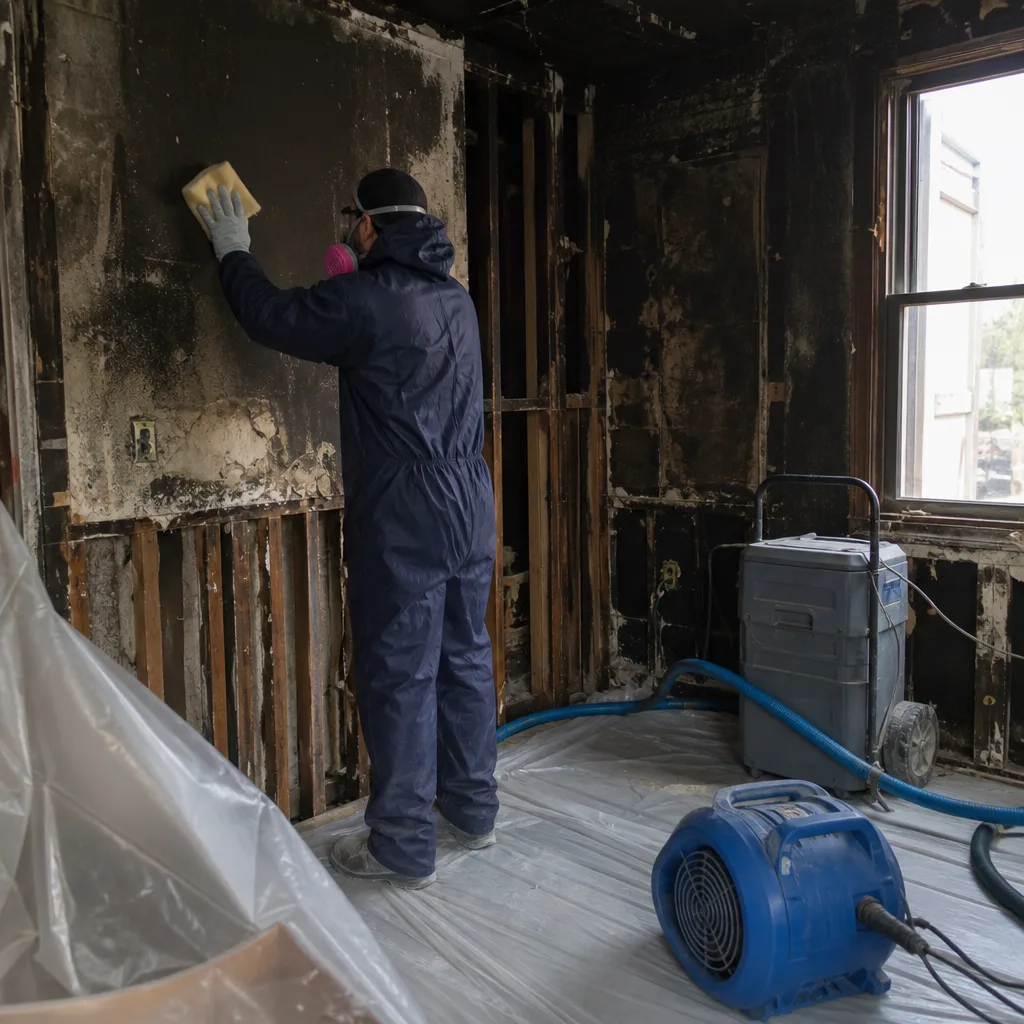
Mold Inspection & Testing
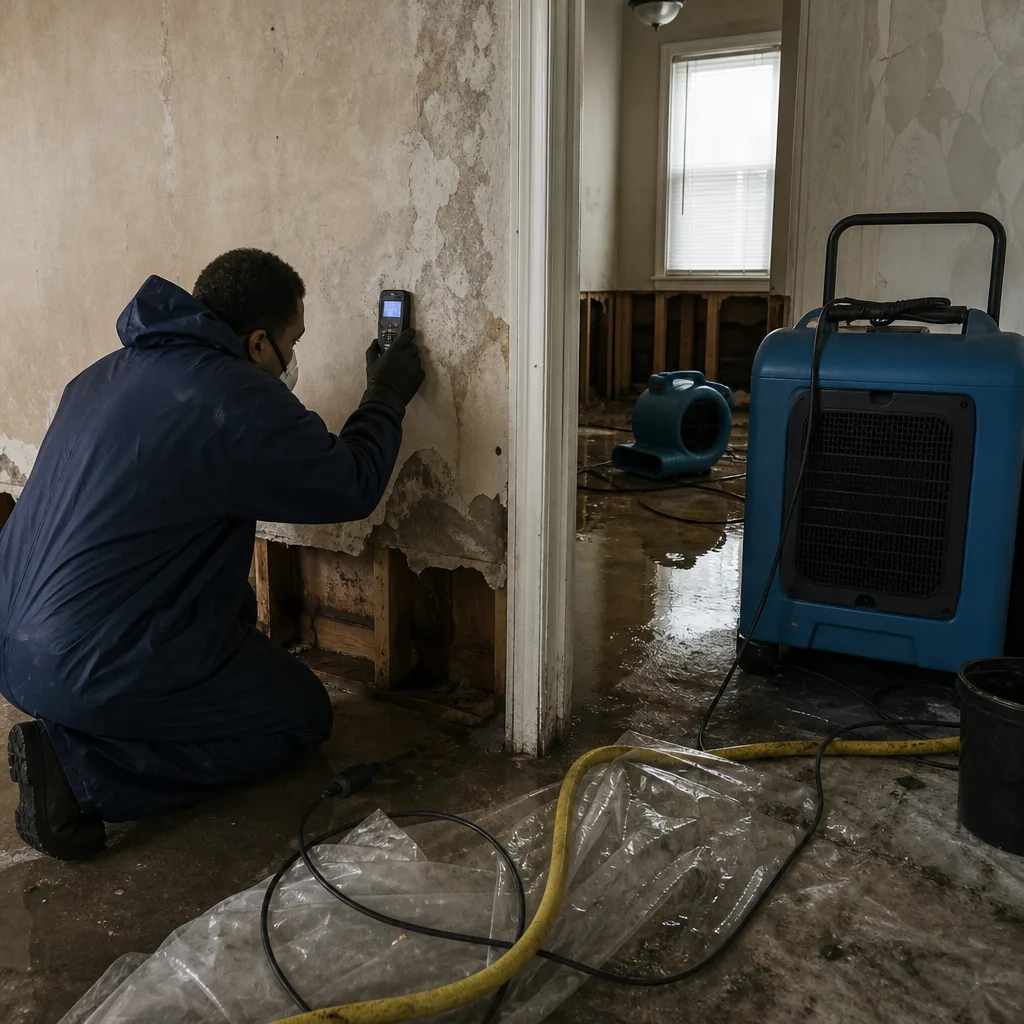
A proper mold inspection in Rego Park starts with moisture mapping, not guesswork. We use thermal imaging and calibrated moisture meters to trace the path of water from the source through wall cavities, because in these postwar co-op buildings the visible mold is rarely the full extent of the problem. Our inspection reports include spore count comparisons, material classifications by trade name (drywall, plaster, lath, cement board), and a written scope that identifies whether the moisture source is a shared building system or unit-specific. This documentation is what your co-op board needs to approve the work and what your HO-6 carrier needs to open coverage.
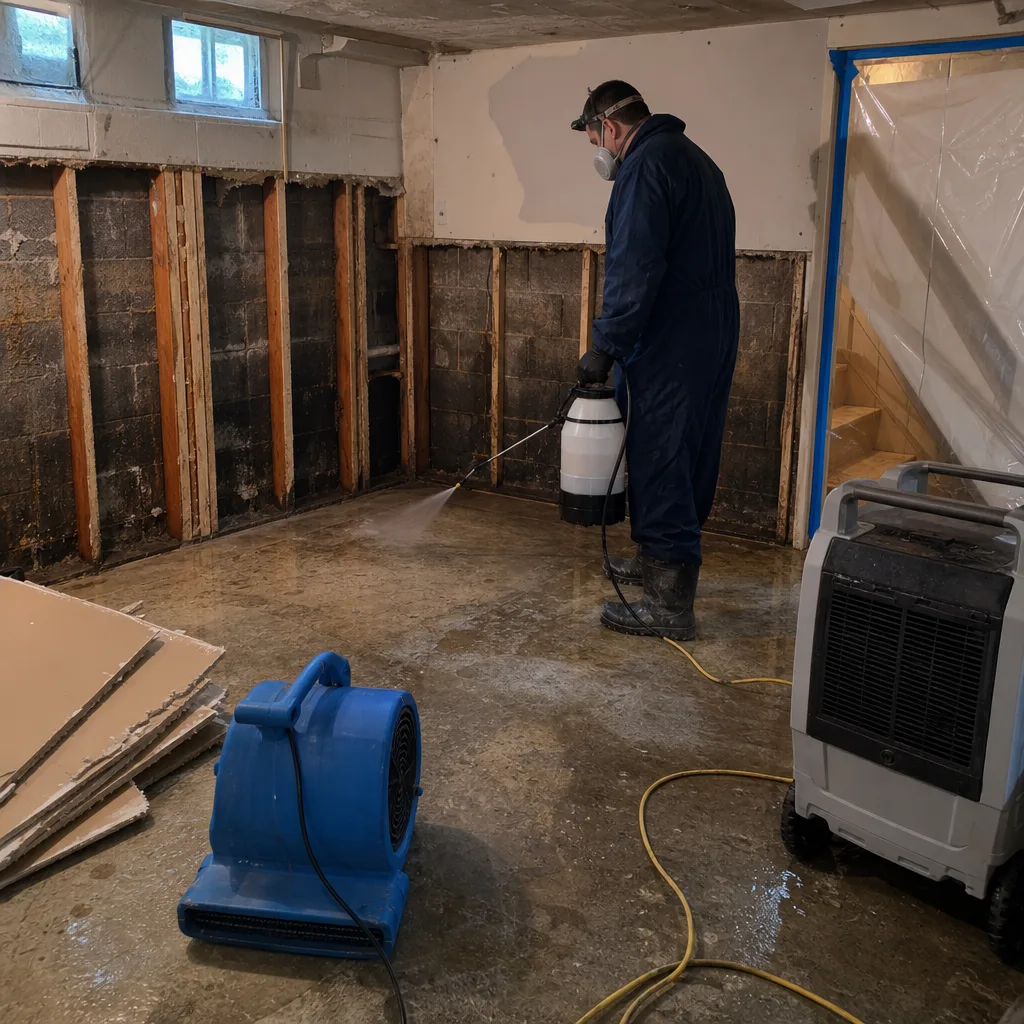
Mold Removal
Mold removal in Rego Park co-ops requires containment protocols that account for shared ventilation systems and sprinkler retrofit penetrations. We build negative-air containment with HEPA filtration, seal ductwork temporarily, and coordinate with building management to avoid spore migration into neighboring units. Our crews remove affected materials by classification: category 1 or 2 wet drywall may be dried in place with Injectidry cavity systems; category 3 black water damage requires removal per IICRC S520 standards. Every bag is logged, every disposal receipt kept, every step photo-documented for the board file.
Black Mold Remediation
Stachybotrys chartarum and other toxigenic molds require antimicrobial treatment with EPA-registered products, not bleach. In Rego Park’s tightly constructed co-op units, we deploy HEPA air scrubbers running at six air changes per hour, maintain negative pressure differential to prevent cross-contamination, and apply botanical or synthetic antimicrobials depending on occupant sensitivity and building restrictions. Post-remediation verification includes air sampling and surface sampling with third-party lab analysis, because your co-op’s reinspection protocol and your insurer’s proof-of-loss form both require it.
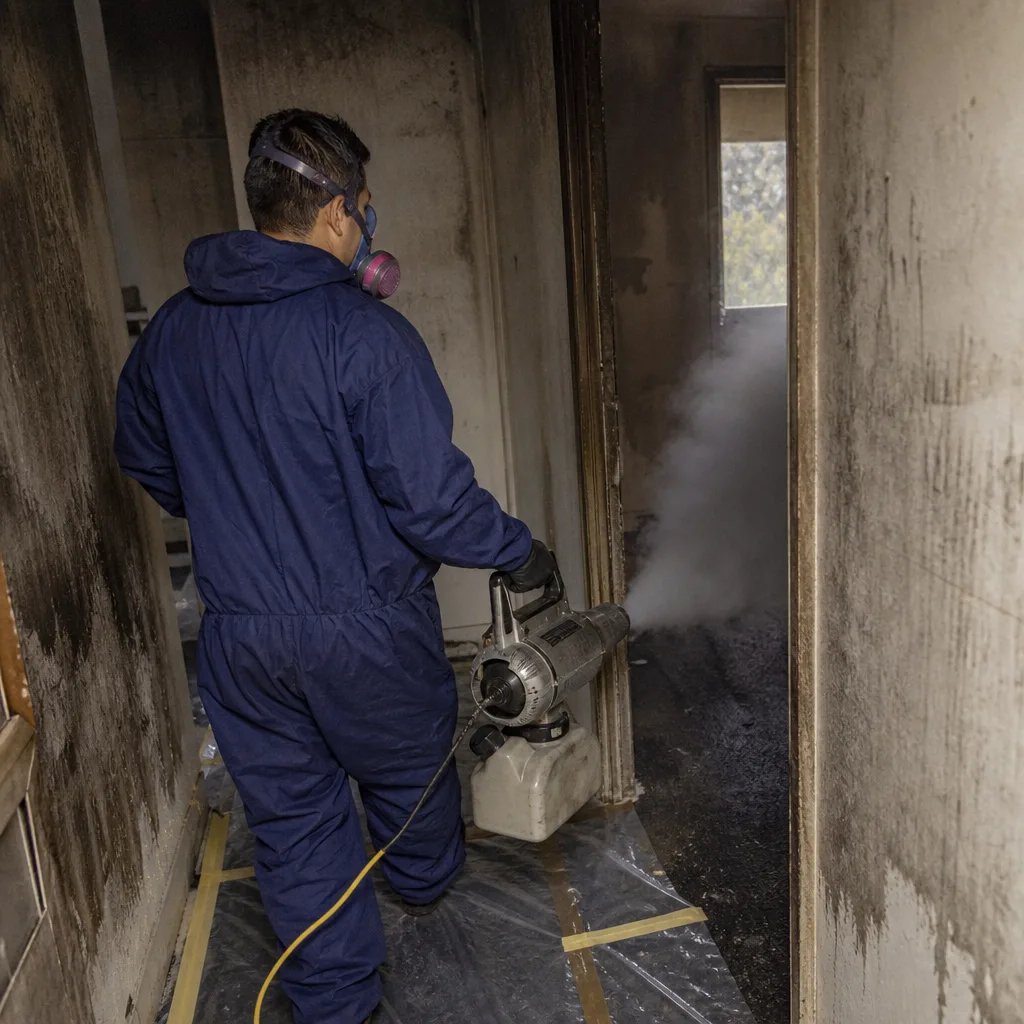
Air Quality Restoration
After mold removal, we restore breathable air quality through a phased approach: source removal first, then HEPA filtration, then controlled ventilation with dehumidification to drive relative humidity below 60 percent. In Rego Park’s high-rise units with limited window ventilation, we use Phoenix and XPOWER equipment sized to the cubic footage and the building’s HVAC constraints. Psychrometric data - temperature, relative humidity, and vapor pressure differential - is logged daily and delivered with the final documentation package.
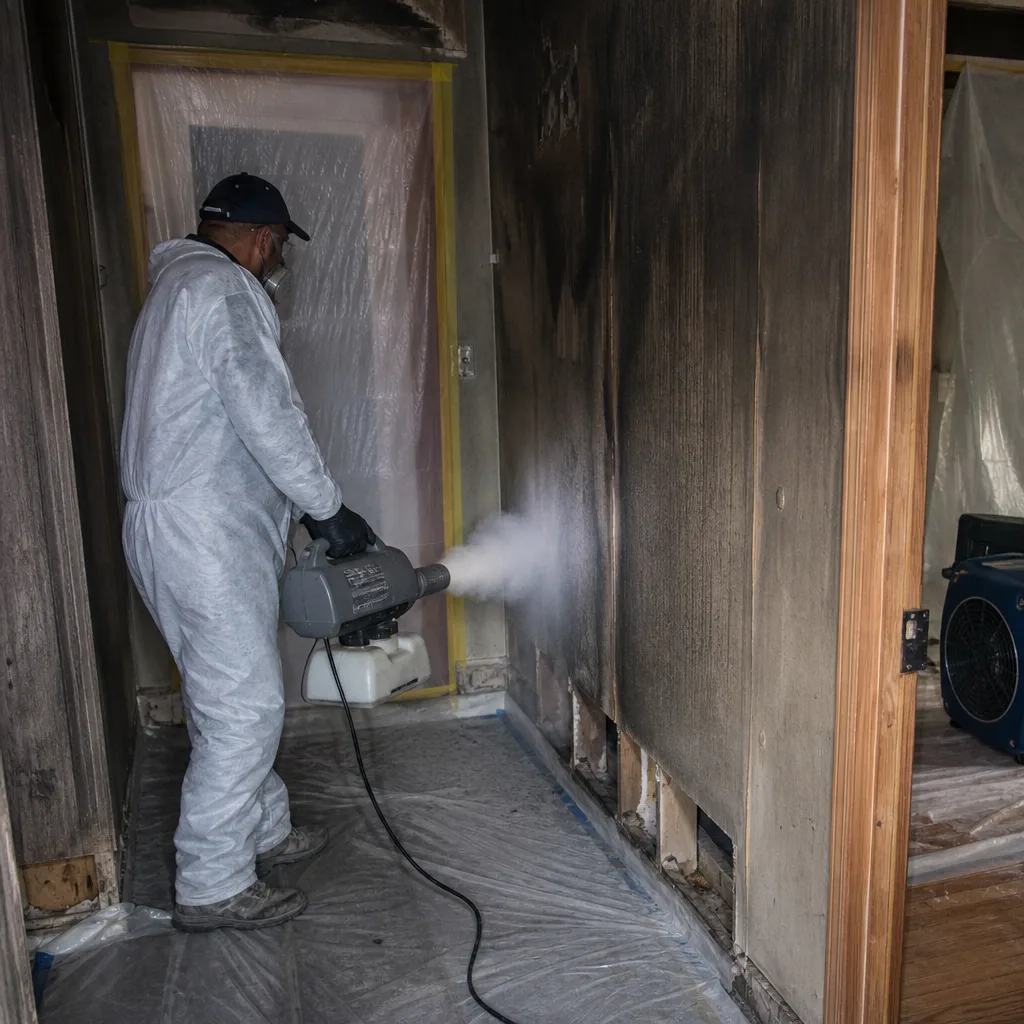
Moisture & Humidity Control
Controlling moisture in Rego Park means addressing the building systems that cause it: aging galvanized risers, flat roof drains, parapet seam failures, and window caulking degraded by decades of freeze-thaw cycling. We install temporary or permanent dehumidification, recommend building envelope repairs with specificity, and document moisture readings for 48 hours minimum after drying to prove the source is controlled. Without this step, mold returns. With it, the 365-Day Done Right Promise holds.
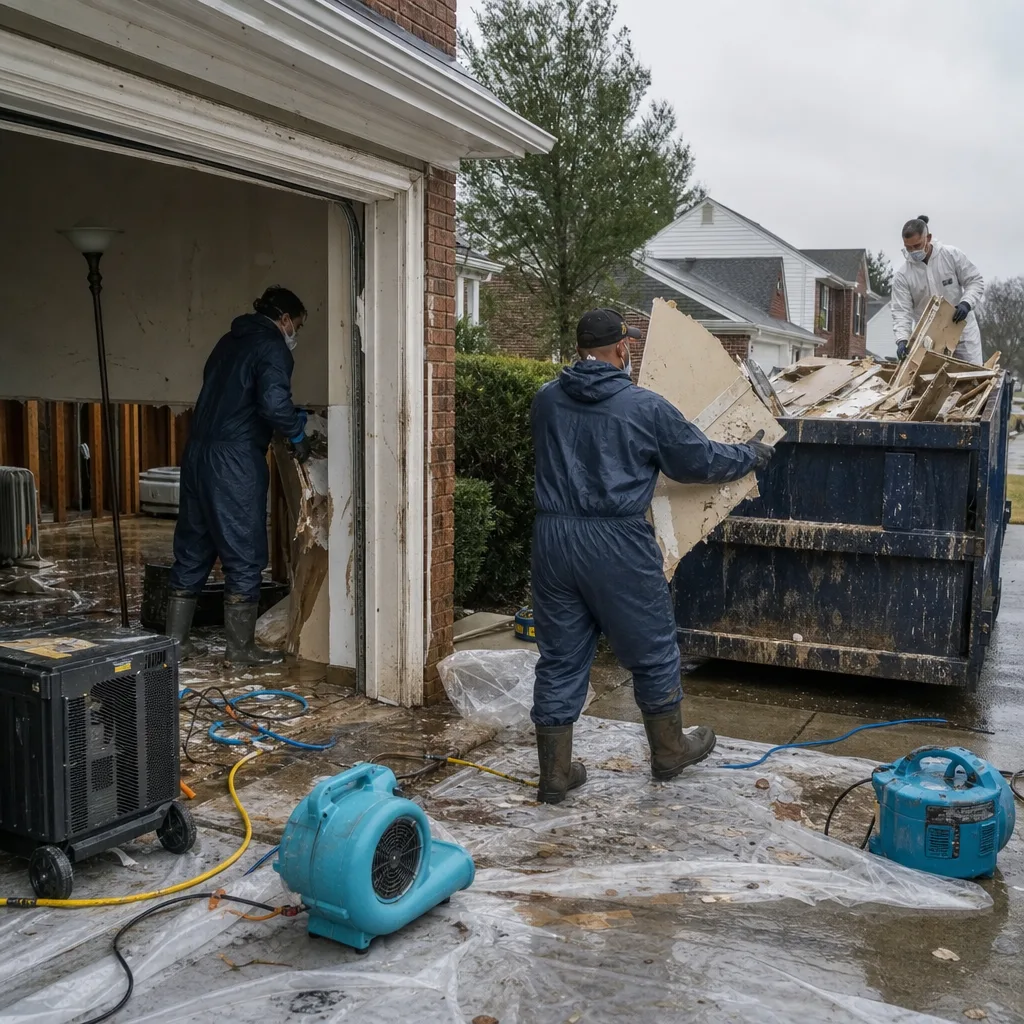
Containment
Containment in stacked co-op construction is non-negotiable. Our crews use polyethylene barriers sealed with fire-rated tape, zipper doors for technician access, and HEPA-negative air machines ducted to window exhaust or building riser chases where permitted. We coordinate with your super on sprinkler system isolation and fire alarm bypass procedures, because a triggered alarm in a Rego Park high-rise evacuates the building and voids the containment. This is the kind of local operational detail that separates a completed job from a failed reinspection.
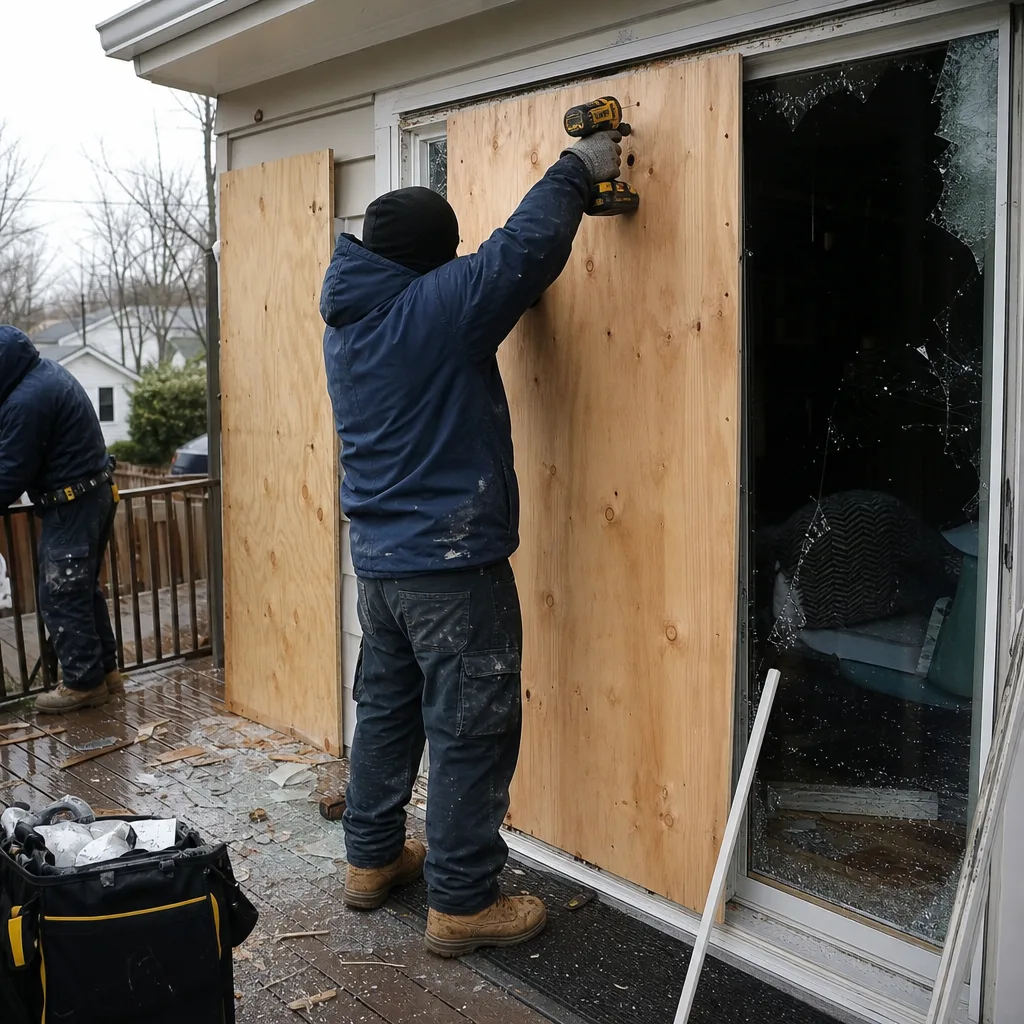
What happens when you call
- 1
A real person answersNo phone trees - you reach a local pro.
- 2
You get an upfront price rangeHonest numbers before anyone is dispatched.
- 3
A background-checked tech heads outLicensed & insured, dispatched right away.
- 4
You approve before work beginsNothing starts until you say go.
BeforeAfterTrusted Brands We Service in Rego Park
Our equipment fleet includes professional-grade drying systems from Phoenix, XPOWER, and Injectidry, documented to IICRC, RIA, and IFA standards. We stock HEPA filtration media, antimicrobial concentrates, and containment supplies locally so we’re not waiting on delivery while mold colonies expand. For Rego Park co-op jobs with limited elevator access or narrow service corridors, our B-Air compact dehumidifiers and Phoenix axial air movers fit where standard equipment won’t. Every machine is logged by serial number, run-time, and psychrometric output for the daily drying logs that turn restoration invoices into payable claims.
Common Mold Remediation Problems We See in Rego Park Homes
- Shared riser failures in postwar co-ops. The original galvanized steel supply risers in Rego Park’s 1950s and 1960s buildings corrode from the inside until they split during winter freeze-thaw cycling. A sixth-floor burst sends water through wall cavities for days before visible staining appears, by which time mold is established in three or four units.
- Roof drain backups through parapet seams. Flat built-up roofs with aging parapet caulking and clogged interior drains are a chronic source of water intrusion in Rego Park high-rises. The same buildings see repeat events every summer thunderstorm season because the root cause - the drain or the parapet - wasn’t repaired during the last remediation.
- Scope limited to visible mold in one unit. Competitors treat the ceiling stain in 6B without inspecting the riser in 7B or the roof drain above 8B. The moisture source keeps feeding the colony. The job fails reinspection. The shareholder’s HO-6 claim gets denied for incomplete remediation.
- Inadequate documentation for co-op boards and insurers. Co-op boards in Rego Park require specific formats for pre-loss condition reports, drying logs, and final scopes of work. Adjusters for HO-6 policies need photo-documented material classifications and disposal receipts. Missing any piece stalls the claim and the referral pipeline.
Pricing for Mold Remediation in Rego Park, NY
Mold inspection and testing in Rego Park runs $350-$750 for a standard co-op unit, with multi-unit cascade inspections adding $150-$300 per additional affected unit. Contained mold removal within a single unit typically ranges $1,800-$4,200. Black mold remediation requiring full containment, antimicrobial treatment, and third-party verification runs $3,500-$6,500. Air quality restoration with HEPA filtration and dehumidification adds $400-$900 per unit.
What moves the price: the number of affected units, the category of water damage (clean, gray, or black), whether containment must account for shared ventilation, and the documentation burden for master-policy-versus-HO-6 coordination. Every job gets a written price before work begins, Haven Standard, Clause 1. No exceptions. Bring a competitor’s written estimate and we’ll review it free - our Free Second Opinion policy.
Call (516) 240-9735 for a written estimate. Estimates are free.
We Also Serve Cities Near Rego Park
Our crews work throughout central and western Queens, including Mold Remediation in Rego Park and surrounding communities. We regularly handle jobs in Forest Hills with its mixed housing stock of garden apartments and single-family homes, Elmhurst’s dense prewar walk-ups, Middle Village’s detached and semi-detached residences, and Jackson Heights’ historic co-op buildings. Each area presents different mold dynamics, different insurance structures, and different documentation requirements. We adjust accordingly.
Serving Rego Park, NY - Our Local Coverage Area
We’re based in the Rego Park area and know this community well. Use the map below to see our service coverage - if you’re nearby, we can almost certainly help.
FAQs - Mold Remediation in Rego Park
The master policy typically covers damage to the building’s structure and original fixtures, while your HO-6 policy covers your personal property, improvements, and betterments, plus additional living expenses if you’re displaced. We document both scopes separately - structural drying and material removal for the master policy, contents and unit finishes for your HO-6 - so neither insurer can deny for overlap or omission. Call (516) 240-9735 and we’ll review your building’s insurance structure during the initial inspection.
Mold colonization begins 24 to 72 hours after organic materials reach sustained moisture content above 16 percent. In Rego Park’s postwar co-ops with plaster and lath construction, that threshold is often reached faster than in modern drywall because plaster is hygroscopic and retains moisture. Summer humidity in Queens accelerates the timeline. If you’ve had water intrusion, schedule inspection within 24 hours, not when you see visible growth. Call (516) 240-9735 for same-day moisture mapping.
Yes. Several of our technicians and project managers are fluent Russian speakers who coordinate directly with supers, board members, and shareholders without translation delays. In Rego Park’s Russian-speaking and Bukharan Jewish co-op buildings, this language access closes jobs significantly faster and produces the repeat referrals that dominate our local reputation. We handle board approvals, insurance documentation, and unit access coordination in the language your building management prefers.
We use compact equipment - B-Air dehumidifiers, Phoenix axial air movers, and portable HEPA units - that fits through standard service elevators and narrow corridors. For material removal, we stage bagged waste in the unit or service hallway and coordinate with building management on compactor access or off-site dumpster placement. Our crews carry NYC parking permits and know the loading zone regulations along Queens Boulevard and Yellowstone Boulevard. We don’t block fire lanes or resident parking without explicit building approval.
We classify materials by water category, moisture content, and structural role. Category 1 clean water on plaster and lath may be dried in place with Injectidry cavity drying if moisture readings drop below 12 percent within 72 hours. Category 2 or 3 water, or any material with visible mold growth, requires removal per IICRC S520. Our technicians take readings with calibrated pin and pinless meters, document each location with photos, and explain the classification in the written scope before any demolition begins. Haven Standard, Clause 1: written price before work starts. Call (516) 240-9735 for an exact assessment of your unit.
Written by Alicia Brennan, Owner at Back to Dry Restoration, serving Rego Park since 2011.