
Last updated September 23, 2026
Free visual inspection and a written scope of work before any mitigation begins - photos, moisture readings, and drying logs go in your claim file
The scope we write is the scope we bill. Anything new gets shown to you, in writing, before we touch it.
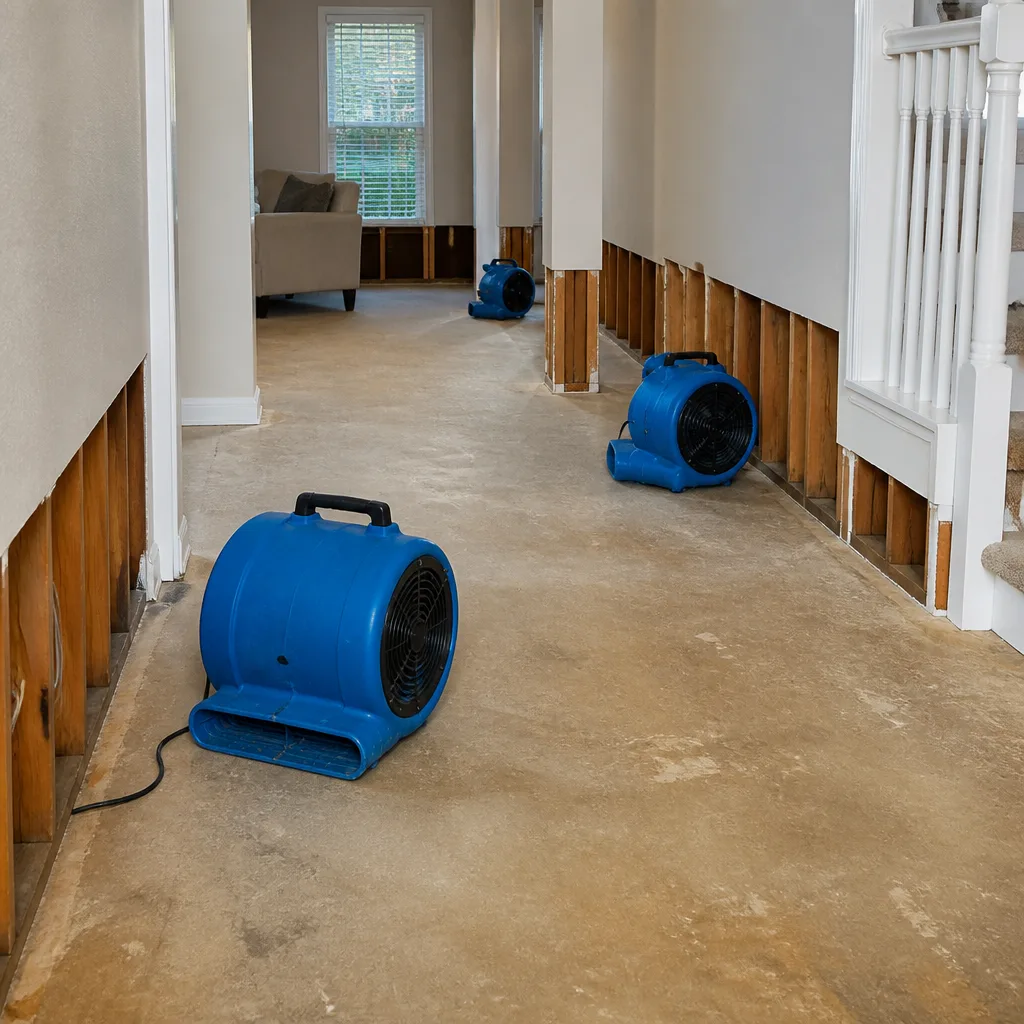
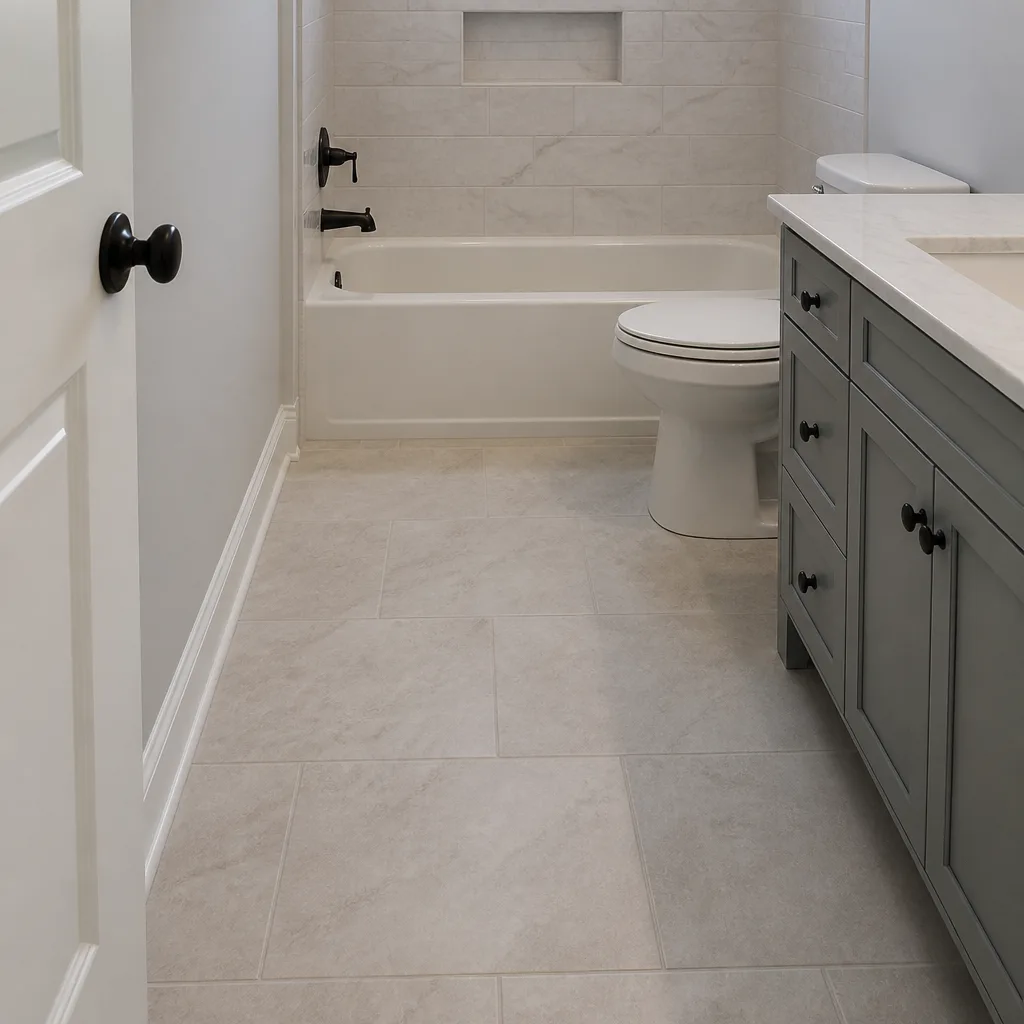
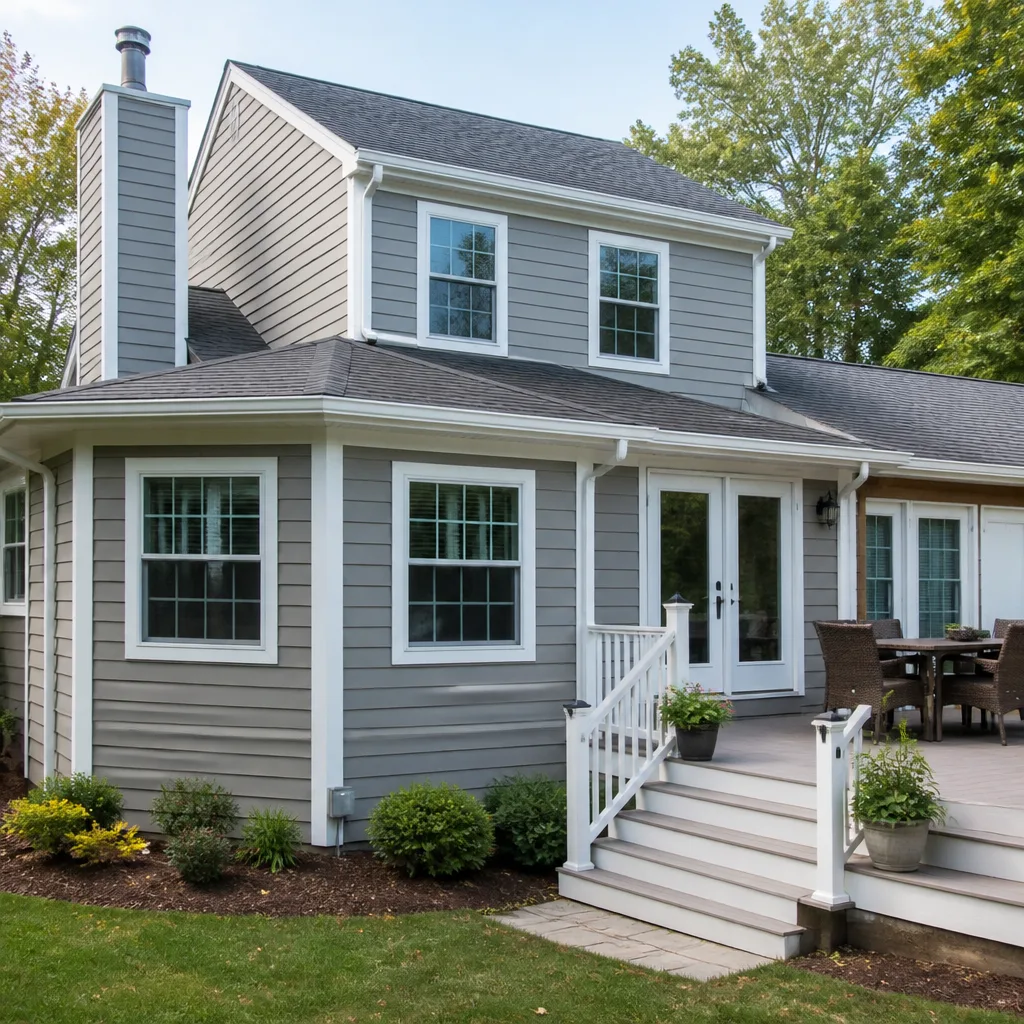
 Before
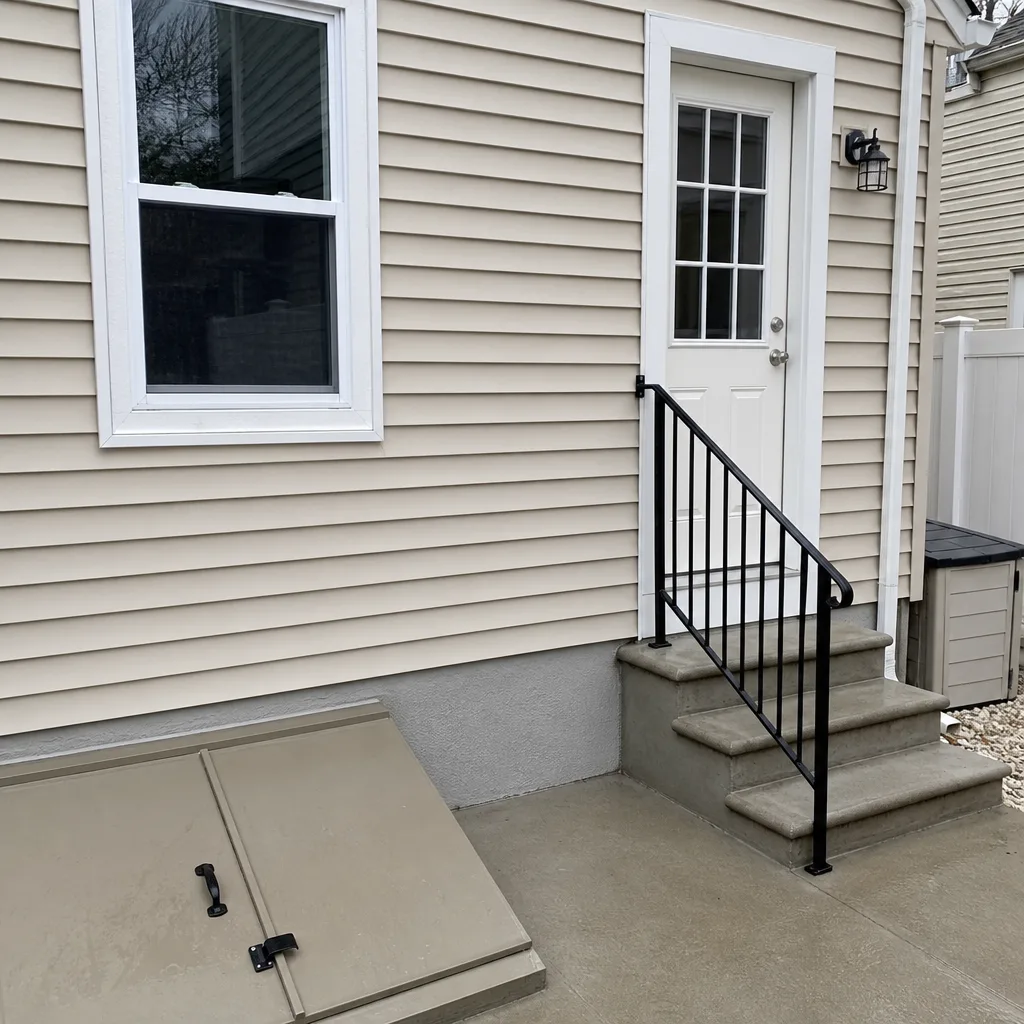 After
After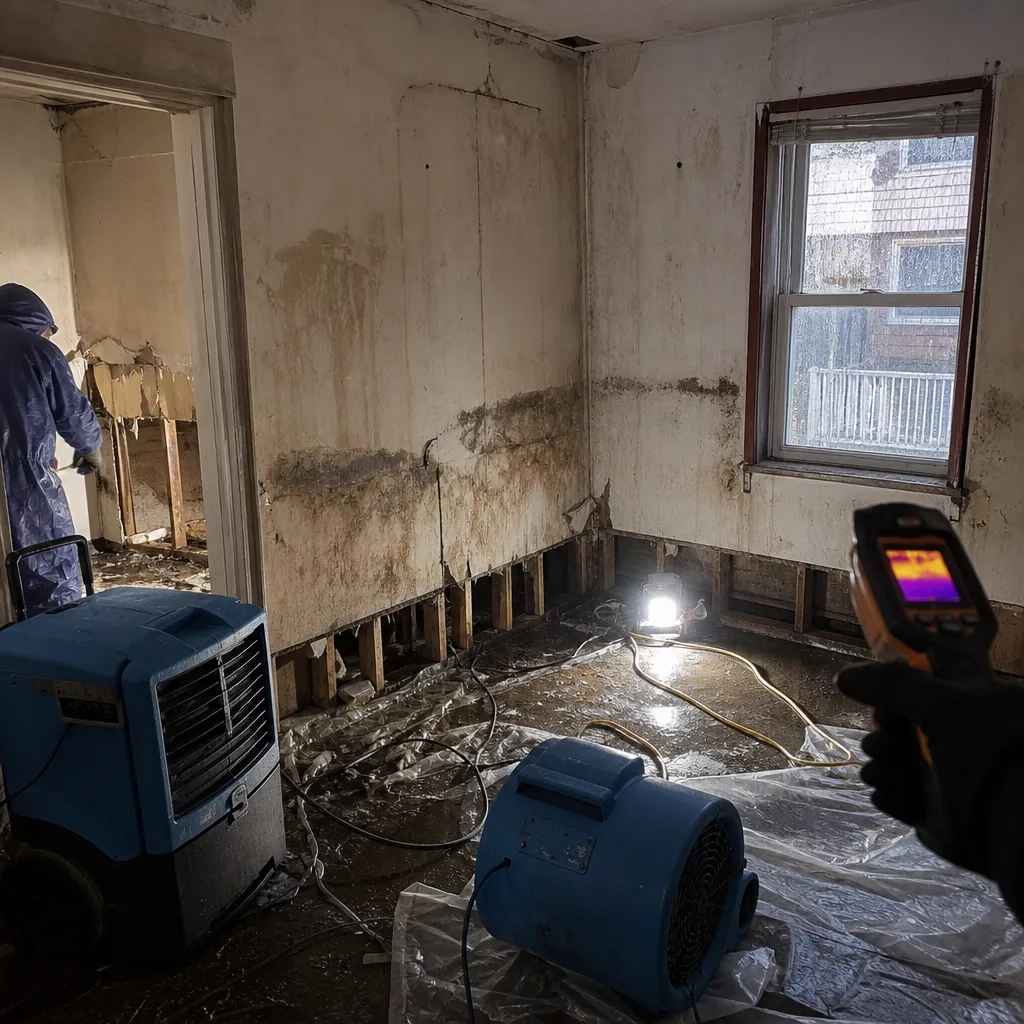 Before
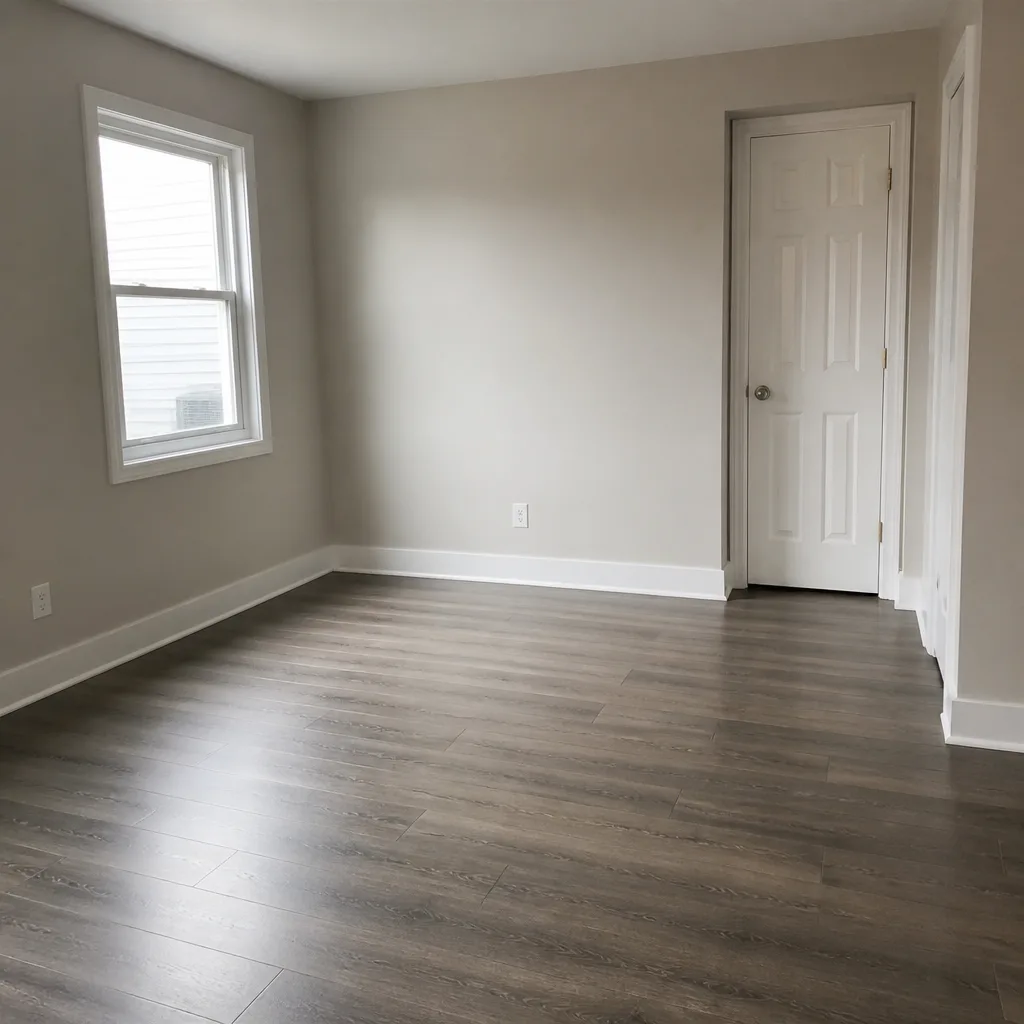 After
After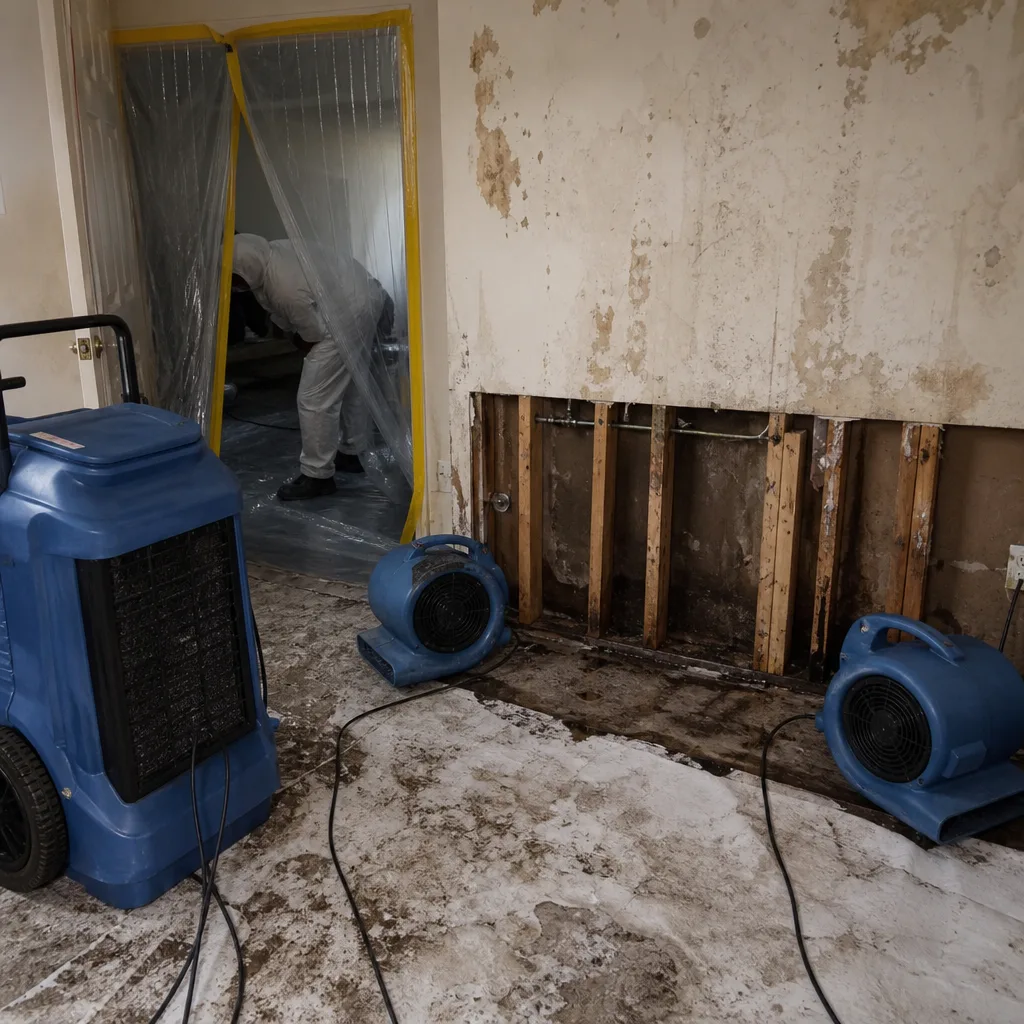 Before
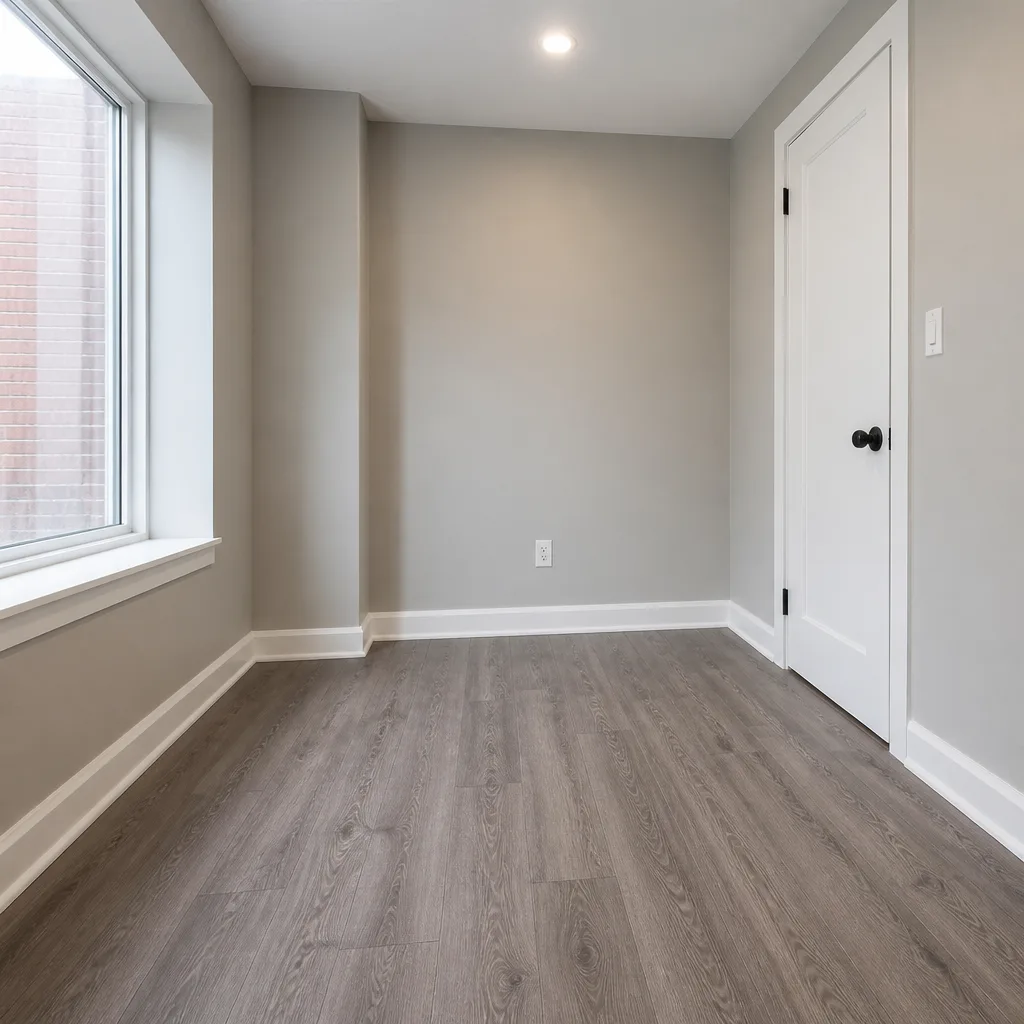 After
AfterThe Complete Guide to Damage Restoration in Jamaica
A Queens County homeowner lost $34,000 in claim reimbursement not because the damage wasn’t real, but because the drying logs stopped on day three and no one could prove the structure reached accepted moisture equilibrium before the walls were closed. In Jamaica, where pre-1970 housing stock with balloon framing and horsehair plaster creates hidden moisture pathways, this story repeats more often than it should. This guide, along with our Damage Restoration Warning Signs: A Jamaica Homeowner’s Reference Guide, maps every stage of a restoration project to the specific records that make or break your insurance claim. You’ll learn how moisture readings define legal dryness, what documentation sequence protects you, and how to read a contractor’s scope against your adjuster’s estimate before anyone picks up a hammer.
Quick Answer
Damage restoration in Jamaica, NY is the process of returning a structure to pre-loss condition after water, fire, mold, storm, or biohazard damage. Proper restoration requires documented moisture verification, a written scope of work agreed before reconstruction begins, and a complete photo record that satisfies both IICRC standards and your insurance carrier’s documentation requirements. In Jamaica’s market, the contractor who controls the paper trail controls whether your insurer pays, as detailed in our Damage Restoration Permits, Codes & Inspections in NY: What You Need to Know.
Table of Contents
- What Damage Restoration Actually Involves
- Why Documentation Beats Drying Equipment
- The Documentation Sequence That Protects Your Claim
- Jamaica’s Older Housing Stock: Hidden Moisture Pathways
- How to Read a Contractor’s Scope Against Your Insurance Estimate
- Certificate of Completion vs. Moisture Clearance Report
- What Restoration Costs in Jamaica
- Choosing a Restoration Company in Jamaica
BeforeAfterWhat Damage Restoration Actually Involves
Restoration is not repair. Repair fixes what you can see. Restoration returns the entire structure, including what you cannot see, to a documented pre-loss condition. In Jamaica, where building codes have evolved through multiple eras of construction, this distinction matters for your claim and your resale value.
The categories break down as follows:
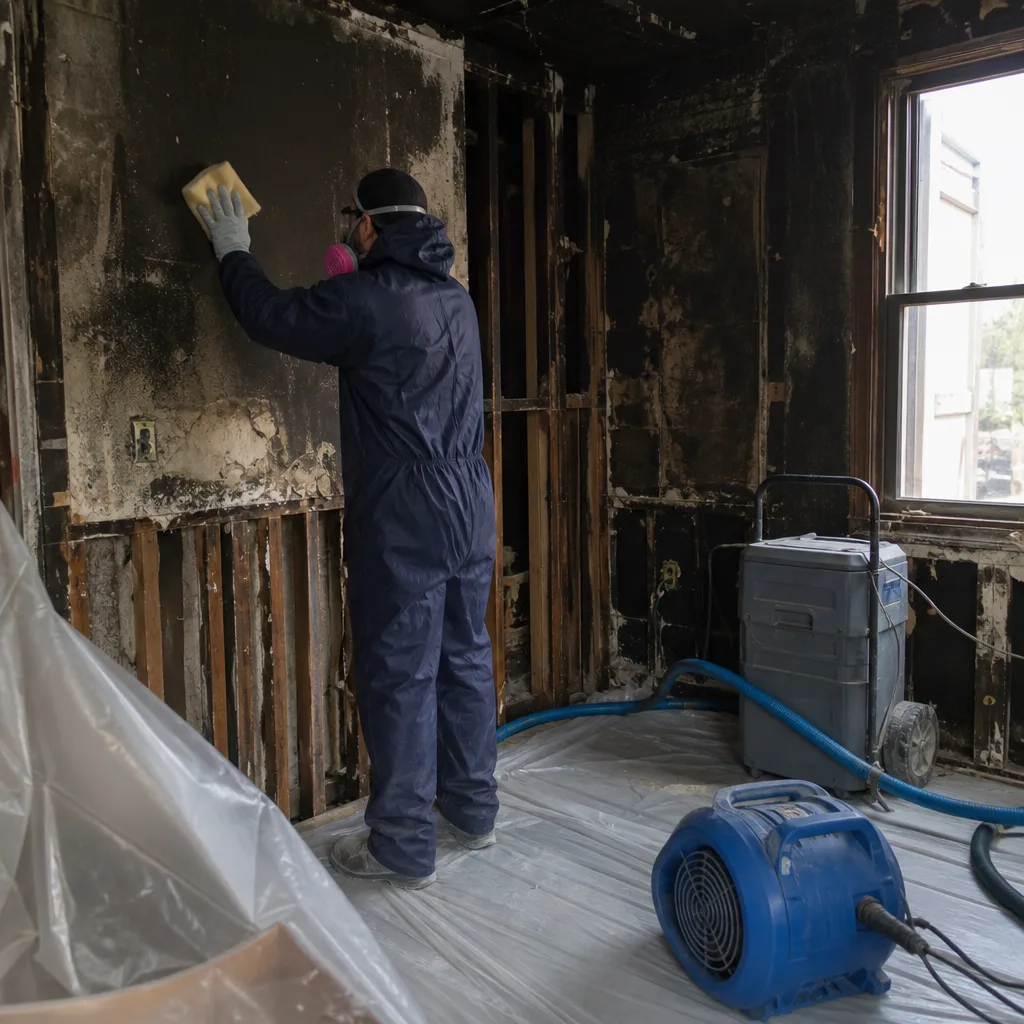
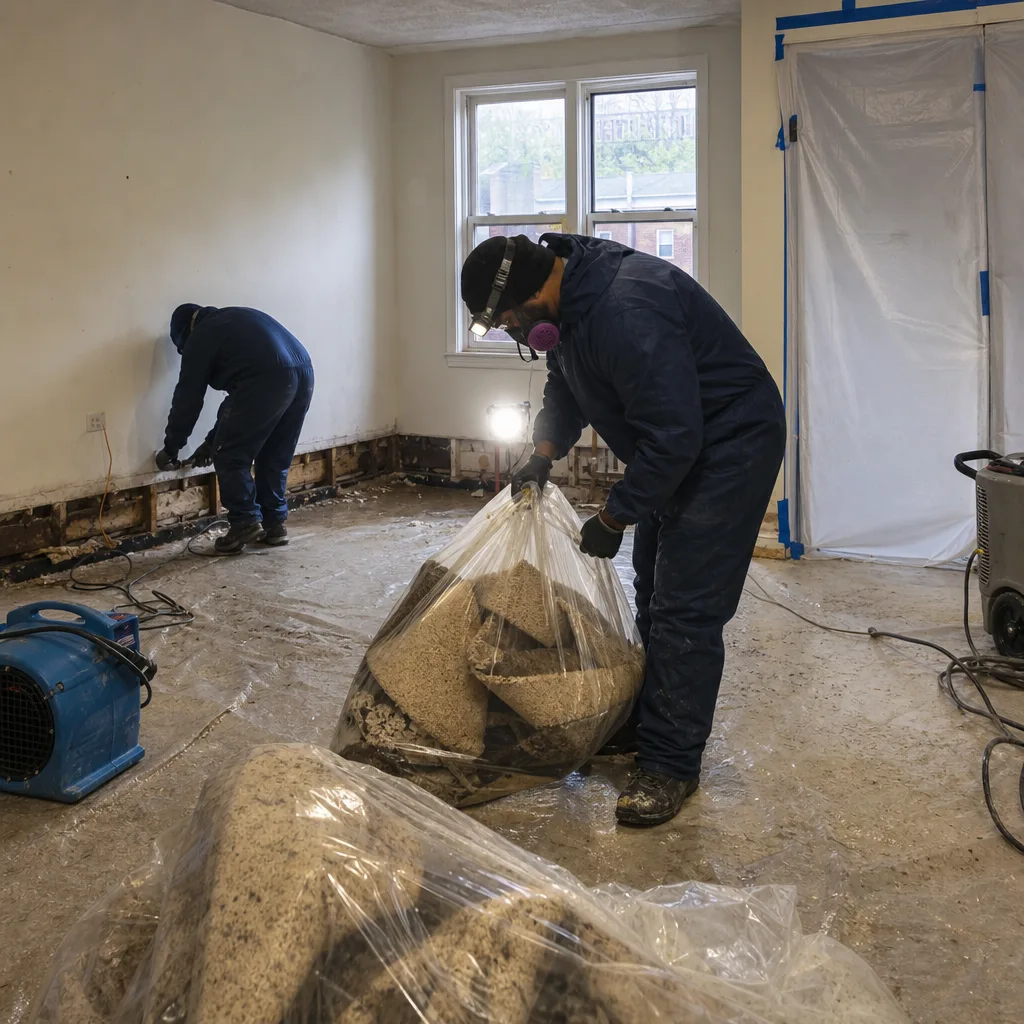
- Water damage restoration: Extraction, structural drying, and dehumidification to IICRC S500 standards. Includes category classification (clean, gray, or black water) that determines which materials must be removed versus which can be dried in place.
- Mold remediation: Containment, air filtration, removal of colonized materials, and clearance testing to verify spore counts return to acceptable levels.
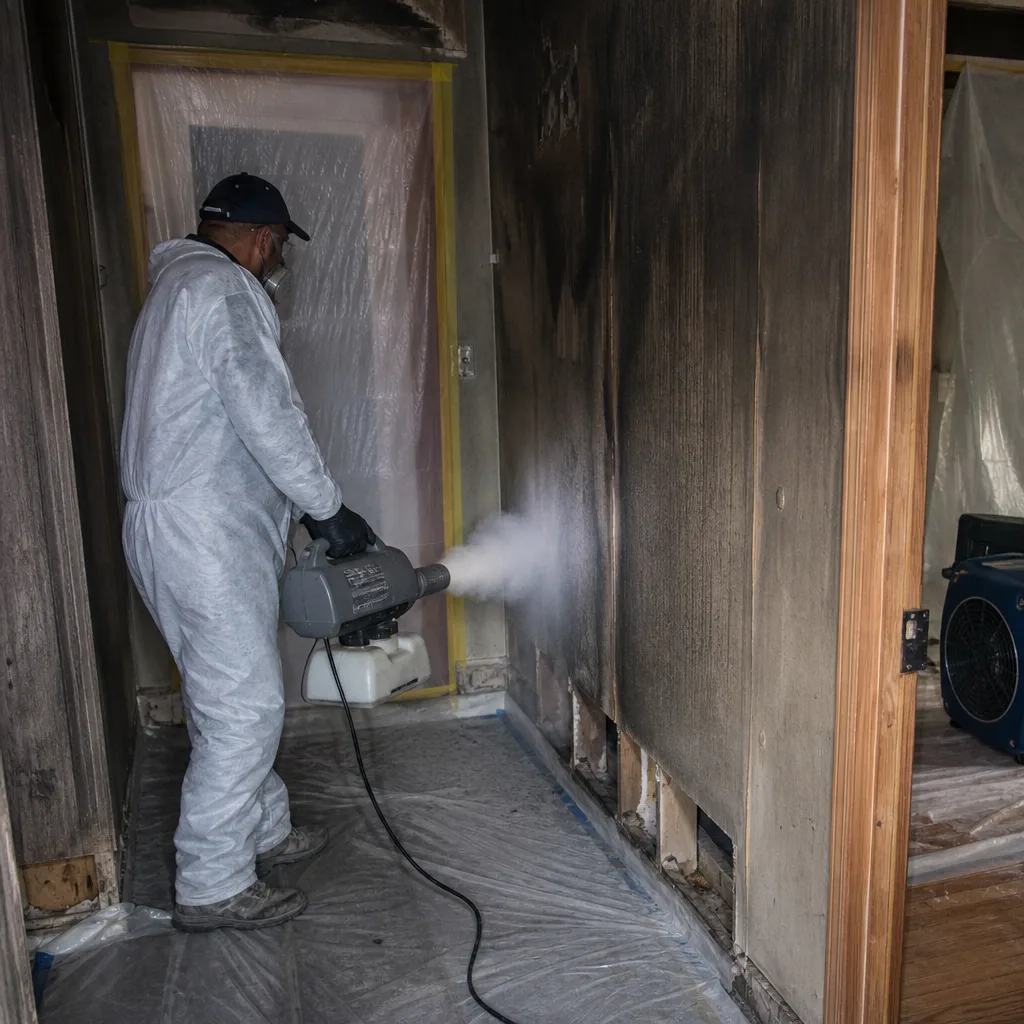
- Fire and smoke damage restoration: Soot removal, odor neutralization, structural cleaning, and often reconstruction of heat-compromised assemblies.
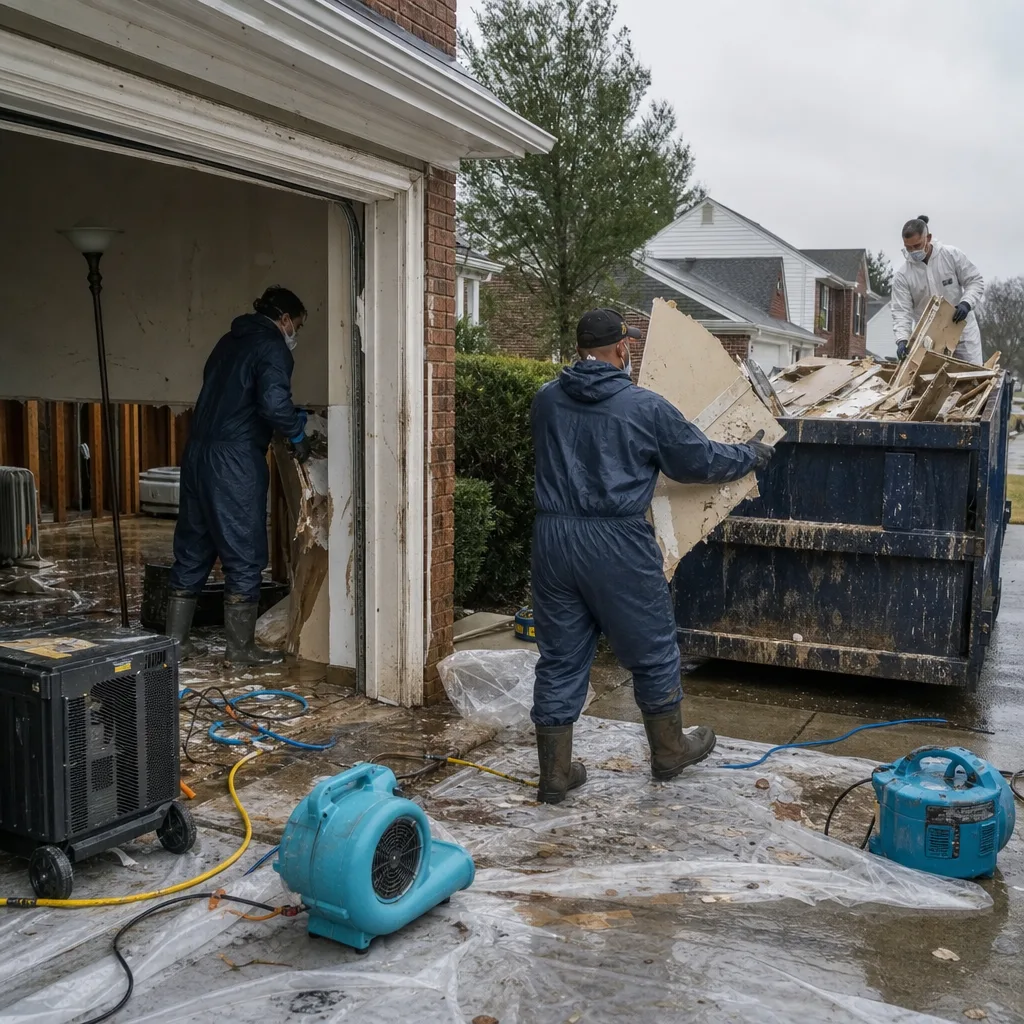
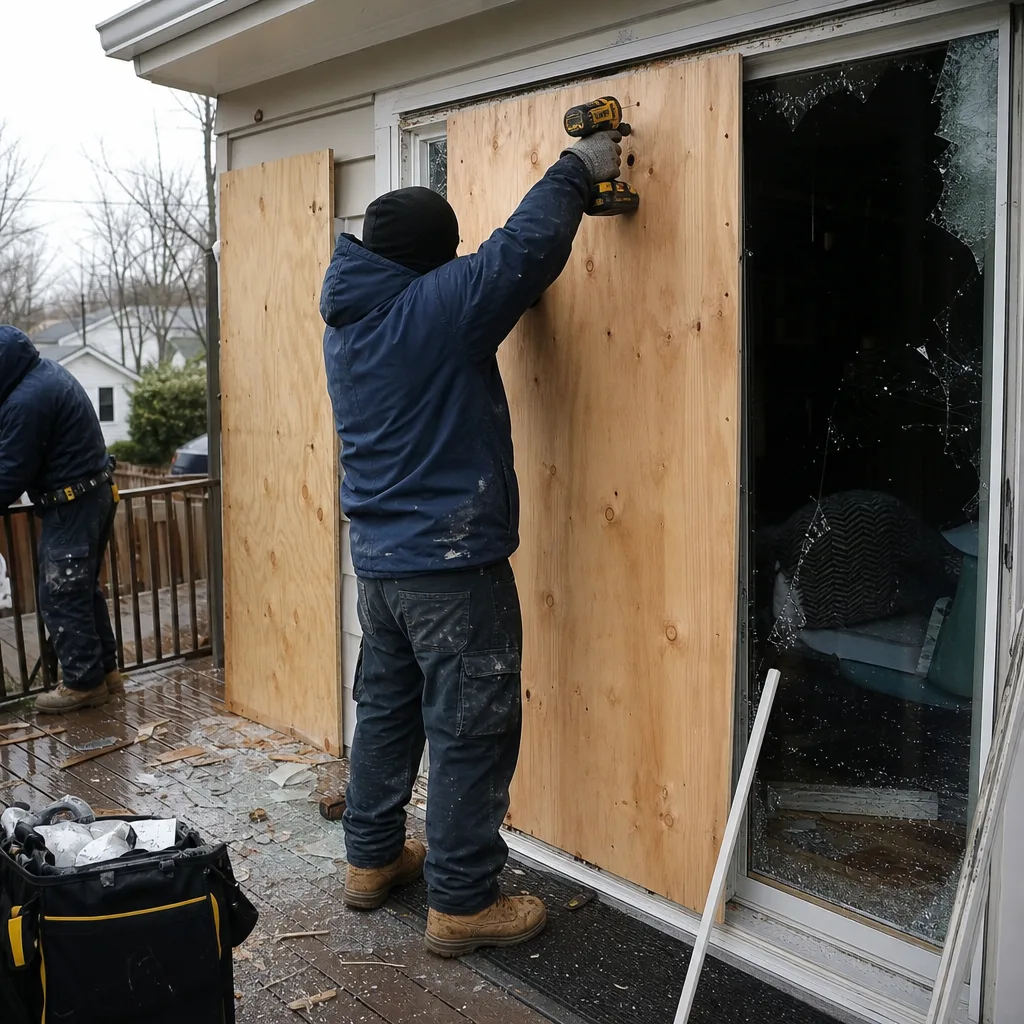
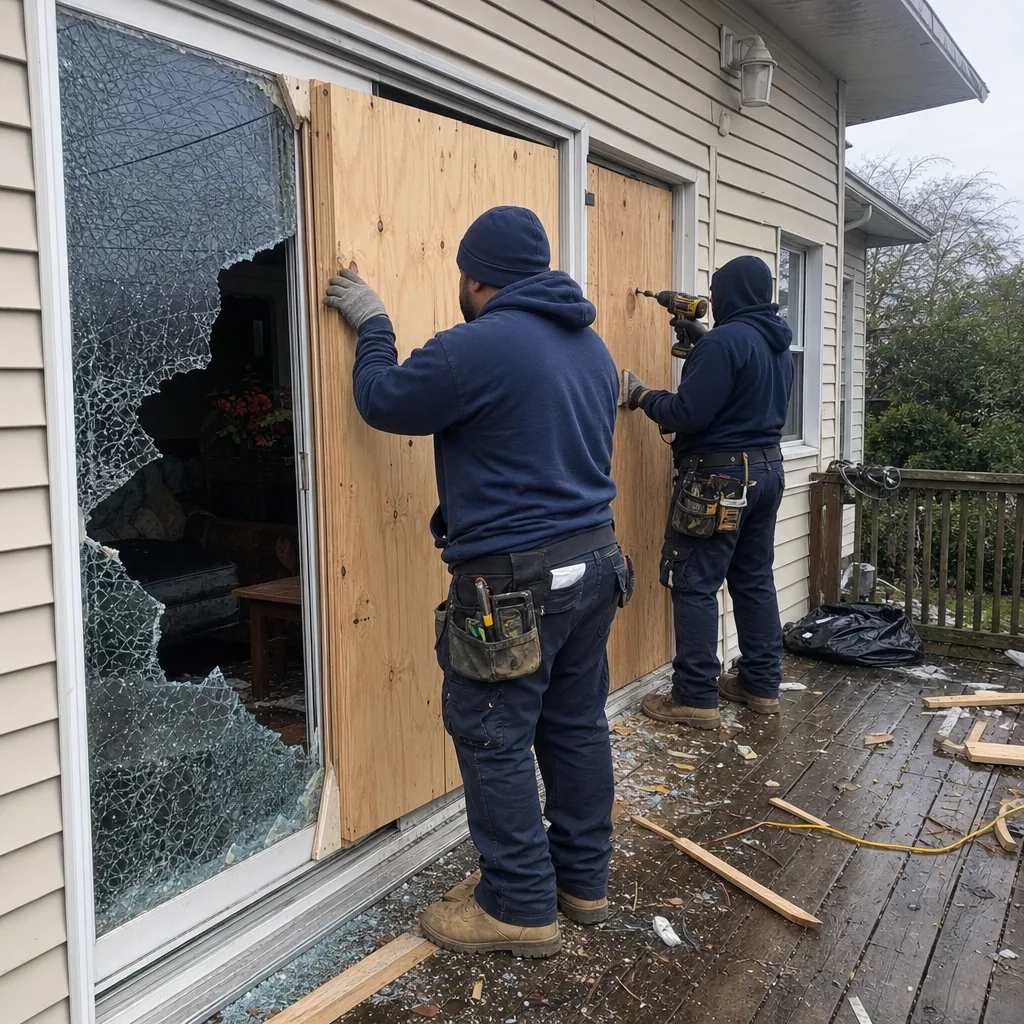
- Storm and disaster restoration: Emergency board-up, temporary weatherproofing, and phased recovery from wind, flood, or fallen tree damage. Storm response in Jamaica must account for Queens County’s combined sewer overflow system, which can backfill basements during heavy rainfall.
- Sewage cleanup: Category 3 water mitigation with antimicrobial application and disposal of porous materials per health department requirements. Sewage events in Jamaica require particular attention because many homes connect to aging lateral lines.
- Biohazard and crime scene cleanup: OSHA-compliant remediation of bloodborne pathogens and hazardous materials.
- Reconstruction: The build-back phase, scoped in writing and priced before work begins, that returns the structure to finished condition.
Each category has its own documentation standard, but all share one requirement: a written scope before work starts, a photo record on every visit, and verification that the structure meets measurable completion criteria.
We use professional-grade drying systems from Dri-Eaz, Phoenix, and Injectidry on water losses, and we document every deployment to IICRC, RIA, and IFA standards. The equipment matters, but the log matters more. A Dri-Eaz LGR 7000XLi running for 72 hours proves nothing without daily psychrometric readings showing the vapor pressure differential was actually moving moisture out of the structure.
Why Documentation Beats Drying Equipment
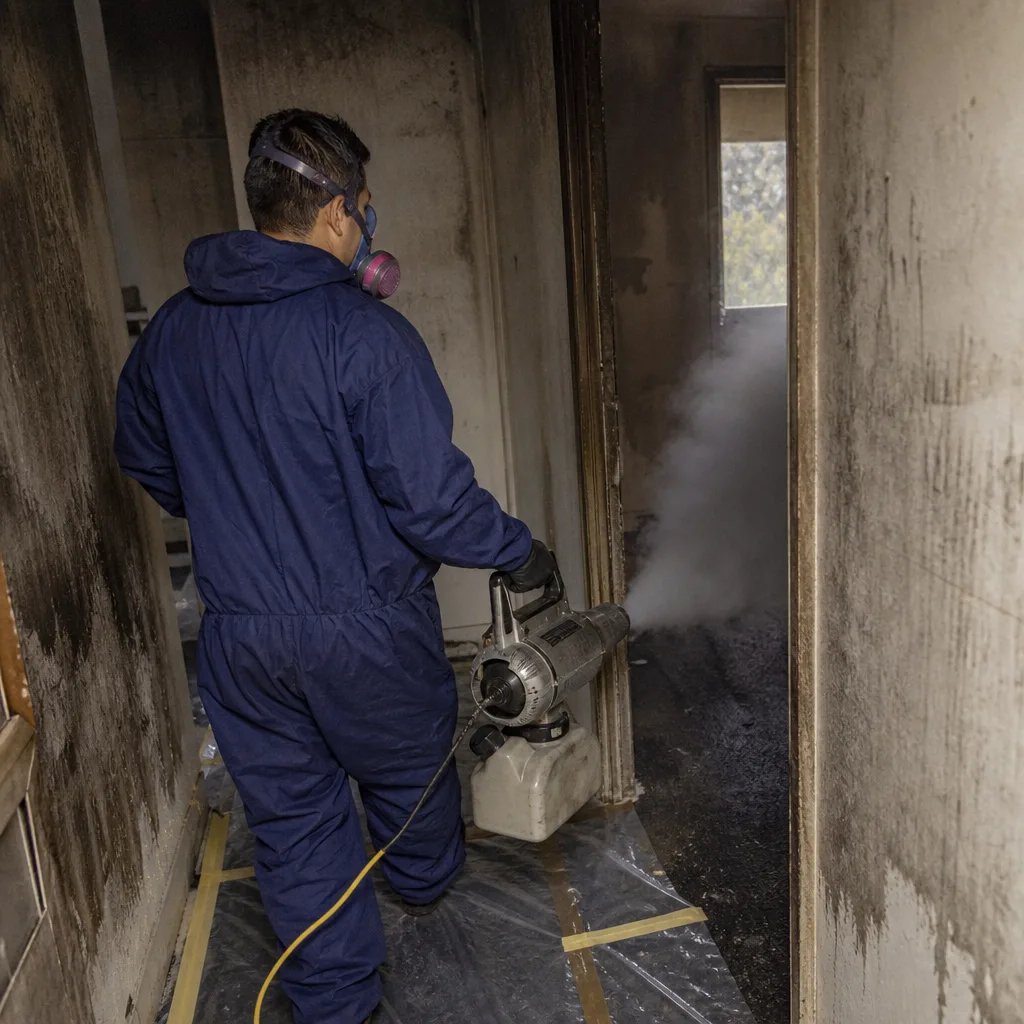
The restoration industry sells equipment. Dehumidifiers, air movers, HEPA scrubbers. But your insurance company pays for documentation. Specifically, they pay for evidence that the structure reached accepted moisture equilibrium before reconstruction began.
Here’s what that means in practice. Wood framing is legally dry at 15-17% moisture content. Gypsum drywall at 12% or below. Concrete subfloors vary by region and mix, but generally must reach 75% relative humidity or lower at the surface. These are not opinions. They are IICRC S500 thresholds, and they are what your adjuster’s desk reviewer will check if your claim goes to supplement or dispute.
Without daily drying logs showing progressive moisture reduction, your contractor has no proof the structure was ready for paint, flooring, or wall closure. The Queens County case we opened with, the $34,000 denial, failed at exactly this point. The contractor closed the walls. The homeowner sold the house two years later. The buyer’s inspector found elevated moisture with a pinless meter. The new claim was denied as pre-existing because the first restoration had no clearance documentation.
The documentation that prevents this:
- Initial photo set: Date-stamped, room-by-room, showing all affected materials before anything is moved or removed.
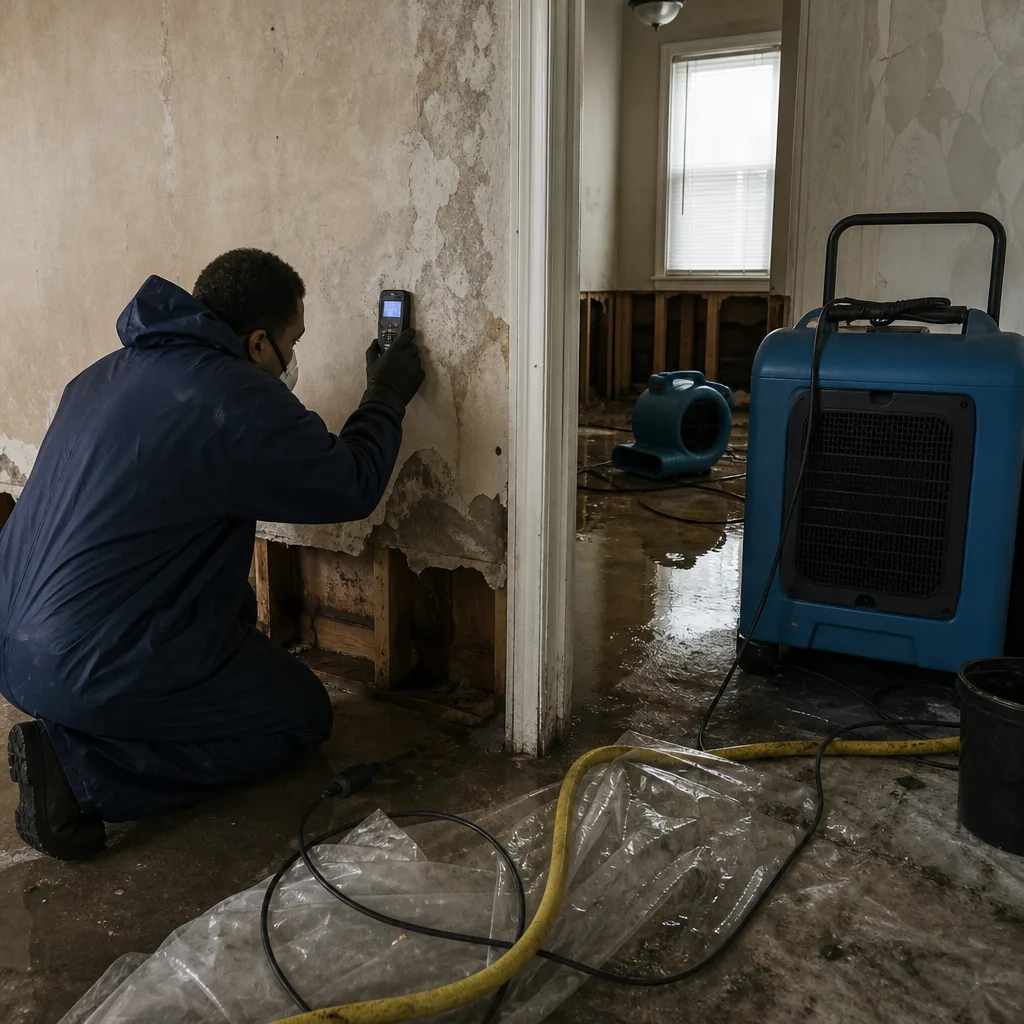
- Pre-mitigation moisture map: Pin and pinless meter readings on every affected surface, recorded by material type and location.
- Equipment placement diagram: Where each dehumidifier and air mover sits, with CFM calculations showing adequate air exchange.
- Daily drying logs: Temperature, relative humidity, specific humidity, and moisture content readings at the same points each day.
- Post-mitigation clearance readings: Final moisture verification that meets or beats IICRC thresholds.
- Written scope for reconstruction: Line-item pricing, material specifications, and completion criteria signed before build-back begins.
At DryMark Restoration Jamaica, this sequence is not optional. It is Haven Standard, Clause 1 through Clause 6, and it is stamped on every job folder before the crew loads the truck.
The Documentation Sequence That Protects Your Claim
We’ve restored over 12,000 homes since 2011, every one with a written price before work started and a documented record when the crew left. The sequence below is what we’ve learned prevents the documentation gaps that cost homeowners their claims.
Step 1: Emergency Response and Initial Documentation
When our live dispatch answers your call, 24 hours a day, 7 days a week, the documentation clock starts. The technician who arrives is background-checked, uniformed, and licensed, with the license number recorded on your job folder. The first act is not extraction. It is photography. Every wall, every floor, every ceiling, every piece of affected content, before anything changes.
Step 2: Moisture Mapping and Category Classification
We classify the water source (Category 1, 2, or 3), identify the water migration path using thermal imaging and non-penetrating moisture meters, and establish drying goals by material. In Jamaica’s older homes, water often travels along balloon framing cavities or behind horsehair plaster in ways that surface readings miss. We document the full path, including areas that appear dry to touch but read elevated on a Delmhorst BD-2100.
Step 3: Equipment Deployment with Calculated Airflow
Every dehumidifier and air mover is placed according to psychrometric calculations, not guesswork. We document the make, model, and serial number of each unit, the CFM output, and the cubic footage of the drying chamber. This is what turns an invoice into a payable claim.
Step 4: Daily Monitoring and Log Maintenance
Our technicians return daily, or more frequently on large losses, to record moisture readings at the same points. The drying log shows progressive reduction. If readings plateau, we adjust equipment or investigate hidden moisture. The log is your proof that drying was actively managed, not passive.
Step 5: Clearance Verification and Written Release
Before any reconstruction begins, we verify that all materials meet IICRC dryness thresholds. We provide you and your adjuster with the clearance report, the complete photo record, and the drying log. Only then do we present the written scope for build-back.
Step 6: Reconstruction with Pre-Approved Scope
Haven Standard, Clause 1: written price before work begins. The reconstruction scope is line-itemed, priced, and signed before the first carpenter arrives. No scope creep. No additions once the crew is inside. This is the documentation that protects you from the oversell fear that every homeowner carries.
Jamaica’s Older Housing Stock: Hidden Moisture Pathways
Jamaica’s residential architecture spans nearly 120 years of construction methods, and the pre-1970 stock presents restoration challenges that newer suburbs simply don’t face. Understanding these conditions helps you ask better questions of any contractor who bids your job.
Balloon framing: Common in homes built before 1940, balloon framing uses continuous studs from foundation to roof with no fire stops at each floor. Water that enters at the basement or first floor can travel vertically inside wall cavities for the full height of the structure. A moisture map that only checks the visibly wet room will miss this migration. We use borescope inspection and strategic wall cavity readings to track it.
Horsehair plaster: Pre-1950s homes in Jamaica often have plaster walls with horsehair reinforcement over wood lath. This material holds moisture differently than modern drywall, releases it more slowly, and can delaminate from the lath if dried too aggressively. Standard drying protocols designed for gypsum board can damage horsehair plaster. We adjust equipment placement and monitor for plaster loosening.
Knob-and-tube wiring remnants: Even where updated, some Jamaica homes retain active knob-and-tube circuits in wall cavities. Water intrusion creates both electrical hazard and access limitation. We coordinate with licensed electricians before opening cavities where live K&T may be present.
Combined sewer connections: Jamaica’s connection to New York City’s combined sewer system means heavy rainfall can cause basement backups even without a plumbing failure. Sewage cleanup in Jamaica often involves Category 3 water that requires antimicrobial treatment and disposal of porous materials per NYC Department of Health requirements.
Flat roofs and parapet walls: Common on Jamaica’s multi-family conversions, flat roofs with inadequate drainage or failed parapet flashing allow water to pool and infiltrate slowly. The damage may not appear until months later as ceiling stains or mold odor, by which time structural members may be compromised.
These conditions don’t just affect how we dry. They affect what we document. A contractor who doesn’t know to look for balloon framing water migration will not photograph the upper-floor cavities that later show damage. A contractor unfamiliar with horsehair plaster will not record the pre-existing crack pattern that proves whether new damage occurred in this loss.
How to Read a Contractor’s Scope Against Your Insurance Estimate
This is where most homeowners lose money, and where most restoration companies hope you won’t look too closely. Your insurance adjuster produces an estimate with line items. Your contractor produces a scope with line items. They rarely match, and the difference is rarely in your favor unless you know how to read both.
Start with the unit pricing. Insurance estimates often use standardized pricing databases that may not reflect Jamaica’s actual labor and material costs. A contractor’s scope that comes in significantly below the estimate may indicate corner-cutting. A scope that exceeds the estimate without explanation may indicate padding. The legitimate differences are in the details.
Line items to compare carefully:
- Emergency service vs. standard rates: After-hours response should carry a documented premium, not a vague surcharge.
- Equipment rates by day: Compare the daily rate and the estimated duration. A contractor who estimates 5 days of dehumidifier rental when the drying log shows 3 is either pessimistic or padding.
- Material classifications: “Remove and replace drywall” is not the same as “remove and replace 5/8″ Type X fire-rated drywall.” The specification matters for code compliance and cost.
- Contents manipulation: Who moves furniture, who stores it, and at what rate? This line item is often underestimated in insurance scopes.
- Contingency percentages: Standard is 10% overhead and 10% profit on some estimate formats, but this varies by carrier and by state. New York allows different structures.
At DryMark Restoration Jamaica, we provide a free second opinion on any competitor’s written estimate. Bring us the scope and the insurance estimate, and we’ll cross-reference them line by line at no charge. We’ve found $8,000 in missing line items on a single-family scope in South Jamaica, and we’ve found a Queens Village estimate that included vapor barrier replacement on a job where the vapor barrier was never wet. Both errors would have cost the homeowner if uncaught.
The key question to ask any contractor: “Will you put in writing that this scope matches or exceeds my insurance estimate’s line items, and will you document any shortfall before work begins?” Haven Standard, Clause 1 requires us to answer yes, in writing, before we start.
Certificate of Completion vs. Moisture Clearance Report
This distinction protects you at resale and during any future claim. Too many contractors conflate the two, and too many homeowners accept a certificate of completion when they need a moisture clearance report.
A certificate of completion says the contractor finished the work they contracted to do. It is a business document, not a technical verification. It means the walls are closed, the paint is on, the floors are down. It does not mean the structure was dry before those finishes went on.
A moisture clearance report is a technical document showing that affected materials reached IICRC-accepted moisture equilibrium before reconstruction began. It includes the initial readings, the daily drying logs, the final readings, and the meter calibration dates. It is what your adjuster’s desk reviewer wants. It is what a buyer’s home inspector will ask for if moisture issues surface later. It is what prevents a future claim denial for pre-existing damage.
In Jamaica’s market, where homes sell actively and buyers are increasingly inspection-savvy, the moisture clearance report is a resale asset. A certificate of completion is not. We provide both, but we stamp the clearance report as Haven Standard, Clause 5: documented dryness before build-back. Without it, the 365-Day Done Right Promise cannot be activated, because we cannot verify what condition we are promising to make right.
What Restoration Costs in Jamaica
Restoration pricing varies by loss category, affected square footage, and the documentation standard your contractor maintains; see our Damage Restoration Cost Breakdown: The Jamaica Homeowner’s Reference for 2026 for detailed ranges. Below are ranges we see in the Jamaica market for typical residential scenarios. These are not quotes. Every job requires site-specific assessment and a written price before work begins, per Haven Standard, Clause 1.
| Service | Typical Range | What Affects Price |
|---|---|---|
| Water damage mitigation (single room, Category 1) | $1,800 – $3,400 | Square footage, material type, accessibility, whether contents manipulation is needed |
| Water damage mitigation (whole floor, Category 2) | $4,500 – $8,200 | Migration path length, subfloor type, whether cabinets or built-ins are affected |
| Mold remediation (contained area, <100 sq ft) | $1,200 – $2,800 | Containment complexity, HVAC involvement, clearance testing requirements |
| Mold remediation (whole basement or multiple rooms) | $5,500 – $14,000 | Structural involvement, sheathing replacement, air scrubber duration |
| Fire and smoke restoration (light soot, single room) | $2,400 – $4,600 | Odor severity, content cleaning vs. replacement, thermal fogging needs |
| Fire and smoke restoration (heavy damage, structural) | $12,000 – $35,000+ | Framing char depth, electrical replacement, code upgrade triggers |
| Sewage cleanup (basement, Category 3) | $3,200 – $6,800 | Volume, porous material disposal, antimicrobial treatment, clearance requirements |
| Reconstruction (drywall, paint, flooring, single room) | $4,500 – $9,500 | Finish level, material grade, whether trim matches existing profiles |
These ranges reflect Jamaica’s position in the Queens County market, where labor rates run higher than outer Long Island but lower than Manhattan. Material costs are subject to supply fluctuation, which is why Haven Standard, Clause 1 specifies that the written price is valid for the scope as written, with change orders documented and signed if conditions change.
Insurance direct billing is available and common. We coordinate with adjusters, provide the documentation package they require, and do not demand upfront payment on verified claims. For non-insurance jobs, payment terms are specified in the written scope before work begins.
Choosing a Restoration Company in Jamaica
The right question is not “who can get here fastest” on emergency calls, or “who has the lowest price” on reconstruction. The right question is “who can produce the documentation that gets my claim paid and protects me at resale.”
Verify these specifics before signing:
- Written price before work begins, every time, no exceptions. Ask to see a blank scope template. If they won’t show you, they won’t do it.
- Daily drying logs with moisture readings by material type. Ask for a sample log from a completed job. Redacted for privacy is fine. What you want to see is the format: date, time, meter type, reading location, progressive reduction.
- Photo record on every visit, included as standard. Not an upsell. Not “available upon request.” Standard.
- Clearance verification before reconstruction. Ask what standard they use, what meters they use, and whether they provide the report to you and your adjuster.
- Written warranty with a real address. The 365-Day Done Right Promise is stamped on every DryMark Restoration Jamaica job under The Haven Standard. It is not a verbal assurance. It is a signed document.
- Live person answers the phone, 24 hours a day, 7 days a week. Test it. Call at 11 PM on a Sunday. If you get voicemail on an emergency line, that is your answer.
We are independently owned and operated under The Haven Standard, not a franchise network. Alicia Brennan founded this company in 2011 after working as a claims adjuster and seeing how often homeowners lost legitimate claims to documentation gaps. That origin is why we built our process around the paper trail first and the equipment second.
Background-checked, uniformed technicians arrive with named credentials. Equipment from Dri-Eaz, Phoenix, XPOWER, B-Air, and Injectidry is documented by serial number. Every job folder contains the complete record: initial photos, moisture map, drying logs, clearance report, written scope, and signed warranty.
Common Mistakes to Avoid
- Waiting for the insurance adjuster before calling a restoration company. In water losses, every hour increases the damage category and the documentation burden. Call for emergency mitigation immediately, and let the restoration company document from hour one.
- Accepting a verbal estimate or “ballpark” figure. Haven Standard, Clause 1 exists because verbal pricing invites dispute. If a contractor won’t put a price in writing before starting, they are not the contractor for your claim.
- Closing walls without moisture clearance documentation. This is the $34,000 mistake. Future buyers, future insurers, and future inspectors will ask for proof. Without it, you have none.
- Assuming all Category 1 water stays Category 1. Clean water that sits for 48-72 hours becomes Category 2. In Jamaica’s humid summer months, that timeline shortens. The category determines what must be removed versus what can be dried. Document the timeline.
- Not requesting the drying log until the job is done. You need to see progressive reduction while drying is active. A log produced at completion can be reconstructed, not verified.
- Ignoring neighborhood-specific construction risks. A contractor unfamiliar with Jamaica’s balloon framing, horsehair plaster, or combined sewer connections will miss damage that a local specialist would catch.
- Signing a scope that doesn’t match your insurance estimate without documented explanation. Line-item mismatches are where money disappears. Cross-reference or get a free second opinion.
When to Call a Professional
Call immediately for standing water of any depth, visible mold growth larger than 10 square feet, fire or smoke damage, sewage backup, or any biohazard situation. These are not DIY scenarios. Category 2 and 3 water carries genuine health risks. Fire-damaged structural members may fail without warning. Mold disturbed without proper containment spreads spores throughout the HVAC system.
Call within 24 hours for water stains that are spreading, musty odors with no visible source, or moisture meter readings above 16% on wood framing. These are the early indicators that documentation and controlled drying can prevent a larger loss.
For reconstruction and build-back, call when you have a clearance report in hand and a written scope ready to compare. This is not emergency work. It is scheduled, scoped, and priced in writing like any professional construction project.
DryMark Restoration Jamaica offers free estimates in Jamaica. Call (516) 240-9735. If you have a competitor’s written estimate, we will review it at no charge and cross-reference it against what your documentation should include. For more guides & resources, visit our blog.
Frequently Asked Questions
Single-room Category 1 water mitigation typically runs $1,800 to $3,400 in the Jamaica market, while whole-floor Category 2 losses range from $4,500 to $8,200. Every job requires site-specific assessment and a written price before work begins. Call (516) 240-9735 for an exact quote; estimates are free.
Most homeowners policies cover sudden and accidental water damage, fire, and storm damage, but coverage varies by policy language, deductible, and whether the damage resulted from maintenance neglect. The contractor who documents properly controls whether your carrier pays without dispute. We provide photo documentation, drying logs, and direct adjuster coordination as standard. Call (516) 240-9735 to discuss your specific policy and loss.
Our live dispatch answers every call, 24 hours a day, 7 days a week, with no voicemail trees. Emergency response times vary by current call volume and your location within Jamaica, but we prioritize standing water and Category 3 losses. For reconstruction and non-emergency assessment, we schedule at your convenience and arrive with a written scope process, not a rush. Call (516) 240-9735 to confirm current availability.
Visible mold growth exceeding 10 square feet, or any mold in an HVAC system, requires professional remediation per EPA and IICRC guidance. Disturbing mold colonies without proper containment spreads spores and can convert a contained problem into a whole-house issue. We provide containment, air filtration, removal, and clearance testing with documented spore count reduction. Call (516) 240-9735 for assessment.
A drying log is the daily record of moisture readings during active drying, showing progressive reduction over time. A moisture clearance report is the final verification that all materials reached IICRC-accepted dryness thresholds before reconstruction began. You need both. The log proves the process was managed. The clearance report proves the structure was ready for build-back. We provide both on every water loss.
We coordinate directly with adjusters, providing the documentation package they require: initial photos, moisture maps, daily drying logs, equipment deployment records, and clearance verification. This direct coordination is standard, not an upsell. It is how restoration invoices become payable claims. We do not require you to mediate between us and your carrier.
Pre-1970 Jamaica homes often have balloon framing that allows vertical water migration across multiple floors, horsehair plaster that holds moisture and dries differently than modern drywall, and aging sewer laterals that complicate backup scenarios. These conditions require specialized assessment techniques and documentation that contractors unfamiliar with local housing stock may miss. We’ve worked in Jamaica’s varied architecture since 2011 and document these conditions specifically.
The Bottom Line
Restoration in Jamaica is a documentation problem disguised as a repair problem. The contractor who controls the paper trail, from initial photo through daily drying log to moisture clearance report and written reconstruction scope, controls whether your insurer pays, whether your home passes future inspection, and whether you’re protected if something isn’t done right. Equipment matters, but evidence matters more. Ask for the documentation before you ask for the dehumidifier. Verify the process before you verify the price. And never sign a scope that doesn’t put the promise in writing.
Written by Alicia Brennan, Owner at DryMark Restoration Jamaica, serving Jamaica since 2011.