
Last updated September 23, 2026
Free visual inspection and a written scope of work before any mitigation begins - photos, moisture readings, and drying logs go in your claim file
The scope we write is the scope we bill. Anything new gets shown to you, in writing, before we touch it.
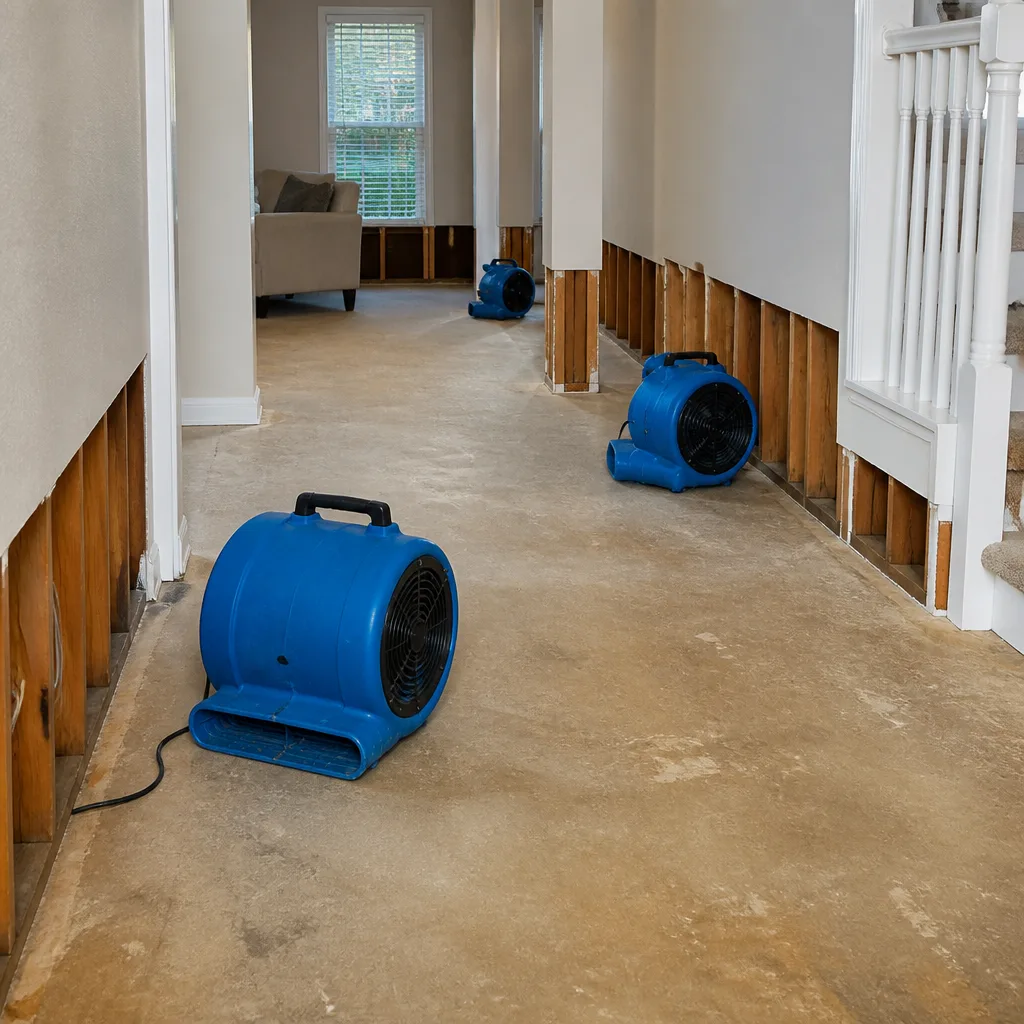
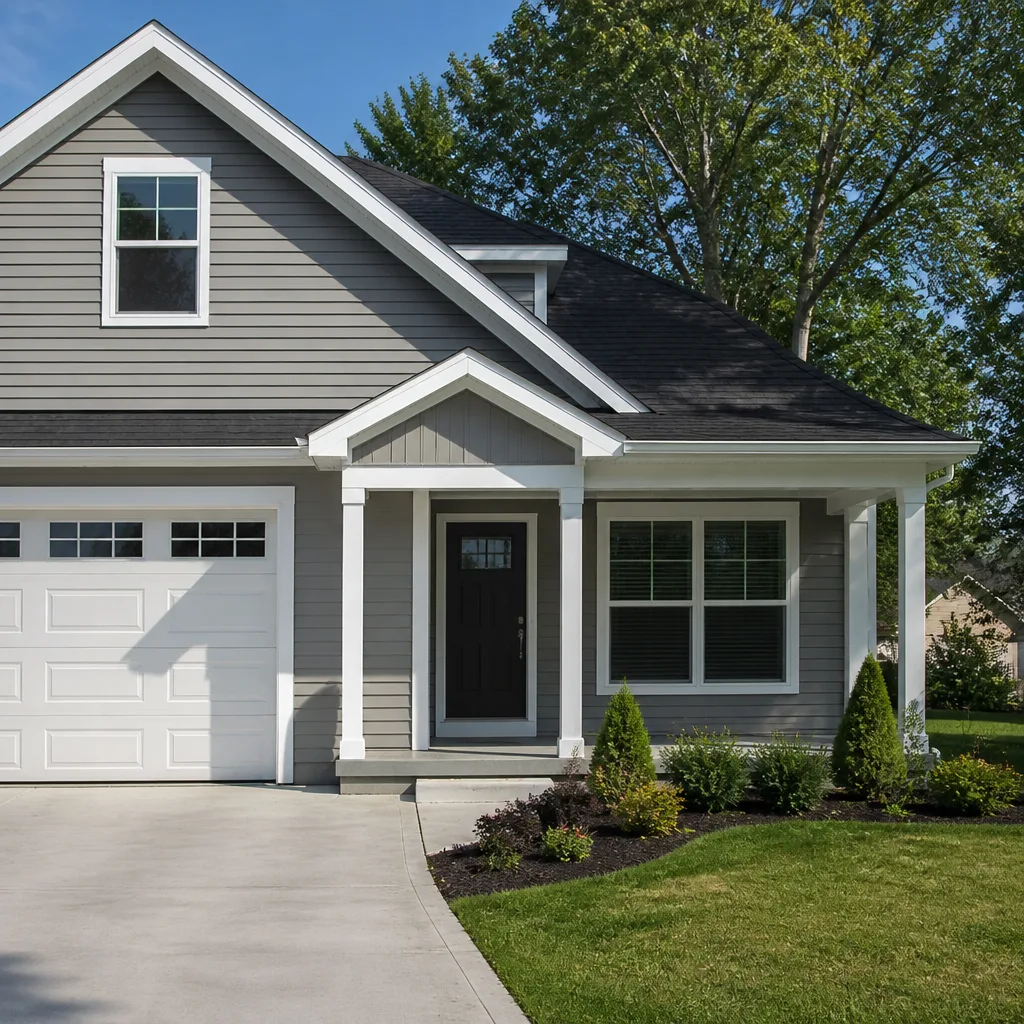
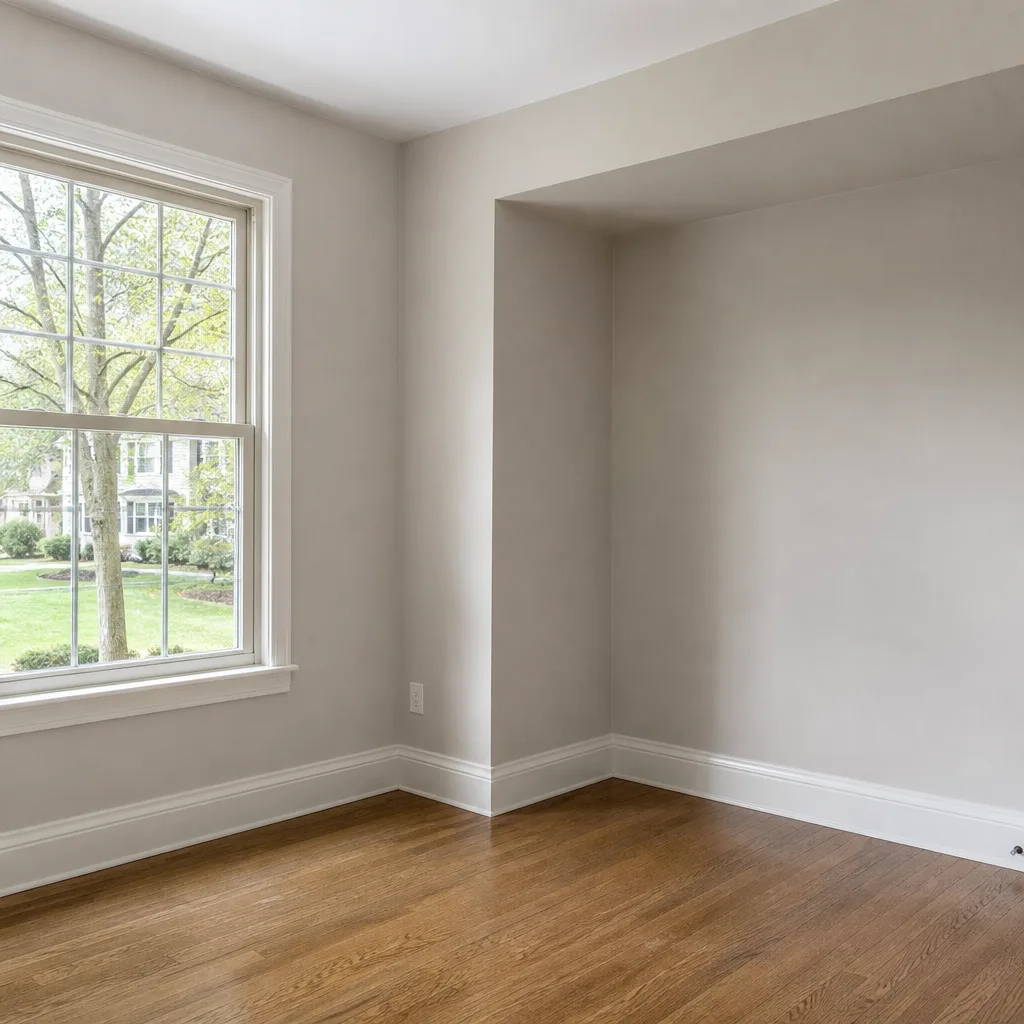
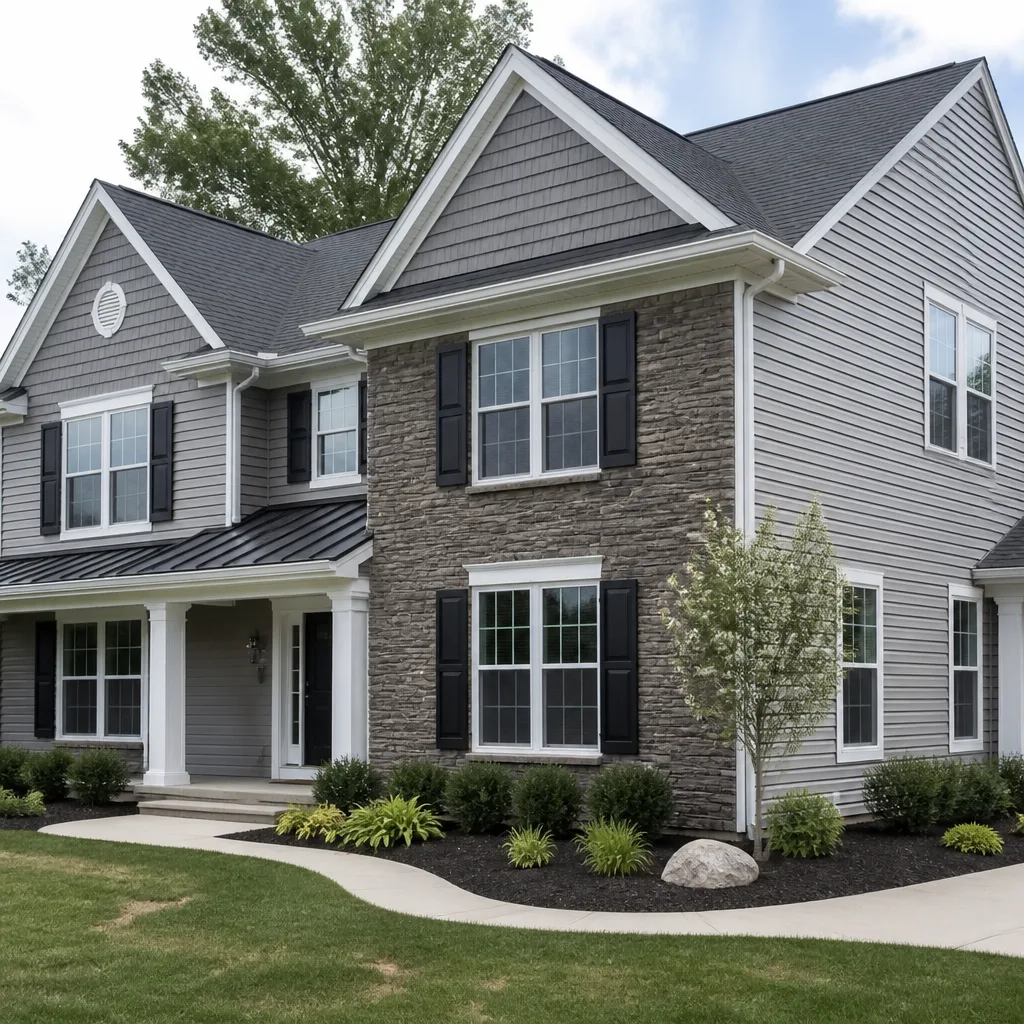
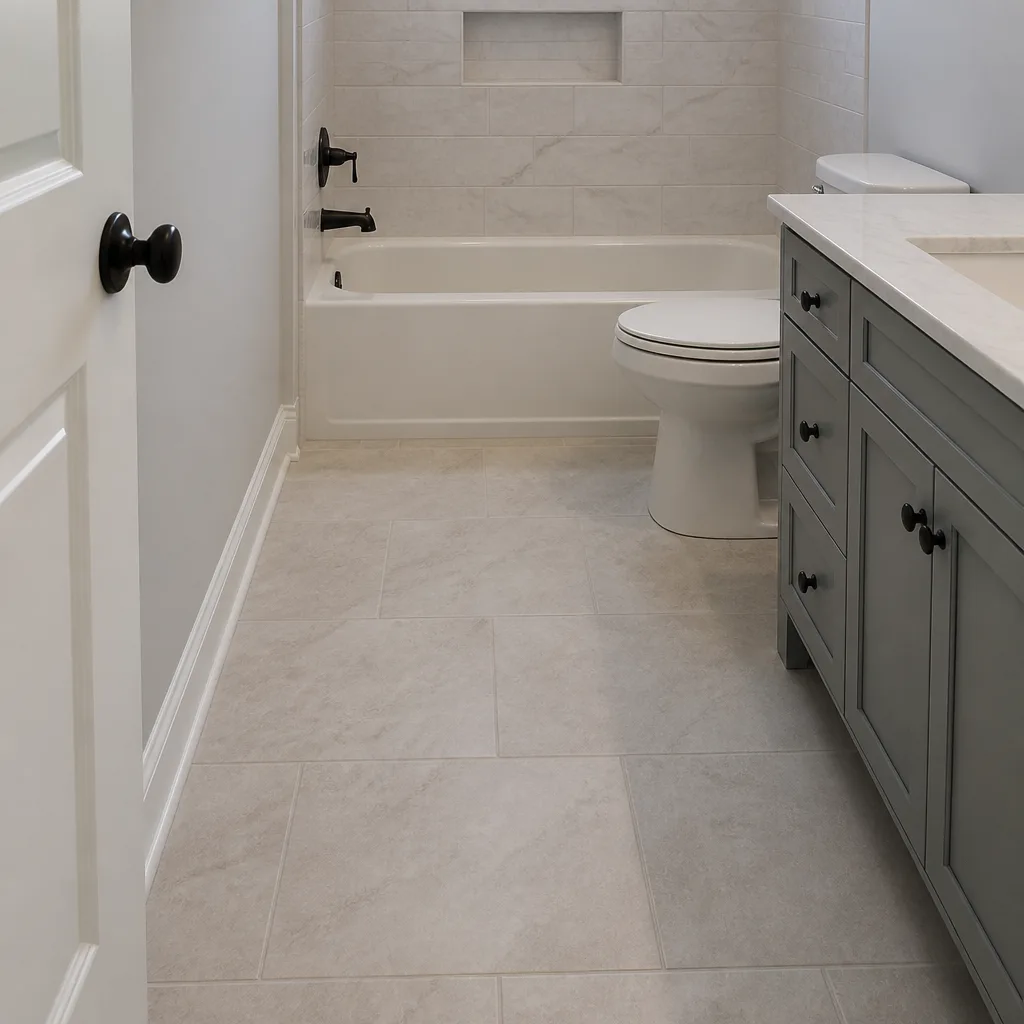
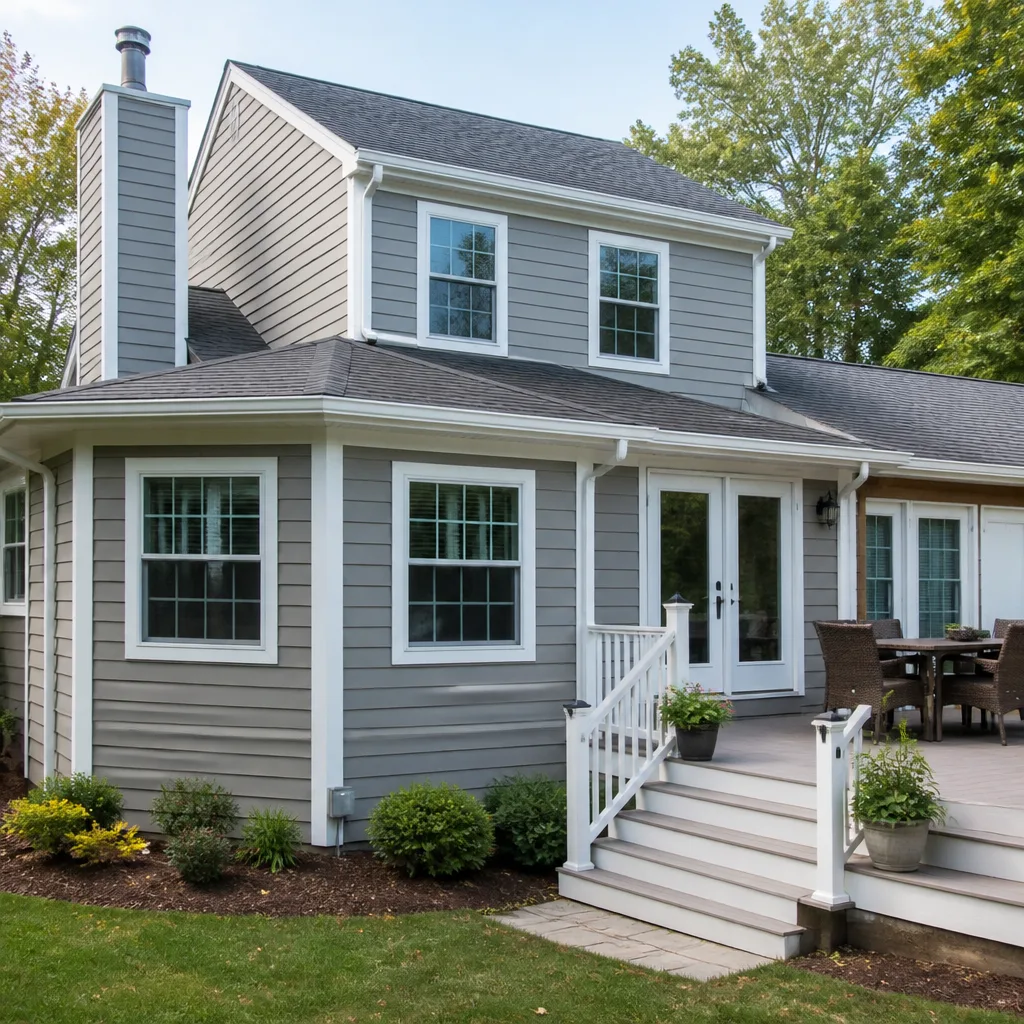
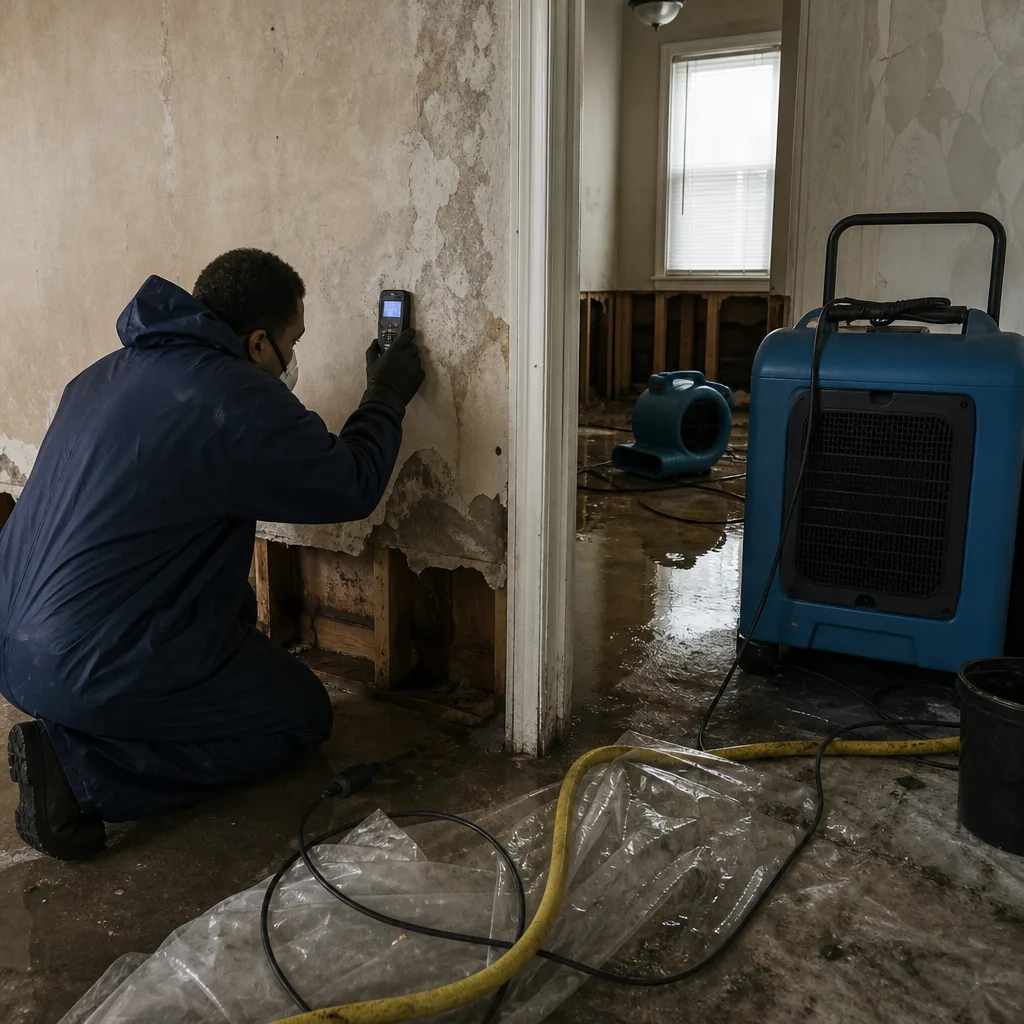 Before
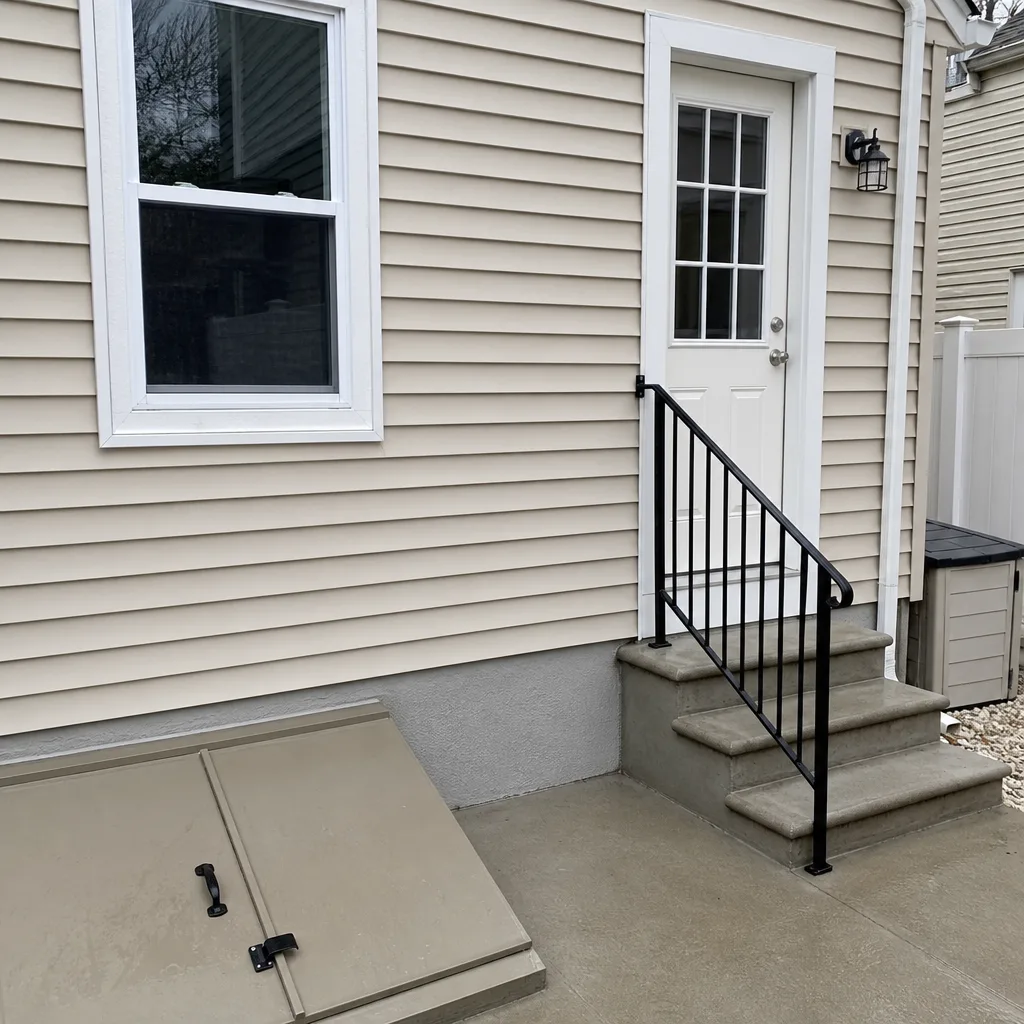 After
After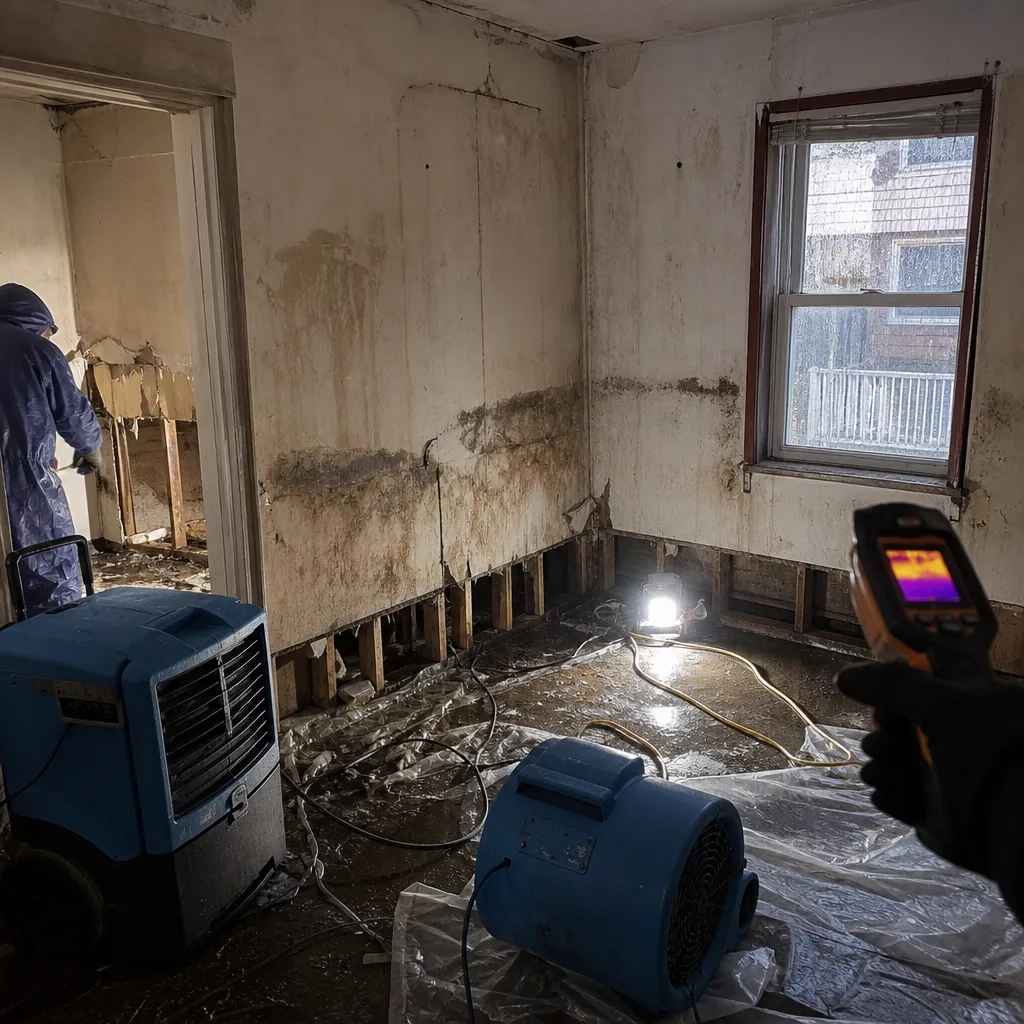 Before
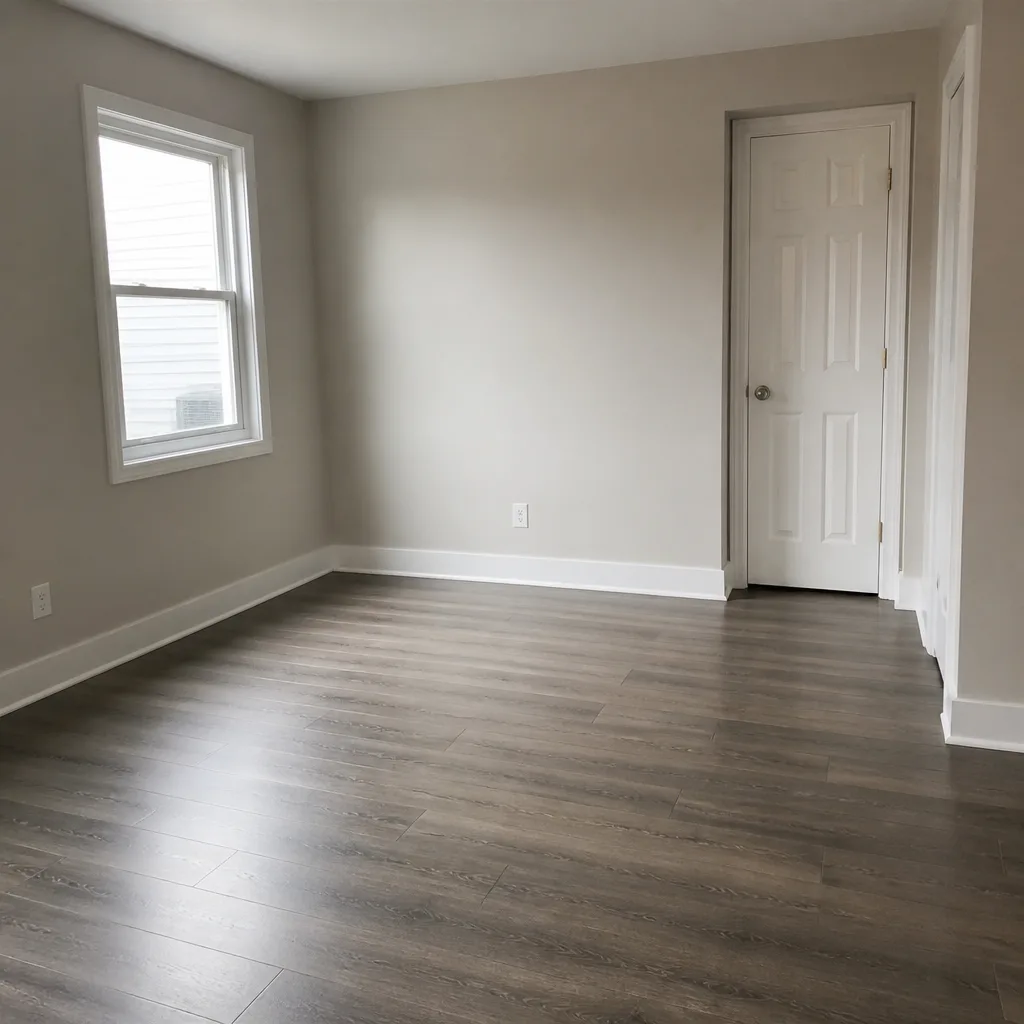 After
After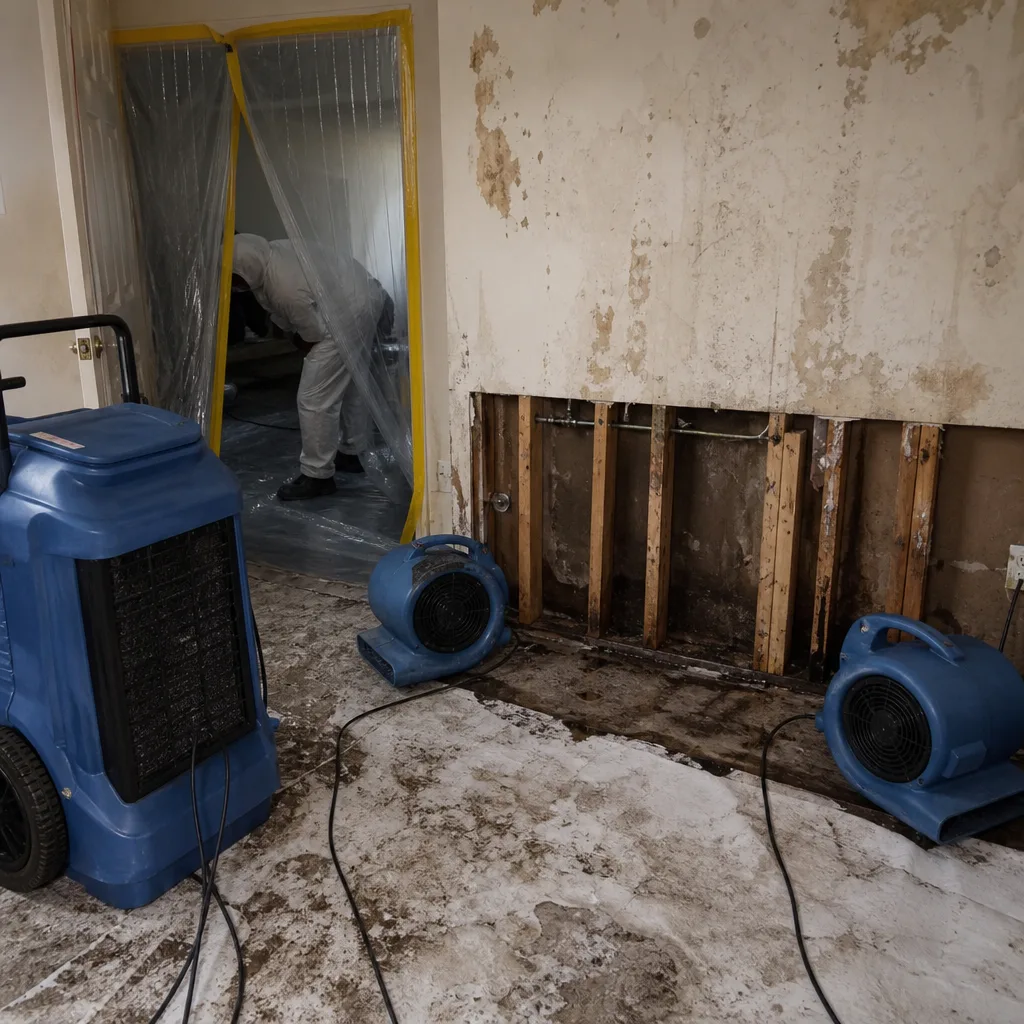 Before
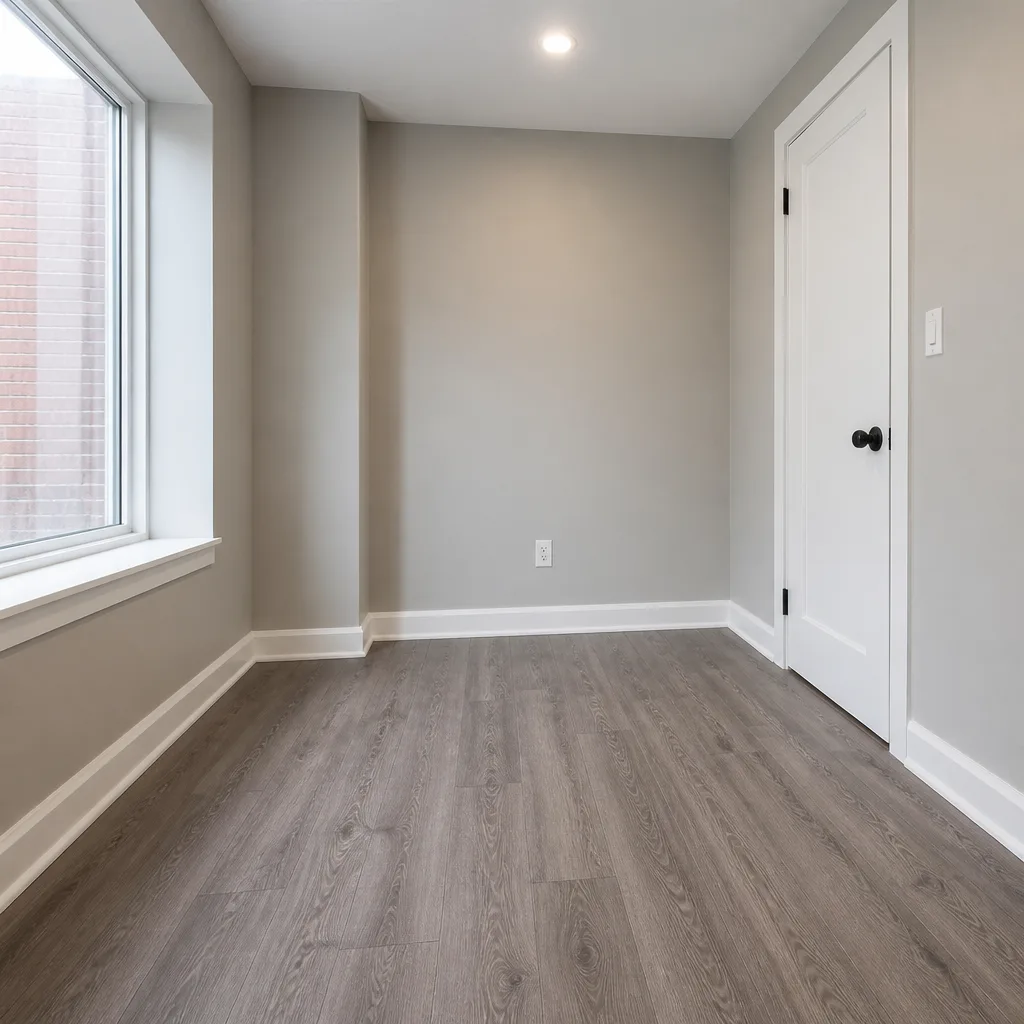 After
AfterDamage Restoration Permits, Codes & Inspections in NY: What You Need to Know
An unpermitted structural repair after water damage does not become legal when the drywall goes up - it becomes a material defect that a buyer’s attorney can use to unwind a sale or an insurer can use to deny a future claim on the same structure. In Jamaica, where post-war housing stock and newer condo conversions sit side by side, we’ve seen homeowners lose six-figure deals because a contractor skipped a $300 permit three years earlier. This guide - alongside our more guides & resources - explains which restoration scopes trigger mandatory NYC Department of Buildings filings, how to read the permit classes that matter, and why the Letter of Completion is the only document that actually protects your property value.
Quick Answer
Most water and fire damage restoration in New York requires an Alteration Type 2 (Alt-2) permit when structural, electrical, or plumbing elements are repaired or replaced. Cosmetic work under $25,000 that does not affect load-bearing elements or systems may qualify for a simpler filing or licensed contractor exemption, but any concealed structural repair, fire-rated assembly replacement, or electrical panel work triggers mandatory DOB permitting and inspection. The homeowner - not the contractor - bears the legal liability for unpermitted work.
Table of Contents
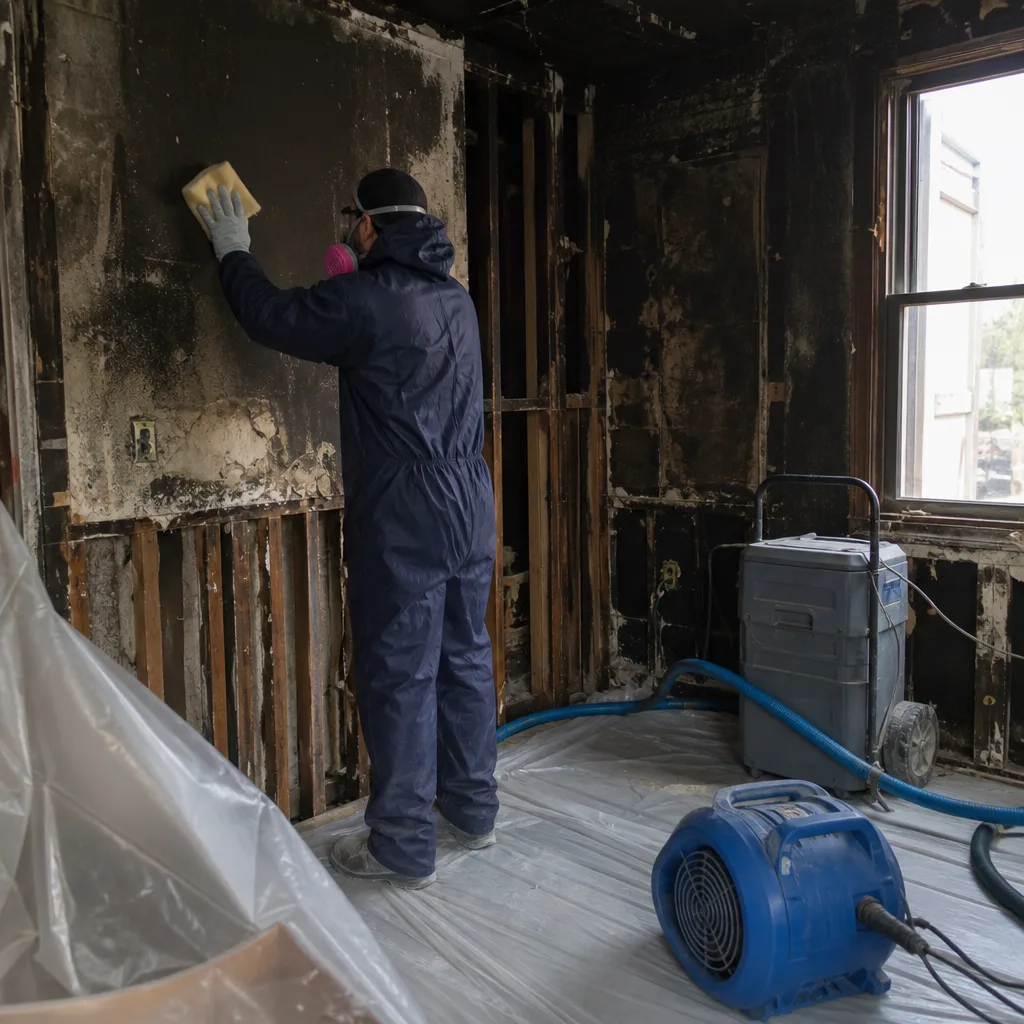
- When Are Permits Required for Damage Restoration?
- Alt-1, Alt-2, and Alt-3: Which Permit Applies to Your Project?
- The NYC Special Inspection Program and Post-Damage Structures
- The Letter of Completion: Why It’s the Only Document That Matters
- Contractor-Permitted vs. Owner-Builder: Where Liability Actually Lives
- How Permits Affect Insurance Claims and Future Coverage
- Jamaica-Specific Considerations: Housing Stock, Codes, and Common Scenarios
- Common Mistakes to Avoid
- When to Call a Professional
- Frequently Asked Questions
BeforeAfterWhen Are Permits Required for Damage Restoration?
New York City Department of Buildings rules do not distinguish between “new construction” and “repair after damage” when determining whether a permit is required. The trigger is the scope of work, not the cause. This surprises many Jamaica homeowners who assume emergency mitigation - the water extraction, the drying, the initial tear-out - operates in a regulatory gray zone, a misconception we address in Damage Restoration Warning Signs: A Jamaica Homeowner’s Reference Guide.
It does not. Or rather, the mitigation itself often falls under emergency work exemptions, but the reconstruction that follows frequently does not.
Here is the threshold test we apply on every job:
- Structural elements: Any repair or replacement of load-bearing walls, floor joists, roof rafters, or foundation elements requires an Alt-2 permit. This includes sistering joists after prolonged water saturation, replacing fire-damaged studs, or rebuilding a compromised sill plate.
- Electrical systems: Replacement of service panels, subpanels, branch circuit wiring, or outlets in damaged areas requires an electrical permit. In Jamaica’s older stock - much of it built 1940-1970 with cloth-insulated wiring or ungrounded circuits - fire and water damage often exposes pre-existing code violations that must be corrected during restoration.
- Plumbing systems: Replacement of water heaters, boilers, or any portion of the drainage/waste/vent system requires a plumbing permit. Frozen pipe bursts in Jamaica’s uninsulated crawl spaces and exterior walls are a winter constant; the replacement scope often triggers filing requirements.
- Fire-rated assemblies: Any repair to walls, floors, or ceilings that serve as fire separations between dwelling units requires both a permit and third-party special inspection. This is common in Jamaica’s multi-family conversions and condo buildings.
- Change of occupancy or use: If damage is severe enough that the building’s classification changes - for instance, a commercial space converted to residential during reconstruction - an Alt-1 permit is required, which is substantially more complex.
Work that typically does not require a permit includes: cosmetic drywall repair over existing framing, painting, flooring replacement that does not involve subfloor repair, and cabinet or fixture replacement in kind. The $25,000 threshold for minor alterations is often cited, but it is not a safe harbor - work that affects structural, electrical, or plumbing systems requires permitting regardless of cost.
We document this distinction in every written scope we deliver under Haven Standard, Clause 1. When our assessment reveals permit-triggering work, the permit cost and filing timeline are itemized in the written price before work begins. No surprises after the crew arrives.
Alt-1, Alt-2, and Alt-3: Which Permit Applies to Your Project?
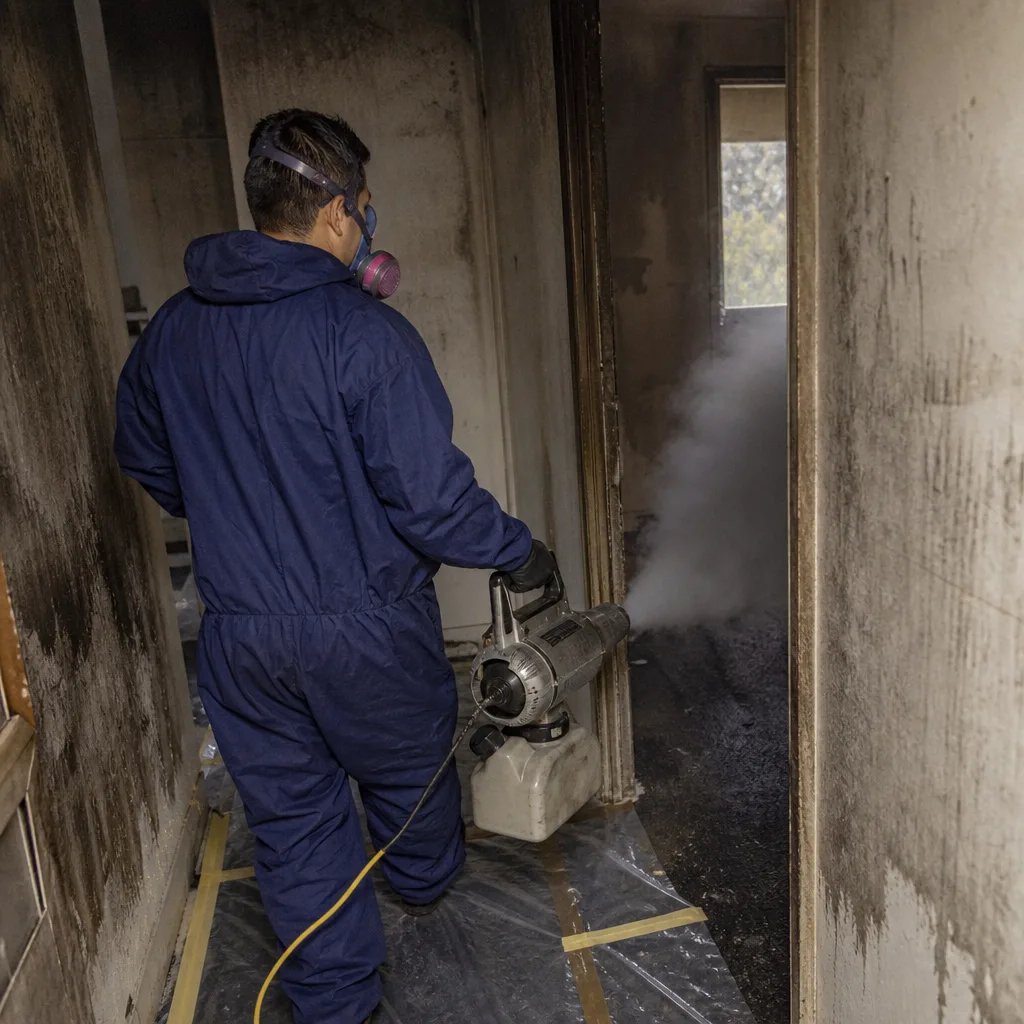
Most Jamaica homeowners encountering permits for the first time see three alteration types on the DOB website and assume the difference is bureaucratic trivia. It is not. The permit class determines inspection frequency, professional sign-off requirements, and how long your project remains open in DOB records.
Alt-1: Major Alterations (Rare in Restoration)
An Alt-1 permit is required when the use, egress, or occupancy type of a building changes. In restoration contexts, this arises when fire or structural damage is so extensive that the building must be reclassified - for example, a two-family home damaged in a fire that is rebuilt as a legal three-family to match actual use, or a commercial space converted to residential during reconstruction. Alt-1 applications require full architectural plans, structural engineering sign-off, and often zoning review. Timeline: 6-12 months for approval in the current DOB queue.
Alt-2: Type II Alterations (The Restoration Standard)
Alt-2 covers alterations that do not change use or occupancy but affect multiple building systems. This is the permit class for most post-damage reconstruction in Jamaica: a flooded basement requiring new electrical, new drywall, and subfloor repair; a fire-damaged kitchen requiring structural beam sistering, plumbing replacement, and cabinet reinstallation; a sewage backup requiring floor replacement, baseboard heating restoration, and antimicrobial treatment of wall cavities. For help deciding when professional filing is worth the investment, see DIY vs Professional Damage Restoration: The Jamaica Homeowner’s Decision Guide.
Alt-2 requires:
- A registered architect or professional engineer to file plans (unless the work falls under a specific exemption for licensed contractors performing limited scope work).
- Department plan review, typically 2-4 weeks for straightforward residential restoration.
- Mandatory inspections at rough framing, electrical rough, plumbing rough, and final - with additional special inspections for structural connectors and fire-rated assemblies.
- A Letter of Completion issued after final inspection and sign-off by the filing professional.
The licensed contractor exemption for Alt-2 work is limited. A licensed plumber may file for plumbing-only work under $25,000 without an architect. A licensed electrician may do the same for electrical work. But once structural or multiple-system work enters the scope, professional filing is mandatory.
Alt-3: Minor Alterations (Cosmetic Scope Only)
Alt-3 covers one-type work - a single building system, typically under $25,000, with no structural or egress implications. A straight electrical panel replacement after fire damage. A boiler swap after a flood. Standalone plumbing repair. Alt-3 filings are simpler, often approved in days, and do not require architectural filing.
The trap: contractors eager to avoid permitting costs will slice a multi-system restoration into multiple Alt-3 filings or skip filing entirely. This “permit splitting” is a DOB violation and leaves the homeowner with open jobs in DOB records, no Letter of Completion, and no proof of code compliance.
In Jamaica, where many homes have suffered repeated water damage from aging infrastructure and increasingly intense rainfall, we’ve assessed properties with three or four “completed” restorations, none of which produced a Letter of Completion. The homeowner paid in full. The contractor moved on. The legal exposure remained.
The NYC Special Inspection Program and Post-Damage Structures
New York City’s 2008 Building Code incorporated the International Building Code’s special inspection requirements, and they apply with particular force to restoration work. Special inspections are third-party verifications performed by DOB-approved agencies - not by the contractor, not by DOB itself - of critical structural and safety elements.
For Jamaica homeowners, the relevant special inspections in restoration contexts include:
- Structural steel and welding: Required when fire-damaged steel columns, beams, or connections are repaired or replaced. The inspector verifies weld quality, bolt torque, and material specifications.
- Concrete and masonry: Required when foundation walls or structural masonry are rebuilt after water damage or impact. The inspector verifies mix design, placement, and curing.
- Fire-resistant materials and assemblies: Required when fire-rated drywall, intumescent coatings, or penetration seals are installed. The inspector verifies material ratings match approved plans and installation matches manufacturer specifications.
- Structural wood: Required when engineered lumber, structural connectors, or shear walls are installed. The inspector verifies connector type, nail pattern, and fastener schedule.
The critical point: these inspections must occur before the work is concealed. A fire-rated wall cannot be inspected after drywall is hung. A structural connector cannot be verified after insulation is placed. Contractors who rush to close walls - often claiming they need to “get the house livable” - are either ignorant of special inspection timing or deliberately evading it.
Our protocol on every permit-triggering job: the written scope includes a special inspection schedule with hold points - stages where work stops until the third-party inspector signs off. The photo record on every visit documents inspection tags and sign-off sheets. This documentation becomes part of the claim file that the insurer reviews, and part of the property record that a future buyer’s inspector can verify.
We’ve deployed Phoenix and XPOWER drying systems in Jamaica homes where special inspection hold points extended the drying timeline by days. The psychrometric data - temperature, relative humidity, vapor pressure differential - is monitored continuously and adjusted. Tertiary drying, the final phase where bound moisture is removed from dense materials, continues until the structure is ready for reconstruction, not until the contractor is ready to move crews to the next job.
The Letter of Completion: Why It’s the Only Document That Matters
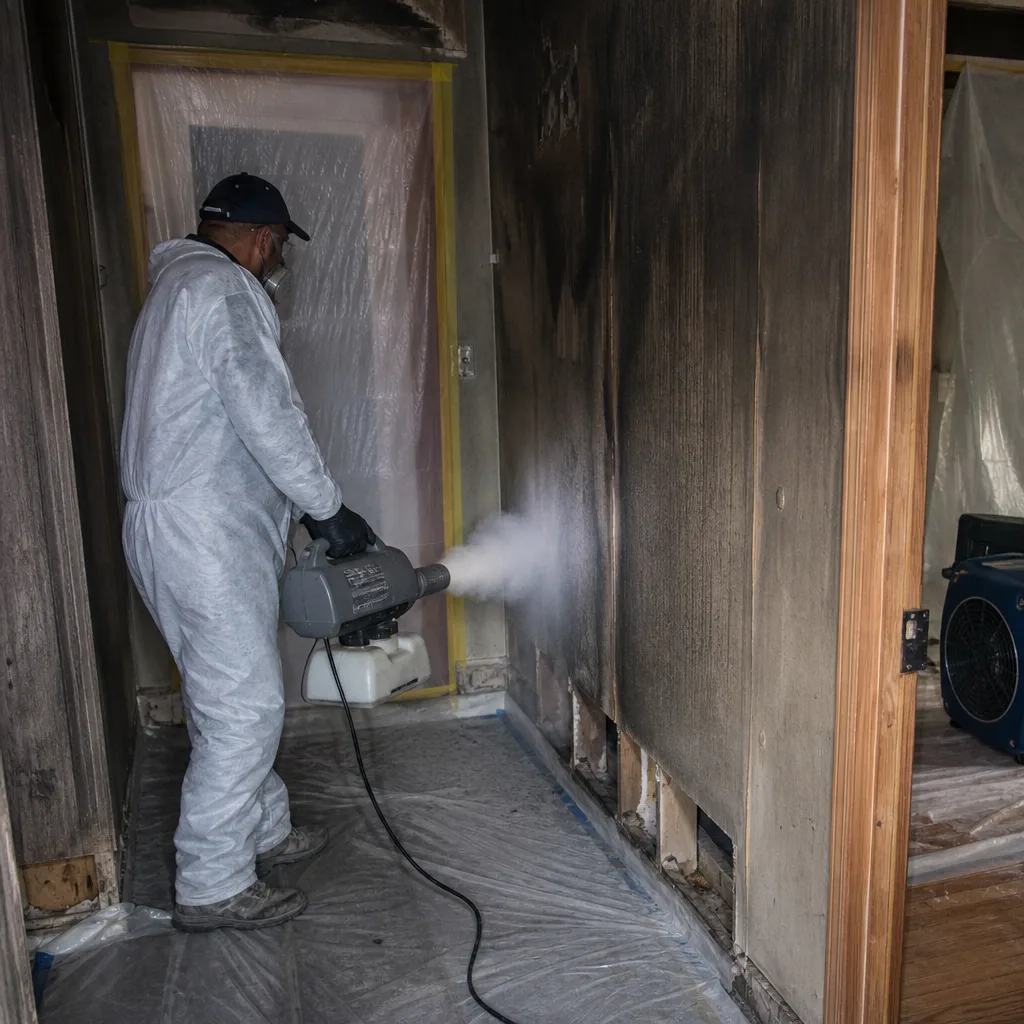
Every permit filing in New York City generates a job number and a status: open, approved, disapproved, or completed. Only one status protects the homeowner: completed, which produces a Letter of Completion (LOC) or, for Alt-1 projects, a Certificate of Occupancy.
The LOC is a formal DOB document stating that all required inspections were passed, all special inspections were signed off, and all code violations were resolved. It is the only document that proves, to a title company, an insurer, or a buyer’s attorney, that restoration work was performed legally and to code.
Here is what the LOC does that a contractor’s invoice, warranty, or verbal assurance cannot:
- Title insurance: Title companies routinely search DOB records for open permits. An open permit - even one the homeowner never knew existed - can trigger an exception that delays or prevents closing.
- Future insurance claims: If unpermitted electrical work causes a fire, the insurer may deny the claim based on the unpermitted status, even if the work was not the fire’s cause. The burden of proving compliance shifts to the homeowner.
- Resale value: A buyer’s home inspector who finds work without matching permits will flag it as a material defect. In Jamaica’s competitive market, this has killed deals or triggered $10,000-$50,000 price reductions.
- DOB enforcement: Open permits can trigger DOB audits, violation notices, and in extreme cases, orders to remove and redo work at the owner’s expense.
Requesting an LOC requires knowing the job number and following up with DOB - a process that can take weeks and multiple phone calls. We include LOC procurement as a standard deliverable on every permit-triggering job, documented in the written scope. The homeowner receives a copy for their records, and we retain a copy in the job file for future reference.
Without the LOC, the permit filing was theater - paperwork that consumed time and money without producing legal protection.
Contractor-Permitted vs. Owner-Builder: Where Liability Actually Lives
New York City allows two paths for permit filing: the contractor files as the responsible party, or the owner files as an “owner-builder” and hires contractors as subcontractors. The liability implications are dramatically different, and most Jamaica homeowners do not understand the choice until it is too late.
Contractor-Permitted Work
When the restoration contractor files the permit, they become the responsible party in DOB records. They must be licensed, insured, and in good standing. The permit ties to their license number. If work fails inspection, DOB issues violations to the contractor. If the contractor abandons the job, the permit remains open in their name, and the homeowner has limited recourse to close it.
The advantage: the contractor handles filing, scheduling, and inspector coordination. The disadvantage: if the contractor is unlicensed, uninsured, or disappears, the homeowner inherits an open permit with no clear path to resolution.
Owner-Builder Permits
When the homeowner files as owner-builder, they assume full legal responsibility for code compliance, inspection scheduling, and violation resolution. They can hire licensed subcontractors, but they are the permit holder of record. This path requires the homeowner to understand DOB procedures, special inspection requirements, and sign-off timelines - a significant burden during an already stressful restoration.
The advantage: direct control and transparency. The disadvantage: personal liability for any code violations, and potential insurance complications if work is not performed by licensed professionals.
Our recommendation, based on 12,000+ restorations since 2011: contractor-permitted work is appropriate when the contractor is established, licensed, and willing to commit to LOC procurement in writing. Owner-builder status is appropriate when the homeowner has construction management experience or when the contractor’s licensing status is uncertain.
In Jamaica, where fly-by-night operators follow major storm events and flooding incidents, we have reviewed competitor estimates where the “contractor” had no DOB-issued Home Improvement Contractor license - a legal requirement for residential restoration work over $200. An owner-builder permit with that contractor would expose the homeowner to violations, and a contractor-permitted job would be impossible to complete legally. This is why we offer our Free Second Opinion on any competitor’s written estimate: we verify licensing status as part of the review, at no charge.
How Permits Affect Insurance Claims and Future Coverage
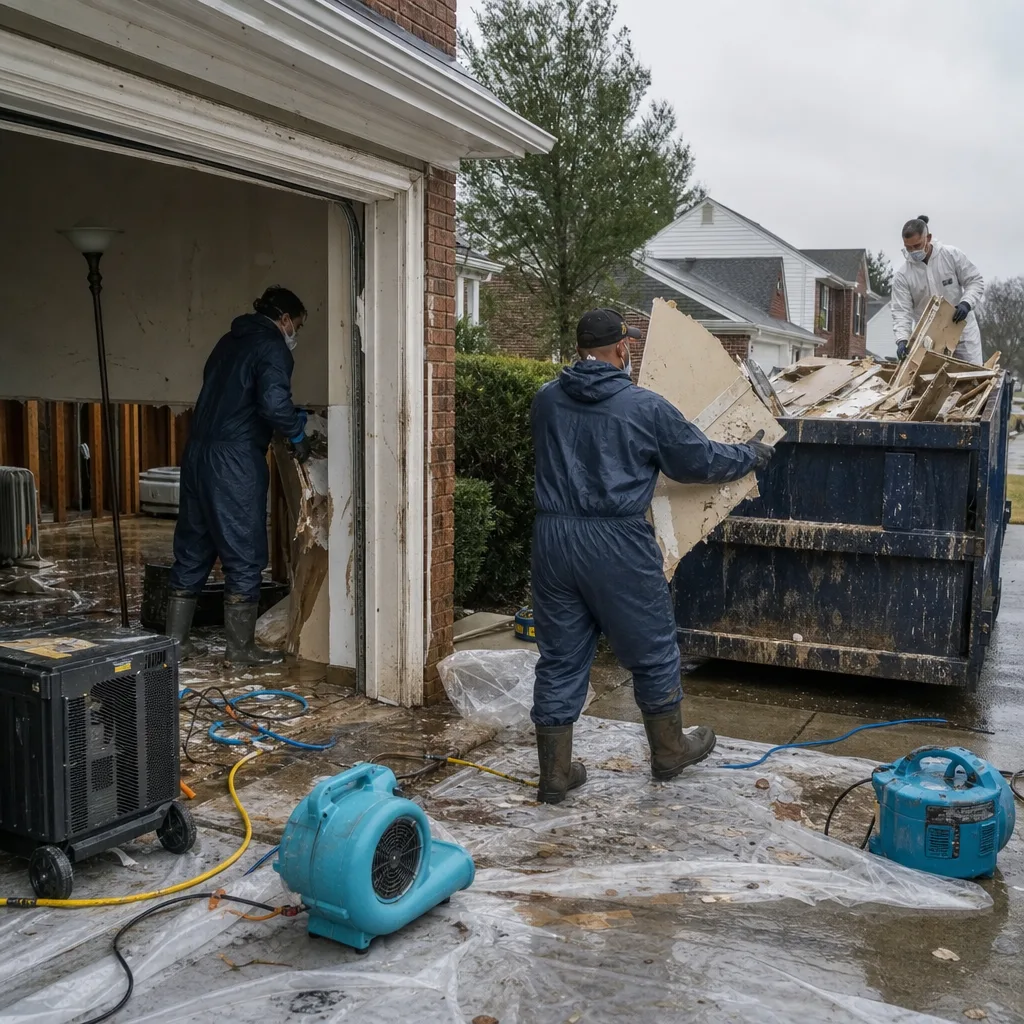
Insurance adjusters and underwriters operate with a simple principle: they pay for covered perils, not for code violations. The interaction between permits and claims is where many Jamaica homeowners discover the cost of contractor shortcuts.
During active claims, permit compliance affects three areas:
- Scope approval: Adjusters increasingly require proof that proposed reconstruction will meet code. A written scope that references permit requirements - with itemized costs for permit filing, plan review, and inspection - is more likely to be approved without dispute. A scope that ignores permitting suggests the contractor may perform substandard work.
- Code upgrade coverage: Most policies include Ordinance or Law coverage for code-required upgrades triggered by damage. But this coverage only applies when the upgrade is actually performed to code - which requires permitting and inspection. Unpermitted “upgrades” are not recoverable.
- Documentation for dispute: If an insurer underpays or denies a portion of a claim, the permit file - plans, inspections, LOC - becomes evidence in appraisal or litigation. Unpermitted work has no such documentation trail.
For future coverage, the risk is more severe. Insurance applications increasingly ask about unpermitted work. A homeowner who answers truthfully may face higher premiums or coverage restrictions. A homeowner who answers untruthfully risks claim denial for material misrepresentation if unpermitted work is discovered after a future loss.
We coordinate directly with adjusters on permit-related scope items, providing the photo record, drying logs, and written documentation that supports the claim file. Our equipment - B-Air and Injectidry systems among others - produces the psychrometric data that demonstrates drying completion to IICRC standards, which in turn supports the reconstruction scope that requires permitting.
Jamaica-Specific Considerations: Housing Stock, Codes, and Common Scenarios
Jamaica’s built environment presents permit and code challenges distinct from Manhattan high-rises or suburban Nassau County. Understanding these local conditions prevents surprises during restoration.
Housing stock age and type: Much of Jamaica’s residential stock was built 1920-1970 - wood-frame detached homes, brick row houses, and early multi-family conversions. These structures often contain:
- Knob-and-tube or cloth-insulated wiring that must be fully replaced, not merely repaired, when damaged by water or fire - triggering electrical permits and often service upgrades.
- Plaster-and-lath construction with no vapor barrier, leading to prolonged moisture retention and hidden mold that requires extensive gutting and reconstruction permitting.
- Illegal basement conversions with no egress windows, no fire separation, and no Certificate of Occupancy - which cannot be “restored” to illegal status after damage without triggering full Alt-1 compliance requirements.
Climate and weather patterns: Jamaica’s position in southeast Queens exposes it to coastal storm systems and urban heat island effects that intensify rainfall. We’ve documented basement flooding in Jamaica homes from three distinct causes in a single year: overwhelmed combined sewer systems during summer cloudbursts, foundation seepage during prolonged winter freezes, and wind-driven rain through aging window systems during nor’easters. Each cause produces different damage patterns and different reconstruction permitting needs.
DOB Queens Borough Office: Permit filings for Jamaica properties are processed through the Queens Borough Office at 126-06 Queens Boulevard. Plan review times vary seasonally; post-major-storm periods can extend timelines by weeks. We factor this into every written scope with permit requirements - Haven Standard, Clause 1 demands no less.
Landmark and historic districts: Portions of Jamaica are subject to Landmarks Preservation Commission review. Restoration work on designated properties requires LPC permits in addition to DOB permits, with additional review of materials, methods, and exterior appearance. We identify LPC jurisdiction during initial assessment and include LPC filing timelines in the written scope.
Condo and co-op complications: Jamaica’s recent development includes numerous condo conversions and new construction. These properties typically have alteration agreements that require board approval for any work beyond cosmetic repair - and board approval often requires proof of permitting. We coordinate with property managers to ensure compliance with both DOB requirements and private governing documents.
Common Mistakes to Avoid
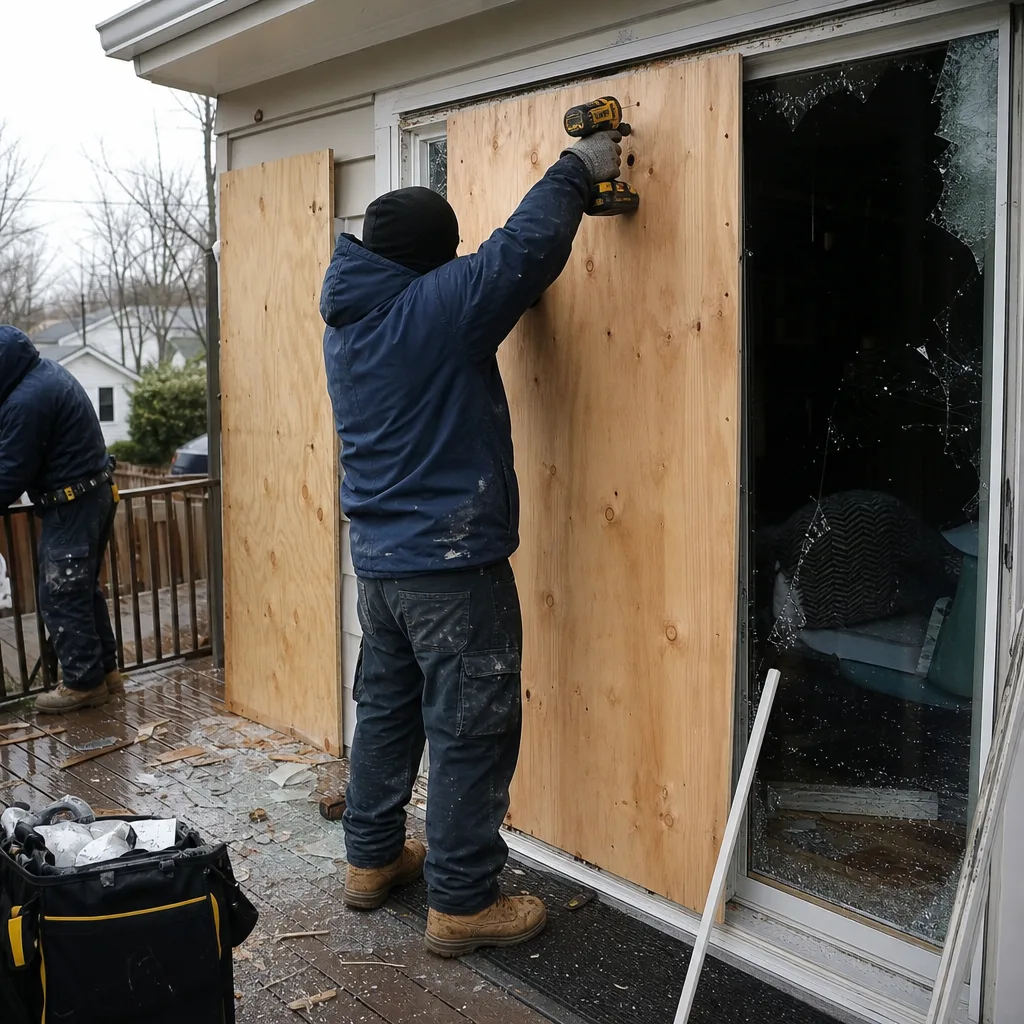
- Accepting a contractor’s claim that “emergency work doesn’t need permits.” Emergency mitigation - water extraction, stabilization boarding, temporary electrical - often proceeds without permits under emergency work provisions. But reconstruction is not emergency work. The permit requirement returns when rebuilding begins.
- Allowing permit costs to be buried in “general conditions” without line-item disclosure. Haven Standard, Clause 1 requires written price before work begins. Permit filing fees, plan review costs, and special inspection fees should be itemized, not hidden.
- Failing to verify that the contractor’s license matches the permit applicant. A Home Improvement Contractor license is not a general construction license. Electrical and plumbing work must be performed by or supervised by holders of those specific licenses.
- Assuming DOB will notify you when a permit is ready for final inspection. DOB does not proactively schedule inspections. The permit holder - contractor or owner - must request each inspection. Missed inspections delay projects and can trigger violation status.
- Neglecting to obtain the Letter of Completion after final inspection. Passing final inspection is not the same as closing the permit. The LOC requires active follow-up. We include this step in every job protocol.
- Restoring illegal basement apartments to pre-damage condition without addressing code compliance. In Jamaica, illegal basement conversions are common. Restoring one after damage without bringing it to code - legal egress, fire separation, ceiling height - exposes the owner to violations and liability, and prevents future insurance recovery for that space.
When to Call a Professional
Call a licensed restoration professional when damage affects structural elements, electrical or plumbing systems, or fire-rated assemblies - the scopes that trigger mandatory permitting. Call when you suspect hidden damage behind walls or under floors, where the full scope cannot be determined without moisture mapping and invasive inspection. Call when your insurer has assigned an adjuster and you need documentation that supports your claim scope, including permit-related costs that adjusters may initially resist.
DryMark Restoration Jamaica offers free estimates in Jamaica - call (516) 240-9735. Every estimate includes a written scope, a permit requirements assessment, and itemized pricing before any work begins. We also provide a Free Second Opinion on any competitor’s written estimate, with license verification included at no charge.
Frequently Asked Questions
No. Water extraction, drying, and selective demolition typically do not require permits. However, reconstruction that follows - subfloor replacement, electrical repair, plumbing replacement, drywall installation over repaired framing - frequently does. The permit requirement attaches to the reconstruction scope, not the original damage.
Alt-2 permits for straightforward residential restoration typically require 2-4 weeks for plan review and approval after filing. Post-storm periods can extend this to 6-8 weeks. The written scope we deliver includes a permit timeline so you can plan temporary housing or alternate arrangements.
Most policies include Ordinance or Law coverage for code upgrades triggered by covered damage, but this coverage is often limited to a percentage of the dwelling limit - commonly 10% or 25%. Permit filing fees, plan review costs, and special inspection fees are recoverable under this coverage when properly documented. We itemize these costs in our written scope to support your claim.
A buyer’s title search will reveal open permits. A buyer’s home inspection may identify work that does not match permit records. Either finding can delay closing, trigger price renegotiation, or kill the deal entirely. In the worst case, a buyer’s attorney may argue material misrepresentation if the seller knew of unpermitted work and failed to disclose it.
Yes, if the company is licensed and in good standing with DOB. However, the permit remains tied to their license, and if they abandon the job or fail to close the permit, you inherit the problem. We recommend requiring permit closure and LOC delivery in your written contract - Haven Standard, Clause 1 makes this explicit in every scope we deliver.
Search the NYC Department of Buildings Building Information System (BIS) at nyc.gov/buildings using your property’s block and lot number. Open permits will appear with status “Application Approved” or “Permit Issued” without a final inspection date. If you find open permits from prior restoration work, we can review the status and advise on closure options during our free estimate.
The Bottom Line
Permit compliance in New York restoration is not bureaucratic overhead - it is the legal foundation that protects your property value, your insurance coverage, and your ability to sell without encumbrance. The contractor who skips permits to save time is not saving you money; they are transferring liability to you, concealed behind drywall that a future inspector will open. In Jamaica, where housing stock, climate exposure, and market pressure converge, the homeowners who fare best are those who demand documentation: a written scope before work begins, a permit filing with itemized costs, special inspections at hold points, and a Letter of Completion in hand before final payment. Anything less is a gamble with your title, your coverage, and your equity.
Written by Alicia Brennan, Owner at DryMark Restoration Jamaica, serving Jamaica since 2011.