
Last updated September 23, 2026
Free visual inspection and a written scope of work before any mitigation begins - photos, moisture readings, and drying logs go in your claim file
The scope we write is the scope we bill. Anything new gets shown to you, in writing, before we touch it.
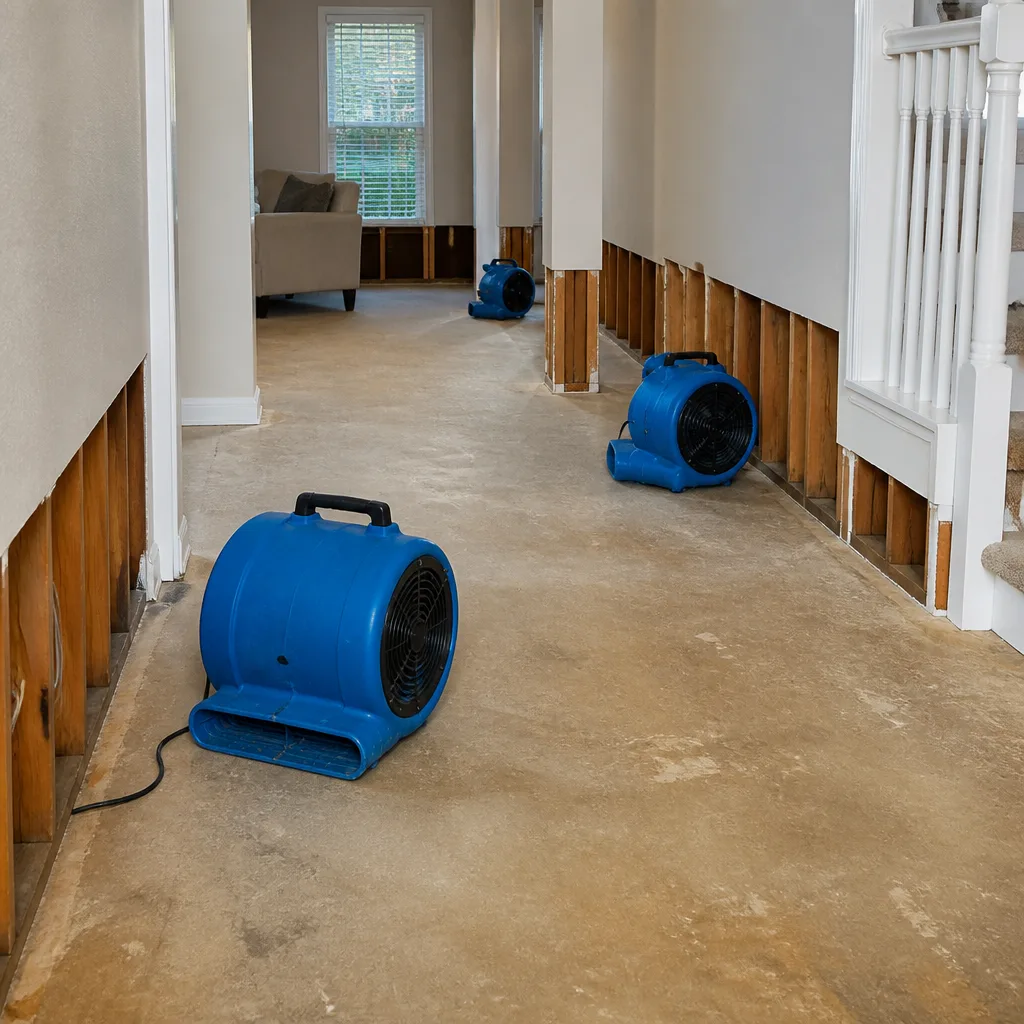
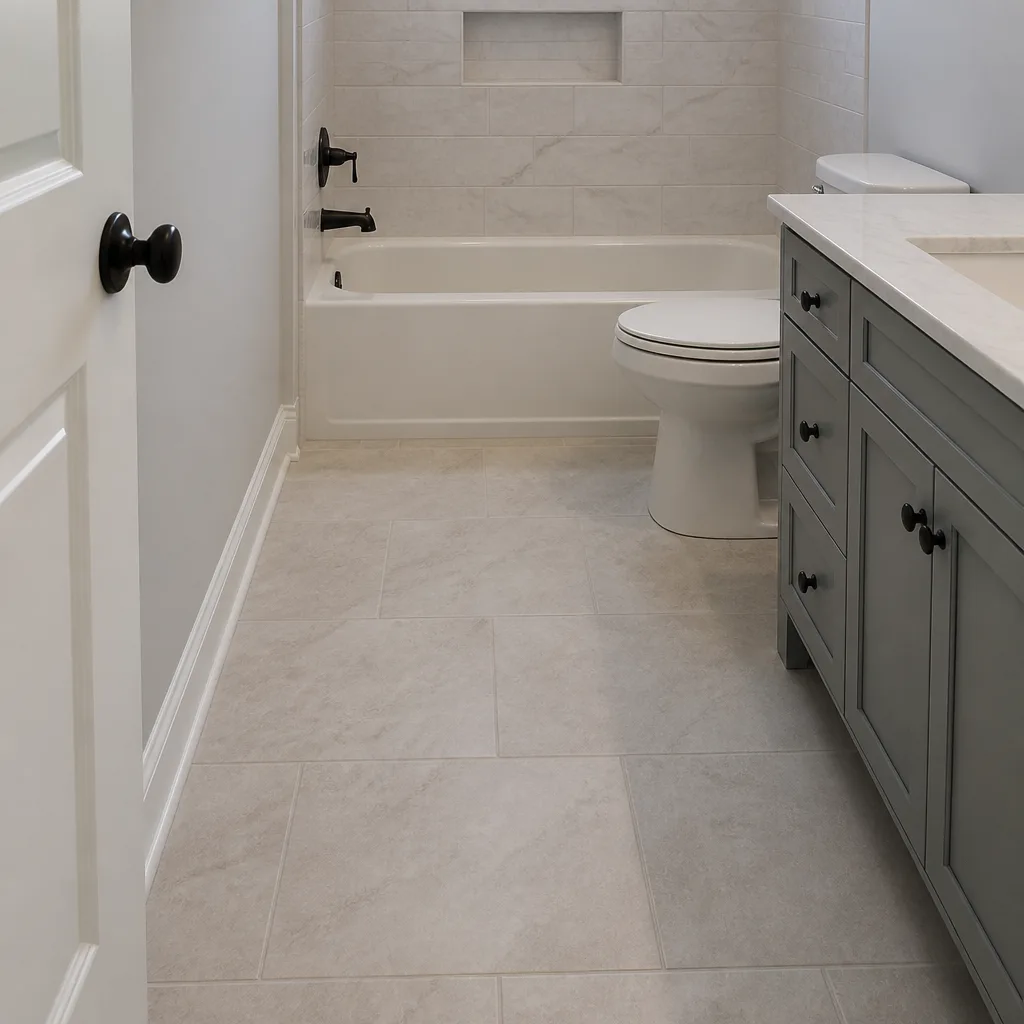
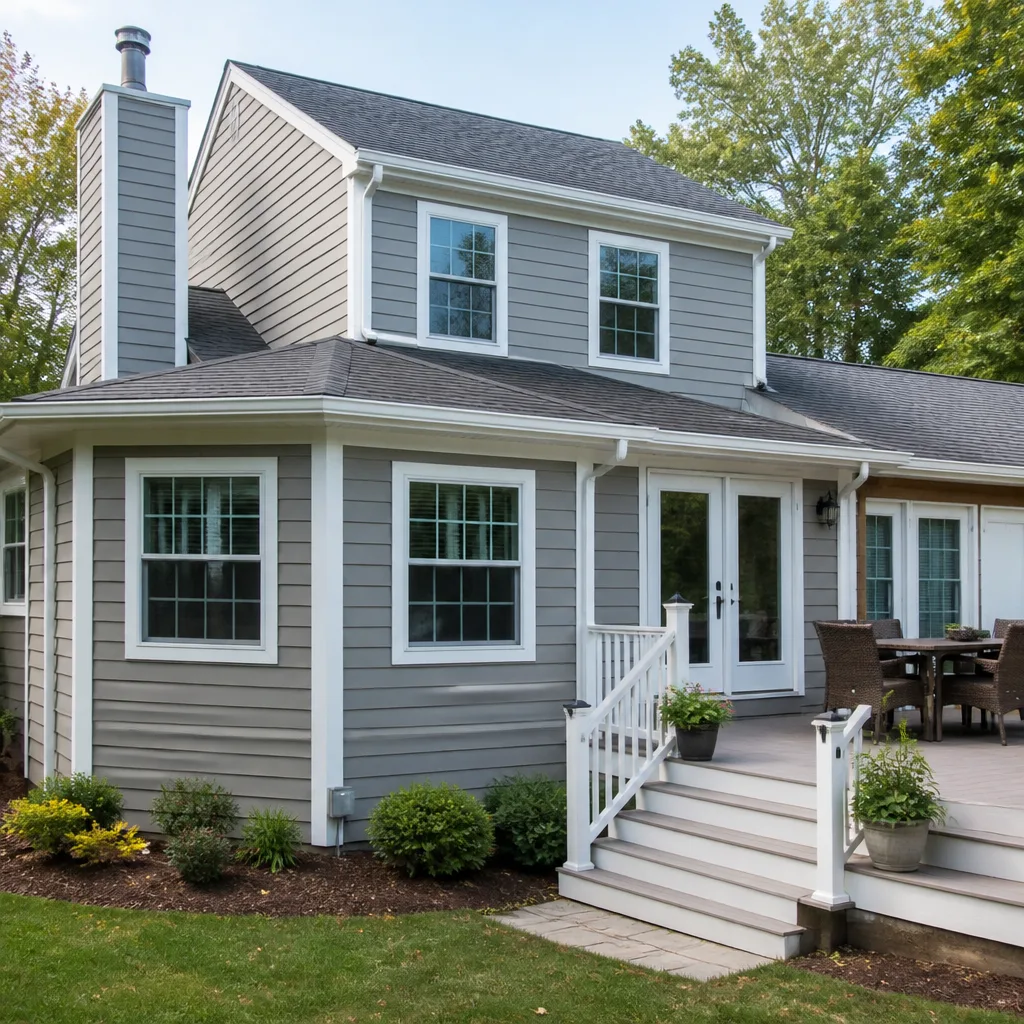
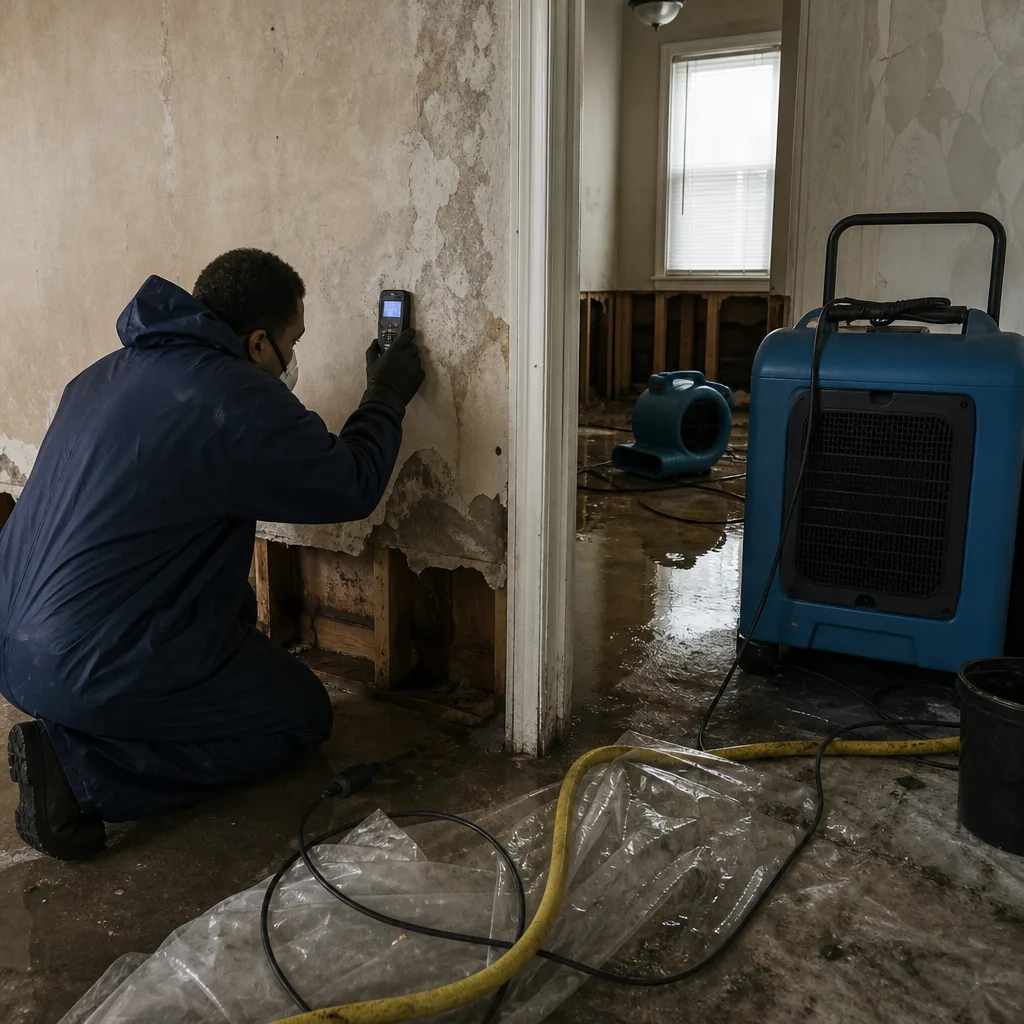 Before
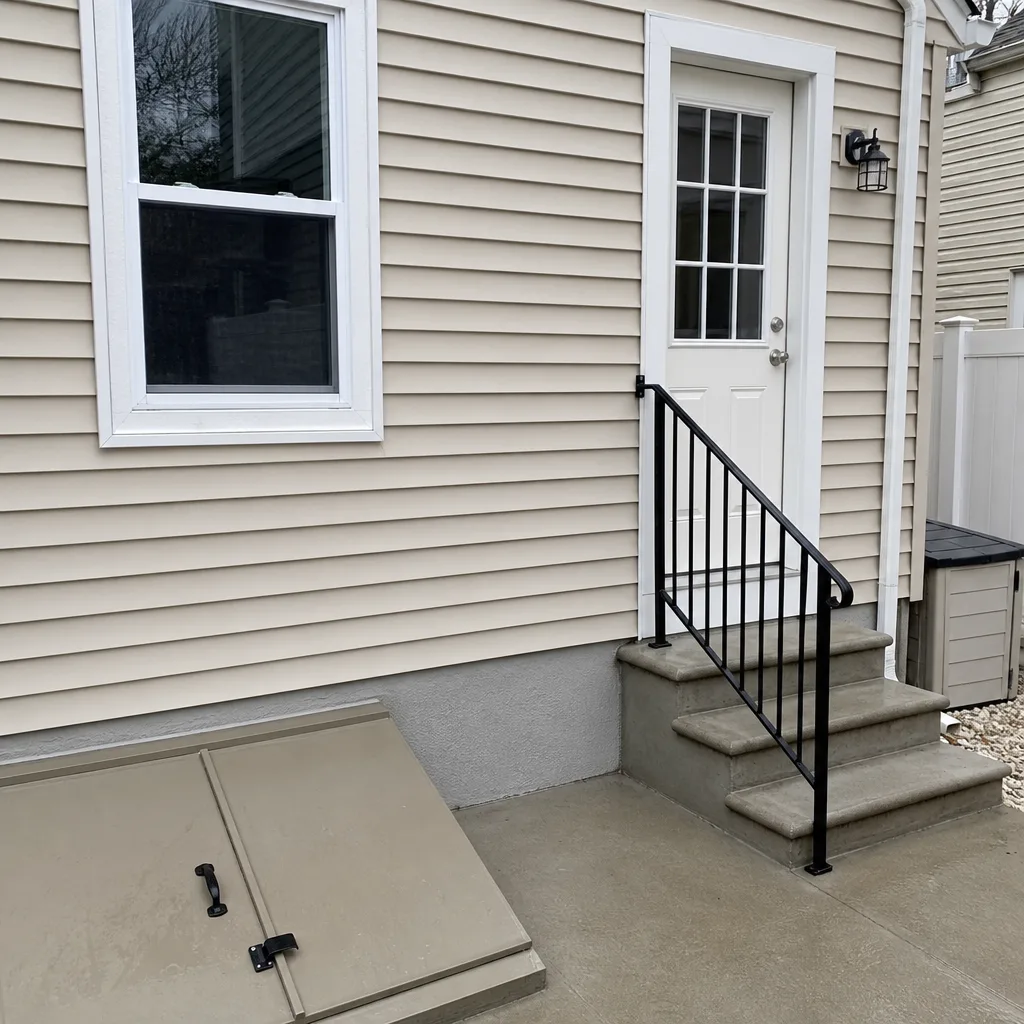 After
After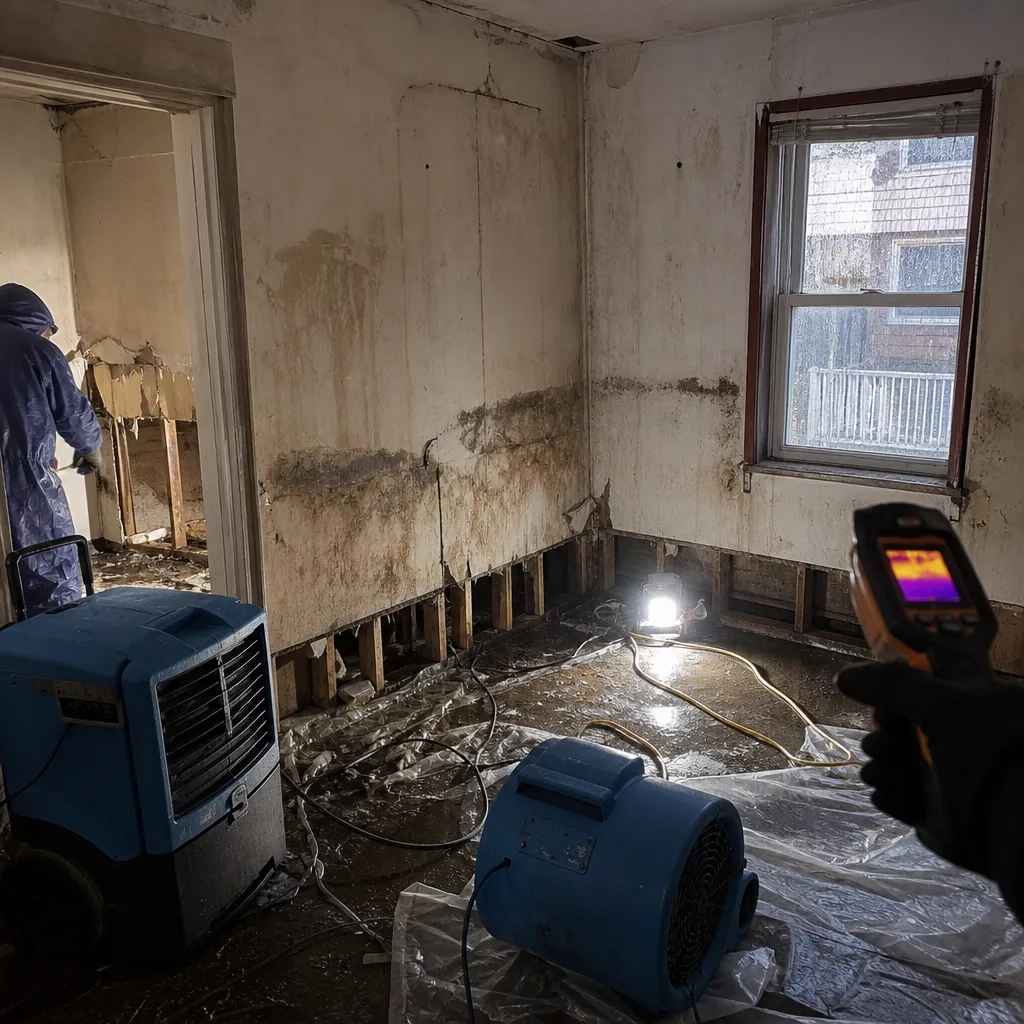 Before
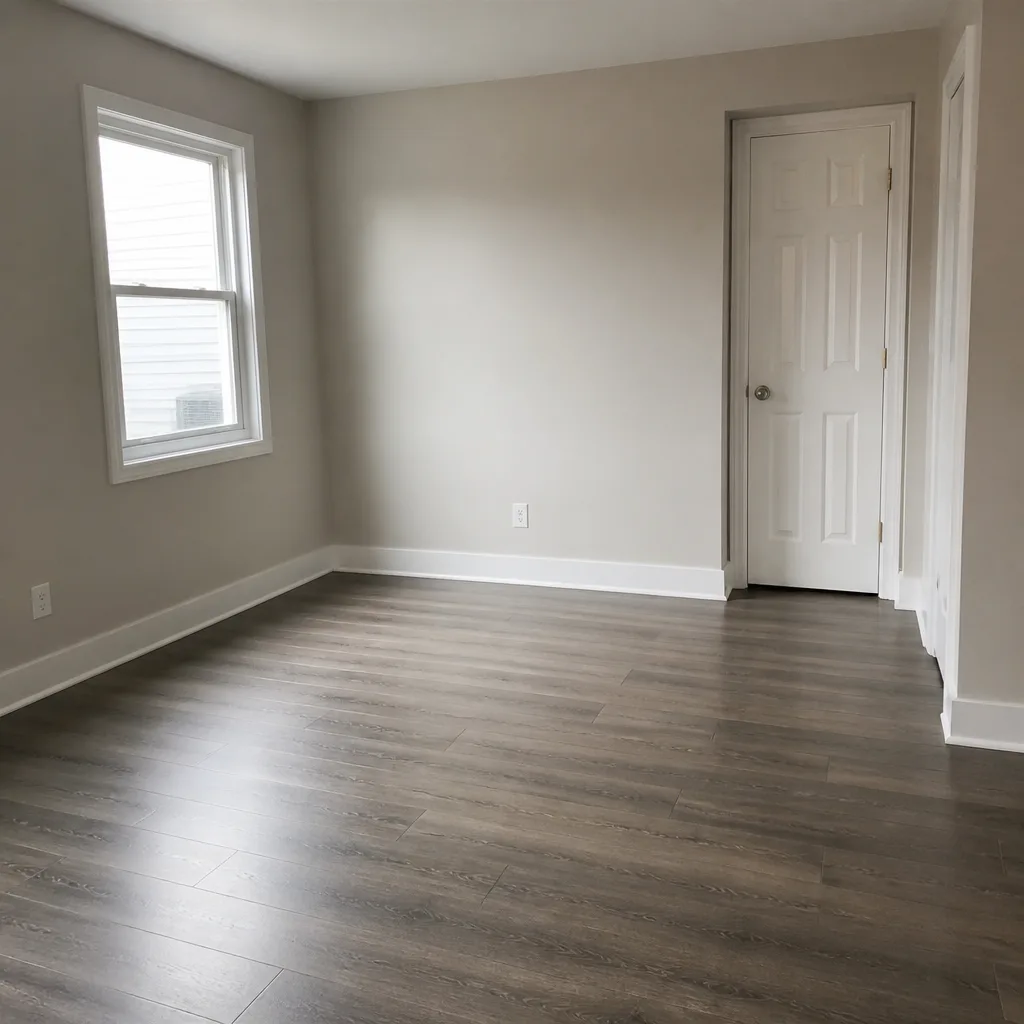 After
After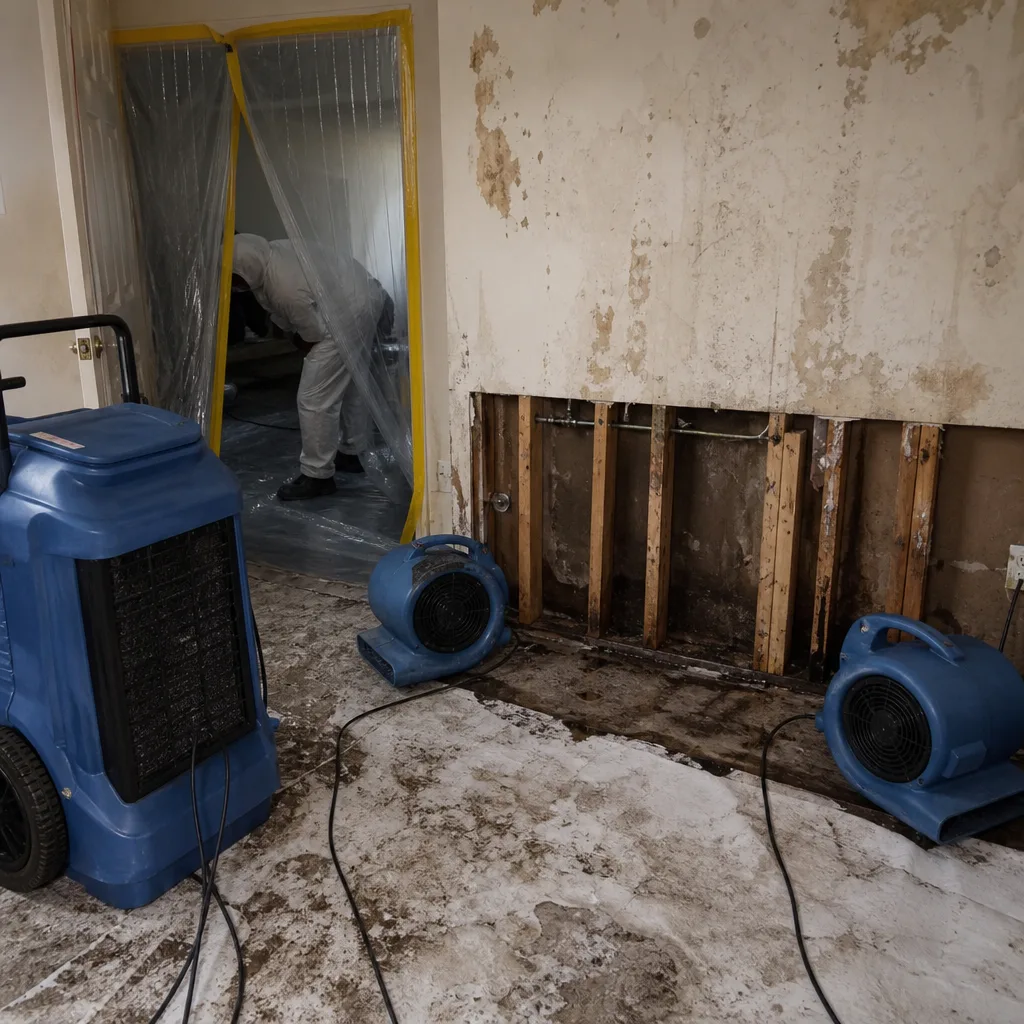 Before
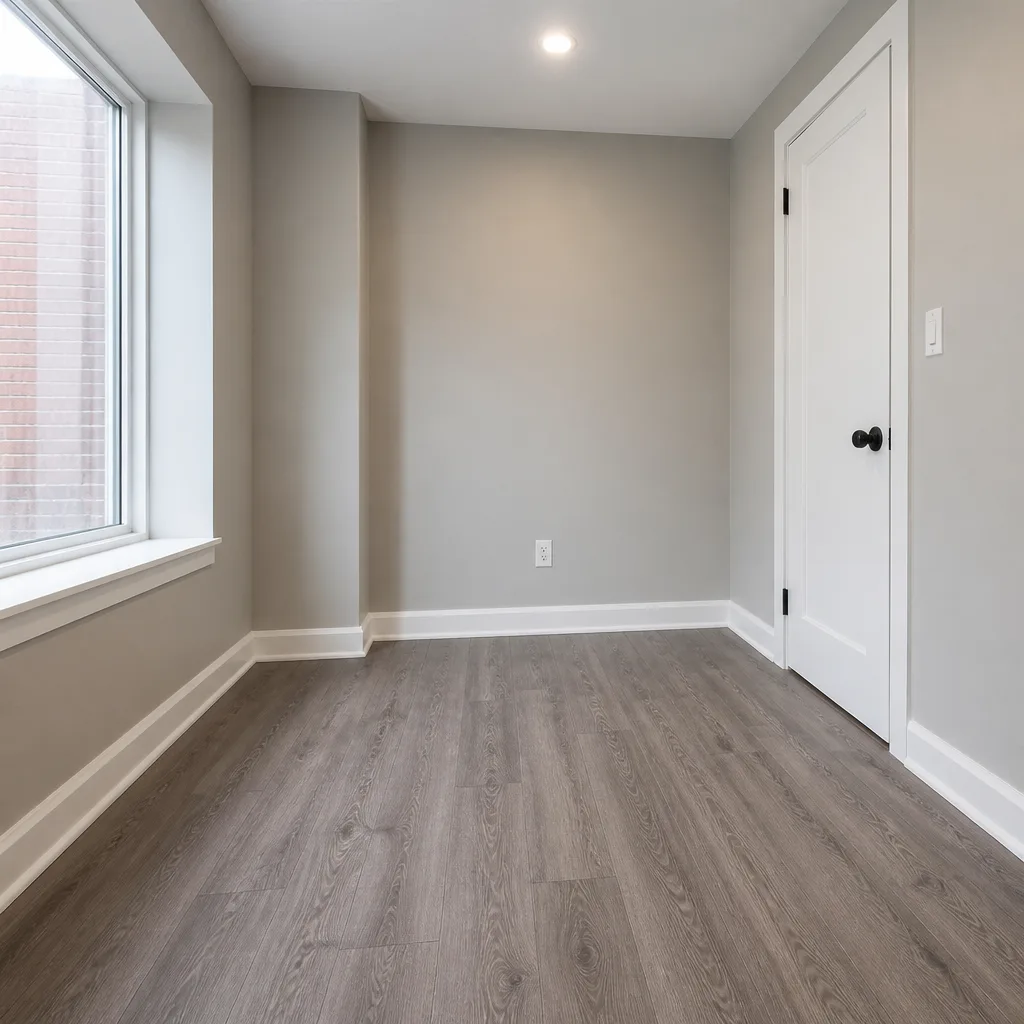 After
AfterFire & Smoke Damage Restoration Maintenance Checklist for Jamaica Homeowners
Smoke odor returning six months after a “completed” restoration is almost never a cleaning failure. It’s a building materials failure. Volatile organic compounds continue off-gassing from framing and subfloor long after surfaces are repainted, and by the time you smell them, your insurer has already closed the claim. In Jamaica, where row houses and attached structures create shared-wall smoke migration that single-family checklists ignore, this delayed damage is especially common. This guide shows you what to inspect, when to inspect it, and how to document findings so you can reopen a claim or file a supplement if secondary damage appears. For Fire & Smoke Damage Restoration services, proper documentation is essential.
Quick Answer
A proper Seasonal Damage Restoration Care for Jamaica: Year-Round Homeowner’s Guide should include fire and smoke damage restoration maintenance: immediate documentation of HVAC particle counts and soot mapping; room-by-room re-inspection at 30 days, 90 days, and 6 months focused on porous materials where VOCs hide; and written verification that cleaning met IICRC S700 standards for each material classification. Without this schedule, secondary smoke damage typically surfaces after claims close.
Table of Contents
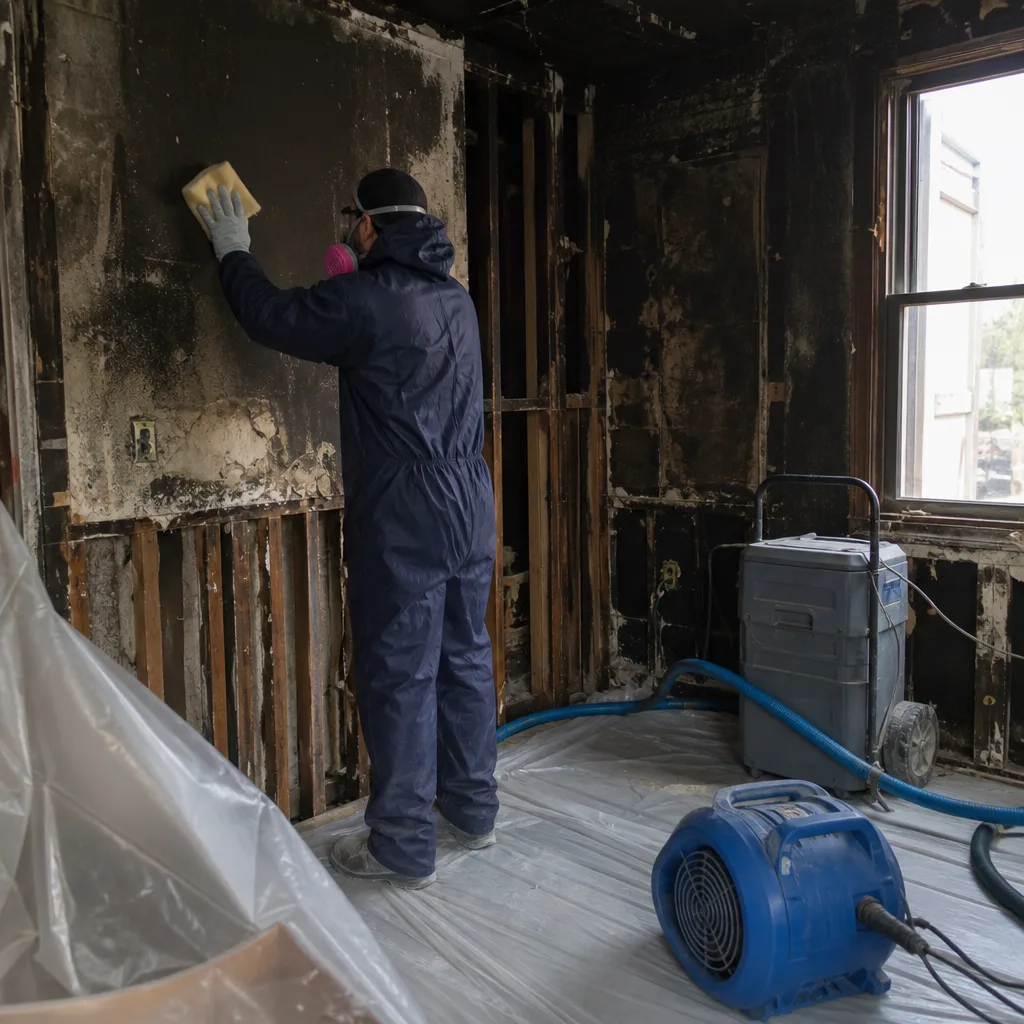
- Why Smoke Damage Returns After “Completion”
- Room-by-Room Checklist by Material Type
- How to Document HVAC Contamination for Claims
- The 30-Day, 90-Day, and 6-Month Re-Inspection Schedule
- Jamaica Row Houses and Shared-Wall Smoke Migration
- How to Read a Contractor’s Soot Mapping Report
- Common Mistakes to Avoid
- When to Call a Professional
- Frequently Asked Questions
- The Bottom Line
BeforeAfterWhy Smoke Damage Returns After “Completion”
Most homeowners in Jamaica receive a checklist after fire restoration that confirms what was cleaned: walls washed, carpets extracted, contents ozone-treated. What it rarely addresses is what happens next.
Smoke residue is not a surface problem. It’s a material penetration problem. During a fire, heat opens the pores of wood, drywall, and concrete. Smoke particles, carried by vapor pressure differential (the force that drives gases from high-concentration areas to low-concentration areas), enter those pores. As the structure cools, the pores contract, trapping particles inside. Surface cleaning removes what you can see. It does not remove what has penetrated.
The off-gassing timeline follows a predictable pattern. In the first 30 days, surface residues finish releasing. This is when “fresh smoke” odor should dissipate if cleaning was thorough. Between 30 and 90 days, semi-porous materials like unfinished wood and grout begin releasing deeper-trapped compounds. At 6 months, porous structural materials - framing lumber, plywood subfloor, insulation - reach equilibrium with interior humidity and temperature, triggering the final wave of VOC release. This is when Jamaica homeowners most commonly call us, confused and frustrated, certain the original contractor did poor work.
Sometimes they did. More often, the contractor cleaned to the standard that was visible at the time. The problem is that IICRC S700, the Standard for Professional Fire and Smoke Damage Restoration, defines cleaning levels by material classification, not by what a homeowner can see on day one. A wall that looks clean may still harbor Category 3 smoke residue (heavy, fuel-based, requiring aggressive cleaning or removal) in the gypsum core. A subfloor that passed visual inspection may hold enough particulate to fail an air quality test at month six.
The checklist in this guide is designed to catch these failures before your claim closes. In Jamaica’s housing stock, where many structures date to the early 20th century and materials have been exposed to decades of environmental cycling, this delayed release is more pronounced than in newer construction.
Room-by-Room Checklist by Material Type
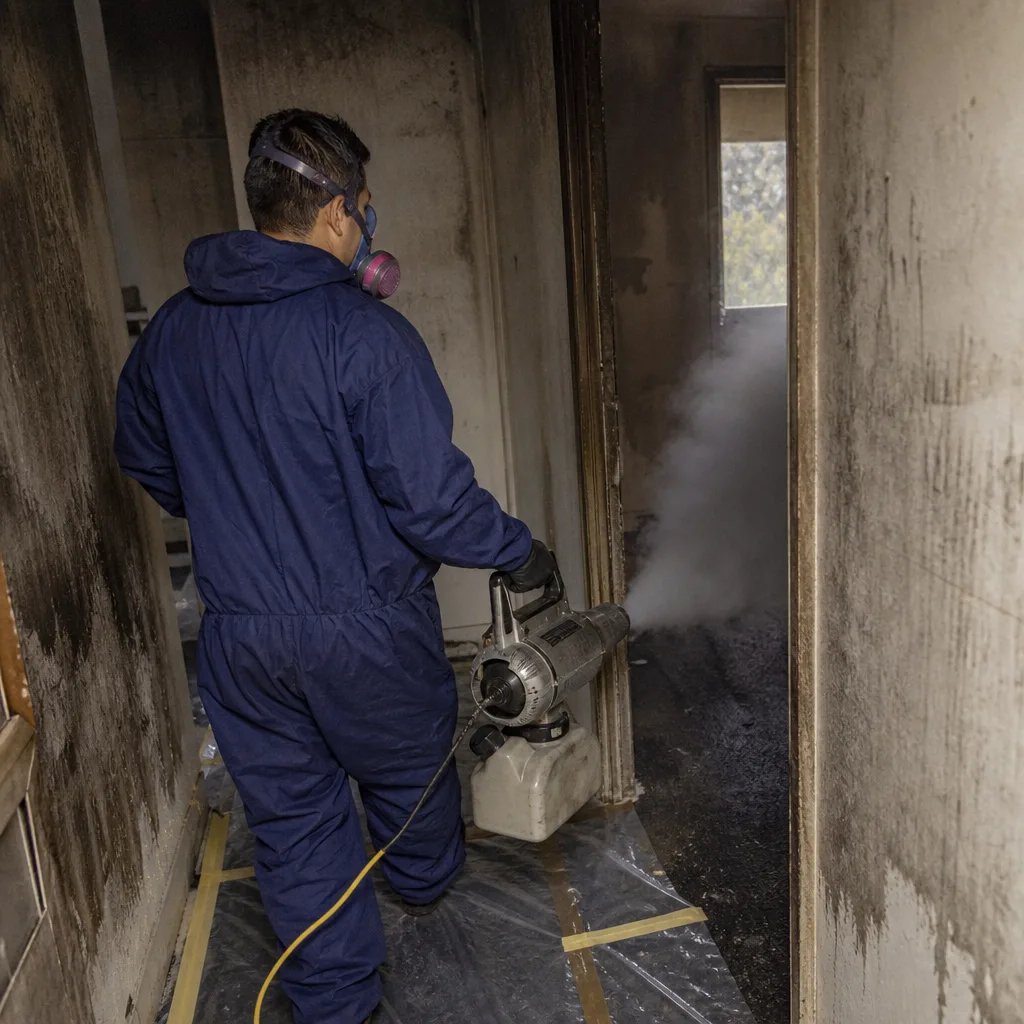
IICRC S700 classifies materials into three categories, and each requires a different cleaning standard. Your checklist should verify that each material in each room was treated according to its classification, not generically “cleaned.”
Porous Materials (Absorbent - Require Replacement or Aggressive Restoration)
- Insulation: Fiberglass, cellulose, and spray foam trap smoke particles permanently. Check that attic and wall cavity insulation was removed and replaced, not just surface-vacuumed. Verify new insulation R-value matches pre-loss condition.
- Unfinished wood: Framing, subfloor, sheathing. Should have been HEPA-vacuumed, then treated with alkaline-based cleaner or thermal fogged. Check for white or gray residue in nail holes and grain patterns - these are failure points.
- Textiles and upholstery: Should have been cleaned on-site or sent to a textile restoration facility with ultrasonic or ozone capability. Request the cleaning facility’s documentation.
- Drywall and plaster: Painted surfaces may be cleanable; unpainted or water-damaged gypsum must be removed to 24 inches above the highest visible smoke line. Check for “ghosting” at tape joints - this indicates residual particulate.
Semi-Porous Materials (Limited Absorption - Specialized Cleaning Required)
- Finished wood: Cabinets, trim, hardwood flooring. Should have been cleaned with pH-neutral products appropriate to the finish type, then sealed if staining persisted. Check for finish “alligatoring” (cracking patterns) caused by heat exposure - this requires refinishing, not just cleaning.
- Concrete and masonry: Basement floors, fireplace surrounds. Should have been cleaned with alkaline detergent and pressure-rinsed. In Jamaica’s older homes, check for efflorescence (white mineral deposits) that can be mistaken for smoke residue - or can mask it.
- Grout and ceramic tile: Grout is highly absorbent and often overlooked. Should have been extracted with specialized grout tools, not just mopped.
Non-Porous Materials (Surface-Only - Cleanable If Intact)
- Metal: Appliances, ductwork, fixtures. Should show no tarnishing or corrosion. Check refrigerator coils and HVAC registers specifically - these are commonly missed.
- Glass: Should be free of etching from acidic smoke residues. Check for film that reappears after cleaning - this indicates incomplete removal.
- Sealed stone and solid surface: Countertops, tile. Sealant should be intact; if compromised by heat, resealing is required after cleaning.
For each room, request your contractor’s material classification log. Under Fire & Smoke Damage Restoration in Jamaica, this documentation is standard deliverable, not an upsell. The log should list each material, its classification, the cleaning method applied, and the technician’s initials. Without this, you have no basis for a supplement claim if residue reappears.
How to Document HVAC Contamination for Claims
The HVAC system is the most commonly under-documented component of fire restoration, and the most expensive to remediate later. In Jamaica’s climate, where systems run heavily in summer and winter, contaminated ductwork becomes a distribution mechanism for smoke particles throughout the structure.
Visual inspection of ductwork is insufficient. A duct that looks clean can still contain particulate loads that exceed EPA guidelines for indoor air quality. The documentation that matters for claims is particle count data, taken before and after cleaning, with the same equipment and methodology.
- Pre-cleaning baseline: Request a particle count test at the supply and return registers in each zone, using an optical particle counter calibrated to 0.3, 0.5, 1.0, and 5.0 micron ranges. The technician should record counts per cubic foot at each location, with date, time, and outdoor ambient conditions. This establishes the contamination level your insurer is covering.
- Duct cleaning method verification: The contractor should document whether cleaning was performed by contact vacuuming (brush and vacuum), air washing (compressed air), or robotic cleaning. Each method has different efficacy for different duct types. In Jamaica’s older homes with galvanized steel ductwork, contact vacuuming is typically required; flex duct may need section replacement.
- Post-cleaning verification: Particle counts should be repeated at the same locations, with the same equipment, within 48 hours of cleaning. A reduction of 85% or greater is the industry threshold for effective remediation. Request the raw data, not just a pass/fail summary.
- Filter replacement record: Note the MERV rating of replacement filters. Post-fire, MERV 13 or higher is recommended for the first 90 days to capture residual particulate. The filter box should be dated and initialed.
If your contractor cannot produce pre- and post-cleaning particle counts, you have no objective basis to prove that HVAC contamination was addressed. This is a common gap that insurers exploit to deny supplement claims. At DryMark Restoration Jamaica, we include particle count documentation as standard on every fire job, with readings logged to IICRC, RIA, and IFA standards.
The 30-Day, 90-Day, and 6-Month Re-Inspection Schedule
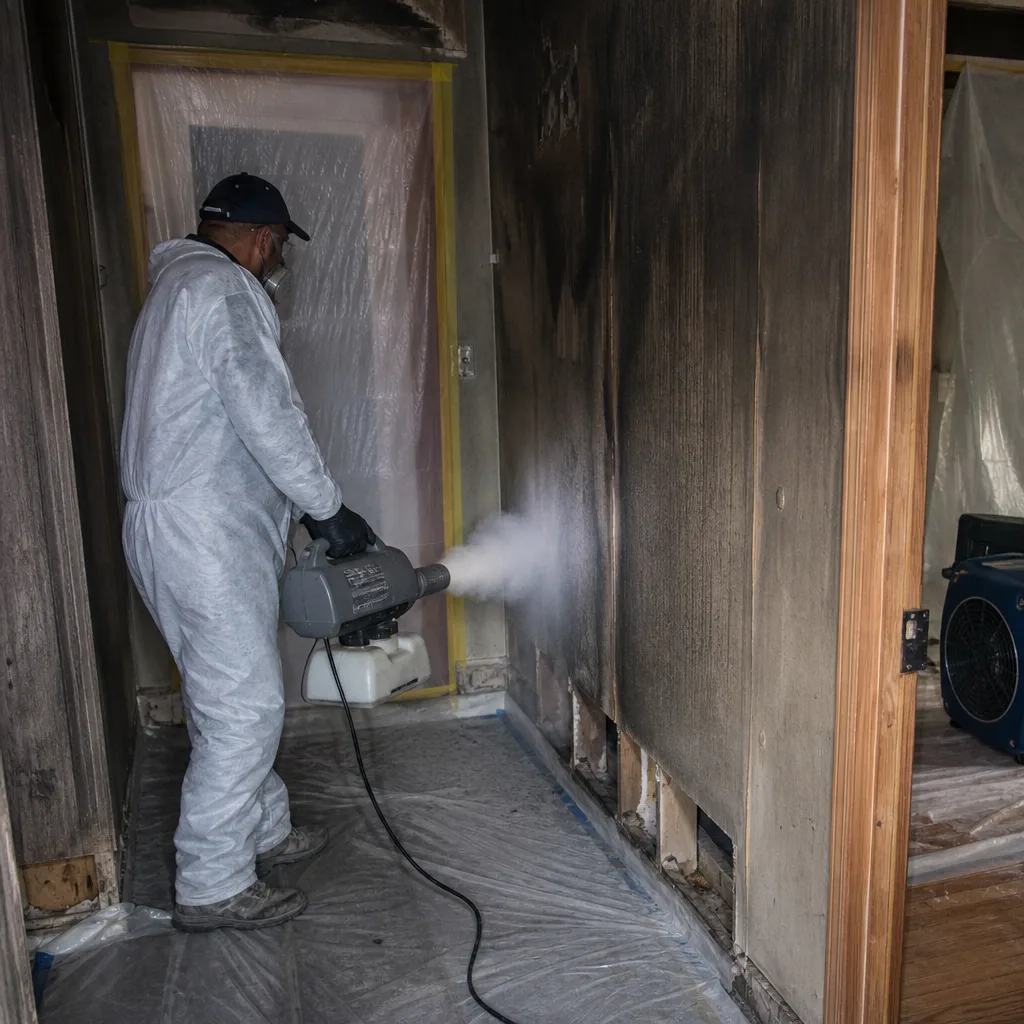
Secondary smoke damage follows a predictable timeline. Your checklist should schedule specific inspections at each interval, with defined documentation standards, so you can file a supplement if damage appears after initial claim closure.
30-Day Re-Inspection: Surface Verification
By 30 days, all surface cleaning should have finished off-gassing. What you smell now is what remains.
- Photograph every wall and ceiling surface in natural light and with flash. Look for yellowing or discoloration that was not visible at project completion - this indicates residual acidic residue continuing to react.
- Run white paper towel along baseboards and window sills. Any gray or black transfer indicates incomplete cleaning.
- Check closets and interior cabinets, which are commonly deprioritized during initial cleaning. These enclosed spaces trap particulate and often show delayed staining.
- Document HVAC filter condition. Heavy loading at 30 days suggests residual airborne particulate.
90-Day Re-Inspection: Material Stress Points
At 90 days, semi-porous materials reach equilibrium and begin releasing deeper-trapped compounds.
- Inspect unfinished wood in attics, basements, and utility spaces. Look for new staining at knots and grain patterns, where resin and smoke compounds concentrate.
- Check grout lines in kitchens and bathrooms for darkening - this indicates wicking of residual particulate from substrate.
- Test electrical outlets and switch plates for odor. Smoke residue behind these plates is a common omission; the heat from electrical use accelerates off-gassing.
- Photograph any changes with date stamp and location metadata. These photos are your supplement evidence.
6-Month Re-Inspection: Structural Release
At 6 months, porous structural materials release the final wave of trapped compounds. This is the most common point of failure discovery.
- Conduct a thorough odor survey on a humid day - humidity accelerates VOC release from porous materials. Note any rooms where odor is detectable that were not problematic at 90 days.
- Inspect subfloor from basement or crawl space. Look for staining at joints and penetrations.
- Check wall cavities through electrical outlet openings (with power off) for odor or visible residue on back of drywall.
- Request air quality testing if any odor is present. A passing test at 6 months, documented, protects against future disputes.
Each inspection should produce dated, geotagged photographs and a written condition report. Store these with your original claim documentation. In Jamaica’s market, where home values have appreciated significantly since 2015, unresolved smoke damage can affect resale inspections and appraisals - documentation protects equity, not just health.
Jamaica Row Houses and Shared-Wall Smoke Migration
Most fire restoration checklists assume a detached single-family structure. In Jamaica, this assumption is wrong more often than not.
Jamaica’s housing stock includes extensive row house construction, attached multi-family structures, and mixed-use buildings with residential above commercial. These configurations create smoke migration pathways that single-family checklists ignore: common attics, party walls with incomplete fireblocking, chase ways for plumbing and electrical, and balloon framing that allows vertical smoke travel across multiple units.
If your fire originated in an attached structure, or if your structure is attached to others, your checklist must include adjacent unit verification. This is not optional; it’s a liability issue. Smoke damage in a neighboring unit, discovered after your claim closes, can become your expense if migration pathways were not documented.
Request that your contractor perform the following:
- Visual inspection of common attic or roof cavity, with photographs of smoke staining patterns on shared structural members.
- Inspection of party wall penetrations - electrical, plumbing, HVAC - for smoke residue on both sides of the wall.
- Air quality testing in adjacent units at the same intervals as your own: 30, 90, and 180 days.
- Written acknowledgment from adjacent property owners, or their insurers, that inspection was offered and either accepted or declined. This documentation protects against future claims.
In our experience at DryMark Restoration Jamaica home, shared-wall smoke migration is the most under-documented component of fire restoration in Queens. Contractors focus on the unit of origin; insurers focus on the unit of origin; and six months later, a neighbor’s supplement claim names the original property owner as the source. The documentation you require at the outset prevents this outcome.
How to Read a Contractor’s Soot Mapping Report
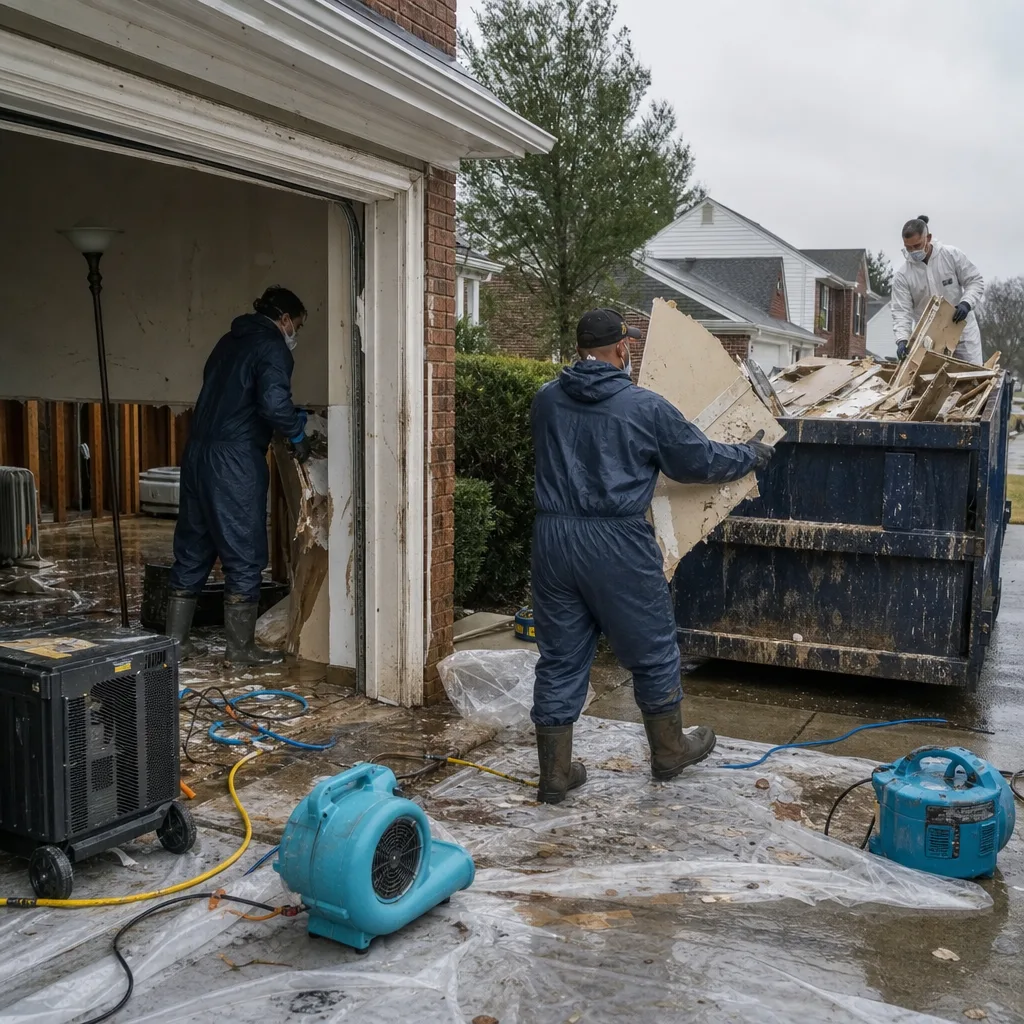
Soot mapping is the diagram your contractor produces showing which areas were affected by smoke and to what degree. Most homeowners receive this document, glance at the color-coded zones, and file it. The document’s real value is in its methodology - and most reports fail to disclose this.
There are two ways to produce a soot map: by visual estimate, or by measured air quality data. A report based on visual estimate alone cannot support a supplement claim if damage appears later. You need to know which method was used, and you have the right to ask.
Here’s how to read what you’re given:
- Check the legend for measurement methodology. Does it reference particle counts, soot samples analyzed by a third-party lab, or “professional judgment”? The first two are measurable; the third is not. If the legend cites “professional judgment” or “visual assessment,” request that air quality readings be added before you sign off.
- Verify that color zones correspond to specific IICRC S700 categories. Category 1 (light, protein-based smoke), Category 2 (medium, synthetic smoke), and Category 3 (heavy, fuel-based smoke) each require different cleaning protocols. A map with zones labeled only “light,” “medium,” and “heavy” without reference to the standard is incomplete.
- Confirm that the map includes all affected spaces, not just visibly damaged ones. Smoke follows pressure differentials and can heavily contaminate spaces that appear clean. Check that attics, crawl spaces, wall cavities, and HVAC plenums are mapped.
- Look for technician credentials and date. The map should be signed by a technician with IICRC Fire and Smoke Restoration Technician (FSRT) certification, with certification number and date of inspection.
- Request the underlying data. If particle counts or lab samples were used, the raw data should be available. A map without supporting data is a marketing document, not a technical report.
At DryMark Restoration Jamaica, our soot mapping reports include air quality readings taken with calibrated equipment, referenced to IICRC S700 categories, with technician certification numbers and raw data appended. This is the standard that turns a restoration invoice into a claim an insurer will pay without dispute - the documentation-first approach that defined our founding.
Common Mistakes to Avoid
- Accepting visual inspection as proof of clean HVAC. In Jamaica’s climate, contaminated ductwork distributes particles year-round. Particle count data is the only defensible documentation.
- Ignoring the material classification log. A contractor who “cleaned everything” without classifying materials by porosity likely applied the wrong method to some surfaces. IICRC S700 requires classification-specific protocols.
- Skipping adjacent unit verification in row houses or attached structures. Shared-wall smoke migration creates liability that outlasts your claim. Document inspection offers to neighbors in writing.
- Signing claim closure without 30-day re-inspection. Insurers pressure quick closure; your leverage is the documented inspection schedule. The 30-day check catches surface failures while the claim is still open.
- Discarding original soot mapping after restoration. This document establishes the baseline for any supplement claim. Store it with your insurance file for the statute of limitations period - typically three years in New York.
- Assuming repainting equals remediation. Paint seals surface residue but does not remove embedded particulate. If VOCs are off-gassing from substrate, they will eventually penetrate new paint.
- Neglecting humidity’s role in off-gassing. Jamaica’s summer humidity accelerates VOC release from porous materials. Schedule your 6-month inspection for July or August if possible - this is when hidden damage is most detectable.
When to Call a Professional
Call a certified fire restoration professional if you detect odor at any re-inspection point, if your contractor cannot produce material classification logs or particle count data, or if you live in an attached structure and adjacent units were not inspected. See our How to Hire a Damage Restoration Contractor in Jamaica: A Step-by-Step Guide for what credentials to verify. The same applies if your soot mapping report lacks IICRC category references or supporting air quality data.
Specific scenarios that require immediate professional assessment: visible staining reappearing after repainting; electrical outlets or switch plates emitting odor; HVAC filters loading heavily within 30 days of replacement; or any odor detection on humid days that was not present during dry weather.
DryMark Restoration Jamaica offers free estimates in Jamaica - call (516) 240-9735. We also provide a Free Second Opinion on any competitor’s written estimate, reviewing their documentation for completeness against IICRC S700 standards. Every job we accept includes a written price before work begins, Haven Standard, Clause 1, with no scope-creep additions once our crew is inside.
Frequently Asked Questions
Fire and smoke damage restoration in Jamaica typically ranges from $4,500 for limited kitchen fires with light smoke damage to $35,000+ for whole-house remediation with HVAC replacement. The variable is not square footage alone; it’s material classification. Heavy Category 3 smoke in a porous-material-heavy structure (pre-1950s framing, original plaster, unfinished wood) requires more aggressive remediation than the same fire in a structure with sealed surfaces and modern materials. At DryMark Restoration Jamaica, we deliver a written price before any work starts, Haven Standard, Clause 1, with line-item breakdown by room and material type. Call (516) 240-9735 for an exact quote - estimates are free.
Sometimes, but only with documentation that establishes the damage originated from the covered loss. Insurers routinely deny supplement claims for “new” damage unless you can prove it was latent and related. The 30-90-180 day re-inspection schedule in this guide produces that proof: dated photographs, air quality readings, and written condition reports that create a paper trail. Without this documentation, you are relying on the insurer’s goodwill, which is not a strategy. We coordinate directly with adjusters on supplement documentation, including photo records and moisture or particle count logs that meet carrier requirements.
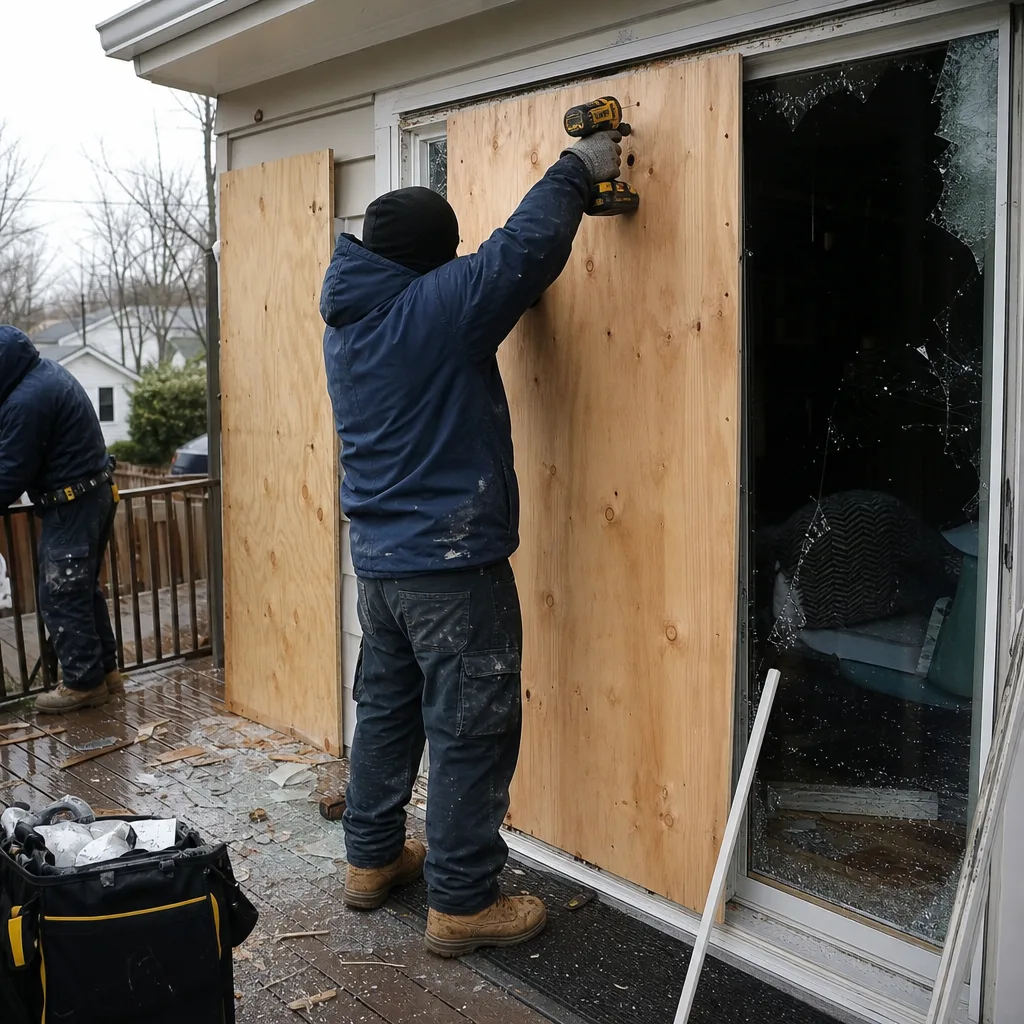
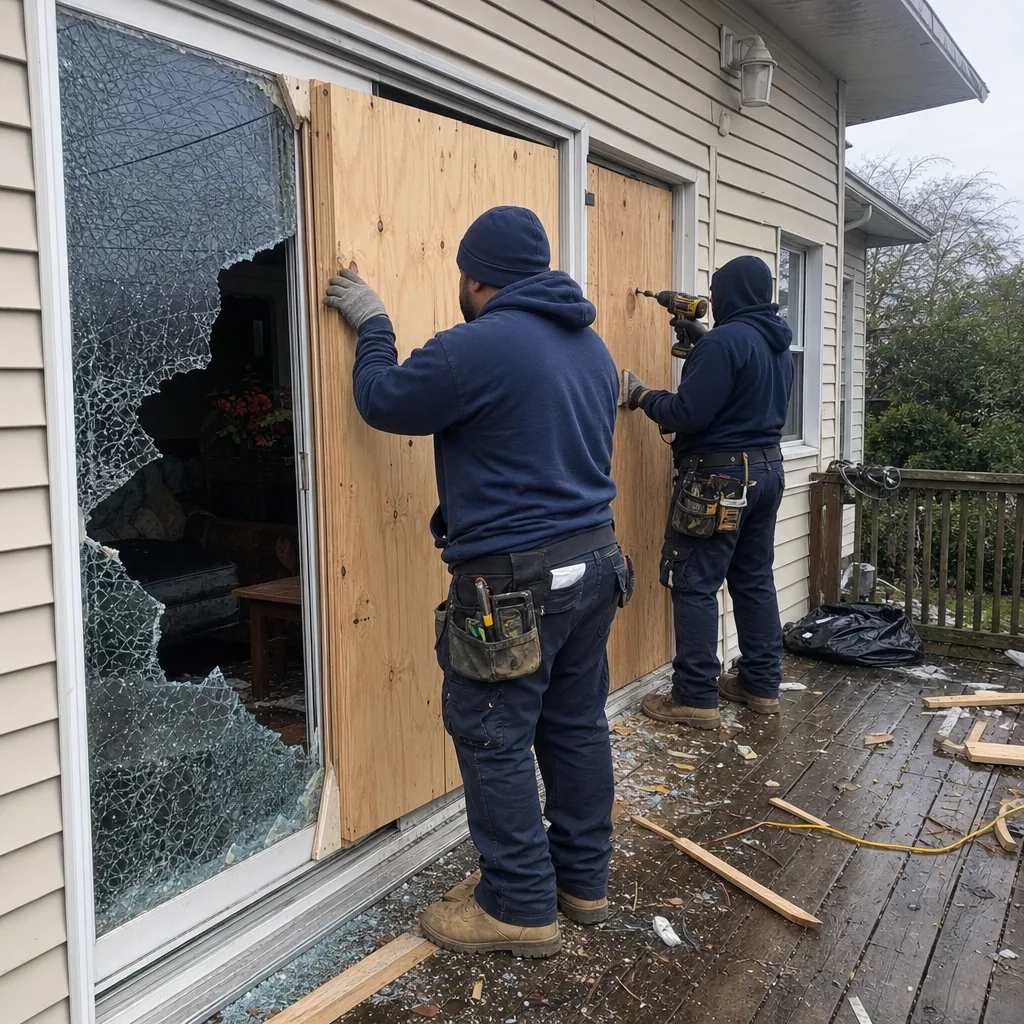
Emergency board-up and stabilization should begin within hours, not days. For the mitigation phase - soot removal, HVAC cleaning, initial deodorization - same-day or next-day response is standard for Storm & Disaster Restoration in Jamaica and fire emergencies. However, reconstruction and full restoration are scoped, scheduled, and priced in writing like any remodel. Do not accept pressure to sign reconstruction contracts during the emergency phase; your leverage for accurate pricing disappears once mitigation is underway. Our live person answers every call, 24 hours a day, 7 days a week, with no voicemail on emergency lines.
Surface cleaning addresses what you can see, not what has penetrated. In fires involving synthetic materials - common in modern furnishings - smoke residue contains acidic compounds that continue degrading substrates. DIY cleaning of visible surfaces leaves these compounds active in wall cavities, subfloors, and HVAC systems. The health risk is real: particulate matter under 2.5 microns penetrates deep lung tissue, and VOCs from smoke residue are documented carcinogens. Professional remediation is not about convenience; it’s about documentation that protects health and claim validity. We use professional-grade systems from Dri-Eaz, Phoenix, and XPOWER, documented to IICRC standards, to achieve the particle count reductions that DIY methods cannot.
The restoration company should, but with your explicit authorization and with transparency. At DryMark Restoration Jamaica, we provide direct adjuster coordination as standard: we submit our written scope, photo documentation, and daily logs to your carrier, copy you on all communications, and require your signature before any work outside the approved scope. You retain control; we handle the paperwork. This includes supplement requests if secondary damage is documented during your 30-90-180 day inspections. The alternative - a contractor who “handles everything” without copying you - creates information asymmetry that rarely benefits the homeowner.
Request the material classification log and verify that each material was treated according to its porosity classification. For porous materials, verify removal and replacement where required; for semi-porous, verify appropriate pH-specific cleaning; for non-porous, verify complete residue removal without surface damage. Ask for the technician’s IICRC FSRT certification number and verify it through IICRC’s online registry. Finally, request post-cleaning verification data: particle counts, odor survey results, or third-party lab analysis of soot samples. A contractor who met the standard will have this documentation ready. One who did not will deflect. At DryMark Restoration Jamaica, this documentation is included on every job, with no exceptions.
The Bottom Line
Fire restoration in Jamaica does not end when the contractor packs up. Smoke damage operates on a delayed schedule that insurers stop covering once you’ve signed off. The homeowners who protect themselves are those who document systematically: HVAC particle counts before and after cleaning; room-by-room material classification verification; and disciplined re-inspection at 30, 90, and 180 days with photographs that create a supplement-ready record. In attached structures, adjacent unit verification is not optional - it’s liability protection. And every contractor’s soot mapping report should be readable for its methodology, not just its color coding. The checklist in this guide gives you the framework. The documentation you produce gives you the leverage. For more guides & resources, visit our blog.
Written by Alicia Brennan, Owner at DryMark Restoration Jamaica, serving Jamaica since 2011.