
Last updated September 23, 2026
Free visual inspection and a written scope of work before any mitigation begins - photos, moisture readings, and drying logs go in your claim file
The scope we write is the scope we bill. Anything new gets shown to you, in writing, before we touch it.
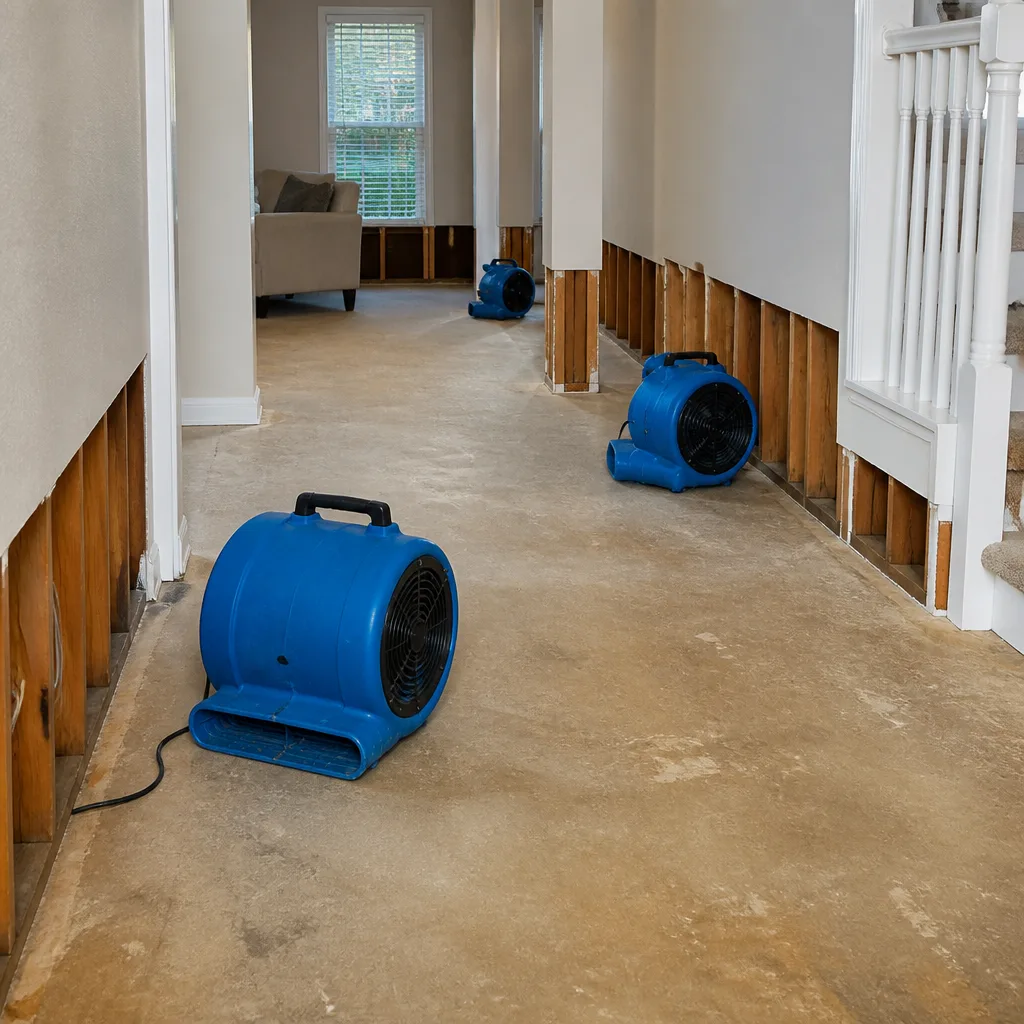
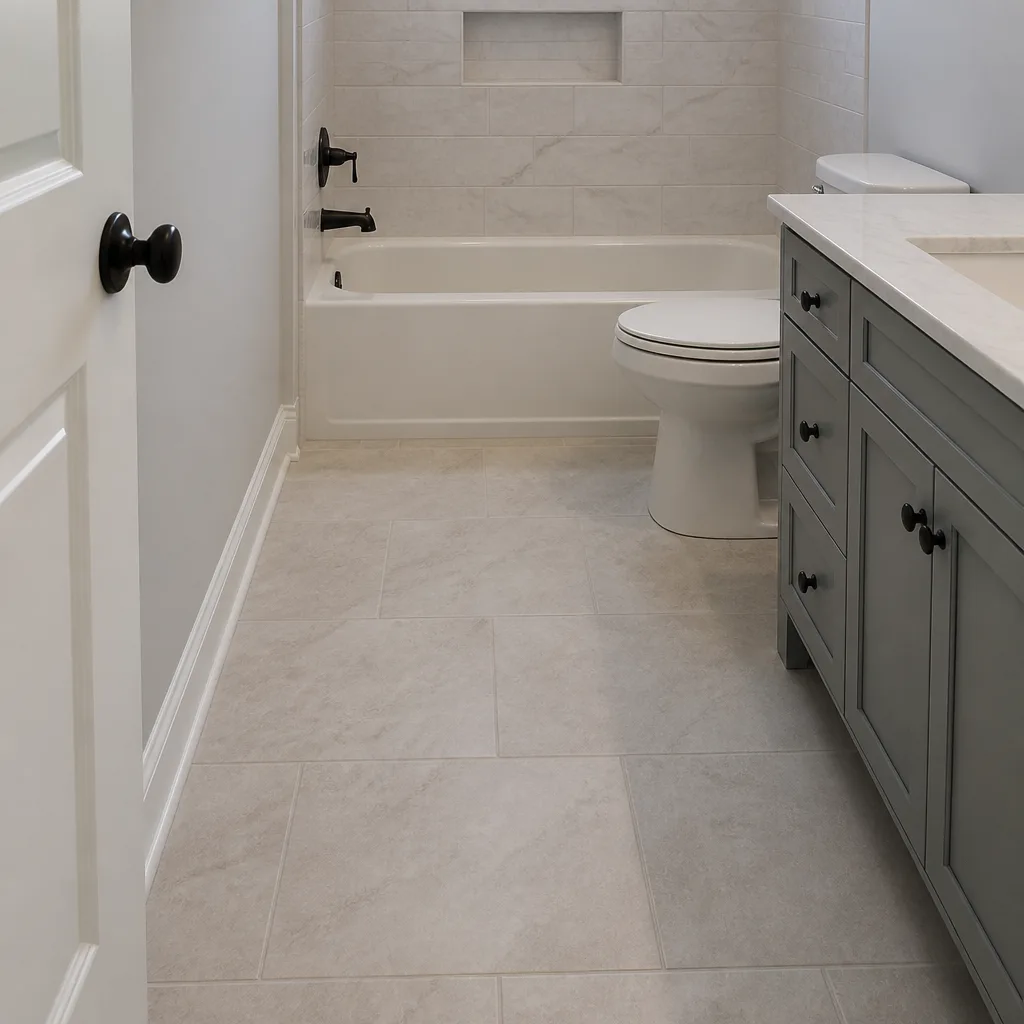
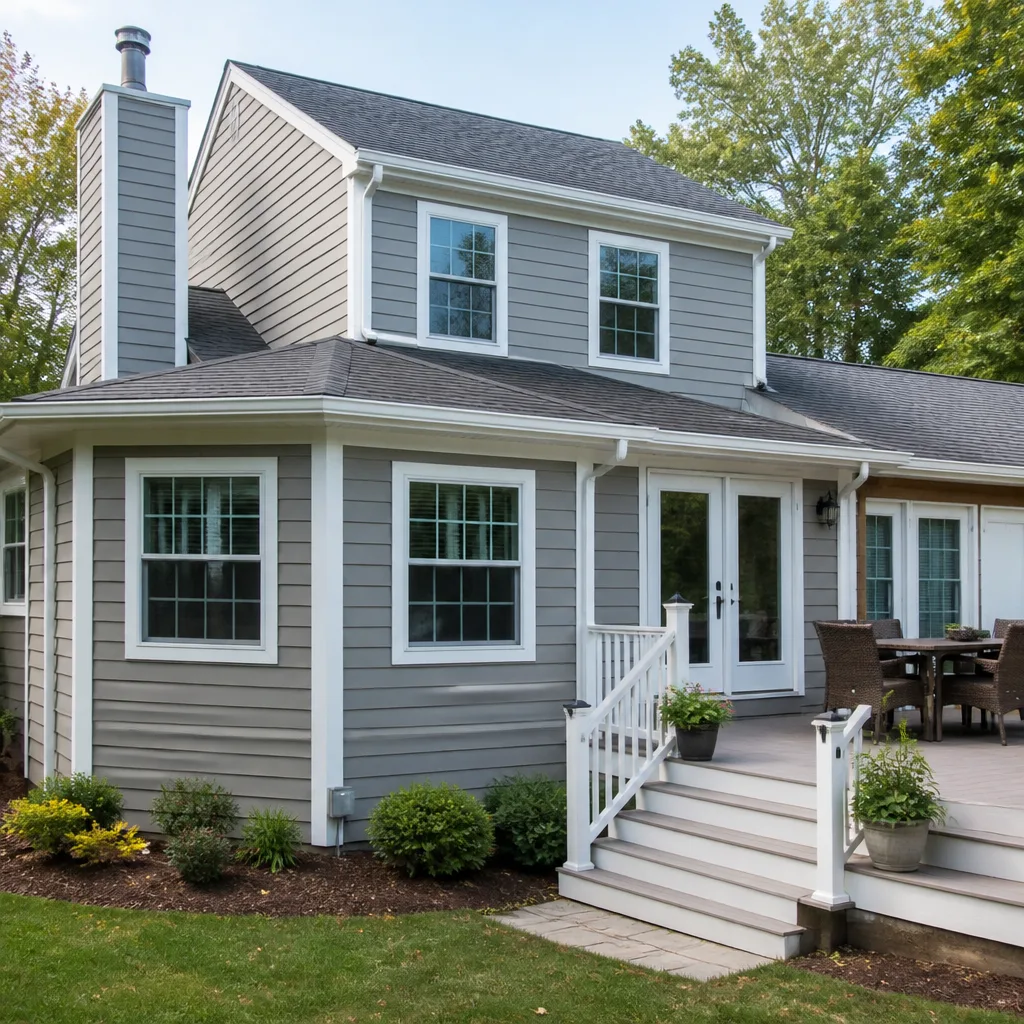
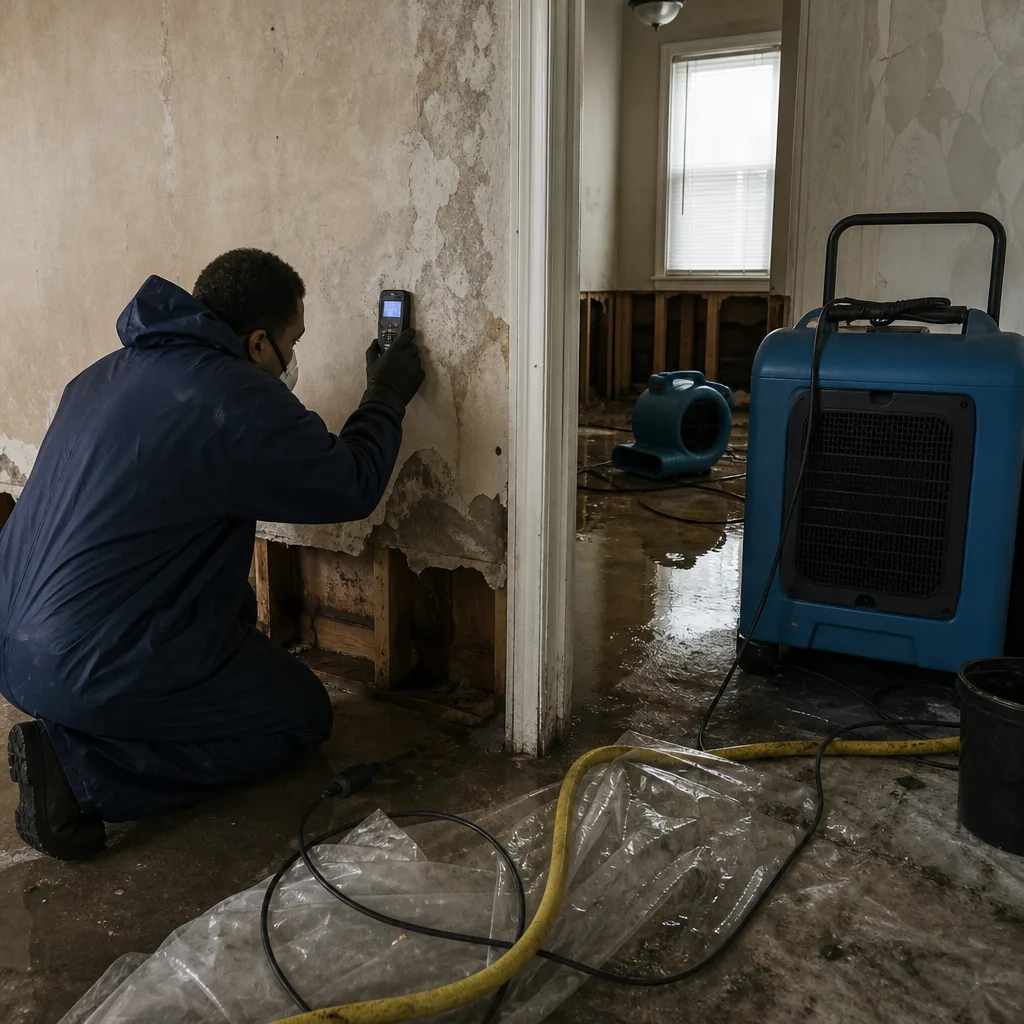 Before
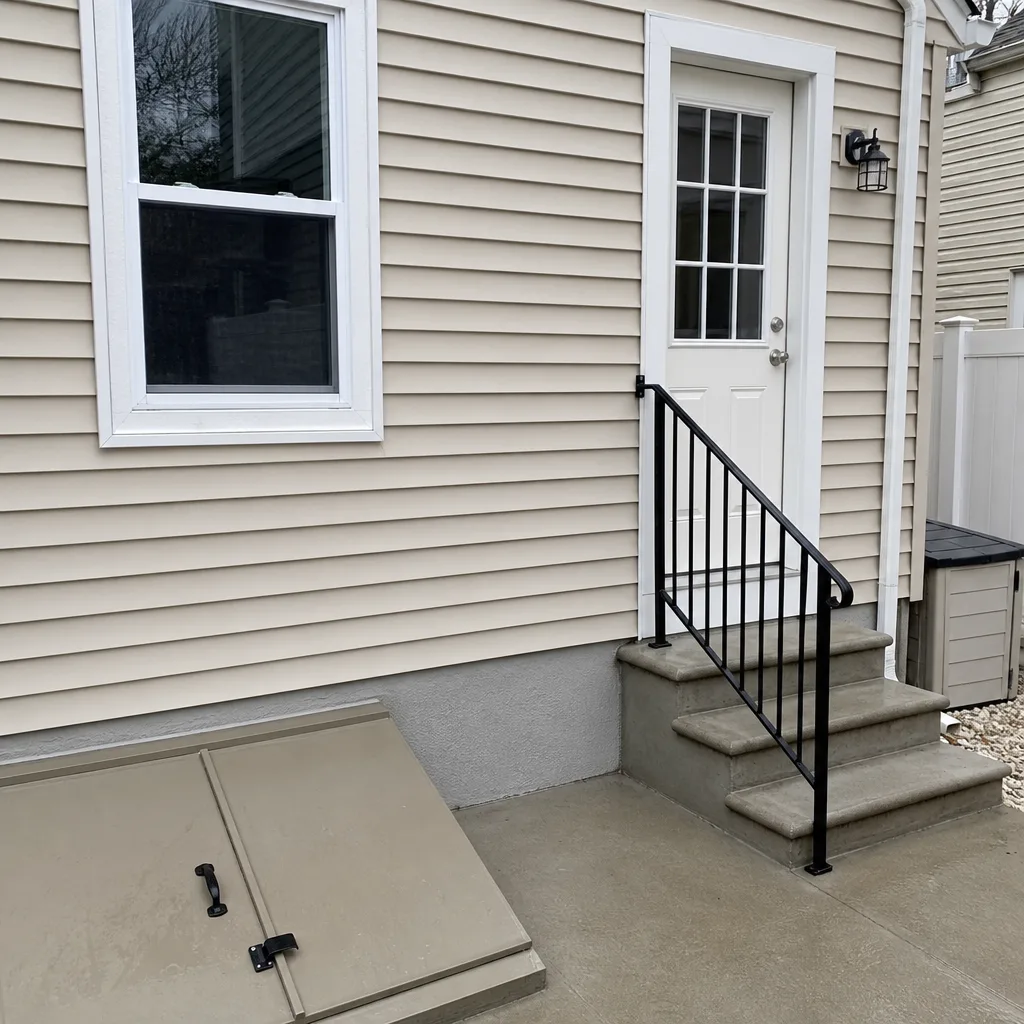 After
After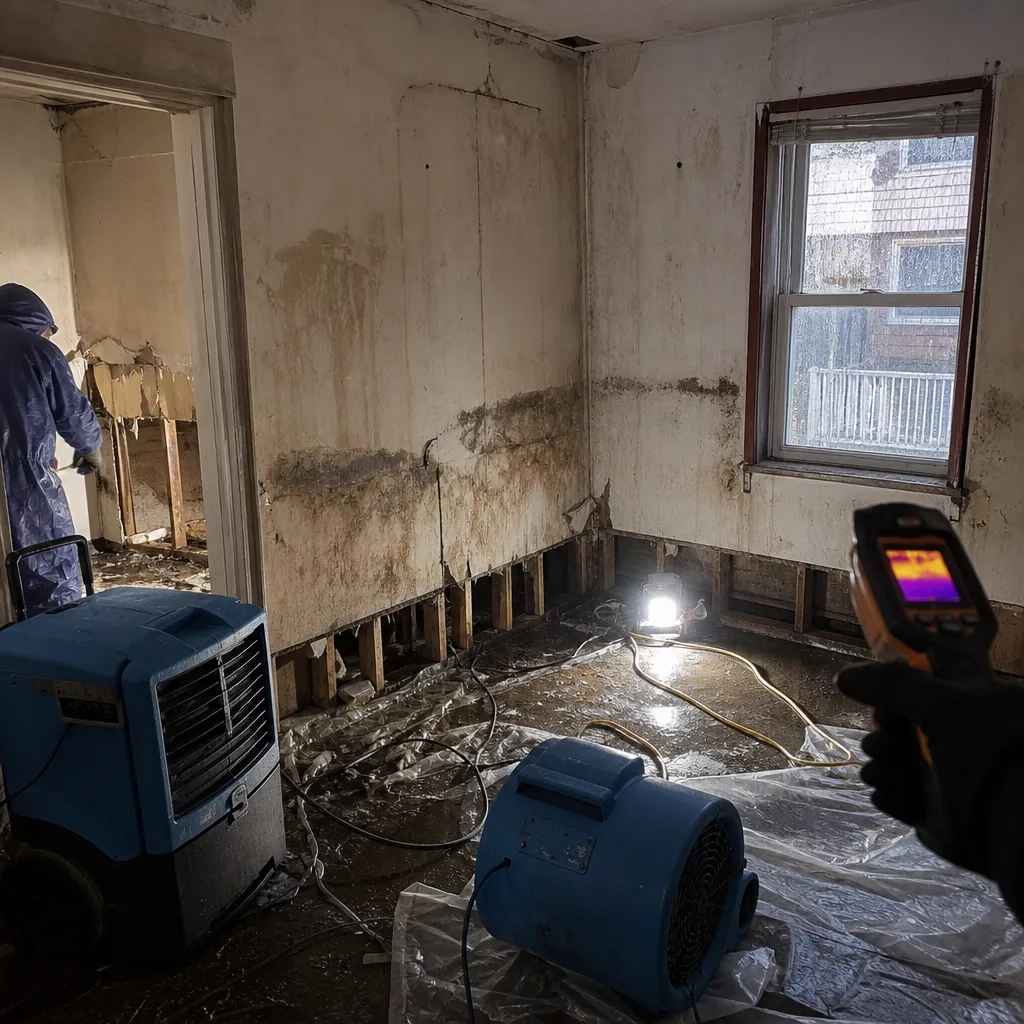 Before
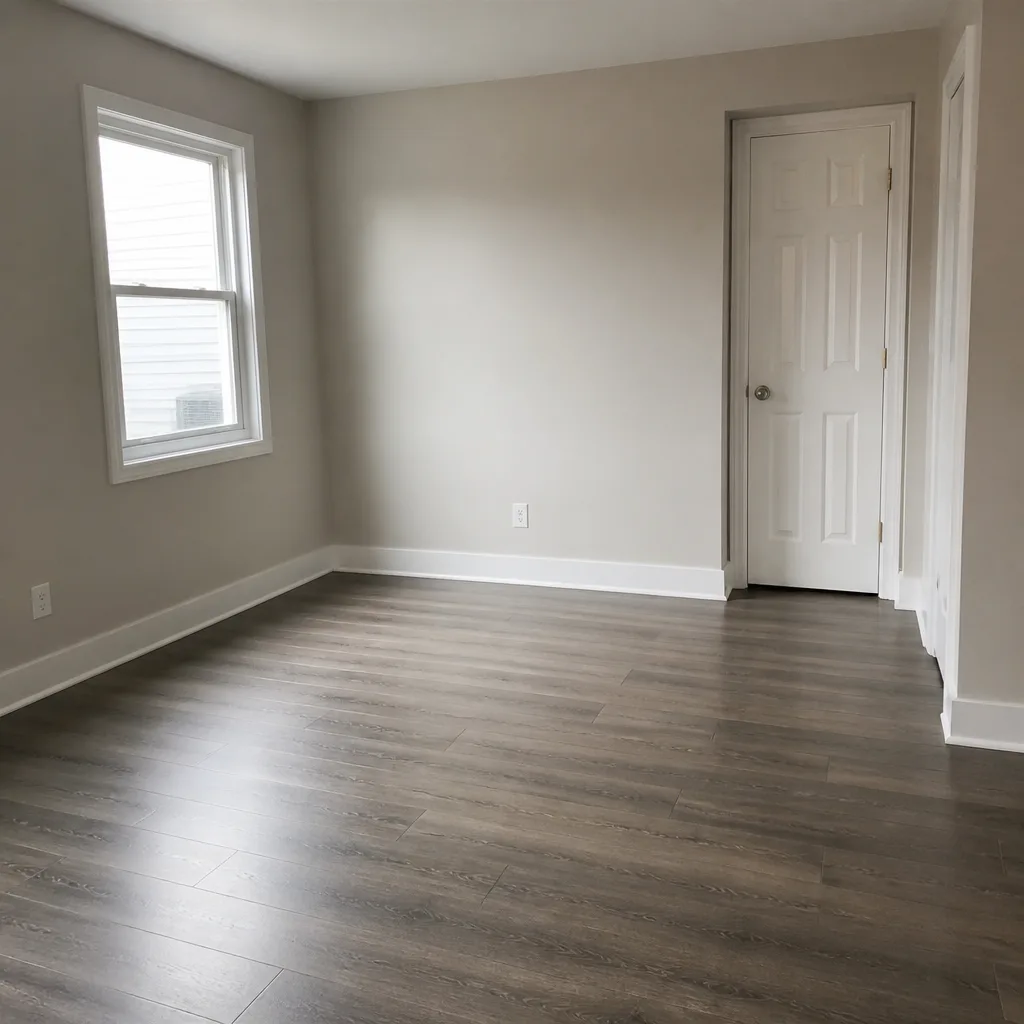 After
After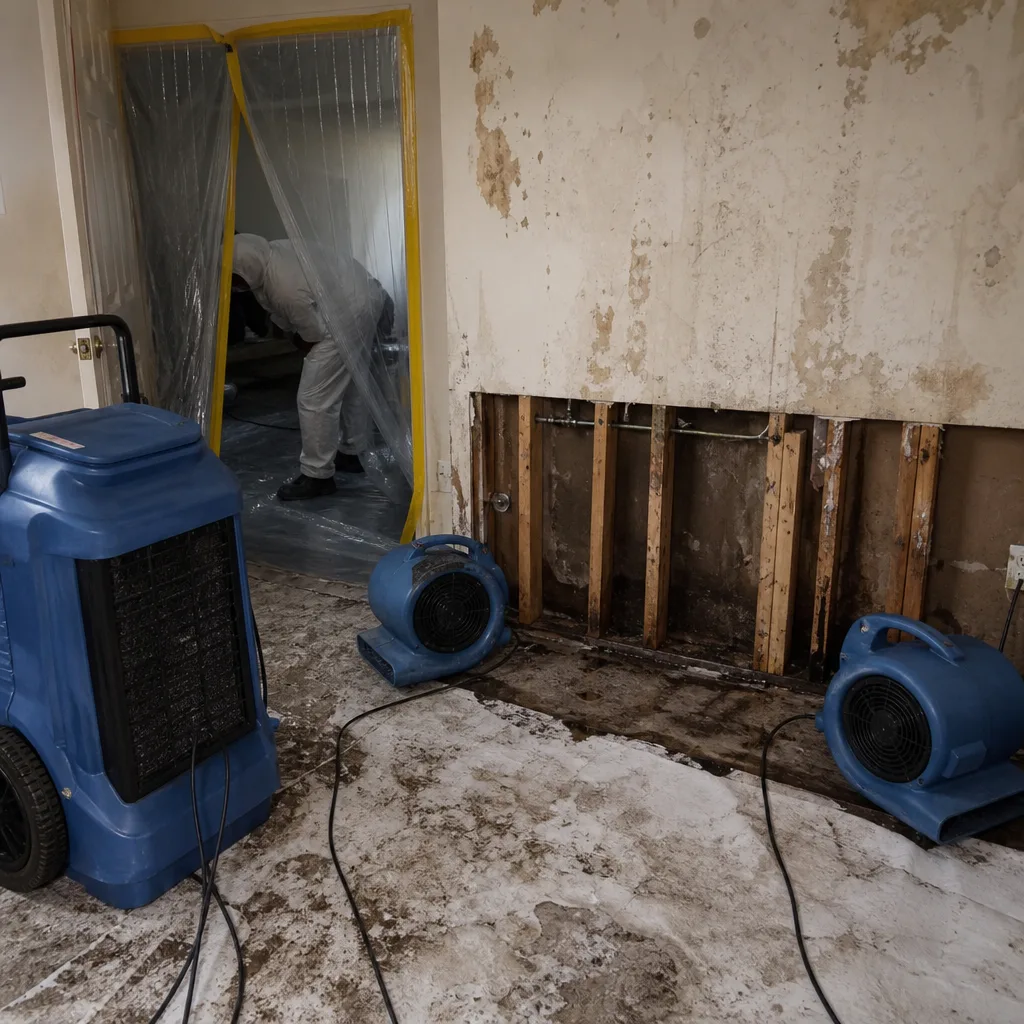 Before
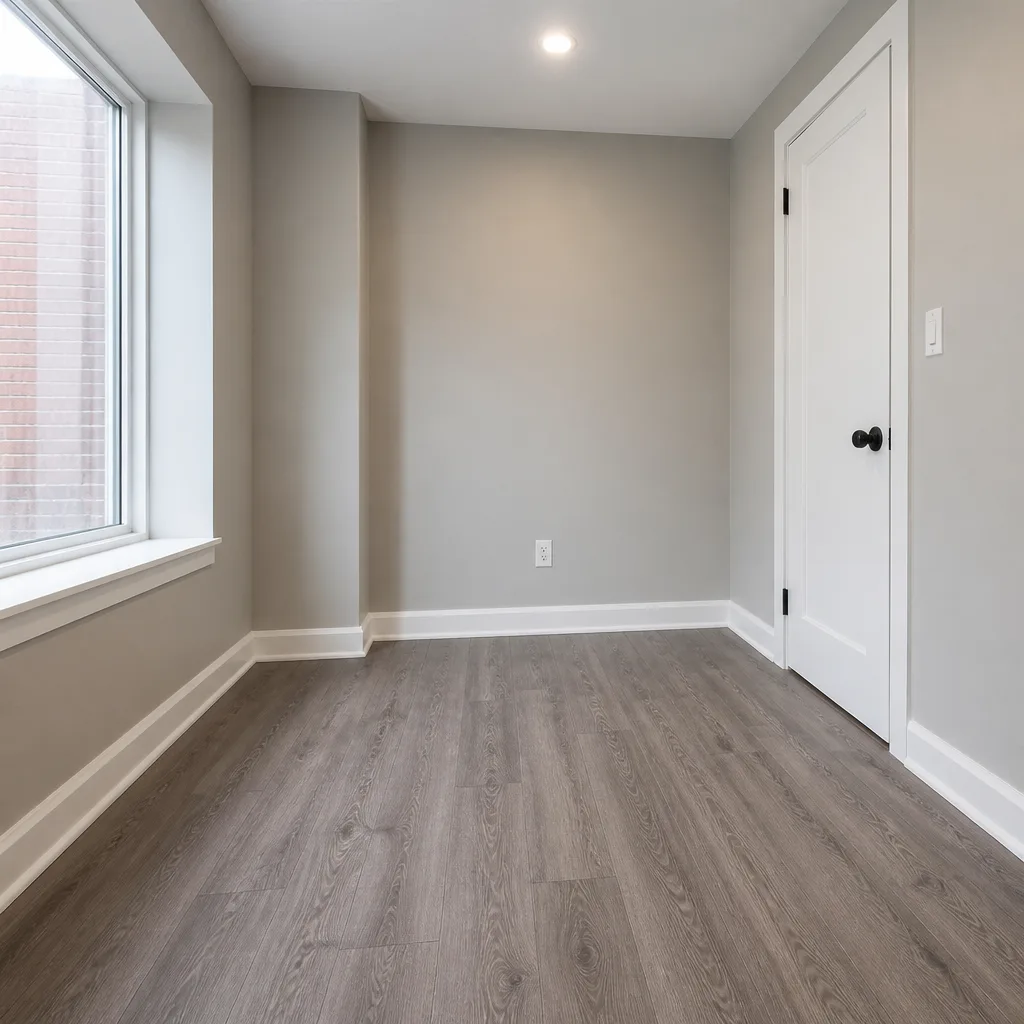 After
AfterSeasonal Damage Restoration Care for Jamaica: Year-Round Homeowner’s Guide
The highest mold claim volume in Southeast Queens doesn’t follow storm season. It peaks in March, when winter condensation that built up inside wall cavities becomes visible as temperatures rise and relative humidity shifts. Jamaica homeowners who understand this calendar - who know that our proximity to Jamaica Bay and the JFK flight corridor creates a microclimate with ambient humidity 8-12 points above inland Queens - can prevent thousands in remediation costs by timing inspections to the four critical transition windows. This guide maps a year-round maintenance protocol calibrated to Jamaica’s specific conditions, with measurable baselines and documentation methods that turn guesswork into evidence, and links to The Complete Guide to Damage Restoration in Jamaica for deeper context.
Quick Answer
Seasonal damage restoration care in Jamaica requires a four-point inspection calendar keyed to October, January, March, and June transitions, with baseline moisture documentation captured each fall so spring readings can be compared against known benchmarks rather than estimated. Jamaica’s elevated ambient humidity from Jamaica Bay and JFK flight operations means mold susceptibility thresholds arrive earlier and persist longer than generic New York guidance suggests, making vapor pressure differential monitoring and documented drying logs essential preventive tools.
Table of Contents
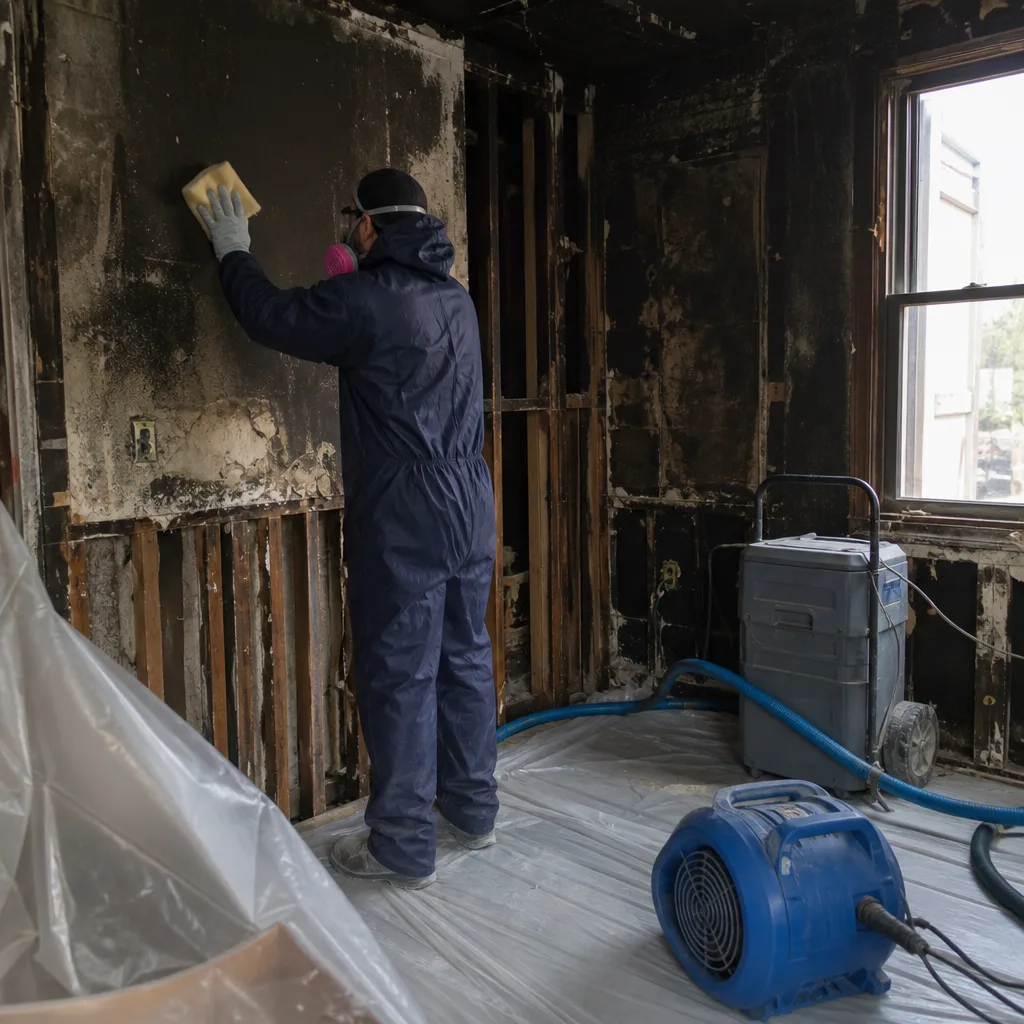
- Why Jamaica’s Microclimate Changes Everything
- October Transition: The Baseline Documentation Window
- January Inspection: Mid-Winter Cavity Checks
- March Surge: When Hidden Moisture Becomes Visible
- June Readiness: Preparing for Hurricane Season Humidity
- Measurable Baselines: What “Normal” Looks Like in Jamaica
- Preventive Investments With Documented ROI
- Building Your Seasonal Documentation System
BeforeAfterWhy Jamaica’s Microclimate Changes Everything
Generic New York homeowner guidance treats Queens as a single climate zone. That error costs Jamaica property owners specifically.
Jamaica sits at the western edge of Jamaica Bay, with JFK International Airport’s 4,930 acres of paved surface radiating heat and disrupting natural drainage patterns. The combined effect: ambient relative humidity readings consistently run 8-12 percentage points higher than comparable neighborhoods in Forest Hills or Bayside. We’ve documented this on job sites for thirteen years. A home in Jamaica at 72°F registers 62%RH on a day when a Flushing property shows 51%RH. That eleven-point gap is the difference between mold-growth threshold and safety margin.
The threshold for mold colonization on gypsum drywall is roughly 60%RH sustained over 48 hours, or a moisture content (MC%) above 0.8%WME (wood moisture equivalent). In Jamaica’s baseline conditions, you’re already operating near that threshold before any leak or flood event occurs. This means:
- Small leaks that would dry passively in drier zones become colonization events here
- Attic and crawl space ventilation must work harder to overcome the humidity differential
- Winter condensation in wall cavities accumulates faster and evaporates slower
- Spring temperature swings create more dramatic vapor pressure shifts
The JFK flight path adds a secondary factor. Aircraft operations generate localized wind patterns and thermal disruption that prevent the stable air stratification that protects some Queens neighborhoods. Homes under or adjacent to approach corridors experience more rapid exterior surface temperature fluctuation, which drives condensation cycling on sheathing and framing.
What this means practically: a moisture reading that reads “acceptable” in a generic guide may already be problematic in Jamaica. Our drying logs from 12,000+ restorations since 2011 show that Jamaica properties require lower target equilibrium moisture content (EMC) readings to achieve the same mold prevention confidence as inland Queens homes. We typically set our Phoenix and Dri-Eaz dehumidification systems to achieve 45%RH or lower at completion, not the 55%RH that satisfies some competitors.
October Transition: The Baseline Documentation Window
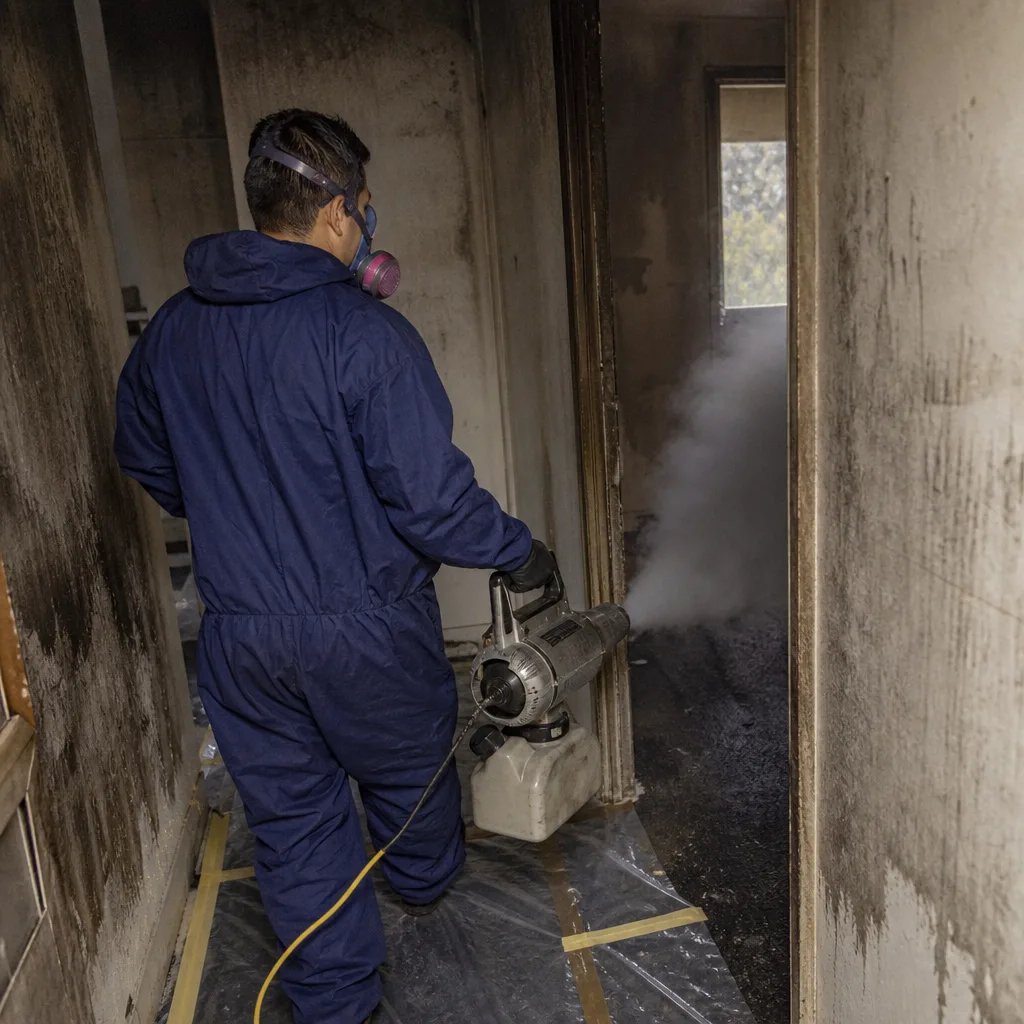
October is the most important month for Jamaica homeowners who want to avoid March remediation bills. This is when you capture your benchmark.
The October transition marks the shift from cooling-dominant to heating-dominant conditions. Outdoor temperatures in Jamaica average 58°F high / 48°F low. Indoor heating systems haven’t yet created the temperature differentials that drive winter condensation. Relative humidity is typically at its annual low. This is your cleanest opportunity to document what “dry” looks like in your specific structure.
What to document in October:
- Exterior envelope inspection. Walk the perimeter with a moisture meter. Check siding, trim, and foundation interfaces. Note any areas where paint is chalking, caulking has separated, or efflorescence appears on masonry. Photograph each finding with a date stamp.
- Attic vapor pressure assessment. Measure attic air temperature and relative humidity with a digital psychrometer. Record the readings. In Jamaica, we want to see attic conditions within 10%RH of outdoor ambient. Larger gaps indicate inadequate ventilation or envelope leakage.
- Basement or crawl space baseline. Take concrete slab moisture readings with a non-destructive impedance meter. Document three readings per 100 square feet. In Jamaica’s climate, readings above 3.5%MC on concrete warrant further investigation before winter heating begins.
- Plumbing chase and utility penetration survey. Check around water heater, HVAC condensate lines, and washing machine boxes with a pinless moisture meter. These are the first locations where winter condensation accumulates.
- Photo record assembly. Compile all images with location tags and readings into a single dated folder. This becomes your comparative benchmark.
The October documentation serves two purposes. First, it identifies vulnerabilities before winter amplifies them. Second, it creates a defensible baseline if spring moisture readings suggest new damage and you need to distinguish seasonal reactivation from new loss events for insurance purposes.
We’ve used October baselines from our own documentation to resolve dozens of claim disputes. A homeowner with dated photos showing dry sheathing in October has evidence that March mold growth represents a new insurable event, not long-term maintenance neglect.
January Inspection: Mid-Winter Cavity Checks
January in Jamaica averages 39°F high / 27°F low. Heating systems have been running continuously for eight to twelve weeks. This is when condensation-driven damage accumulates invisibly.
The critical inspection targets are wall cavities and ceiling assemblies where warm interior air meets cold exterior sheathing. In Jamaica’s elevated humidity environment, the dew point arrives at higher temperatures than inland guidance suggests. A wall cavity with interior air at 70°F and 35%RH will reach dew point on sheathing at approximately 40°F surface temperature. With Jamaica’s typical wind exposure and reduced solar gain from dense housing, that threshold is crossed frequently.
January inspection protocol:
- Interior wall surface scanning. Use a pinless moisture meter on drywall at exterior walls, particularly north and west exposures. Readings above 0.5%WME on painted drywall warrant investigation. Staining or paint bubbling near baseboards is a late indicator; the meter catches it earlier.
- Window and door surround probing. Check trim and adjacent drywall with pin probes set to 3/8″ depth. We’ve found saturated OSB sheathing behind intact drywall in Jamaica homes where window flashing failed, with no visible interior sign until structural damage appeared.
- Kitchen and bathroom exhaust verification. Confirm that exhaust fans move air to exterior, not attic or soffit. Measure airflow with a calibrated gauge. In Jamaica’s humidity, inadequate exhaust adds 5-10%RH to adjacent rooms within hours of showering or cooking.
- Attic frost check. On cold mornings, inspect attic sheathing for frost accumulation. Frost that persists past 10 AM indicates insufficient ventilation or excessive moisture load. Document with photos.
January findings require immediate response, not spring scheduling. Moisture trapped in cavities will not evaporate spontaneously when outdoor temperatures remain below the material’s equilibrium moisture content threshold. The damage you document in January will be the mold you remediate in March if left unaddressed.
For properties with active concerns, we deploy Injectidry systems to create positive or negative air pressure within wall cavities, forcing dry conditioned air through the assembly without demolition. This is tertiary drying - targeted intervention below the surface - and it’s particularly effective in Jamaica’s dense housing stock where full gutting may not be practical mid-winter.
March Surge: When Hidden Moisture Becomes Visible
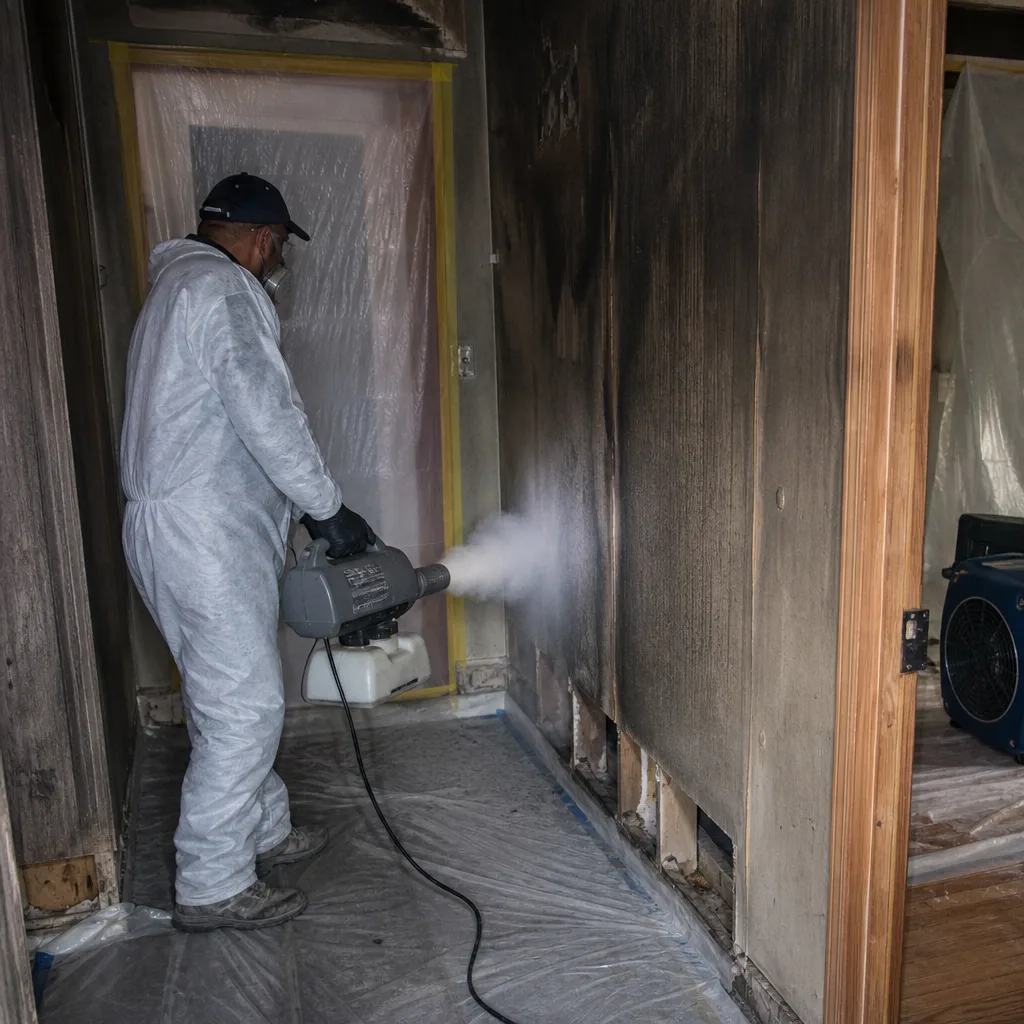
March is Jamaica’s highest-risk month for damage discovery, not damage occurrence. The moisture accumulated through winter becomes visible as temperatures rise and relative humidity shifts.
The mechanism is straightforward but often misdiagnosed. Cold sheathing and framing members warmed by rising outdoor temperatures release accumulated moisture into wall cavities. Simultaneously, warming outdoor air can hold more moisture, but indoor heating is still running, maintaining temperature differentials. The result: vapor pressure differentials reverse direction, forcing moisture toward interior surfaces. Mold that colonized on cold sheathing through January and February now has favorable conditions for sporulation and visible growth.
What to inspect in March:
- Compare to October baseline. Return to every location documented in October. Photograph the same angles. Any new staining, paint failure, or material deformation is evidence of winter moisture accumulation, not a new leak.
- Check previously flagged areas first. The locations that showed elevated but acceptable readings in October are your highest probability failure points. A basement slab that read 3.2%MC in October and now reads 4.8%MC has active moisture loading.
- Evaluate HVAC startup conditions. As cooling systems activate, condensate drainage and pan integrity become critical. Check secondary drains, float switches, and condensate pumps before first cooling cycle. A failed float switch in March becomes a ceiling collapse in July.
- Assess exterior drainage after frost heave. Walk the property after snowmelt or heavy rain. Check that grade still slopes away from foundation, that downspouts discharge 6+ feet from structure, and that frost-heaved walk or patio surfaces don’t direct water toward basement walls.
March is also when insurance claim volume peaks for “sudden” water damage that adjusters often classify as long-term maintenance issues. Your October baseline and January inspection records are the documentation that converts a denied claim into a paid one. We’ve reviewed competitor denials where our free second opinion on their written estimate identified the seasonal mechanism and reversed the decision.
If March inspection reveals active mold growth, professional remediation is warranted when affected area exceeds 10 square feet, HVAC systems are involved, or occupants have respiratory sensitivity. DryMark Restoration Jamaica provides documented scope and written price before any work begins, with photo records at each visit.
June Readiness: Preparing for Hurricane Season Humidity
June opens the Atlantic hurricane season, but for Jamaica homeowners, the more predictable threat is sustained high humidity and convective storm patterns that overwhelm drainage systems designed for temperate climates.
Jamaica’s June averages - 79°F high / 64°F low with 68%RH ambient - push structures toward continuous mold-risk conditions. The combination of warm temperatures and Jamaica Bay’s moisture load means that even minor envelope failures or drainage deficiencies become continuous moisture sources rather than intermittent ones.
June readiness checklist:
- Sump pump and battery backup verification. Test pump operation by filling the pit. Verify battery backup engages during simulated power interruption. In Jamaica’s dense utility corridor, summer grid strain causes localized outages that disable standard pumps when they’re most needed. Battery backup installation runs $800-$1,400 for Jamaica-area contractors; replacement batteries every 3-4 years run $200-$350.
- Attic ventilation capacity assessment. Calculate net free vent area against attic square footage. In Jamaica’s climate, we recommend 1:150 ratio (1 square foot ventilation per 150 square feet attic) as minimum, not the 1:300 that satisfies some codes. Ridge vent, soffit vent, and gable vent combinations must create actual airflow, not just code compliance on paper.
- Exterior grade and drainage audit. Confirm all hard surfaces drain away from structure. Check that Jamaica’s mature tree canopy hasn’t clogged gutters or damaged leaders. A single blocked gutter in June humidity can saturate a wall assembly within 48 hours.
- HVAC condensate management. Clean primary and secondary drains. Install overflow shutoff if not present. Verify condensate pump discharge location doesn’t recycle moisture toward foundation.
- Window well and areaway drainage. Clear debris. Check drain function by flooding. Below-grade openings are Jamaica’s most frequent June flooding point during convective downpours.
June is also optimal for vapor barrier installation in crawl spaces or unfinished basements. Polyethylene sheeting at 6-mil minimum, sealed at seams and perimeter, reduces ground moisture contribution by 70-80% in our Jamaica drying logs. Material cost is approximately $0.15-$0.25 per square foot; professional installation with sealing and mechanical fastening runs $1.50-$2.50 per square foot in the Jamaica market.
Storm & Disaster Restoration in Jamaica addresses the larger-scale events, but most June damage we document is cumulative - small, repeated moisture loading that exceeds the structure’s drying capacity over weeks, not a single catastrophic event.
Measurable Baselines: What “Normal” Looks Like in Jamaica
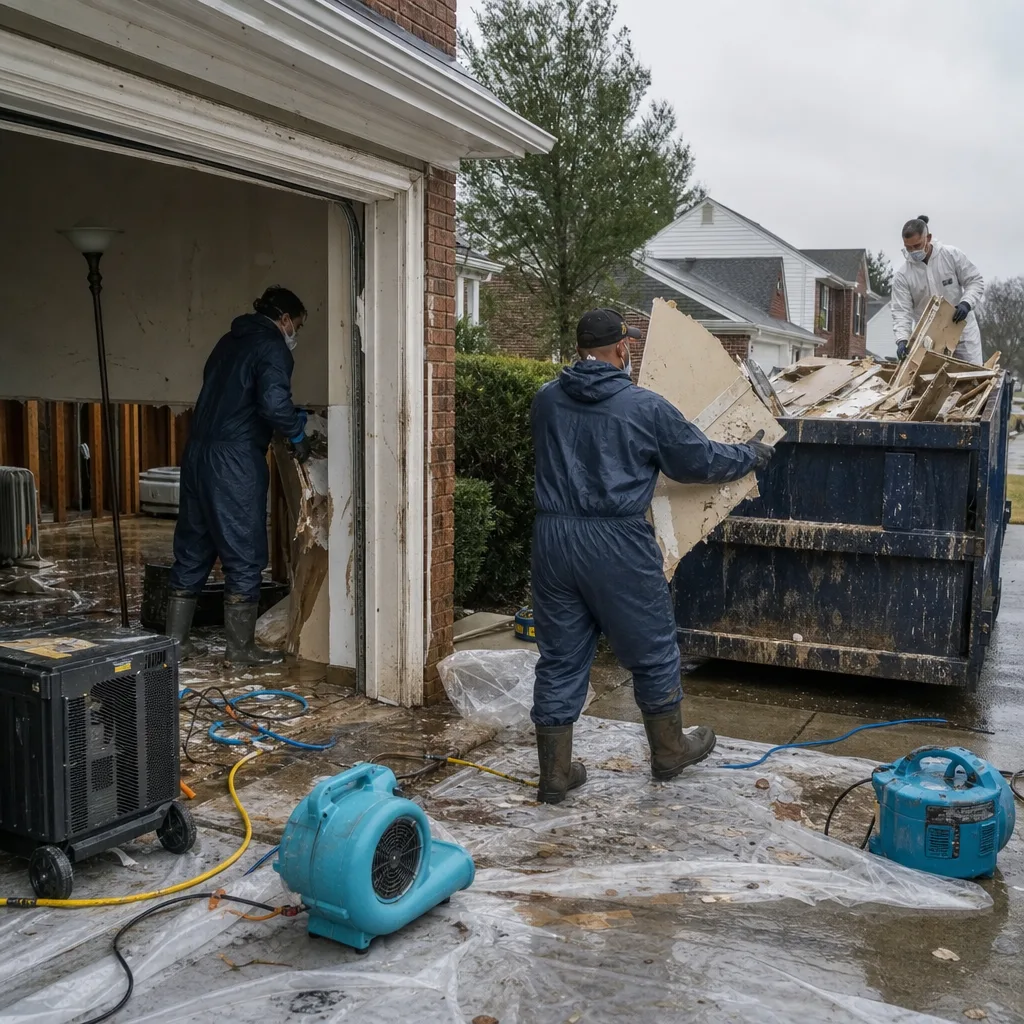
Restoration without measurement is guesswork. These are the baseline readings we use on Jamaica properties, adjusted for our specific microclimate.
Target conditions by season:
| Location | October Baseline | January Target | March Alert | June Maximum |
|---|---|---|---|---|
| Interior living space | 45-50%RH, 70-72°F | 35-40%RH, 68-70°F | >50%RH sustained | 55-60%RH with cooling |
| Attic air | Within 10%RH of outdoor | Frost-free by 10 AM | Visible moisture/sheathing | <15°F differential from outdoor |
| Basement/crawl air | 50-55%RH | 45-50%RH | >60%RH or musty odor | Dehumidification required |
| Concrete slab | <3.5%MC | <4.0%MC | >4.5%MC | >5.0%MC |
| Wood framing/sheathing | 9-11%MC | 10-12%MC | >14%MC | >16%MC |
| Drywall (pinless) | <0.4%WME | <0.5%WME | >0.8%WME | >1.0%WME |
These Jamaica-adjusted targets differ from generic guidance. The 45%RH October living space target, for example, is lower than some sources recommend because we know January heating will drive humidity down, and we want margin before mold threshold. The 4.5%MC March concrete alert is conservative; in drier zones, 5.0%MC might be acceptable. Jamaica’s baseline humidity means we intervene earlier.
Psychrometric data - the relationship between air temperature, relative humidity, and moisture content - drives our equipment selection. When we deploy Dri-Eaz and Phoenix dehumidifiers on Jamaica jobs, we calculate grain depression targets (the moisture removal needed to achieve desired conditions) using our local baseline, not manufacturer defaults. This produces the daily drying logs that document progress to insurance adjusters and verify completion to our 365-Day Done Right Promise under The Haven Standard.
Vapor pressure differential is the engine of moisture movement. Warm, moist air has higher vapor pressure than cool, dry air. Moisture moves from high to low pressure. In Jamaica’s climate, this means moisture is often moving into structures during summer (outdoor vapor pressure exceeds indoor) and accumulating in cavities during winter (indoor vapor pressure exceeds cold sheathing). Understanding this directional flow is essential to selecting the right intervention - dehumidification, ventilation, or vapor barrier - for each season.
Preventive Investments With Documented ROI
Not all preventive spending is equal. These are the interventions where our Jamaica documentation shows measurable claim frequency reduction, as covered in our more guides & resources.
Vapor barrier installation (crawl space or basement slab):
Cost: $1.50-$2.50/sq ft installed in Jamaica market. Claim reduction: 40-60% in basement moisture-related calls over 3-year tracking. Payback: typically 2-3 years versus single remediation event. Best installed in June-September when access is easiest and materials seal properly.
Sump pump with battery backup:
Cost: $800-$1,400 for primary + battery system. Claim reduction: eliminates 90% of pump-failure flooding in our Jamaica data. Battery replacement every 3-4 years ($200-$350) is essential maintenance, not optional.
Attic ventilation upgrade:
Cost: $800-$2,500 depending on current configuration and roof type. Claim reduction: 30-45% in winter condensation and ice dam claims. Critical in Jamaica’s older housing stock with original ventilation designed for lower humidity baselines.
Whole-house dehumidification (HVAC-integrated):
Cost: $1,200-$2,800 installed. Operating cost: $15-$30/month. Claim reduction: 50-70% in chronic humidity complaints, with secondary benefit of reduced HVAC runtime in shoulder seasons. Most effective in Jamaica properties with basement living space or sealed construction.
Foundation crack injection and exterior waterproofing:
Cost: $350-$800 per crack (interior injection); $3,000-$8,000 (exterior excavation and membrane). Claim reduction: near-complete for addressed defects. We recommend interior injection for isolated cracks in otherwise sound foundations; exterior work for pattern cracking or hydrostatic pressure indications.
The common element: each produces measurable, documentable change in baseline conditions. We verify with post-installation moisture readings compared to pre-installation baselines. This documentation becomes part of the property record, supporting future insurance claims and property transactions.
Sewage Cleanup in Jamaica addresses the category-three events that no prevention eliminates, but the investments above reduce the frequency and severity of category-one and category-two water damage that precedes them.
Building Your Seasonal Documentation System
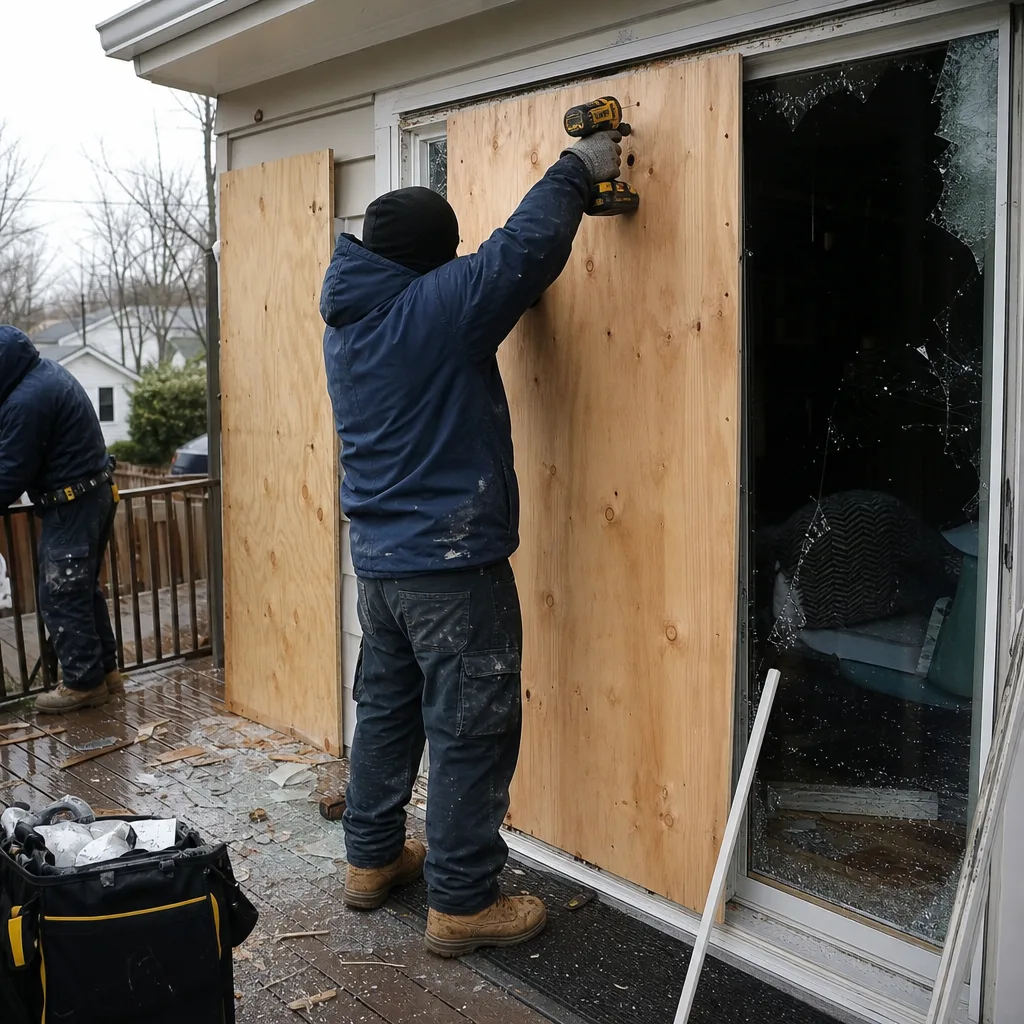
Documentation is the core competency that distinguishes professional restoration from reactive cleanup. Here’s how to build a system that serves insurance, maintenance, and resale purposes.
Core documents to maintain:
- Baseline condition report (annual, October). Photographs with date stamps, moisture readings with location tags, and narrative description of envelope condition. Store digitally with cloud backup and physical copy in fire-safe storage.
- Seasonal inspection log (January, March, June). Comparison readings to baseline, with flagged items and remediation actions. Include contractor names, license numbers, and invoice references for all work performed.
- Maintenance action record. Date-stamped receipts and photos for all preventive work: gutter cleaning, caulking, HVAC service, sump pump replacement. This establishes maintenance diligence if claims are questioned.
- Professional assessment archive. Copies of all restoration company scopes, estimates, and completion documentation. Include the written price before work begins, photo records from each visit, and final moisture readings. At DryMark Restoration Jamaica, this is standard deliverable, not upsell.
- Insurance correspondence file. Claim numbers, adjuster contacts, coverage confirmations, and claim resolution documentation. Cross-reference to maintenance records that support claim validity.
The Haven Standard, Clause 1 requires written price before work begins on every job. This applies to our work, and you should demand equivalent documentation from any contractor you engage. A verbal estimate or “time and materials” engagement without scope ceiling is documentation failure that exposes you to cost overruns and claim disputes.
For Jamaica homeowners specifically, we recommend adding a microclimate note to your documentation: record outdoor relative humidity and temperature on each inspection date, noting proximity to Jamaica Bay and JFK operations. This context helps interpret readings that might appear anomalous against generic guidance.
Photo documentation standards: wide shots establishing location, medium shots showing context, close shots showing condition detail, and meter readings with visible display. Four photos minimum per location, with consistent naming convention: [Date]_[Location]_[ReadingType]_[Value]. Example: 20241015_BasementNW_Pinless_3.2.jpg
Common Mistakes to Avoid
- Using inland Queens humidity guidance for Jamaica properties. The 8-12 point RH differential means mold thresholds arrive earlier. A reading “within normal range” for Bayside may already be problematic here.
- Inspecting only after visible damage appears. By the time you see staining or smell mustiness, colonization is established. The October-January-March calendar catches conditions before they’re visible.
- Ignoring attic conditions in winter. Frost on sheathing that melts by afternoon seems harmless. It’s moisture loading that becomes March mold growth. Document and address.
- Installing vapor barriers without addressing source moisture. A vapor barrier over wet ground traps moisture; it doesn’t eliminate it. Source control first, then barrier.
- Accepting “time and materials” restoration engagements. Without written scope and price, you have no documentation for insurance and no protection from scope creep. Haven Standard, Clause 1 exists because we’ve seen the alternative.
- Discarding documentation after claim resolution. Baseline records support future claims, property sale disclosures, and warranty enforcement. The 365-Day Done Right Promise requires documentation of original conditions if reactivation occurs.
- Deferring June readiness to “when it gets hot.” By mid-June, HVAC contractors and restoration companies are at peak demand. Schedule assessments in May for June readiness.
When to Call a Professional
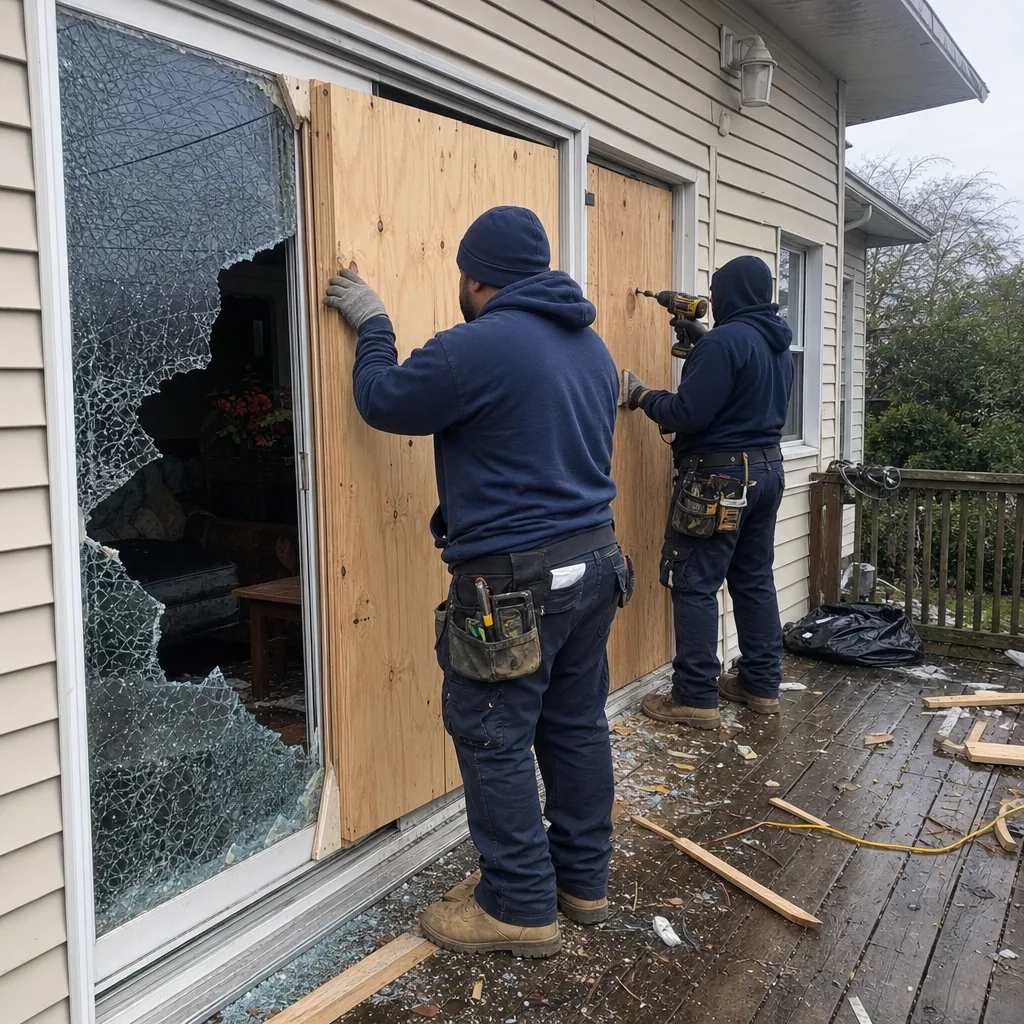
Some conditions exceed homeowner capability and equipment. Call for professional assessment when: moisture readings exceed seasonal baselines by 20% or more and source is not immediately identifiable; mold growth exceeds 10 square feet or involves HVAC systems; water intrusion recurs at the same location after previous repair; you need documentation for insurance or warranty purposes; or health symptoms (respiratory irritation, persistent odor sensitivity) correlate with time spent in specific areas.
DryMark Restoration Jamaica offers free estimates in Jamaica. Call (516) 240-9735. Every assessment includes written scope and price before any work begins, with photo documentation as standard. We also provide free second opinion on any competitor’s written estimate - bring their scope and we’ll review it at no charge.
Fire & Smoke Damage Restoration in Jamaica requires immediate professional response; the documentation principles here apply equally, but speed of engagement is critical for salvage and odor control.
Frequently Asked Questions
Professional moisture mapping with documented readings typically runs $150-$300 for a Jamaica single-family home, though many restoration companies including DryMark Restoration Jamaica apply this toward remediation if work is needed. DIY inspection with consumer-grade meters costs $50-$150 for basic equipment. The critical investment is documentation consistency, not equipment cost. Call (516) 240-9735 for exact pricing - estimates are free.
Coverage depends on cause and documentation. Sudden, accidental water damage (burst pipe, storm intrusion) that leads to mold is typically covered. Long-term moisture accumulation from maintenance neglect is not. Your October baseline and seasonal inspection logs are the documentation that distinguishes these categories. We coordinate directly with adjusters and provide the photo records and drying logs that support covered claims.
Live person answers every call, 24 hours a day, 7 days a week - no voicemail trees. Emergency water damage dispatch is typically within 60-90 minutes in Jamaica. Mold remediation and non-emergency assessments are scheduled within 24-48 hours. Reconstruction and rebuild work is scoped, scheduled, and priced in writing like any remodel - never rushed.
Areas under 10 square feet on non-porous surfaces can often be addressed with appropriate PPE, containment, and antimicrobial treatment by a knowledgeable homeowner. Larger areas, HVAC involvement, or porous material contamination (drywall, insulation, carpet) require professional remediation with negative air containment and HEPA filtration. We assess and provide written scope so you can make an informed decision. Call (516) 240-9735 for a free evaluation.
March is discovery month, not colonization month. The mold grew through winter in cold, dark cavities where it wasn’t visible. Rising spring temperatures and shifting vapor pressure differentials force moisture and spores toward interior surfaces where they become detectable. Jamaica’s elevated baseline humidity means winter condensation accumulates faster, and the spring temperature swing is more dramatic relative to our typical conditions.
Every job receives: written price before work begins (Haven Standard, Clause 1); photo record on every visit with date stamp and location tag; daily moisture readings with equipment type and calibration date; drying log with psychrometric data and grain depression calculations; and signed 365-Day Done Right Promise under The Haven Standard. This documentation package is standard deliverable, never an upsell.
The Bottom Line
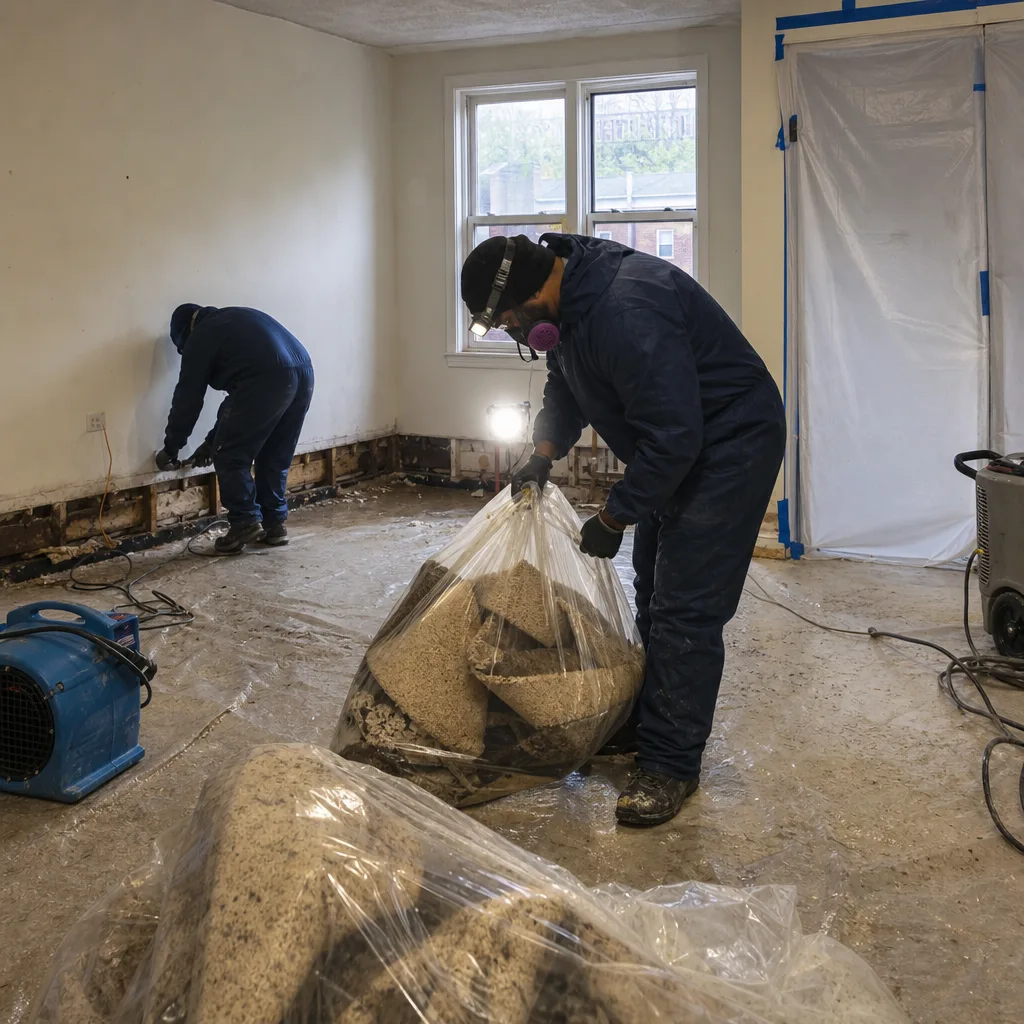
Jamaica’s microclimate demands a maintenance calendar that respects its specific conditions: the elevated humidity from Jamaica Bay and JFK operations, the older housing stock with original ventilation margins, and the four transition windows where moisture shifts from hidden to visible. Document your October baseline. Inspect in January and March with comparison readings. Prepare in June for sustained humidity. Invest in vapor barriers, battery-backed sump pumps, and attic ventilation where documentation shows return. And maintain records that convert guesswork into evidence - for your maintenance decisions, your insurance claims, and your property’s long-term value.
Written by Alicia Brennan, Owner at DryMark Restoration Jamaica, serving Jamaica since 2011.