
Last updated September 23, 2026
Free visual inspection and a written scope of work before any mitigation begins - photos, moisture readings, and drying logs go in your claim file
The scope we write is the scope we bill. Anything new gets shown to you, in writing, before we touch it.
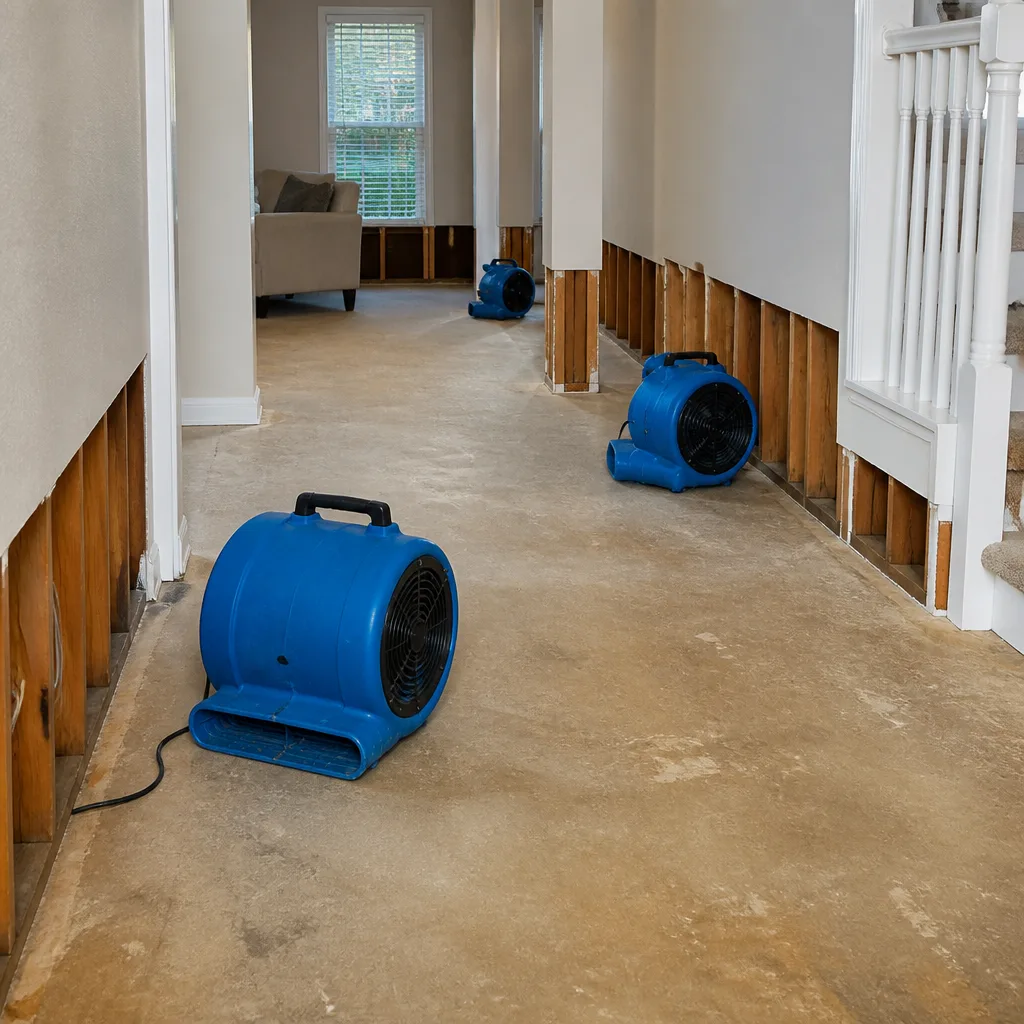
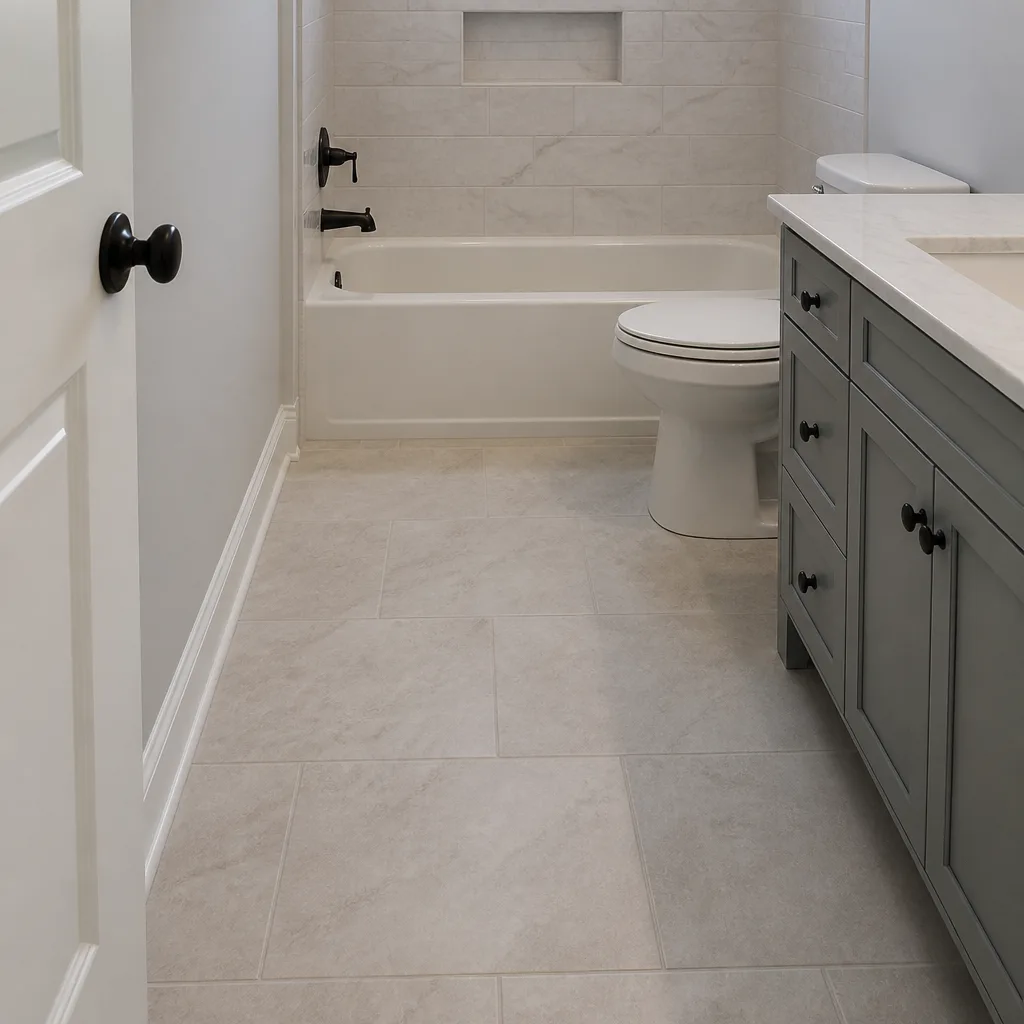
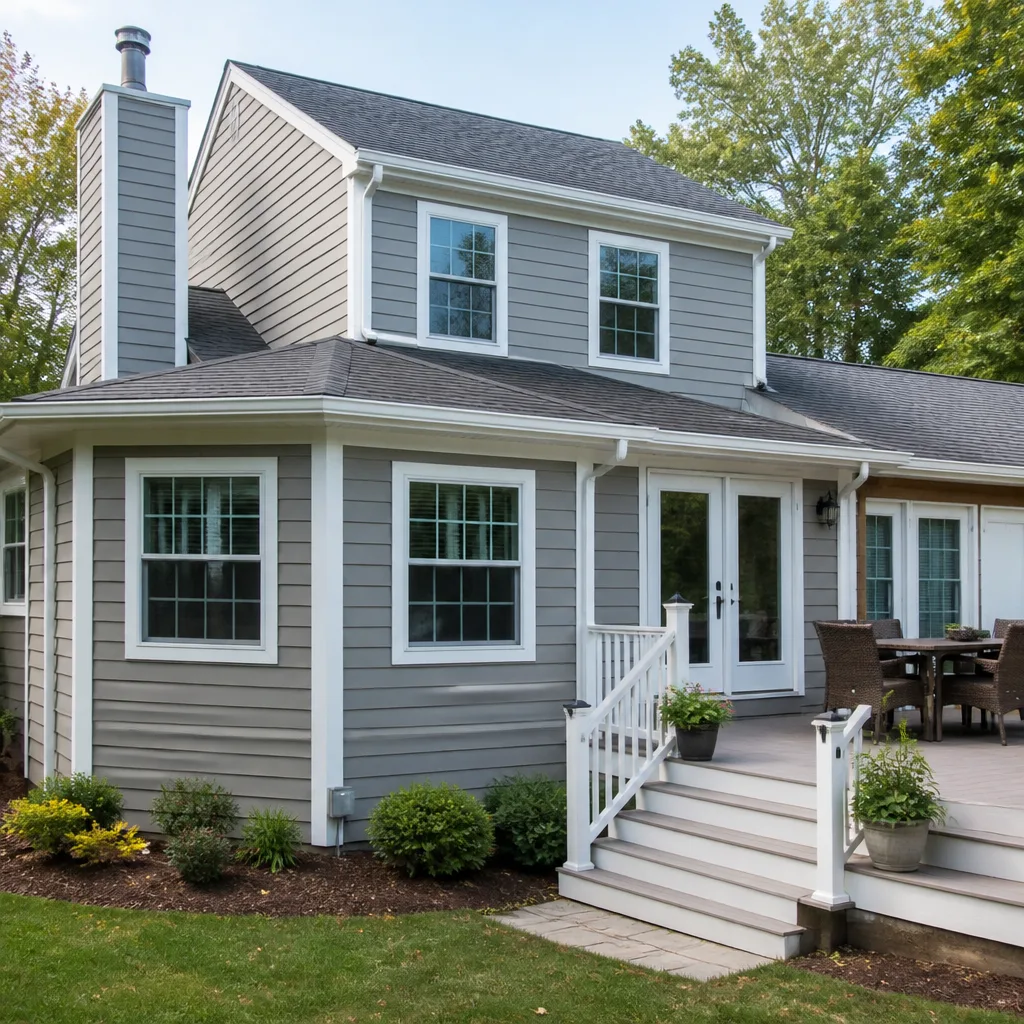
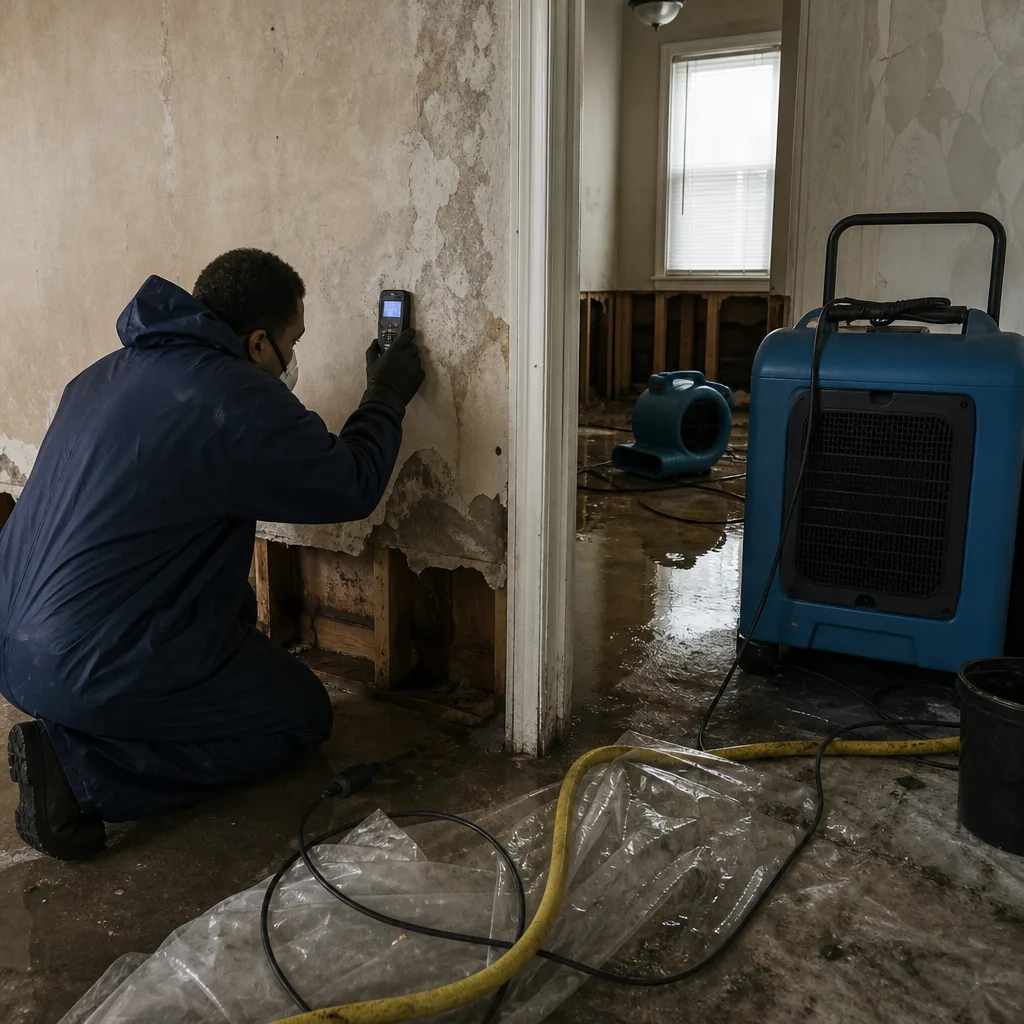 Before
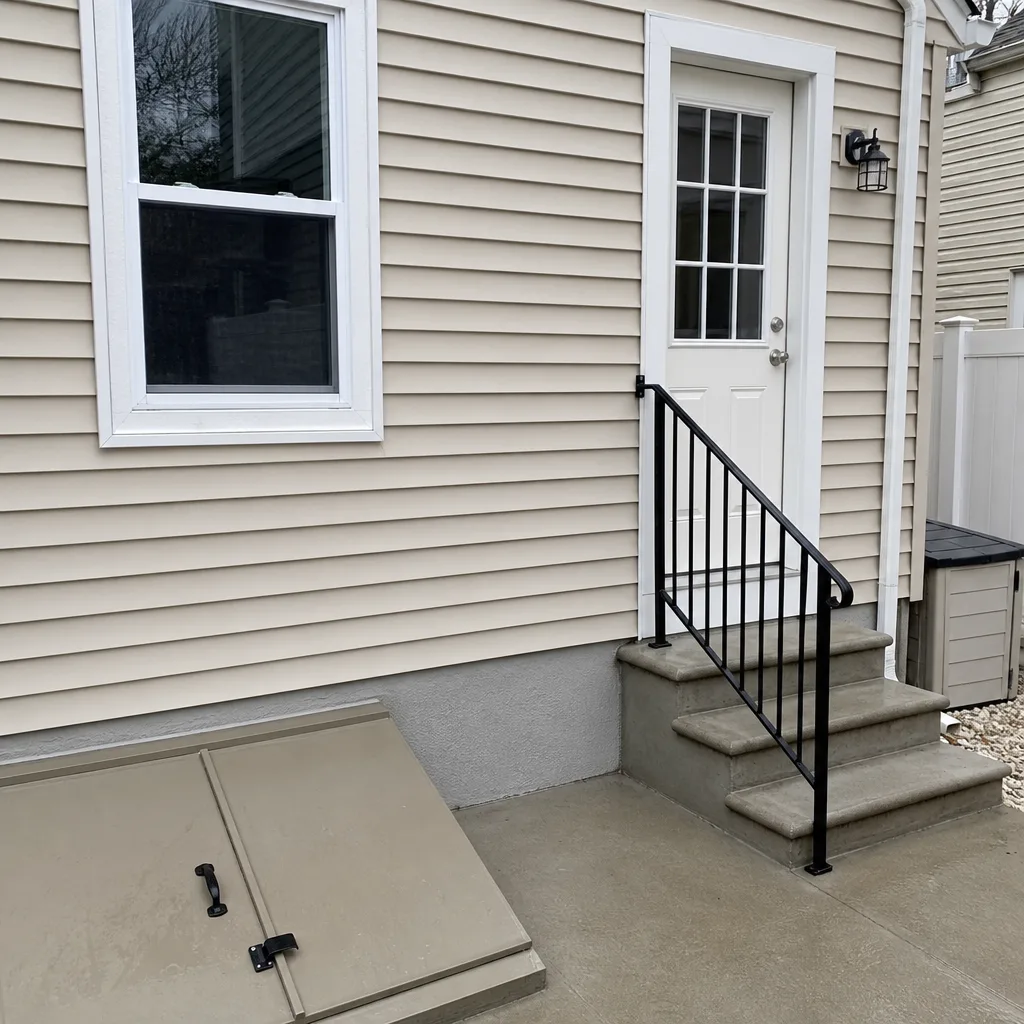 After
After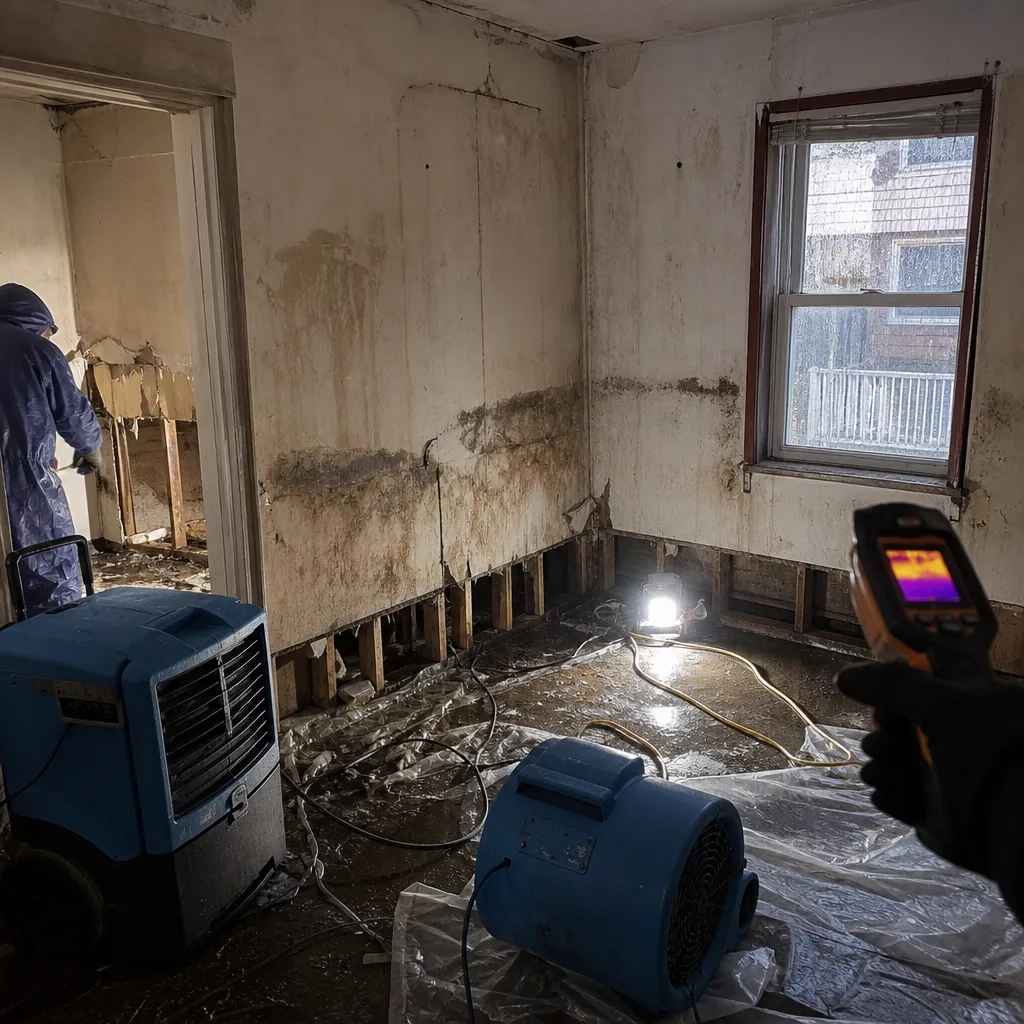 Before
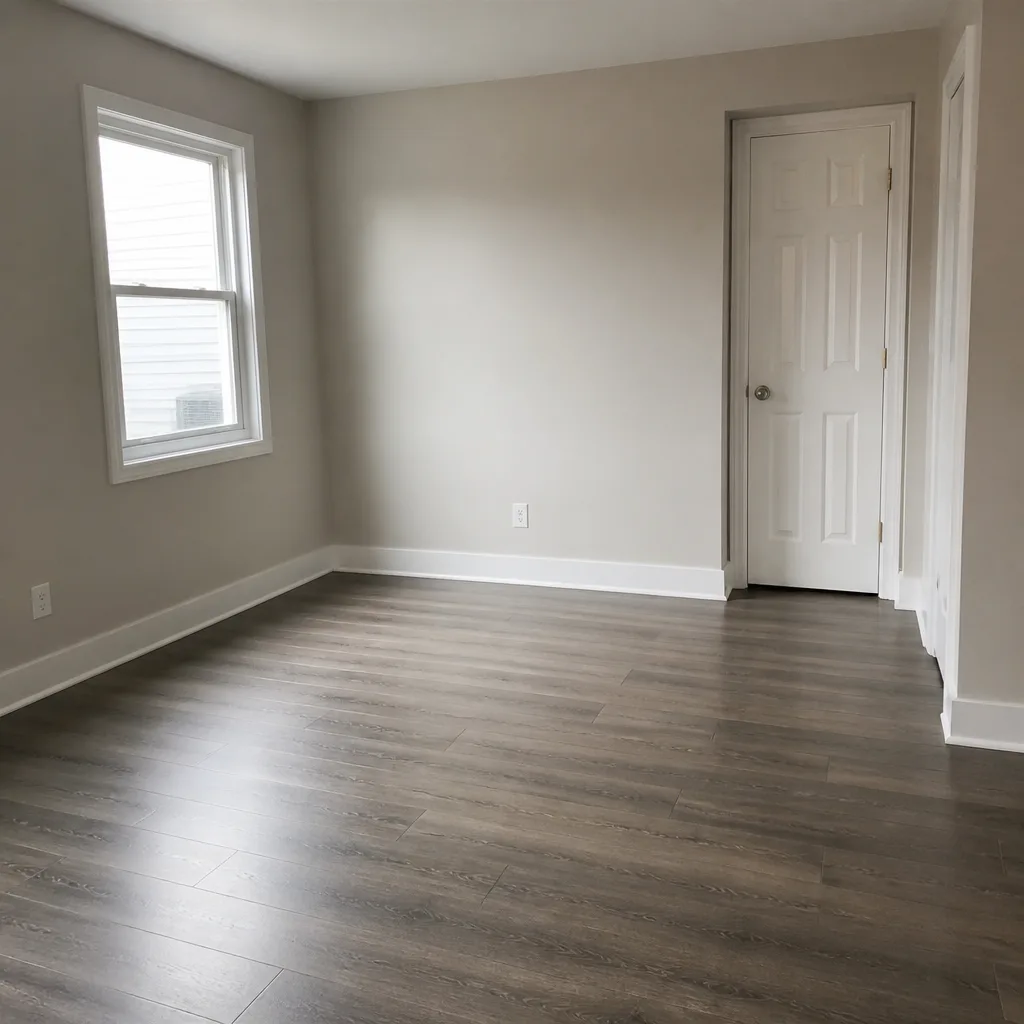 After
After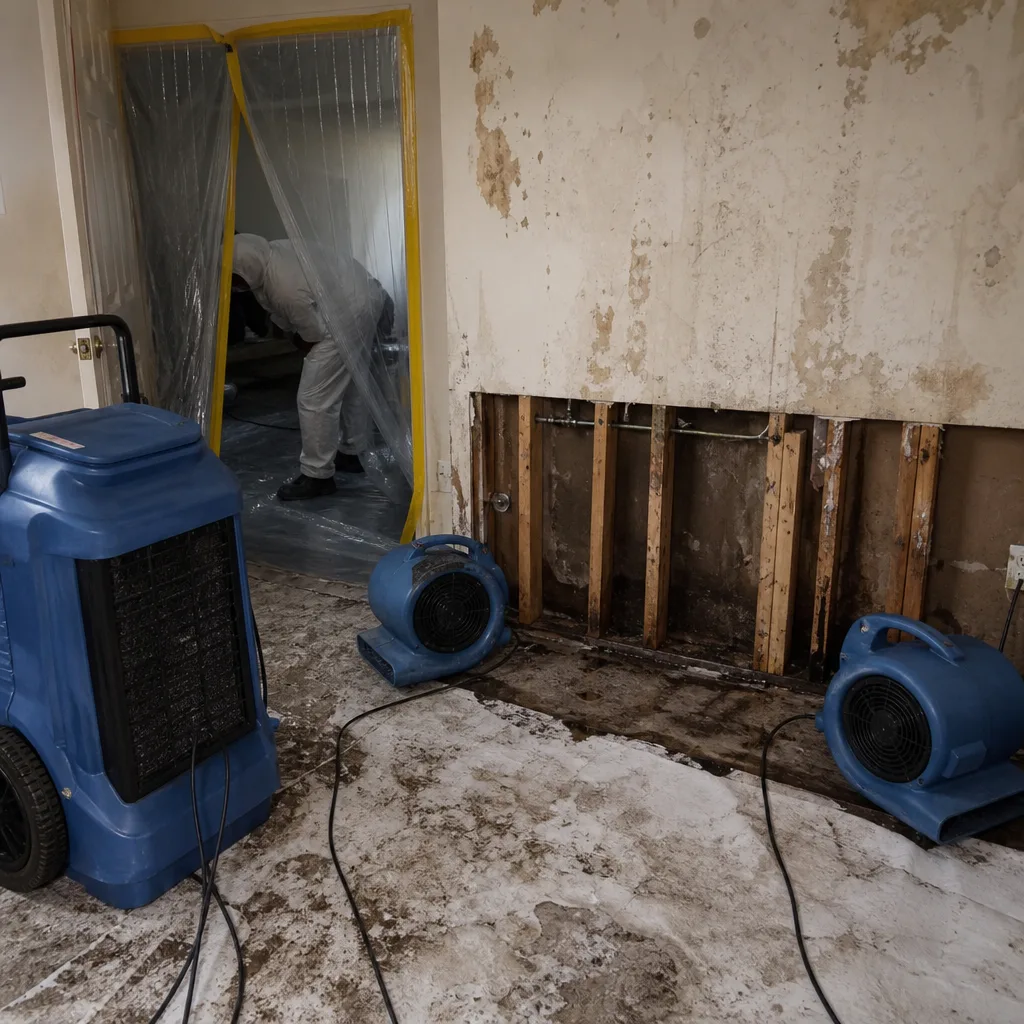 Before
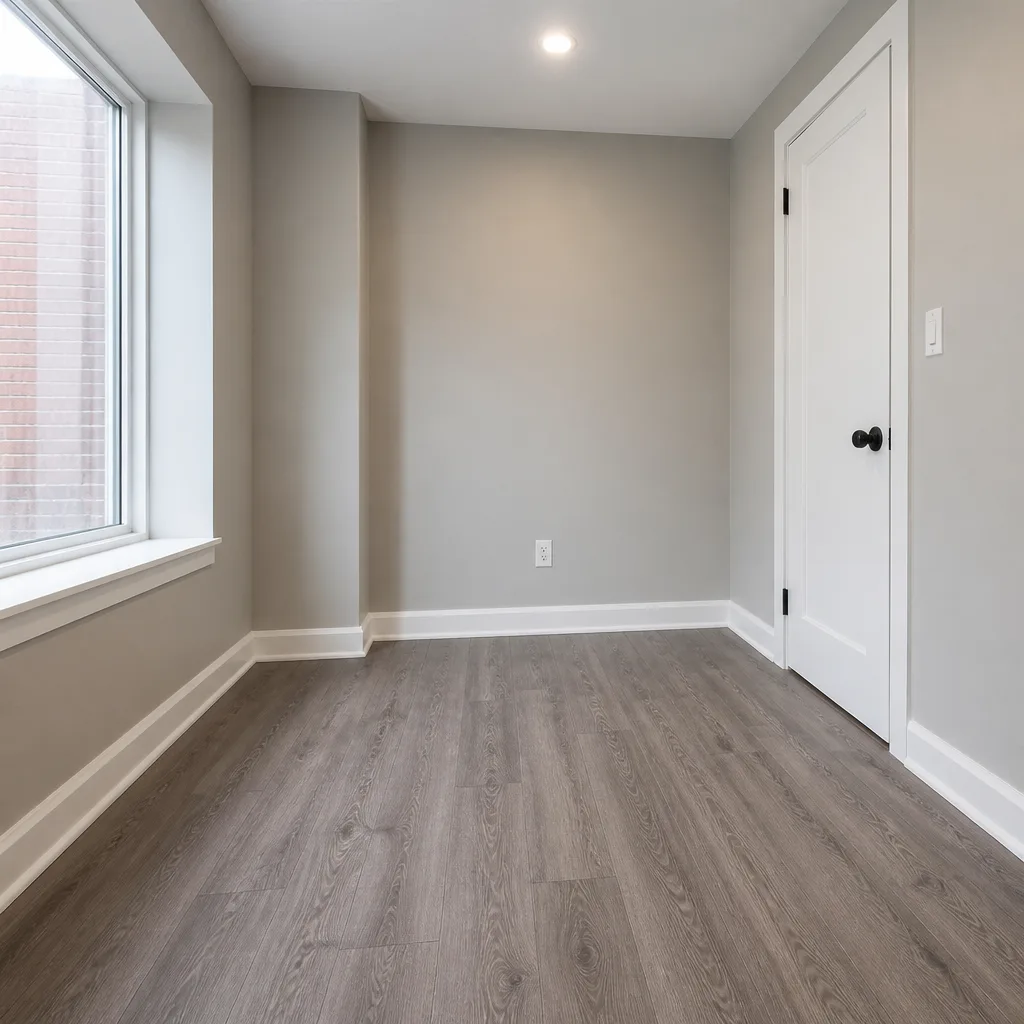 After
AfterDIY vs Professional Damage Restoration: The Jamaica Homeowner’s Decision Guide
Here’s what most Jamaica homeowners learn too late: the DIY-versus-professional decision is not primarily about cost. It’s about documentation. A homeowner who tears out mold-damaged drywall in their South Jamaica colonial without a NY-licensed mold remediator’s pre- and post-clearance air sampling hasn’t saved $2,000. They’ve created an undocumented remediation event that a future insurer, lender, or buyer can use as evidence the home carries an unresolved mold history. That “savings” frequently costs $15,000-$40,000 in delayed or denied claims, reduced sale price, or forced professional re-remediation. In this guide, we’ll show you exactly which restoration tasks Jamaica homeowners can safely handle themselves, which require licensed professionals under New York law, and how to protect yourself if you’ve already started.
Quick Answer
Most Jamaica homeowners can safely handle surface drying of clean water, content relocation, and ventilation themselves. However, mold remediation over 10 square feet, Category 2 or 3 water damage, fire and smoke damage and any structural drying require professional documentation to remain insurable. DIY work on regulated categories can void coverage on the entire structure, not just the affected area.
Table of Contents
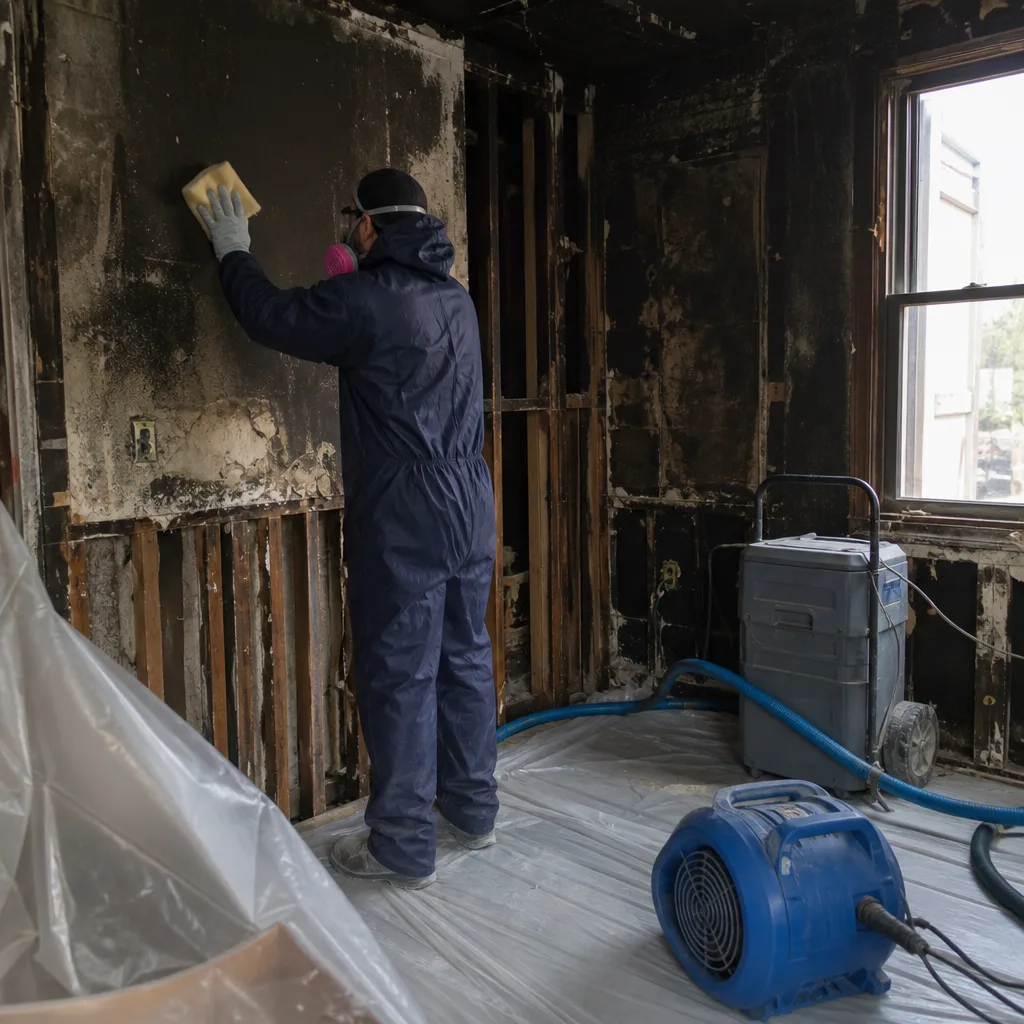
- When DIY Restoration Makes Sense in Jamaica
- New York Licensing Requirements That Homeowners Can’t Ignore
- Water Damage: What You Can Handle and What You Shouldn’t
- Mold Remediation: The 10 Square Foot Rule and Its Real Cost
- Fire and Smoke Damage: Why DIY Is Rarely Viable
- The True Cost of DIY: Equipment, Time, and Hidden Liability
- Why Phone Photos Fail Where Professional Logs Succeed
- Protecting Yourself If You’ve Already Started DIY Work
BeforeAfterWhen DIY Restoration Makes Sense in Jamaica
Jamaica’s housing stock varies enormously. A 1920s Tudor in Jamaica Estates with plaster-and-lath walls and possible asbestos-containing joint compound presents entirely different DIY constraints than a 2005 vinyl-sided ranch in Jamaica Hills with modern gypsum board. Understanding your home’s construction era and materials is the first filter for any DIY decision.
Here are the restoration tasks a capable Jamaica homeowner can generally execute with acceptable documentation:
- Surface drying of Category 1 water - clean water from a burst supply line or rainwater intrusion, affecting only hard surfaces (tile, sealed concrete, vinyl plank) with no wall cavity saturation
- Content relocation and protection - moving furniture, textiles, and electronics to unaffected areas; photographing condition before and after movement
- Mechanical ventilation - running box fans and opening windows to promote evaporation, provided outdoor humidity is below 60% (check Jamaica’s frequent summer spikes above 75%)
- Minor dehumidification - residential dehumidifier operation in contained spaces under 150 square feet with visible moisture limited to surface level
- Controlled demolition of clearly unsalvageable, uncontaminated materials - removing water-damaged baseboards or carpet pad, provided the water source was Category 1 and no insulation or structural members are affected
The critical threshold is documentation. Even for these tasks, Jamaica homeowners should record: the date and time of discovery; the apparent water source; photographs of the affected area with a timestamp; any steps taken; and the result after 24-48 hours. This record becomes your defense if microbial growth or structural damage appears later and your insurer questions whether the event was properly mitigated.
What DIY cannot safely address: any water that has flowed across ground level (Category 2 or 3); any moisture trapped in wall cavities, subfloors, or ceiling assemblies; any material disturbance where asbestos or lead paint is possible (pre-1978 homes throughout Jamaica’s older neighborhoods); and any mold growth exceeding 10 contiguous square feet. These categories trigger New York regulatory requirements and insurance documentation standards that DIY work cannot satisfy.
New York Licensing Requirements That Homeowners Can’t Ignore
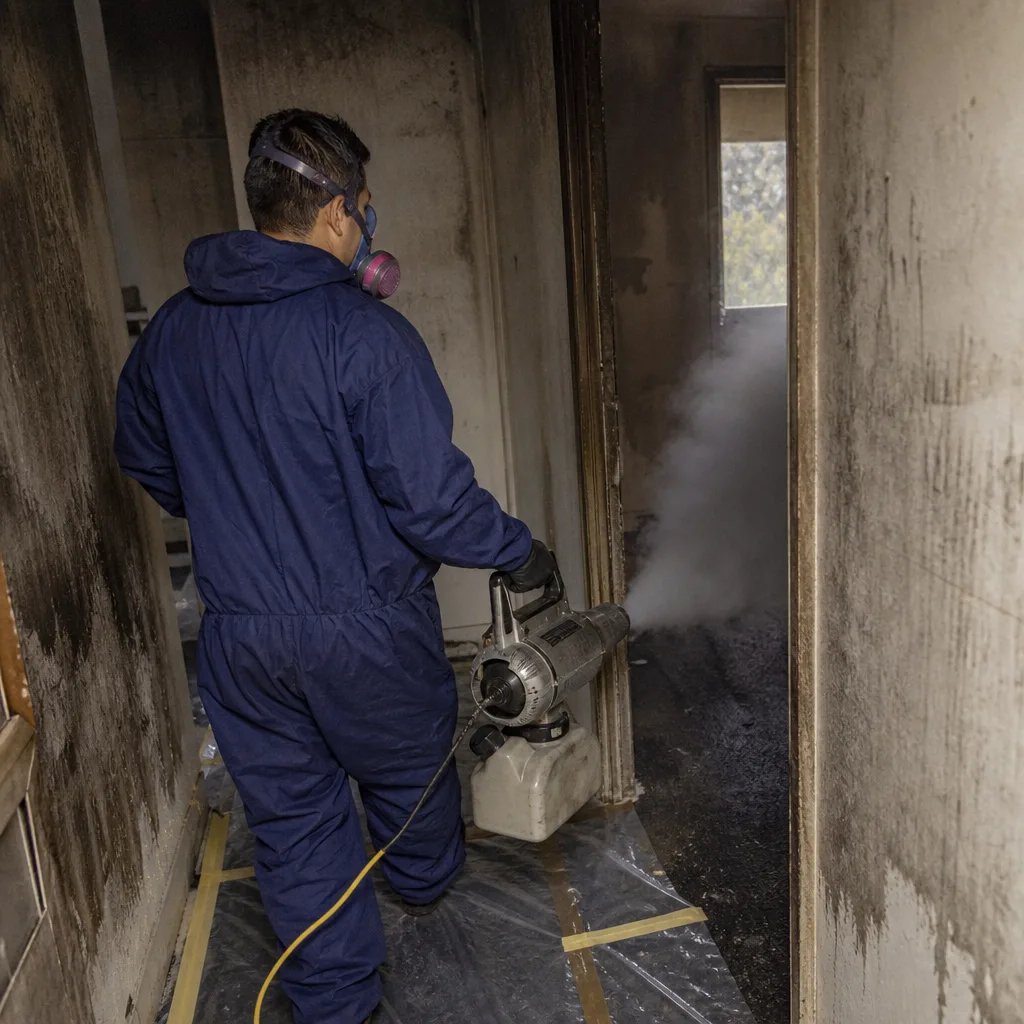
New York State operates under some of the most specific restoration licensing laws in the country. Jamaica homeowners operate within Queens County’s enforcement jurisdiction, which follows state law without significant local modification. Understanding three regulatory frameworks is essential before picking up a tool.
Mold Remediation: Labor Law Article 32
Under New York Labor Law Article 32, any mold remediation project exceeding 10 contiguous square feet in an area must be performed by a NY-licensed mold remediator. This is not a recommendation. It is a licensing requirement with statutory penalties for non-compliance.
The law contains a limited homeowner exemption: owner-occupants of single-family homes may perform mold remediation on their own property without a license. However, this exemption does not apply to:
- Multi-family properties, including two-family homes with a rental unit
- Condominium or cooperative units (the association or managing agent typically triggers professional requirements)
- Any property where the owner does not reside full-time
- Any remediation where the owner hires unlicensed workers to assist
More critically, the homeowner exemption does not create an exemption from documentation requirements. An insurer adjusting a future claim can still require proof that remediation was performed to IICRC S520 standards, including pre- and post-remediation air sampling. A DIY homeowner has no laboratory chain of custody, no third-party verification, and no documentation that would survive a coverage challenge.
Asbestos: NYCRR Title 10, Part 56
Any restoration work that disturbs asbestos-containing materials in a quantity exceeding the minor repair threshold requires a licensed asbestos abatement contractor. In Jamaica’s pre-1978 housing stock, this affects:
- Popcorn ceiling textures
- Vinyl asbestos floor tiles and their mastic adhesives
- Joint compound and plaster with asbestos fiber reinforcement
- Insulation on older steam heating pipes, common in Jamaica’s century-old housing
Homeowners cannot legally perform asbestos abatement beyond the limited “minor repair” exemption (typically covering less than 48 linear feet or 10 square feet of surfacing material, or less than the threshold quantity of TSI material). More importantly, no insurer will accept DIY asbestos documentation for a claim. The required air clearance from a NYSDOL-licensed air sampling technician is, by definition, unavailable to unlicensed individuals.
Water Damage: No License Required, But Documentation Governs Coverage
New York does not license water damage restoration contractors at the state level. However, IICRC certification (Institute of Inspection, Cleaning and Restoration Certification) has become the de facto standard that insurers use to evaluate whether mitigation was performed competently. A homeowner’s DIY water extraction and drying, even if successful in preventing visible mold, lacks the psychrometric data - the daily moisture readings, temperature, and relative humidity logs - that insurers now routinely require to approve drying charges.
We’ve reviewed hundreds of claims files where DIY drying appeared successful until six months later, when elevated moisture in a sill plate or rim joist produced fungal growth. Without documented moisture mapping and daily drying logs, the insurer classifies the subsequent damage as maintenance-related or pre-existing, denying coverage. The homeowner’s “successful” DIY work becomes the evidence used against them.
Water Damage: What You Can Handle and What You Shouldn’t
Water damage in Jamaica presents distinct seasonal patterns. Winter supply line freezes in uninsulated crawl spaces and attics peak January through March. Summer humidity - frequently 75-85% in July and August - slows natural evaporation and extends drying timelines. Spring and fall nor’easters drive basement seepage through Jamaica’s high water table areas, particularly in neighborhoods near Baisley Pond Park and the headwaters of Hook Creek.
Understanding water categories determines DIY viability:
| Category | Source | DIY Viable? | Professional Required When |
|---|---|---|---|
| Category 1: Clean Water | Supply line, rainwater, melted snow | Limited - surface drying only | Any wall cavity saturation, 24+ hours elapsed, or area exceeding 150 sq ft |
| Category 2: Gray Water | Dishwasher, washing machine, aquarium | No - microbial contamination present | Always; requires antimicrobial treatment and documented sanitation |
| Category 3: Black Water | Sewage, ground water, seawater | No - pathogenic agents present | Always; requires hazmat protocols and third-party clearance testing |
DIY-Safe: Category 1 Surface Events
A Jamaica homeowner can reasonably address Category 1 water that:
- Is discovered within 4-6 hours of occurrence
- Affects only hard, non-porous surfaces (tile, sealed concrete, luxury vinyl plank)
- Has not wicked into drywall beyond 1 inch above the visible water line
- Does not involve insulation, carpet pad, or subfloor materials
- Occurs when outdoor relative humidity is below 60%, permitting effective ventilation
Even here, documentation matters. Photograph the water line before removal. Record the source and your response time. If any musty odor develops within 72 hours, the event has likely transitioned to Category 2 conditions due to microbial amplification - and professional assessment is warranted.
Professional Required: Category 2 and 3, Plus Structural Drying
Category 2 and 3 water damage require professional remediation for health and documentation reasons. But the larger hidden liability is structural drying - moisture trapped in wall cavities, ceiling assemblies, subfloors, and sill plates that homeowner-grade equipment cannot address.
Professional water damage restoration in Jamaica uses psychrometric science - the measurement of air temperature, relative humidity, and vapor pressure to calculate the precise rate of evaporation from wet materials. Equipment like the Phoenix 200 HT dehumidifier or Injectidry HP60 wall-cavity drying system delivers controlled, documented drying that residential dehumidifiers cannot achieve. A Phoenix 200 HT removes approximately 30 gallons per day at standard conditions; the best residential unit manages 4-6 gallons. In Jamaica’s humid summer climate, that gap widens further.
More important than equipment is the documentation. Professional drying produces daily logs showing: moisture content readings at multiple depths in affected materials; relative humidity and temperature readings in the affected space and in unaffected control areas; equipment placement maps; and progressive photographs with embedded metadata. This documentation package is what transforms a restoration invoice into a payable insurance claim.
DryMark Restoration Jamaica home
Mold Remediation: The 10 Square Foot Rule and Its Real Cost
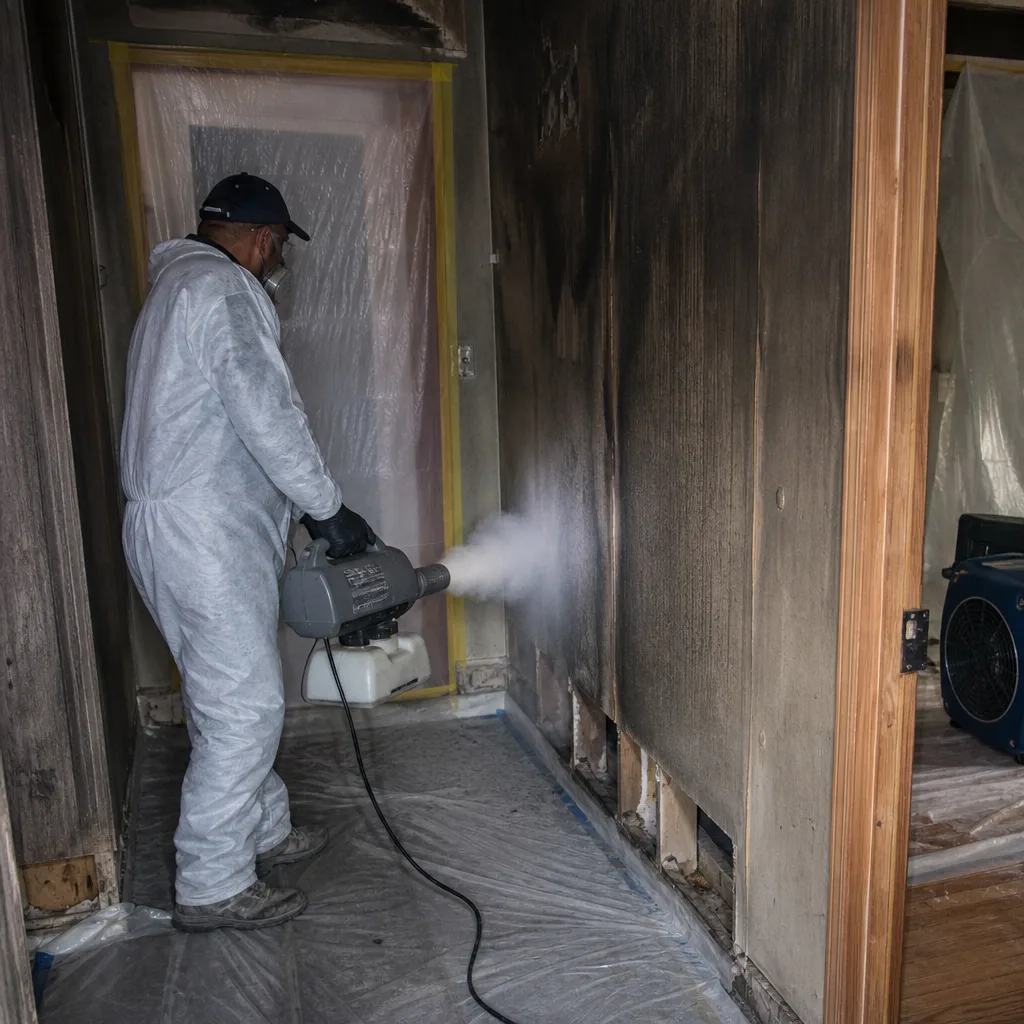
The 10 square foot threshold in Labor Law Article 32 sounds arbitrary until you understand its origin. New York based the threshold on EPA guidance suggesting that visible mold growth below this area, in otherwise healthy individuals, may not require professional intervention. The law then added licensing requirements above the threshold to protect workers and occupants from improper remediation that disperses spores.
For Jamaica homeowners, the practical reality is more nuanced:
Measuring the 10 Square Feet
The measurement is contiguous surface area, not total volume. A 3-foot by 4-foot patch of mold on one wall equals 12 square feet - over the threshold. Multiple smaller patches separated by more than a few inches are measured separately. However, inspectors and insurers frequently aggregate nearby patches, and a homeowner’s optimistic measurement may not survive scrutiny.
More importantly, the 10 square foot rule applies to visible growth. Hidden mold in wall cavities, behind cabinetry, or under flooring is not exempt simply because the homeowner hasn’t opened the cavity. Once investigation reveals concealed growth, the total affected area typically exceeds the threshold - and the investigation itself, if it disturbs mold-contaminated materials without containment, may constitute unlicensed remediation.
The Documentation Gap That Destroys Claims
Here’s the scenario we’ve seen repeatedly in Jamaica and throughout Queens:
A homeowner discovers mold in a basement corner after a spring nor’easter. The patch looks small - maybe 6 square feet. They remove the drywall, treat the area with bleach, and install a dehumidifier. Six months later, they file a claim for water damage from a subsequent event. The insurer’s adjuster notes the prior mold damage in the property history. The homeowner has no pre-remediation air sampling, no post-remediation clearance, no written protocol, and no third-party verification. The insurer denies the new claim, arguing that the home has a pre-existing mold condition that the homeowner’s DIY work failed to resolve - and that the homeowner’s unlicensed remediation may have dispersed spores to previously unaffected areas.
The homeowner’s $400 DIY “save” has become a $25,000 coverage gap.
What Professional Mold Remediation Delivers
Licensed mold remediation under The Haven Standard includes:
- Pre-remediation air and surface sampling with chain-of-custody documentation to an AIHA-accredited laboratory
- Written remediation protocol specifying containment, negative air pressure, HEPA filtration, and disposal methods
- Post-remediation clearance sampling demonstrating spore counts at or below outdoor baseline levels
- Written warranty and documentation package for the property file
This documentation is what permits future insurers to underwrite the property without mold exclusions. It is what permits a sale to proceed without price reduction or remediation credits. It is, in practical terms, the only form of mold remediation that has enduring value.
For Jamaica homeowners in multi-family properties, condominiums, or cooperatives, professional remediation is not optional - the homeowner exemption does not apply, and the property’s managing agent or board may have additional notification and approval requirements.
Fire and Smoke Damage: Why DIY Is Rarely Viable
Fire & Smoke Damage Restoration in Jamaica occupies a unique position in the DIY-versus-professional spectrum: there is essentially no viable DIY path for anything beyond the most superficial events.
The reasons to hire a professional damage restoration contractor in Jamaica extend beyond the obvious hazards of structural instability and electrical compromise. Fire damage restoration requires specialized knowledge of smoke behavior patterns, chemical residue identification, and corrosion timeline management that no homeowner possesses without training.
Smoke Damage Is Often Invisible and Always Progressive
Smoke from a kitchen grease fire or electrical panel failure produces residues with significantly different chemical profiles. Protein fires leave nearly invisible, extremely pungent residues that corrode metals and etch glass. Synthetic fires produce thick, oily soot that smears and drives into porous materials. Each requires specific cleaning agents and techniques; using the wrong approach on the wrong residue worsens the damage.
More critically, smoke damage is time-progressive. Within hours, acidic residues begin etching metal fixtures and appliances. Within days, plastics yellow and permanently discolor. Within weeks, embedded odor becomes essentially non-removable without aggressive intervention. A homeowner who delays professional assessment to attempt DIY cleaning frequently destroys the salvageability of contents that prompt professional treatment could have saved.
The Insurance Documentation Imperative
Fire claims are among the most heavily documented in property insurance. Adjusters expect: pre-cleaning photographs of all affected surfaces; inventory of damaged contents with pre-loss valuation; specification of cleaning versus replacement decisions with supporting documentation; and progressive photographs showing restoration results. This documentation package, produced by a fire restoration professional, is what drives claim payment. DIY cleaning produces no comparable record - and frequently destroys evidence of the original damage that the claim requires.
For Jamaica homeowners, fire damage also intersects with New York City’s building code and FDNY requirements. Any fire involving structural elements, utilities, or life safety systems requires inspection and clearance before reoccupancy. Professional restoration contractors coordinate this clearance as part of their scope; DIY work leaves the homeowner navigating DOB and FDNY processes independently.
The True Cost of DIY: Equipment, Time, and Hidden Liability
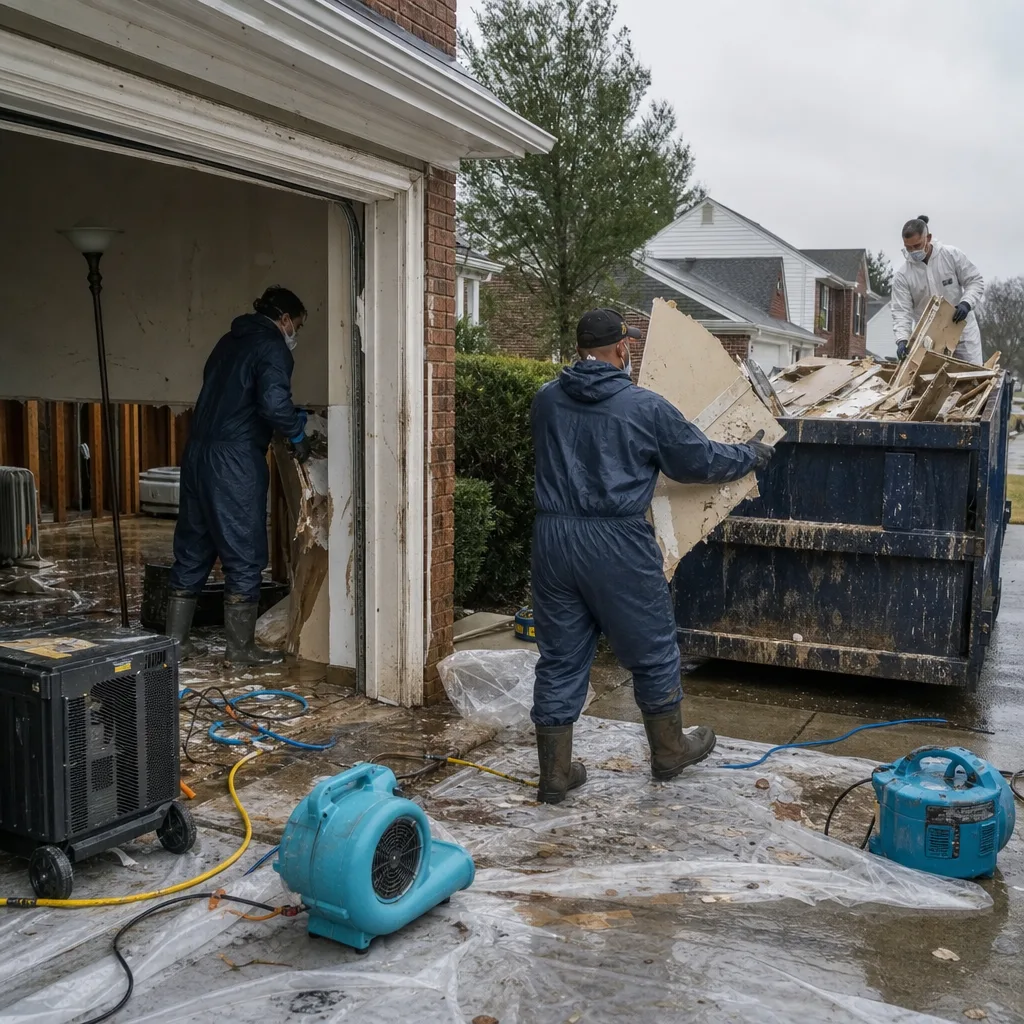
Jamaica homeowners considering DIY restoration frequently compare their out-of-pocket equipment rental costs against a professional estimate. This comparison is systematically misleading because it omits four cost categories that professionals absorb and DIYers cannot avoid.
Equipment Rental Costs vs. Professional Deployment
Commercial-grade drying equipment is not available at standard home improvement rental centers. What is available, and its limitations:
| Equipment | Typical Rental Rate (Jamaica/Queens area) | Capability Gap vs. Professional Grade |
|---|---|---|
| Residential dehumidifier (50-70 pint) | $45-$65/day | Removes 4-6 gallons/day; no psychrometric monitoring; ineffective above 70% RH |
| Air mover (carpet dryer) | $25-$35/day | High velocity, no directional control; cannot create proper airflow patterns for structural drying |
| Wet/dry vacuum | $30-$50/day | Surface water only; no extraction from carpet pad or subfloor |
| Commercial LGR dehumidifier (comparable to Phoenix 200 HT) | $125-$175/day | Removes 25-35 gallons/day; requires proper placement and monitoring; rarely available same-day |
| Injectidry or equivalent cavity drying system | Not generally available for consumer rental | Professional-only equipment; essential for wall cavity and ceiling drying |
For a typical Jamaica basement water event of 800-1,200 square feet, professional drying requires 3-5 days with 2-3 commercial dehumidifiers, 6-12 air movers, and frequently a cavity drying system. The equipment rental cost alone, if commercial-grade equipment is available, approaches $1,200-$2,000. The homeowner’s time - monitoring, relocating equipment, documenting - adds 15-25 hours. And the result, without professional moisture mapping, is a guess about whether drying is complete.
The Hidden Liability: Incomplete Drying
The most expensive DIY outcome is drying that appears successful. Moisture meters read surface dryness while substrate moisture remains elevated. Sill plates, rim joists, and bottom plates of stud walls - the structural members most vulnerable to long-term decay - are inaccessible to homeowner inspection. Six to eighteen months later, fungal growth, wood rot, or insect infestation appears. The original water event is long past, the insurer classifies the damage as maintenance-related, and the homeowner bears full cost.
Professional drying with XPOWER or B-Air air movers, Phoenix dehumidifiers, and daily moisture logging eliminates this uncertainty. The documentation proves completion to insurance standards, and the 365-Day Done Right Promise under The Haven Standard addresses any latent issues.
Your Time Has Value
A final cost rarely calculated: the homeowner’s time and attention during a crisis. Water damage discovered at 10 PM on a Tuesday requires immediate response - not after work tomorrow, not this weekend. Professional DryMark Restoration Jamaica provides live phone coverage 24 hours a day, 7 days a week, with crew dispatch that same night. The homeowner sleeps; the professional handles the emergency. That availability has value that equipment rental comparisons cannot capture.
Why Phone Photos Fail Where Professional Logs Succeed
The documentation gap between DIY and professional restoration is not a matter of effort or intention. It is a matter of metadata, methodology, and admissibility. Understanding this distinction helps Jamaica homeowners make informed decisions about when their own documentation is sufficient and when professional records are essential, as explored in our more guides & resources.
What DIY Documentation Typically Contains
A conscientious homeowner produces: smartphone photographs of visible damage; perhaps a video walkthrough; notes about the event and response; and receipts for any materials or equipment purchased. This documentation is better than nothing. It is also systematically inadequate for insurance purposes.
Smartphone photographs lack embedded metadata that insurers and adjusters rely upon for authentication. GPS coordinates can be stripped or inaccurate. Timestamps depend on the phone’s clock settings and can be challenged. Most critically, photographs show appearance, not condition. A wall that looks dry in a photograph may read 18% moisture content in the studs - well above the 12% threshold that indicates completed drying.
What Professional Documentation Contains
Professional restoration documentation under IICRC standards includes:
- Moisture mapping - readings at multiple depths and locations, recorded on a grid diagram of the affected space, with baseline readings from unaffected areas for comparison
- Psychrometric data - temperature, relative humidity, and vapor pressure readings taken at regular intervals, used to calculate the drying progress and adjust equipment
- Equipment placement and CFM calculations - documentation of each air mover’s position, airflow direction, and the cubic feet per minute delivered to each affected area
- Photographs with embedded metadata - GPS coordinates, timestamps from synchronized equipment, and often technician identification
- Daily drying logs - progressive readings showing moisture content reduction over time, with technician signatures and notes on any adjustments
- Final verification - moisture readings at completion demonstrating return to acceptable levels, with comparative data from dry standard areas
This documentation package is designed for adversarial review. It survives scrutiny from skeptical adjusters, coverage counsel, and arbitrators. Smartphone photographs do not.
The Claim-Time Consequence
We’ve reviewed denied claims where the only deficiency was documentation. A Jamaica homeowner with legitimate water damage, properly mitigated by DIY efforts, was denied $18,000 in structural repairs because they could not produce moisture readings proving drying completion. The insurer’s position: without documented evidence that moisture was reduced to acceptable levels, the subsequent damage (warped hardwood, mold in wall cavities) could represent pre-existing conditions or inadequate maintenance rather than a covered peril.
The homeowner’s choice to save $2,000 on professional mitigation cost $18,000 in uncovered repairs. This is not anomalous. It is a predictable outcome of the documentation gap.
Protecting Yourself If You’ve Already Started DIY Work
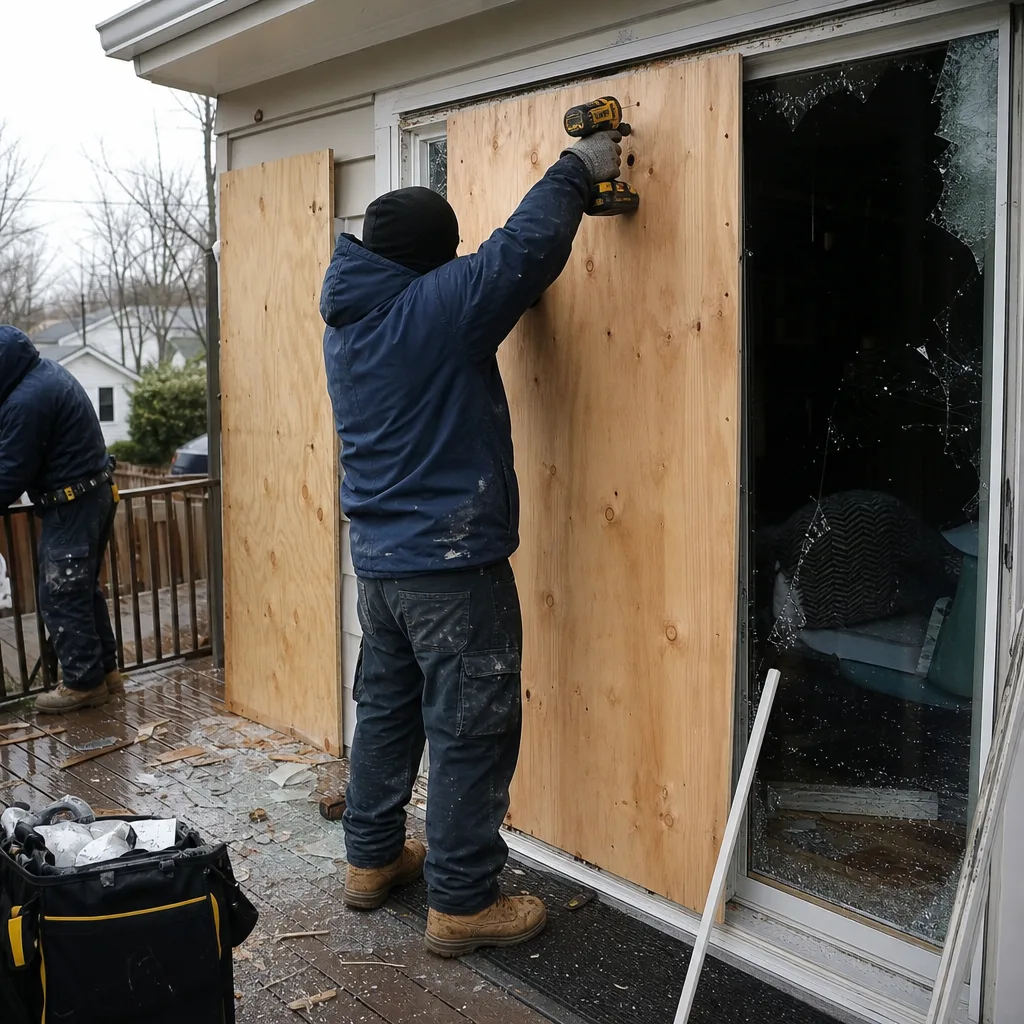
Many Jamaica homeowners reading this guide have already begun DIY response to a current or recent event. The question is not whether to undo that work - it’s how to document it properly and protect against scope disputes if professional assistance becomes necessary.
Immediate Documentation Steps
- Photograph everything now - before any further disturbance. Include wide shots establishing location, medium shots showing extent, and close-ups of specific damage. Enable location services and ensure timestamps are accurate.
- Write a contemporaneous narrative - date, time of discovery, apparent source, immediate actions taken, and current status. Email this to yourself or save to cloud storage with timestamp.
- Preserve physical evidence - samples of damaged materials, photographs of water lines before they recede, any failed components (supply lines, appliances) that caused the event.
- Record environmental conditions - temperature and humidity readings if available; weather conditions for external events; HVAC status at time of discovery.
Engaging a Professional After DIY Work
When contacting a professional restorer after DIY work, specific language in your written agreement protects against scope disputes based on pre-existing conditions:
- Require explicit acknowledgment of prior work - the agreement should state that the contractor has been informed of DIY work performed and its approximate scope
- Specify that the contractor’s scope addresses conditions as found - not as they existed before DIY work, and not as they might have existed without it
- Include a hold-harmless clause for concealed conditions - the contractor cannot warrant conditions they did not create and could not observe
- Require photographic documentation of pre-work conditions - the contractor’s photographs become the baseline for their scope, protecting both parties
- Reference The Haven Standard, Clause 1 - written price before work begins, with no scope additions without written change order
At DryMark Restoration Jamaica, we regularly assume projects where homeowners have begun emergency response. Our written scope explicitly acknowledges prior work, documents conditions as found, and specifies any limitations arising from the DIY phase. This protects the homeowner from surprise charges and protects our documentation integrity for insurance purposes.
A Free Second Opinion on any competitor’s written estimate is available if you’ve received a scope from another contractor that seems to penalize your DIY work with inflated charges or unnecessary additions. Bring the written estimate and we’ll review it at no charge.
Common Mistakes to Avoid
- Assuming bleach kills mold - Bleach evaporates too quickly to penetrate porous materials and can actually feed mold by adding moisture. In Jamaica’s humid climate, bleached mold frequently returns within weeks, worse than before.
- Drying only what you can see - Water wicks upward in drywall at approximately 1 inch per hour. A visible water line six inches high means 12-18 inches of wall cavity may be affected. Surface drying leaves concealed moisture that destroys structure and breeds mold.
- Using household fans for structural drying - Box fans move air but cannot create the velocity or directional control needed for structural drying. They also lack the safety certifications for continuous operation in wet environments.
- Ignoring Jamaica’s summer humidity - Outdoor relative humidity above 70% means ventilation brings more moisture into the structure. Dehumidification, not ventilation, is required from June through September.
- Failing to document the source - Insurers deny claims when the water source cannot be established as a covered peril. A burst supply line is covered; long-term seepage through foundation cracks is typically excluded. Photograph the source before repair.
- Removing materials before insurer inspection - Some policies require adjuster inspection before mitigation begins. Emergency measures are permitted, but wholesale demolition may compromise coverage. When in doubt, photograph first, then act.
- Accepting verbal assurances - Any restoration contractor who will not provide a written price before work begins, a written scope of work, and a written warranty is operating below professional standard. Haven Standard, Clause 1 exists precisely to end this practice.
When to Call a Professional
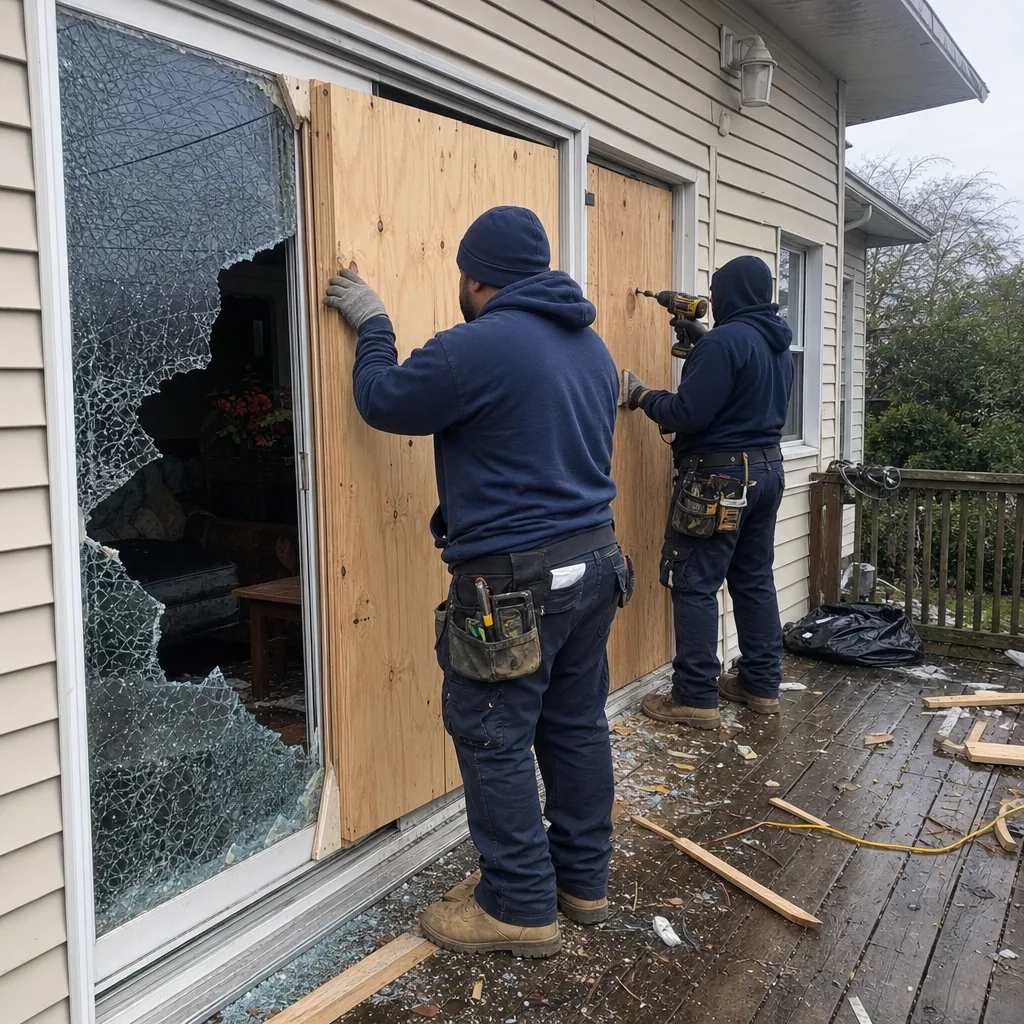
Call a professional immediately when: water damage involves Category 2 or 3 water; mold growth exceeds 10 square feet or is concealed in cavities; fire or smoke damage has occurred; asbestos-containing materials may be disturbed; structural elements are compromised; or insurance coverage depends on documented mitigation. In Jamaica’s climate, waiting 24-48 hours for “DIY assessment” frequently transforms a manageable Category 1 event into a Category 2 microbial contamination requiring more extensive, expensive remediation.
DryMark Restoration Jamaica offers free estimates in Jamaica and throughout Queens - call (516) 240-9735 for a written scope with no obligation. Every estimate includes the documentation specifications that will govern your claim, the equipment and timeline proposed, and the fixed price under Haven Standard, Clause 1.
Frequently Asked Questions
Insurance coverage for DIY-mitigated damage depends entirely on documentation. If you can produce dated photographs, moisture readings, and a narrative of your response, coverage may proceed. Without documentation, insurers frequently classify subsequent damage as maintenance-related or pre-existing. The safest path is to document aggressively during DIY work and engage a professional if the event exceeds your capability or if mold, structural, or Category 2/3 conditions develop.
DryMark Restoration Jamaica provides live phone coverage 24 hours a day, 7 days a week with no voicemail on emergency lines. For water damage and other time-critical events, same-night dispatch is standard. Reconstruction and non-emergency work is scheduled after written scope and pricing. Call (516) 240-9735 - a live person answers.
For mold growth under 10 square feet in an owner-occupied single-family home, New York law permits homeowner cleaning. However, any growth in wall cavities, on HVAC components, or associated with Category 2 or 3 water requires professional assessment. The critical question is not “can I clean it?” but “can I document that it’s gone?” Without pre- and post-remediation air sampling, you cannot prove clearance to a future insurer or buyer. For many Jamaica homeowners, that documentation gap makes professional remediation the lower-risk choice even when DIY is legally permitted.
Professional restoration contractors should coordinate directly with your adjuster, providing the documentation package - moisture logs, photographs, written scope, and progressive reports - that drives claim payment. At DryMark Restoration Jamaica, we produce daily drying logs and photo records formatted for direct adjuster submission. We do not require you to mediate technical discussions. However, the policyholder retains responsibility for claim initiation and authorization; we support with evidence, not substitution.
Professional water mitigation in the Jamaica market typically ranges from $1,200 for limited Category 1 surface drying to $4,500-$8,000 for full structural drying with cavity injection and content manipulation. Reconstruction is priced separately after mitigation completion. Every DryMark Restoration Jamaica estimate is delivered in writing before work begins, with no additions once the crew is inside - Haven Standard, Clause 1. Call (516) 240-9735 for an exact quote; estimates are free.
Stop work immediately and seal the area. Do not disturb the material further. New York law prohibits unlicensed asbestos abatement beyond minor repair thresholds. Contact a NYSDOL-licensed asbestos contractor for assessment. Your homeowner’s insurance may cover emergency abatement; professional documentation of the discovery and response protects your coverage position. Continuing DIY work after asbestos discovery creates significant liability and may void coverage.
The Bottom Line
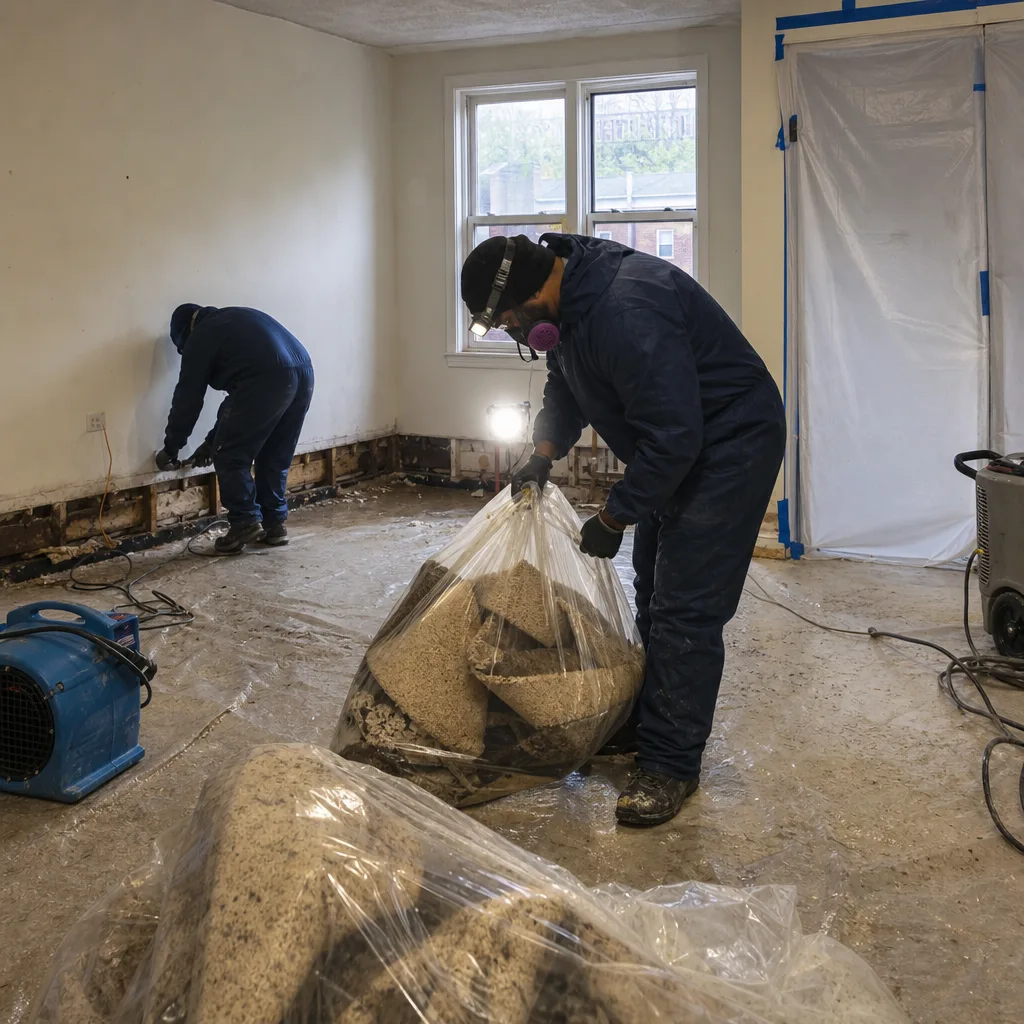
The DIY-versus-professional decision in Jamaica restoration is fundamentally a documentation decision. Capable homeowners can safely handle surface drying, content protection, and ventilation for minor Category 1 events, provided they document thoroughly. But when New York licensing requirements apply - mold over 10 square feet, asbestos disturbance, Category 2 and 3 water - DIY work creates uninsured liability that far exceeds any apparent savings. The professional value is not merely equipment or labor; it is the documented, warrantied, insurable completion that protects the property’s value and the homeowner’s coverage position for years to come. Before starting any restoration work, ask: “Can I document this to survive a coverage challenge?” If the answer is uncertain, the professional path is the prudent one.
Written by Alicia Brennan, Owner at DryMark Restoration Jamaica, serving Jamaica since 2011.