
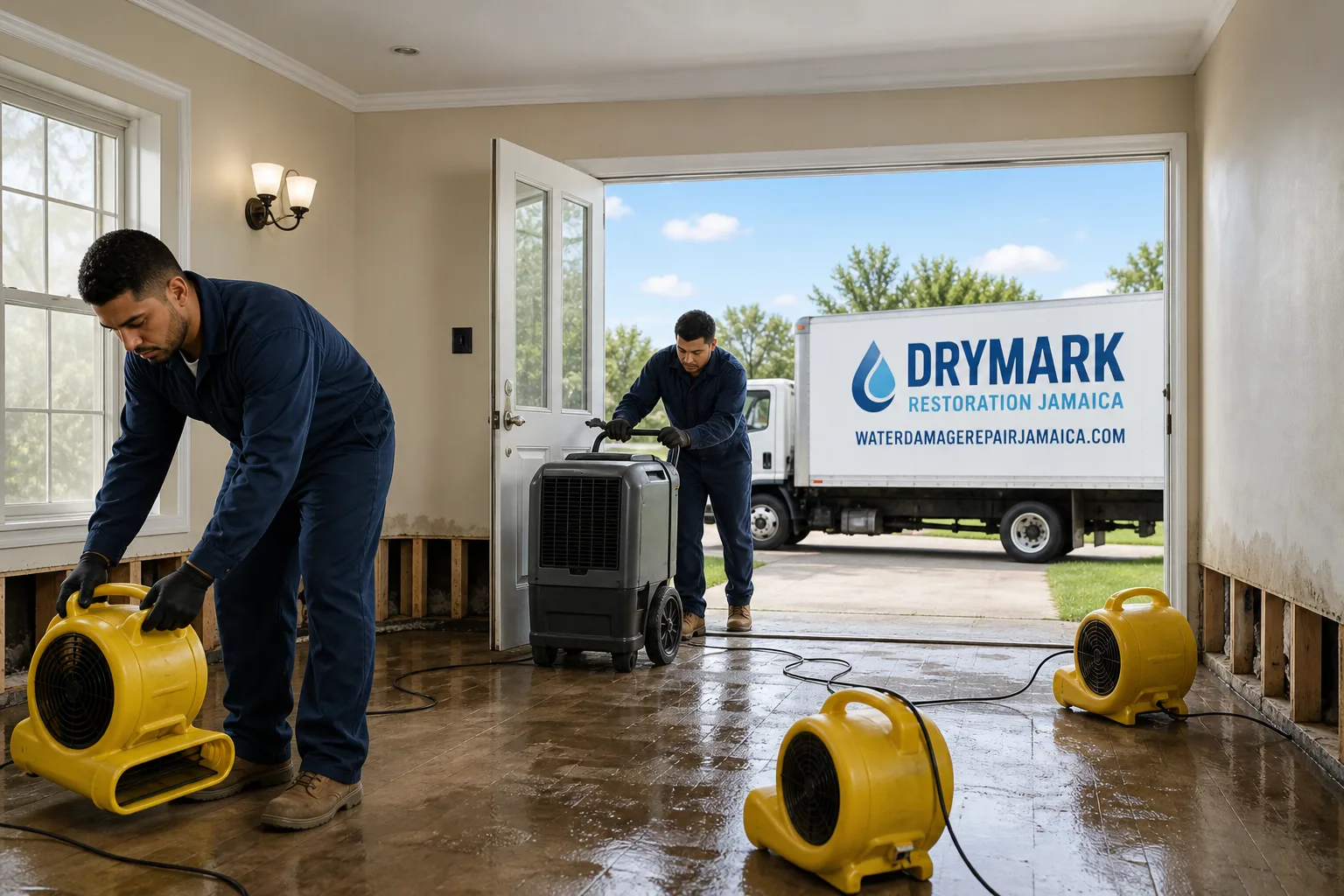
Free visual inspection and a written scope of work before any mitigation begins - photos, moisture readings, and drying logs go in your claim file
The scope we write is the scope we bill. Anything new gets shown to you, in writing, before we touch it.
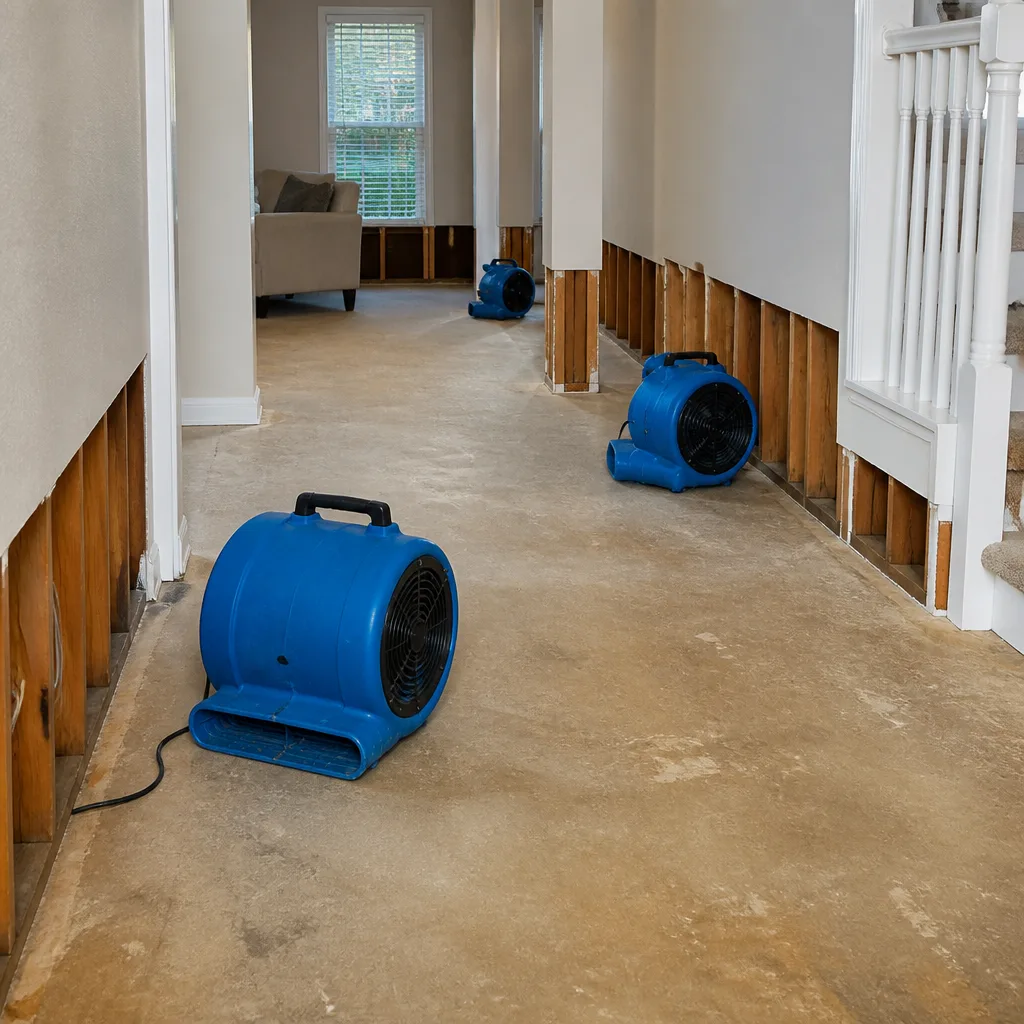
 Before
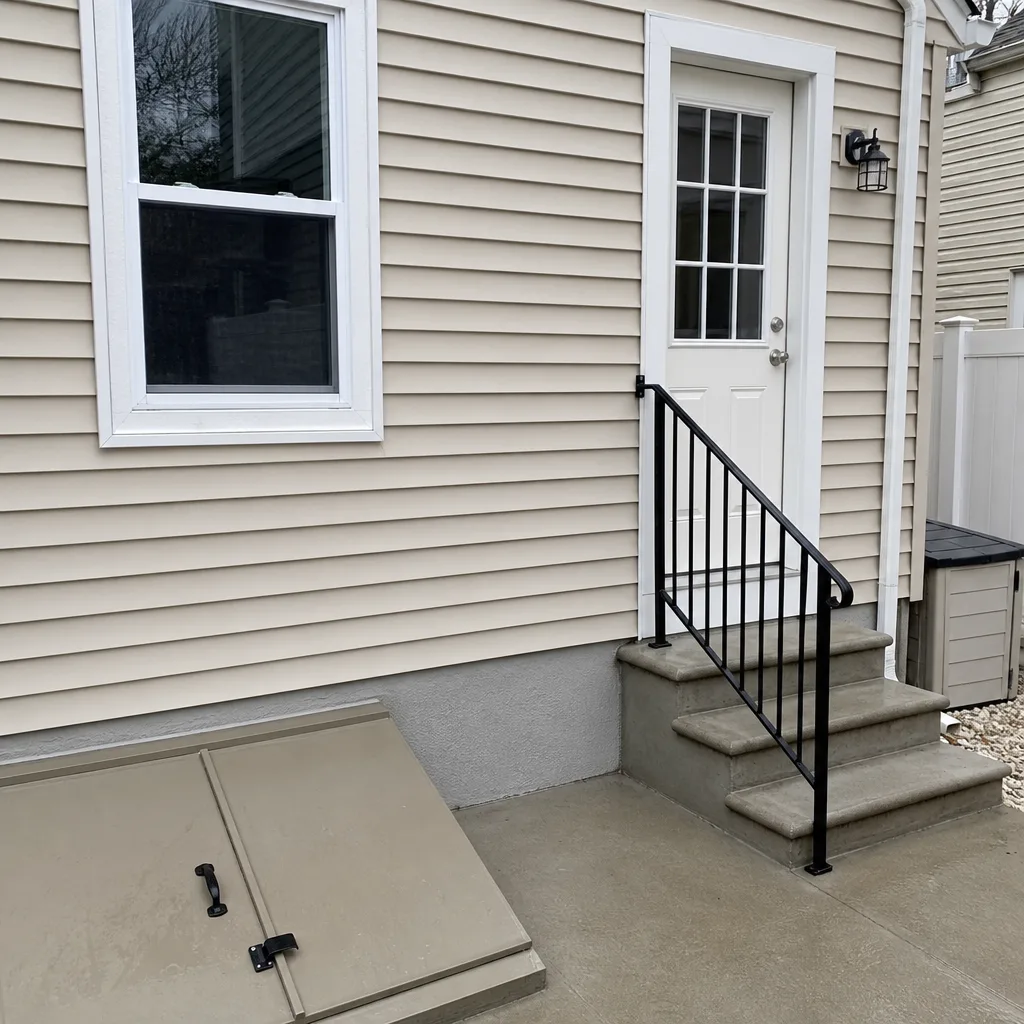 After
After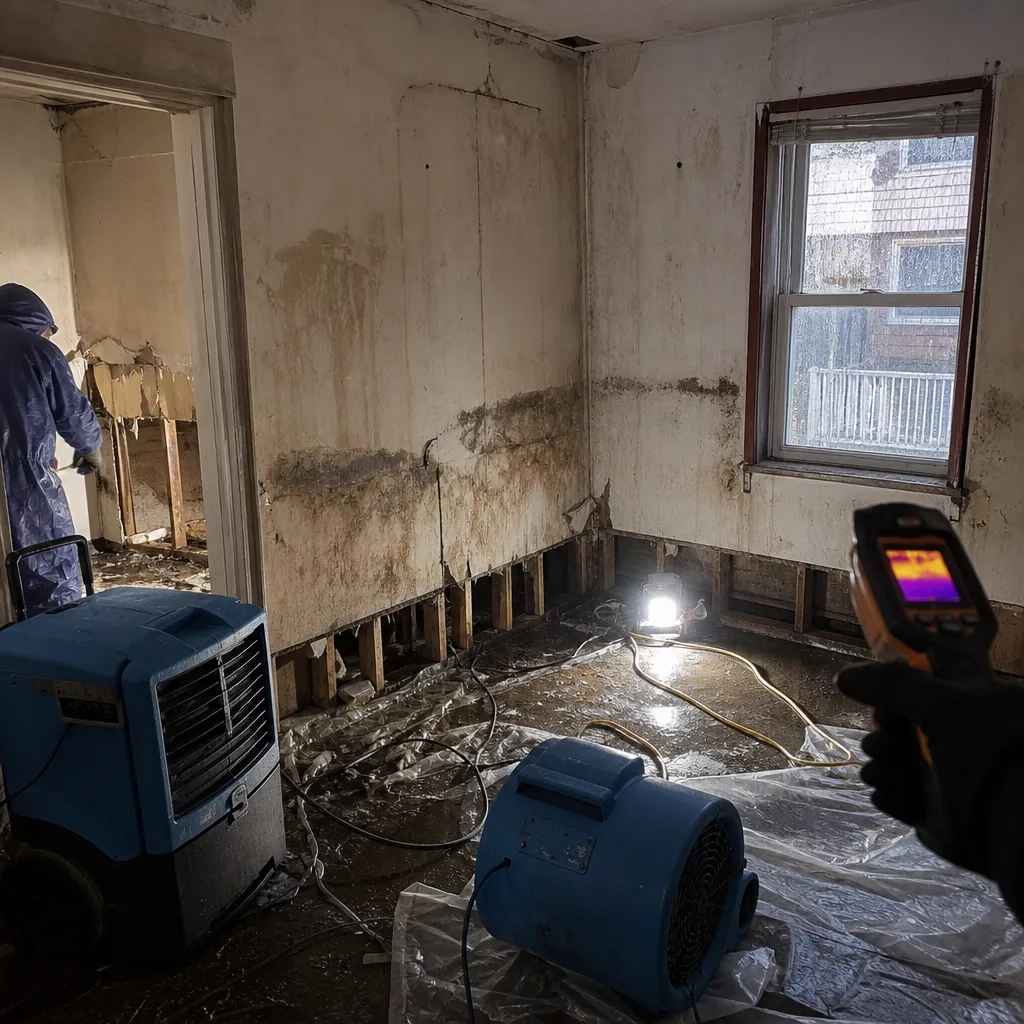 Before
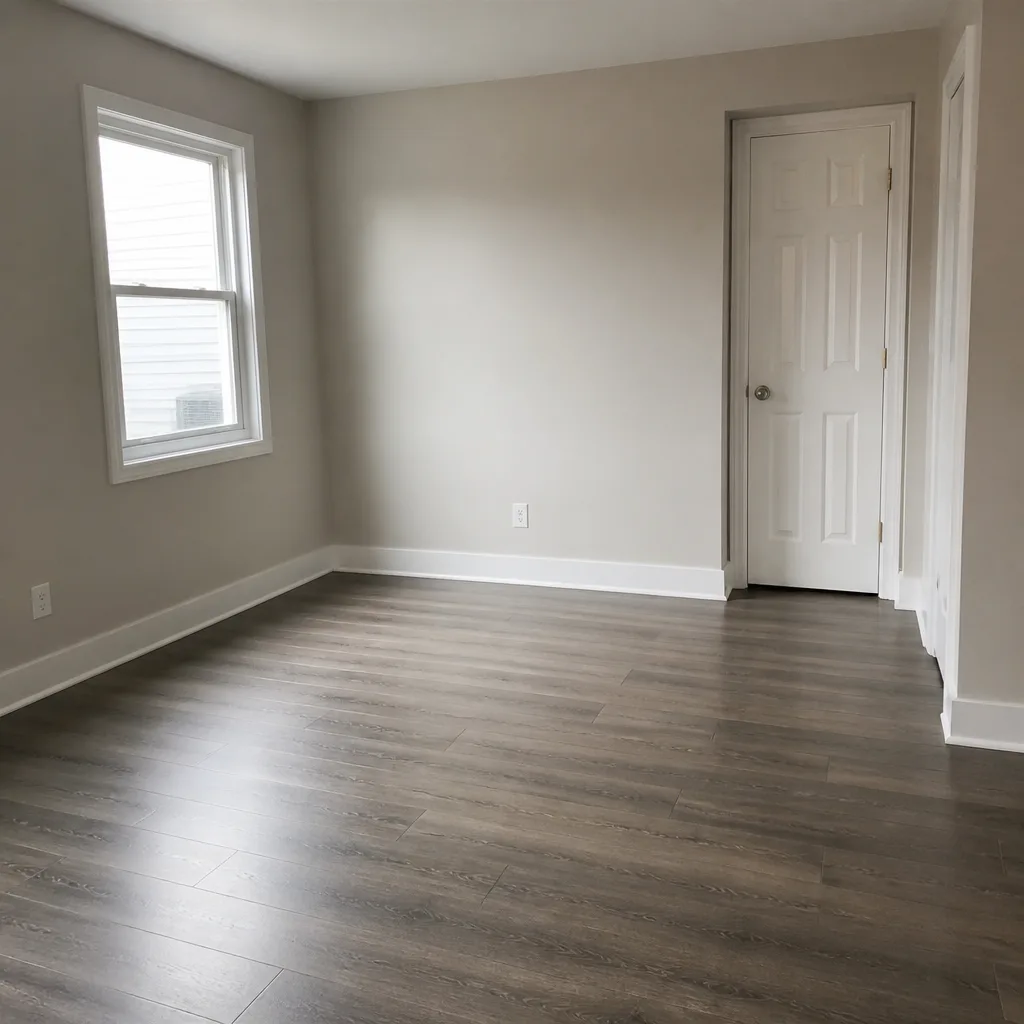 After
After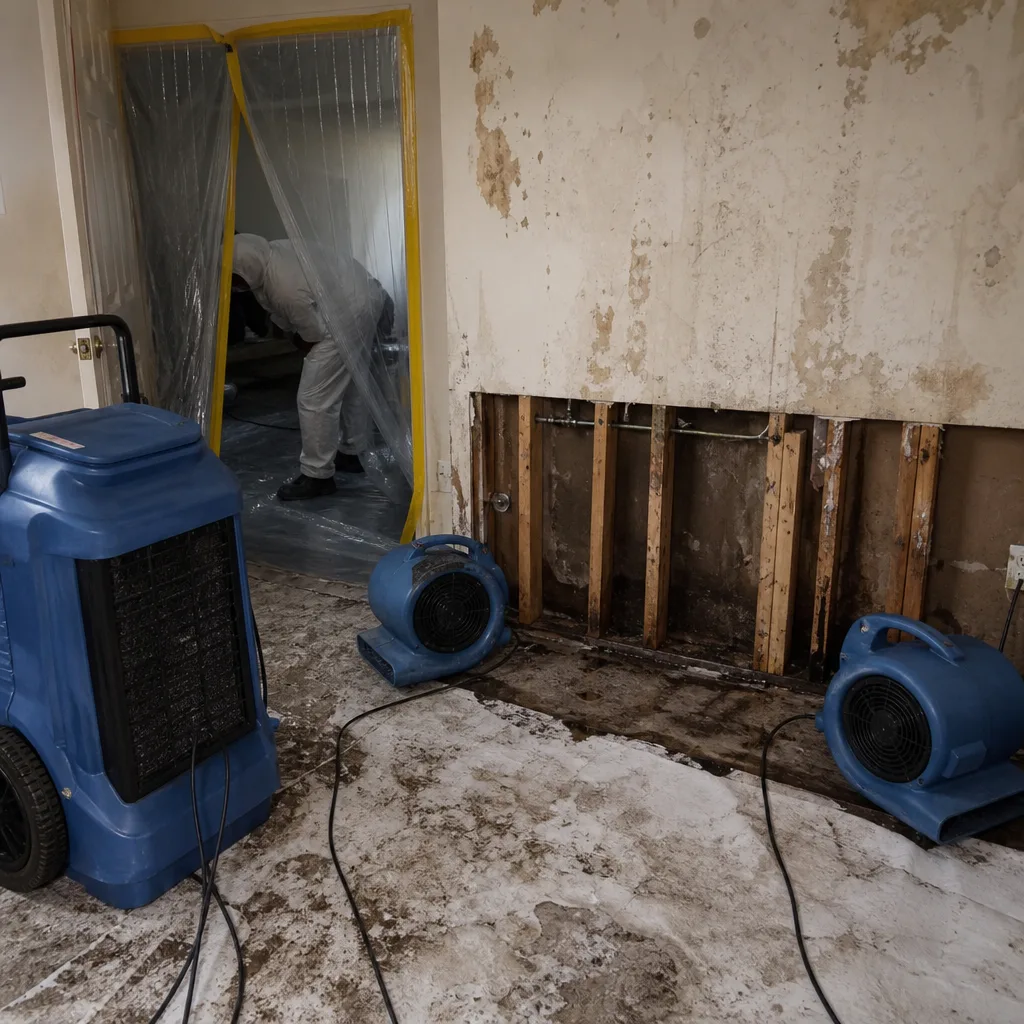 Before
 After
AfterTrusted Storm & Disaster Restoration for Jamaica Homeowners
Our Storm & Disaster Restoration cost guide shows Jamaica, NY jobs typically run $2,800-$12,500 depending on damage severity, with emergency board-up and roof tarping starting at $450-$950. Most Jamaica homeowners see our crew on-site within 60-90 minutes of calling (516) 240-9735, and every job starts with a written price before anyone touches your property.
We’ve restored homes in Jamaica since 2011, and we’ve learned what the neighborhood’s housing stock faces: pre-war brick row houses with balloon framing that wicks water horizontally, 1960s split-levels with flat roofs that pool during nor’easters, and the newer condo developments near Jamaica Avenue with sealed building envelopes that trap moisture. Alicia Brennan founded Back to Dry Restoration after working as a claims adjuster and watching homeowners lose thousands because their restoration company couldn’t produce documentation their insurer would accept. Our answer was The Haven Standard: a written price before work starts (Clause 1), a photo record on every visit, and daily moisture logs that turn restoration invoices into payable claims. We’ve documented 12,000+ homes this way. For Storm & Disaster Restoration in Jamaica, you need a crew that knows the difference between a Category 1 water intrusion and a Category 3 flood, and can prove it to your adjuster.
What Our Storm & Disaster Restoration Service Includes
Storm Damage Cleanup
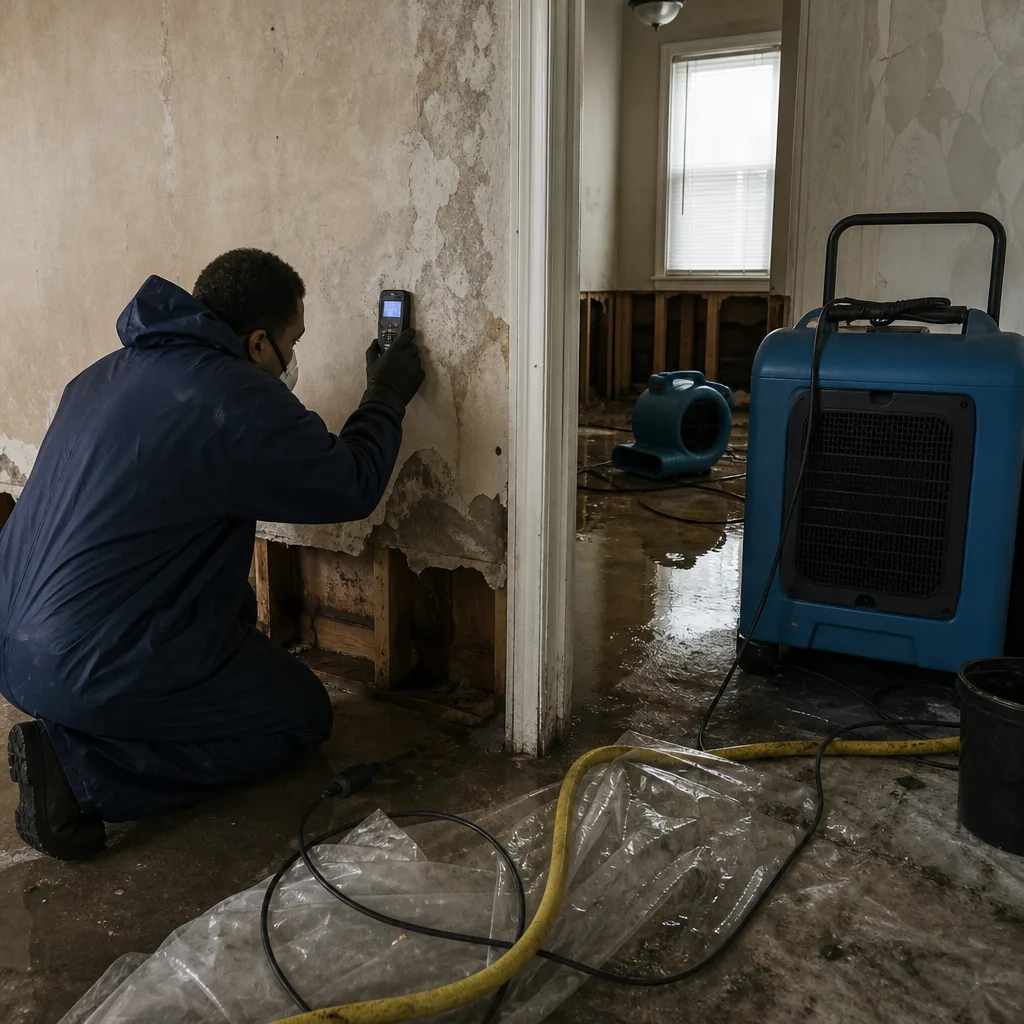
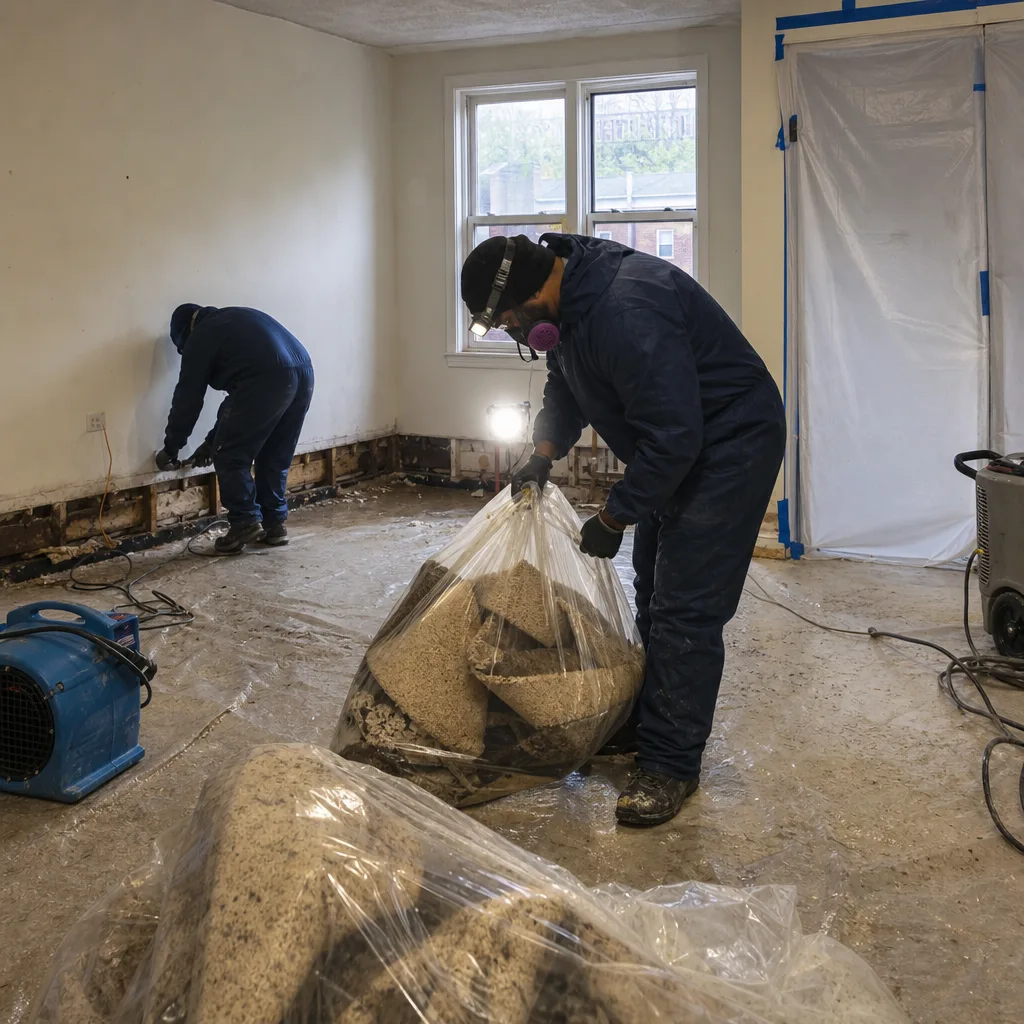
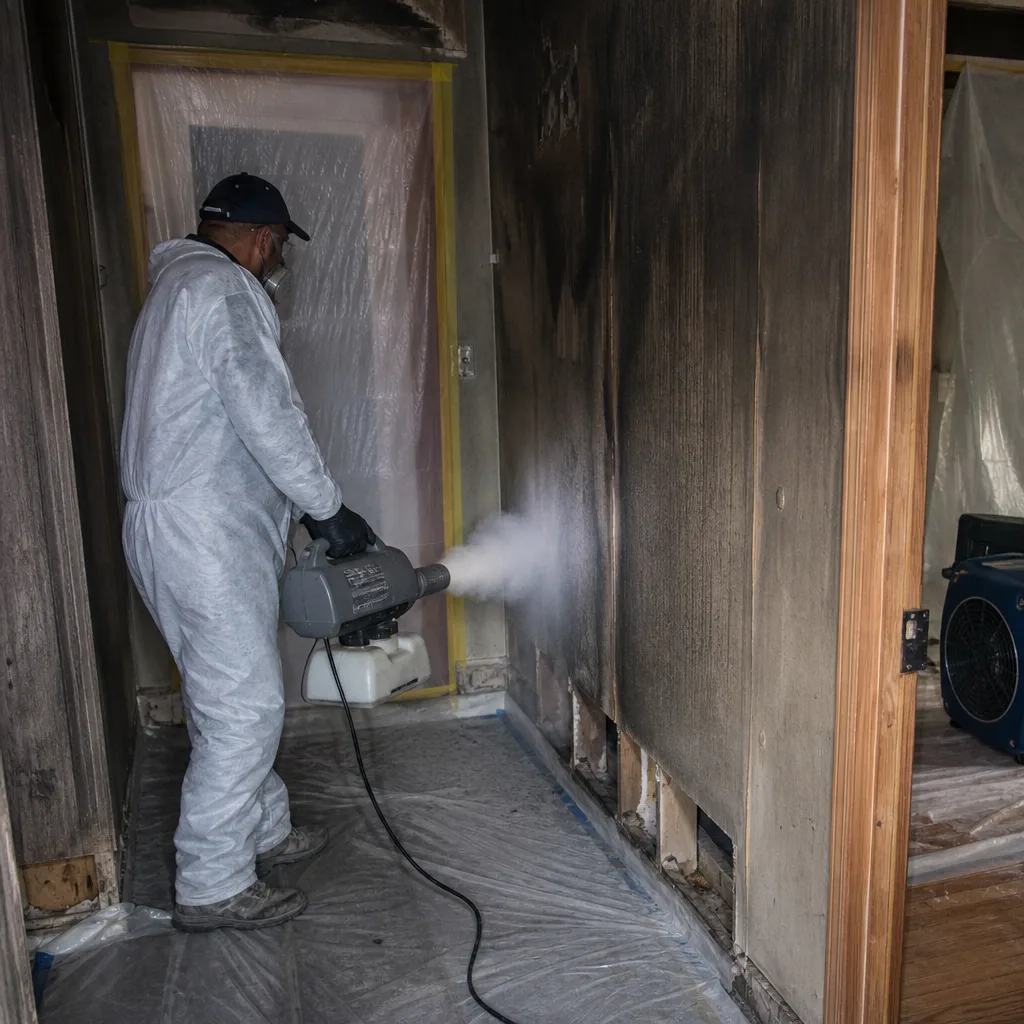
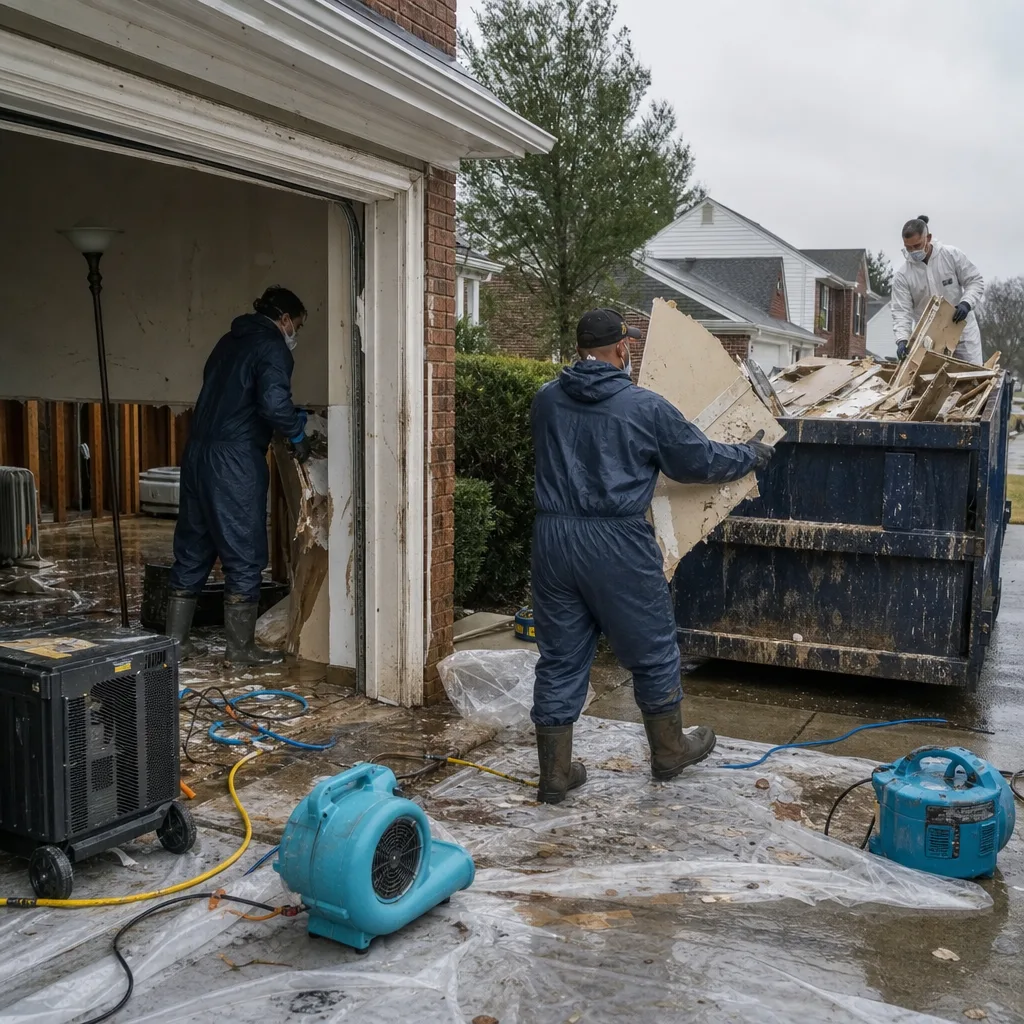
Storm damage cleanup is the full removal of water, debris, and contaminated materials following a weather event, plus the initial drying phase that prevents secondary damage. In Jamaica, we see this most after coastal storms push water through basement bulkheads, or when wind-driven rain finds gaps in aging mortar joints along 169th Street and Hillside Avenue. Our crew arrives with truck-mounted extractors, portable flood pumps for underground parking structures, and moisture meters calibrated for the gypsum board and plaster common in Queens construction. We document every square foot of affected material with photos and moisture readings before anything is removed, so your insurer sees exactly what was there and why it had to come out.
Flood Damage Restoration
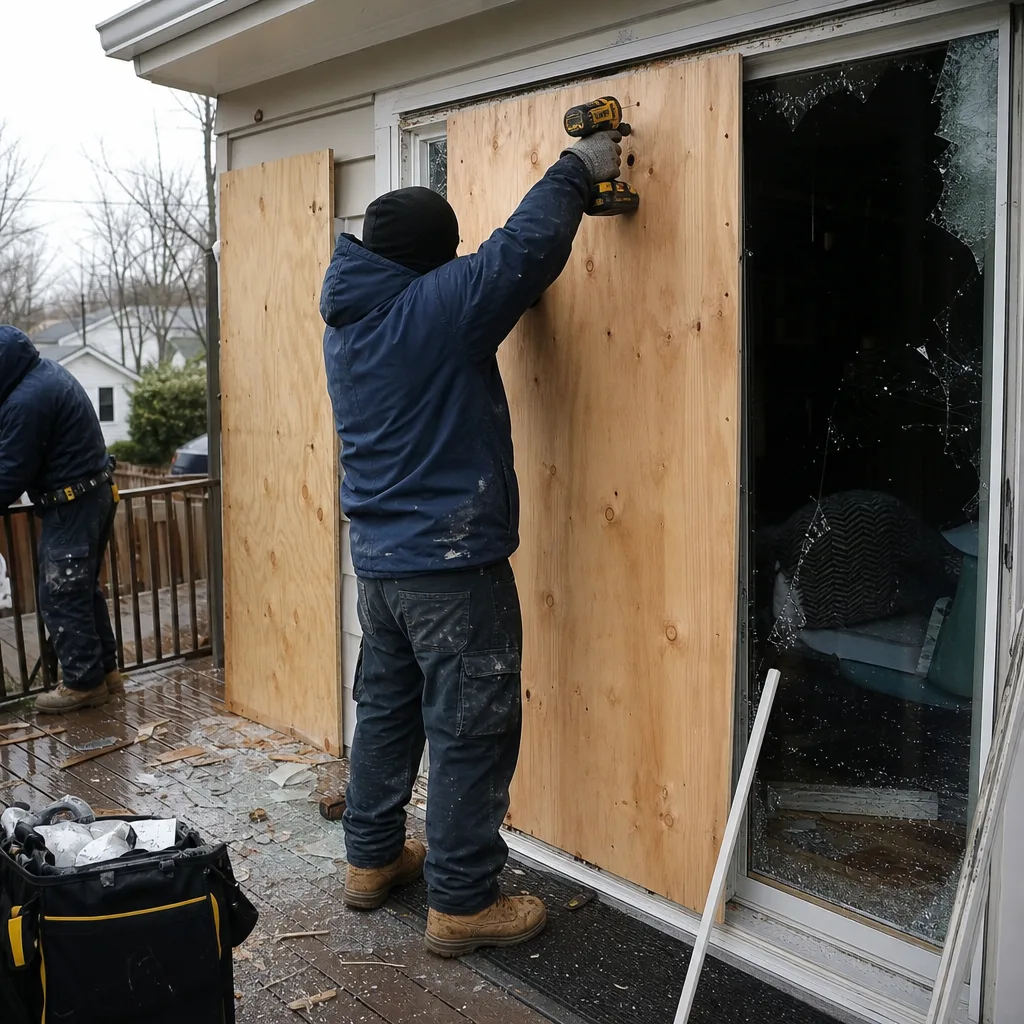
Flood damage restoration addresses standing water and saturation in building materials after flash flooding, storm surge, or infrastructure failure. Jamaica’s combined sewer system backs up during intense rainfall, particularly in the low-lying blocks south of Liberty Avenue, and we’ve responded to basement floods where the water line reached electrical panels. Our process starts with category classification: clean water (Category 1), gray water from appliances or sump failures (Category 2), or black water from sewage or ground flooding (Category 3). Each category determines equipment selection, from Dri-Eaz dehumidifiers with HEPA filtration for Category 1 to full PPE and antimicrobial treatment for Category 3. We establish a drying goal using psychrometric data - temperature, relative humidity, and vapor pressure differential - then log those readings daily until your structure hits the dry standard.
Emergency Board-Up
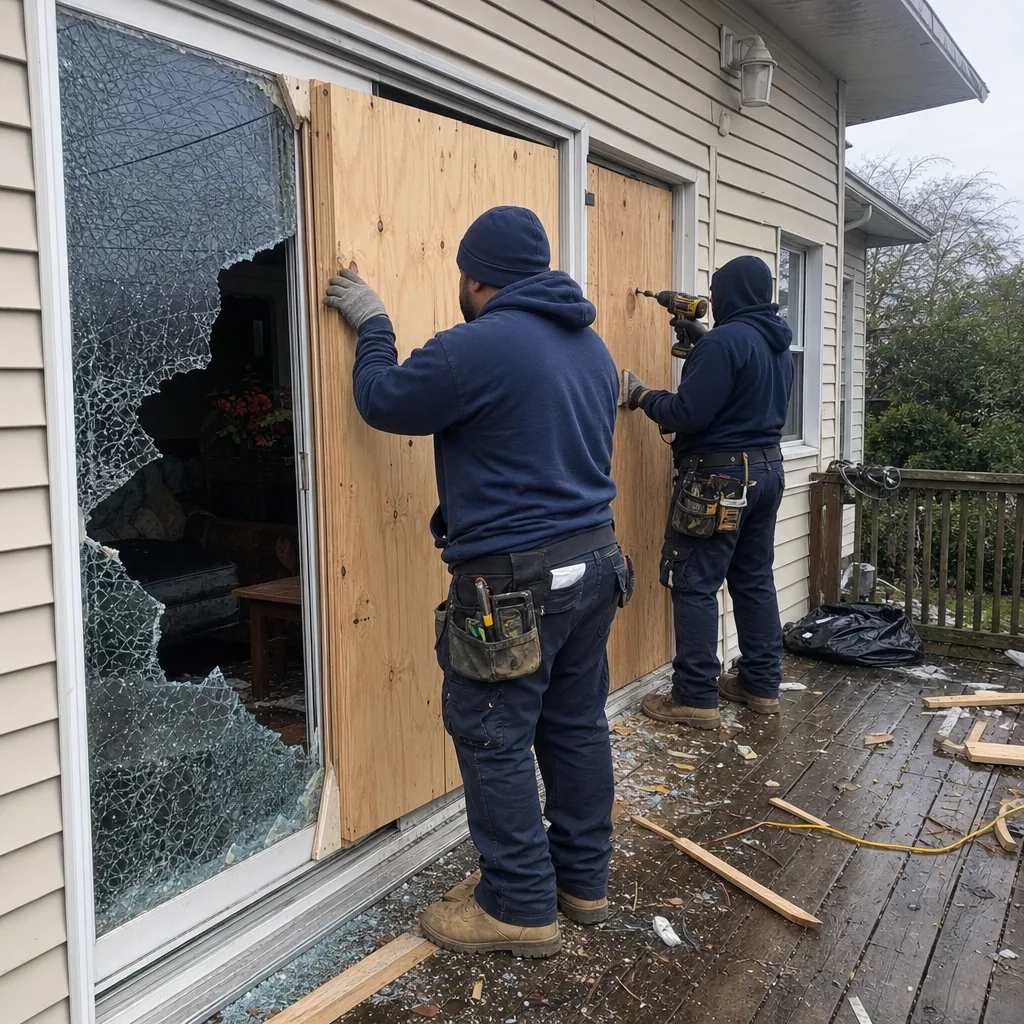
Emergency board-up is the temporary securing of broken windows, doors, and structural openings to prevent weather intrusion, theft, and liability exposure. After the 2021 remnants of Hurricane Ida tore through southeast Queens, we boarded 34 Jamaica properties in 48 hours, including a commercial building on Sutphin Boulevard with a collapsed storefront. We use 5/8-inch plywood minimum, secured with structural screws not nails, and photograph every opening before and after. The board-up is itemized in your written scope with a separate line for materials and labor, so your adjuster sees exactly what was protected and why the cost was justified. We also coordinate with your insurer’s preferred vendor program when applicable, but we never let that override Haven Standard, Clause 1: the written price comes first.
Roof Tarping
Roof tarping is the temporary waterproofing of damaged roofing to stop active leaks until permanent repairs can be scheduled and scoped. Jamaica’s older housing stock - particularly the asphalt-shingle capes and ranches built in the 1950s and 60s - loses shingles to wind speeds above 50 mph, and we’ve tarped roofs after microbursts in Rochdale Village and along Merrick Boulevard. Our tarps are 10-mil reinforced polyethylene, anchored with 2×4 battens screwed into rafter tails, not fascia boards that can pull away. We document the roof condition with dated photos from ladder height, measure affected square footage, and note any visible decking damage. This documentation becomes part of your claim file, and we flag structural concerns that require a licensed roofer’s assessment before we remove the tarp.
Debris Removal
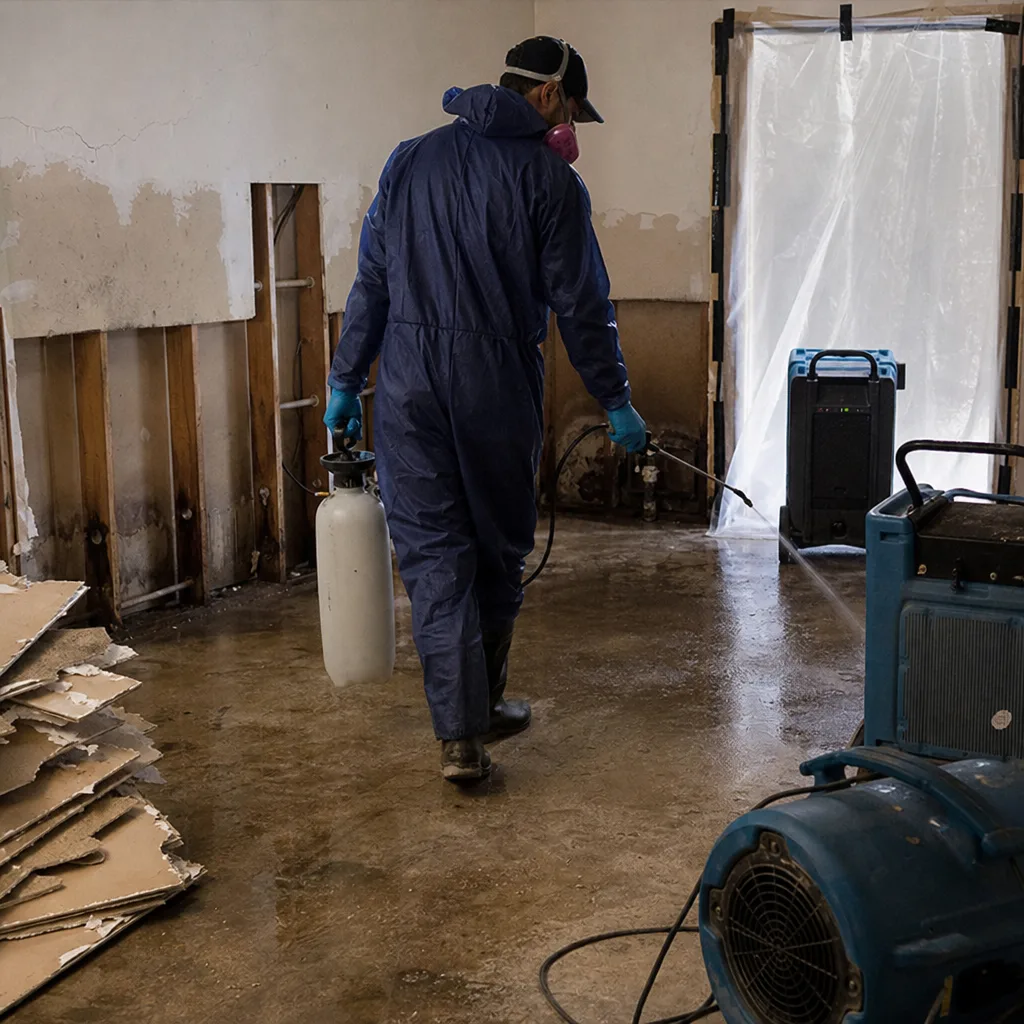
Debris removal is the controlled hauling of storm-damaged building materials, fallen trees, and contaminated contents from your property. After major events, Jamaica homeowners - along with neighbors needing Storm & Disaster Restoration - Ozone Park - face piles that include pressure-treated lumber, asphalt shingles, and waterlogged drywall that exceeds DOT weight limits for standard pickup. We sort debris by disposal category: construction and demolition (C&D) waste for clean building materials, vegetative waste for tree limbs, and hazardous waste for treated lumber or materials with lead paint. Our trucks are permitted for Queens transfer station access, and we provide weight tickets and disposal receipts as part of your documentation package. For large tree falls, we coordinate with our tree service partners and include their scope in our written price, so you’re not managing multiple contractors while your insurer waits for complete documentation.
Wind Damage Repair
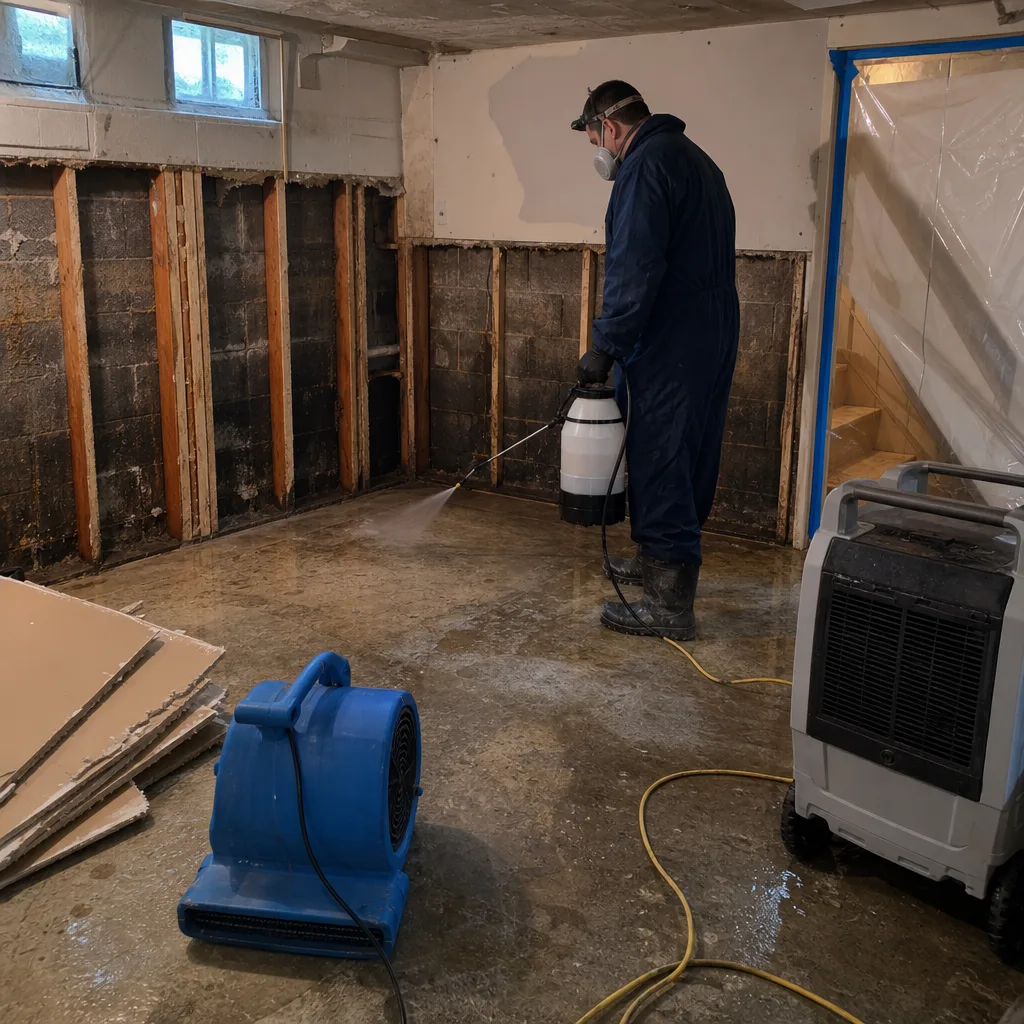
Wind damage repair addresses structural and envelope damage from straight-line winds, microbursts, and tropical storm remnants. Jamaica’s exposure to Atlantic weather patterns means sustained winds of 40-60 mph occur multiple times yearly, and gusts above 70 mph are increasingly common. We’ve repaired wind damage from lifted siding, separated soffits, and garage doors that failed under pressure differential, allowing rain into wall cavities. Our repair scope identifies every compromised component, distinguishes wind damage from pre-existing conditions (critical for claim approval), and specifies replacement materials by manufacturer and grade. We don’t patch with mismatched materials; your written scope lists the exact siding profile, soffit vent type, or garage door wind-load rating we’ll install.
What happens when you call
- 1
A real person answersNo phone trees - you reach a local pro.
- 2
You get an upfront price rangeHonest numbers before anyone is dispatched.
- 3
A background-checked tech heads outLicensed & insured, dispatched right away.
- 4
You approve before work beginsNothing starts until you say go.
Brands We Service for Storm & Disaster Restoration
Our equipment fleet includes professional-grade drying systems from Dri-Eaz, Phoenix, and XPOWER, each selected for specific damage profiles we encounter in Jamaica. We’ve deployed Dri-Eaz Revolution LGR dehumidifiers in hundreds of Queens basements; their low-grain refrigerant technology pulls moisture below 40 grains per pound, which is essential for drying plaster and lath without causing expansion cracks. Phoenix 200 MAX units handle larger commercial losses and multi-family common areas, with onboard humidistats that log data automatically for your drying record. XPOWER air movers stack efficiently in tight Jamaica row house rooms, and their sealed motors withstand the dusty conditions of post-demolition drying.
Whether your loss requires Dri-Eaz, Phoenix, XPOWER, B-Air, or Injectidry specialty drying systems, we match the equipment to your structure’s materials and your insurer’s documentation requirements. Every machine is logged by serial number, run-time hours, and placement location on your drying plan. If you have a preferred equipment brand from a prior restoration or your insurer’s program, we’ll note it in your file and accommodate when technically appropriate. The equipment serves the documentation; the documentation serves your claim.
BeforeAfterSigns You Need Storm & Disaster Restoration Right Now
- Water is actively entering your structure. Active water intrusion spreads at roughly 1-2 inches per hour through porous materials, and every hour of delay increases the affected square footage and the category classification if clean water picks up contaminants. If you see water running down walls, pooling in basements, or dripping from ceiling fixtures, call (516) 240-9735 immediately; we can talk you through temporary containment while our crew mobilizes.
- You smell must or see visible mold growth within 24-48 hours of water exposure. Mold colonization begins in as little as 24 hours on wet organic materials, and Jamaica’s summer humidity often exceeds 70% ambient, accelerating growth even without active leaks. Visible mold on drywall, baseboards, or HVAC registers indicates the moisture problem has progressed beyond simple drying and requires documented remediation with containment and air filtration.
- Your roof has missing shingles, visible decking, or daylight visible from the attic. Compromised roofing allows continuous water intrusion during rainfall, and even “minor” shingle loss can channel water into wall cavities through capillary action. We’ve documented cases where a 2-square-foot shingle loss caused $15,000+ in interior damage over a single storm cycle because the homeowner waited for “a break in the weather” to call.
- Windows or doors are broken, or you feel drafts where walls should be sealed. Broken openings compromise your building envelope, allow weather intrusion, and create security and liability exposures. In Jamaica’s denser neighborhoods, a boarded window also signals to neighbors that the property is being managed, reducing secondary vandalism or theft risk while you’re displaced.
- Your electrical system has been exposed to water, or you see sparks, hear buzzing, or smell burning. Water and energized electrical systems create electrocution and fire hazards. Do not enter standing water if you suspect electrical involvement; shut power at the main breaker if you can do so safely, then call us and your utility. Our crew coordinates with licensed electricians for safe re-energization, documented for your insurer.
Our Storm & Disaster Restoration Process - Step by Step
- 1
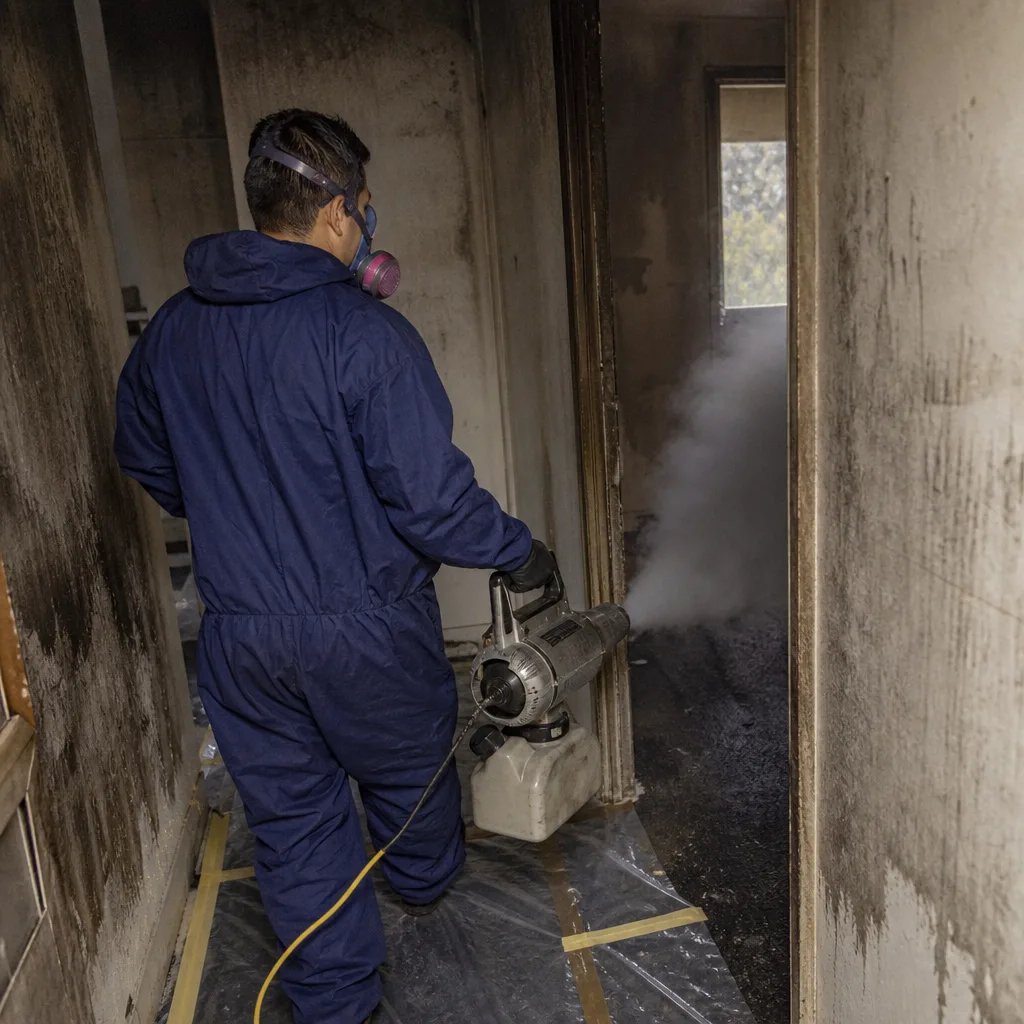
Emergency response and site safety assessment. We arrive within 60-90 minutes in Jamaica, identify immediate hazards (structural compromise, electrical exposure, gas leaks), and establish safety perimeters. Our lead technician documents the exterior condition with photos before entering, then identifies the water source and stops it when possible. You receive a verbal summary and a timeline for written scope delivery.
- 2
Written scope and price before work begins. Haven Standard, Clause 1: we deliver a written price with line-item costs for labor, materials, equipment, and disposal before any work starts. The scope includes affected square footage, material classifications, equipment placement plan, and projected drying timeline. For insurance claims, we note your policy number, adjuster contact, and claim number, and we can submit the scope directly to your adjuster with your authorization.
- 3
Emergency mitigation: water extraction, board-up, and stabilization. We deploy truck-mounted extractors, submersible pumps, or portable units based on water volume and access constraints. Simultaneously, we board openings and tarp roofs as needed. Every action is photographed with timestamps, and moisture readings are taken at multiple points in every affected room to establish baseline saturation levels.
- 4
Structural drying with daily documentation. We install dehumidifiers and air movers per the IICRC S500 standard, creating a balanced drying system that removes moisture without over-drying and damaging materials. Daily readings of temperature, relative humidity, and specific humidity are logged, with photos showing equipment placement and material condition. These logs become your drying record, submitted with your invoice for claim payment.
- 5
Final inspection, documentation package, and 365-Day Done Right Promise. We verify dryness with moisture meters and thermal imaging, remove equipment, and deliver your complete documentation package: photo record, drying logs, disposal receipts, and signed warranty. The 365-Day Done Right Promise under The Haven Standard means if any restored area shows defect or moisture recurrence within one year, we return and correct it at no charge.
How Much Does Storm & Disaster Restoration Cost in Jamaica?
Storm and disaster restoration pricing in Jamaica varies with damage category, affected square footage, and whether the loss involves hazardous materials or structural compromise. Based on our documented jobs in Queens since 2011, here are typical ranges:
| Service | Typical Range | Factors Affecting Price |
|---|---|---|
| Emergency board-up (residential) | $450-$950 | Number of openings, height access, after-hours mobilization |
| Roof tarping (up to 500 sq ft) | $650-$1,400 | Roof pitch, decking exposure, duration until permanent repair |
| Water extraction and initial drying (Category 1, single room) | $1,800-$3,500 | Square footage, material type, equipment days required |
| Full flood restoration (Category 2-3, basement) | $4,500-$9,200 | Contamination level, contents manipulation, demolition depth |
| Storm damage cleanup with debris removal | $2,800-$7,500 | Debris volume, disposal category, tree involvement |
| Wind damage repair (siding, soffit, envelope) | $3,200-$12,500 | Material matching requirements, structural involvement, permit needs |
What drives price variation most is the gap between what looks damaged and what is actually wet. We’ve tested Jamaica basements that appeared dry to the touch but showed 28% moisture content in sill plates - structural damage invisible without probing meters. Our written scope includes these readings, so you understand why demolition extends beyond visibly stained areas. To avoid overpaying, get a second opinion on any competitor’s written estimate; we provide this free under The Haven Standard. The estimate itself costs nothing, and we deliver it in writing before any commitment.
What’s included in your free estimate: a complete moisture survey with documented readings, a photo record of all affected areas, a written scope with line-item pricing, and a projected timeline. We also review your insurance coverage and explain what documentation your adjuster will need, so you’re prepared before the claim is filed.
Storm & Disaster Restoration Near Jamaica - Our Service Area
We maintain 60-90-minute response times across southeast Queens and into central Nassau County. Our crews regularly restore homes in Fresh Meadows, where the detached ranch stock faces similar wind and water exposure, and Forest Hills, with its co-op and garden apartment complexes that require coordinated access and board approval for restoration work. We also serve Ozone Park, Howard Beach, Rego Park, Bayside, Middle Village, Flushing, Elmhurst, East New York, and Jackson Heights - each with distinct housing stock and typical damage patterns we’ve documented over 12,000+ jobs. Whether you’re in a Jamaica brick row house, a Fresh Meadows split-level, or a Forest Hills co-op, your written scope reflects your specific structure and your insurer’s documentation requirements. Home
Serving Jamaica, NY - Our Local Coverage Area
We’re based in the Jamaica area and know this community well. Use the map below to see our service coverage - if you’re nearby, we can almost certainly help.
Frequently Asked Questions - Storm & Disaster Restoration in Jamaica
Storm and disaster restoration is the professional recovery of structures damaged by weather events, including water extraction, structural drying, debris removal, temporary weatherproofing, and repair of building envelope damage. In Jamaica, this typically means addressing flooding from combined sewer overflow, wind damage to roofing and siding, and tree impact to structures. The goal is returning your property to pre-loss condition with documentation that supports your insurance claim.
Most emergency mitigation - board-up, water extraction, and initial drying setup - is completed in 4-8 hours. Structural drying typically requires 3-5 days for Category 1 water, 5-7 days for Category 2, and 7-14 days for Category 3 or deeply saturated materials. Full restoration including repairs extends to weeks depending on material availability and permit timelines. We provide a day-by-day timeline in your written scope, updated daily with drying log data.
Typical storm restoration in Jamaica ranges from $2,800 for limited cleanup and drying to $12,500+ for extensive wind damage with structural repair. Emergency board-up starts at $450-$950, and roof tarping runs $650-$1,400. Your exact price depends on damage category, affected square footage, and material types. Call (516) 240-9735 for a free estimate with a written price before any work starts - Haven Standard, Clause 1.
We deploy Dri-Eaz, Phoenix, and XPOWER equipment as part of our standard fleet, selected for your specific loss profile. Dri-Eaz LGR units handle low-grain drying for plaster and hardwood; Phoenix 200 MAX serves large commercial and multi-family losses; XPOWER air movers fit tight residential spaces. Every unit is logged by serial number and run-time hours in your drying record. If your insurer or prior restoration company used a specific brand, we’ll note compatibility and accommodate when appropriate.
Yes. A live person answers every call to (516) 240-9735, 24 hours a day, 7 days a week - no voicemail trees, no next-business-day callbacks while water is still moving. Our emergency crew mobilizes within 60-90 minutes for Jamaica addresses, and we can guide you through immediate safety steps and temporary containment while en route.
Every job is covered by our 365-Day Done Right Promise under The Haven Standard: if any restored area shows defect, moisture recurrence, or incomplete drying within one year, we return and correct it at no charge. This is a written warranty, signed and dated, not a verbal assurance. The warranty transfers if you sell your property within the coverage period.
If safe to do so, shut off water at the main valve for plumbing-related flooding, and electricity at the main breaker if water has reached outlets or panels. Remove valuable documents and electronics from affected areas. Do not enter standing water if you suspect electrical involvement or structural compromise. Photograph damage for your own records, then call (516) 240-9735. Our crew handles everything else, including hazard assessment, documentation, and insurer coordination.
Schedule Your Storm & Disaster Restoration Service in Jamaica Today
Call (516) 240-9735 now. A live person will answer, gather your address and damage description, and dispatch a crew with a 60-90-minute ETA for Jamaica properties. You’ll receive a written price before any work begins, a photo record on every visit, and daily drying logs that document your loss for insurance. The estimate is free, the documentation is standard, and the 365-Day Done Right Promise is guaranteed in writing. We’re independently owned and operated under The Haven Standard, and we’ve documented 12,000+ homes since 2011.
Written by Alicia Brennan, Owner at Back to Dry Restoration, serving Jamaica since 2011.