
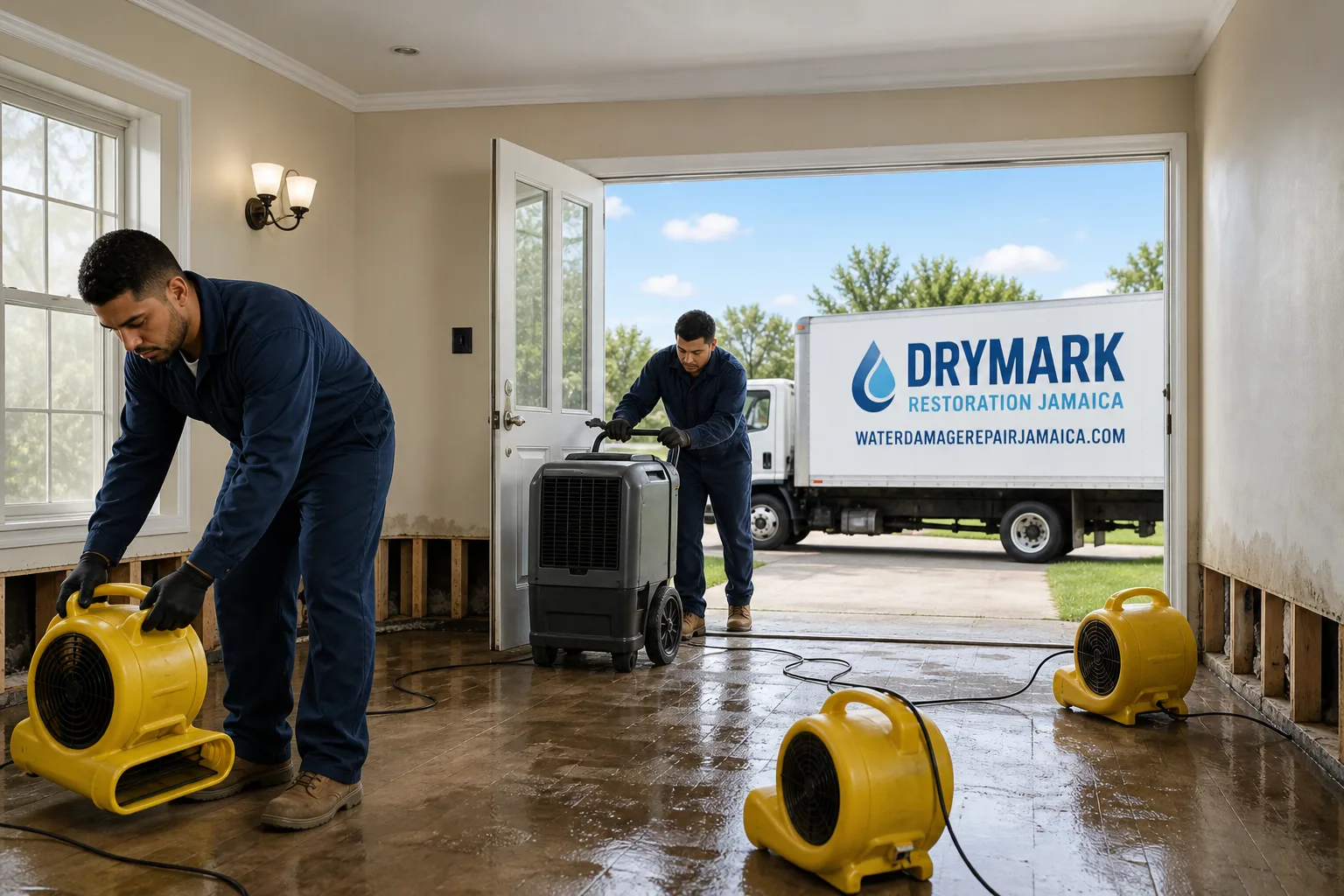
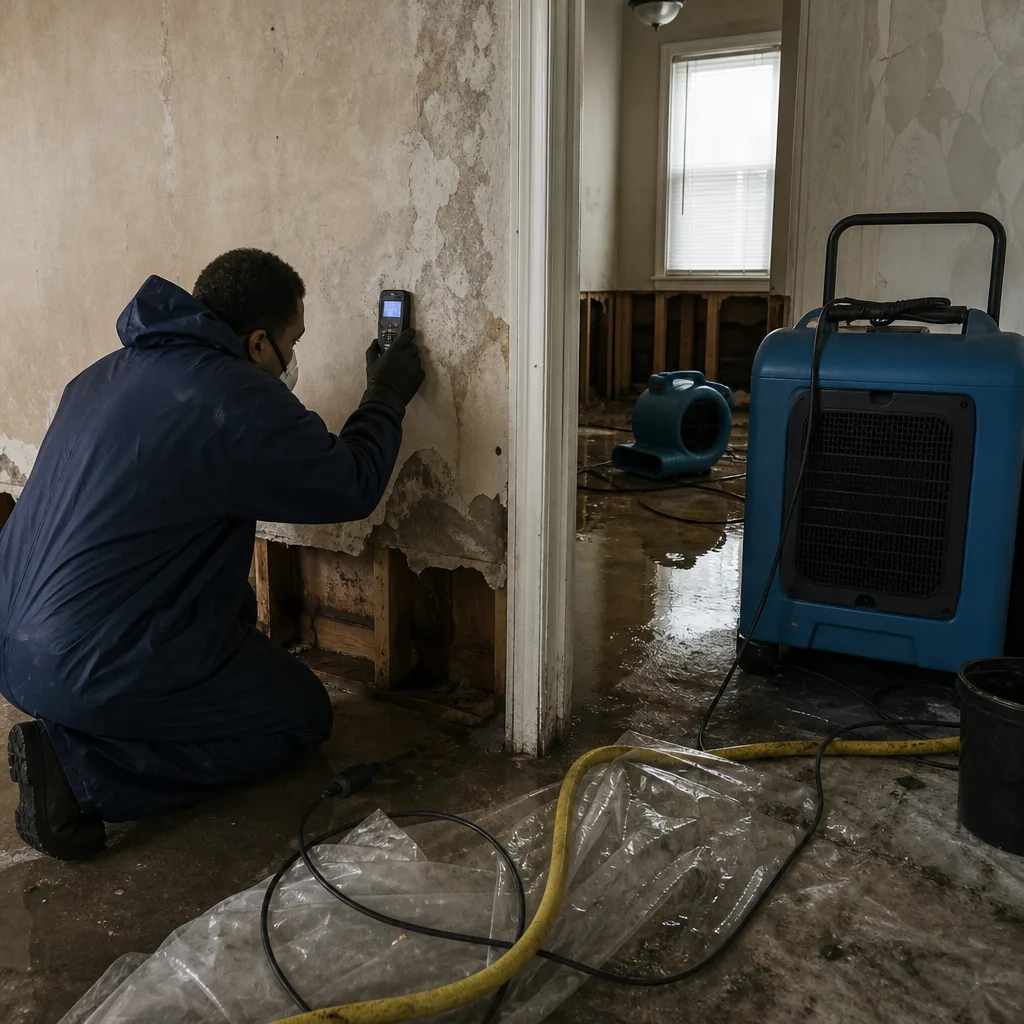
Free visual inspection and a written scope of work before any mitigation begins - photos, moisture readings, and drying logs go in your claim file
The scope we write is the scope we bill. Anything new gets shown to you, in writing, before we touch it.
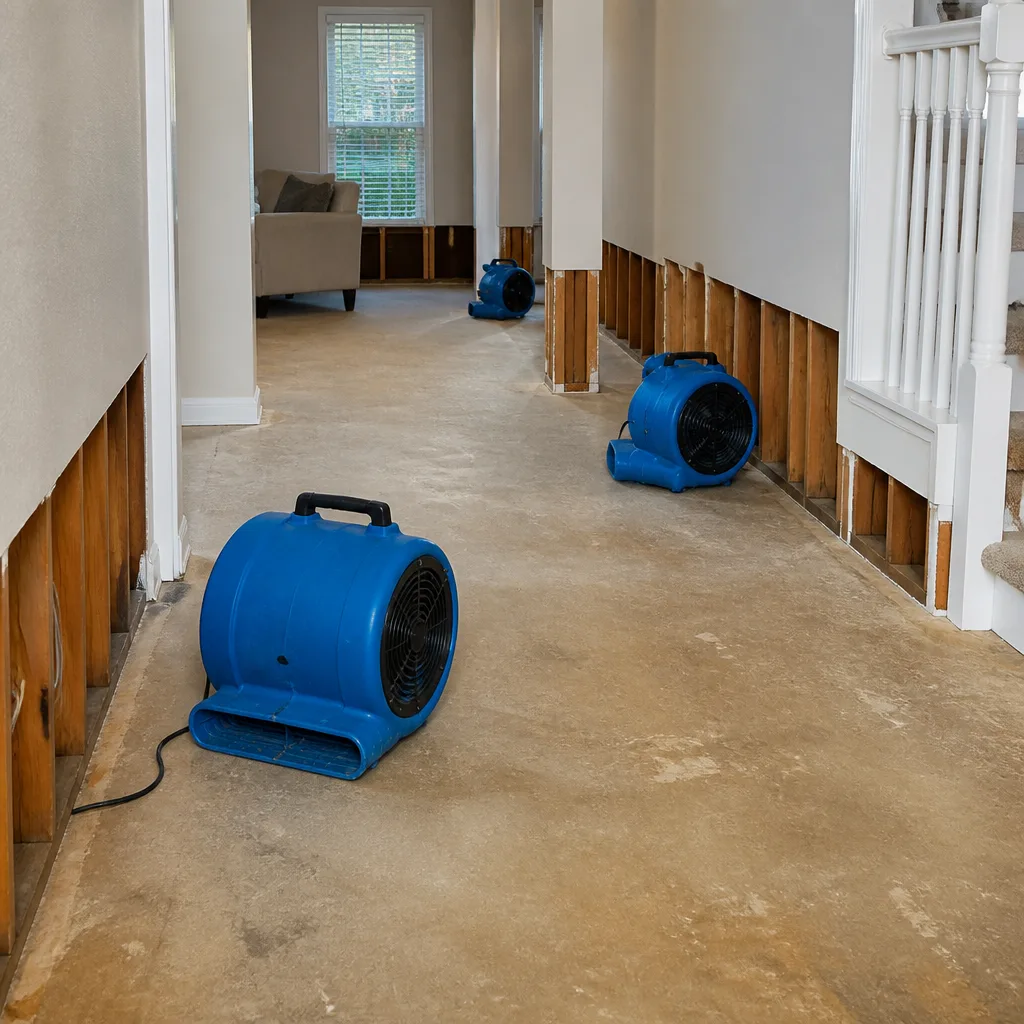
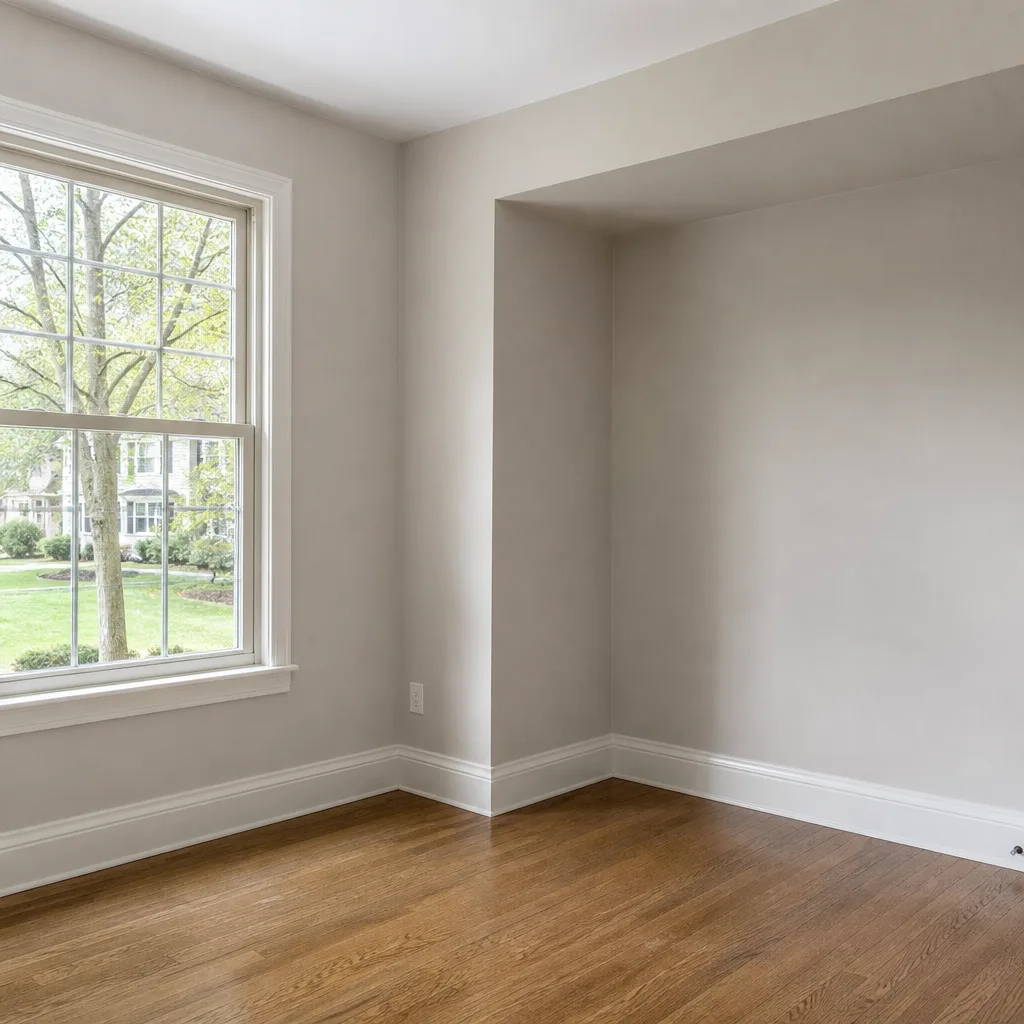
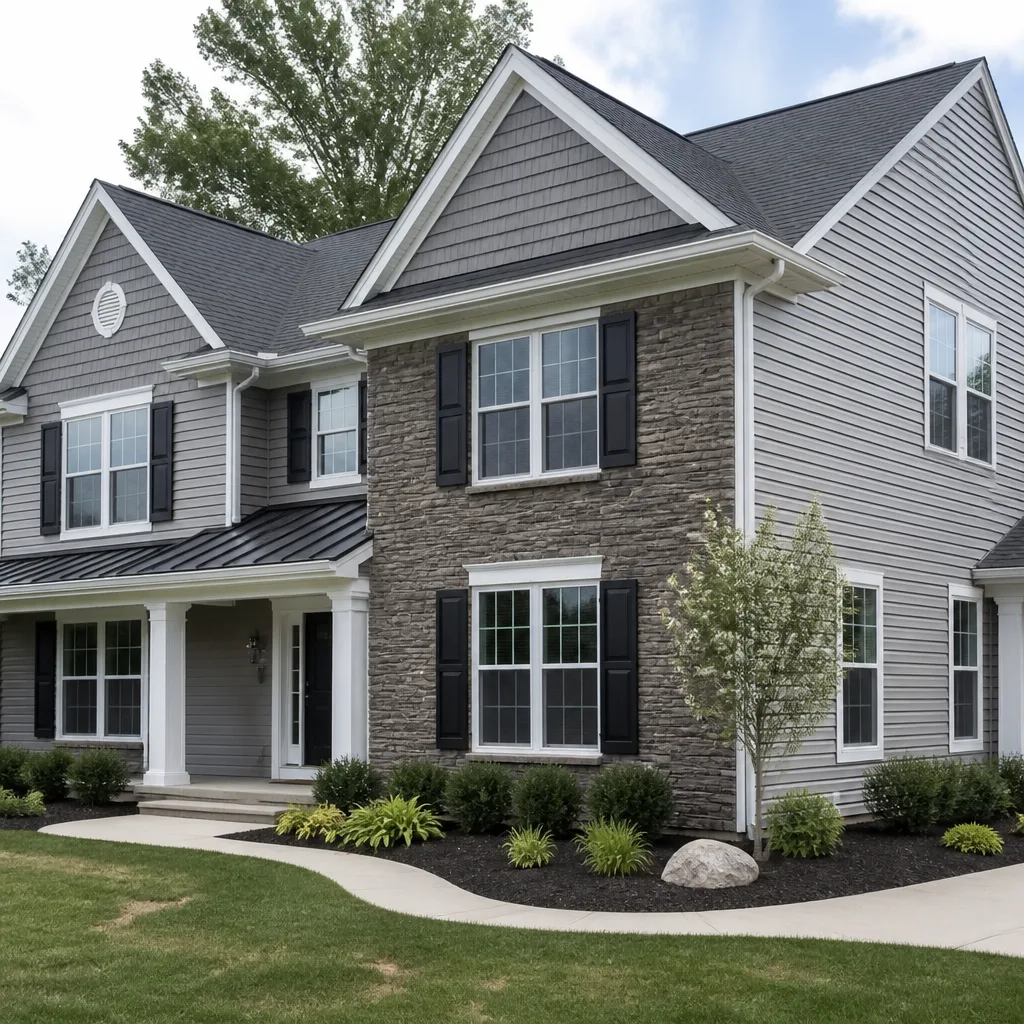
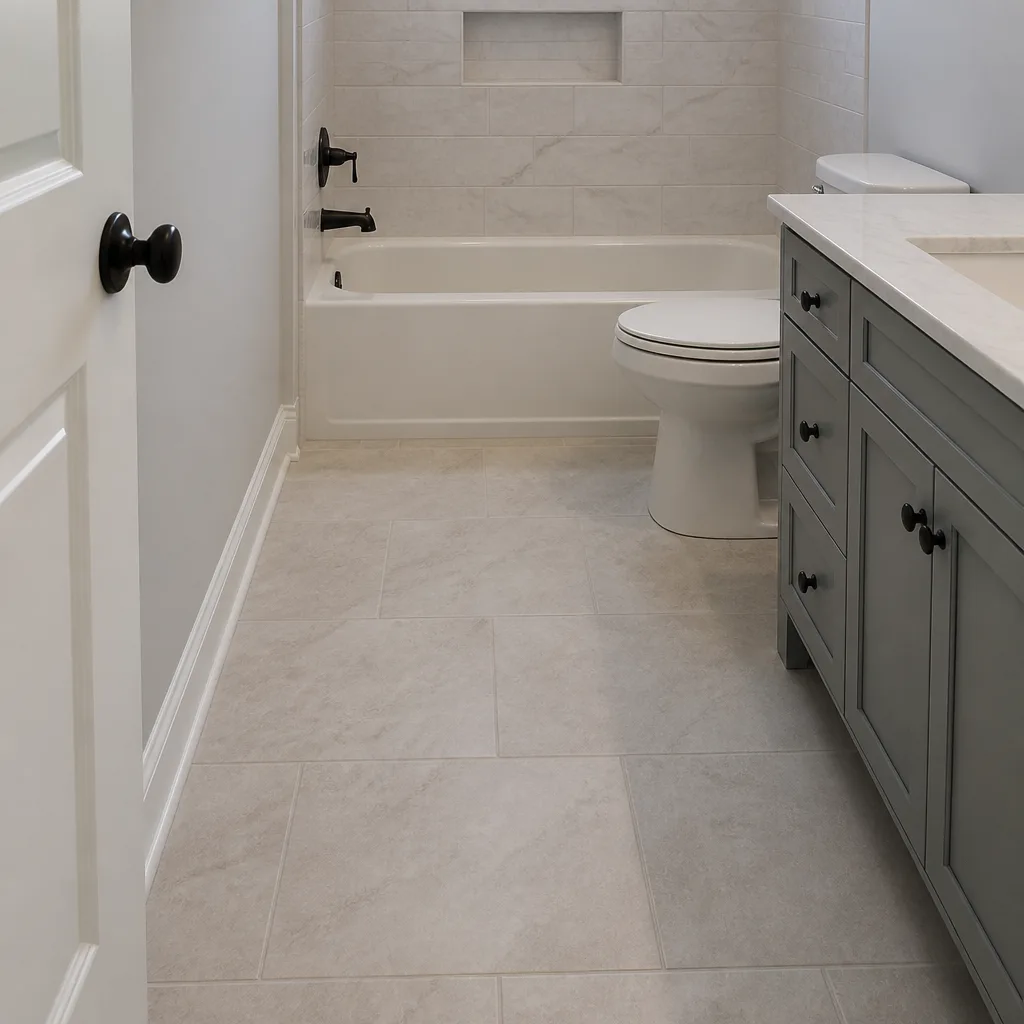
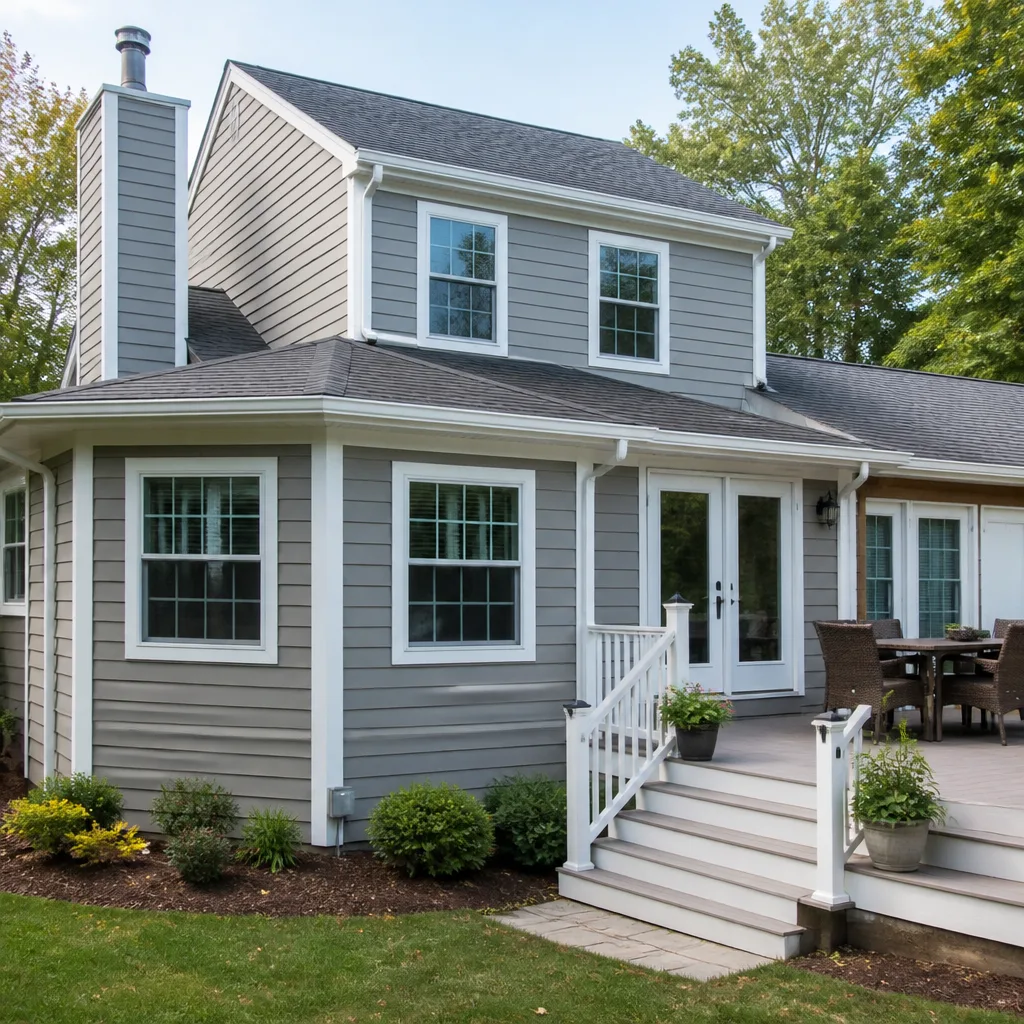
 Before
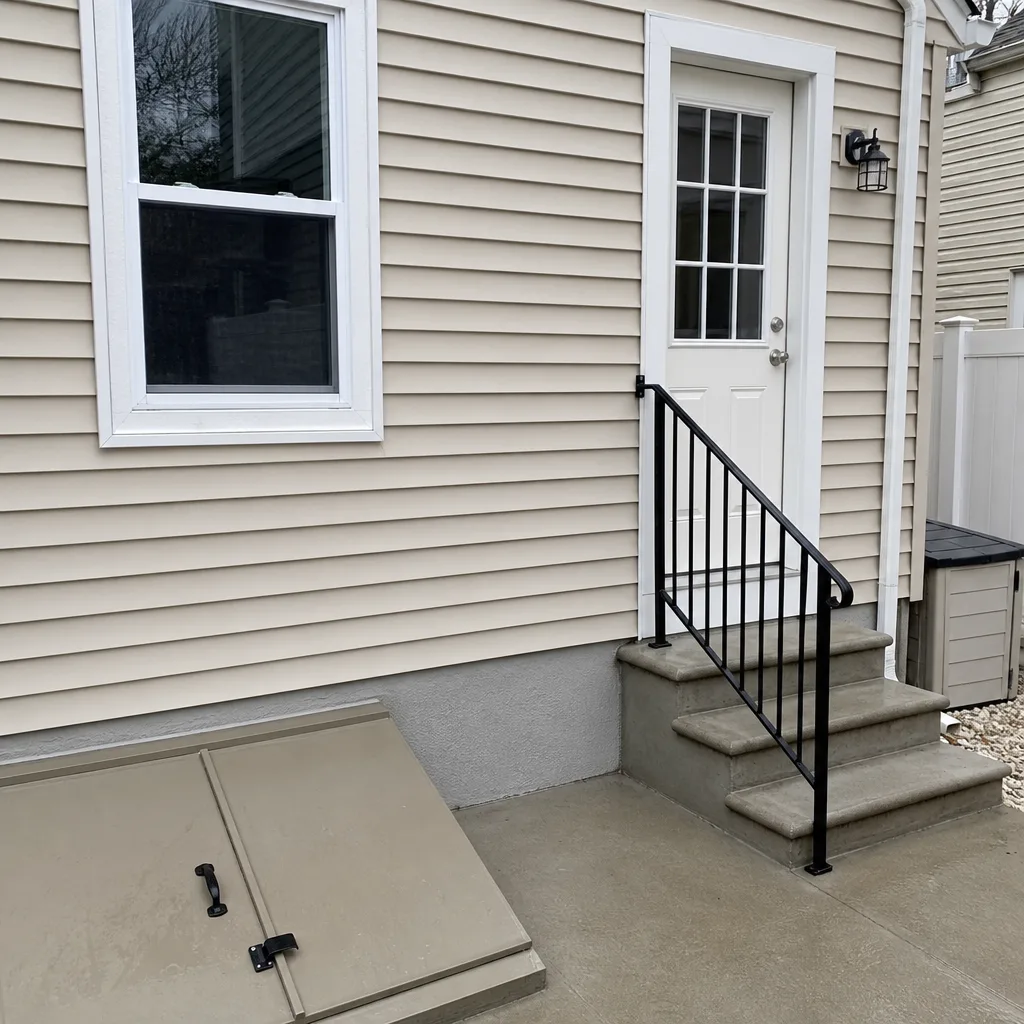 After
After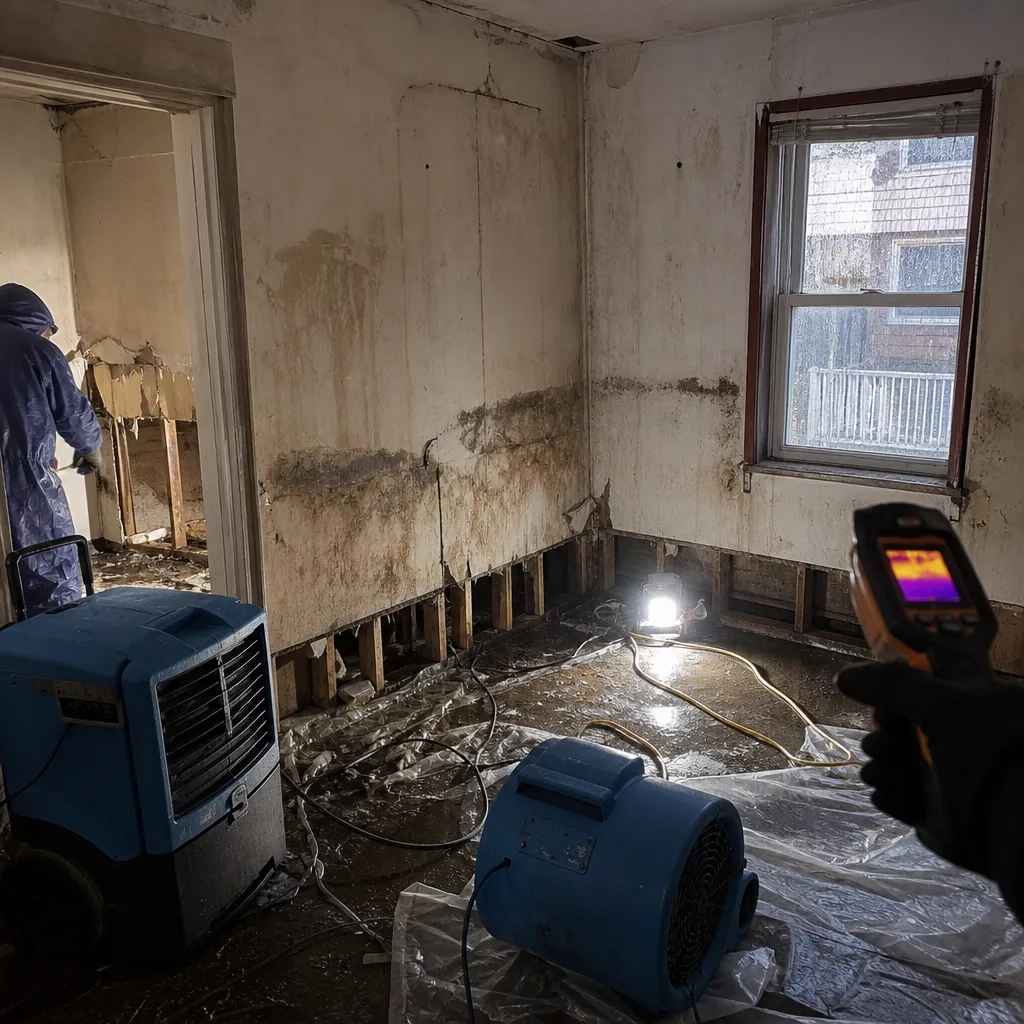 Before
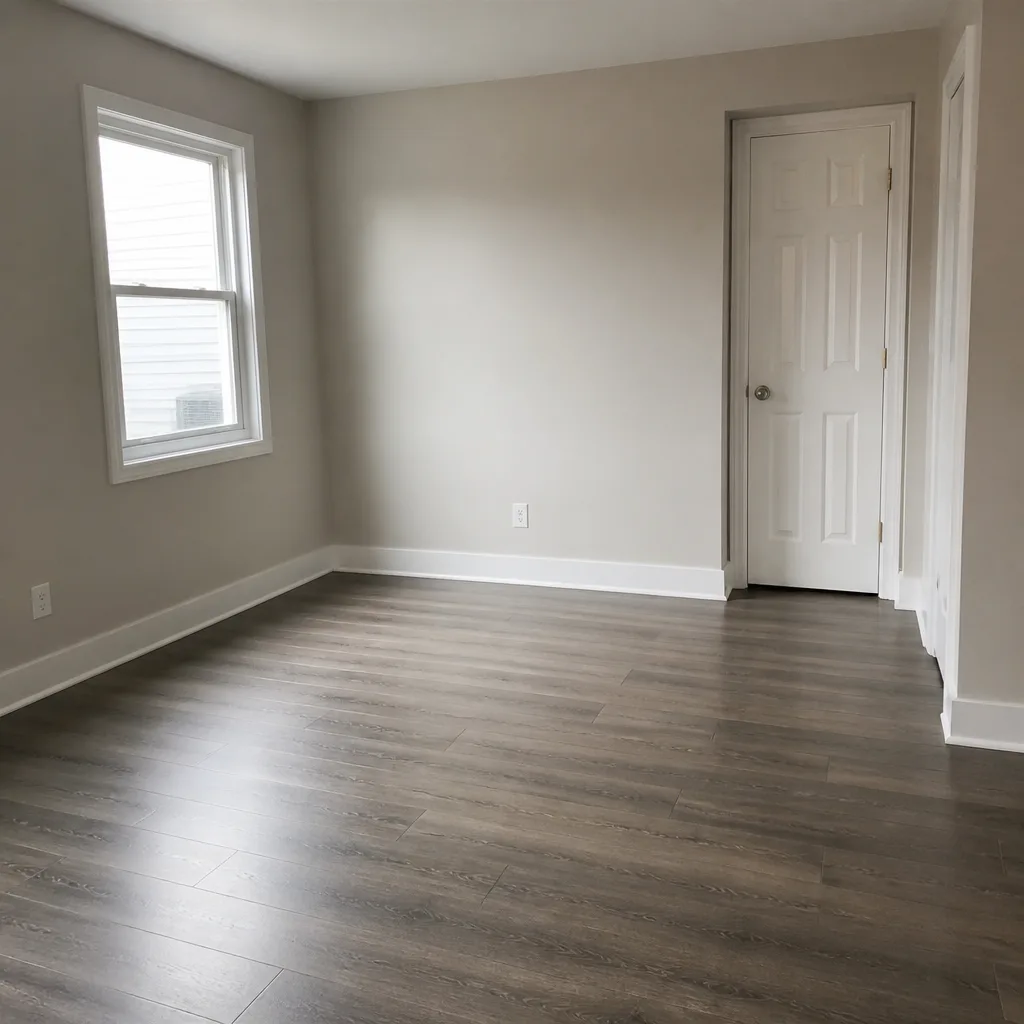 After
After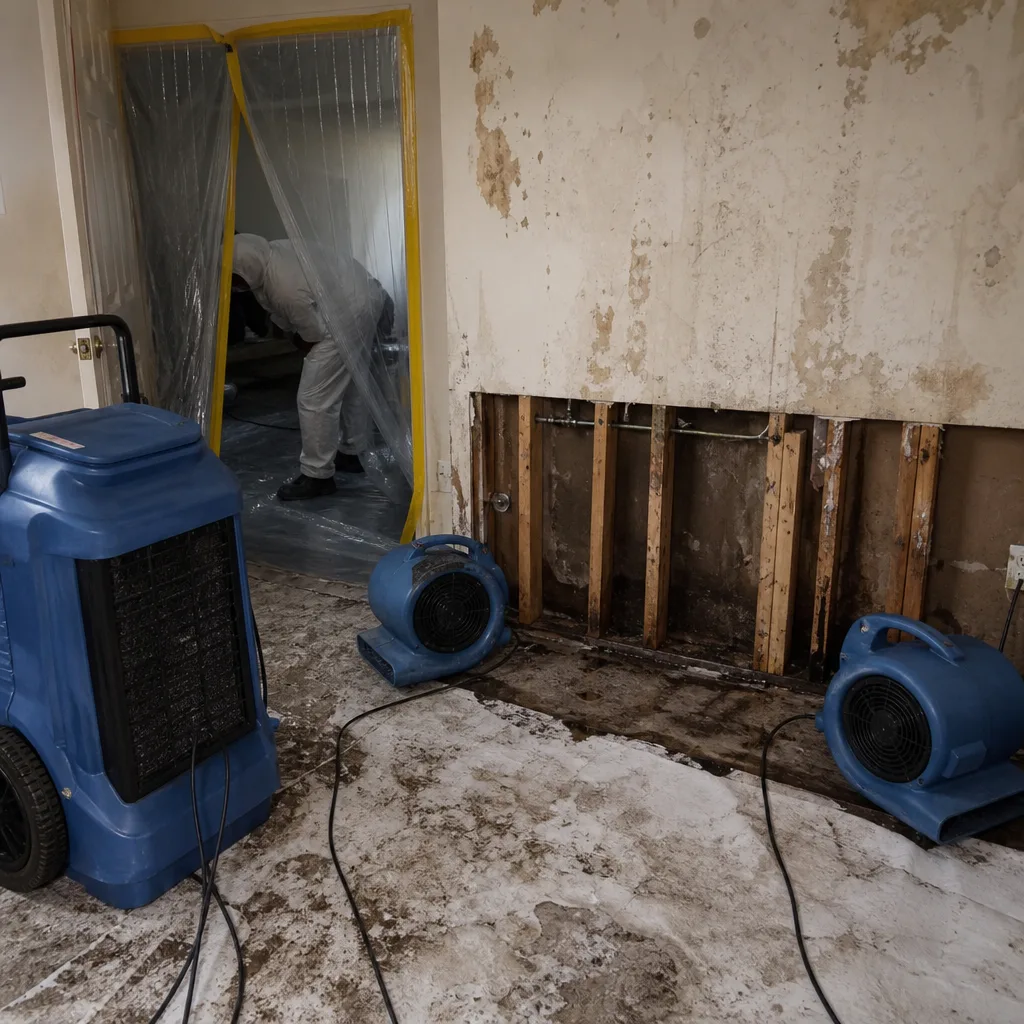 Before
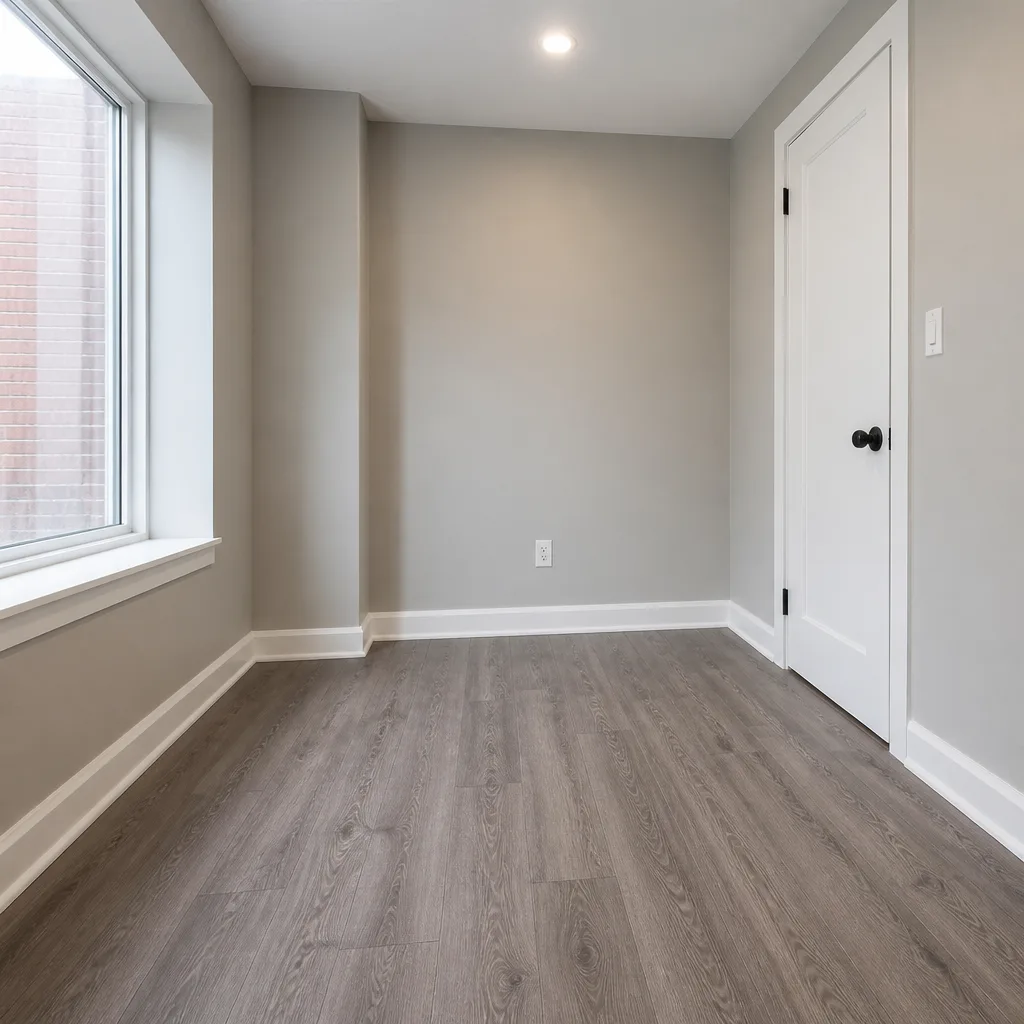 After
AfterFast, Reliable Water Damage Restoration Across College Point
Water damage restoration in College Point, NY typically runs $2,800-$6,500 for a standard residential mitigation, with emergency extraction starting at $950 and full structural drying adding $1,400-$3,200 depending on affected square footage and contamination level. Most College Point homeowners see our crew on-site within 45-90 minutes of the call, because we dispatch from our New York City office and know the peninsula’s tight streets.
We serve College Point because the restoration work here is different from inland Queens. The peninsula’s shallow water table, FEMA AE flood zones, and combined sewer system create failure modes - slab-rise flooding, tidal surge, sewage backup - that change how you dry a structure and what documentation an adjuster needs to see. Our Water Damage Restoration team has handled Category 3 bay-water jobs from 14th Avenue to the waterfront, and we write every scope before anyone touches a wall.
Call (516) 240-9735. A live person answers, 24 hours a day, 7 days a week. No voicemail while water is still moving.
Why DryMark Restoration Jamaica Is College Point’s Preferred Water Damage Restoration Company
We’ve restored water-damaged homes in College Point since 2011, and the pattern is consistent: homeowners here need a crew that understands the peninsula’s dual-threat flooding - surge from Flushing Bay above, groundwater through the slab below - and can document it in terms an insurance adjuster will accept without dispute. Alicia Brennan founded Back to Dry Restoration on exactly that gap. After years reading restoration invoices that lacked moisture logs, photo sequences, or material classifications, she built The Haven Standard so every job carries its own evidence.
That documentation-first approach matters in College Point more than most places. FEMA flood claims here require proof of pre-loss condition, contamination source, and drying progression. We deliver it as standard: a written price before work starts (Haven Standard, Clause 1), a photo record on every visit, and daily drying logs with psychrometric data - temperature, relative humidity, and vapor pressure differential, which is the force that actually moves moisture out of materials and into the air.
Our 365-Day Done Right Promise, stamped on every job under The Haven Standard, means if we miss something, we make it right. No expiration anxiety, no “call us if you notice anything.” It’s a signed warranty, not a verbal assurance.
Our Water Damage Restoration Services in College Point
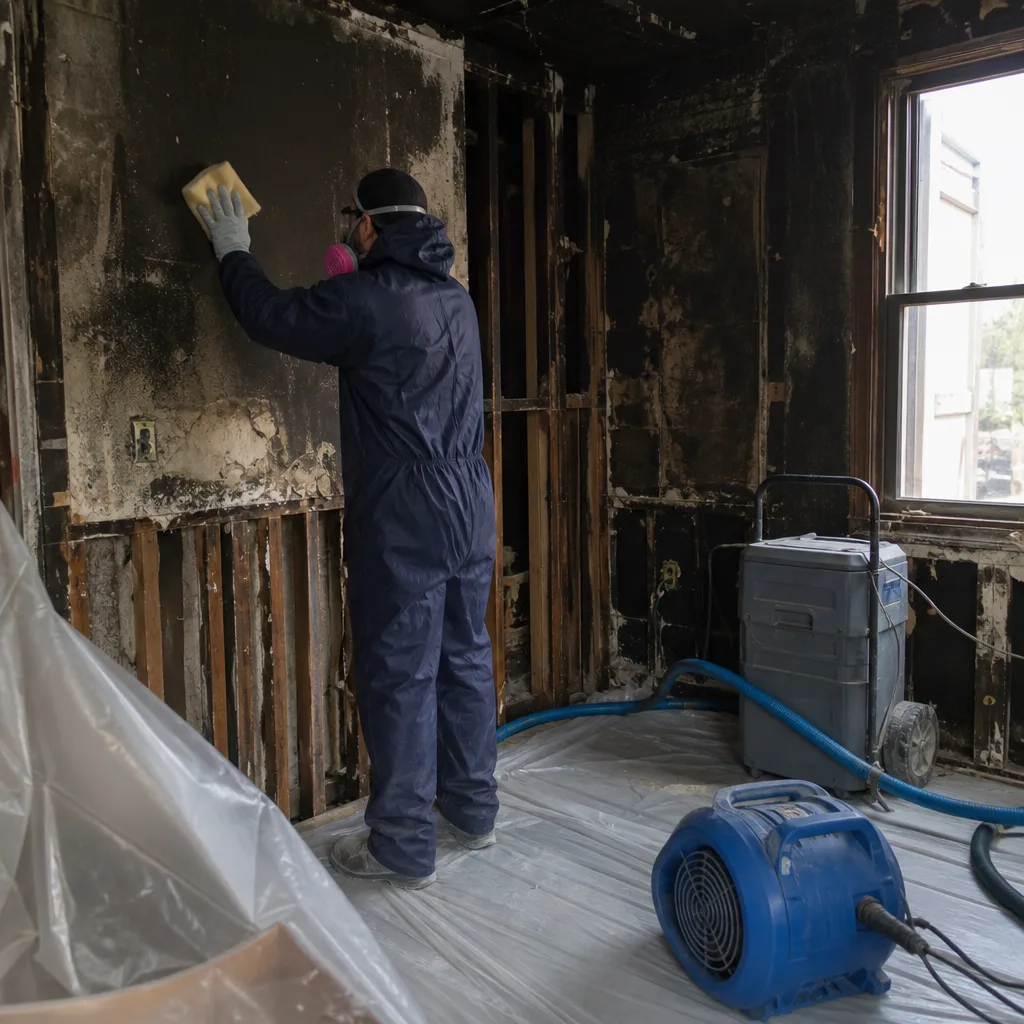
Emergency Water Extraction
When a nor’easter drives Flushing Bay over the shoreline or a combined sewer backup fills your basement with blackwater, speed matters. But speed without containment spreads contamination. Our truck-mounted extraction systems pull standing water at 25+ gallons per minute while we establish negative-air containment at stairwells and doorways to protect the rest of the house. In College Point’s narrow wood-frame homes, where floor plans are often 16-20 feet wide and rooms connect in sequence, containment strategy is as important as extraction power. We map the water path first, then remove it.
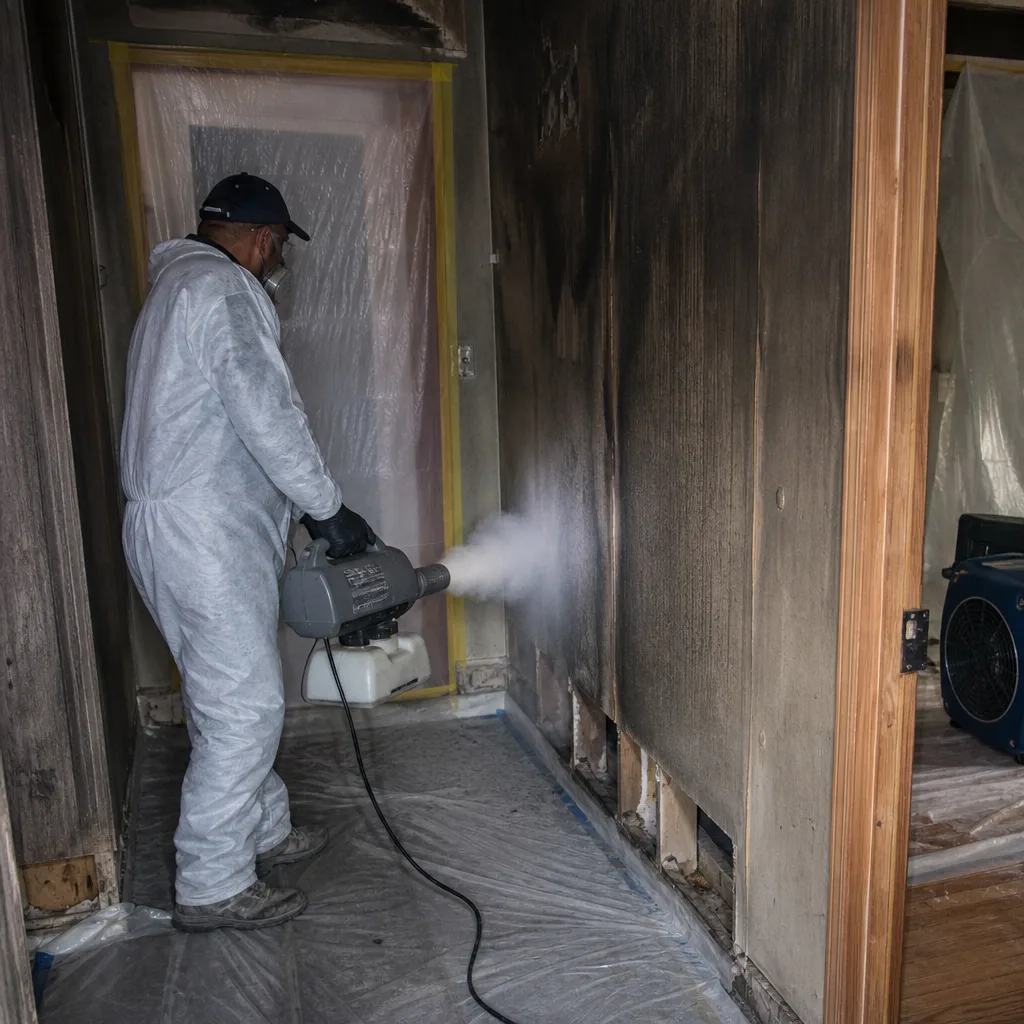
Structural Drying & Dehumidification
College Point’s shallow water table means slab saturation is nearly guaranteed in any basement flood. Surface drying misses the problem. We deploy Injectidry panel systems and XPOWER air movers to force dry air through wall cavities and beneath floor systems, coupled with Phoenix and Dri-Eaz dehumidifiers sized to the room’s cubic footage and the outside vapor load. Daily moisture readings at the slab, subfloor, and framing track progress until we hit the dry standard - typically 12-16% moisture content for wood framing in this climate. The logs go to you and your adjuster.
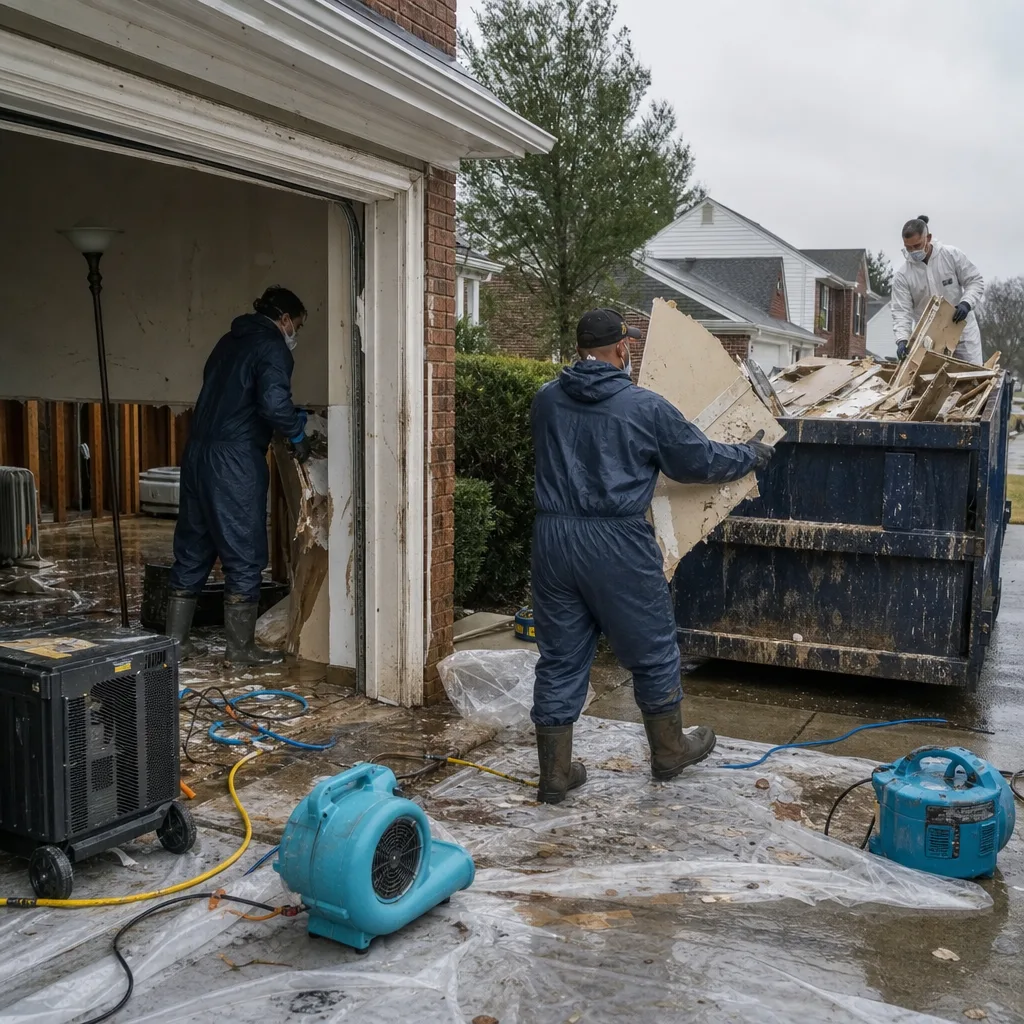
Flood Cleanup
Flood cleanup in College Point is rarely Category 1. Tidal surge carries bay sediment, petroleum residue, and biological contaminants. Combined sewer backups bring Category 3 blackwater. We test and classify before we treat, because treating Category 3 water as clean leaves pathogens in porous materials and voids your coverage. Our flood cleanup includes contaminated material removal, antimicrobial application to non-porous surfaces, and HEPA air scrubbing during the process. Every step is photo-documented with timestamp and location tags.
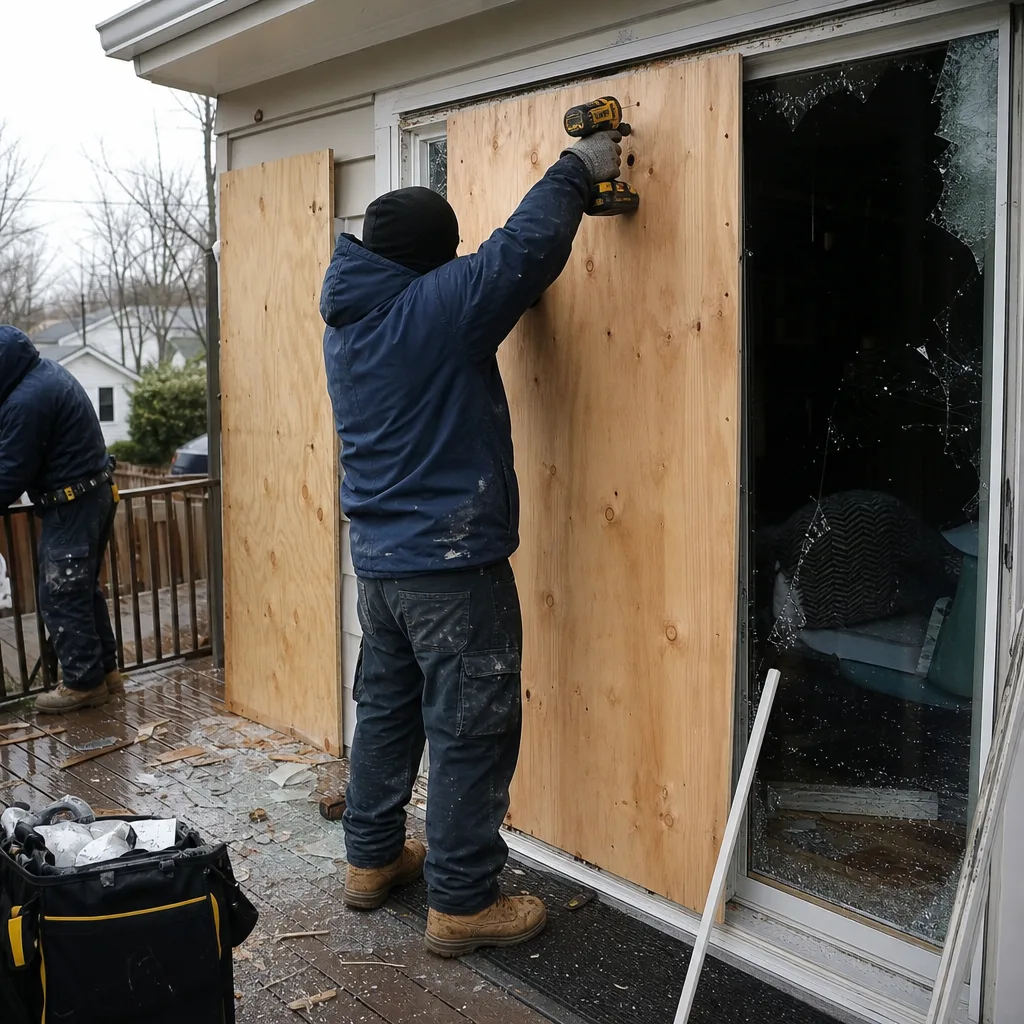
Burst Pipe Restoration
College Point’s older housing stock - wood-frame homes from the 1920s to 1950s with galvanized or early copper plumbing - sees burst pipe failures at higher rates than newer construction, especially in unheated crawl spaces and exterior walls during cold snaps. We extract, dry, and document the water damage, then coordinate with licensed plumbers for the repair. Our written scope separates mitigation from reconstruction so your insurer sees exactly what each trade costs.
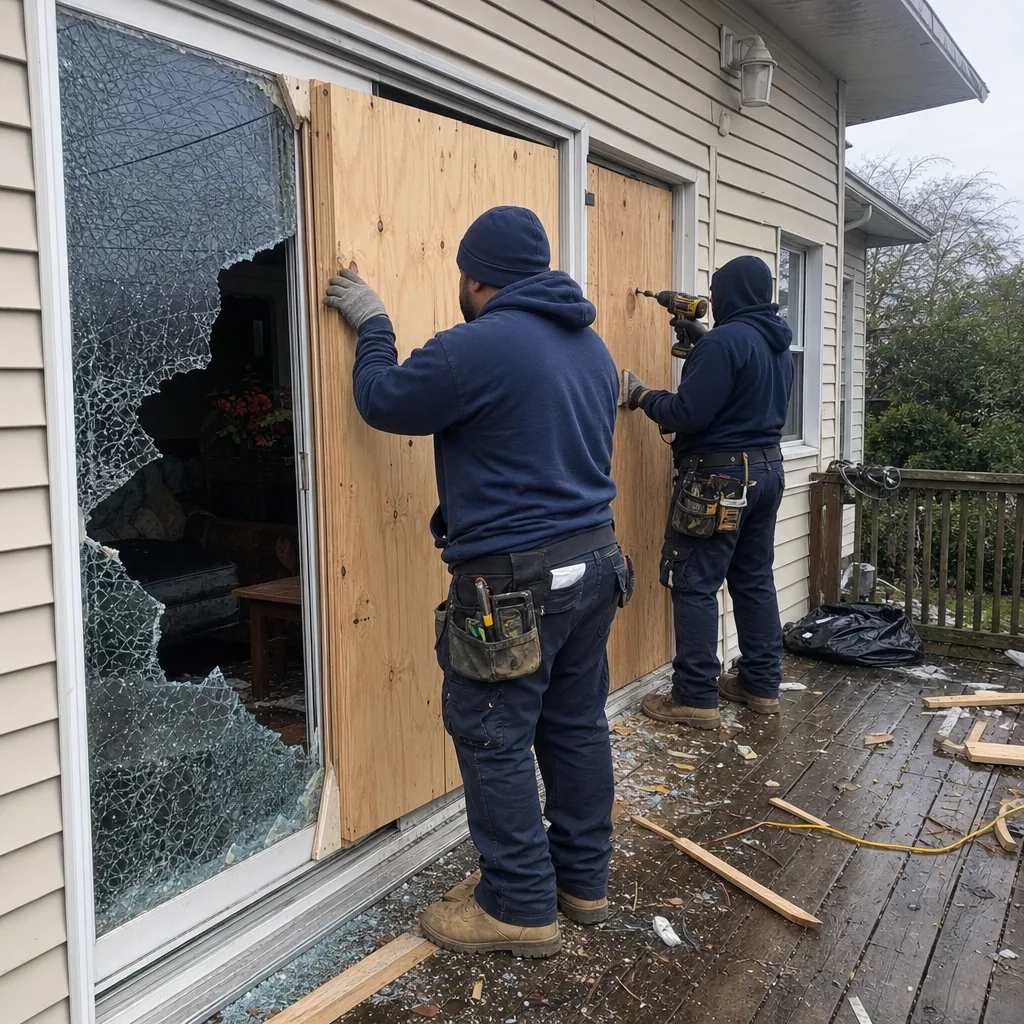
What happens when you call
- 1
A real person answersNo phone trees - you reach a local pro.
- 2
You get an upfront price rangeHonest numbers before anyone is dispatched.
- 3
A background-checked tech heads outLicensed & insured, dispatched right away.
- 4
You approve before work beginsNothing starts until you say go.
BeforeAfterTrusted Brands We Service in College Point
We don’t sell equipment, but we deploy it - and we know what works in College Point’s tight, dense housing. Our drying systems include Phoenix 200 MAX dehumidifiers for high-capacity vapor removal, XPOWER P-230AT air movers for directional drying in narrow rooms, and Injectidry floor and wall cavity systems that push dry air where standard equipment can’t reach. We stock B-Air ventilators for crawl-space work. Every machine is logged by serial number and run-time on your job record, so your adjuster can verify equipment rates against the drying log.
Common Water Damage Restoration Problems We See in College Point Homes
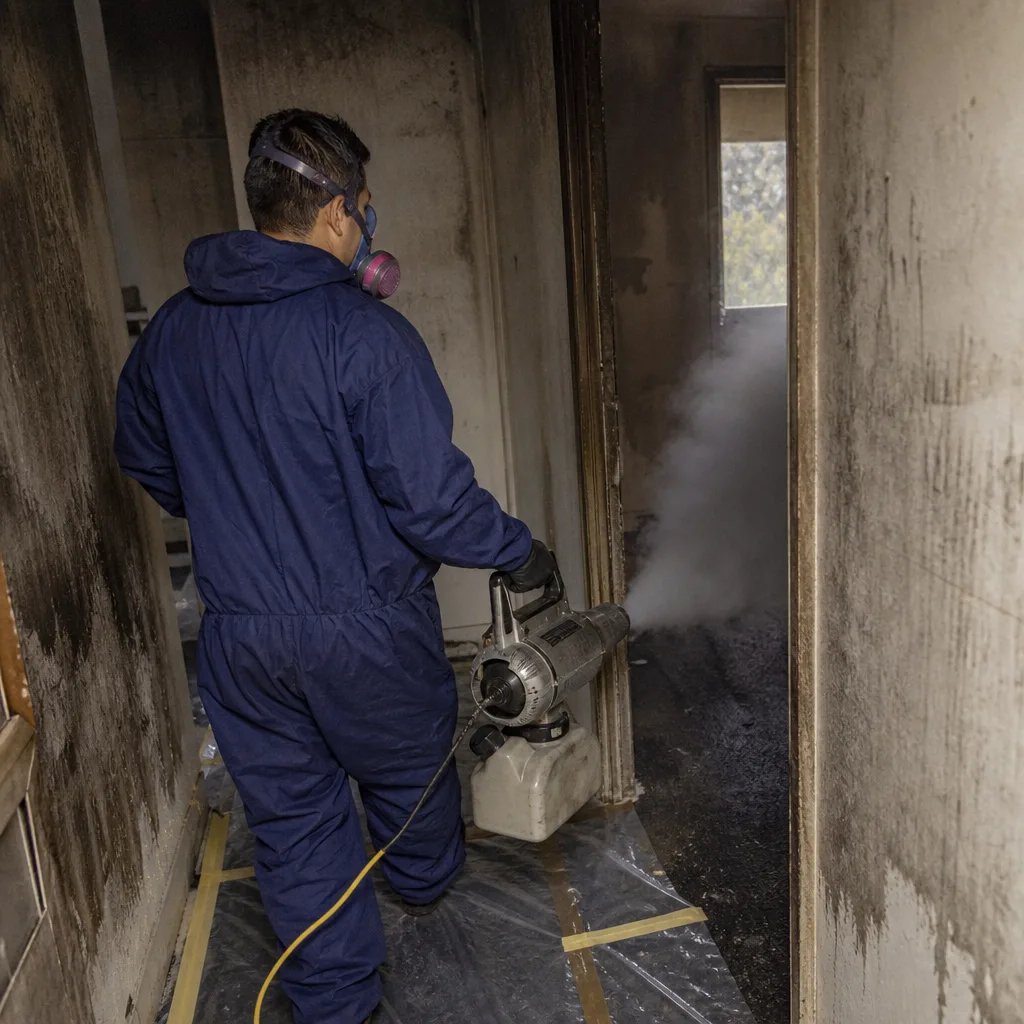
- Slab-rise flooding during power outages. College Point’s shallow water table keeps sump pumps running year-round. When coastal storms knock out power, groundwater pushes through the slab from below while surge may enter through windows or doors. The result: a basement that floods from underneath and above simultaneously, requiring sub-slab drying protocols most inland crews don’t encounter.
- Misclassified water sources. A homeowner sees clear water in the basement and assumes a clean-water leak. In College Point, that water often entered through a combined sewer backup or tidal overland flow. We test for contamination before we classify, because the wrong classification leaves Category 3 pathogens in drywall and insulation.
- Rapid mold colonization in old wood framing. The peninsula’s early-1900s wood-frame homes absorb floodwater deeply into studs and sill plates. With summer humidity regularly above 70% and poor cavity ventilation, mold can establish within 48-72 hours. Our moisture mapping targets the framing, not just the finish materials.
- Access constraints during surge events. College Point’s alley-load parking, narrow townhome driveways, and street flooding during storms can block standard box trucks. We deploy smaller extraction units and portable drying equipment when needed, and we know which blocks flood first - so we plan routes before we leave.
Pricing for Water Damage Restoration in College Point, NY
These are the ranges we see on College Point jobs, based on 12,000+ homes restored since 2011. Your written price, delivered before work starts, will reflect your specific moisture readings, affected square footage, and contamination classification.
| Service | Typical Range in College Point |
|---|---|
| Emergency water extraction (up to 1,000 sq ft) | $950-$1,800 |
| Structural drying & dehumidification (3-5 day cycle) | $1,400-$3,200 |
| Category 3 flood cleanup with contamination removal | $3,500-$7,800 |
| Basement water removal with sub-slab drying | $2,200-$4,600 |
| Ceiling/roof leak damage (interior mitigation only) | $1,800-$3,900 |
What moves the price: contamination level (Category 1 vs. Category 3), whether the slab is saturated from below, how many wall cavities require Injectidry panel drying, and whether contents pack-out is needed. We don’t scope-creep. Haven Standard, Clause 1: the written price you approve is the price you pay. Bring a competitor’s written estimate and we’ll review it free - our Free Second Opinion, no charge.
We Also Serve Cities Near College Point
Our crews work across northern and central Queens, including College Point and neighboring Flushing, Whitestone, Jackson Heights, and Bayside. Dispatch and scheduling are coordinated from our New York City office; crews serve each neighborhood locally with equipment staged for rapid response.
Serving College Point, NY - Our Local Coverage Area
We’re based in the College Point area and know this community well. Use the map below to see our service coverage - if you’re nearby, we can almost certainly help.
FAQs - Water Damage Restoration in College Point
Probably yes, if the water came from Flushing Bay overtopping, street flooding, or a combined sewer backup. Category 3 water contains pathogenic, toxigenic, or other harmful agents - bay sediment, sewage, petroleum residue - and requires removal of porous materials like drywall and carpet pad, plus antimicrobial treatment of non-porous surfaces. We test and classify on-site before treatment begins, then document the classification with photos for your claim. Call (516) 240-9735 for immediate assessment.
College Point sits on a peninsula with a very shallow water table, and much of the neighborhood is built on fill only a few feet above it. When a coastal storm raises the bay level - even without local rainfall - the hydraulic pressure pushes groundwater up through the slab. This is slab-rise flooding, common on the peninsula but rare in inland Queens. It requires sub-slab drying and vapor pressure management, not just surface water removal. Our moisture mapping finds it even when the floor looks dry on top.
Under typical summer conditions in College Point - 70%+ relative humidity, poor cavity ventilation in wood-frame construction with lath-and-plaster or older drywall - mold colonization can establish in 48-72 hours. The peninsula’s humidity stays elevated longer after storms due to the surrounding water, so the window is shorter than in drier inland areas. We begin moisture mapping and controlled drying within hours of arrival to stay ahead of it. Daily drying logs track our progress.
Yes. We know College Point’s alley-load configurations, narrow townhome driveways, and which blocks flood first during surge events. We deploy portable extraction and drying equipment when box trucks can’t access, and we coordinate with you on the best entry point before we leave. Our response time to College Point is typically 45-90 minutes, storm conditions depending. Call (516) 240-9735 and we’ll confirm route and ETA.
Yes, when contents are in the affected area or at risk of secondary damage during drying. We inventory, photograph, and pack out to secure storage, with documentation that feeds directly into your claim. Items are returned when the structure is dry and reconstructed. This is included in scope when needed, never an undisclosed add-on - Haven Standard, Clause 1 applies to the full job, not just the drying.
Written by Alicia Brennan, Owner at Back to Dry Restoration, serving College Point since 2011.