
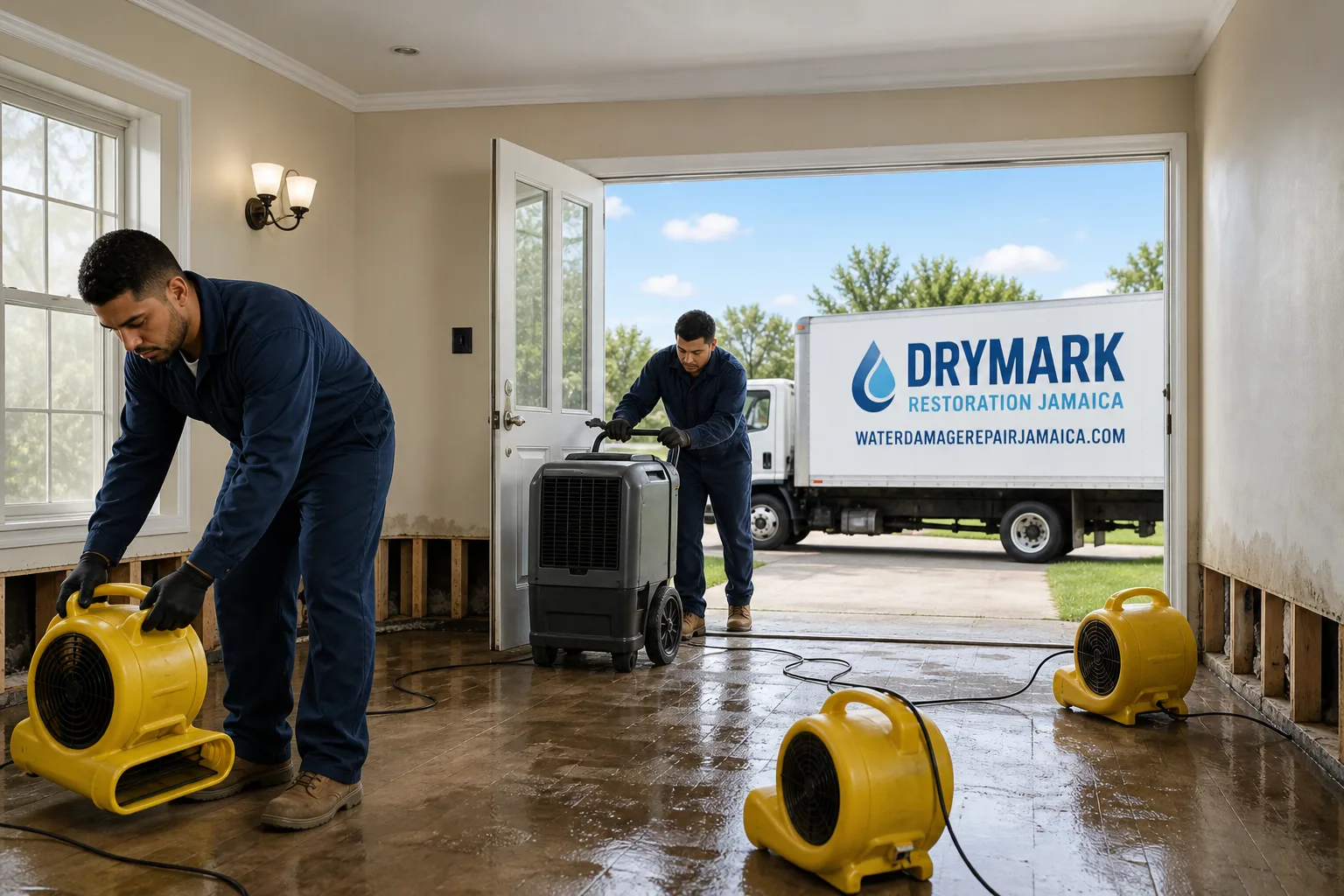
Free visual inspection and a written scope of work before any mitigation begins - photos, moisture readings, and drying logs go in your claim file
The scope we write is the scope we bill. Anything new gets shown to you, in writing, before we touch it.
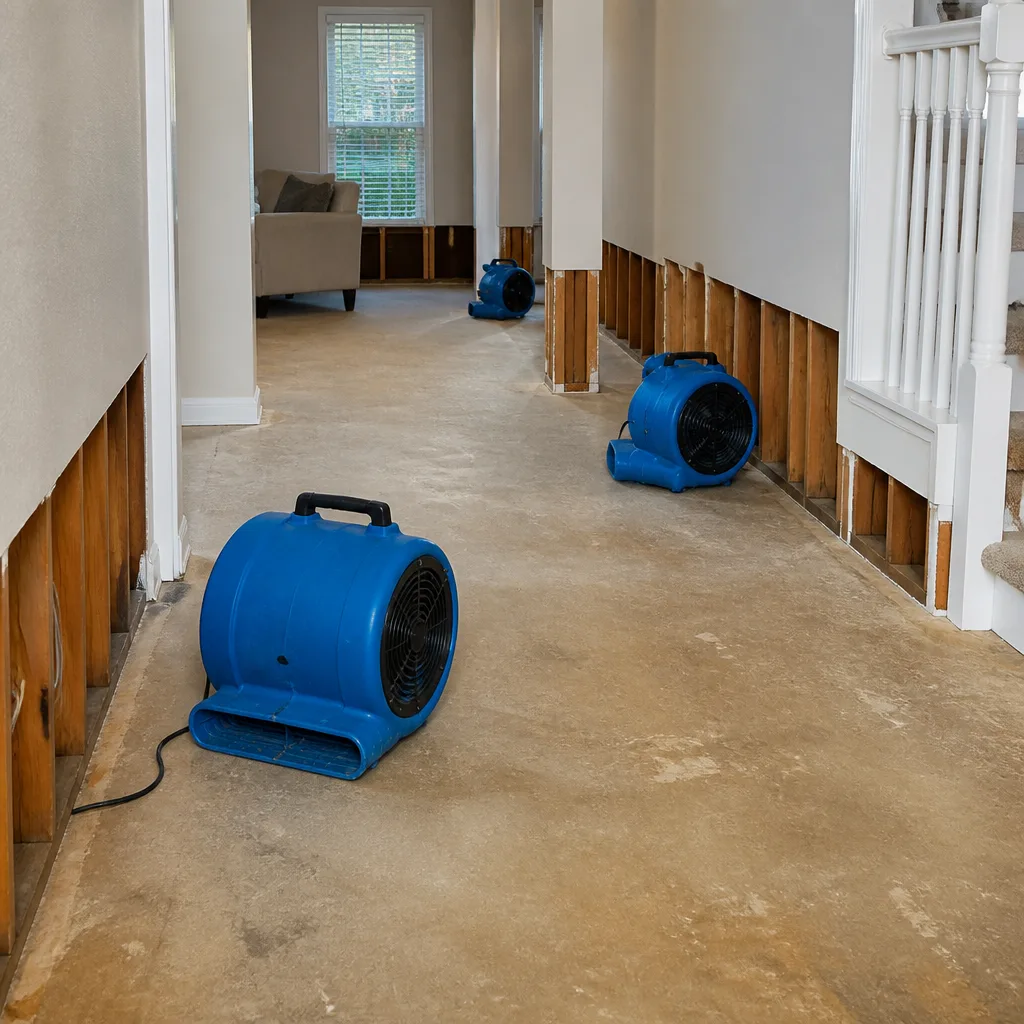
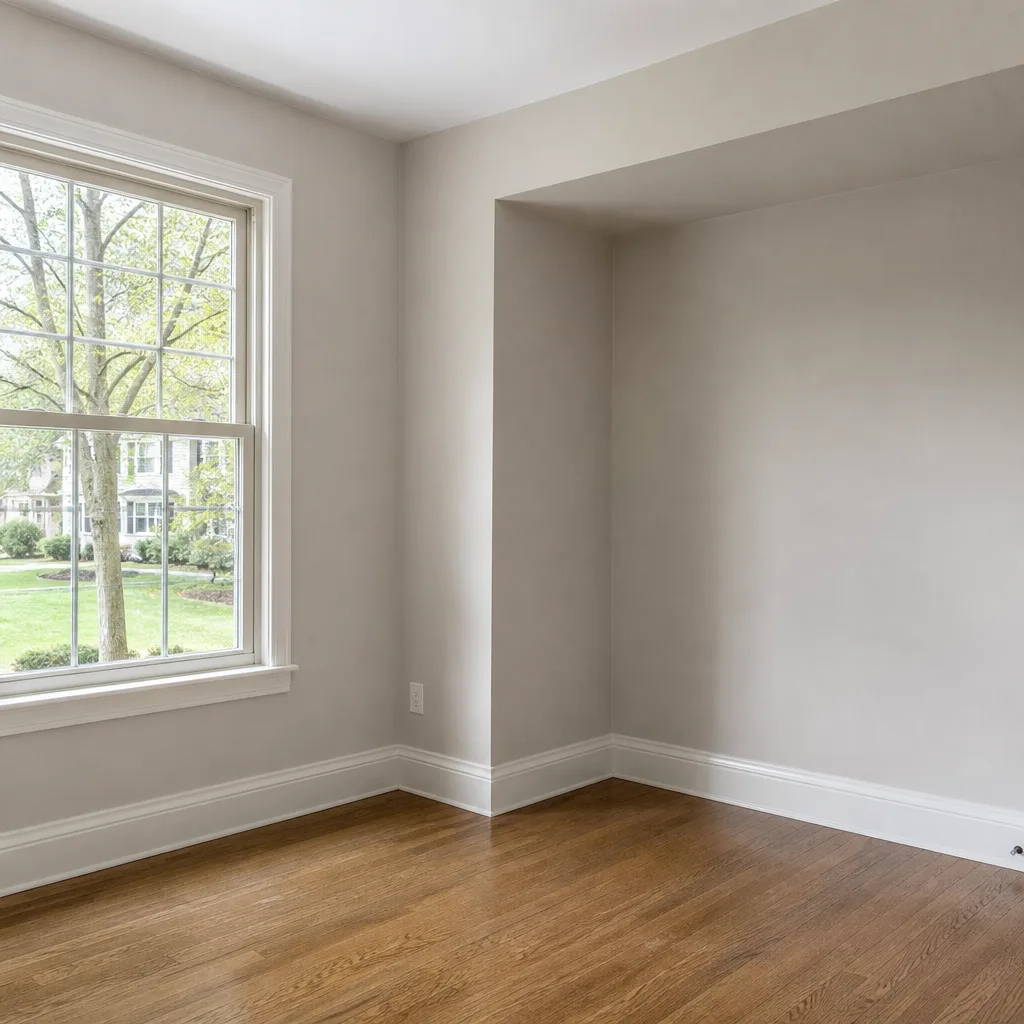
 Before
 After
After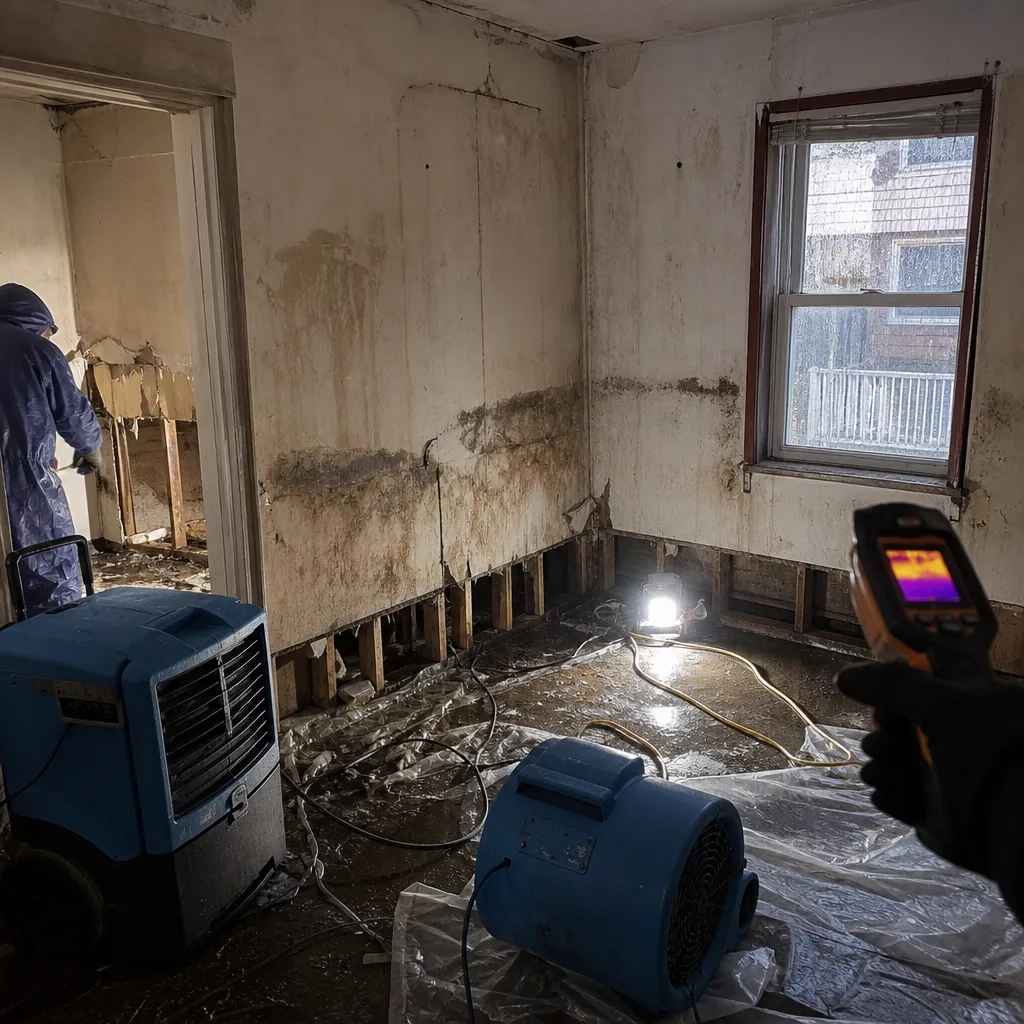 Before
 After
After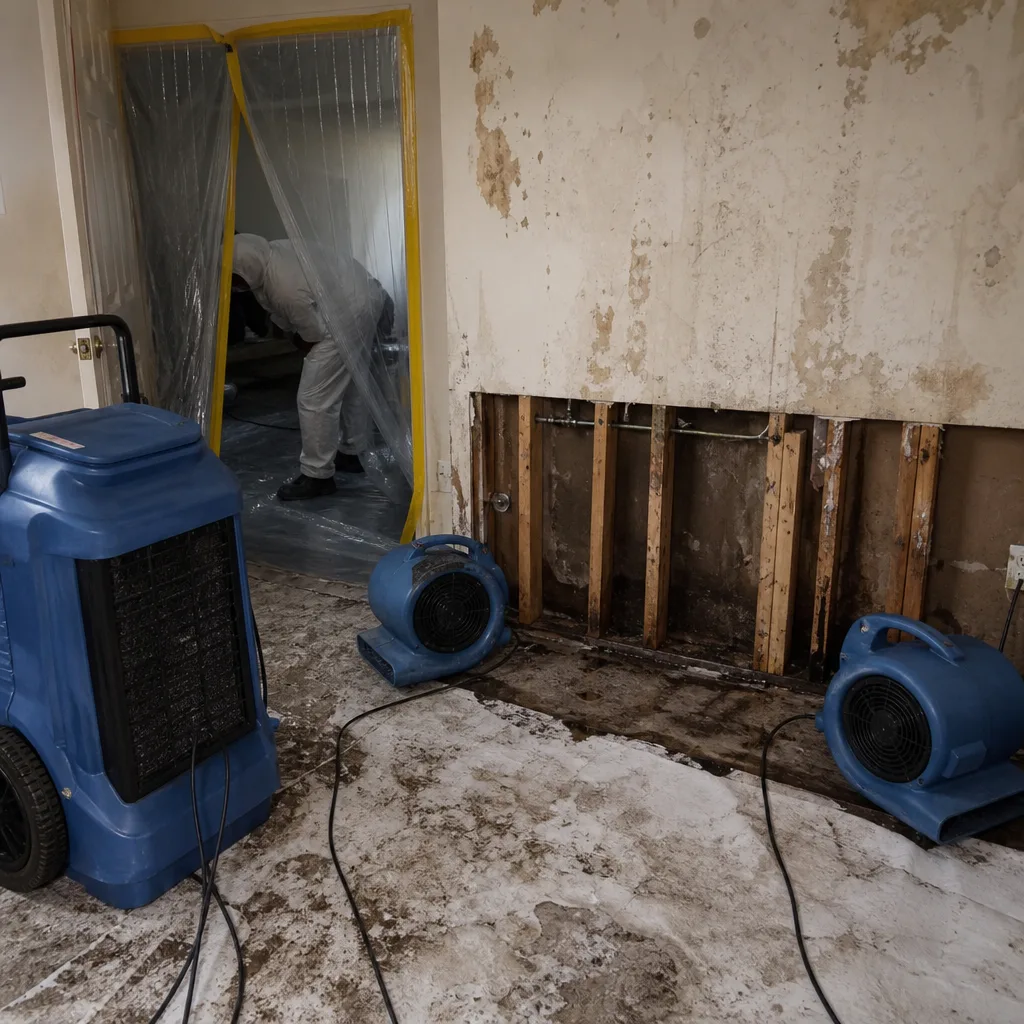 Before
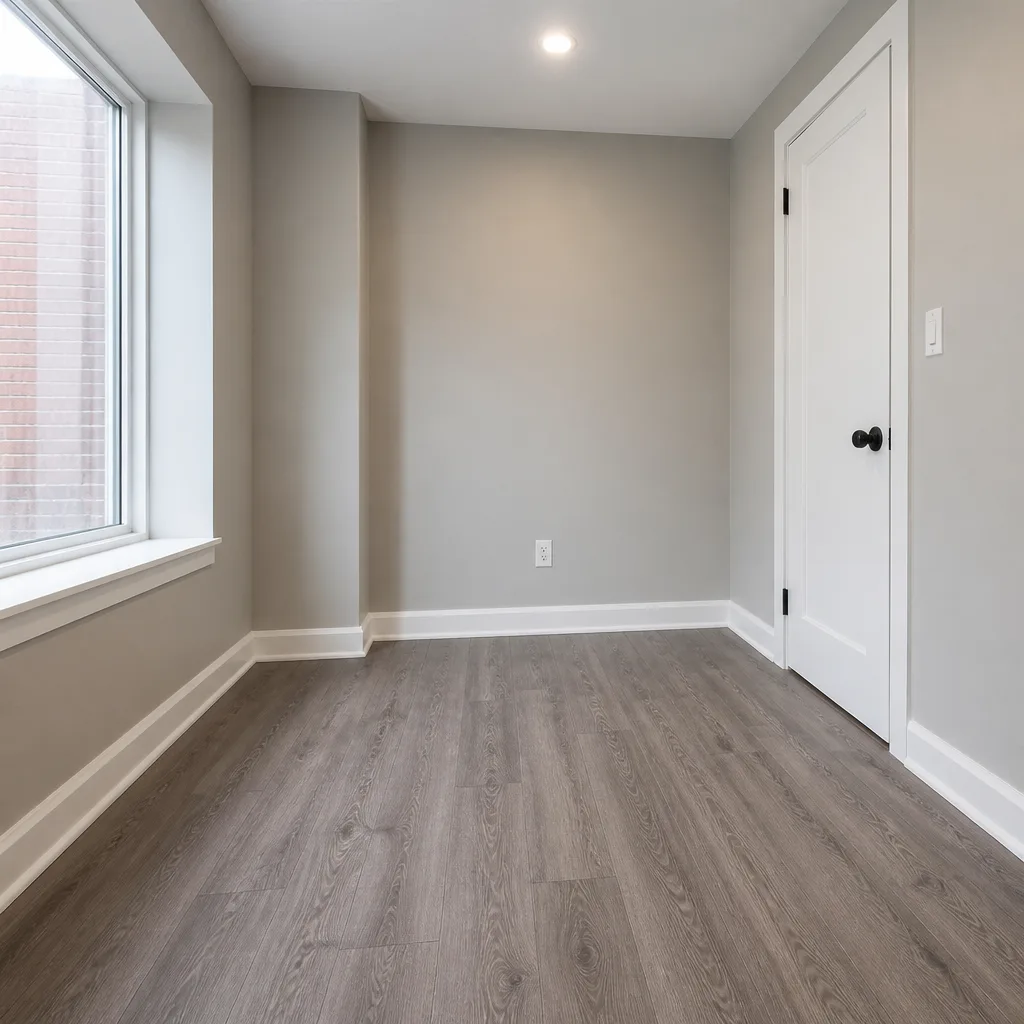 After
AfterFast, Reliable Water Damage Restoration Across Rego Park
Water damage restoration in Rego Park typically costs $2,800-$6,500 for a standard co-op unit with Category 2 water intrusion, with emergency water extraction available within 60-90 minutes of your call to (516) 240-9735. Our crews are dispatched from our New York City office and serve Rego Park locally, carrying the rolling-code lockboxes, key fob readers, and multilingual documentation needed for the neighborhood’s dense postwar co-op buildings. We’re familiar with the alley-load service entrances on 63rd Drive, the narrow loading zones behind Queens Boulevard buildings, and the co-op board protocols that determine whether your drying job starts tonight or next week.
Why DryMark Restoration Jamaica Is Rego Park’s Preferred Water Damage Restoration Company
Back to Dry Restoration has restored water damage in over 12,000 homes since 2011, and Rego Park’s stacked co-ops represent some of the most complex jobs we handle. Our Water Damage Restoration team is led by Alicia Brennan, a former claims adjuster who built the company around the documentation gap that costs homeowners their insurance payouts. In Rego Park specifically, that gap widens when a single failed supply line cascades through four to six units and no one documents which ceiling belongs to which HO-6 policy.
We answer our phones live, 24 hours a day, 7 days a week - no voicemail trees while water is still moving through your building. Our response time to Rego Park averages under 90 minutes for emergency calls. Every job receives a written price before work begins, a photo record on every visit, and daily drying logs formatted for direct submission to adjusters. Our 365-Day Done Right Promise is stamped on every job under The Haven Standard, not offered as a verbal afterthought.
Rego Park residents research before they call. We encourage it. Bring any competitor’s written estimate and we’ll provide a Free Second Opinion at no charge.
Our Water Damage Restoration Services in Rego Park
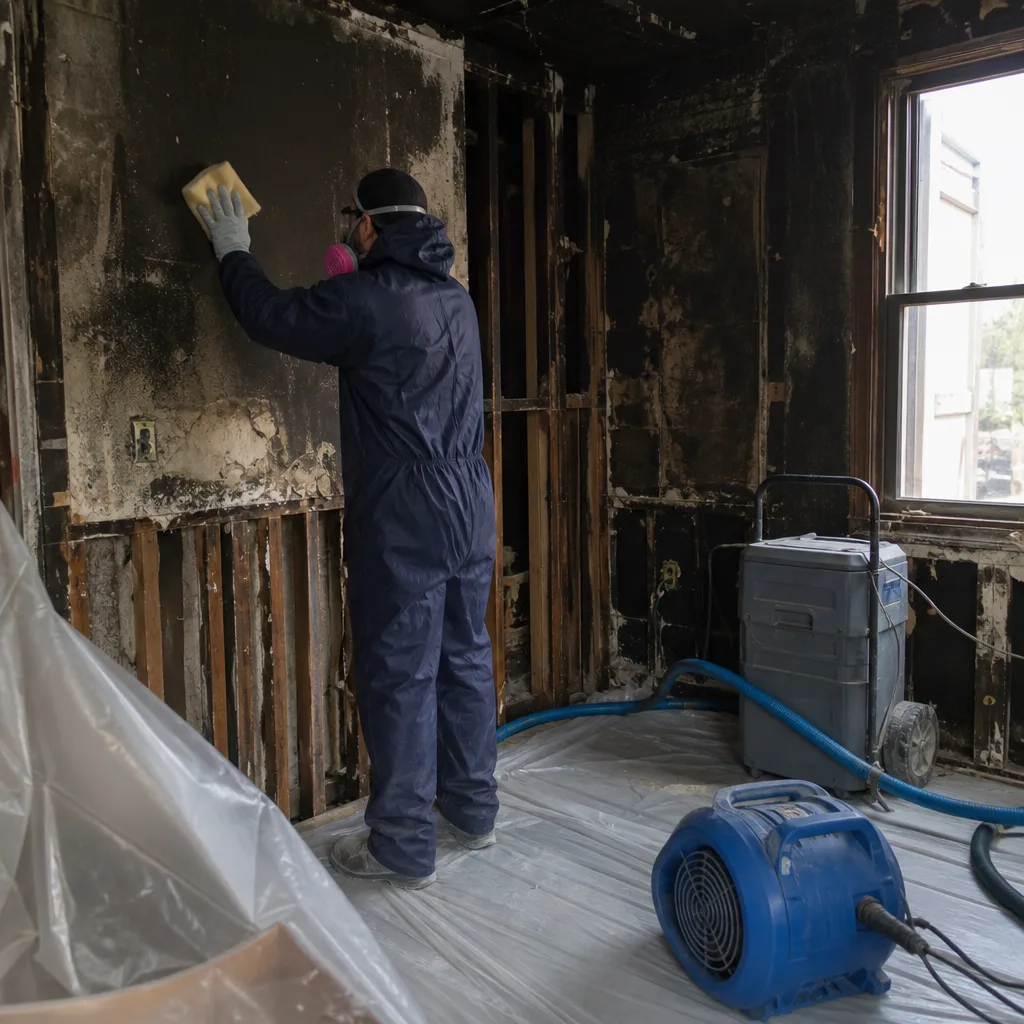
Emergency Water Extraction
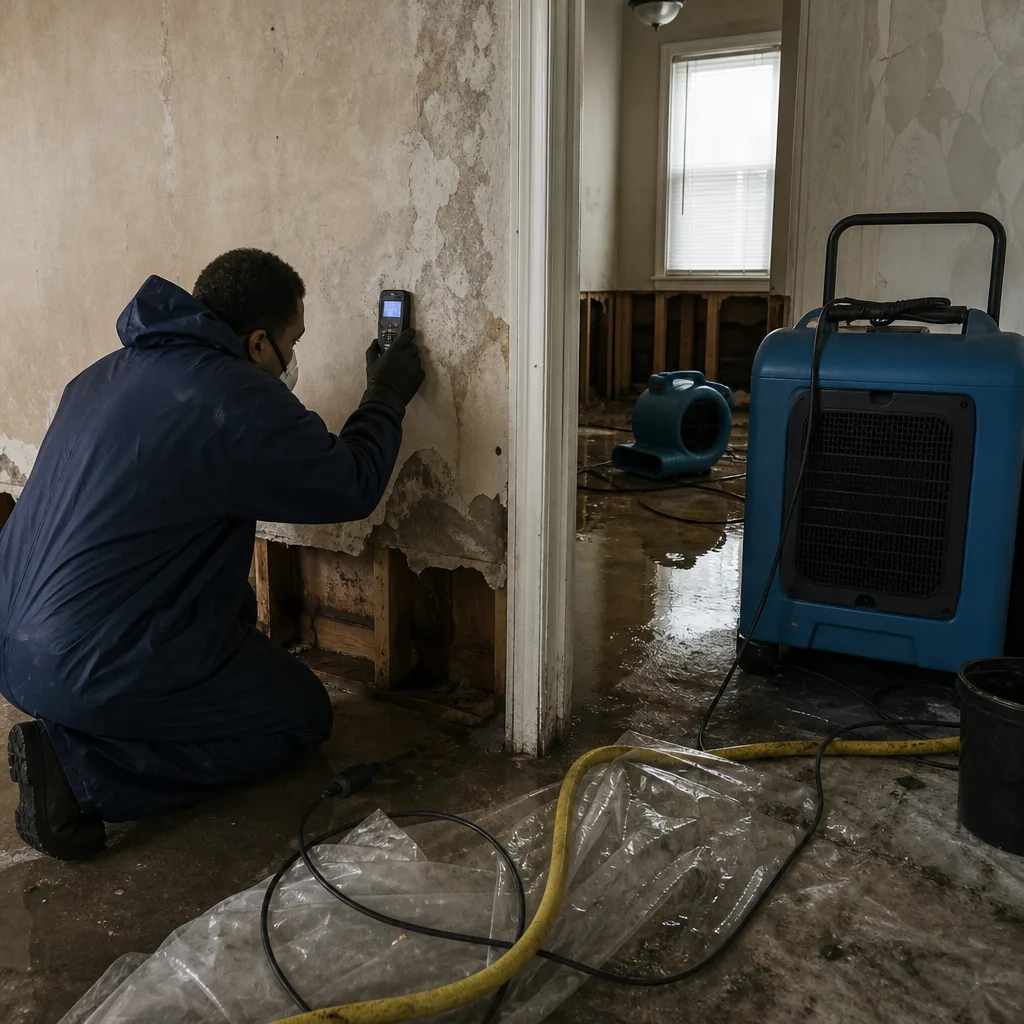
Speed matters in a Rego Park co-op because water doesn’t stop at your unit line. A failed galvanized riser in a 1960s building on 98th Street can saturate the ceiling of the unit below before you’ve finished calling your super. Our emergency water extraction crews carry portable, high-capacity extraction units from B-Air and XPOWER that fit through standard 32-inch co-op doorways and operate in buildings with limited elevator access. We extract standing water first, then deploy moisture detection to identify migration paths through concrete slabs and steel-framed walls. Haven Standard, Clause 1: your written price is delivered before extraction begins, even at 2 a.m.
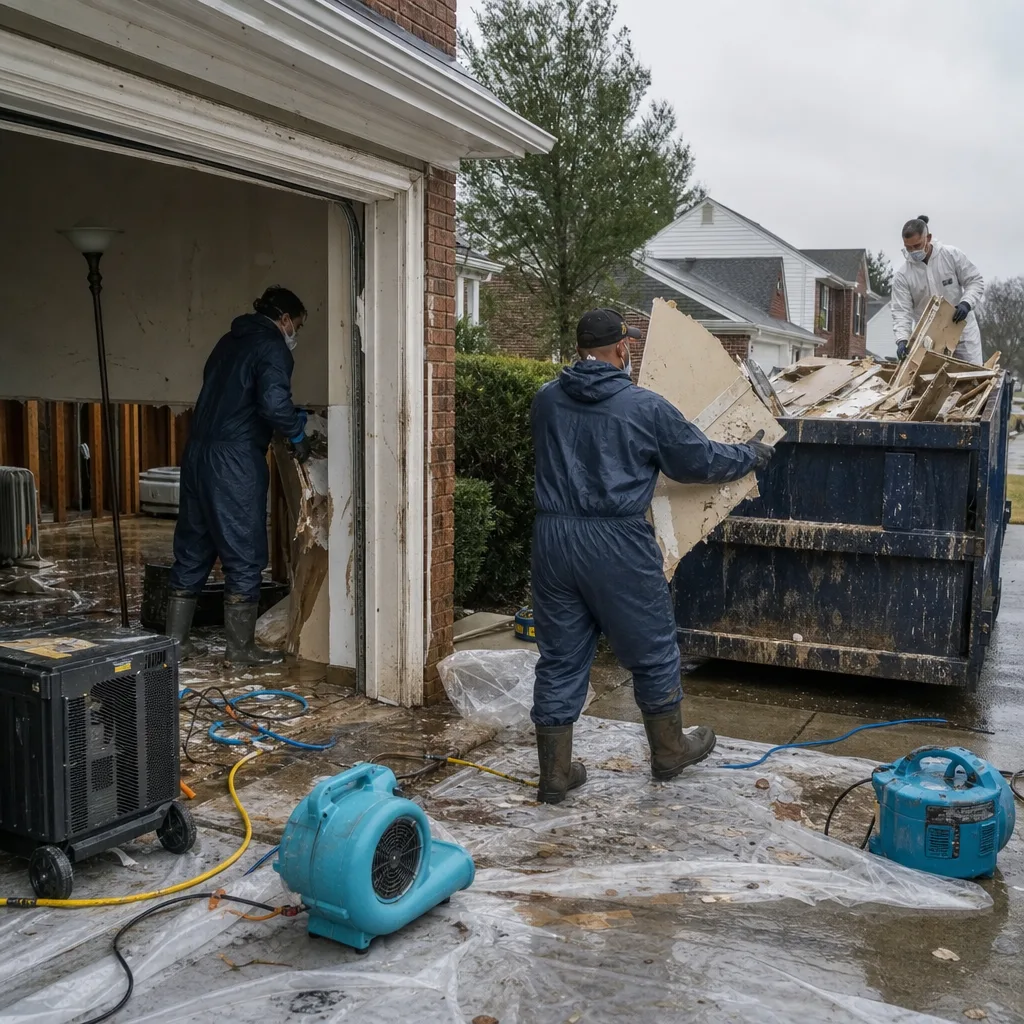
Structural Drying & Dehumidification
Postwar Rego Park co-ops present a drying challenge that single-family homes don’t: concrete construction, minimal wall cavities, and shared HVAC risers that redistribute moisture vertically. Our structural drying protocol begins with psychrometric data - temperature, relative humidity, and vapor pressure differential measured room by room - to calculate the exact dehumidification capacity needed. We deploy Phoenix LGR dehumidifiers and Dri-Eaz air movers sized to the affected cubic footage, not guesswork. Daily moisture readings are logged to IICRC standards and shared with your adjuster, your co-op board, and your HO-6 carrier. Tertiary drying, the final phase where hidden moisture is drawn from dense materials, often runs longer in Rego Park’s concrete-and-plaster construction than in wood-framed buildings elsewhere in Queens.
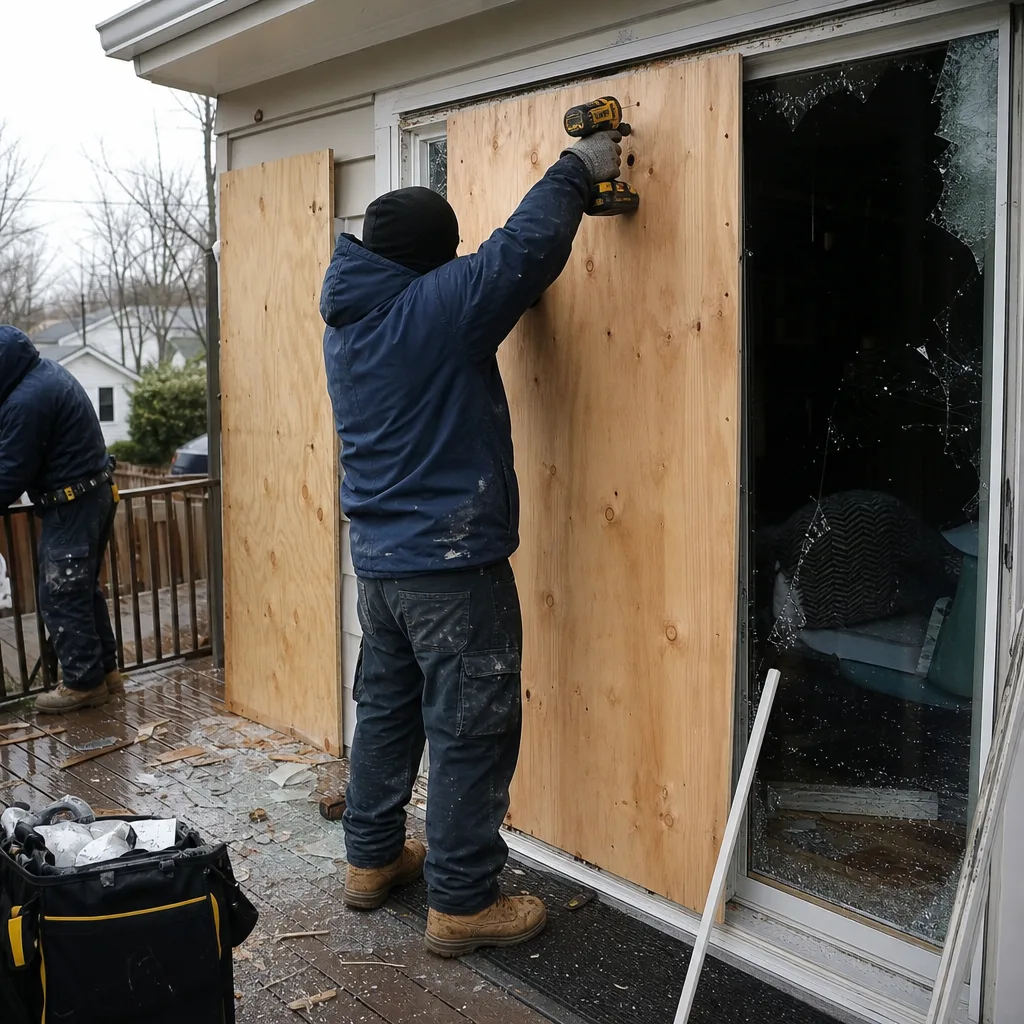
Flood Cleanup
Rego Park’s flat built-up roofs and aging parapet seams are a chronic source of flood damage during summer thunderstorms. When roof drains clog - common in buildings where maintenance schedules lag - water pools and finds the path of least resistance through multiple unit ceilings. Our flood cleanup process includes Category classification (1, 2, or 3), contaminated material removal, antimicrobial application where required by IICRC protocol, and full documentation for insurance. We coordinate directly with building supers to access common areas and roof spaces, and we document the source point for your claim file.
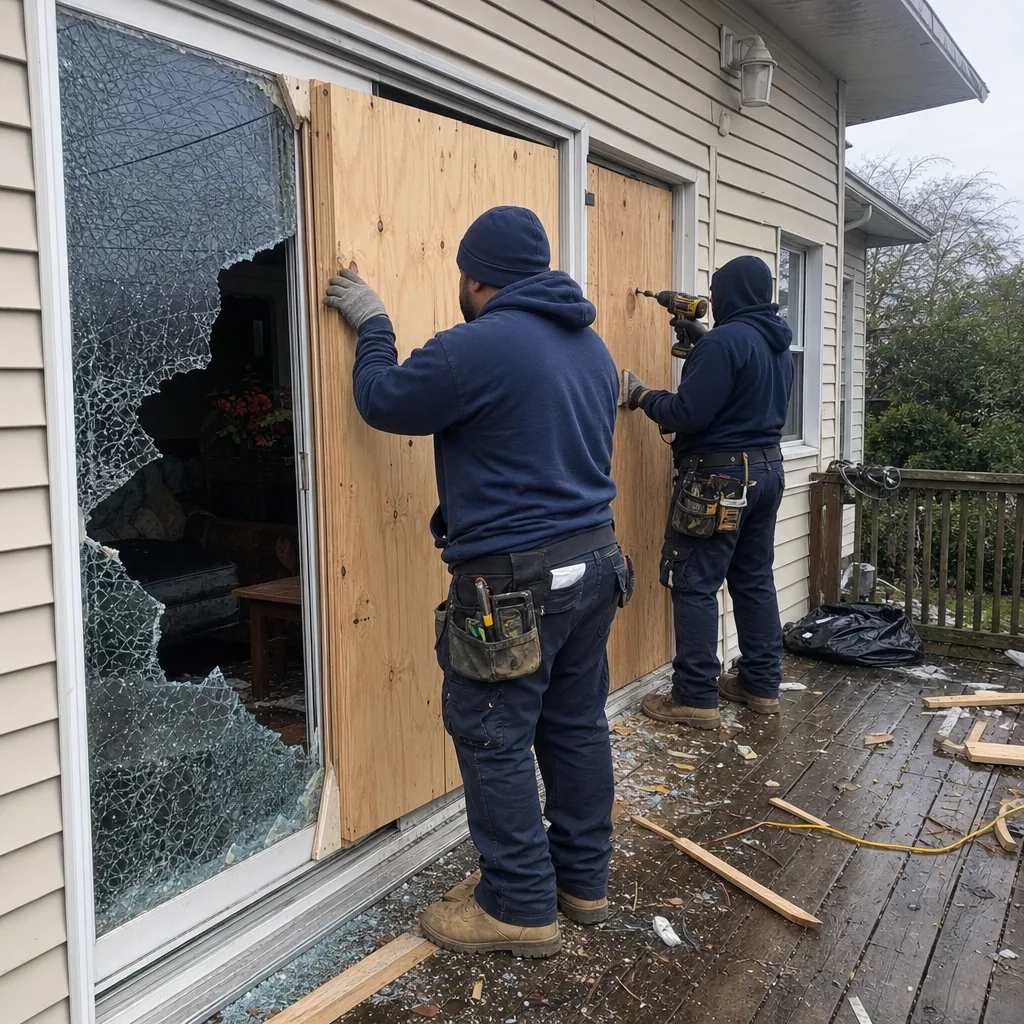
Burst Pipe Restoration
Queens’ freeze-thaw cycling each winter produces a predictable spike in burst pipe calls across Rego Park. The neighborhood’s original galvanized steel supply risers, installed in the late 1940s through mid-1960s, corrode from the inside and fail without warning - often at the threaded joints between floors. Our burst pipe restoration service includes emergency water shutoff coordination with building maintenance, extraction of released water, moisture mapping across all affected units, and full structural drying. We document the pipe material, the failure mode, and the extent of migration for your insurance claim. In buildings with Russian-speaking supers and board members, our crews communicate directly in Russian to coordinate access and pack-out schedules without the delays of third-party translation.
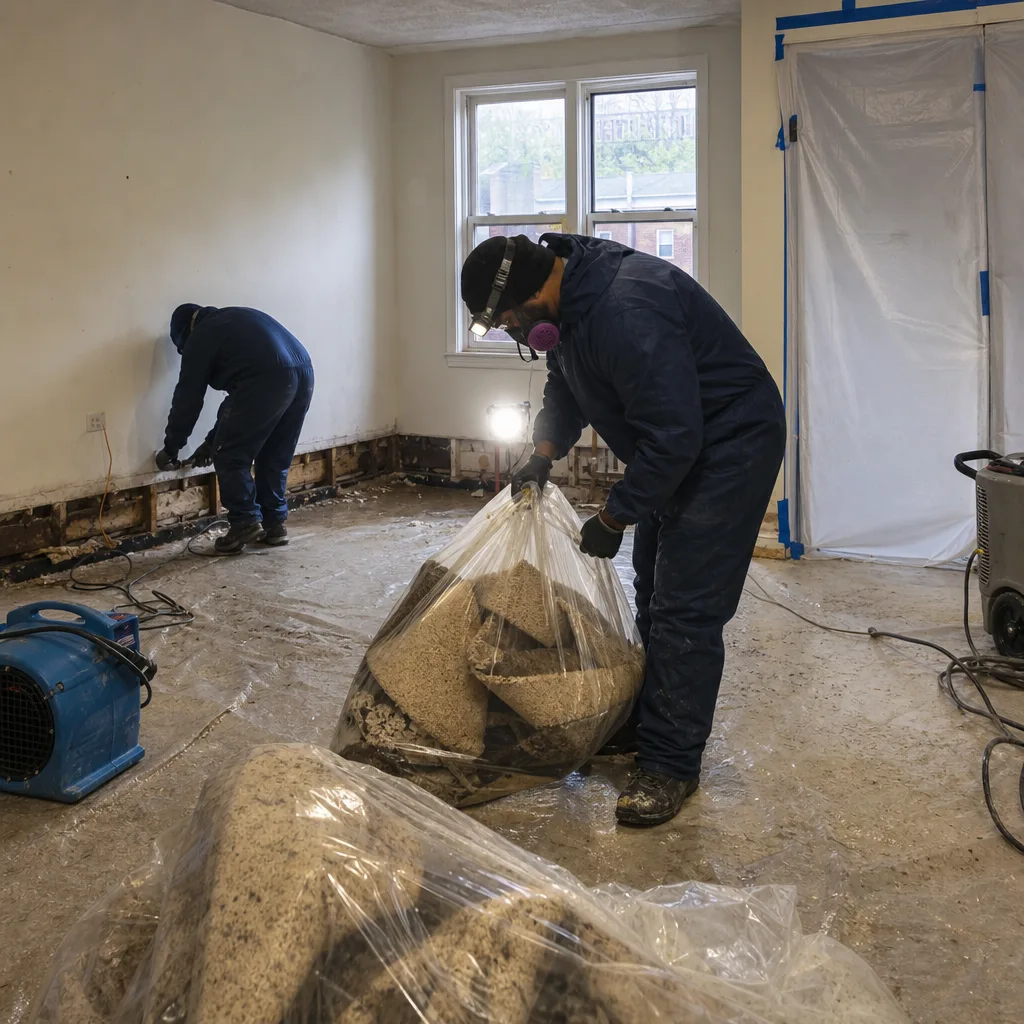
What happens when you call
- 1
A real person answersNo phone trees - you reach a local pro.
- 2
You get an upfront price rangeHonest numbers before anyone is dispatched.
- 3
A background-checked tech heads outLicensed & insured, dispatched right away.
- 4
You approve before work beginsNothing starts until you say go.
BeforeAfterTrusted Brands We Service in Rego Park
We deploy professional-grade drying systems from Dri-Eaz, Phoenix, XPOWER, B-Air, and Injectidry on every Rego Park job. These aren’t brand names for marketing; they’re the equipment that produces the documented airflow, dehumidification capacity, and moisture removal rates that insurers recognize and pay for. Our Injectidry systems handle the tight wall cavities and minimal clearance spaces common in Rego Park’s postwar construction, where standard ducting won’t fit. Every machine’s output is logged daily and included in your job file.
Common Water Damage Restoration Problems We See in Rego Park Homes
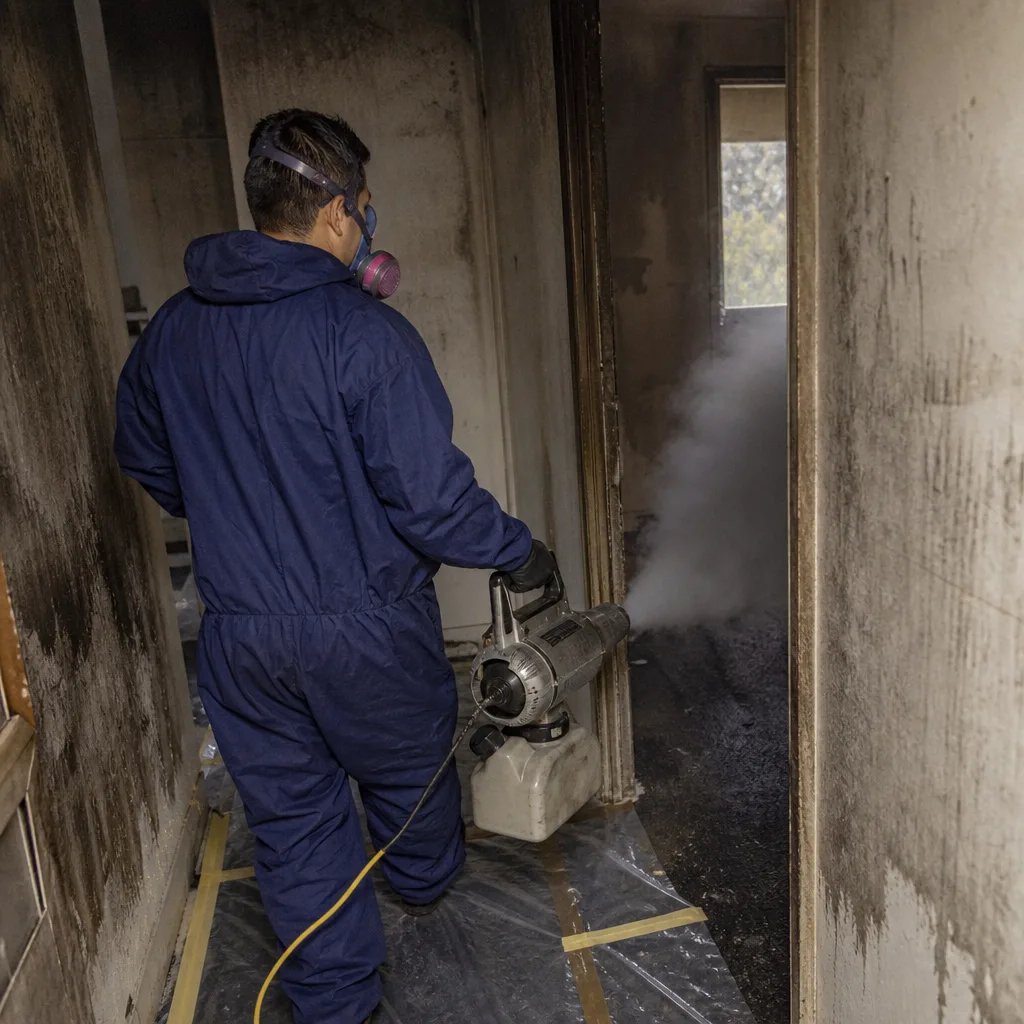
- Multi-unit cascade from single riser failures. A burst galvanized supply line on the eighth floor of a Rego Park co-op routinely sends water through four to six stacked units. Restoration crews who treat this as a single-unit job miss moisture mapping on lower floors, leaving hidden damage that triggers mold claims six months later.
- Insurance confusion between master policy and HO-6 coverage. Co-op corporations carry master policies for common areas and building systems; shareholders carry HO-6 policies for unit interiors. When water crosses that boundary, undocumented scope splits delay approval and leave gaps in drying coverage.
- Access stalled by security-focused building systems. Rolling-code remotes, key fobs, and locked alley-load service doors are standard in Rego Park co-ops. Crews without the right access tools or Russian-language coordination with building staff lose critical hours while Category 2 water sits beyond the 24-48 hour mold window.
- Recurring intrusion from flat roof failures. Aging parapet seams and clogged interior roof drains on Rego Park’s postwar high-rises send water through the same unit ceilings year after year, often misdiagnosed as plumbing leaks until someone traces the source to the roof membrane.
Pricing for Water Damage Restoration in Rego Park, NY
Water damage restoration pricing in Rego Park reflects the complexity of co-op buildings and the multi-unit documentation required. Emergency water extraction for a standard one-bedroom co-op unit runs $1,200-$2,400. Structural drying and dehumidification for the same space, including daily moisture logs and IICRC documentation, adds $1,600-$3,200 depending on material saturation and drying days needed. Burst pipe restoration involving multiple affected units typically ranges $4,500-$8,500, with the upper end reflecting co-ordination with multiple HO-6 carriers and extended tertiary drying in concrete construction.
Flood cleanup from roof intrusion starts at $2,000-$3,500 for source control and initial extraction, with additional costs for contaminated material removal if Category 2 or 3 water is involved. Every price is written before work begins, with no scope-creep additions once our crew is inside your building. Haven Standard, Clause 1. Call (516) 240-9735 for a free estimate - we’ll review your situation and deliver a written price you can compare.
We Also Serve Cities Near Rego Park
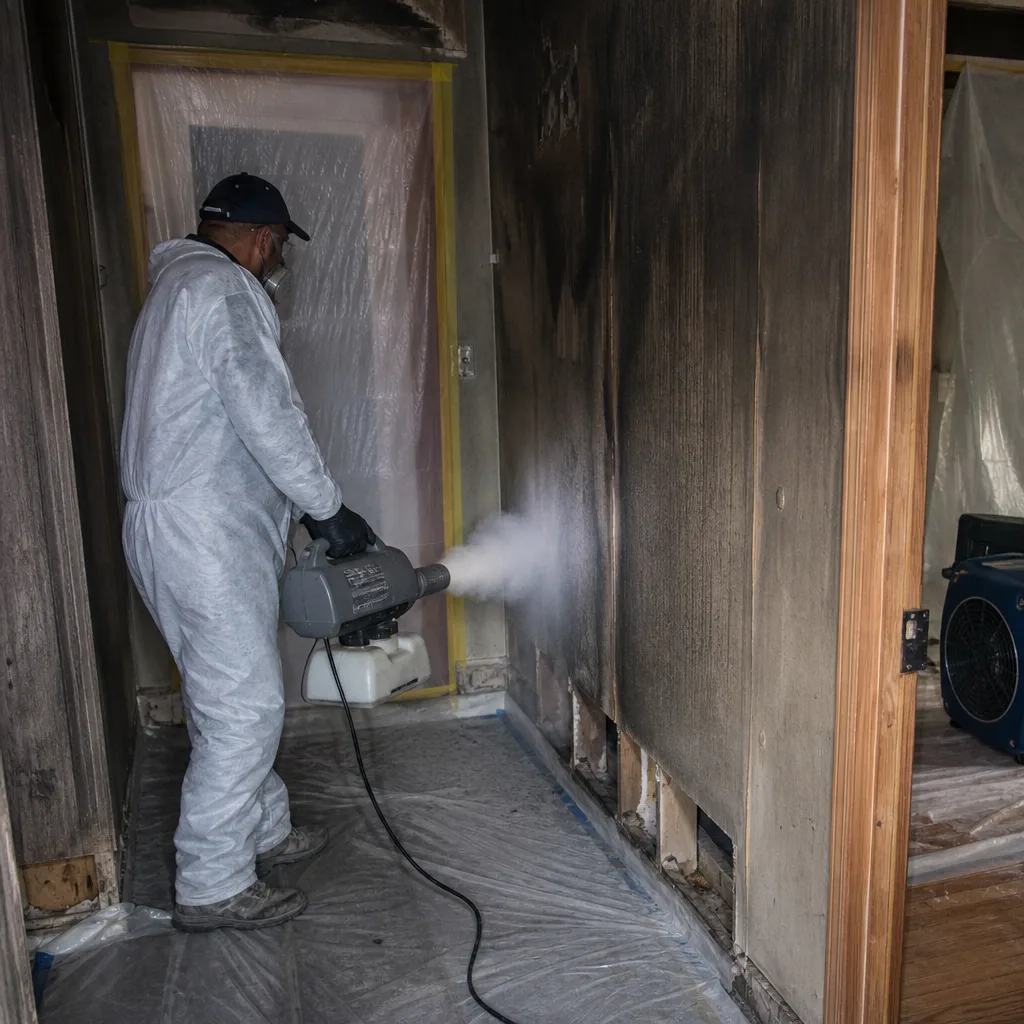
Our crews respond daily throughout central Queens, including Water Damage Restoration in Rego Park and neighboring Forest Hills, Elmhurst, Middle Village, and Jackson Heights. Each area presents distinct building stock and insurance structures, and our documentation protocols adapt accordingly.
Serving Rego Park, NY - Our Local Coverage Area
We’re based in the Rego Park area and know this community well. Use the map below to see our service coverage - if you’re nearby, we can almost certainly help.
FAQs - Water Damage Restoration in Rego Park
A single supply line failure in a Rego Park co-op typically damages four to six stacked units, requiring separate documentation for the co-op corporation’s master policy and each shareholder’s HO-6 policy. Our crew maps moisture across all affected ceilings, identifies the source point, and produces scope splits that each carrier can process without dispute. Call (516) 240-9735 for a free estimate - we’ll review your building’s insurance structure before work begins.
Rego Park’s postwar co-ops retain original galvanized steel supply risers that corrode internally for decades before failing suddenly, and Queens’ freeze-thaw cycling each winter accelerates stress at threaded joints between floors. Summer thunderstorms expose the same buildings’ aging window-frame caulking and brick mortar, creating a year-round pattern of water intrusion that peaks in January and July. Call (516) 240-9735 for a free estimate - we’ll inspect your riser condition and document findings for your board.
Yes. Our portable extraction units fit through standard 32-inch co-op doorways, and we carry rolling-code lockboxes and key fob readers for buildings with restricted access. We coordinate loading and equipment staging with building supers to minimize disruption to common areas. Call (516) 240-9735 for a free estimate - we’ll confirm access protocols for your specific building before dispatch.
Category 1 water is clean supply line water; Category 2 contains contaminants from dishwasher or washing machine discharge; Category 3 is sewage or floodwater with pathogens. The category determines antimicrobial requirements, material removal protocols, and whether your HO-6 policy covers full replacement or only drying. In Rego Park’s stacked co-ops, a Category 2 release from an upper unit often becomes Category 3 by the time it reaches lower floors through contaminated building cavities. Call (516) 240-9735 for a free estimate - we’ll classify your water source and document accordingly.
Our crews communicate directly in Russian with Rego Park building staff to coordinate access, pack-out schedules, and drying logistics without translation delays. This language access closes jobs faster and produces the documentation accuracy that Russian-speaking board members require for insurance submission. We responded to a burst galvanized riser in a 1962 co-op on 63rd Drive that sent Category 2 water through five floors, communicating entirely in Russian with the building super to coordinate sensitive item removal while running daily drying logs for the board and each shareholder. Call (516) 240-9735 for a free estimate - we’ll match language access to your building’s staff.
Written by Alicia Brennan, Owner at Back to Dry Restoration, serving Rego Park since 2011.