
Last updated September 23, 2026
Free visual inspection and a written scope of work before any mitigation begins - photos, moisture readings, and drying logs go in your claim file
The scope we write is the scope we bill. Anything new gets shown to you, in writing, before we touch it.
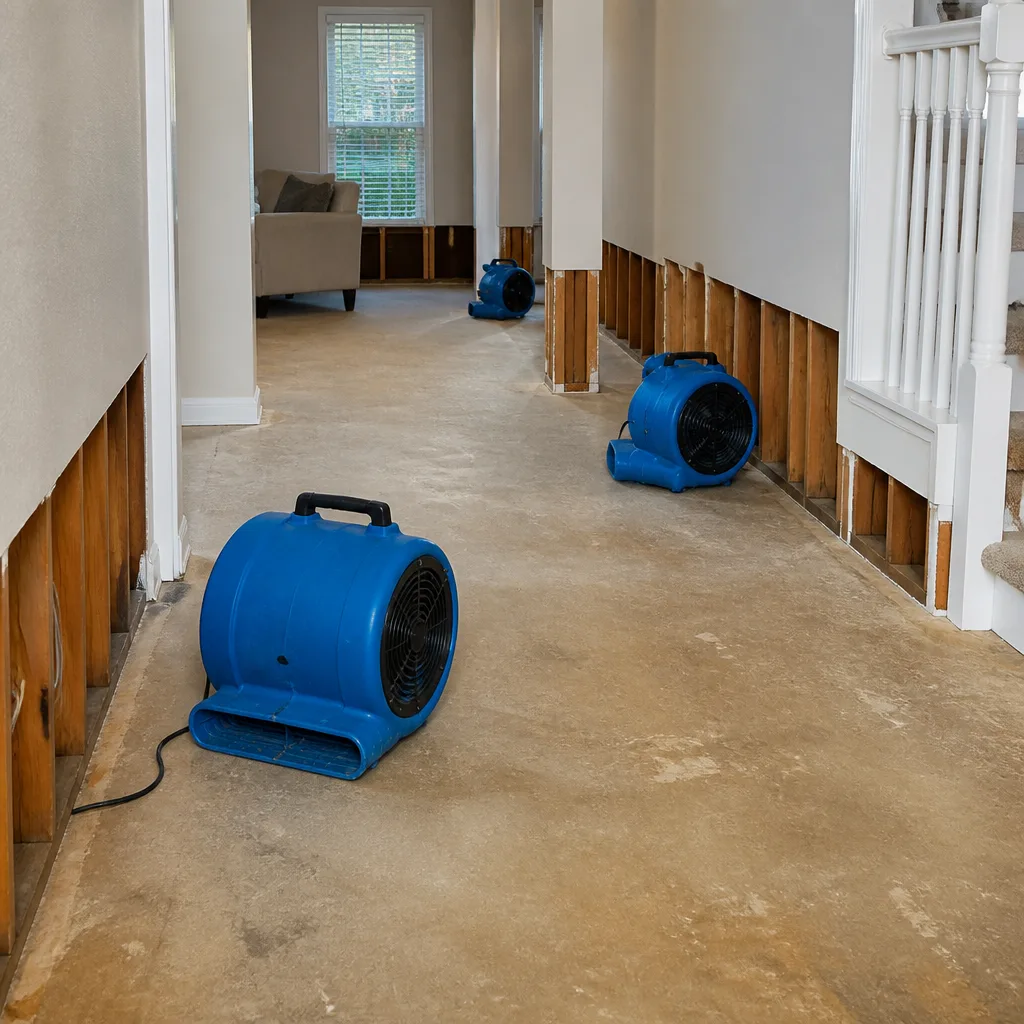
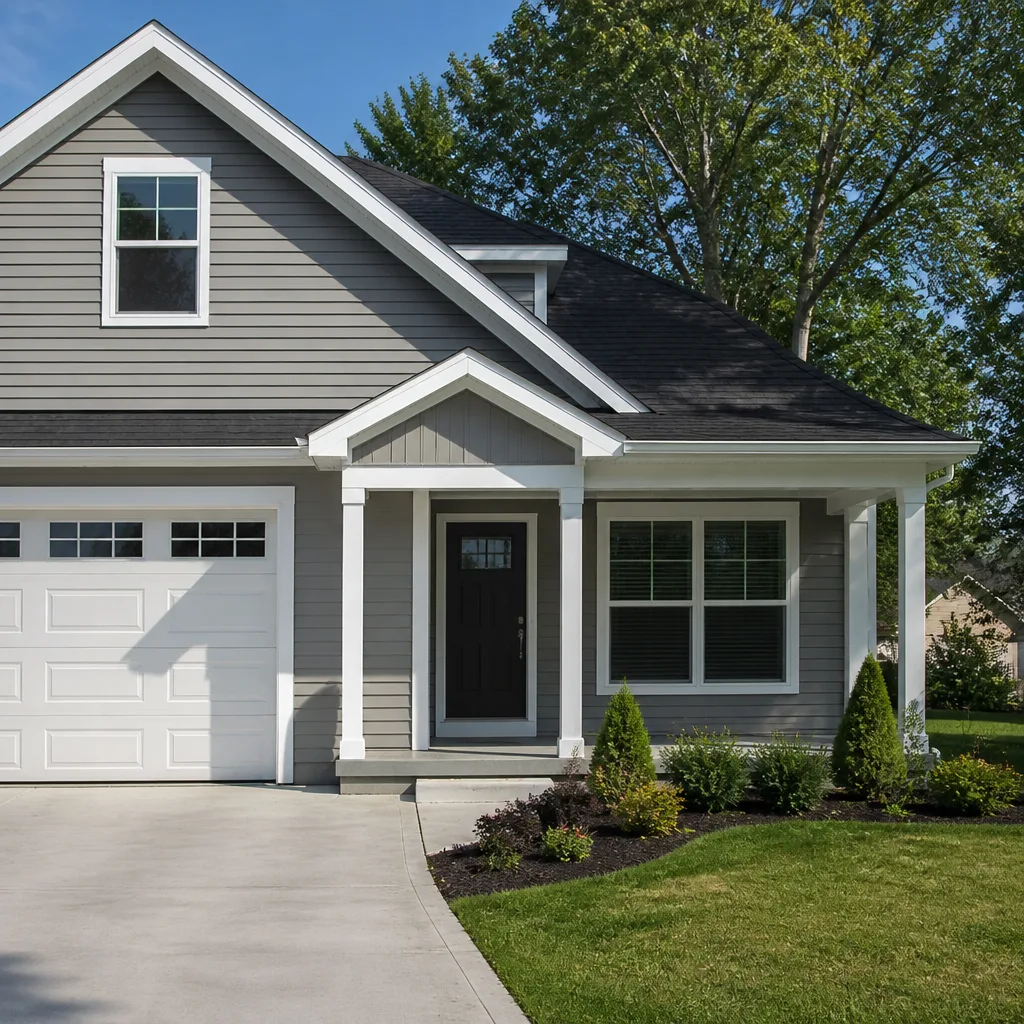
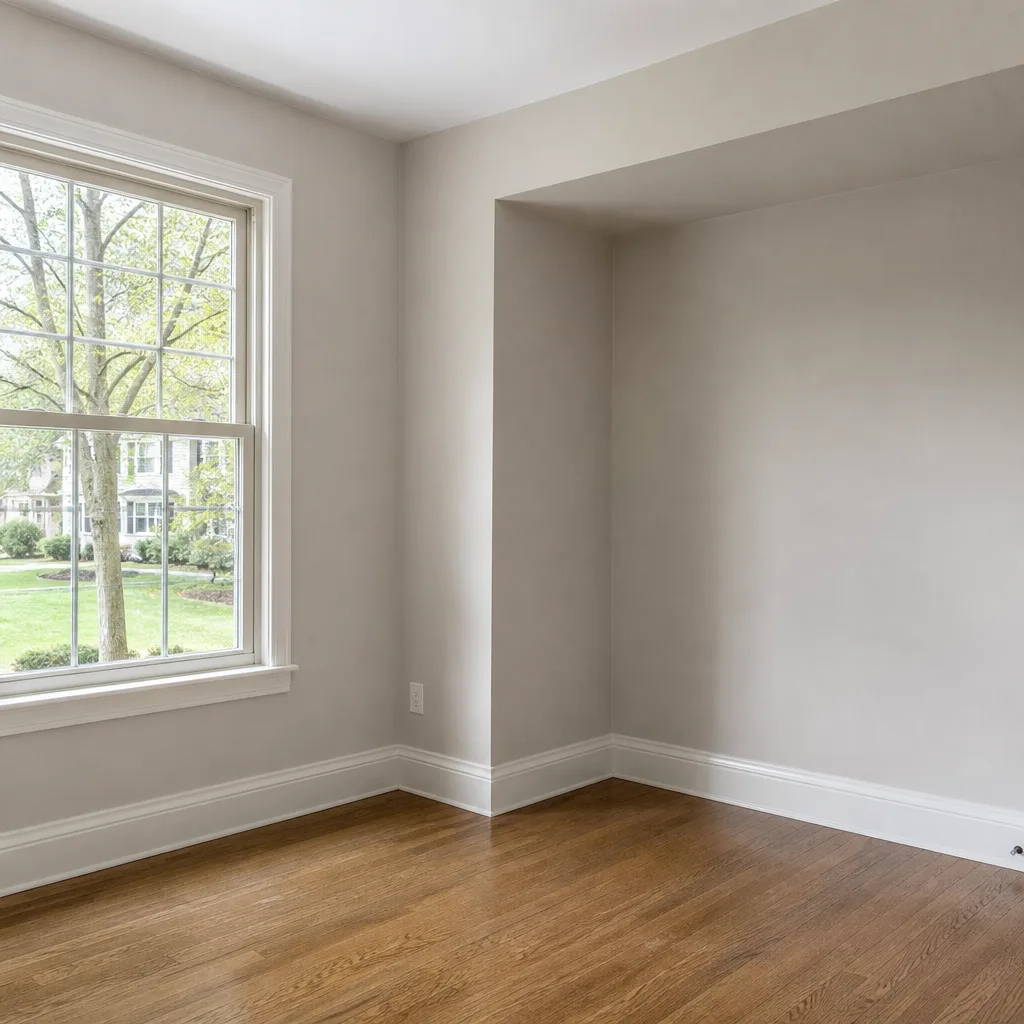
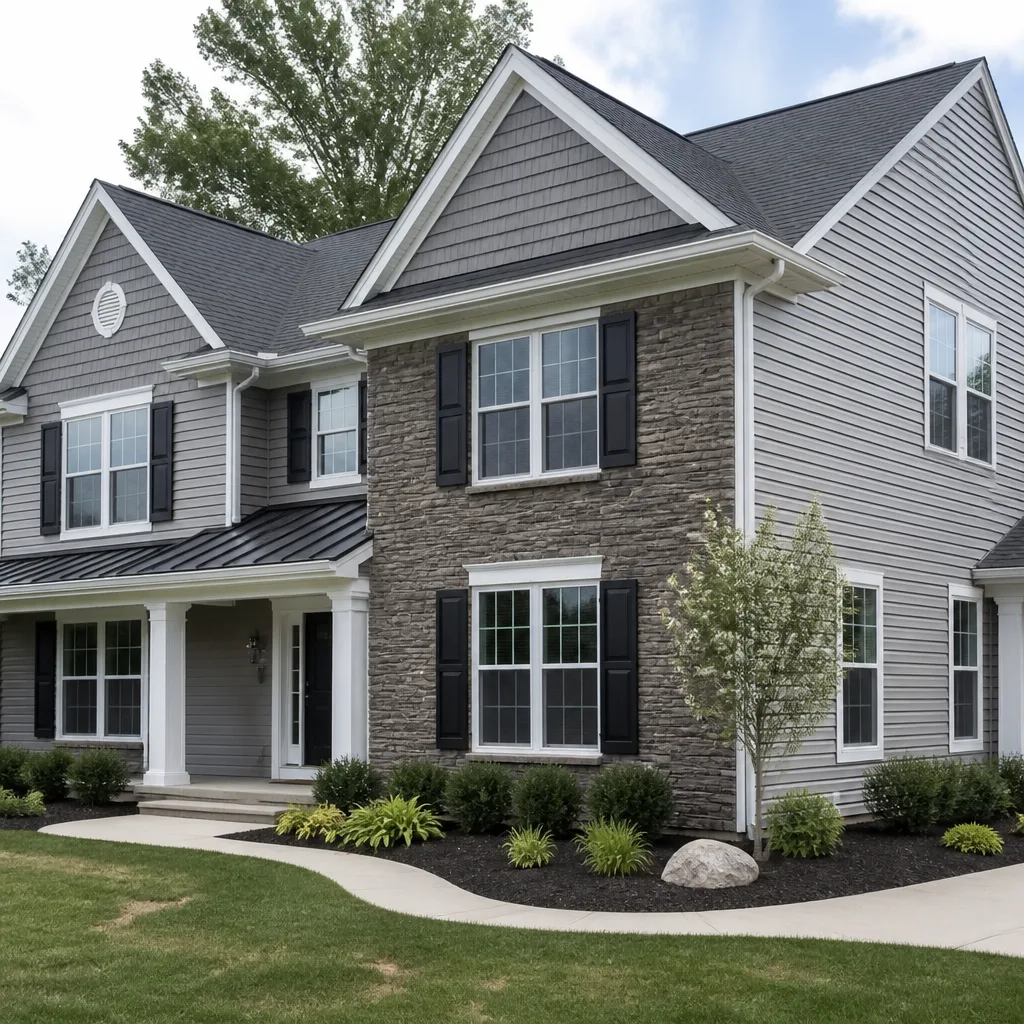
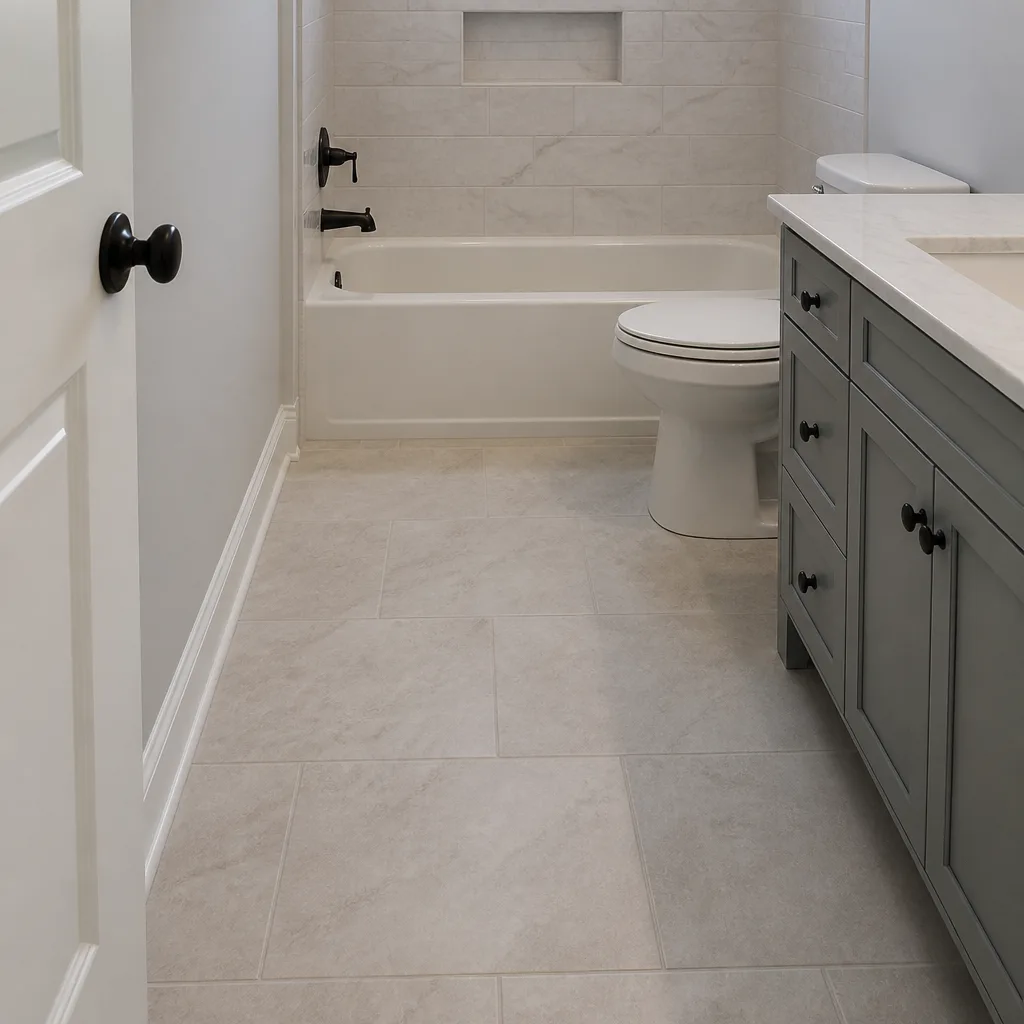
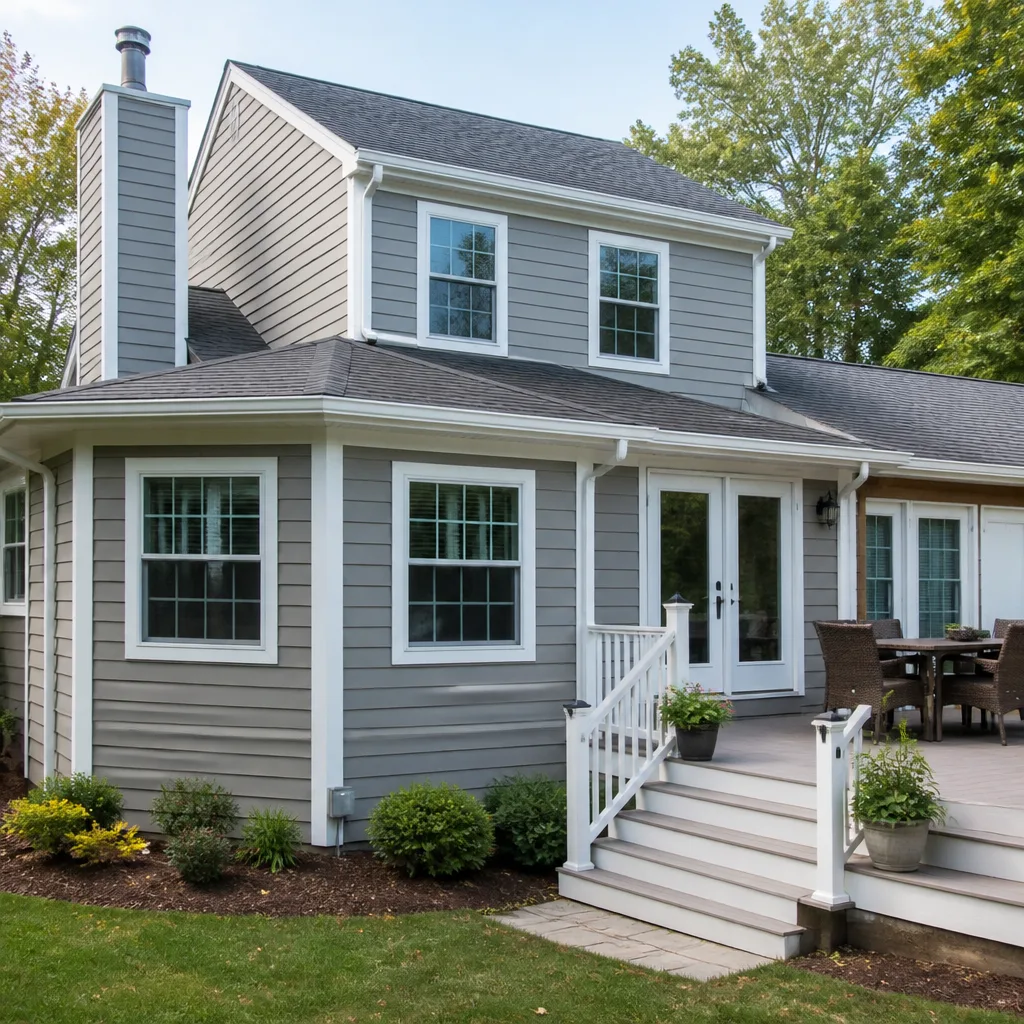
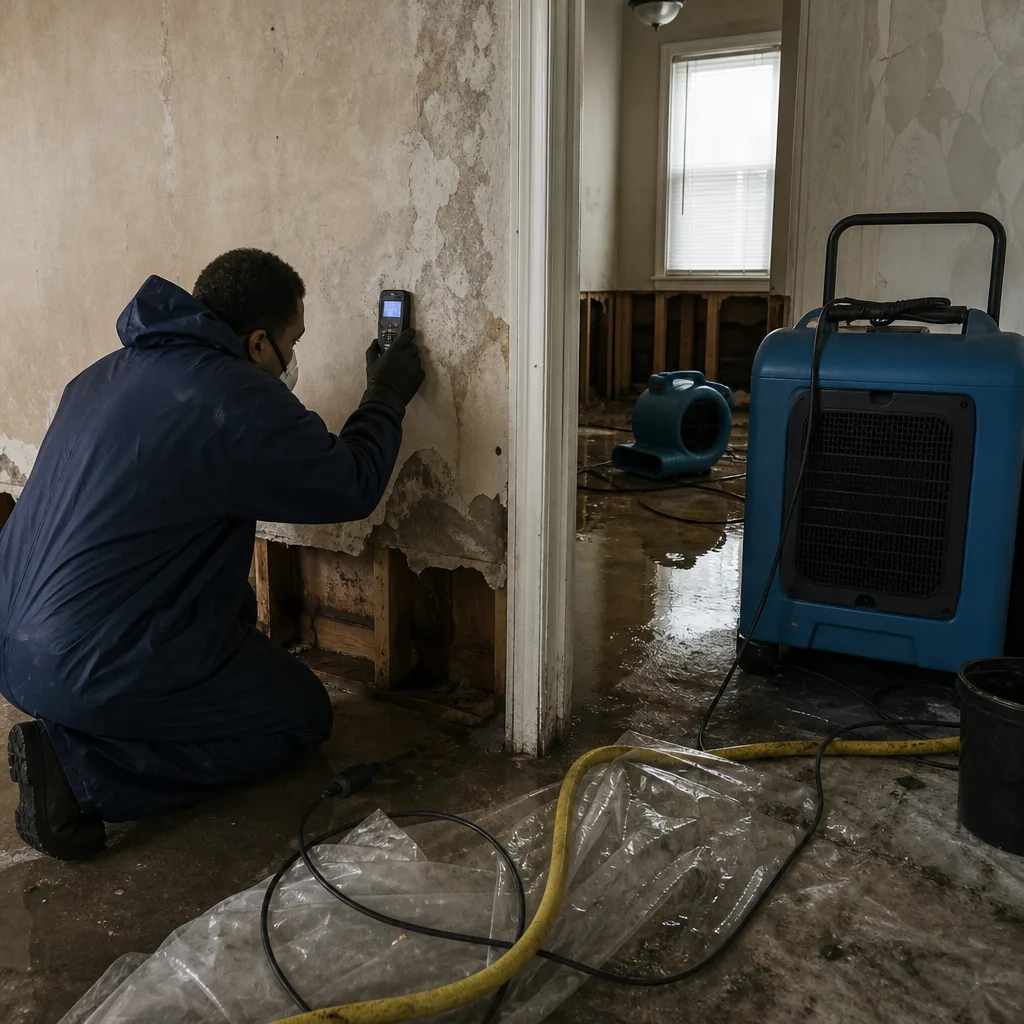 Before
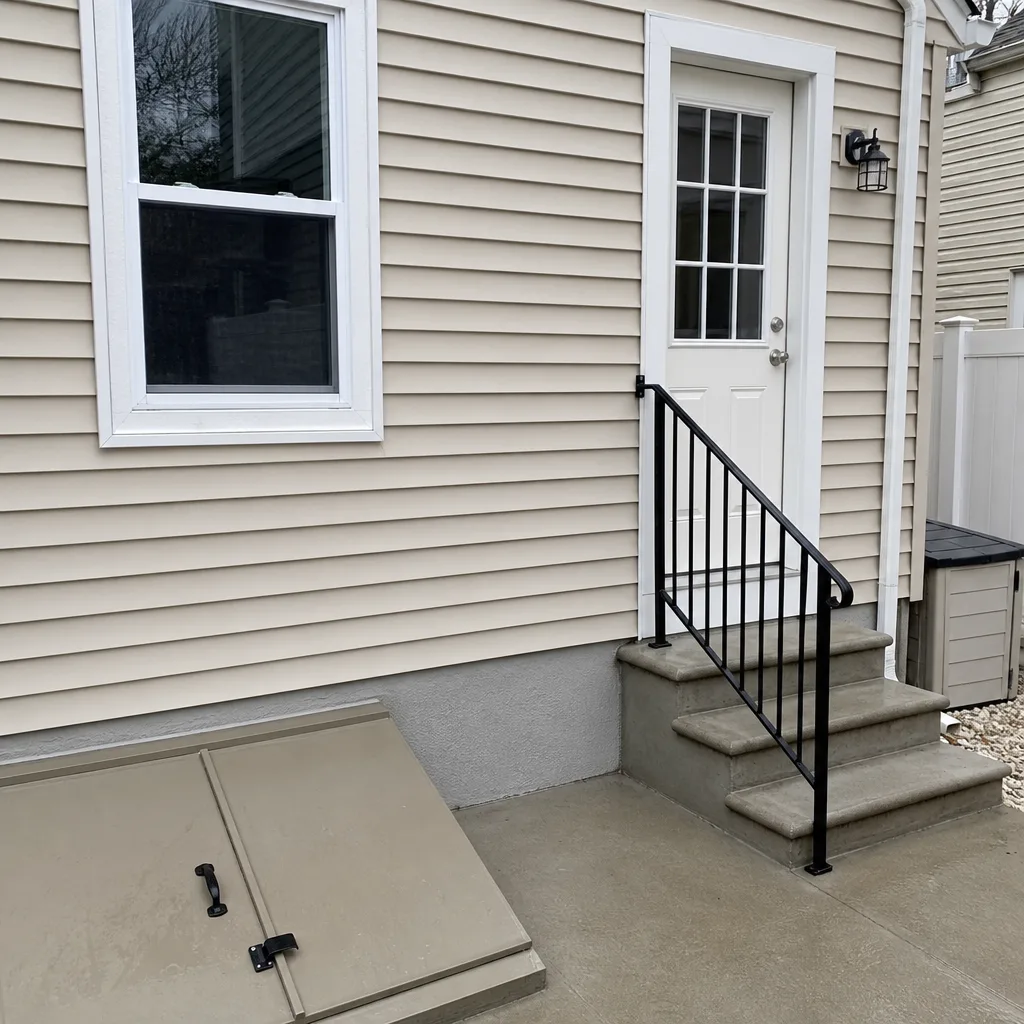 After
After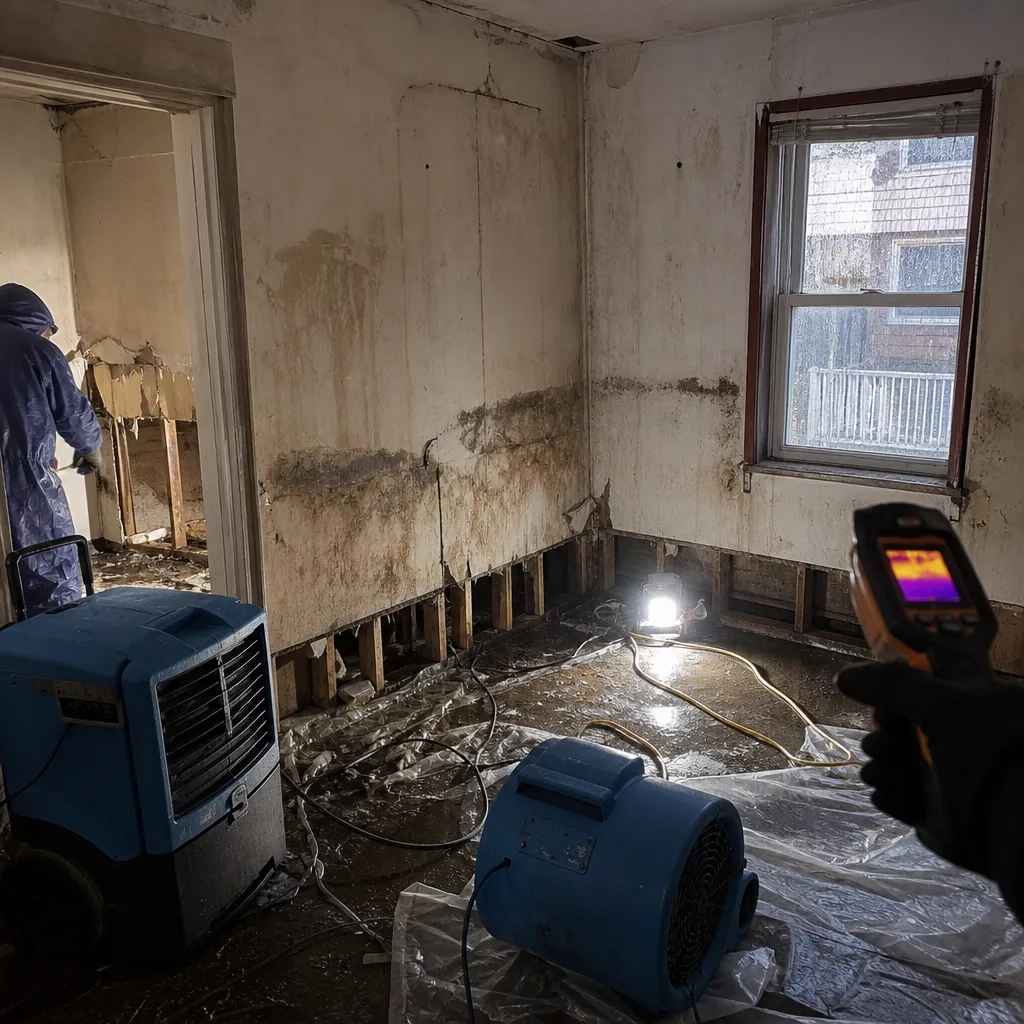 Before
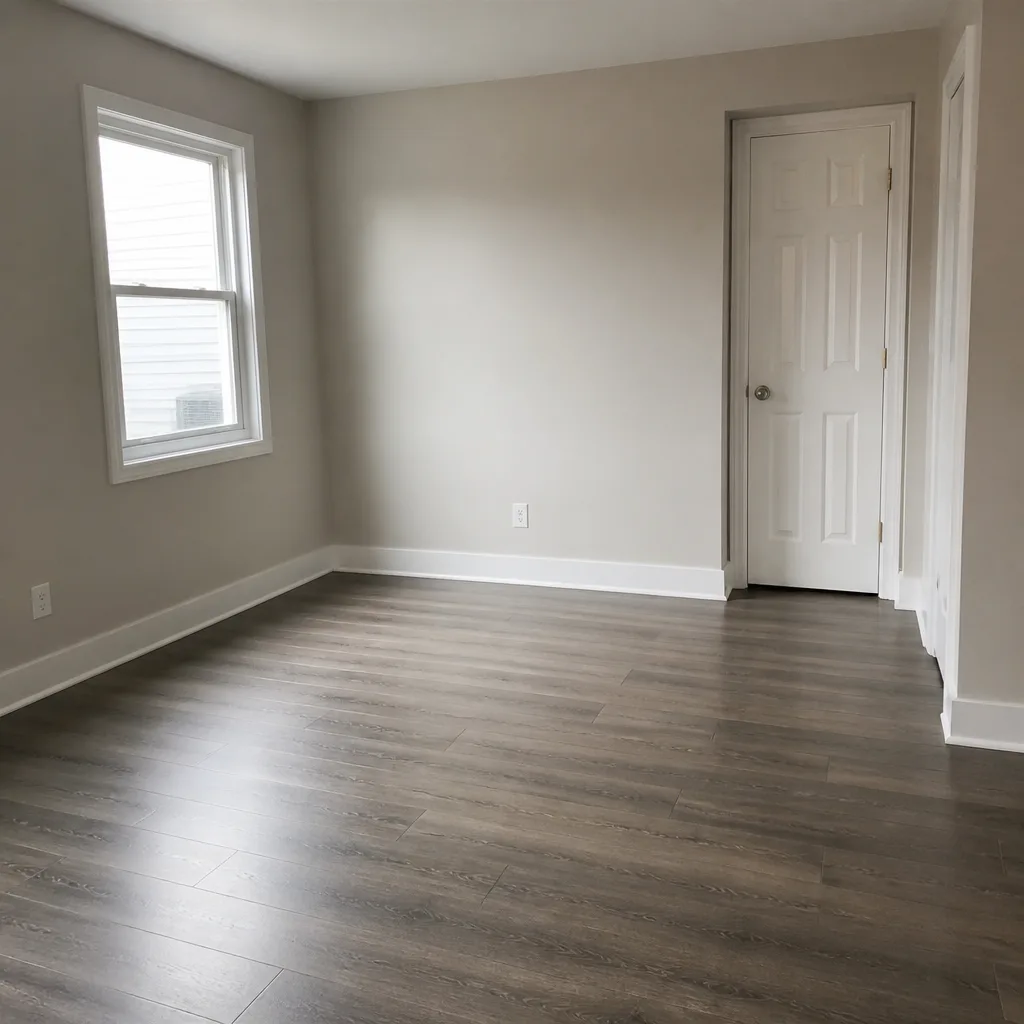 After
After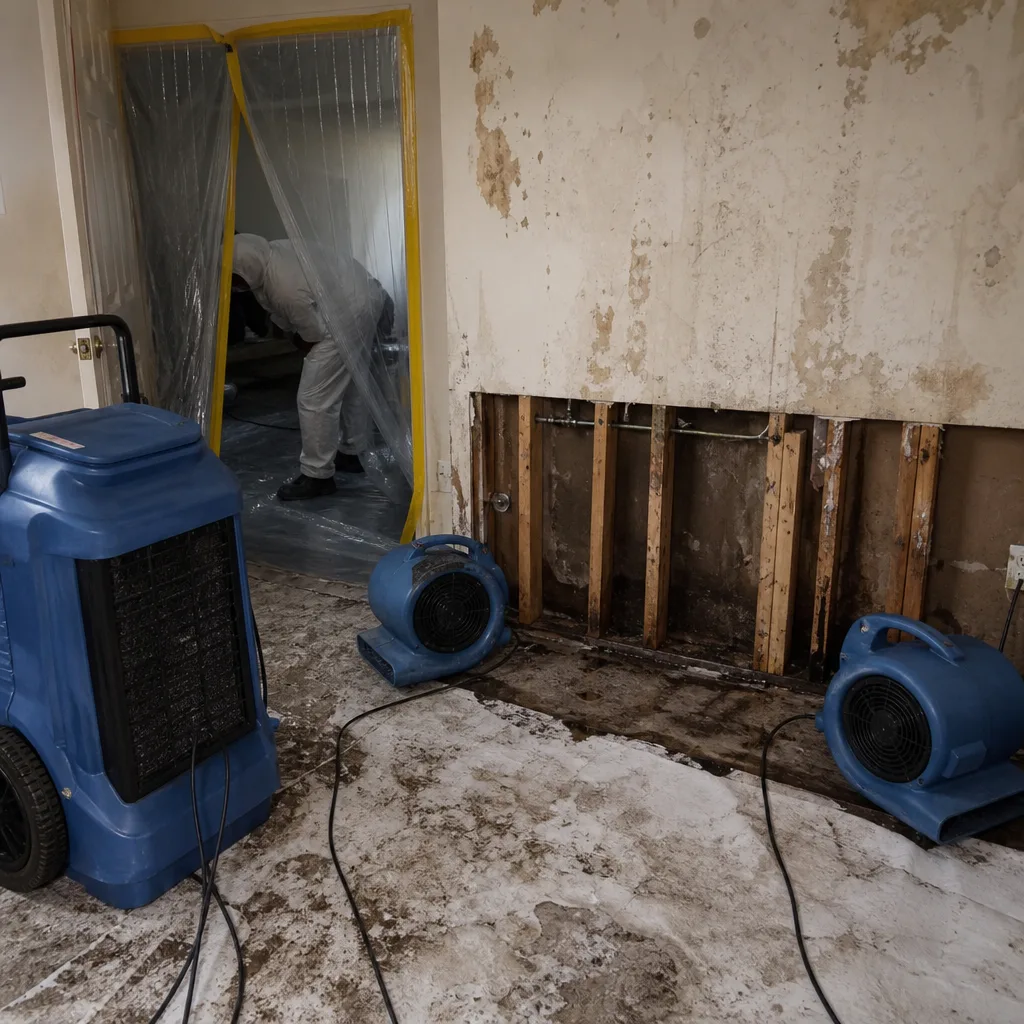 Before
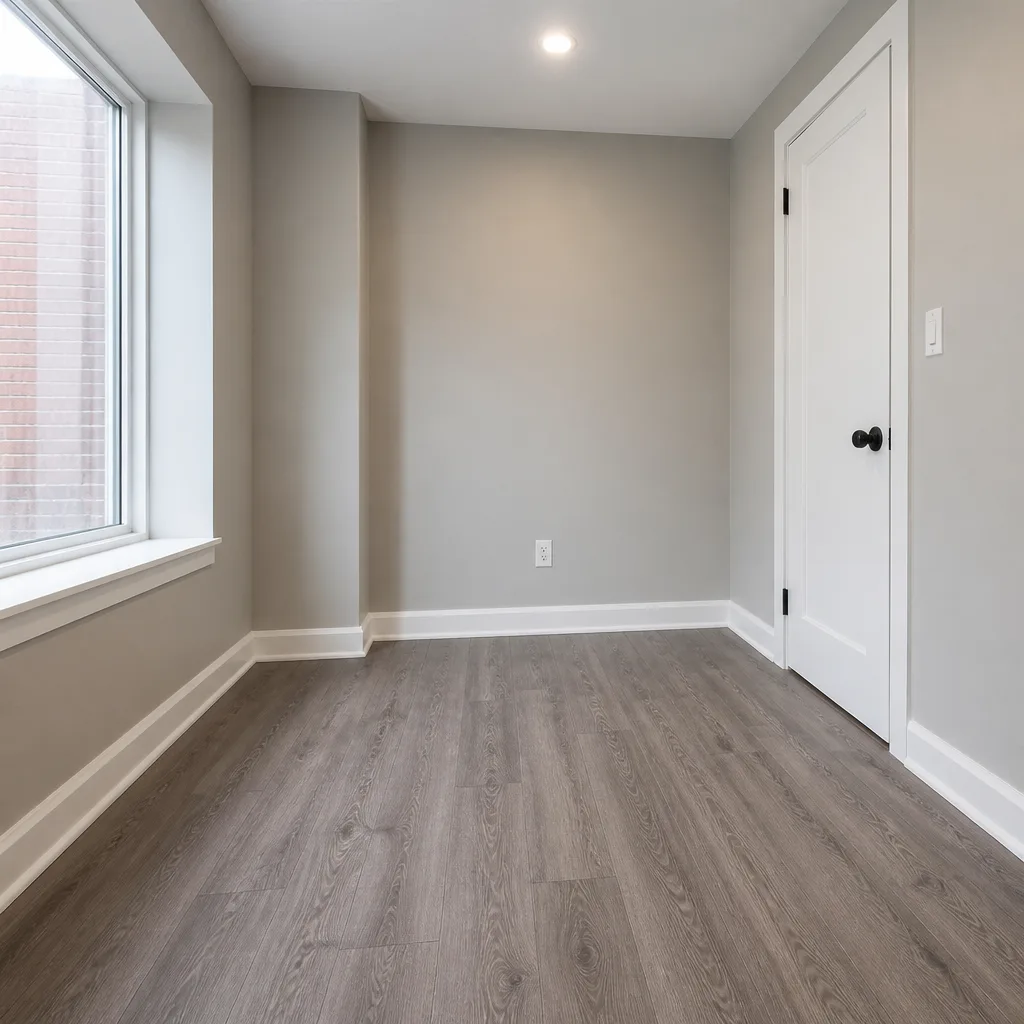 After
AfterDamage Restoration Warning Signs: A Jamaica Homeowner’s Reference Guide
By the time you smell mildew in a Jamaica basement, the mold colony has already released enough microbial volatile organic compounds to register on human olfactory nerves. That threshold typically requires 500 to 1,000 square feet of active growth. The remediation bill at that stage averages $4,200 to $7,800 in Queens. The same colony, caught when it first pushed a dime-sized discoloration through drywall, costs $800 to $1,400 to eliminate. This guide, alongside our more guides & resources, catalogs the earlier, measurable signals that appear weeks before visible damage, when intervention costs a fraction of full remediation. You’ll learn the quantitative thresholds that separate maintenance from emergency, how to document readings that insurers accept, and the specific warning patterns that Jamaica’s pre-war housing stock produces.
Quick Answer
Homeowners in Jamaica should watch for three measurable thresholds: wood moisture content above 16%, concrete moisture above 1%, and relative humidity sustained above 60% for 48 hours. These readings predict damage 2 to 8 weeks before visible mold, stains, or odors appear. A $35 pin moisture meter and a written log of weekly readings provide documentation that distinguishes maintenance issues from covered losses under most homeowners policies.
Table of Contents
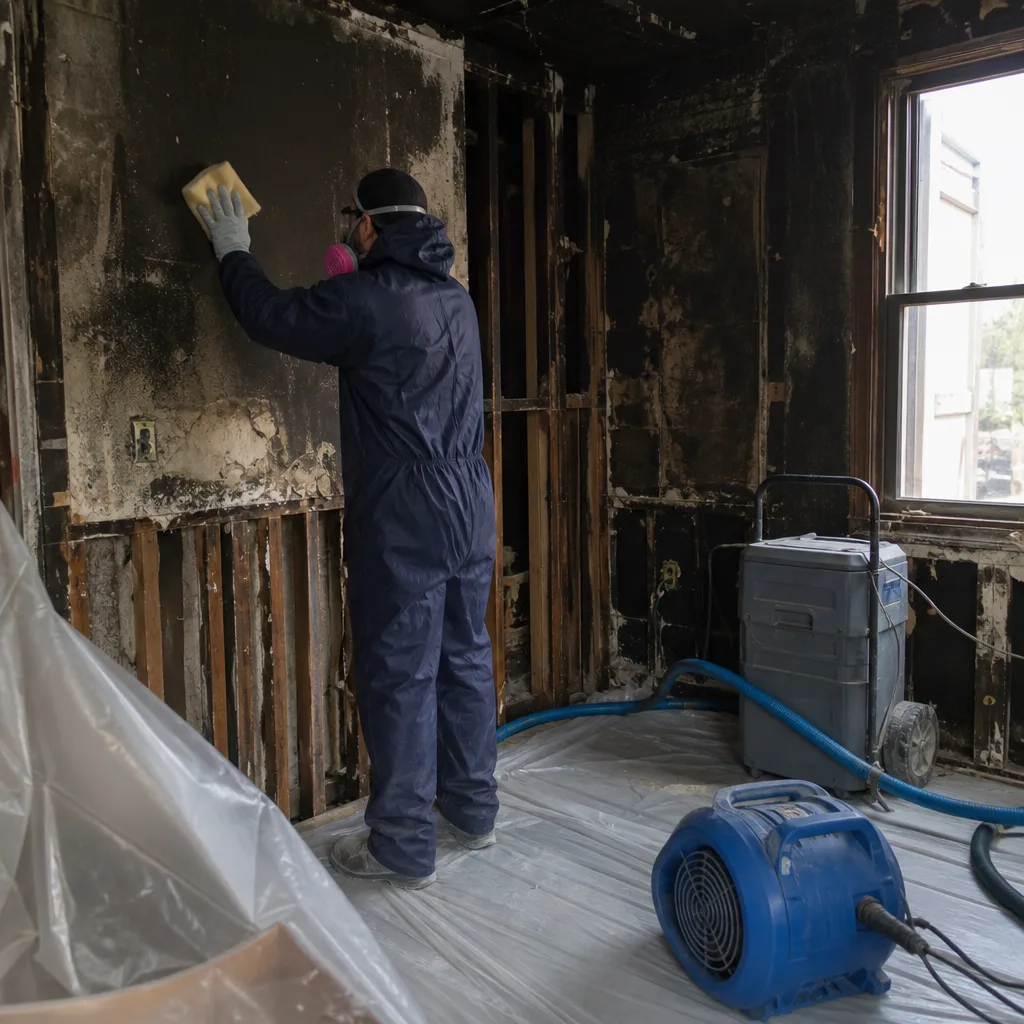
- The Three Quantitative Thresholds That Predict Damage
- How to Map Your Basement or First Floor With a Consumer-Grade Meter
- Warning Signs Specific to Jamaica’s Pre-War Housing Stock
- Condensation Damage vs. Active Intrusion: The Insurance Documentation Gap
- NY Real Property Law: Which Warning Signs Are Material Defects
- Room-by-Room Warning Sign Checklist
- Common Mistakes to Avoid
- When to Call a Professional
- Frequently Asked Questions
BeforeAfterThe Three Quantitative Thresholds That Predict Damage
Professional assessors in Jamaica don’t rely on smell or sight. They measure. Three numbers determine whether a condition is trending toward damage or already there.
Wood moisture content (MC) above 16%: Structural lumber, hardwood flooring, and subflooring in Jamaica’s balloon-framed homes begin supporting fungal growth at this threshold. At 20% MC, wood decay fungi activate. At 28%, structural integrity degrades measurably within 90 days. We use pin moisture meters calibrated to wood species - red oak, common in pre-war Jamaica construction, reads differently than the pine studs behind plaster. A reading of 16% on oak means the same risk as 14% on pine, and a professional assessment notes both the number and the material.
Concrete moisture above 1% by calcium chloride test, or 80% relative humidity in the slab: Jamaica’s concrete foundations, many poured between 1920 and 1950, were mixed with higher water-to-cement ratios than modern specs allow. These slabs continue emitting moisture for decades. A reading above 1% means vapor is transmitting through the slab fast enough to delaminate flooring adhesives and support mold on base plates. We’ve documented slab moisture at 2.3% in a St. Albans basement where the homeowner had installed vinyl plank six months earlier; the flooring was cupping, but the mold on the base plates was the larger problem.
Relative humidity (%RH) above 60% sustained for 48 hours: This is the threshold the IICRC S500 standard recognizes as conducive to microbial amplification. Not a spike during a humid August week in Jamaica - sustained elevation. A $15 digital hygrometer, logged weekly, catches this pattern. We recommend placing one in each basement and one on each floor, noting readings in a bound notebook with dates. That notebook becomes evidence if your insurer questions whether damage resulted from a sudden event or long-term maintenance neglect.
| Material | Warning Threshold | Emergency Threshold | Typical Jamaica Context |
|---|---|---|---|
| Wood framing / flooring | 16% MC | 20% MC | Balloon-framed homes, pre-1950 |
| Concrete slab | 1% moisture / 80% RH | 2% moisture / 90% RH | Older mix ratios, no vapor barrier |
| Air (relative humidity) | 60% RH for 48+ hours | 70% RH for 72+ hours | Basements, crawl spaces, closed rooms |
| Exterior wall delta-T | 10°F difference surface to ambient | 15°F difference | North-facing walls, January-February |
The delta-T measurement deserves explanation. When an exterior wall surface reads 10°F or more below ambient room temperature, condensation forms at the interior finish. In Jamaica’s January cold snaps, we’ve measured 34°F surface temperatures on north-facing plaster over uninsulated brick, with room air at 68°F. The resulting condensation, repeated daily, creates the moisture cycle that feeds cavity mold. An infrared thermometer, $25 at any hardware store, makes this visible.
How to Map Your Basement or First Floor With a Consumer-Grade Meter
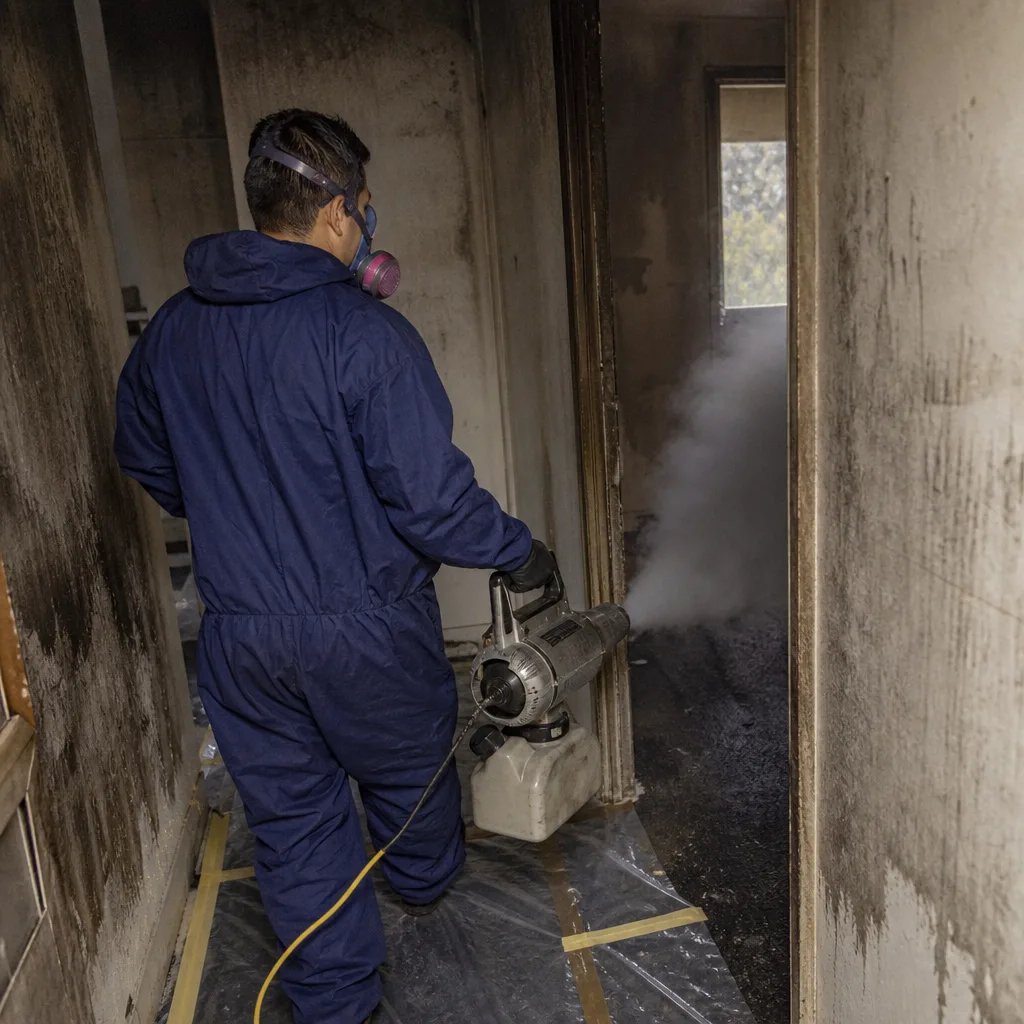
The technique professional assessors use before formal documentation is simple enough to replicate. The difference is that professionals log readings to IICRC standards and interpret them against psychrometric data - vapor pressure differential, grains of moisture per pound of air, and specific humidity. You don’t need those calculations for early warning. You need a baseline and a trend.
- Buy a pin-type moisture meter, not pinless. Pinless meters read density, not moisture content, and give false positives on plaster over lath. A pin meter with insulated shafts, $35 to $60, penetrates to the depth that matters. We recommend models that read wood scale to 30% and drywall scale to 50%.
- Create a grid on paper. For a typical Jamaica basement, 20 by 25 feet, draw a rectangle and mark points every 4 feet along walls and in a cross pattern through the center. Number each point. This produces 20 to 30 reading locations.
- Record baseline readings in October. October in Jamaica typically brings the year’s lowest humidity before heating season begins. Take readings at each point, noting: material (concrete, wood, drywall), depth if adjustable, and the meter’s scale setting. Log these as your “dry standard” for the space.
- Repeat monthly through May. January and February readings, after heating systems have dried interior air, often show the most revealing deltas. A point that read 12% MC in October and reads 17% in February has an active moisture source. The source may be a failed gutter above, a foundation crack, or condensation from the thermal bridge at the rim joist.
- Flag any point that crosses a threshold or changes by 4+ points. Either condition warrants closer inspection. Photograph the location, note the reading, and schedule a professional assessment if the trend continues.
- Keep the log with your home records. This documentation, maintained over years, demonstrates diligence to insurers and buyers. It also protects against the common insurer denial: “long-term maintenance neglect.”
We apply this same grid technique with professional-grade meters from DryMark Restoration Jamaica home, but the principle is identical. The difference is our documentation: each reading is photographed, GPS-tagged to the property, and entered into a drying log that becomes part of your claim file.
Warning Signs Specific to Jamaica’s Pre-War Housing Stock
Jamaica’s housing inventory includes thousands of structures built between 1900 and 1940, with significant construction in the 1920s and 1930s. These buildings exhibit specific failure patterns that newer construction does not.
Efflorescence patterns on brick foundation walls: The white, powdery deposits are salt crystallization from water moving through masonry. In Jamaica’s clay-rich soils, hydrostatic pressure pushes groundwater through porous brick and mortar. The pattern matters. A horizontal band at grade level suggests surface drainage failure. A vertical streak from a single point indicates a crack or failed mortar joint. A broad, irregular bloom across the wall face suggests capillary rise from a high water table. Each pattern predicts different remediation scope. We’ve documented efflorescence in South Jamaica basements where the homeowner had painted over it three times; the paint trapped moisture, accelerated spalling, and turned a $1,200 drainage correction into a $8,500 foundation repair.
Separation at crown molding: When crown molding pulls 1/8 inch or more from the ceiling plane, the cause is rarely seasonal shrinkage alone. In balloon-framed homes, sustained moisture in wall cavities causes studs to expand, pushing the ceiling plane downward while the molding, fastened to the wall, stays put. The gap is a structural movement indicator. We’ve measured 3/8-inch separation in a Jamaica Estates home where cavity moisture had reached 22% MC; the framing was moving enough to crack plaster keys throughout the second floor.
Paint bubbling sequence: On plaster walls, the order of paint failure predicts where moisture will breach. First stage: small blisters at the baseboard, indicating wicking from the floor plate. Second stage: linear bubbling along the wall-ceiling junction, showing moisture migration up the cavity and across the top plate. Third stage: random blistering across the field, meaning the plaster has reached saturation and vapor is pushing through everywhere. Each stage represents roughly 4 to 6 weeks of progression in an active leak. Catching it at stage one, when the blister is dime-sized and the substrate is still sound, means surface repair. Stage three typically requires plaster removal, framing treatment, and cavity drying with Injectidry or similar systems.
Plaster “popping” sounds in winter: When frozen moisture in plaster thaws rapidly, the expansion produces audible cracks. Homeowners in Jamaica’s pre-war stock often report this after the first hard freeze. It’s not “settling.” It’s ice formation in delaminated plaster, and it indicates that the wall system has experienced repeated wet-dry cycles.
Condensation Damage vs. Active Intrusion: The Insurance Documentation Gap
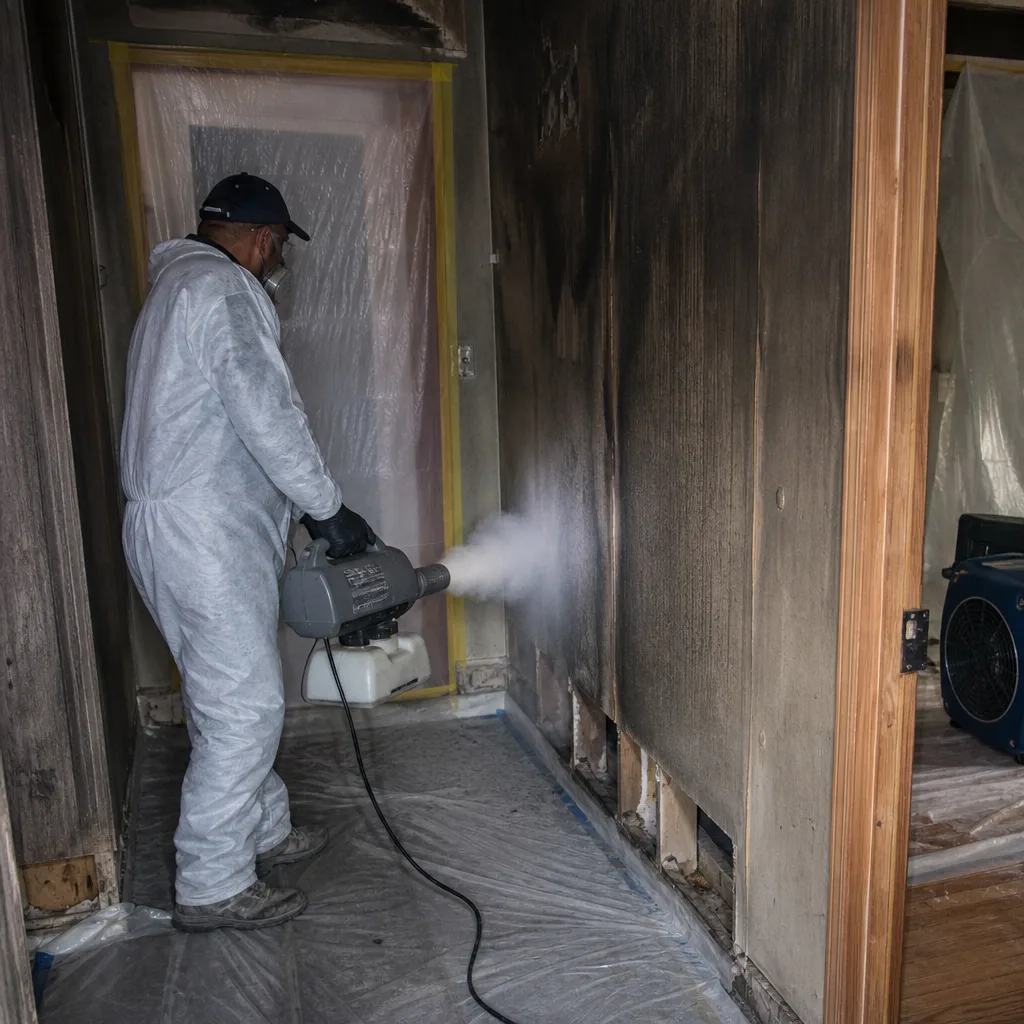
This distinction determines whether your insurer pays or denies. Most homeowners policies cover sudden and accidental water damage. They exclude damage from condensation, humidity, or maintenance failures. The documentation you create in the first 48 hours shapes that determination, as explained in our Fire & Smoke Damage Restoration Maintenance Checklist for Jamaica Homeowners.
Active intrusion indicators: Water with a clear source (failed flashing, broken pipe, ice dam backup), visible flow path, and moisture concentrated at the source with decreasing readings with distance. The pattern is directional. A roof leak in a Jamaica colonial shows highest readings at the ceiling penetration, with a cone-shaped gradient extending downward and outward. Temperature of the water matters: intrusion from supply lines is cold, from ice dam melt is near-freezing, from groundwater is soil temperature (52°F to 55°F in Jamaica at 8-foot depth).
Condensation indicators: Moisture pattern follows thermal bridges, not structural penetrations. Highest readings on exterior walls, especially north-facing, at the coldest surface points. No single source. Symmetrical patterns on both sides of a bay or chimney. Moisture content correlates with outdoor temperature drop, not rainfall. We’ve documented condensation in a Jamaica home where the homeowner insisted on a roof leak; the pattern was perfectly symmetrical on both sides of a dormer, with peak readings at the corners where insulation was compressed. The roof was sound. The fix was air sealing and insulation, not water damage restoration.
The documentation that distinguishes these: thermal imaging showing temperature pattern, moisture mapping with numbered readings, and written narrative describing the moisture profile. We produce this on every assessment. Our photo record includes wide shots, detail shots, and meter-in-frame closeups with readings visible. This is the documentation that turns a restoration invoice into a payable claim.
Under Storm & Disaster Restoration in Jamaica, we document wind-driven rain intrusion with the same rigor. The difference is the event trigger: a named storm date, a police or fire report, or NOAA weather data. That external documentation, combined with internal moisture mapping, creates the evidence chain insurers require.
NY Real Property Law: Which Warning Signs Are Material Defects
New York’s Property Condition Disclosure Act requires sellers to disclose known material defects, including water damage, mold, and structural problems. The statute creates liability for intentional misrepresentation and, in some jurisdictions, for negligent failure to disclose. Documentation of your response to warning signs protects you at resale.
Material defects in the restoration context: Any condition that would substantially affect a buyer’s use or value of the property. Specifically: mold exceeding 10 square feet (the EPA threshold for professional remediation), structural damage from moisture, and active water intrusion. The warning signs this guide describes, if documented and addressed, rarely become material defects. The same signs, ignored and allowed to progress, almost always do.
The documentation that protects: A written scope of work, completed and signed, with before-and-after photos. Moisture logs showing return to acceptable levels. A warranty or guarantee document. We provide all three under The Haven Standard. Our 365-Day Done Right Promise, documented in writing on every job, becomes part of your property record. When a future buyer’s inspector finds a patched ceiling, your file shows why, when, and by whom, with moisture readings proving the substrate was dry before closure.
We’ve reviewed disclosure disputes where the seller had “handled it themselves” with bleach and paint. Without documentation, the buyer’s mold test, positive for Stachybotrys behind the repair, became a $40,000 claim. The seller’s “fix” was worse than no fix; it concealed and enabled further growth. Professional remediation with documented drying logs prevents this exposure.
Specific to Jamaica’s market: properties in the $650,000 to $1.2 million range, common in Jamaica Estates and parts of South Jamaica, attract buyer inspections with thermal imaging and air quality testing. The $1,200 to $3,500 cost of professional remediation and documentation, completed when warning signs first appear, prevents the $15,000 to $50,000 price reduction or repair credit that undisclosed mold produces at closing.
Room-by-Room Warning Sign Checklist
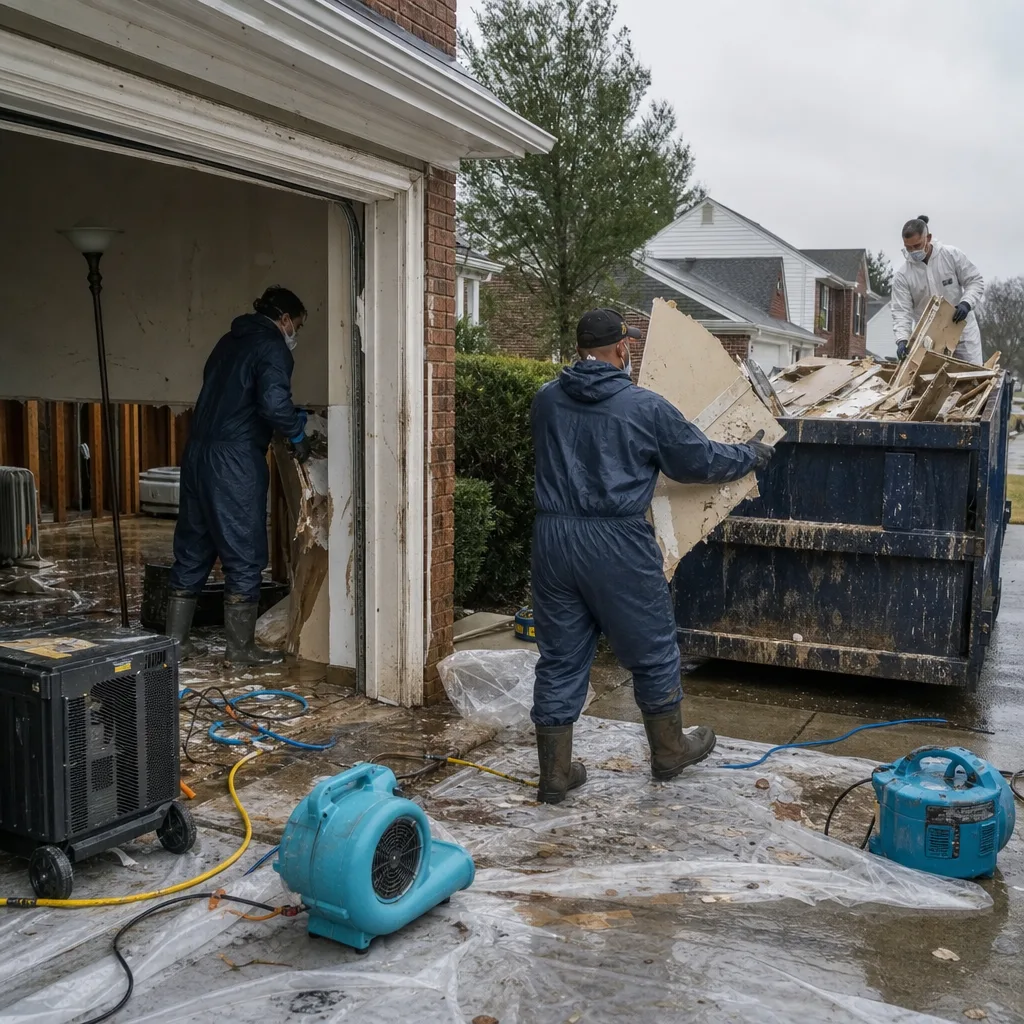
Basement
- Efflorescence on foundation walls, especially after rain
- Floor drain backup or slow drainage (indicates sewer line condition)
- Rust on steel support columns at the concrete interface
- Paneling or drywall soft at baseboard level
- Concrete floor darkening in patches (capillary moisture)
Kitchen
- Grout darkening at sink cabinet toe-kick
- Dishwasher supply line corrosion or bulging (braided stainless lines fail at 8-12 years)
- Refrigerator ice maker line condensation or drip marks
- Cabinet base warping under sink
Bathroom
- Caulk separation at tub-shower junction (indicates substrate movement from moisture)
- Fan duct condensation in attic (visible as drip marks on insulation)
- Toilet flange wax ring seepage (stains on ceiling below)
- Tile “drummy” sound when tapped (indicates failed thinset from moisture)
Attic
- Nail shanks rusting through roof sheathing (indicates chronic condensation)
- Insulation compression in valleys (ice dam melt pattern)
- Soffit vent blockage (reduces airflow, increases humidity)
- Staining at chimney or vent penetrations
Exterior
- Gutter overflow at corners (indicates downspout blockage or insufficient capacity)
- Foundation grading reversed toward structure
- Window well drainage failure (visible as sediment lines or standing water)
- Stucco or parging cracks at grade level
Common Mistakes to Avoid
- Using bleach on mold. Bleach feeds mold on porous materials by adding water without penetrating to kill roots. The surface looks clean; the colony grows faster. We remove affected porous material and treat non-porous surfaces with antimicrobial agents documented to EPA standards.
- Ignoring winter humidity because the house feels dry. Forced-air heating drops relative humidity in living spaces but can increase it in wall cavities where warm, moist interior air meets cold sheathing. A hygrometer in the basement reads differently than one on the thermostat.
- Assuming new construction is immune. Jamaica’s 2000s-era townhouses have specific failure points: EIFS cladding with inadequate drainage planes, windows installed without proper sill pan flashing, and negative-grade lots that direct runoff to foundation. We’ve documented $30,000+ remediation in 15-year-old structures.
- Relying on homeowner’s insurance without reading the exclusion for seepage. Seepage, defined as water entering through foundation walls or floors over time, is excluded on most standard policies. The documentation that distinguishes seepage from sudden backup or storm intrusion determines coverage. Our assessments are structured to capture that distinction.
- Accepting a verbal estimate for remediation. Under The Haven Standard, Clause 1, a written price before work begins is mandatory, not optional. Verbal estimates produce scope creep, disputed invoices, and denied claims. We provide written scopes with line-item pricing; our Free Second Opinion on any competitor’s written estimate lets you verify whether another scope is complete.
- Discarding documentation after repair. Keep moisture logs, photos, scopes, and warranties for the duration of ownership plus seven years. These records transfer with the property and protect against future disclosure disputes.
- Waiting for visible mold before acting. The visible threshold represents late-stage growth. Early intervention, at the moisture threshold, prevents the structural damage, health complaints, and documentation burden that visible mold produces.
When to Call a Professional
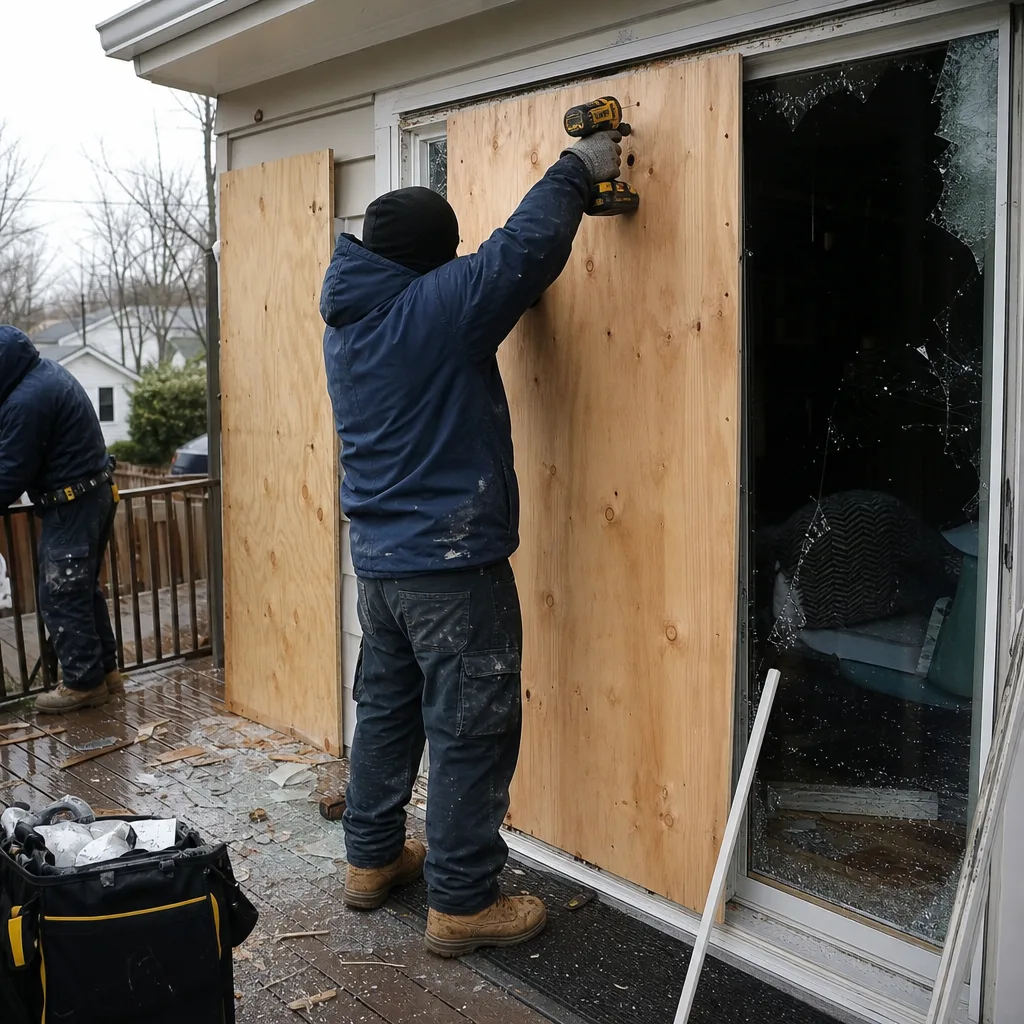
Call when any quantitative threshold is crossed, when you cannot identify the moisture source, or when the affected area exceeds 10 square feet. Call immediately for sewage backup, Category 3 water, or any condition involving electrical systems. Sewage Cleanup in Jamaica requires specific containment and antimicrobial protocols under IICRC standards; household disinfectants are inadequate and create liability exposure.
DryMark Restoration Jamaica offers free estimates in Jamaica - call (516) 240-9735. Every assessment includes a written scope with line-item pricing before any work begins, a documented photo record, and moisture readings mapped to your property. Our live dispatch answers 24 hours a day, 7 days a week, with no voicemail on emergency lines.
Frequently Asked Questions
Most reputable restoration companies in Jamaica provide initial moisture assessment at no charge for properties within their service area. The assessment should include pin moisture readings at multiple locations, thermal imaging, and a written summary of findings. Be wary of any company that charges for this initial visit or provides findings verbally without documentation. For guidance on selecting qualified help, see How to Hire a Damage Restoration Contractor in Jamaica: A Step-by-Step Guide. Call (516) 240-9735 for a free estimate - our assessments include the full photo record and written scope at no charge.
Probably not. Most policies exclude damage that results from known maintenance issues the homeowner failed to address. However, documentation that you monitored, logged, and sought professional assessment can rebut a claim of negligence. The moisture log this guide describes, maintained over time, demonstrates diligence. If you’ve received a written estimate from another company, our Free Second Opinion can identify whether the scope is complete and properly documented for your insurer.
Our live dispatch operates 24 hours a day, 7 days a week, with no voicemail on emergency lines. For active water intrusion, sewage backup, or conditions threatening structural integrity, we dispatch same day. For assessment of warning signs not yet at emergency stage, we typically schedule within 24 to 48 hours. Every visit produces a written scope with line-item pricing before work begins - Haven Standard, Clause 1.
For affected areas under 10 square feet on non-porous surfaces, EPA guidance permits homeowner cleaning with detergent and water, followed by thorough drying. For larger areas, porous materials (drywall, insulation, carpet), HVAC involvement, or if occupants have respiratory conditions, professional remediation is indicated. See DIY vs Professional Damage Restoration: The Jamaica Homeowner’s Decision Guide for help deciding which path fits your situation. The critical factor is identifying and eliminating the moisture source; without that, cleaning is temporary. Our assessments determine whether the source is accessible and correctable, or whether professional drying and containment are required.
A pin moisture meter measures moisture content at the point of contact, giving quantitative data (16% MC, 1% concrete moisture). A thermal camera measures surface temperature, revealing thermal bridges and evaporative cooling patterns that suggest moisture. They are complementary, not interchangeable. We use both on every assessment: thermal imaging to identify investigation points, moisture meters to quantify findings. Consumer-grade thermal cameras, $200 to $400, are useful for identifying where to place a moisture meter but cannot confirm moisture presence alone.
Under New York’s Property Condition Disclosure Act, you must disclose known material defects including water damage, mold, and structural problems. “Known” means actually known, not constructively known, but courts have interpreted this broadly. Documentation of professional remediation with moisture logs showing return to acceptable levels protects you. Our 365-Day Done Right Promise, in writing, becomes part of that documentation. Without it, a buyer’s inspector who finds patched plaster or replaced baseboards may assume concealed damage, affecting price or killing the deal.
The Bottom Line
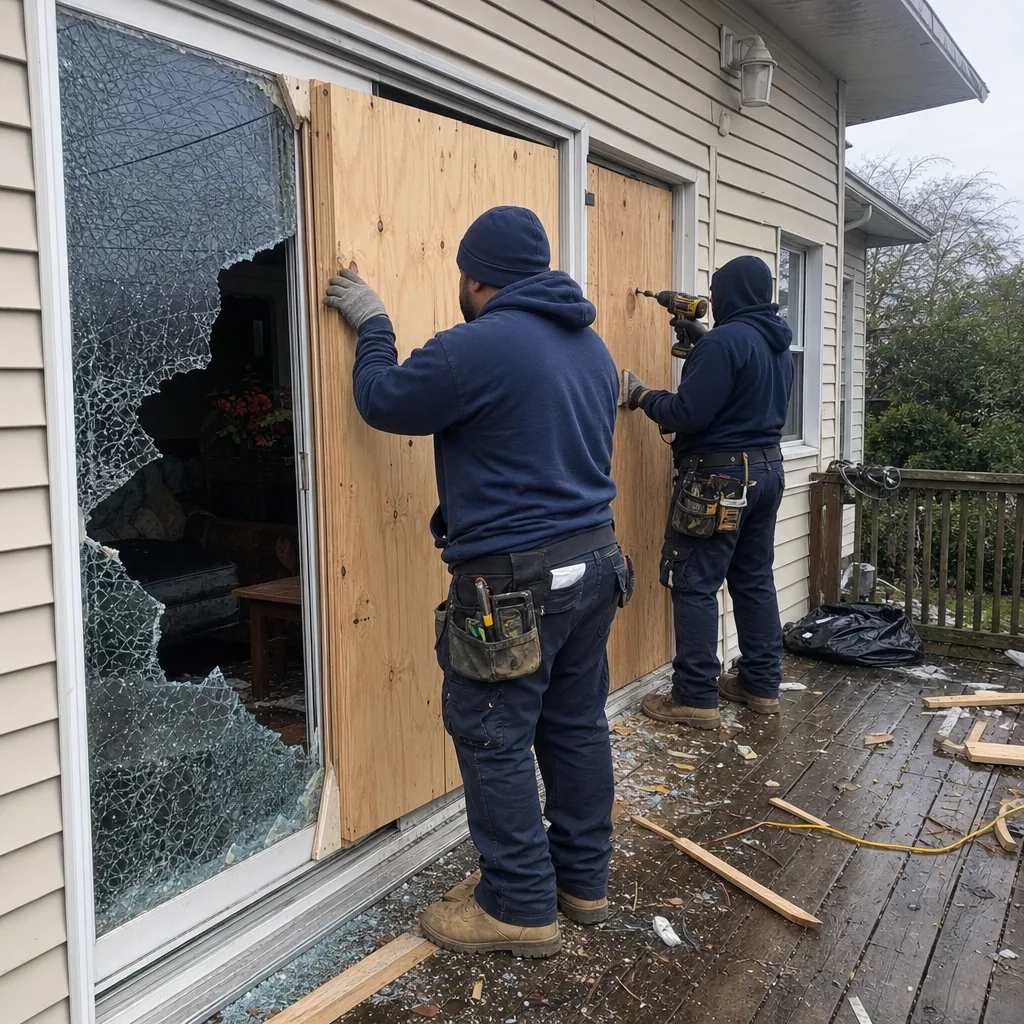
Visible mold, water stains, and musty odors are endpoints, not beginnings. The measurable thresholds - 16% wood moisture, 1% concrete moisture, 60% relative humidity sustained - appear weeks earlier, when intervention costs a fraction and documentation protects your insurance coverage. Jamaica’s pre-war housing stock produces specific warning patterns: efflorescence, crown molding separation, paint bubbling in predictable sequences. Learning to read these signs, logging readings in a bound notebook, and demanding written documentation from any professional you hire transforms reactive crisis management into preventive property stewardship. The cost of a $35 moisture meter and an hour of monthly logging is negligible against the cost of remediation that could have been prevented.
Written by Alicia Brennan, Owner at DryMark Restoration Jamaica, serving Jamaica since 2011.