
Last updated September 23, 2026
Free visual inspection and a written scope of work before any mitigation begins - photos, moisture readings, and drying logs go in your claim file
The scope we write is the scope we bill. Anything new gets shown to you, in writing, before we touch it.
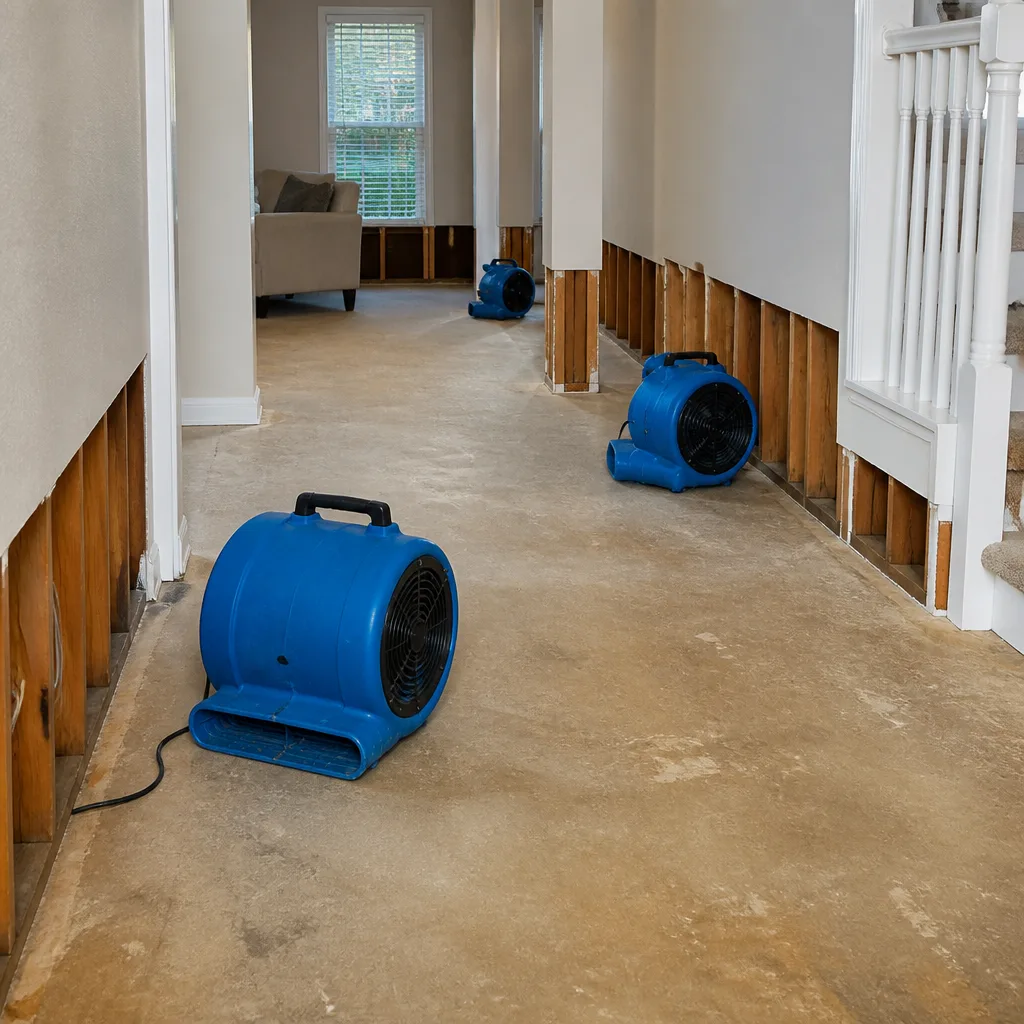
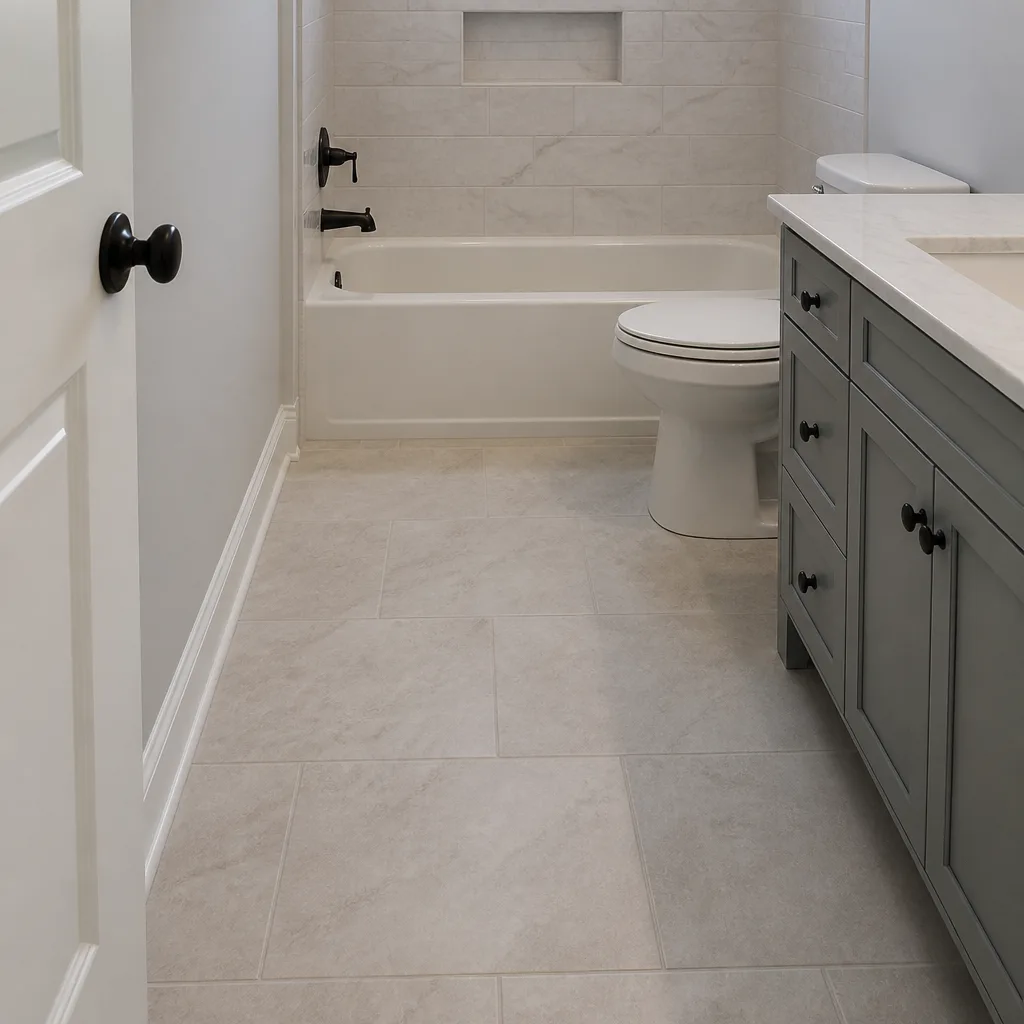
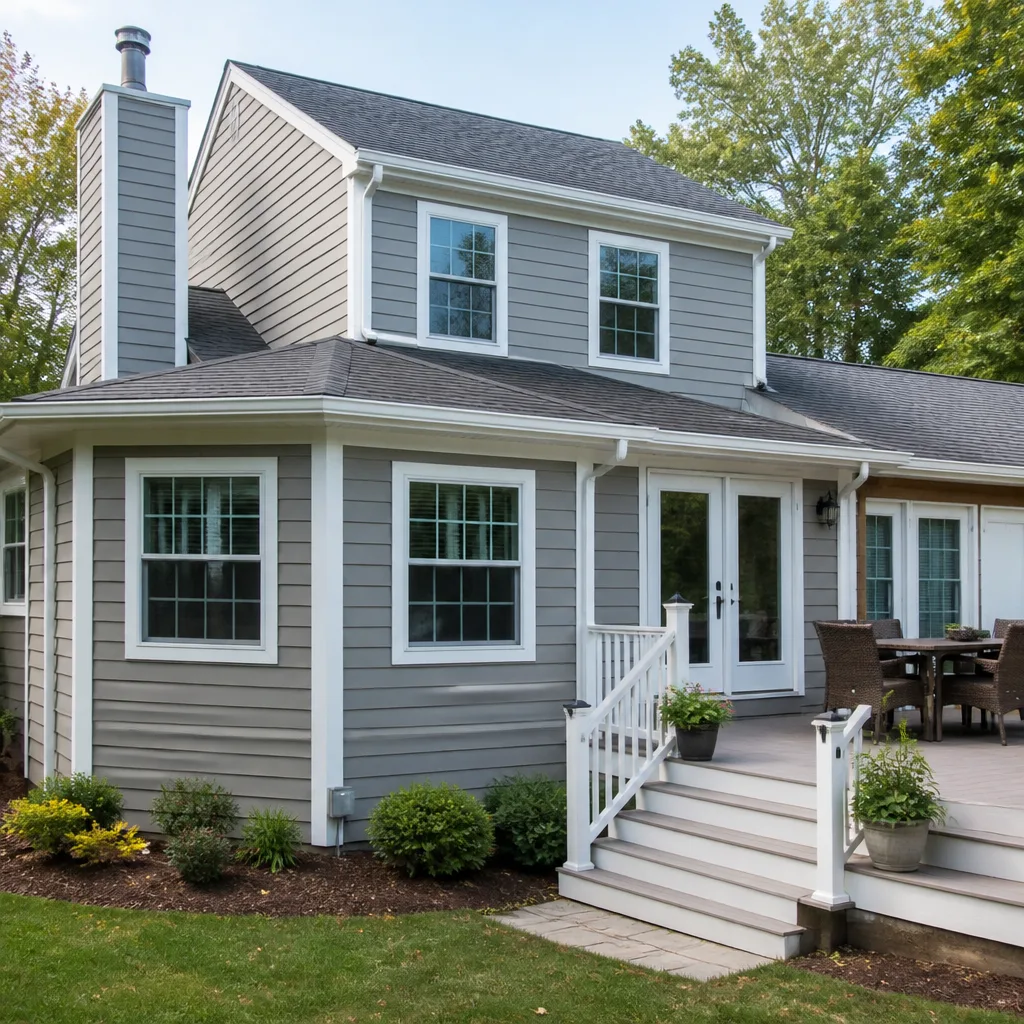
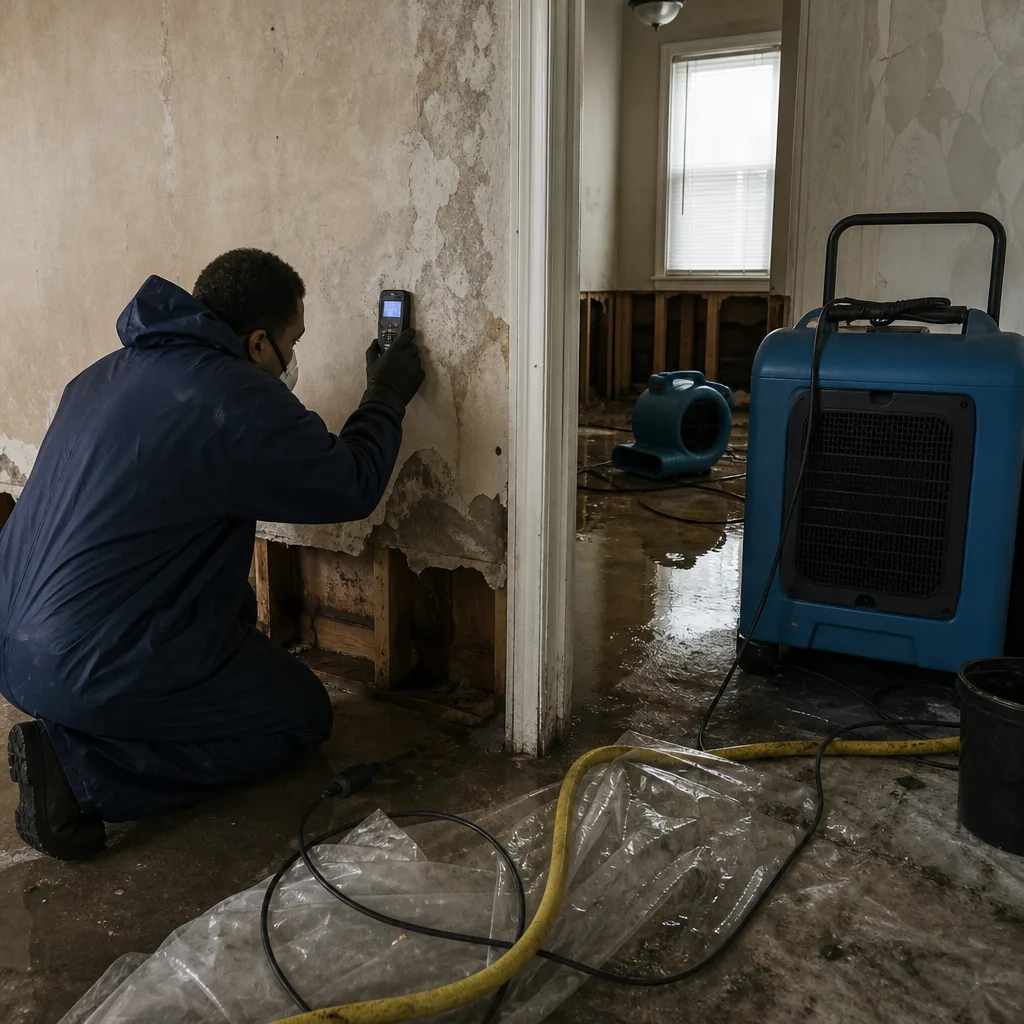 Before
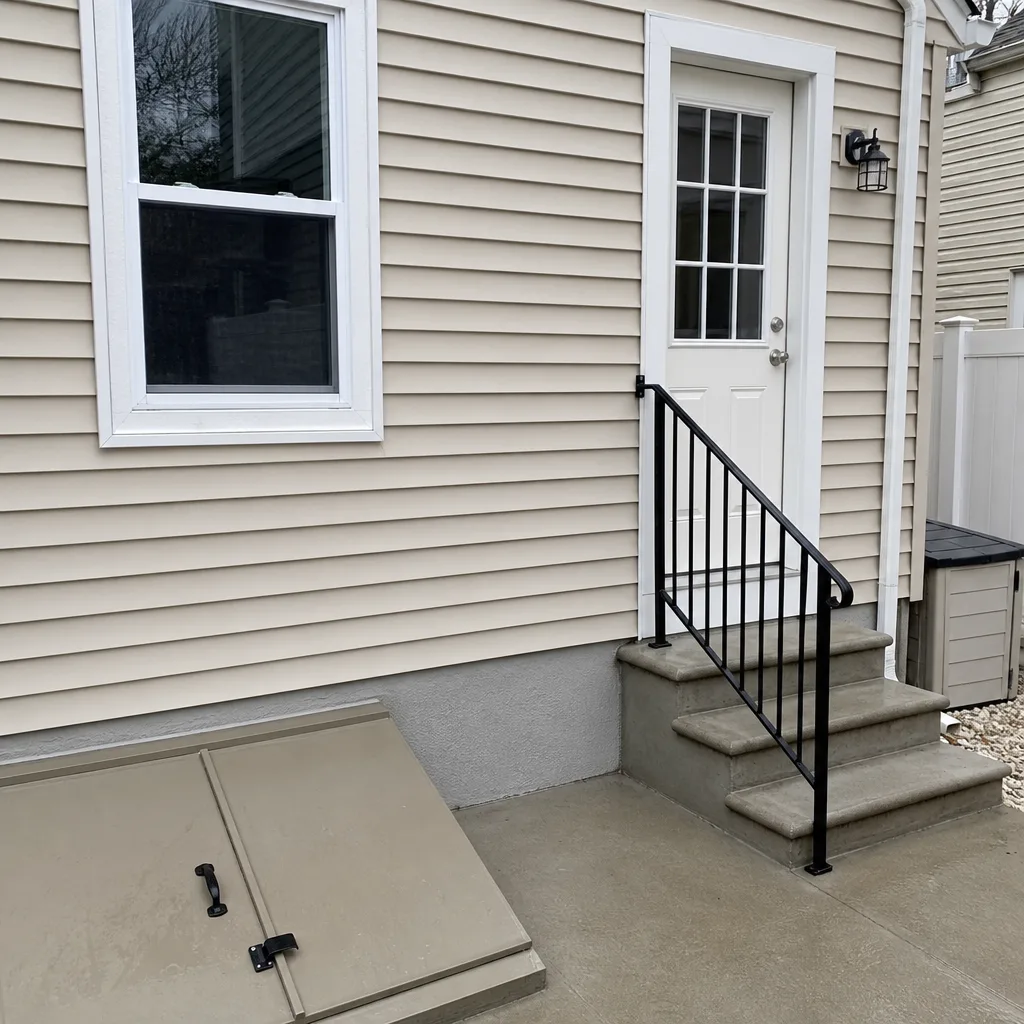 After
After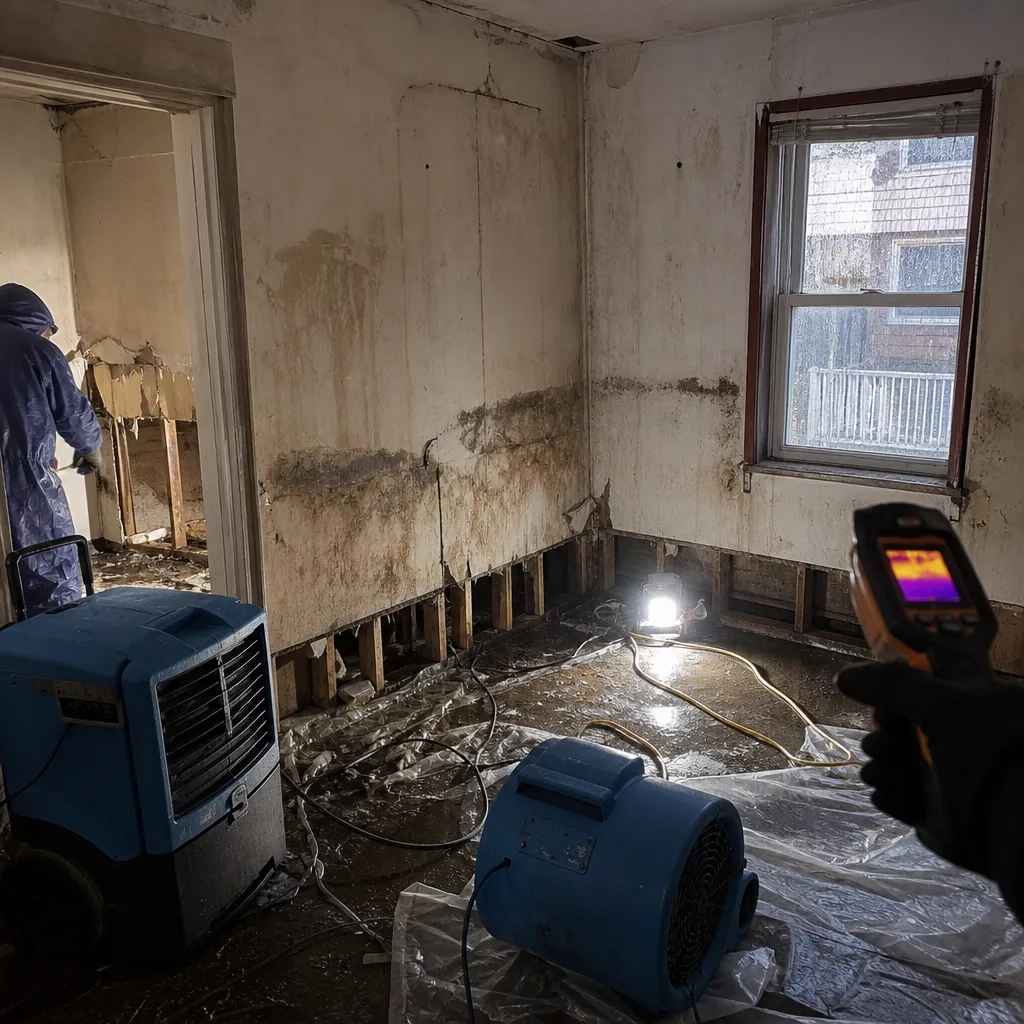 Before
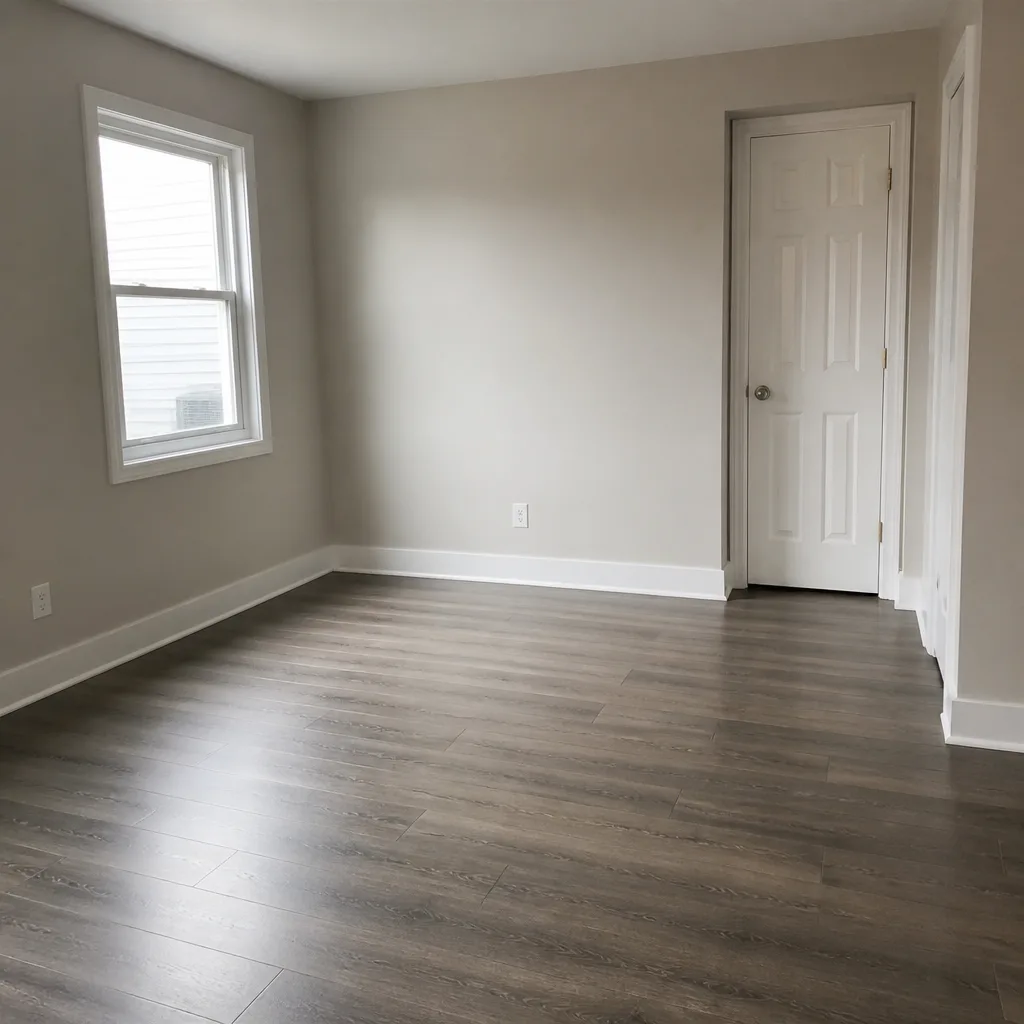 After
After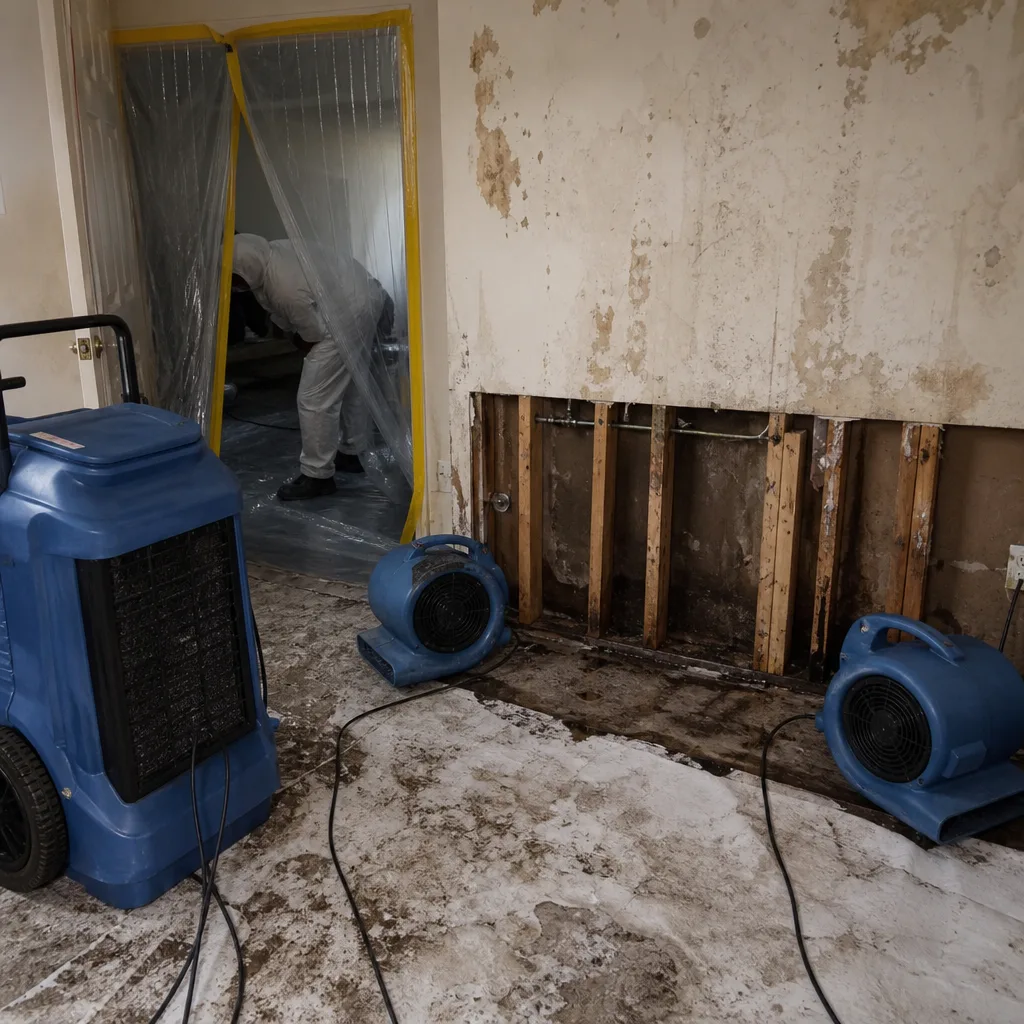 Before
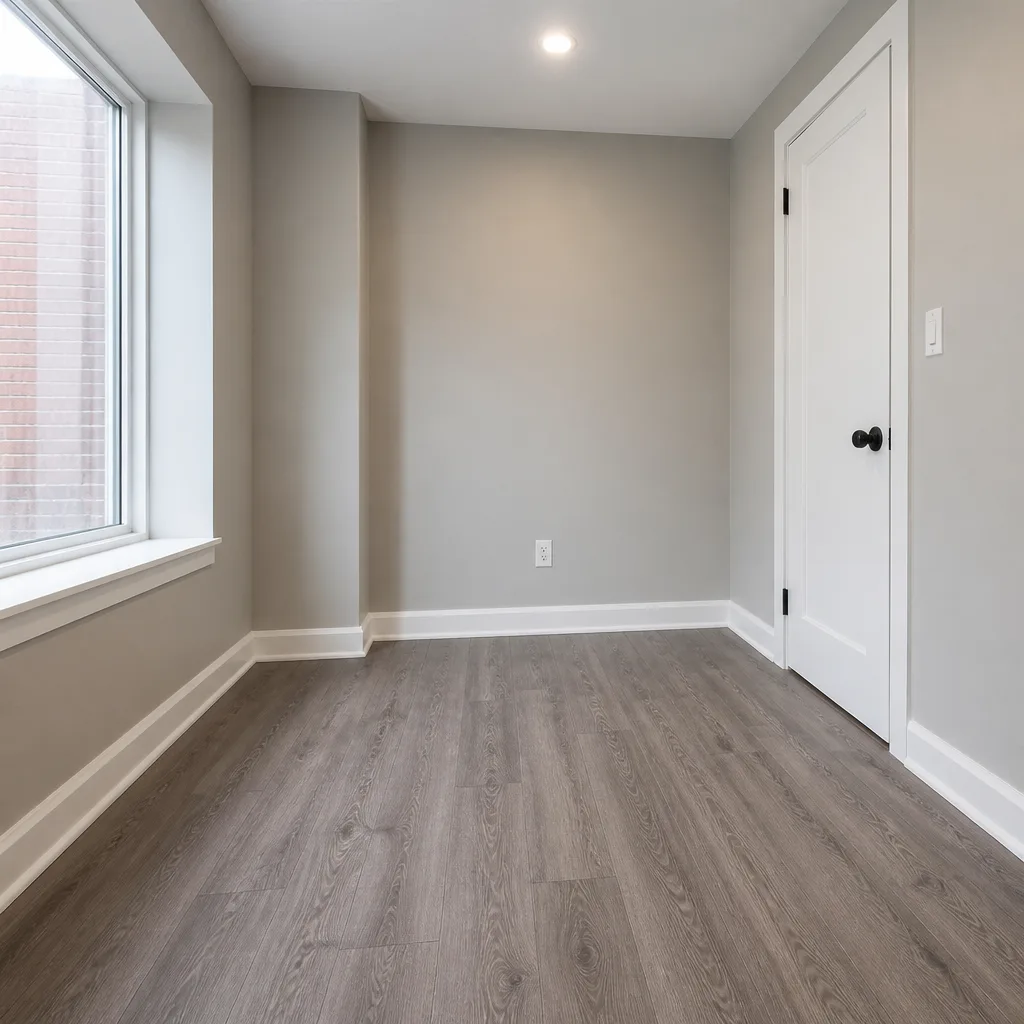 After
AfterDamage Restoration Cost Breakdown: The Jamaica Homeowner’s Reference for 2026
In 2025, the average water damage restoration invoice in Queens County ran 40% higher than the initial estimate - not because of hidden damage, but because scopes of work were written without moisture mapping data, making the initial estimate a guess rather than a measurement. Jamaica homeowners, particularly those in the flood-prone zones near Baisley Pond Park and the older housing stock of South Jamaica, face a restoration market where contractor pricing and insurance valuation often diverge by thousands of dollars before the first air mover is plugged in. This guide breaks down exactly what restoration services cost in Jamaica, line by line, and shows you how to read an estimate the way a claims adjuster does - so you know which charges are defensible and which are padding. For damage restoration warning signs every Jamaica homeowner should recognize, see our companion reference.
Quick Answer
Water damage restoration in Jamaica typically costs $3,200-$8,500 for a standard residential mitigation, while mold remediation runs $15-$30 per square foot of contained area, and fire smoke cleanup starts around $4,500 for a single affected room. The final invoice depends on three variables most homeowners don’t see until work begins: the category of water or contamination, the square footage under containment with calculated air changes per hour, and whether the contractor’s equipment log documents daily psychrometric readings or simply lists rental days.
Table of Contents
- Why Jamaica Restoration Estimates Exceed Initial Quotes
- Water Mitigation Costs: Category 1, 2, and 3 Breakdown
- Mold Remediation Pricing: Under 10 Sq Ft vs. Full Containment
- Fire & Smoke Damage Remediation Costs
- Structural Drying and Equipment Line Items Explained
- Xactimate vs. Contractor Invoices: Reading the Gap
- The Documentation Required for Every Legitimate Price Increase
- Content Pack-Out and Storage Pricing
BeforeAfterWhy Jamaica Restoration Estimates Exceed Initial Quotes
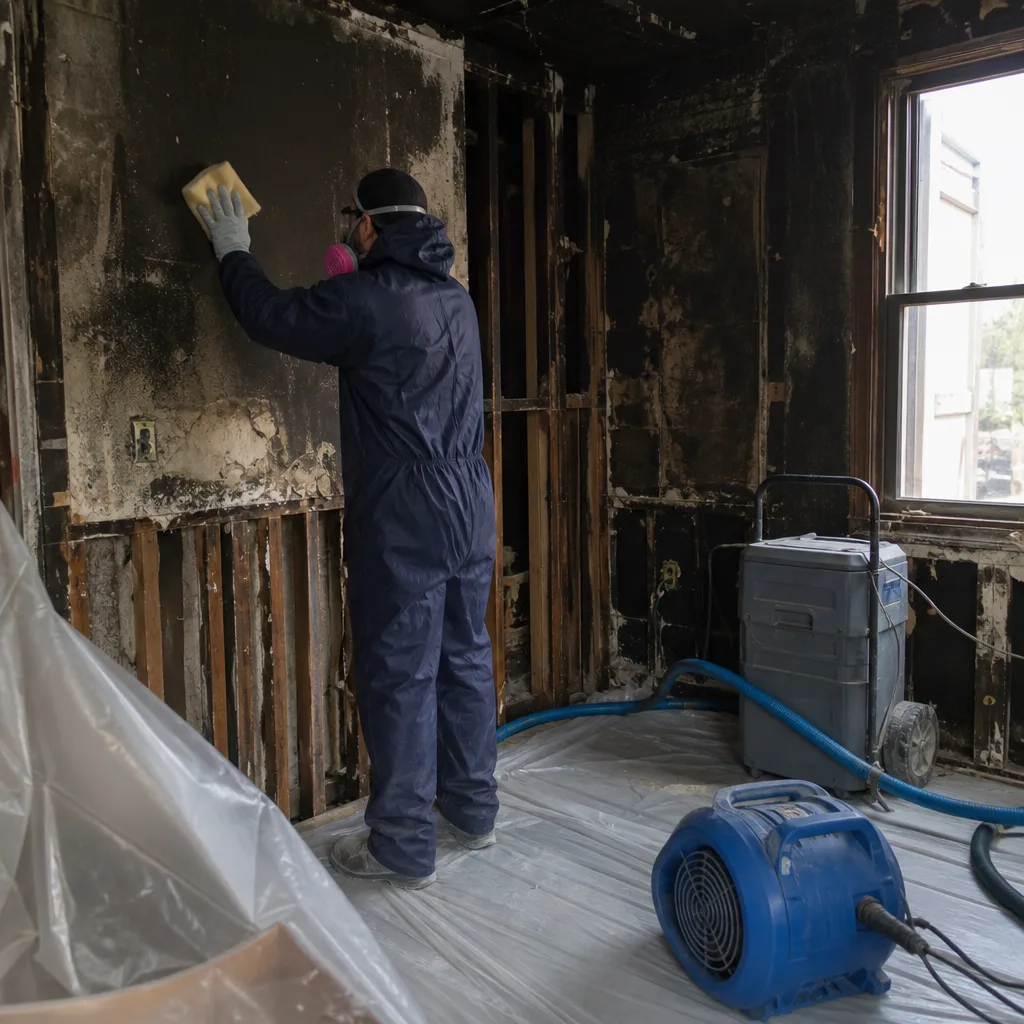
The three line items that inflate restoration invoices after work begins are almost always the same, and they are almost always preventable with proper documentation at the inspection phase. We have reviewed thousands of competitor estimates since 2011, and the pattern holds across Jamaica’s housing stock - from the pre-war brick row houses near Liberty Avenue to the mid-century ranches in St. Albans.
First: extended drying cycles. A contractor who places dehumidifiers and air movers without taking baseline moisture readings cannot predict how long equipment must run. The industry standard calls for daily moisture mapping - recording wood moisture content (WMC) and relative humidity (RH) until materials return to equilibrium moisture content, typically 6-12% for structural lumber in Jamaica’s climate. Without this data, the contractor bills by the week and hopes. With it, equipment is removed the day readings stabilize, and the homeowner pays for results, not time.
Second: containment expansion. Mold or sewage jobs require polyethylene containment barriers and negative air pressure machines. The initial estimate often assumes a contained area of, say, 100 square feet. When demolition reveals hidden mold behind tile or sewage saturation in wall cavities, containment must expand. The legitimate charge requires a revised sketch with new square footage, new air scrubber calculations (typically 4-6 air changes per hour per contained cubic foot), and photo documentation of the expanded perimeter.
Third: hazardous material discovery. Homes built before 1978 in Jamaica - which includes much of the housing south of Linden Boulevard - may contain lead-based paint or asbestos in joint compound. Disturbing these materials during water or fire restoration triggers EPA RRP rules and NYSDOL asbestos handling requirements. The discovery is legitimate; the charge is not, unless the contractor produces the lab report and the revised written scope before proceeding.
Every one of these scenarios requires specific documentation to be claim-eligible. An invoice increase without a matching written scope revision, photo record, and - for Category 3 water or mold - a signed hazardous materials addendum, is a red flag.
Water Mitigation Costs: Category 1, 2, and 3 Breakdown
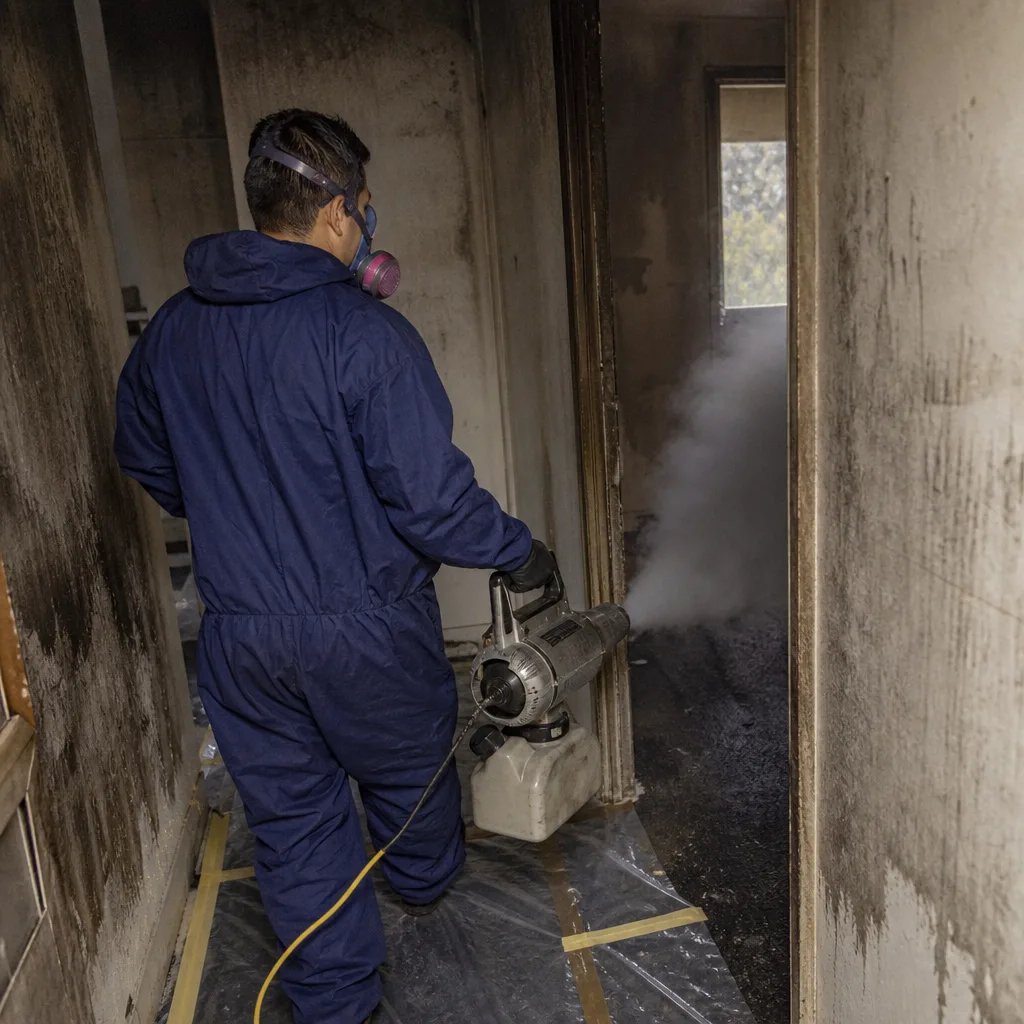
Water damage restoration pricing in Jamaica follows IICRC S500 standards, which classify water by contamination level. The category determines PPE requirements, disposal costs, and whether antimicrobial treatment is mandatory. Queens County labor rates for certified water technicians typically run $85-$125 per hour, with emergency response premiums of 1.5x for calls between 8 PM and 6 AM.
| Service Line Item | Category 1 (Clean Water) | Category 2 (Gray Water) | Category 3 (Black Water) |
|---|---|---|---|
| Initial inspection & moisture mapping | $250-$400 | $300-$500 | $400-$650 |
| Water extraction (per sq ft) | $0.80-$1.50 | $1.20-$2.00 | $2.50-$4.00 |
| Structural drying (per day, equipment) | $150-$250 | $200-$350 | $300-$500 |
| Antimicrobial application | Optional | Required: $150-$300 | Required: $300-$600 |
| Demolition & disposal (per sq ft) | $1.50-$3.00 | $2.50-$4.50 | $4.00-$7.00 |
| Containment setup (if needed) | Rare | Occasional: $400-$800 | Required: $800-$1,500 |
Category 1 water originates from a clean source - a burst supply line, an overflowing sink with no contaminants. In Jamaica’s older homes, we see these most often in winter when copper pipes freeze in uninsulated crawl spaces near Baisley Pond, where the water table sits high and basements run humid. Category 2 carries significant contamination - dishwasher discharge, washing machine overflow, sump pump failures. Category 3 is sewage, seawater, or water that has sat long enough to support bacterial growth.
The cost divergence between categories is not arbitrary. Category 3 requires full PPE, double-bagged disposal at $0.35-$0.60 per pound in Queens, and HEPA air scrubbing during demolition. A Category 1 job in a Jamaica basement might finish at $3,200 with four days of drying. The same footprint with Category 3 sewage backup, with proper containment and disposal, runs $7,500-$10,000 - and any contractor quoting the lower number for sewage is either uninsured for biohazard or planning to add charges later.
Key documentation to demand: a moisture map showing baseline readings for every affected material, a daily equipment placement log with serial numbers, and a final clearance reading showing WMC within 2% of dry standard. Without these, your invoice is unverifiable and your insurer has grounds to challenge it.
Mold Remediation Pricing: Under 10 Sq Ft vs. Full Containment
New York State Department of Labor regulations draw a bright line at 10 square feet of contiguous mold growth. Below that threshold, a licensed contractor may remediate without full containment and negative air pressure, provided workers wear minimum PPE and the area is HEPA vacuumed. Above 10 square feet, the job requires a licensed mold assessor (unless the contractor holds both remediation and assessment licenses, with proper disclosure), full containment, and independent post-remediation verification.
This regulatory threshold creates a pricing cliff that Jamaica homeowners should understand before authorizing work.
Under 10 square feet: $400-$900. Typically a single bathroom patch, small closet ceiling, or isolated window frame. Work involves source moisture correction, HEPA vacuuming of visible growth, application of EPA-registered antimicrobial, and disposal of porous materials that cannot be cleaned (drywall, insulation). No containment required, but the work area should still be isolated with plastic sheeting and a HEPA air scrubber run during disturbance.
Over 10 square feet: $15-$30 per square foot of contained area, plus $800-$1,800 for containment build, negative air machine rental at $75-$150 per day, and post-remediation verification by a third-party assessor at $400-$700. A 200 square foot basement remediation in South Jamaica - common where foundation seepage meets finished space - runs $4,500-$8,500 all-in.
The square footage calculation matters enormously. Containment is built to create a sealed work chamber; the square footage billed is the floor area inside that chamber, not just the patch of visible mold. If mold is found behind a finished basement wall, containment must extend to the full wall section being opened, often doubling the contained area. The legitimate contractor measures and sketches this before cutting; the illegitimate one measures after, when the homeowner has no leverage.
Air scrubber calculations are equally specific. A contained space of 1,000 cubic feet (10′ x 10′ x 10′) requires 4,000-6,000 cubic feet per minute of scrubbed air to achieve 4-6 air changes per hour. A Phoenix Guardian HEPA system rated at 500 CFM needs 8-12 units for that volume, or fewer larger units. The equipment log should show make, model, CFM rating, and placement sketch - if your invoice lists “air scrubber, 5 days, $150/day” without this data, you are paying for a promise, not a calculation.
Fire & Smoke Damage Remediation Costs
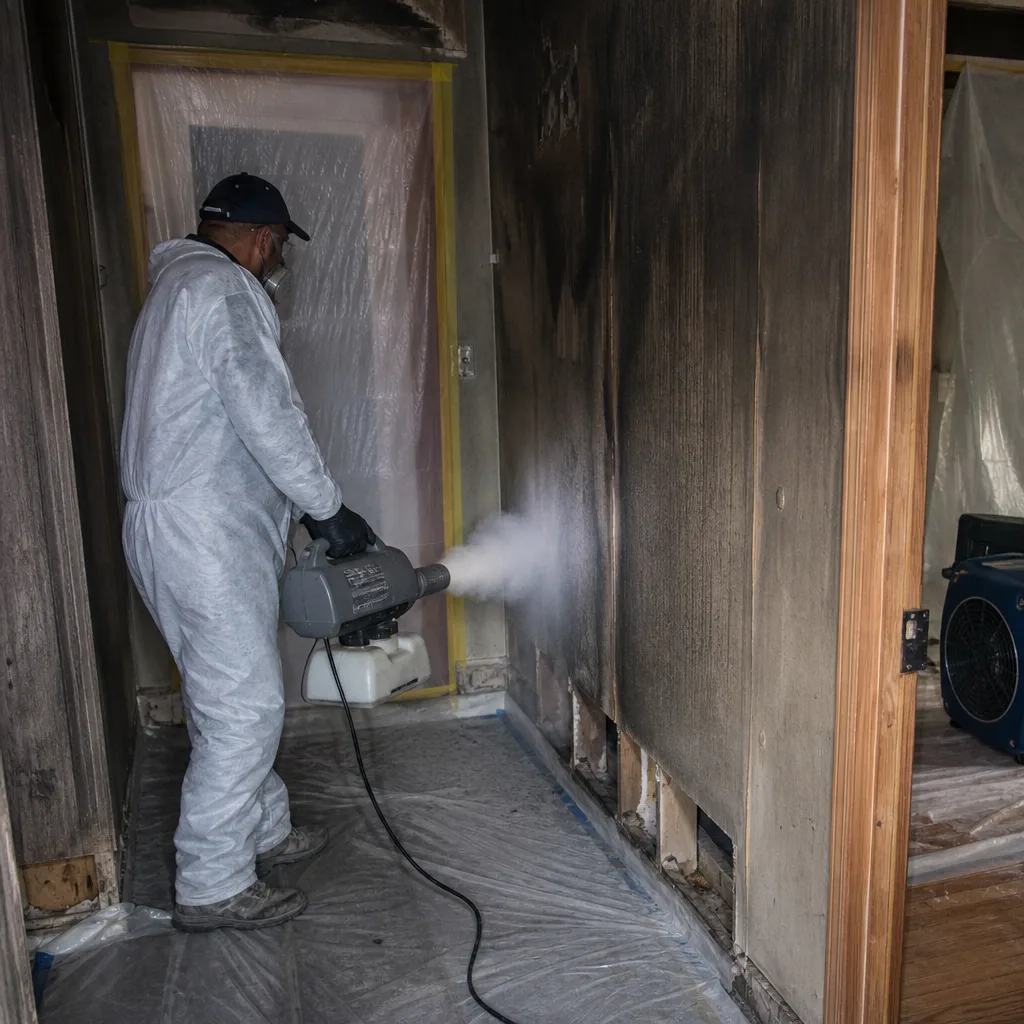
Fire restoration pricing diverges from water and mold because the damage type determines the cleaning method, and the cleaning method drives labor hours more than material costs. A kitchen grease fire in a Jamaica colonial produces protein smoke - nearly invisible, extremely pungent, requiring alkaline cleaners and thermal fogging. A synthetic fire from burning plastics produces thick, acidic soot requiring HEPA vacuuming and chemical sponges before wet cleaning touches the surface.
Fire & Smoke Damage Restoration in Jamaica typically breaks down as follows:
| Scope Element | Light Smoke (1-2 rooms) | Moderate Damage (3-5 rooms) | Heavy Structural (6+ rooms or rebuild) |
|---|---|---|---|
| Emergency board-up / tarping | $300-$600 | $500-$1,200 | $1,000-$2,500 |
| Soot removal & surface cleaning (per sq ft) | $2.50-$4.50 | $4.00-$7.00 | $7.00-$12.00 |
| Contents cleaning (per item / per box) | $15-$40 | $15-$40 | $15-$40 |
| Thermal fogging / ozone treatment | $400-$800 | $800-$1,500 | $1,500-$3,000 |
| HVAC duct cleaning | $400-$700 | $700-$1,200 | $1,200-$2,500 |
| Structural deodorization (sealant) | $1.50-$3.00/sq ft | $2.50-$4.50/sq ft | $4.00-$7.00/sq ft |
| Content pack-out (see below) | Optional | Often required | Required |
The hidden cost in fire restoration is contents - the furniture, clothing, electronics, and personal items that absorb odor even when not directly burned. A Jamaica homeowner with a $600,000 house and $200,000 in contents may face restoration bills where contents exceed structure. We document every item with photo inventory before it leaves the premises; this inventory becomes the basis for both the restoration scope and the insurance personal property claim.
Structural rebuild costs after fire are scoped separately from emergency mitigation. DryMark Restoration Jamaica home separates these phases deliberately: mitigation stops further damage and secures the structure; reconstruction is priced as a written renovation scope with material allowances and labor line items. Combining them in a single vague estimate is how contractors obscure markup.
Structural Drying and Equipment Line Items Explained
The equipment section of a water damage invoice is where most homeowners lose track of what they’re paying for - and where most contractors add undocumented charges. A proper drying system is sized to the job using psychrometric calculations: the science of air moisture, temperature, and vapor pressure that determines how much dehumidification capacity is needed to dry specific materials in specific conditions.
Here’s how to read the equipment log every contractor should provide:
- Dehumidifiers: Rated in pints per day (PPD) at AHAM conditions (80°F, 60% RH). A Dri-Eaz LGR 7000XLi removes 130 PPD; a Phoenix R200 removes 75 PPD. The formula: affected cubic feet divided by target air changes, divided by dehumidifier capacity, equals units required. A 2,000 cubic foot basement with saturated drywall might need two large LGR units for 48-72 hours. The log should show serial number, placement location, daily RH reading, and removal date.
- Air movers: One per 10-16 linear feet of wet wall, plus one per corner, plus one for each wet floor area. A 12′ x 12′ room with wet walls on two sides needs 4-5 air movers. XPOWER and B-Air units are standard; the log should show count, placement sketch, and daily confirmation that they remain positioned for optimal airflow.
- Injectidry systems: Used for hardwood floors and wall cavities where surface drying is insufficient. The system injects heated, dehumidified air through mats or hoses into the material. Rental runs $150-$300 per day plus panel/mat charges. Critical for Jamaica’s oak and maple flooring common in pre-1960s housing.
- Heat drying systems: Electric or indirect-fired heaters raise ambient temperature to accelerate evaporation. Used when outside conditions in Jamaica’s humid summers make standard LGR dehumidification inefficient. Documented with target temperature, actual readings, and energy cost allocation.
The equipment log is not a courtesy; it is the documentation that transforms rental charges from “trust us” to “here is the math.” At DryMark Restoration Jamaica, every job includes this log as standard deliverable, not an upsell. If your contractor cannot produce it, you are paying for equipment that may be undersized, incorrectly placed, or billed for days it was not running.
Vapor pressure differential is the engine of drying. Wet materials have high vapor pressure; dry air has low vapor pressure. Air movers create airflow that carries evaporated moisture to the dehumidifier, which removes it from the air. When the vapor pressure inside the material equals the vapor pressure in the air, drying stops. Psychrometric data - the temperature, RH, and specific humidity recorded daily - proves when this equilibrium is reached. A contractor who removes equipment before this point leaves moisture that will support mold; one who leaves it running past this point bills you for unnecessary days.
Xactimate vs. Contractor Invoices: Reading the Gap
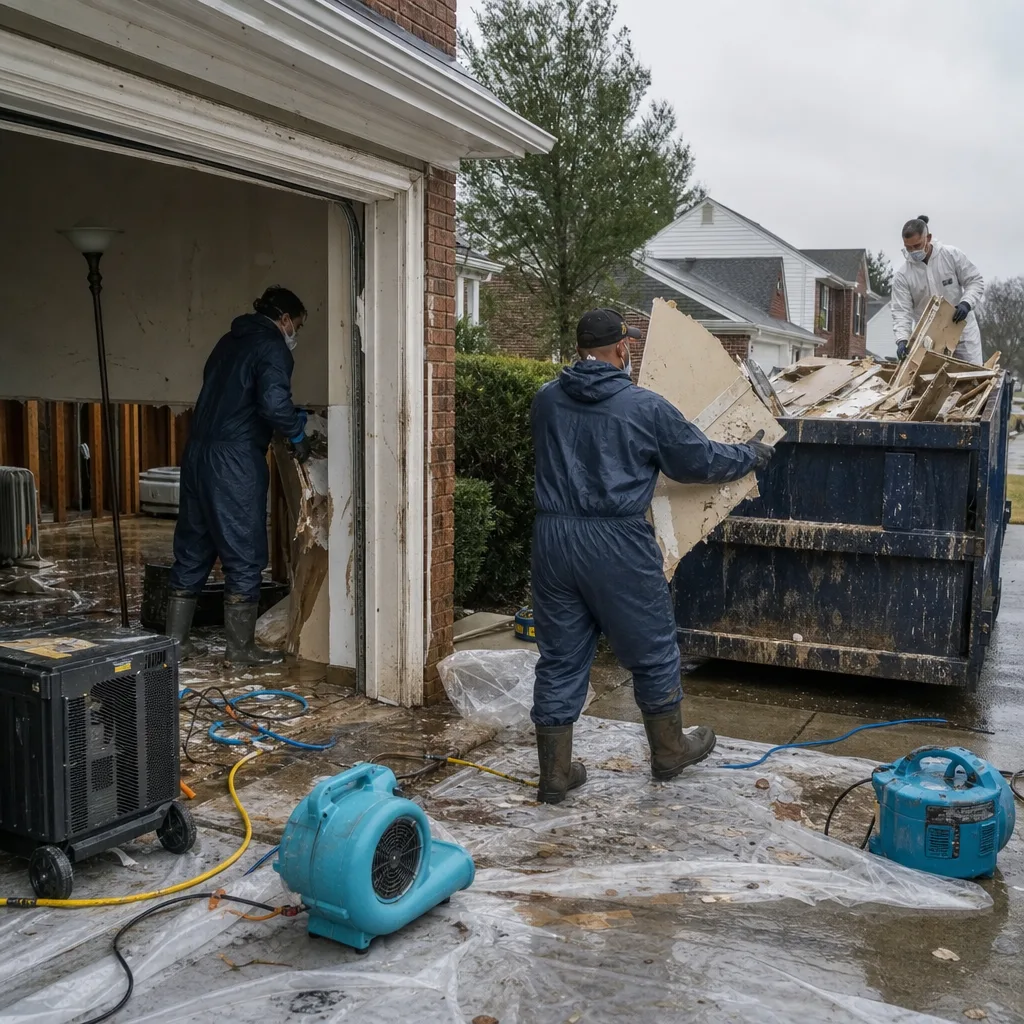
Xactimate is the pricing software used by most insurance carriers to estimate property claims. It sets unit prices by ZIP code, adjusted for local labor and material costs. For Jamaica, ZIP 11434, 11435, 11436, and surrounding Queens codes, Xactimate 2025 pricing reflects New York City labor premiums but does not automatically account for every restoration-specific variable.
The gap between Xactimate and contractor invoices typically appears in three areas:
- Overhead and Profit (O&P): Xactimate allows 10% overhead and 10% profit on trades where three or more trades are involved, or where the job is large enough to require significant project management. Some contractors apply O&P to every line item regardless; others omit it from equipment rental, which Xactimate often prices lower than actual Dri-Eaz or Phoenix rental rates. A legitimate invoice shows O&P calculated exactly as Xactimate applies it, with a line-item reconciliation.
- Equipment pricing: Xactimate’s default equipment rates lag market rental costs, particularly for HEPA air scrubbers and Injectidry systems. Contractors may bill actual rental cost plus markup; the question is whether the markup exceeds reasonable overhead. Ask for the rental invoice or fleet ownership documentation.
- Scope omissions: Xactimate estimates generated by adjusters who have not visited the site often miss hidden damage - water in wall cavities, smoke in HVAC ducts, mold behind tile. The contractor’s supplemental request, with photo documentation and moisture readings, is the legitimate mechanism to correct this. Without documentation, it is a request for more money, not a correction of scope.
The homeowner’s protection is to request a line-item comparison: contractor invoice on one side, Xactimate estimate on the other, with the contractor explaining every variance over 15%. At DryMark Restoration Jamaica, we provide this comparison as part of our standard documentation package, because Haven Standard, Clause 1 requires a written price before work begins - and that price must be defensible to both homeowner and insurer.
The Documentation Required for Every Legitimate Price Increase
When a restoration invoice exceeds the initial estimate, three scenarios explain virtually all legitimate increases. Each requires specific documentation; absent that documentation, the increase is unearned.
Hidden damage discovered during demolition. Water travels horizontally along base plates and vertically through wall cavities; smoke penetrates spaces invisible until drywall is removed. The legitimate discovery is documented with: photos of the opened cavity showing previously hidden damage, moisture readings from the newly exposed materials, a revised sketch showing expanded affected area, and a written scope revision signed by both contractor and homeowner before work proceeds. The timestamp on these photos matters - photos taken after work has already expanded are evidence of planning, not discovery.
Elevated moisture readings requiring extended drying. Materials dry at different rates: carpet and pad in 24-48 hours; structural lumber in 72 hours to 14 days; plaster and concrete in 7-21 days. When daily moisture logs show readings plateauing above dry standard, extended drying is legitimate. The documentation required: daily psychrometric data showing the plateau, a narrative explaining why (high exterior humidity, dense material, limited airflow access), and a revised equipment log showing continued placement. In Jamaica’s summer months, when outside RH regularly exceeds 70%, extended drying is common and should be anticipated in the initial estimate as a range, not a fixed number.
Hazardous materials discovered. Pre-1978 housing stock, common in Jamaica’s older neighborhoods, may contain lead paint or asbestos. Disturbing these without proper abatement exposes the contractor to EPA fines and the homeowner to liability. Discovery requires: stop-work notification to homeowner, sample collection by certified inspector, lab analysis with chain of custody documentation, revised scope with NYSDOL-compliant abatement line items, and final clearance air sampling. The contractor who proceeds without these steps is uninsured for the hazard; the one who adds charges without producing the lab report is padding the bill.
Every DryMark Restoration Jamaica job includes photo documentation on every visit as standard. This is not marketing language; it is the evidence that makes an invoice payable and a claim defensible.
Content Pack-Out and Storage Pricing
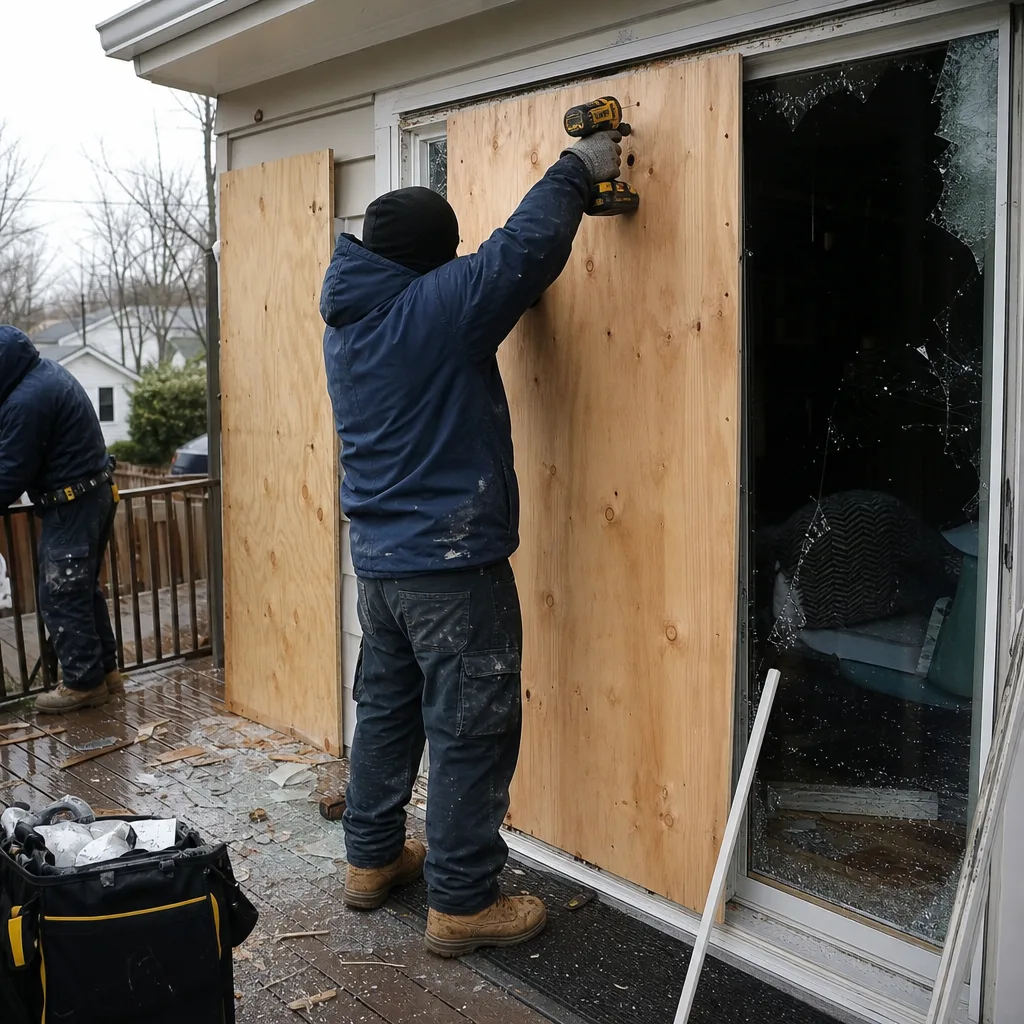
When fire, water, or mold damage makes the living space uninhabitable or threatens contents with secondary damage, restoration contractors pack out personal property for cleaning, storage, and eventual return. This service is often the least transparent line item on an invoice, with storage charged by the month at rates that compound quickly.
Storm & Disaster Restoration in Jamaica and fire jobs most commonly require pack-out. Pricing structures vary:
| Element | Typical Range | Documentation Required |
|---|---|---|
| Inventory & photo documentation (per hour) | $85-$125 | Itemized list with photos, signed by homeowner |
| Packing materials (per box / per roll) | $8-$15 / $12-$25 | Count verified against inventory |
| Transport to storage facility | $250-$500 + mileage | Log with truck ID, departure/arrival times |
| Climate-controlled storage (per month) | $150-$400 per vault | Vault dimensions, monthly inspection record |
| Contents cleaning (per item type) | $15-$150 | Cleaning method by material, pre/post photo |
| Return transport and placement | $250-$500 | Condition verification on delivery |
The critical control is the initial inventory. A contractor who packs out without photo-documenting each item’s pre-existing condition leaves both parties exposed: the homeowner cannot prove damage occurred during restoration, and the contractor cannot prove it did not. At DryMark Restoration Jamaica, our pack-out crews use barcode inventory systems with room-of-origin tracking, so an item cleaned and stored from the master bedroom returns to the master bedroom, with its condition documented at every handoff.
Storage duration is the variable most homeowners underestimate. Insurance policies typically cover 12-24 months of storage during reconstruction; after that, costs shift to the homeowner. A contractor who does not communicate storage timeline monthly is either disorganized or profiting from your inattention.
Common Mistakes to Avoid
- Accepting a verbal estimate for emergency work. In Jamaica’s competitive restoration market, some contractors offer “quick ballparks” to secure the job, then invoice 60% higher. Haven Standard, Clause 1 exists precisely to end this practice: a written price before work begins, every time, with no exceptions.
- Ignoring the equipment log. Dehumidifiers and air movers are billed daily; without a log showing serial numbers, placement, and daily confirmation, you have no proof the equipment was on site or properly sized. Request this log on day one, not at final invoice.
- Assuming insurance covers everything. Most homeowner policies cover sudden and accidental damage, not gradual leaks or maintenance failures. A mold claim denied because the source was a three-year-old leaking shower pan becomes a $15,000 out-of-pocket remediation. The contractor who does not review your policy coverage with you before starting work is setting you up for a surprise.
- Not questioning containment size. A mold estimate that jumps from 50 square feet to 200 square feet after work begins, without a revised sketch and air scrubber recalculation, is likely inflated. Containment is built from measured dimensions; it does not expand by guesswork.
- Overlooking the moisture map baseline. A contractor who begins drying without recording starting moisture content has no benchmark to prove the job is complete. Final “dry” readings are meaningless without comparison to where you started.
- Paying for post-remediation verification out of pocket on small jobs. New York State requires independent verification only for jobs over 10 square feet. For smaller remediation, the contractor’s own clearance testing is permissible; paying extra for “independent” verification on a 6 square foot bathroom patch is unnecessary expense.
- Failing to document pre-existing conditions. Before any restoration work begins, photograph your property - walls, floors, personal items. Jamaica’s dense housing means shared walls and insurance disputes with neighbors; your documentation protects against subrogation claims and establishes your baseline.
When to Call a Professional
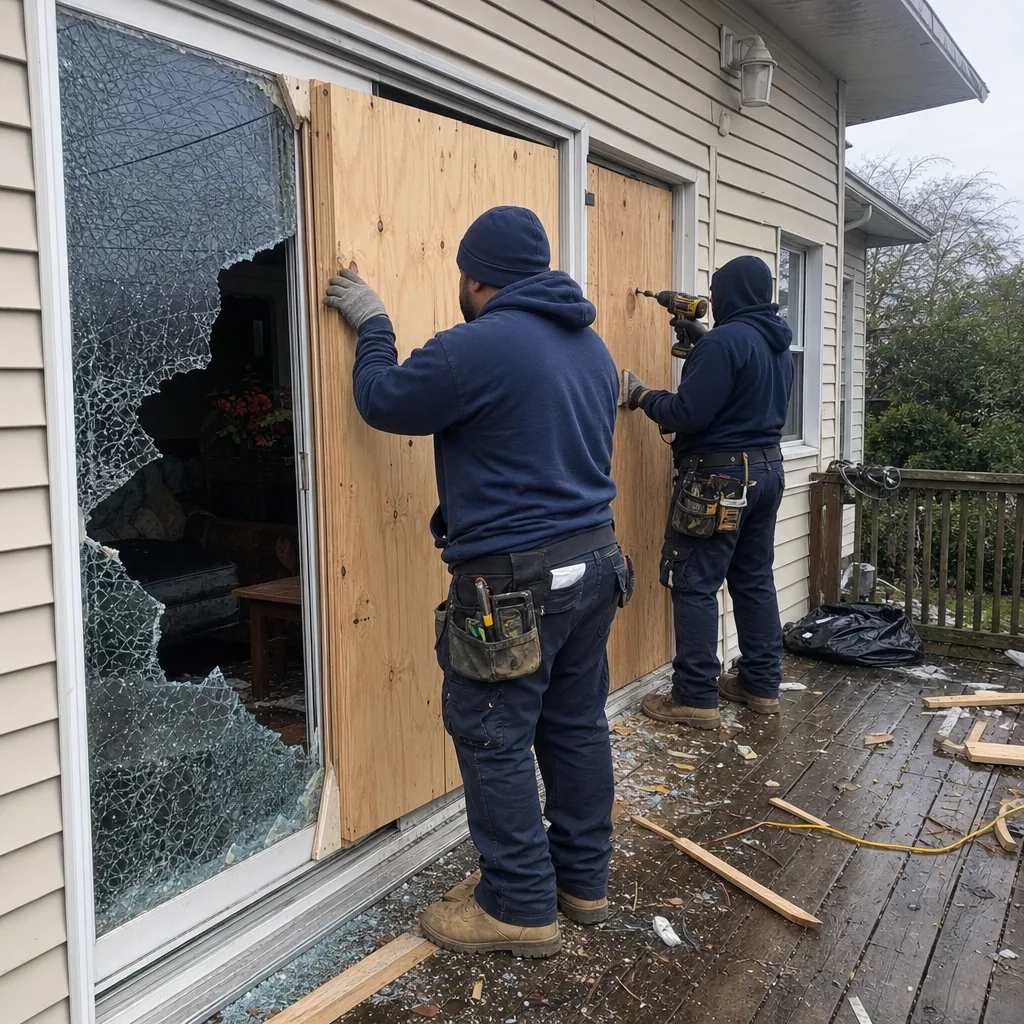
Call for professional assessment when water has affected more than a single small room, when you smell mold but cannot locate the source, when fire damage involves more than superficial soot on hard surfaces, or when sewage or standing water has been present for more than 24 hours. These thresholds mark the boundary between manageable homeowner action and situations where improper handling creates larger, more expensive problems.
Specifically in Jamaica: homes near Baisley Pond and the headwaters of Baisley Creek experience seasonal groundwater intrusion that homeowners often mistake for a one-time leak; the actual problem is hydrostatic pressure requiring exterior drainage correction, not interior drying alone. Similarly, the area’s frequent summer thunderstorms and aging combined sewer system mean basement backups are often Category 3 water even when the source appears to be a floor drain.
DryMark Restoration Jamaica offers free estimates in Jamaica - call (516) 240-9735. Every estimate includes moisture mapping where water is suspected, a written scope with line-item pricing, and a copy of our standard equipment log format so you know what documentation to expect before authorizing work. Browse more guides & resources on damage restoration and insurance claims.
Frequently Asked Questions
A typical residential water mitigation in Jamaica runs $3,200-$8,500 for Category 1 or 2 water, with Category 3 sewage backup starting at $6,500 and ranging to $12,000+ for full basement contamination. The variance depends on water category, affected square footage, and drying duration documented by daily moisture logs. Call (516) 240-9735 for a written estimate with exact pricing for your specific damage - estimates are free.
Insurance covers mold remediation only when the mold resulted from a covered peril - typically sudden water damage like a burst pipe or storm intrusion - and only when mitigation begins promptly. Gradual leaks, poor ventilation, or maintenance failures are excluded by most policies. The key to coverage is documentation: photos of the sudden event, moisture readings establishing timeline, and a written scope linking the mold directly to the covered water loss. We coordinate directly with adjusters and provide the photo documentation that supports this linkage.
For water and sewage emergencies, DryMark Restoration Jamaica maintains live phone coverage 24 hours a day, 7 days a week with no voicemail on emergency lines. Dispatch response varies by current storm volume and your location within Jamaica, but our standard is initial contact within 15 minutes of call and crew arrival within 2-4 hours for active water damage. Reconstruction and non-emergency mold remediation are scheduled, not dispatched, with written scopes prepared in advance.
Xactimate is insurance pricing software that sets unit costs by ZIP code; contractor estimates reflect actual labor, equipment, and material costs. The two should align within 10-15% on standard line items. When they diverge significantly, the cause is usually scope differences (the adjuster missed hidden damage), equipment pricing (Xactimate lags market rates for Dri-Eaz and Phoenix units), or O&P application errors. We provide line-item reconciliation between our invoice and the Xactimate estimate as standard documentation.
For contiguous mold growth under 10 square feet in a single room, New York State permits remediation without full containment, provided the area is isolated and HEPA vacuumed. Above 10 square feet, full containment with negative air pressure is legally required, plus independent post-remediation verification. A contractor who proposes “just cleaning it” for a 50 square foot basement patch is violating NYSDOL regulations and exposing you to liability if spores migrate to other rooms. Demand the square footage measurement and containment sketch in writing.
It shouldn’t. The equipment log should document serial numbers, placement dates, daily confirmation, and removal dates. Dehumidifiers and air movers are billed only for days they are actively drying your structure. If your invoice includes equipment charges after documented removal, that is a billing error requiring correction. At DryMark Restoration Jamaica, our daily logs include homeowner-acknowledged equipment checks; you sign confirmation that units are on site and operational, creating mutual accountability.
The contractor should coordinate directly with your adjuster, providing moisture maps, photo documentation, drying logs, and scope revisions as the job progresses. You remain the policyholder and must authorize all work, but the documentation burden belongs to the restoration company. We handle adjuster communication as standard practice, including supplemental requests when hidden damage expands scope, because our documentation package is designed to produce payable claims without dispute.
The Bottom Line
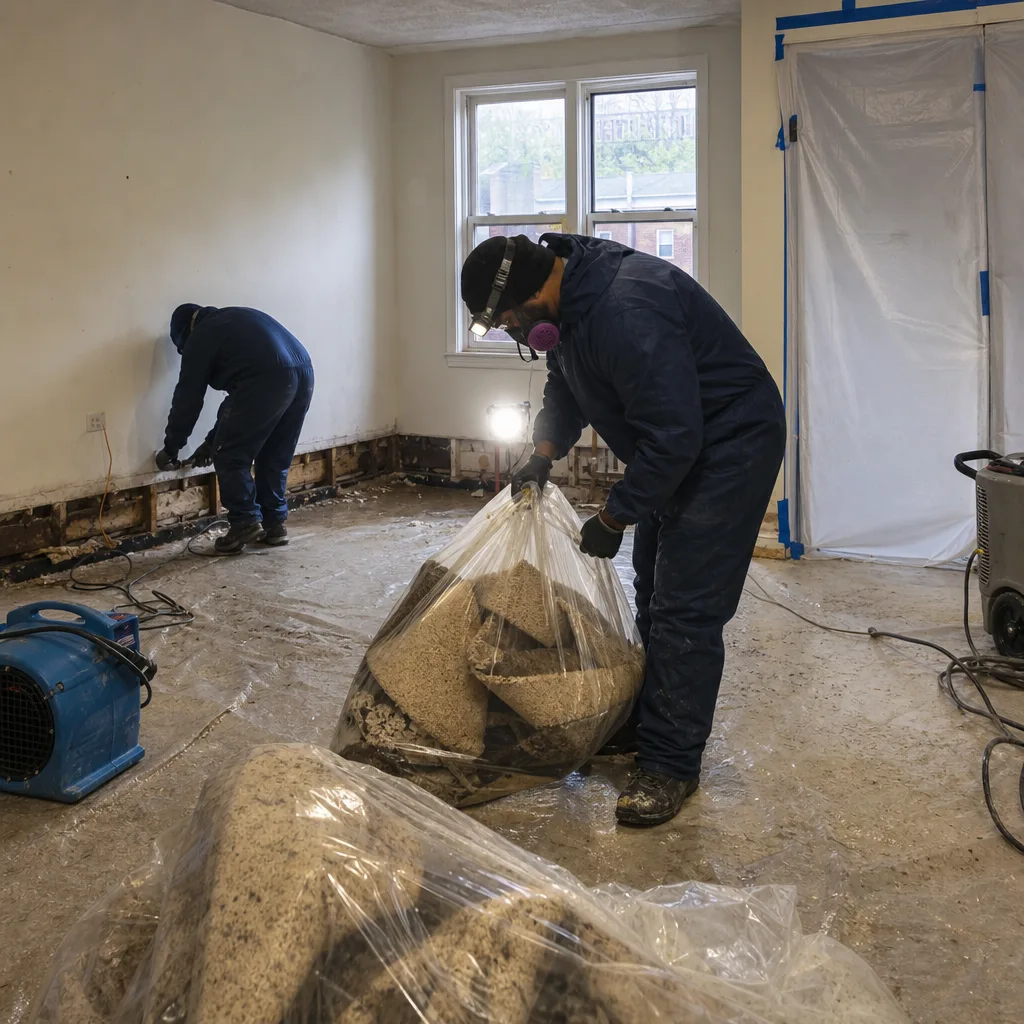
Restoration costs in Jamaica are knowable and defensible when contractors document their work the way claims adjusters review it: with measured data, written scopes, and photo evidence. The 40% estimate-to-invoice inflation that plagued Queens County in 2025 was not a market mystery; it was a documentation failure, repeated across jobs where moisture mapping was skipped, equipment logs were absent, and scope revisions were verbal. This guide gives you the vocabulary and benchmarks to demand better. The written price before work begins, the daily equipment log, the photo record on every visit - these are not premium services. They are the minimum standard for a restoration invoice that an insurer will pay and a homeowner can verify.
Written by Alicia Brennan, Owner at DryMark Restoration Jamaica, serving Jamaica since 2011.